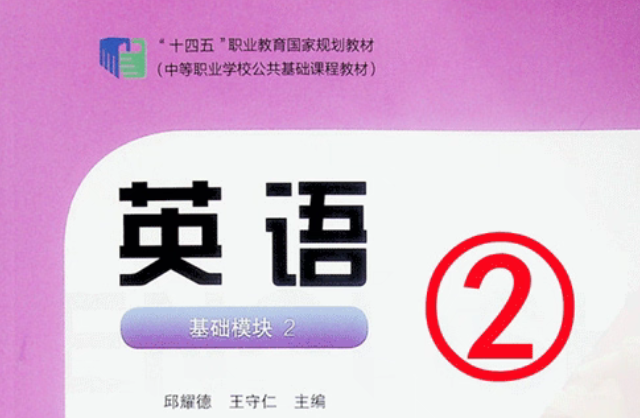
Unit 6 Mobile Phones and Our Life(A 卷·基础巩固)《英语 基础模块2》(语文版2022版)单元过关卷(原卷版+解析版)
2026-09-18
|
2份
|
19页
|
27人阅读
|
0人下载
内容正文:
编写说明:本套试卷紧扣《英语 基础模块2》(语文版2022版)教材,以教材单元为基准精准覆盖核心考点。
每个单元设置 A 卷与 B 卷,A 卷为基础巩固卷,侧重基础考点训练,帮助学生扎实掌握知识要点;B 卷为能力提升卷,注重知识整合与全面检测,引导学生构建知识网络。另设计若干份综合测试卷,模拟实战情境,聚焦解题能力突破,全面提升应试能力与知识应用水平。
《英语 基础模块2》(语文版2022版)《单元过关卷》
Unit 6 Mobile Phones and Our Life
A 卷·基础巩固
考试时间:60分钟 满分:100 分
班级_____姓名_____学号_____成绩_____
Ⅰ 词汇判断(11—20,每题 1 分,共 10 分)
从每题所给的 A、B、C、D 四个选项中,选出与所给中文词义相对应的英文单词。
11. 消息
A. manner
B. memory
C. message
D. machine
【答案】C
【解析】考点:词汇判断。message 意为“信息”,符合题干。其余选项:manner(方式)、memory(记忆)、machine(机器)。故选 C。
12. 病毒
A. virus
B. various
C. visit
D. voice
【答案】A
【解析】考点:词汇判断。virus 意为“病毒”,符合题干。其余选项:various(各种各样的)、visit(参观)、voice(声音)。故选 A。
13. 交流、沟通
A. complete
B. communicate
C. continue
D. compete
【答案】B
【解析】考点:词汇判断。communicate 意为“交流;沟通”,符合题干。其余选项:complete(完成)、continue(继续)、compete(竞争)。故选 B。
14. 联系、接触
A. content
B. context
C. contest
D. contact
【答案】D
【解析】考点:词汇判断。contact 意为“联系;接触”,符合题干。其余选项:content(内容)、context(语境)、contest(比赛)。故选 D。
15. 安全的
A. same
B. save
C. sale
D. safe
【答案】D
【解析】考点:词汇判断。safe 意为“安全的”,符合题干。其余选项:same(相同的)、save(节省)、sale(出售)。故选 D。
16. 聊天
A. chart
B. chat
C. cheap
D. change
【答案】B
【解析】考点:词汇判断。chat 意为“聊天”,符合题干。其余选项:chart(图表)、cheap(便宜的)、change(改变)。故选 B。
17. 传统的
A. traditional
B. national
C. additional
D. international
【答案】A
【解析】考点:词汇判断。traditional 意为“传统的”,符合题干。其余选项:national(国家的)、additional(额外的)、international(国际的)。故选 A。
18. 网站
A. weekend
B. weekday
C. workplace
D. website
【答案】D
【解析】考点:词汇判断。website 意为“网站”,符合题干。其余选项:weekend(周末)、weekday(工作日)、workplace(工作场所)。故选 D。
19. 不熟悉的
A. unfriendly
B. unfamiliar
C. unfair
D. unhappy
【答案】B
【解析】考点:词汇判断。unfamiliar 意为“不熟悉的”,符合题干。其余选项:unfriendly(不友好的)、unfair(不公平的)、unhappy(不开心的)。故选 B。
20. 手机
A. calculator
B. camera
C. cell phone
D. clock
【答案】C
【解析】考点:词汇判断。cell phone 意为“手机”,符合题干。其余选项:calculator(计算器)、camera(相机)、clock(时钟)。故选 C。
Ⅱ 选择填空(21—30,每题 2 分,共 20 分)
从每题所给的 A、B、C、D 四个选项中,选出可以填入空白处的最佳选项。
21. The man ____ is talking with our teacher is Mr Wang.
A. which
B. who
C. where
D. whose
【答案】B
【解析】考点:定语从句(who 指人作主语)。句意:正在和我们老师谈话的那个人是王先生。先行词 the man 指人,关系词在从句中作主语,用 who 引导定语从句,故选 B。A which 指物;C where 指地点;D whose 指所属。
22. This is the place ____ Mr Wang was born.
A. which
B. who
C. that
D. where
【答案】D
【解析】考点:定语从句(where 指地点)。句意:这是王先生出生的地方。先行词 the place 指地点,从句 Mr Wang was born 结构完整、不缺主宾,需要地点状语,用 where 引导定语从句,故选 D。A which 指物;B who 指人;C that 一般不单独作状语。
23. I like the book ____ you bought yesterday.
A. that
B. who
C. where
D. whose
【答案】A
【解析】考点:定语从句(that 指物作宾语)。句意:我喜欢你昨天买的那本书。先行词 the book 指物,关系词在从句中作 bought 的宾语,用 that(也可用 which)引导定语从句,故选 A。B who 指人;C where 指地点;D whose 指所属。
24. This is a truck ____ is made in China.
A. who
B. where
C. which
D. whose
【答案】C
【解析】考点:定语从句(which 指物作主语)。句意:这是一辆中国制造的卡车。先行词 a truck 指物,关系词在从句中作主语,用 which(也可用 that)引导定语从句,故选 C。A who 指人;B where 指地点;D whose 指所属。
25. Do you know the girl ____ mother is a doctor?
A. which
B. who
C. where
D. whose
【答案】D
【解析】考点:定语从句(whose 指所属)。句意:你认识那个妈妈是医生的女孩吗?先行词 the girl 与 mother 之间是所属关系,用 whose 表示"……的",在从句中作定语,故选 D。A which 指物;B who 指人作主语;C where 指地点。
26. The school ____ I study is very beautiful.
A. which
B. where
C. who
D. whose
【答案】B
【解析】考点:定语从句(where 指地点)。句意:我学习的学校非常漂亮。先行词 the school 指地点,从句 I study 结构完整、缺地点状语,用 where 引导定语从句,故选 B。A which 指物;C who 指人;D whose 指所属。
27. A smart phone has almost all the functions ____ a computer has.
A. where
B. who
C. that
D. whose
【答案】C
【解析】考点:定语从句(that 指物作宾语)。句意:智能手机几乎拥有电脑所具有的全部功能。先行词 the functions 指物,关系词在从句中作 has 的宾语,用 that(也可用 which)引导定语从句,故选 C。A where 指地点;B who 指人;D whose 指所属。
28. Those new mobile phones ____ you have just heard of are thinner.
A. who
B. whose
C. where
D. which
【答案】D
【解析】考点:定语从句(which 指物作宾语)。句意:你刚刚听说的那些新手机更薄。先行词 mobile phones 指物,关系词在从句中作 heard of 的宾语,用 which(也可用 that)引导定语从句,故选 D。A who 指人;B whose 指所属;C where 指地点。
29. The girl ____ is sewing a dress studies in a vocational school.
A. whom
B. who
C. which
D. where
【答案】B
【解析】考点:定语从句(who 指人作主语)。句意:那个正在缝裙子的女孩在一所职业学校学习。先行词 the girl 指人,关系词在从句中作主语,用 who(也可用 that)引导定语从句,故选 B。A whom 作宾语不作主语;C which 指物;D where 指地点。
30. Many companies now offer services ____ can turn your voice into text.
A. that
B. where
C. who
D. whose
【答案】A
【解析】考点:定语从句(that 指物作主语)。句意:许多公司现在提供能把你的语音转成文字的服务。先行词 services 指物,关系词在从句中作主语,用 that(也可用 which)引导定语从句,故选 A。B where 指地点;C who 指人;D whose 指所属。
Ⅲ 补充对话(31—40,每题 2 分,共 20 分)
从每题所给的 A、B、C、D 四个选项中,选出可以填入空白处的最佳选项。
31. — Do you often use your mobile phone?
— ____.
A. It is raining outside now.
B. Here is your new seat.
C. Yes, I do.
D. See you at school tomorrow.
【答案】C
【解析】考点:情景交际(回应一般疑问)。句意:——你经常使用手机吗?——是的,我经常用。A 意为“外面正在下雨”;B 意为“这是你的新座位”;C 意为“是的,我经常用”;D 意为“明天学校见”。故选 C。
32. — What do you often do with your phone?
— ____.
A. I chat with my friends.
B. The bus comes at seven.
C. This room is very bright.
D. We have no classes today.
【答案】A
【解析】考点:情景交际(回应询问)。句意:——你常用手机做什么?——我和朋友聊天。A 意为“我和朋友聊天”;B 意为“公交车七点来”;C 意为“这个房间很亮”;D 意为“我们今天没课”。故选 A。
33. — Can you pay bills with a mobile phone?
— ____.
A. Please open the window for me.
B. Of course, it is convenient.
C. The film was very interesting.
D. My father is a good teacher.
【答案】B
【解析】考点:情景交际(回应能力询问)。句意:——你能用手机付账单吗?——当然,很方便。A 意为“请帮我开窗”;B 意为“当然,很方便”;C 意为“这部电影很有趣”;D 意为“我父亲是好老师”。故选 B。
34. — How do you think we can use mobile phones wisely?
— ____.
A. We have lunch at noon.
B. She likes music very much.
C. I went to Beijing last year.
D. Not too long, I think.
【答案】D
【解析】考点:情景交际(回应建议询问)。句意:——你觉得我们怎样才能明智地使用手机?——我觉得时间不要太长。A 意为“我们中午吃午饭”;B 意为“她很喜欢音乐”;C 意为“我去年去了北京”;D 意为“我觉得时间不要太长”。故选 D。
35. — My phone has been infected with a virus.
— ____.
A. Stay away from bad links.
B. The weather is fine today.
C. This is my new schoolbag.
D. My brother is very tall and strong.
【答案】A
【解析】考点:情景交际(回应求助)。句意:——我的手机中毒了。——远离不良链接。A 意为“远离不良链接”;B 意为“今天天气很好”;C 意为“这是我的新书包”;D 意为“我哥哥又高又壮”。故选 A。
36. — Does that matter?
— ____.
A. It is time for bed right now.
B. Here comes the school bus now.
C. Yes, it does harm to it.
D. I have two very good friends.
【答案】C
【解析】考点:情景交际(回应一般疑问)。句意:——那要紧吗?——是的,它对手机有害。A 意为“现在该睡觉了”;B 意为“校车来了”;C 意为“是的,它对手机有害”;D 意为“我有两个好朋友”。故选 C。
37. — I'd better not try that again.
— ____.
A. The door is open.
B. That would be wise.
C. I like reading books.
D. She sings very well.
【答案】B
【解析】考点:情景交际(回应决心)。句意:——我最好不要再试了。——那样就明智了。A 意为“门开着”;B 意为“那样就明智了”;C 意为“我喜欢读书”;D 意为“她唱歌很好”。故选 B。
38. — What are the safe ways to use apps?
— ____.
A. The tree grows very fast.
B. My shoes are very old.
C. We played games yesterday evening.
D. Don't open unfamiliar links.
【答案】D
【解析】考点:情景交际(回应询问)。句意:——使用应用的安全方法有哪些?——不要打开不熟悉的链接。A 意为“树长得很快”;B 意为“我的鞋很旧”;C 意为“我们昨晚玩游戏了”;D 意为“不要打开不熟悉的链接”。故选 D。
39. — Would you like to go to the summer camp without a phone?
— ____.
A. I'd rather not, I'm afraid.
B. The movie starts at eight.
C. He works in a big bank.
D. Winter is coming very soon.
【答案】A
【解析】考点:情景交际(回应邀请)。句意:——你想去一个不带手机的夏令营吗?——恐怕我不太想。A 意为“恐怕我不太想”;B 意为“电影八点开始”;C 意为“他在大银行工作”;D 意为“冬天很快就来了”。故选 A。
40. — Thank you for helping me with my phone.
— ____.
A. See you later.
B. Take it easy.
C. You're welcome.
D. Not yet, sorry.
【答案】C
【解析】考点:情景交际(回应感谢)。句意:——谢谢你帮我弄手机。——不客气。A 意为“再见”;B 意为“放轻松”;C 意为“不客气”;D 意为“还没有,抱歉”。故选 C。
Ⅳ 阅读理解(41—50,每题 2 分,共 20 分)
阅读下列短文,从每题所给的 A、B、C、D 四个选项中,选出最佳选项。
Passage A
Four university students from Egypt visited China this summer. They joined a summer school program at the Hong Kong University of Science and Technology in Guangzhou in July.
The students were amazed by the seamless mix of technology into daily life. "Everything from paying without cash to getting around the city happens through a cellphone," said Shrook Mostafa, 21, a computer science student.
Mostafa was touched by the kindness of Chinese people. She said that Chinese people are always willing to help no matter the situation. She has learned basic Chinese to get around easily. As a developer, she believes that seeing technology in daily life brings new ideas for software.
Fatma Haddad Abdelmaksoud, a student who studies internet safety, praised China's modern development. She was impressed by the use of technology in everyday life, from buses and trains to digital payments.
Mohamed Elshenawy is interested in China's development in AI. He said that China has become an important world center for new technology, which creates good chances for students.
41. Where did the Egyptian students join the summer program?
A. In Cairo, Egypt.
B. At a university in Guangzhou.
C. In a mountain village.
D. On a high-speed train.
42. What did Shrook Mostafa think of Chinese people?
A. They are always willing to help.
B. They seldom use cellphones.
C. They dislike visitors.
D. They never travel by train.
43. Which of the following is TRUE according to the passage?
A. The students were not interested in Chinese technology.
B. Mohamed thinks AI is unimportant.
C. Fatma praised China's modern development.
D. Mostafa has not learned any Chinese.
44. The underlined word "seamless" in the passage means .
A. smooth and perfect B. slow and boring
C. old and broken D. cheap and simple
45. What is the best title for the passage?
A. Students' Summer in the Mountains B. Technology Mixed into Daily Life
C. A Story about Old Cameras D. How to Use a Cellphone Alone
【答案】41—45 B A C A B
【导语】本文是一篇记叙文,主要讲述四位埃及大学生暑期来华参加夏令营项目,惊叹于科技无缝融入日常生活,一部手机即可完成支付与出行等事务。
【详解】
41.考点:细节理解题。问埃及学生在哪里参加夏令营项目。由首段 "They joined a summer school program at the Hong Kong University of Science and Technology in Guangzhou in July" 可知他们参加了广州一所大学的夏令营项目,故选 B。A 与原文不符;C/D 文中未提及。
42.考点:细节理解题。问莫斯塔法对中国人的看法。由第三段 "She said that Chinese people are always willing to help no matter the situation" 可知她认为中国人总是乐于助人,故选 A。
43.考点:细节理解题(正误判断题)。由第四段 "Fatma Haddad Abdelmaksoud... praised China's modern development" 可知法特玛赞扬中国的现代发展,C 正确,故选 C。A 与全文“对科技印象深刻”矛盾;B 与末段 "interested in China's development in AI" 矛盾;D 与第三段 "She has learned basic Chinese" 矛盾。
44.考点:词义猜测题。画线词为 seamless 的含义。由第二段 "The students were amazed by the seamless mix of technology into daily life" 可知学生们惊叹科技无缝融入日常生活,seamless 意为“无缝的、顺畅完美的”,与 smooth and perfect 意思最接近,故选 A。B 慢而无聊的、C 又旧又破的、D 便宜又简单。
45.考点:主旨大意题(最佳标题)。全文讲埃及学生在中国亲历科技生活的见闻:首段介绍四位学生来穗参加夏令营;第二、三段写他们对科技融入日常与中国人善意的惊叹;第四、五段写两位学生对中国发展的看法。Technology Mixed into Daily Life(科技融入日常生活)最能概括主旨,故选 B。A/C/D 偏离主题。
Passage B
Many places across China have made laws to stop students from bringing mobile phones to school. The rules come as more people worry about the impact of excessive smartphone use on young people's healthy growth.
The latest place to join the list is Chongqing. Its rule took effect on Sept 1. It allows schools to stop students from carrying smart products onto school grounds. Chongqing is not the first place to do so.
At the national level, the Ministry of Education gave a notice in 2021. In 2025, the ministry made the rules even stricter. It said that "bringing mobile phones and other electronic products into classrooms is strictly not allowed". It also encouraged students and parents to join "screen-off plans".
The rules have won support from teachers and parents. A survey in 2025 found that 91.9 percent of parents had conflicts with their children over phone use during the summer break.
Xu Gaoyang, a mental health doctor in Beijing, says the key lies in how the devices are used. He suggests setting times without screens and doing deep reading to protect young people's mental health.
46. When did Chongqing's rule take effect?
A. In 2021.
B. In 2024.
C. On July 1.
D. On Sept 1.
47. What did the survey in 2025 find?
A. Few parents care about phone use.
B. Most students never use phones.
C. 91.9 percent of parents had conflicts with children over phone use.
D. Phones are not popular among students.
48. Which of the following is NOT TRUE according to the passage?
A. The Ministry of Education made the rules stricter in 2025.
B. Chongqing is the first place to ban phones in schools.
C. Teachers and parents support the rules.
D. Students are encouraged to join "screen-off plans".
49. The underlined word "excessive" in the passage means .
A. too much B. too little
C. very cheap D. very slow
50. What is the best title for the passage?
A. How to Make Phone Calls B. The Long History of the Internet
C. A New Type of Phone D. Places Ban Phones in Schools
【答案】46—50 D C B A D
【导语】本文是一篇说明文,主要介绍中国多地通过立法禁止中小学生携带手机进入校园,重庆最新加入相关规定,家长教师普遍支持,专家建议合理控制手机使用。
【详解】
46.考点:细节理解题。问重庆的规定何时生效。由第二段 "Its rule took effect on Sept 1" 可知规定于9月1日生效,故选 D。A 2021年是教育部发通知时间;B 2024年是广州、郑州等地时间;C 与原文不符。
47.考点:细节理解题。问2025年的调查发现了什么。由第四段 "A survey in 2025 found that 91.9 percent of parents had conflicts with their children over phone use during the summer break" 可知91.9%的家长暑假期间因手机使用问题与孩子发生冲突,故选 C。
48.考点:细节理解题(正误判断题,选 NOT TRUE 项)。逐项比对:A 与第三段 "In 2025, the ministry made the rules even stricter" 一致;B 与第二段 "Chongqing is not the first place to do so" 矛盾,原文明确重庆不是第一个;C 与第四段 "The rules have won support from teachers and parents" 一致;D 与第三段鼓励师生家长参加“熄屏”计划一致,故选 B。
49.考点:词义猜测题。画线词为 excessive 的含义。由首段 "growing concerns over the impact of excessive smartphone use" 可知人们担心过度使用手机带来的影响,excessive 意为“过度的、过多的”,与 too much 意思最接近,故选 A。B 太少、C 非常便宜、D 非常慢。
50.考点:主旨大意题(最佳标题)。全文围绕“学校手机禁令”展开:首段写多地立法禁止学生带手机入校;第二段介绍重庆最新加入;第三段写教育部近年规定;第四段写家长教师支持与调查数据;末段引心理医生建议。Places Ban Phones in Schools(多地禁止手机进校园)最能概括主旨,故选 D。A/B/C 偏离主题。
Ⅴ 完形填空(51—60,每题 1 分,共 10 分)
阅读下面短文,掌握其大意,然后从每题所给的 A、B、C、D 四个选项中,选出最佳选项。
Many elderly people find it hard to use smartphones. Young volunteers are ____51____ helping them enter the digital world.
"See Young" is a project ____52____ to digital support for the elderly. A university student was the teacher, ____53____ the pupils were retirees.
Over 15 years, the project has given 15,000 free classes, ____54____ millions of old people.
Zhang Jiaxin is the founder. Digital education must be ____55____ in everyday needs and plain language.
The goal is to help older adults ____56____ their fear of the unknown.
Old ideas about old age need to be ____57____, said Professor Peng.
With help, more and more seniors are ____58____ to pay bills and chat with their families.
Today, the network has over 20,000 members. ____59____ they live, the volunteers keep teaching, and the seniors are ____60____ enjoying the digital world.
51. A. suddenly
B. luckily
C. slowly
D. actively
52. A. belonged
B. returned
C. devoted
D. attended
53. A. before
B. while
C. until
D. since
54. A. reaching
B. reached
C. reaches
D. to reach
55. A. turned
B. rooted
C. placed
D. fixed
56. A. increase
B. remember
C. keep
D. overcome
57. A. copied
B. listed
C. challenged
D. praised
58. A. easy
B. free
C. able
D. quick
59. A. Wherever
B. Whenever
C. Whatever
D. Whoever
60. A. angrily
B. briefly
C. gently
D. happily
【答案】51—60 D C B A B D C C A D
【导语】本文是一篇说明文,主要介绍青年志愿者通过“See Young”公益项目帮助老人使用智能手机,助其克服恐惧、享受数字生活的故事。
【详解】
51.考点:副词辨析(并列)。句意:青年志愿者正积极地帮助他们进入数字世界。actively 意为“积极地、主动地”,与志愿者行动语境最贴切,故选 D。suddenly 突然地、luckily 幸运地、slowly 缓慢地。
52.考点:动词固定搭配 be devoted to。句意:“See Young”是一个专门致力于为老人提供数字支持的公益项目。be devoted to 意为“致力于、专心于”,用过去分词作后置定语修饰 project,故选 C。belonged 属于(后接 to doing 无“致力于”义);returned 返回;attended 参加。
53.考点:连词 while(对比)。句意:老师是大学生,而学生却是退休老人。while 在此表示对比,“而、然而”,前后主语形成鲜明对照,故选 B。before 在……之前;until 直到;since 自从,均不能表示对比。
54.考点:现在分词作伴随状语。句意:15年来,该项目已开设了1.5万节免费课程,惠及数百万老年人。reaching millions of old people 为现在分词短语作伴随状语,说明课程带来的影响,故选 A。reached 过去式不能作状语;reaches 谓语形式会导致结构错误;to reach 不定式表目的,语义不如 reaching 贴切。
55.考点:动词固定搭配 be rooted in。句意:数字教育必须植根于日常需要和通俗易懂的语言。be rooted in 意为“植根于、扎根于”,与 everyday needs 搭配得当,故选 B。turned 转变(be turned in 上交);placed 放置;fixed 固定。
56.考点:动词辨析。句意:目标是帮助老年人克服对未知事物的恐惧。overcome 意为“克服”,overcome one's fear 为常用搭配,符合语境,故选 D。increase 增加、remember 记住、keep 保持。
57.考点:动词辨析。句意:彭教授说,关于老年的旧观念需要被挑战。challenged 意为“被挑战、被质疑”,在此指破除刻板旧印象,符合语境,故选 C。copied 被复制、listed 被列出、praised 被赞扬。
58.考点:固定搭配 be able to do。句意:在帮助下,越来越多的老年人能够用手机支付账单并与家人聊天。be able to do sth. 意为“能够做某事”,表示具备能力,符合语境,故选 C。A easy 容易的(be easy to do 主语常为事物);B free 自由的;D quick 快的,均不能与 to do 构成此搭配。
59.考点:让步状语从句(wherever)。句意:无论志愿者们住在哪里,他们都继续教学。wherever 意为“无论在哪里”,引导让步状语从句,故选 A。Whenever 无论何时、Whatever 无论什么、Whoever 无论谁。
60.考点:副词辨析(并列)。句意:老人们正开心地享受着数字世界。happily 意为“开心地、快乐地”,与“享受数字生活”的积极结果最贴切,故选 D。angrily 生气地、briefly 短暂地、gently 轻轻地。
Ⅵ 汉译英(71—75,每题 4 分,共 20 分)
把下列句子翻译成英文,写在横线上。
71. 我昨天买的那部手机很便宜。
【答案】The mobile phone that I bought yesterday is very cheap.
【详解】考点:定语从句(that 指物作宾语)+ 固定搭配 buy...。关键词:"那部手机"→the mobile phone(先行词);"我昨天买的"→that I bought yesterday(定语从句修饰手机);"便宜"→cheap。结构:先行词 the mobile phone + that 引导的定语从句 + 主句谓语。
72. 我们应该远离那些不熟悉的网站。
【答案】We should stay away from the websites that we are unfamiliar with.
【详解】考点:固定搭配 stay away from + 定语从句(that)+ be unfamiliar with。关键词:"远离"→stay away from;"不熟悉的网站"→websites that we are unfamiliar with(that 引导定语从句修饰 websites);"应该"→should。结构:主语 + should + 固定短语 + 定语从句。
73. 手机病毒会对我们的手机造成伤害。
【答案】Phone viruses may do harm to our mobile phones.
【详解】考点:固定搭配 do harm to + 单元词 virus。关键词:"手机病毒"→phone viruses;"造成伤害"→do harm to;"我们的手机"→our mobile phones。结构:主语 + 情态动词 + 固定短语 + 宾语。
74. 那位正在打电话的老师是我们的班主任。
【答案】The teacher who is making a phone call is our head teacher.
【详解】考点:定语从句(who 指人作主语)+ 固定搭配 make a phone call。关键词:"正在打电话的"→who is making a phone call(who 引导定语从句修饰 teacher);"班主任"→head teacher。结构:先行词 the teacher + who 引导的定语从句 + 系表结构。
75. 他住在一个窗户朝南的房间里。
【答案】He lives in a room whose window opens to the south.
【详解】考点:定语从句(whose 指所属)+ 固定搭配 open to。关键词:"房间"→a room(先行词);"窗户朝南的"→whose window opens to the south(whose 表示所属,修饰 window);"住在"→live in。结构:先行词 + whose 引导的定语从句。
原创精品资源学科网独家享有版权,侵权必究!
原创精品资源学科网独家享有版权,侵权必究!
原创精品资源学科网独家享有版权,侵权必究!
学科网(北京)股份有限公司
$
编写说明:本套试卷紧扣《英语 基础模块2》(语文版2022版)教材,以教材单元为基准精准覆盖核心考点。
每个单元设置 A 卷与 B 卷,A 卷为基础巩固卷,侧重基础考点训练,帮助学生扎实掌握知识要点;B 卷为能力提升卷,注重知识整合与全面检测,引导学生构建知识网络。另设计若干份综合测试卷,模拟实战情境,聚焦解题能力突破,全面提升应试能力与知识应用水平。
《英语 基础模块2》(语文版2022版)《单元过关卷》
Unit 6 Mobile Phones and Our Life
A 卷·基础巩固
考试时间:60分钟 满分:100 分
班级_____姓名_____学号_____成绩_____
Ⅰ 词汇判断(11—20,每题 1 分,共 10 分)
从每题所给的 A、B、C、D 四个选项中,选出与所给中文词义相对应的英文单词。
11. 消息
A. manner
B. memory
C. message
D. machine
12. 病毒
A. virus
B. various
C. visit
D. voice
13. 交流、沟通
A. complete
B. communicate
C. continue
D. compete
14. 联系、接触
A. content
B. context
C. contest
D. contact
15. 安全的
A. same
B. save
C. sale
D. safe
16. 聊天
A. chart
B. chat
C. cheap
D. change
17. 传统的
A. traditional
B. national
C. additional
D. international
18. 网站
A. weekend
B. weekday
C. workplace
D. website
19. 不熟悉的
A. unfriendly
B. unfamiliar
C. unfair
D. unhappy
20. 手机
A. calculator
B. camera
C. cell phone
D. clock
Ⅱ 选择填空(21—30,每题 2 分,共 20 分)
从每题所给的 A、B、C、D 四个选项中,选出可以填入空白处的最佳选项。
21. The man ____ is talking with our teacher is Mr Wang.
A. which
B. who
C. where
D. whose
22. This is the place ____ Mr Wang was born.
A. which
B. who
C. that
D. where
23. I like the book ____ you bought yesterday.
A. that
B. who
C. where
D. whose
24. This is a truck ____ is made in China.
A. who
B. where
C. which
D. whose
25. Do you know the girl ____ mother is a doctor?
A. which
B. who
C. where
D. whose
26. The school ____ I study is very beautiful.
A. which
B. where
C. who
D. whose
27. A smart phone has almost all the functions ____ a computer has.
A. where
B. who
C. that
D. whose
28. Those new mobile phones ____ you have just heard of are thinner.
A. who
B. whose
C. where
D. which
29. The girl ____ is sewing a dress studies in a vocational school.
A. whom
B. who
C. which
D. where
30. Many companies now offer services ____ can turn your voice into text.
A. that
B. where
C. who
D. whose
Ⅲ 补充对话(31—40,每题 2 分,共 20 分)
从每题所给的 A、B、C、D 四个选项中,选出可以填入空白处的最佳选项。
31. — Do you often use your mobile phone?
— ____.
A. It is raining outside now.
B. Here is your new seat.
C. Yes, I do.
D. See you at school tomorrow.
32. — What do you often do with your phone?
— ____.
A. I chat with my friends.
B. The bus comes at seven.
C. This room is very bright.
D. We have no classes today.
33. — Can you pay bills with a mobile phone?
— ____.
A. Please open the window for me.
B. Of course, it is convenient.
C. The film was very interesting.
D. My father is a good teacher.
34. — How do you think we can use mobile phones wisely?
— ____.
A. We have lunch at noon.
B. She likes music very much.
C. I went to Beijing last year.
D. Not too long, I think.
35. — My phone has been infected with a virus.
— ____.
A. Stay away from bad links.
B. The weather is fine today.
C. This is my new schoolbag.
D. My brother is very tall and strong.
36. — Does that matter?
— ____.
A. It is time for bed right now.
B. Here comes the school bus now.
C. Yes, it does harm to it.
D. I have two very good friends.
37. — I'd better not try that again.
— ____.
A. The door is open.
B. That would be wise.
C. I like reading books.
D. She sings very well.
38. — What are the safe ways to use apps?
— ____.
A. The tree grows very fast.
B. My shoes are very old.
C. We played games yesterday evening.
D. Don't open unfamiliar links.
39. — Would you like to go to the summer camp without a phone?
— ____.
A. I'd rather not, I'm afraid.
B. The movie starts at eight.
C. He works in a big bank.
D. Winter is coming very soon.
40. — Thank you for helping me with my phone.
— ____.
A. See you later.
B. Take it easy.
C. You're welcome.
D. Not yet, sorry.
Ⅳ 阅读理解(41—50,每题 2 分,共 20 分)
阅读下列短文,从每题所给的 A、B、C、D 四个选项中,选出最佳选项。
Passage A
Four university students from Egypt visited China this summer. They joined a summer school program at the Hong Kong University of Science and Technology in Guangzhou in July.
The students were amazed by the seamless mix of technology into daily life. "Everything from paying without cash to getting around the city happens through a cellphone," said Shrook Mostafa, 21, a computer science student.
Mostafa was touched by the kindness of Chinese people. She said that Chinese people are always willing to help no matter the situation. She has learned basic Chinese to get around easily. As a developer, she believes that seeing technology in daily life brings new ideas for software.
Fatma Haddad Abdelmaksoud, a student who studies internet safety, praised China's modern development. She was impressed by the use of technology in everyday life, from buses and trains to digital payments.
Mohamed Elshenawy is interested in China's development in AI. He said that China has become an important world center for new technology, which creates good chances for students.
41. Where did the Egyptian students join the summer program?
A. In Cairo, Egypt.
B. At a university in Guangzhou.
C. In a mountain village.
D. On a high-speed train.
42. What did Shrook Mostafa think of Chinese people?
A. They are always willing to help.
B. They seldom use cellphones.
C. They dislike visitors.
D. They never travel by train.
43. Which of the following is TRUE according to the passage?
A. The students were not interested in Chinese technology.
B. Mohamed thinks AI is unimportant.
C. Fatma praised China's modern development.
D. Mostafa has not learned any Chinese.
44. The underlined word "seamless" in the passage means .
A. smooth and perfect B. slow and boring
C. old and broken D. cheap and simple
45. What is the best title for the passage?
A. Students' Summer in the Mountains B. Technology Mixed into Daily Life
C. A Story about Old Cameras D. How to Use a Cellphone Alone
Passage B
Many places across China have made laws to stop students from bringing mobile phones to school. The rules come as more people worry about the impact of excessive smartphone use on young people's healthy growth.
The latest place to join the list is Chongqing. Its rule took effect on Sept 1. It allows schools to stop students from carrying smart products onto school grounds. Chongqing is not the first place to do so.
At the national level, the Ministry of Education gave a notice in 2021. In 2025, the ministry made the rules even stricter. It said that "bringing mobile phones and other electronic products into classrooms is strictly not allowed". It also encouraged students and parents to join "screen-off plans".
The rules have won support from teachers and parents. A survey in 2025 found that 91.9 percent of parents had conflicts with their children over phone use during the summer break.
Xu Gaoyang, a mental health doctor in Beijing, says the key lies in how the devices are used. He suggests setting times without screens and doing deep reading to protect young people's mental health.
46. When did Chongqing's rule take effect?
A. In 2021.
B. In 2024.
C. On July 1.
D. On Sept 1.
47. What did the survey in 2025 find?
A. Few parents care about phone use.
B. Most students never use phones.
C. 91.9 percent of parents had conflicts with children over phone use.
D. Phones are not popular among students.
48. Which of the following is NOT TRUE according to the passage?
A. The Ministry of Education made the rules stricter in 2025.
B. Chongqing is the first place to ban phones in schools.
C. Teachers and parents support the rules.
D. Students are encouraged to join "screen-off plans".
49. The underlined word "excessive" in the passage means .
A. too much B. too little
C. very cheap D. very slow
50. What is the best title for the passage?
A. How to Make Phone Calls B. The Long History of the Internet
C. A New Type of Phone D. Places Ban Phones in Schools
Ⅴ 完形填空(51—60,每题 1 分,共 10 分)
阅读下面短文,掌握其大意,然后从每题所给的 A、B、C、D 四个选项中,选出最佳选项。
Many elderly people find it hard to use smartphones. Young volunteers are ____51____ helping them enter the digital world.
"See Young" is a project ____52____ to digital support for the elderly. A university student was the teacher, ____53____ the pupils were retirees.
Over 15 years, the project has given 15,000 free classes, ____54____ millions of old people.
Zhang Jiaxin is the founder. Digital education must be ____55____ in everyday needs and plain language.
The goal is to help older adults ____56____ their fear of the unknown.
Old ideas about old age need to be ____57____, said Professor Peng.
With help, more and more seniors are ____58____ to pay bills and chat with their families.
Today, the network has over 20,000 members. ____59____ they live, the volunteers keep teaching, and the seniors are ____60____ enjoying the digital world.
51. A. suddenly
B. luckily
C. slowly
D. actively
52. A. belonged
B. returned
C. devoted
D. attended
53. A. before
B. while
C. until
D. since
54. A. reaching
B. reached
C. reaches
D. to reach
55. A. turned
B. rooted
C. placed
D. fixed
56. A. increase
B. remember
C. keep
D. overcome
57. A. copied
B. listed
C. challenged
D. praised
58. A. easy
B. free
C. able
D. quick
59. A. Wherever
B. Whenever
C. Whatever
D. Whoever
60. A. angrily
B. briefly
C. gently
D. happily
Ⅵ 汉译英(71—75,每题 4 分,共 20 分)
把下列句子翻译成英文,写在横线上。
71. 我昨天买的那部手机很便宜。
72. 我们应该远离那些不熟悉的网站。
73. 手机病毒会对我们的手机造成伤害。
74. 那位正在打电话的老师是我们的班主任。
75. 他住在一个窗户朝南的房间里。
原创精品资源学科网独家享有版权,侵权必究!
原创精品资源学科网独家享有版权,侵权必究!
原创精品资源学科网独家享有版权,侵权必究!
学科网(北京)股份有限公司
$
资源预览图

1

2

3
由于学科网是一个信息分享及获取的平台,不确保部分用户上传资料的 来源及知识产权归属。如您发现相关资料侵犯您的合法权益,请联系学科网,我们核实后将及时进行处理。