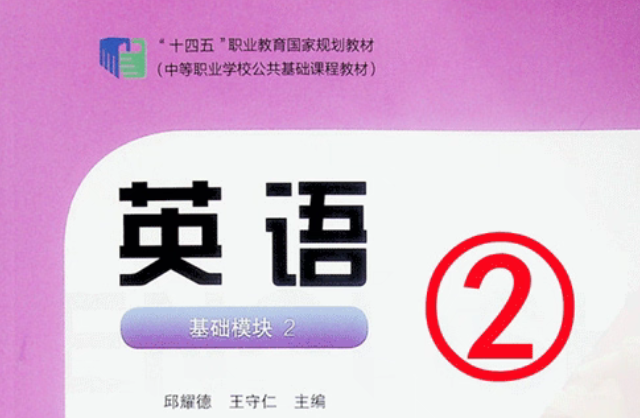
Unit 1 The Spring Festival(A 卷·基础巩固)《英语 基础模块2》(语文版2022版)单元过关卷(原卷版+解析版)
2026-09-18
|
2份
|
19页
|
22人阅读
|
0人下载
摘要:
**基本信息**
紧扣《英语 基础模块2》Unit 1春节主题,A卷基础巩固,覆盖词汇、语法、对话等核心考点,通过传统与跨文化情境提升语言能力与文化意识,适配单元复习需求。
**题型特征**
|题型|题量/分值|知识覆盖|命题特色|
|----|-----------|----------|----------|
|词汇判断|10题/10分|核心词汇(如celebrate, lantern)|中译英选词,夯实基础词汇|
|选择填空|10题/20分|语法(时态、固定搭配)|动词时态(spent)、非谓语(to work)等,强化语法应用|
|补充对话|10题/20分|春节交际用语(节日问候、邀请)|真实情境对话,提升语言运用能力|
|阅读理解|10题/20分|春节习俗与传说(年夜饭、年兽故事)|图文结合,培养文化理解与信息提取|
|完形填空|10题/10分|跨文化体验(埃及学生学做饺子)|语境中考查词汇与语法,体现思维品质|
|汉译英|5题/20分|春节相关句子(兴趣表达、期待庆祝)|综合语言输出,提升表达能力|
内容正文:
编写说明:本套试卷紧扣《英语 基础模块2》(语文版2022版)教材,以教材单元为基准精准覆盖核心考点。
每个单元设置 A 卷与 B 卷,A 卷为基础巩固卷,侧重基础考点训练,帮助学生扎实掌握知识要点;B 卷为能力提升卷,注重知识整合与全面检测,引导学生构建知识网络。另设计若干份综合测试卷,模拟实战情境,聚焦解题能力突破,全面提升应试能力与知识应用水平。
《英语 基础模块2》(语文版2022版)《单元过关卷》
Unit 1 The Spring Festival
A 卷·基础巩固
考试时间:60分钟 满分:100 分
班级_____姓名_____学号_____成绩_____
Ⅰ 词汇判断(11—20,每题 1 分,共 10 分)
从每题所给的 A、B、C、D 四个选项中,选出与所给中文词义相对应的英文单词。
11. 庆祝
A. complete
B. consider
C. celebrate
D. continue
【答案】C
【解析】考点:词汇判断。celebrate 意为“庆祝”,符合题干。complete 完成,consider 考虑,continue 继续。故选 C。
12. 鼓励
A. enjoy
B. encourage
C. expect
D. excuse
【答案】B
【解析】考点:词汇判断。encourage 意为“鼓励”,符合题干。enjoy 享受,expect 期望,excuse 原谅。故选 B。
13. 灯笼
A. lantern
B. lesson
C. letter
D. language
【答案】A
【解析】考点:词汇判断。lantern 意为“灯笼”,符合题干(hang up red lanterns 挂红灯笼)。lesson 课,letter 信,language 语言。故选 A。
14. 花费(时间)
A. speak
B. start
C. stand
D. spend
【答案】D
【解析】考点:词汇判断。spend 意为“花费(时间、金钱)”,符合题干。speak 说,start 开始,stand 站立。故选 D。
15. 亲戚
A. reason
B. result
C. relative
D. report
【答案】C
【解析】考点:词汇判断。relative 意为“亲戚”,符合题干(visit relatives and friends 走亲访友)。reason 原因,result 结果,report 报告。故选 C。
16. 传统的
A. terrible
B. traditional
C. thankful
D. tired
【答案】B
【解析】考点:词汇判断。traditional 意为“传统的”,符合题干(traditional festival 传统节日)。terrible 可怕的,thankful 感激的,tired 疲惫的。故选 B。
17. 烟花
A. firework
B. field
C. factory
D. farmer
【答案】A
【解析】考点:词汇判断。firework 意为“烟花、烟火”,符合题干(set off fireworks 放烟花)。field 田野,factory 工厂,farmer 农民。故选 A。
18. 拜访
A. voice
B. value
C. visit
D. view
【答案】C
【解析】考点:词汇判断。visit 意为“拜访、参观”,符合题干。voice 声音,value 价值,view 观点、景色。故选 C。
19. 假期
A. hotel
B. holiday
C. homework
D. hospital
【答案】B
【解析】考点:词汇判断。holiday 意为“假期”,符合题干(winter holiday 寒假)。hotel 旅馆,homework 家庭作业,hospital 医院。故选 B。
20. 亲爱的
A. dry
B. deep
C. dark
D. dear
【答案】D
【解析】考点:词汇判断。dear 意为“亲爱的”,符合题干(常用于信件开头 Dear...)。dry 干燥的,deep 深的,dark 黑暗的。故选 D。
Ⅱ 选择填空(21—30,每题 2 分,共 20 分)
从每题所给的 A、B、C、D 四个选项中,选出可以填入空白处的最佳选项。
21. The dinner my mother cooked ____ delicious.
A. smells
B. eats
C. cooks
D. makes
【答案】A
【解析】考点:句子成分——主系表结构(感官系动词 + 形容词表语)。句意:妈妈做的晚餐闻起来很香。smell 为感官系动词,后接形容词 delicious 作表语,构成“主语 + 系动词 + 表语”结构,故选 A。eat/cook/make 均为实义动词,后不能直接接形容词作表语。
22. The class ____ at eight every morning.
A. beginning
B. begin
C. began
D. begins
【答案】D
【解析】考点:句子成分——主谓结构(谓语动词形式)。句意:这个班每天八点开始上课。begin 为不及物动词,构成“主语 + 谓语”结构;主语 the class 为单数,一般现在时谓语用 begins,故选 D。beginning 为分词,begin 为原形,began 为过去式,均不符合。
23. I ____ a wonderful Spring Festival last year.
A. spend
B. spent
C. spending
D. spends
【答案】B
【解析】考点:句子成分——主谓宾结构 + 一般过去时。句意:去年我度过了一个美好的春节。spend 为及物动词,后接宾语 a wonderful Spring Festival,构成“主语 + 谓语 + 宾语”结构;时间状语 last year 提示一般过去时,spent 为过去式,故选 B。spend 为原形,spending 为现在分词,spends 为三单,均不符合。
24. My uncle ____ me a big red envelope on New Year’s Eve.
A. give
B. gives
C. gave
D. giving
【答案】C
【解析】考点:句子成分——主谓 + 间接宾语 + 直接宾语结构(双宾语)。句意:除夕夜叔叔给了我一个大红包。gave 后接间接宾语 me 和直接宾语 a big red envelope,构成双宾语结构;时间状语 on New Year’s Eve 提示一般过去时,故选 C。give 为原形,gives 为三单,giving 为分词,均不符合。
25. Everything ____ different during the Spring Festival.
A. looks
B. look
C. looking
D. looked
【答案】A
【解析】考点:句子成分——主系表结构(系动词 + 形容词表语)。句意:春节期间一切看起来都不同。look 为系动词,后接形容词 different 作表语,构成“主语 + 系动词 + 表语”结构;主语 everything 为单数,谓语用 looks,故选 A。look 为原形,looking 为分词,looked 为过去式,均不符合。
26. We found the temple fair very ____.
A. interest
B. interested
C. interests
D. interesting
【答案】D
【解析】考点:句子成分——主谓宾 + 宾语补足语(形容词作宾补)。句意:我们发现庙会很有趣。find + 宾语 + 形容词,形容词 interesting 作宾语补足语说明宾语的性质;宾语为事物,用 -ing 形容词,故选 D。interest 名词/动词,interested 表“(人)感兴趣的”,interests 三单/复数,均不符合。
27. My parents encouraged me ____ harder at school.
A. work
B. to work
C. working
D. worked
【答案】B
【解析】考点:句子成分——主谓宾 + 宾语补足语(不定式作宾补)。句意:父母鼓励我在学校更加努力学习。encourage sb. to do sth. 意为“鼓励某人做某事”,不定式 to work 作宾语补足语,故选 B。work 为原形,working 为动名词,worked 为过去式,均不符合搭配。
28. My mother bought many gifts ____ my grandparents.
A. to
B. with
C. for
D. at
【答案】C
【解析】考点:句子成分——主谓 + 间接宾语 + 直接宾语(介词短语作间接宾语)。句意:我妈妈给爷爷奶奶买了很多礼物。buy sth. for sb. 为双宾结构的另一种表达,for 引导的介词短语作间接宾语,故选 C。to 用于 give/send 等动词后,with 表伴随,at 表方位,均不符合。
29. I saw them ____ on the bus.
A. getting
B. got
C. get
D. to get
【答案】A
【解析】考点:句子成分——主谓宾 + 宾语补足语(现在分词作宾补)。句意:我看见他们正在上公交车。see sb. doing sth. 表示“看见某人正在做某事”,现在分词 getting 作宾语补足语,故选 A。got 为过去式,get 为原形,to get 为不定式,均不符合“看见动作正在进行”。
30. I’m looking forward to ____ the next Spring Festival.
A. celebrate
B. celebrating
C. celebrated
D. celebrates
【答案】B
【解析】考点:句子成分——主谓宾(动名词作宾语)。句意:我盼望着庆祝下一个春节。look forward to 中 to 为介词,后接动名词 celebrating 作宾语,构成“主语 + 谓语 + 宾语”结构,故选 B。celebrate 为动词原形,celebrated 为过去式,celebrates 为三单,均不符合“介词 + 动名词”。
Ⅲ 补充对话(31—40,每题 2 分,共 20 分)
从每题所给的 A、B、C、D 四个选项中,选出可以填入空白处的最佳选项。
31. — How was your Spring Festival holiday?
— ____.
A. It was wonderful
B. I’m fine, thanks
C. It’s my turn
D. See you later
【答案】A
【解析】考点:情景交际(谈论节日经历)。句意:——你的春节假期过得怎么样?——(非常精彩)。问句 How was...? 询问假期情况,应答语应描述假期感受,It was wonderful(非常精彩)符合交际功能,故选 A。B 回答身体状况,答非所问;C 与话题无关;D 为告别用语,语境不符。
32. — Thanks a lot for helping me with my homework.
— ____.
A. I’m afraid not
B. What a pity
C. Take it easy
D. You’re welcome
【答案】D
【解析】考点:情景交际(回应道谢)。句意:——非常感谢你帮我做作业。——不客气。对别人的感谢,得体应答为 You’re welcome(不客气),故选 D。A 表示“恐怕不行”,B 表示“真遗憾”,C 表示“别紧张”,均不是对感谢的回应。
33. — Let’s go to the temple fair this weekend.
— ____.
A. Good luck
B. Good idea
C. Too bad
D. Take care
【答案】B
【解析】考点:情景交际(回应建议/邀约)。句意:——我们这周末去逛庙会吧。——好主意。Let’s... 提出建议,应答 Good idea(好主意)表示赞同,符合交际功能,故选 B。A 表示祝愿“好运”,C 表示“太糟了”,D 表示“保重”,均非对建议的回应。
34. — What are you going to do during the holiday?
— ____.
A. I’m afraid of the dark
B. It’s time for dinner
C. I’ll visit my grandparents
D. It’s very kind of you
【答案】C
【解析】考点:情景交际(询问计划)。句意:——假期你打算做什么?——我要去看望爷爷奶奶。问句询问假期计划,I’ll visit my grandparents(我将去看望祖父母)用一般将来时回答计划,符合交际功能,故选 C。A/B/D 均与“计划”话题无关。
35. — I can’t decide what to do this evening.
— ____.
A. Why not watch the show?
B. How did you get there?
C. What do you think of it?
D. Where did you buy it?
【答案】A
【解析】考点:情景交际(提建议)。句意:——我拿不定主意今晚做什么。——为什么不看演出呢?Why not + 动词原形?是提建议的常用句型,故选 A。B/C/D 分别为询问方式、看法和地点,与“征求意见”语境不符。
36. — Can I help you, madam?
— ____.
A. I’m going to be late
B. It’s very nice of you
C. Sorry, I can’t hear you
D. I’d like some red lanterns
【答案】D
【解析】考点:情景交际(购物)。句意:——女士,需要帮忙吗?——我想买一些红灯笼。Can I help you? 是商店售货员的常用语,顾客应答 I’d like...(我想要……),故选 D。A 表示迟到,B 表示感谢对方的好意,C 表示听不清,均不符合购物语境。
37. — I’m sorry I broke your cup.
— ____.
A. I don’t think so
B. It doesn’t matter
C. It’s a good idea
D. Take your time
【答案】B
【解析】考点:情景交际(回应道歉)。句意:——对不起,我打碎了你的杯子。——没关系。对别人的道歉,得体应答为 It doesn’t matter(没关系),故选 B。A 表示“我不这样认为”,C 表示“好主意”,D 表示“别着急”,均不是对道歉的回应。
38. — I failed the driving test again.
— ____.
A. When is it going to start?
B. What are you looking for?
C. Don’t worry, you’ll make it
D. Where do you come from?
【答案】C
【解析】考点:情景交际(安慰鼓励)。句意:——我又没通过驾照考试。——别担心,你会成功的。对方诉说失败,应答 Don’t worry, you’ll make it(别担心,你会成功的)表示安慰鼓励,符合交际功能,故选 C。A/B/D 均为无关提问,语境不符。
39. — Excuse me, how can I get to the temple fair?
— ____.
A. Turn left at the corner
B. I’m glad to see you again
C. It’s time for our class
D. Have a nice trip home
【答案】A
【解析】考点:情景交际(问路指路)。句意:——打扰一下,去庙会怎么走?——在拐角处左转。问路时,应答语应给出路线指示,Turn left at the corner 符合指路功能,故选 A。B 为问候语,C 与问路无关,D 为送别祝福,均不符合。
40. — We won the first prize in the singing competition!
— ____.
A. I’m sorry to hear that
B. It’s a great pleasure
C. What a pity it is
D. Congratulations to you all
【答案】D
【解析】考点:情景交际(祝贺)。句意:——我们在歌唱比赛中获得了一等奖!——祝贺你们大家。听到好消息,应用 Congratulations(祝贺)回应,故选 D。A 用于听到坏消息表示遗憾,B 表示“非常荣幸”,C 表示“真遗憾”,均不符合。
Ⅳ 阅读理解(41—50,每题 2 分,共 20 分)
阅读下列短文,从每题所给的 A、B、C、D 四个选项中,选出最佳选项。
Passage 1
The Spring Festival is the longest and most important festival in China. It is a time for family reunions, traditional food and good wishes.
On New Year’s Eve, families gather together for the reunion dinner. The food on the table has special meanings. Fish sounds like the word "surplus" (盈余) in Chinese, so it means having more than enough. Dumplings look like old Chinese money, so they stand for wealth (财富). Noodles are not cut because they mean a long life, and the round sweet rice balls mean family togetherness.
During the festival, elders give children red envelopes with money in them. Red is the colour of luck and happiness, so people decorate their houses, streets and shops with red things. At temple fairs, people can watch lion dances and dragon dances. Fireworks are set off day and night to welcome the new year and drive away bad luck.
Many Chinese people work or study far from home. Before the festival, they travel back home, and the journey is often crowded. But the reunion dinner makes all the trouble worth it.
41. What is the Spring Festival a time for?
A. School exams and piles of homework
B. Family reunions and festival food
C. Travelling abroad on a long holiday
D. Shopping and playing computer games
42. Why do people eat fish during the Spring Festival?
A. Because the fish is very cheap
B. Because children like eating fish
C. Because fish looks like old money
D. Because it sounds like "surplus"
43. Which of the following is TRUE according to the passage?
A. Noodles are cut into short pieces.
B. Elders give children red envelopes.
C. Fireworks are set off only in the morning.
D. Fish means a long life.
44. The underlined word "togetherness" means ____.
A. staying far apart
B. staying very busy
C. staying together
D. staying very quiet
45. What is the best title for the passage?
A. Making Dumplings for the New Year
B. Visiting a Big Local Temple Fair
C. Food and Customs of the Festival
D. Stories about the Monster Called Nian
【答案】41. B 42. D 43. B 44. C 45. C
【导语】本文是一篇说明文,介绍春节最隆重的节日地位、年夜饭食物的象征意义(鱼、饺子、面条、汤圆),以及发红包、红色装饰、庙会舞龙舞狮、放烟花等习俗,并说明团圆饭对远归游子的意义。
【详解】
41.考点:细节理解。题干问“春节是什么的日子”。由第一段 “It is a time for family reunions, traditional food and good wishes” 可知春节是家人团聚、享用节日美食的日子,故选 B。A 考试与作业、C 出国长假、D 购物与电脑游戏均与原文不符。
42.考点:细节理解(因果关系)。题干问“人们春节为何吃鱼”。由第二段 “Fish sounds like the word surplus in Chinese, so it means having more than enough” 可知鱼在汉语中谐音“余”,寓意年年有余,故选 D(Because it sounds like "surplus")。A/B/C 均与原文不符。
43.考点:细节理解(是非判断题)。由第三段 “elders give children red envelopes with money in them” 可知长辈给孩子们发红包,B 正确。A 与 “Noodles are not cut” 矛盾;C 与 “Fireworks are set off day and night” 矛盾;D 与 “Noodles... mean a long life” 不符(长寿的是面条而非鱼)。
44.考点:词义猜测。题干问划线词 togetherness 的含义。由 “the round sweet rice balls mean family togetherness” 及前文家人吃团圆饭、团聚的语境可知,汤圆象征“团圆、相聚”,togetherness 意为“团聚”,与 staying together 相符,故选 C。A 远离分开、B 非常忙碌、D 非常安静均与语境不符。
45.考点:主旨大意(最佳标题)。全文围绕春节的食物象征意义与节日习俗展开:年夜饭食物的寓意、发红包、红色装饰、庙会舞龙舞狮、放烟花等,Food and Customs of the Festival 最能概括全文,故选 C。A 只涉及做饺子,B 只涉及逛庙会,D 为年兽传说,均不能概括全文。
Passage 2
According to ancient legends (传说), Chinese New Year began with villagers fighting against a mythical (神话的) creature called Nian. It had the body of a bull and the head of a lion. Towards the end of the year, when food was scarce, this ferocious (凶猛的) beast came to hunt people.
The villagers were very afraid of Nian. But one day, they found that Nian was afraid of three things: the colour red, loud noises and fire. So they decorated their doors and windows with red scrolls (卷轴) and used firecrackers to scare the monster away.
After that, Nian never came back. The tradition of lighting fireworks and using red decorations to drive away bad luck continues to this day. During the Spring Festival, red couplets, red lanterns and red envelopes can be seen everywhere.
On New Year’s Eve, families in modern China still keep many traditions. They have the reunion dinner together, watch the Spring Festival Gala and stay up late to welcome the new year. Children get lucky money in red envelopes and put it under their pillows.
46. What did Nian look like according to the legend?
A. A bull's body and a lion's head.
B. It looked like a big white rabbit.
C. It was as small as a little cat.
D. It could fly high in the sky.
47. What was Nian afraid of?
A. Fast trains and busy roads
B. Bright moonlight at midnight
C. Red, loud noises and fire
D. Cold weather in winter time
48. Which of the following is TRUE according to the passage?
A. The Nian came back every single year.
B. The villagers fought Nian only with knives.
C. The Nian liked the colour red a lot.
D. They used red scrolls and firecrackers.
49. The underlined word "scarce" means ____.
A. more than enough
B. fresh and cheap
C. very expensive
D. not enough
50. What is the passage mainly about?
A. Legend of Nian and festival customs
B. Ways to cook a big reunion dinner
C. Best traditional foods all over China
D. Ways to travel in the busy festival
【答案】46. A 47. C 48. D 49. D 50. A
【导语】本文是一篇说明文,讲述春节起源的年兽传说:年兽牛身狮头、岁末猎食,因怕红色、巨响和火而被村民用红纸与鞭炮吓跑,由此延续放烟花、红色装饰驱除霉运的习俗,并介绍现代除夕团圆守岁的传统。
【详解】
46.考点:细节理解。题干问“传说中年兽长什么样”。由第一段 “It had the body of a bull and the head of a lion” 可知年兽牛身狮头,对应选项 A(A bull's body and a lion's head),故选 A。B 像大白兔、C 像小猫一样小、D 会高飞均与原文不符。
47.考点:细节理解。题干问“年兽怕什么”。由第二段 “Nian was afraid of three things: the colour red, loud noises and fire” 可知年兽怕红色、巨响和火,故选 C(Red, loud noises and fire)。A 快车与繁忙道路、B 午夜月光、D 冬日寒冷均与原文不符。
48.考点:细节理解(是非判断题)。由第二段 “decorated their doors and windows with red scrolls and used firecrackers to scare the monster away” 可知村民用红卷轴和鞭炮吓走年兽,D(They used red scrolls and firecrackers)正确。A 与 “Nian never came back” 矛盾;B 文中未说只用刀;C 与年兽怕红色矛盾。
49.考点:词义猜测。题干问划线词 scarce 的含义。由 “when food was scarce, this ferocious beast came to hunt people” 可知岁末年初食物匮乏时年兽才来猎食人,scarce 意为“稀少的、不足的”,与 not enough 相符,故选 D。A 充足、B 新鲜便宜、C 非常昂贵均与语境不符。
50.考点:主旨大意。全文讲述年兽传说:年兽怕红色、巨响和火,村民用红纸与鞭炮吓跑年兽,由此衍生出贴红纸、放鞭炮等春节习俗,并介绍现代除夕的团圆传统,Legend of Nian and festival customs 概括主旨,故选 A。B/C/D 均与全文内容无关。
Ⅴ 完形填空(51—60,每题 1 分,共 10 分)
阅读下面短文,掌握其大意,然后从每题所给的 A、B、C、D 四个选项中,选出最佳选项。
Two Egyptian students in Tianjin set out to learn how to make vegetarian (素的) dumplings before the Spring Festival. They bought special ingredients (原料) and made dumplings with young locals. Ahmed said every place has its own ____51____ way of celebrating the new year.
They joined the whole process. ____52____ many tries, they mastered the skill. An expert said the dumplings must be ____53____ at midnight on New Year’s Eve. The family eats the dumplings together, wishing ____54____ a peaceful new year.
The two students also ____55____ the process on video. They planned to show it to their families in Egypt, ____56____ them a look at the charm (魅力). Hassan said, "I understand the beautiful ____57____ of the Tianjin people. That is the wish of all the people. ____58____ dumplings are more than festival food. They are a symbol passed down for ____59____ of years." For them, the Spring Festival is a wonderful ____60____ that they will never forget.
51. A. usual
B. common
C. special
D. easy
52. A. After
B. Before
C. During
D. Until
53. A. eating
B. eaten
C. eat
D. eats
54. A. to
B. with
C. at
D. for
55. A. bought
B. recorded
C. cooked
D. drew
56. A. to give
B. giving
C. give
D. gave
57. A. wish
B. word
C. rule
D. plan
58. A. This
B. It
C. That
D. These
59. A. hundred
B. hundredth
C. hundreds
D. hundreds’
60. A. experience
B. problem
C. question
D. job
【答案】51. C 52. A 53. B 54. D 55. B 56. B 57. A 58. D 59. C 60. A
【导语】本文是一篇记叙文,讲述两名埃及学生在天津学习包素饺子、体验春节习俗的经历:他们买食材、学手艺、了解除夕午夜吃素饺子寓意纯洁平安的习俗,并把过程录成视频分享给埃及家人,感受到春节文化的魅力。
【详解】
51. 考点:语境词义辨析(形容词)。句意:艾哈迈德说每个地方都有自己独特的过年方式。special(特别的、独特的)修饰 way,与“每个地方有自己独特的过年方式”相符,故选 C。usual 通常的、common 普通的、easy 容易的,均不符合语境。
52. 考点:连词(时间关系)。句意:经过多次尝试之后,他们掌握了这门手艺。After many tries 意为“多次尝试之后”,与“逐渐掌握”构成先后关系,故选 A。Before 表“在……之前”,During 表“在……期间”,Until 表“直到”,均与语境不符。
53. 考点:被动语态(含情态动词)。句意:专家说饺子必须在除夕午夜被吃掉。dumplings 与 eat 之间为被动关系,must be + 过去分词构成含情态动词的被动语态,eaten 为 eat 的过去分词,故选 B。eating 为现在分词,eat 为原形,eats 为三单,均不能构成被动语态。
54. 考点:介词搭配(wish for)。句意:一家人一起吃饺子,祈求一个安宁祥和的新年。wish for 意为“希望、祈求”,为固定搭配,故选 D。to 表方向、with 表伴随、at 表方位,均不能与 wish 构成“祈求”之意。
55. 考点:语境词义辨析(动词)。句意:两名学生还把全过程录成了视频。record the process on video 意为“把过程录成视频”,record(记录、录制)符合语境,故选 B。bought 买、cooked 烹饪、drew 画,均与 “on video” 搭配不符。
56. 考点:非谓语动词(现在分词作伴随状语)。句意:他们打算把它分享给埃及的家人,让家人一睹春节的魅力。give 与逻辑主语 they 为主动关系,用现在分词 giving 作伴随状语,故选 B。to give 表目的,give 为原形,gave 为过去式,均不符合。
57. 考点:语境词义辨析(名词)。句意:我终于理解了天津人民的美好心愿。wish(心愿、愿望)与 “the beautiful ... of the Tianjin people” 及上文“祈求家人平安、新年祥和”的语境相符,故选 A。word 话语、rule 规则、plan 计划,均不符合语境。
58. 考点:代词(指示代词)。句意:这些饺子不仅仅是节日食物。dumplings 为复数,用复数指示代词 These(这些)指代上文提到的饺子,故选 D。This 指代单数近处、It 指代单数事物、That 指代单数远处,均与复数不符。
59. 考点:固定搭配 hundreds of。句意:它们是传承了数百年的文化象征。hundreds of 意为“数以百计的、许多的”,为固定搭配,故选 C。hundred 为单数,hundredth 为序数词,hundreds’ 所有格形式,均不能与 of 构成该搭配。
60. 考点:语境词义辨析(名词)。句意:对他们来说,春节是一次他们永远不会忘记的美好经历。experience(经历)与 “wonderful... that they will never forget” 相符,故选 A。problem 问题、question 疑问、job 工作,均与语境不符。
Ⅵ 汉译英(71—75,每题 4 分,共 20 分)
把下列句子翻译成英文,写在横线上。
71. 我对中国的传统文化很感兴趣。
【答案】I am very interested in Chinese traditional culture.
【详解】考点:固定短语 be interested in + 一般现在时主系表。关键词:“对……感兴趣”→be interested in;“中国的传统文化”→Chinese traditional culture。结构:主语 I + 系动词 am + 表语 interested in + 宾语 Chinese traditional culture。
72. 我们期待着庆祝下一个春节。
【答案】We look forward to celebrating the next Spring Festival.
【详解】考点:固定短语 look forward to + 动名词作宾语。关键词:“期待”→look forward to;“庆祝”→celebrate。结构:We look forward to + 动名词 celebrating + 宾语 the next Spring Festival。
73. 老师鼓励我们努力学习。
【答案】Our teacher encourages us to work hard.
【详解】考点:固定句型 encourage sb. to do sth. + 一般现在时。关键词:“鼓励某人做某事”→encourage sb. to do sth.;“努力学习”→work hard。结构:主语 Our teacher + 谓语 encourages + 宾语 us + 宾补 to work hard。
74. 去年我们买了很多礼物送给爷爷奶奶。
【答案】Last year we bought many gifts for our grandparents.
【详解】考点:双宾语结构 buy sth. for sb. + 一般过去时。关键词:“买……给……”→buy sth. for sb.;“很多礼物”→many gifts。结构:时间状语 Last year + 主语 we + 谓语 bought + 宾语 many gifts + 介词短语 for our grandparents。
75. 让我们互相学习,共同进步。
【答案】Let’s learn from each other and make progress together.
【详解】考点:固定短语 learn from each other + 祈使句 Let’s。关键词:“互相学习”→learn from each other;“进步”→make progress。结构:Let’s + 动词原形 learn from each other + and + make progress + 副词 together。
原创精品资源学科网独家享有版权,侵权必究!
原创精品资源学科网独家享有版权,侵权必究!
原创精品资源学科网独家享有版权,侵权必究!
学科网(北京)股份有限公司
$
编写说明:本套试卷紧扣《英语 基础模块2》(语文版2022版)教材,以教材单元为基准精准覆盖核心考点。
每个单元设置 A 卷与 B 卷,A 卷为基础巩固卷,侧重基础考点训练,帮助学生扎实掌握知识要点;B 卷为能力提升卷,注重知识整合与全面检测,引导学生构建知识网络。另设计若干份综合测试卷,模拟实战情境,聚焦解题能力突破,全面提升应试能力与知识应用水平。
《英语 基础模块2》(语文版2022版)《单元过关卷》
Unit 1 The Spring Festival
A 卷·基础巩固
考试时间:60分钟 满分:100 分
班级_____姓名_____学号_____成绩_____
Ⅰ 词汇判断(11—20,每题 1 分,共 10 分)
从每题所给的 A、B、C、D 四个选项中,选出与所给中文词义相对应的英文单词。
11. 庆祝
A. complete
B. consider
C. celebrate
D. continue
12. 鼓励
A. enjoy
B. encourage
C. expect
D. excuse
13. 灯笼
A. lantern
B. lesson
C. letter
D. language
14. 花费(时间)
A. speak
B. start
C. stand
D. spend
15. 亲戚
A. reason
B. result
C. relative
D. report
16. 传统的
A. terrible
B. traditional
C. thankful
D. tired
17. 烟花
A. firework
B. field
C. factory
D. farmer
18. 拜访
A. voice
B. value
C. visit
D. view
19. 假期
A. hotel
B. holiday
C. homework
D. hospital
20. 亲爱的
A. dry
B. deep
C. dark
D. dear
Ⅱ 选择填空(21—30,每题 2 分,共 20 分)
从每题所给的 A、B、C、D 四个选项中,选出可以填入空白处的最佳选项。
21. The dinner my mother cooked ____ delicious.
A. smells
B. eats
C. cooks
D. makes
22. The class ____ at eight every morning.
A. beginning
B. begin
C. began
D. begins
23. I ____ a wonderful Spring Festival last year.
A. spend
B. spent
C. spending
D. spends
24. My uncle ____ me a big red envelope on New Year’s Eve.
A. give
B. gives
C. gave
D. giving
25. Everything ____ different during the Spring Festival.
A. looks
B. look
C. looking
D. looked
26. We found the temple fair very ____.
A. interest
B. interested
C. interests
D. interesting
27. My parents encouraged me ____ harder at school.
A. work
B. to work
C. working
D. worked
28. My mother bought many gifts ____ my grandparents.
A. to
B. with
C. for
D. at
29. I saw them ____ on the bus.
A. getting
B. got
C. get
D. to get
30. I’m looking forward to ____ the next Spring Festival.
A. celebrate
B. celebrating
C. celebrated
D. celebrates
Ⅲ 补充对话(31—40,每题 2 分,共 20 分)
从每题所给的 A、B、C、D 四个选项中,选出可以填入空白处的最佳选项。
31. — How was your Spring Festival holiday?
— ____.
A. It was wonderful
B. I’m fine, thanks
C. It’s my turn
D. See you later
32. — Thanks a lot for helping me with my homework.
— ____.
A. I’m afraid not
B. What a pity
C. Take it easy
D. You’re welcome
33. — Let’s go to the temple fair this weekend.
— ____.
A. Good luck
B. Good idea
C. Too bad
D. Take care
34. — What are you going to do during the holiday?
— ____.
A. I’m afraid of the dark
B. It’s time for dinner
C. I’ll visit my grandparents
D. It’s very kind of you
35. — I can’t decide what to do this evening.
— ____.
A. Why not watch the show?
B. How did you get there?
C. What do you think of it?
D. Where did you buy it?
36. — Can I help you, madam?
— ____.
A. I’m going to be late
B. It’s very nice of you
C. Sorry, I can’t hear you
D. I’d like some red lanterns
37. — I’m sorry I broke your cup.
— ____.
A. I don’t think so
B. It doesn’t matter
C. It’s a good idea
D. Take your time
38. — I failed the driving test again.
— ____.
A. When is it going to start?
B. What are you looking for?
C. Don’t worry, you’ll make it
D. Where do you come from?
39. — Excuse me, how can I get to the temple fair?
— ____.
A. Turn left at the corner
B. I’m glad to see you again
C. It’s time for our class
D. Have a nice trip home
40. — We won the first prize in the singing competition!
— ____.
A. I’m sorry to hear that
B. It’s a great pleasure
C. What a pity it is
D. Congratulations to you all
Ⅳ 阅读理解(41—50,每题 2 分,共 20 分)
阅读下列短文,从每题所给的 A、B、C、D 四个选项中,选出最佳选项。
Passage 1
The Spring Festival is the longest and most important festival in China. It is a time for family reunions, traditional food and good wishes.
On New Year’s Eve, families gather together for the reunion dinner. The food on the table has special meanings. Fish sounds like the word "surplus" (盈余) in Chinese, so it means having more than enough. Dumplings look like old Chinese money, so they stand for wealth (财富). Noodles are not cut because they mean a long life, and the round sweet rice balls mean family togetherness.
During the festival, elders give children red envelopes with money in them. Red is the colour of luck and happiness, so people decorate their houses, streets and shops with red things. At temple fairs, people can watch lion dances and dragon dances. Fireworks are set off day and night to welcome the new year and drive away bad luck.
Many Chinese people work or study far from home. Before the festival, they travel back home, and the journey is often crowded. But the reunion dinner makes all the trouble worth it.
41. What is the Spring Festival a time for?
A. School exams and piles of homework
B. Family reunions and festival food
C. Travelling abroad on a long holiday
D. Shopping and playing computer games
42. Why do people eat fish during the Spring Festival?
A. Because the fish is very cheap
B. Because children like eating fish
C. Because fish looks like old money
D. Because it sounds like "surplus"
43. Which of the following is TRUE according to the passage?
A. Noodles are cut into short pieces.
B. Elders give children red envelopes.
C. Fireworks are set off only in the morning.
D. Fish means a long life.
44. The underlined word "togetherness" means ____.
A. staying far apart
B. staying very busy
C. staying together
D. staying very quiet
45. What is the best title for the passage?
A. Making Dumplings for the New Year
B. Visiting a Big Local Temple Fair
C. Food and Customs of the Festival
D. Stories about the Monster Called Nian
Passage 2
According to ancient legends (传说), Chinese New Year began with villagers fighting against a mythical (神话的) creature called Nian. It had the body of a bull and the head of a lion. Towards the end of the year, when food was scarce, this ferocious (凶猛的) beast came to hunt people.
The villagers were very afraid of Nian. But one day, they found that Nian was afraid of three things: the colour red, loud noises and fire. So they decorated their doors and windows with red scrolls (卷轴) and used firecrackers to scare the monster away.
After that, Nian never came back. The tradition of lighting fireworks and using red decorations to drive away bad luck continues to this day. During the Spring Festival, red couplets, red lanterns and red envelopes can be seen everywhere.
On New Year’s Eve, families in modern China still keep many traditions. They have the reunion dinner together, watch the Spring Festival Gala and stay up late to welcome the new year. Children get lucky money in red envelopes and put it under their pillows.
46. What did Nian look like according to the legend?
A. A bull's body and a lion's head.
B. It looked like a big white rabbit.
C. It was as small as a little cat.
D. It could fly high in the sky.
47. What was Nian afraid of?
A. Fast trains and busy roads
B. Bright moonlight at midnight
C. Red, loud noises and fire
D. Cold weather in winter time
48. Which of the following is TRUE according to the passage?
A. The Nian came back every single year.
B. The villagers fought Nian only with knives.
C. The Nian liked the colour red a lot.
D. They used red scrolls and firecrackers.
49. The underlined word "scarce" means ____.
A. more than enough
B. fresh and cheap
C. very expensive
D. not enough
50. What is the passage mainly about?
A. Legend of Nian and festival customs
B. Ways to cook a big reunion dinner
C. Best traditional foods all over China
D. Ways to travel in the busy festival
Ⅴ 完形填空(51—60,每题 1 分,共 10 分)
阅读下面短文,掌握其大意,然后从每题所给的 A、B、C、D 四个选项中,选出最佳选项。
Two Egyptian students in Tianjin set out to learn how to make vegetarian (素的) dumplings before the Spring Festival. They bought special ingredients (原料) and made dumplings with young locals. Ahmed said every place has its own ____51____ way of celebrating the new year.
They joined the whole process. ____52____ many tries, they mastered the skill. An expert said the dumplings must be ____53____ at midnight on New Year’s Eve. The family eats the dumplings together, wishing ____54____ a peaceful new year.
The two students also ____55____ the process on video. They planned to show it to their families in Egypt, ____56____ them a look at the charm (魅力). Hassan said, "I understand the beautiful ____57____ of the Tianjin people. That is the wish of all the people. ____58____ dumplings are more than festival food. They are a symbol passed down for ____59____ of years." For them, the Spring Festival is a wonderful ____60____ that they will never forget.
51. A. usual
B. common
C. special
D. easy
52. A. After
B. Before
C. During
D. Until
53. A. eating
B. eaten
C. eat
D. eats
54. A. to
B. with
C. at
D. for
55. A. bought
B. recorded
C. cooked
D. drew
56. A. to give
B. giving
C. give
D. gave
57. A. wish
B. word
C. rule
D. plan
58. A. This
B. It
C. That
D. These
59. A. hundred
B. hundredth
C. hundreds
D. hundreds’
60. A. experience
B. problem
C. question
D. job
Ⅵ 汉译英(71—75,每题 4 分,共 20 分)
把下列句子翻译成英文,写在横线上。
71. 我对中国的传统文化很感兴趣。
72. 我们期待着庆祝下一个春节。
73. 老师鼓励我们努力学习。
74. 去年我们买了很多礼物送给爷爷奶奶。
75. 让我们互相学习,共同进步。
原创精品资源学科网独家享有版权,侵权必究!
原创精品资源学科网独家享有版权,侵权必究!
原创精品资源学科网独家享有版权,侵权必究!
学科网(北京)股份有限公司
$
资源预览图

1

2

3
由于学科网是一个信息分享及获取的平台,不确保部分用户上传资料的 来源及知识产权归属。如您发现相关资料侵犯您的合法权益,请联系学科网,我们核实后将及时进行处理。