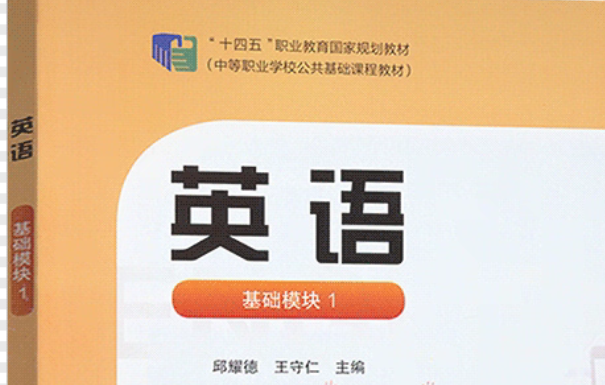
2.5 Accepting Everyone's Uniqueness(Language in Use)-《英语 基础模块1》(语文版2022版)《一课一练》(原卷版+解析版)
2026-09-14
|
2份
|
6页
|
34人阅读
|
0人下载
摘要:
**基本信息**
中职英语《基础模块1》Unit 2同步练,通过“课前预习-课堂检测”分层设计,构建“概念自测→语境应用→语篇综合”的知识巩固路径,提升语言能力与思维品质。
**分层设计**
|层次|知识覆盖|设计特色|
|----|----------|----------|
|课前预习|人称代词主格/宾格、物主代词基础概念|4道选择题直击高频错误点,如形容词性与名词性物主代词辨析|
|课堂检测|代词在语境及语篇中的综合应用|5道单句选择巩固句型,10道完型填空通过跨文化交流情境实现知识迁移|
内容正文:
编写说明:基于中职学生英语基础薄弱、学习内驱力不足的学情特点,为提升学习效率,落实课前、课中、课后教学闭环,本专辑依据最新《中等职业学校英语课程标准》,打造河南专用《英语 基础模块1》(语文版2022版)《一课一练》,专辑共50练。
本卷为《英语 基础模块1》(语文版2022版)Unit 2 Accepting Everyone's Uniqueness(Language in Use)的课前预习与课堂检测。
Unit 2 Accepting Everyone's Uniqueness
(5)Language in Use
【课前预习】
一、语法概念自测
1. 下列哪一项是人称代词的主格?
A. me
B. my
C. I
D. mine
2. 动词或介词后表示“他们”应使用哪一项?
A. they
B. them
C. their
D. theirs
3. “我的书”应使用哪一项?
A. my book
B. me book
C. mine book
D. I book
4. “这本书是我的”应使用哪一项?
A. my
B. me
C. I
D. mine
二、语法精讲:代词
1. 人称代词:主格 I, you, he, she, it, we, they 通常作主语;宾格 me, you, him, her, it, us, them 通常作动词或介词的宾语。
2. 物主代词:形容词性物主代词 my, your, his, her, its, our, their 后面接名词;名词性物主代词 mine, yours, his, hers, ours, theirs 后面不接名词。
3. 判断方法:先看空格在句中作主语、宾语还是表示所属,再看后面是否有名词。若后面已有名词,通常用形容词性物主代词。
高频错误:不要把形容词性物主代词和名词性物主代词混用。如“我的书”是 my book,而“这本书是我的”是 This book is mine。
【课堂检测】
一、选择填空
1. ________ am Li Wei's new classmate, and he often helps me.
A. Me
B. My
C. I
D. Mine
2. Our teacher showed ________ around the training centre yesterday.
A. we
B. us
C. our
D. ours
3. Sara is from Thailand, and ________ wants to become a tour guide.
A. she
B. her
C. hers
D. herself
4. Martin lent me ________ swimming cap because I forgot mine.
A. he
B. him
C. himself
D. his
5. My poster is blue, but ________ is green.
A. theirs
B. their
C. them
D. they
二、完型填空
I am Lina, an exchange student from Malaysia. Last Friday, my Chinese classmates invited me to a youth culture center in Beijing. The visit gave us a chance ____6____ traditional Chinese culture together.
At the center, we watched Peking Opera and learned ____7____ ancient musical instruments. I also tried the pitch-pot game and ____8____ a small picture on porcelain (瓷器). At first, I felt nervous because the customs were new ____9____ me. My classmates explained them slowly, ____10____ I could follow each step.
Later, I showed them a song from my country, and they listened with great ____11____. Students from different countries also shared ____12____ own traditions. We did not always greet people ____13____ the same way, but we respected every custom. By learning ____14____ one another, we became closer, and the activity brought friendship and ____15____ understanding.
6. A. experience
B. experiencing
C. to experience
D. experienced
7. A. to play
B. play
C. playing
D. played
8. A. broke
B. lost
C. sent
D. drew
9. A. at
B. to
C. with
D. from
10. A. but
B. or
C. so
D. although
11. A. danger
B. silence
C. mistake
D. interest
12. A. they
B. their
C. them
D. theirs
13. A. on
B. at
C. in
D. for
14. A. from
B. about
C. with
D. into
15. A. usual
B. local
C. final
D. mutual
原创精品资源学科网独家享有版权,侵权必究!
原创精品资源学科网独家享有版权,侵权必究!
原创精品资源学科网独家享有版权,侵权必究!
学科网(北京)股份有限公司
$
编写说明:基于中职学生英语基础薄弱、学习内驱力不足的学情特点,为提升学习效率,落实课前、课中、课后教学闭环,本专辑依据最新《中等职业学校英语课程标准》,打造河南专用《英语 基础模块1》(语文版2022版)《一课一练》,专辑共50练。
本卷为《英语 基础模块1》(语文版2022版)Unit 2 Accepting Everyone's Uniqueness(Language in Use)的课前预习与课堂检测。
Unit 2 Accepting Everyone's Uniqueness
(5)Language in Use
【课前预习】
一、语法概念自测
1. 下列哪一项是人称代词的主格?
A. me
B. my
C. I
D. mine
【答案】C
【解析】I是第一人称单数主格;me是宾格,my是形容词性物主代词,mine是名词性物主代词。
2. 动词或介词后表示“他们”应使用哪一项?
A. they
B. them
C. their
D. theirs
【答案】B
【解析】them是they的宾格,用在动词或介词后;they为主格,their和theirs为物主代词。
3. “我的书”应使用哪一项?
A. my book
B. me book
C. mine book
D. I book
【答案】A
【解析】my是形容词性物主代词,后面必须接名词book;mine不能直接修饰名词。
4. “这本书是我的”应使用哪一项?
A. my
B. me
C. I
D. mine
【答案】D
【解析】mine是名词性物主代词,相当于my book,后面不再接名词。
二、语法精讲:代词
1. 人称代词:主格 I, you, he, she, it, we, they 通常作主语;宾格 me, you, him, her, it, us, them 通常作动词或介词的宾语。
2. 物主代词:形容词性物主代词 my, your, his, her, its, our, their 后面接名词;名词性物主代词 mine, yours, his, hers, ours, theirs 后面不接名词。
3. 判断方法:先看空格在句中作主语、宾语还是表示所属,再看后面是否有名词。若后面已有名词,通常用形容词性物主代词。
高频错误:不要把形容词性物主代词和名词性物主代词混用。如“我的书”是 my book,而“这本书是我的”是 This book is mine。
【课堂检测】
一、选择填空
1. ________ am Li Wei's new classmate, and he often helps me.
A. Me
B. My
C. I
D. Mine
【答案】C
【详解】考点:人称代词主格。空格作主语,应使用I。高频错误:误把宾格me放在句首作主语。
2. Our teacher showed ________ around the training centre yesterday.
A. we
B. us
C. our
D. ours
【答案】B
【详解】考点:人称代词宾格。showed后缺宾语,应使用us。
3. Sara is from Thailand, and ________ wants to become a tour guide.
A. she
B. her
C. hers
D. herself
【答案】A
【详解】考点:人称代词主格。空格作主语,指代Sara,用she。
4. Martin lent me ________ swimming cap because I forgot mine.
A. he
B. him
C. himself
D. his
【答案】D
【详解】考点:形容词性物主代词。空格后有名词cap,用his。
5. My poster is blue, but ________ is green.
A. theirs
B. their
C. them
D. they
【答案】A
【详解】考点:名词性物主代词。空格后无名词,theirs相当于their poster。
二、完型填空
I am Lina, an exchange student from Malaysia. Last Friday, my Chinese classmates invited me to a youth culture center in Beijing. The visit gave us a chance ____6____ traditional Chinese culture together.
At the center, we watched Peking Opera and learned ____7____ ancient musical instruments. I also tried the pitch-pot game and ____8____ a small picture on porcelain (瓷器). At first, I felt nervous because the customs were new ____9____ me. My classmates explained them slowly, ____10____ I could follow each step.
Later, I showed them a song from my country, and they listened with great ____11____. Students from different countries also shared ____12____ own traditions. We did not always greet people ____13____ the same way, but we respected every custom. By learning ____14____ one another, we became closer, and the activity brought friendship and ____15____ understanding.
6. A. experience
B. experiencing
C. to experience
D. experienced
7. A. to play
B. play
C. playing
D. played
8. A. broke
B. lost
C. sent
D. drew
9. A. at
B. to
C. with
D. from
10. A. but
B. or
C. so
D. although
11. A. danger
B. silence
C. mistake
D. interest
12. A. they
B. their
C. them
D. theirs
13. A. on
B. at
C. in
D. for
14. A. from
B. about
C. with
D. into
15. A. usual
B. local
C. final
D. mutual
【答案】6.C 7.A 8.D 9.B 10.C 11.D 12.B 13.C 14.A 15.D
【导语】本文是一篇记叙文,讲述一名马来西亚交换生参加中国文化体验活动、分享本国文化并增进相互理解的经历。
【详解】6. 考点:不定式作后置定语。句意:这次参观给了我们一起体验中国传统文化的机会。A. experience意为“体验(原形)”;B. experiencing意为“体验(动名词)”;C. to experience意为“去体验(不定式)”;D. experienced意为“体验了/有经验的”。a chance to do sth.意为“做某事的机会”,故选C。
7. 考点:learn to do。句意:在中心,我们观看了京剧,并学习演奏古代乐器。A. to play意为“去演奏(不定式)”;B. play意为“演奏(原形)”;C. playing意为“演奏(动名词)”;D. played意为“演奏了”。learn to do sth.意为“学习做某事”,故选A。
8. 考点:动词辨析(过去时)。句意:我还试了投壶,并在瓷器上画了一幅小画。A. broke意为“打破”;B. lost意为“丢失”;C. sent意为“发送”;D. drew意为“画”。根据a small picture可知在瓷器上画画,故选D。
9. 考点:介词搭配。句意:起初我感到紧张,因为这些习俗对我来说是陌生的。A. at意为“在”;B. to意为“对于”;C. with意为“和;用”;D. from意为“从;来自”。be new to sb.意为“对某人来说陌生”,故选B。
10. 考点:连词。句意:我的同学们慢慢讲解它们,因此我能跟上每一步。A. but意为“但是”;B. or意为“或者”;C. so意为“所以”;D. although意为“尽管”。前因后果,用so,故选C。
11. 考点:名词辨析。句意:后来,我给他们唱了一首我的国家的歌,他们饶有兴趣地听着。A. danger意为“危险”;B. silence意为“沉默”;C. mistake意为“错误”;D. interest意为“兴趣”。listen with great interest意为“饶有兴趣地听”,故选D。
12. 考点:形容词性物主代词。句意:来自不同国家的学生也分享了他们自己的传统。A. they意为“他们(主格)”;B. their意为“他们的”;C. them意为“他们(宾格)”;D. theirs意为“他们的(名词性)”。空格后有名词traditions,用their,故选B。
13. 考点:固定搭配。句意:我们并不总是以相同的方式问候别人,但我们尊重每一种习俗。A. on意为“在……上”;B. at意为“在”;C. in意为“以;在……里”;D. for意为“为了”。in the same way意为“以相同的方式”,故选C。
14. 考点:介词搭配。句意:通过相互学习,我们变得更亲近,这项活动带来了友谊和相互理解。A. from意为“从”;B. about意为“关于”;C. with意为“和”;D. into意为“进入”。learn from one another意为“相互学习”,故选A。
15. 考点:形容词辨析。句意:……这项活动带来了友谊和相互理解。A. usual意为“通常的”;B. local意为“当地的”;C. final意为“最后的”;D. mutual意为“相互的”。mutual understanding意为“相互理解”,故选D。
原创精品资源学科网独家享有版权,侵权必究!
原创精品资源学科网独家享有版权,侵权必究!
原创精品资源学科网独家享有版权,侵权必究!
学科网(北京)股份有限公司
$
资源预览图

1
由于学科网是一个信息分享及获取的平台,不确保部分用户上传资料的 来源及知识产权归属。如您发现相关资料侵犯您的合法权益,请联系学科网,我们核实后将及时进行处理。