1.3(教案)Festivals Around the World-Language Practice-Grammar 非谓语动词作宾语-《英语 基础模块3》(高教版第三版)【上好课】
2026-09-11
|
10页
|
232人阅读
|
0人下载
精品
内容正文:
基于课程标准的“教-学-评”一致性课堂教学设计
科目
英语
授课教材
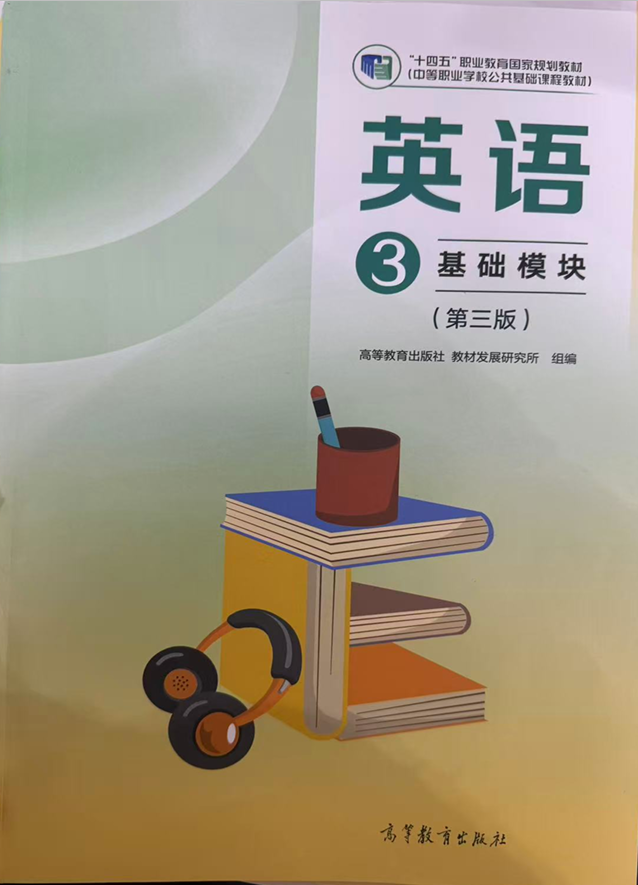
高等教育出版社《英语3 基础模块》(第三版)
授课题目
Unit 1 Festivals Around the World
Language Practice — Grammar: Non-finite Verbs as Objects
课时
课型
2课时(90分钟)
语法课
主题情境
人与社会——中外节日文化与语言实践
授课教师
语篇研读
【What】
本课选取 Unit 1 “Festivals Around the World”中的 Language Practice—Grammar,聚焦“非谓语动词作宾语”。课件先通过动画视频和“Just keep swimming.”这一句子导入,引导学生从谓语与非谓语的关系理解非谓语动词的概念,并认识不定式、动名词和分词三种基本形式;随后聚焦作宾语时常见的 to do 和 doing,依次学习只接不定式作宾语的动词、只接动名词作宾语的动词、以介词 to 结尾的特殊短语,以及既可接 to do 又可接 doing 且意义相同或不同的动词,并配套即时练习。第二课时回到教材 Language Practice 任务,完成谓语/非谓语辨认、V+doing 与 V+to do 归类、句子匹配、短文填空、词汇选择与补全、春节语篇补全和综合练习,最后通过 Summary 与分层 Homework 完成巩固。
【Why】
本课旨在帮助学生把前两课时已经接触到的 plan to do, expect to do, enjoy doing, prefer doing, like doing/to do 等结构从“会见、会读”提升为“理解规则、准确选择、能够运用”。通过比较不同动词后的形式限制,以及 remember/stop/try 等结构在 to do 与 doing 下的意义差异,学生能够减少逐词套用和形式混淆,在节日话题的句子和短文中更准确地组织语言。教材后半部分继续使用中秋节、春节、圣诞节等熟悉语境,使语法学习与单元主题保持连续。
【How】
教学严格按照课件任务顺序推进:“视频导入—问题思考—学习目标—概念辨析—基本形式—作宾语规则—不定式作宾语—动名词作宾语—特殊短语—双接结构—即时练习—教材归类/匹配/补全—词汇与语篇练习—综合检测—总结—分层作业”。规则学习采用“例句观察—形式比较—规律归纳—题目验证”的路径;第二课时则由句子层面的辨认与归类逐步过渡到短文补全,再用综合练习检验学生能否根据动词搭配和语义准确选择 to do 或 doing,形成“理解—归纳—操练—迁移—评价”的连续任务链。
学情分析
学生在本单元前两个课时中已经多次接触 plan to do, expect to do, enjoy doing, prefer doing, like doing/to do 等结构,也具备基本的动词、谓语和宾语概念,因此能够理解简单例句中的主要动作。但学生往往把句中出现的所有动词都视为谓语,对“一个简单句中的谓语与非谓语”区分不够稳定;面对动词后的 to do / doing 时,容易依靠中文意思猜测,尚未形成按动词搭配选择形式的意识。此外,look forward to / pay attention to 等短语中的 to 容易被误判为不定式标志,remember / stop / mean / try 等结构在不同形式下的意义差异也是常见难点。课堂因此依托课件中的例句、对照表和连续练习,让学生通过观察、归类和语境判断逐步形成稳定规则。
课标要求
结合中等职业学校英语课程对基础模块语言能力、思维品质、文化意识和学习能力的要求,本课重点落实:
1. 能在熟悉的节日和日常语境中识别句子的谓语与非谓语形式,理解非谓语动词作宾语的基本功能。
2. 能根据常见动词和短语的搭配要求,正确选择不定式或动名词作宾语,并在句子与短文中准确使用。
3. 能通过观察例句、比较形式、归类搭配和联系语义归纳语法规则,形成基本的自主语法学习策略。
4. 能在中秋节、春节、圣诞节等单元语境中运用所学结构完成匹配、补全和语篇练习,提高语言表达的准确性。
教学目标
通过本节90分钟连堂课学习,学生能够:
1.(学习理解)理解非谓语动词的概念、三种基本形式及其作宾语时的基本特点,能够在课件例句和教材句子中辨认谓语与非谓语。
2.(应用实践)掌握常见 V+to do、V+doing 及介词/特殊短语 + doing 的搭配规则,完成课件中的 Exercise、Read and group、Read and match、Read and complete 等任务。
3.(迁移创新)区分 remember / regret / stop / mean / try 等动词接 to do 与 doing 时的意义差异,并能在综合练习和课后造句中根据语境准确选择形式。
教学
重难点
重点:
1. 理解非谓语动词作宾语时 to do 与 doing 的基本形式和位置。
2. 掌握常见只接不定式、只接动名词以及特殊短语后接 doing 的搭配规则。
3. 结合教材句子和短文完成归类、匹配、补全与综合练习。
难点:
1. 区分不定式中的 to 与 look forward to / pay attention to / devote oneself to / get down to 中的介词 to。
2. 准确理解 remember / regret / stop / mean / try 等结构中 to do 与 doing 的语义差异,并据此选择正确形式。
核心语言
【基本形式】to do(不定式);doing(动名词);doing / done(分词)。本课重点为不定式和动名词作宾语。
【V + to do】pretend, hope, expect, seem, plan, decide, demand, fail, refuse, agree, arrange, ask, promise, long, afford, choose。
【V + doing】avoid, mind, involve, delay, enjoy, practice, admit, consider, finish, suggest, resist, fancy, risk, miss, imagine, deny, mention, give up, discuss, appreciate。
【特殊短语 + doing】look forward to; pay attention to; devote oneself to; get down to。
【两种形式意义一致】like, love, prefer, hate, begin, start, continue + to do / doing。
【两种形式意义不同】remember to do / doing; regret to do / doing; stop to do / doing; mean to do / doing; try to do / doing。
教学工具
PPT、教材、课件内嵌视频、课堂任务单、计时器/投屏设备。
教学策略
语境化语法教学(视频/单元语境—例句观察—规则归纳);归纳与对比教学(to do / doing、介词 to / 不定式 to、意义相同/不同);任务型教学法(辨认、归类、匹配、句子补全、短文补全、综合练习);合作学习法(pair checking / answer comparison);形成性评价(即时练习、自评、互评、师评)。
教学过程
教学环节
教学活动
学生活动
设计意图
Period 1(45 min)
Part 1:
Lead-in &
Learning Objectives
(7 min)
T: Play the short video in the lesson and ask Ss to watch for the key line.
T: Present “Just keep swimming.” and ask: “How many verbs are there in this sentence?” Guide Ss to notice keep and swimming and lead into the idea of a finite verb and a non-finite verb.
T: Present the three learning objectives and tell Ss that the lesson will focus on non-finite verbs used as objects.
Ss: Watch the video and catch the key sentence.
Ss: Identify the two verb forms in “Just keep swimming.” and share their first ideas about their functions.
Ss: Read the learning objectives and know the three grammar goals for the lesson.
利用课件原有视频和问题从熟悉语句切入,在真实语境中激活“一个句子里为什么会出现两个动词”的认知冲突,并明确本课学习目标。(感知与注意)
评价方式:师评+即时口头反馈。观察学生能否指出 keep 与 swimming 两个动词形式,并理解本课将学习“非谓语作宾语、to do / doing 选择与意义辨析”。
Part 2:
Concept, Forms &
Non-finite Verbs
as Objects
(8 min)
T: Use “I like swimming.” and “I like swim.” to explain what a non-finite verb is: in a simple sentence, an additional verb must change form when it is not the predicate.
T: Present the three basic forms: infinitive (to do), gerund (doing) and participle (doing / done).
T: Focus on non-finite verbs as objects. Use “Thank you for inviting me...”, “He succeeded in solving...”, “I want to buy...” and “We practice speaking...” to show that a preposition is followed by doing, while a verb may be followed by doing or to do.
Ss: Compare the correct and incorrect examples and identify the predicate and the changed verb form.
Ss: Read and record the three basic non-finite forms.
Ss: Observe the four object examples and summarize where to do and doing appear.
先建立“谓语—非谓语”的上位概念,再聚焦本课所需的宾语功能,使后续动词搭配规则有清晰的概念基础。(理解与归纳)
评价方式:自评+师评。检查学生能否说明 I like swimming. 中 like 是谓语、swimming 是非谓语,并能说出“介词后接 doing;动词后可能接 to do 或 doing”。
Part 3:
Infinitive
as Object
(8 min)
T: Present the examples with decide, promise, manage and afford. Ask Ss to notice the common pattern V + to do and the future/intention-oriented meaning shown in the lesson.
T: Present the verb table and guide Ss to read the verbs that are followed by the infinitive: pretend, hope, expect, seem, plan, decide, demand, fail, refuse, agree, arrange, ask, promise, long, afford and choose.
T: Emphasize the lesson rule: these verbs are followed by to do as the object.
Ss: Read the four examples and underline the infinitives.
Ss: Observe the verb table and take brief notes on the V + to do group.
Ss: Read several verb–infinitive combinations aloud and check the structure.
通过“例句—核心逻辑—动词表”连续呈现,把零散结构归纳为 V + to do 类别,为随后与 V + doing 的对比奠定基础。(获取与梳理)
评价方式:师评+即时检测。随机指出课件表中的动词,让学生判断其后应接 to do,并关注 plan / decide / expect / promise / afford 等高频结构。
Part 4:
Gerund as Object
+ Exercise
(10 min)
T: Present the examples with enjoy, avoid, finish, suggest and admit. Guide Ss to notice the common pattern V + doing and the lesson’s focus on attitude, habit or the action itself.
T: Present the verb table and review avoid, mind, involve, delay, enjoy, practice, admit, consider, finish, suggest, resist, fancy, risk, miss, imagine, deny, mention, give up, discuss and appreciate.
T: Present the five-sentence Exercise. Ask Ss to complete each blank with the correct form and then check the answers: to take, reading, to help, making, speaking.
Ss: Read the examples and underline the gerunds.
Ss: Compare the V + doing list with the previous V + to do list.
Ss: Complete the five items independently, check answers and state which verb controls each form.
把动名词规则与不定式规则进行并列对比,并立即用课件原有5题验证,帮助学生从“记例句”转向“按支配动词选择形式”。(内化与运用)
评价方式:自评+师评。以5题正确率为即时评价,重点观察 decide/promised 与 enjoy/avoid/practice 后形式是否能正确区分。
Part 5:
Special Phrases &
Verbs Followed by
to do / doing
+ Exercise
(12 min)
T: Present look forward to, pay attention to, devote oneself to and get down to. Explain that to is a preposition in these phrases and is followed by doing. Use the noun-replacement examples in the lesson to support the judgment.
T: Present verbs that can be followed by both forms with the same meaning: like, love, prefer, hate, begin, start and continue. Read the two example sentences with Ss.
T: Present the contrast table for remember, regret, stop, mean and try, and use the examples “He stopped to smoke / smoking” and “Don’t forget to lock / I forgot locking...” to clarify the meaning change.
T: Present the five-sentence Exercise and check the answers: visiting, writing, to turn, talking, using.
Ss: Read the four special phrases and identify to as a preposition.
Ss: Compare the same-meaning and different-meaning groups and take notes on the contrasts.
Ss: Explain the difference shown in the stop and forget examples with the help of the Chinese meanings.
Ss: Complete the five Exercise items and correct their answers.
本环节集中处理本课最易混淆的两类问题:“介词 to + doing”与“同一动词接两种形式意义不同”,并以课件原有练习完成第一课时闭环。(比较与辨析、评价与反馈)
评价方式:自评+互评+师评。检查特殊短语后的 doing、remember to do、stop doing、try doing 等是否选择正确;要求学生能用课件中的意义对照解释至少1组差异。
Period 2(45 min)
Part 6:
Find the Predicate
& Read and group
(6 min)
T: Present the four lesson sentences: “I plan to go back home.”, “People begin to decorate...”, “People prefer celebrating...” and “People in Guangzhou like watching...”. Ask Ss to find the predicate and the non-finite verb in each sentence.
T: Move to “Read and group”. Ask Ss to read the six sentences and group the items that have the same structure as V + doing or V + to do.
T: Check the grouping according to the structures shown in the lesson.
Ss: Mark the predicate and non-finite verb in the four model sentences.
Ss: Read the six sentences and classify them into V + doing and V + to do where applicable.
Ss: Compare answers and explain the verb pattern used in each grouped sentence.
从第一课时规则回到教材句子,通过“辨认—归类”检验学生是否真正理解谓语/非谓语及两种宾语结构,而不是只记动词表。(获取与梳理)
评价方式:自评+师评。评价点为谓语/非谓语标注是否正确,以及能否依据 expect/come 与 enjoy/like/prefer 等结构完成归类。
Part 7:
Read and match
(5 min)
T: Present “Read and match”. Ask Ss to match the five sentence beginnings with A–E to form complete sentences.
T: Ask Ss to pay attention to the verb pattern after likes, plan, prefers, expect and begin while matching.
T: Check the answers in the order shown in the lesson: 1–A, 2–D, 3–B, 4–E, 5–C.
Ss: Read both columns and complete the matching independently.
Ss: Compare answers with a partner and identify whether each completed sentence uses to do or doing.
Ss: Read the complete sentences aloud.
利用课件原有匹配任务把语法规则放回完整句义中,让学生同时依据“搭配+语义”完成选择。(内化与运用)
评价方式:互评+师评。检查5组匹配是否正确,并关注 like/prefer/begin 可接 doing、plan/expect 接 to do 的判断。
Part 8:
Read and complete
Robert’s Talk
(6 min)
T: Present Robert’s short passage about going home with Li Fei for the Mid-Autumn Festival.
T: Ask Ss to complete the six blanks with the proper forms of go, come, learn, book, take and order.
T: Check the lesson answers: to go, to come, to learn, booking / to book, taking / to take, to order. Ask Ss to connect each answer with the controlling verb.
Ss: Read the passage for meaning and complete the six blanks.
Ss: Check answers and underline plan, invite, want, begin, prefer and decide.
Ss: Explain why begin and prefer allow both forms in this context.
由单句练习过渡到连续语篇,要求学生结合上下文和支配动词选择形式,体现语法在中秋节语境中的真实使用。(应用实践)
评价方式:自评+师评。重点检查6个空是否正确,并观察学生能否指出 begin / prefer 与 plan / want / decide 在形式选择上的不同。
Part 9:
Read and choose
& Read and complete
(8 min)
T: Present the five “Read and choose” items about traditional handicraft, Thanksgiving, festival customs, expect and the full moon. Ask Ss to choose the correct answer from the context and word meaning.
T: Present the five “Read and complete” sentences with appreciate, tradition, decorate, celebrate and expect. Ask Ss to use the correct forms to complete the sentences.
T: Check the answers shown in the lesson: traditional, celebrate, decorations, appreciate and expected.
Ss: Complete the five multiple-choice items independently and check the underlined word meanings.
Ss: Change the given words into the forms required by the five sentences.
Ss: Check answers and read the completed sentences.
保持课件第二课时的教材练习顺序,在语法学习后穿插单元词汇与文化语境复习,使 Language Practice 不局限于单一形式操练。(巩固与整合)
评价方式:自评+师评。根据选择题和5个词形变化题的正确率反馈,重点关注 tradition→traditional、decorate→decorations、expect→expected 等变化。
Part 10:
Read and complete
The Spring Festival
(6 min)
T: Present the Spring Festival passage and ask Ss to complete the eight blanks.
T: Remind Ss to use both grammar and context: decorate, celebrate, performances, prefer, traditional, festival, reunion and expect.
T: Check the complete passage and ask Ss to notice “prefer watching...” as a target non-finite structure in the festival description.
Ss: Read the whole passage first and identify what type of word is needed in each blank.
Ss: Complete the eight blanks and compare answers with a partner.
Ss: Read the completed passage and underline the target non-finite structure.
通过春节完整语篇把词汇、词性和本课非谓语结构放在同一语境中处理,强化“先理解句意和句法位置,再选择形式”的意识。(综合运用)
评价方式:互评+师评。检查8个空的信息和形式是否与语篇一致,并重点观察 prefer watching 的识别与理解。
Part 11:
Comprehensive
Exercise
(6 min)
T: Present the two sets of Comprehensive Exercise, ten items in total, and ask Ss to complete them independently.
T: Check Set 1: to hear, going, to buy, writing, to answer.
T: Check Set 2: joining, preparing, to tell, working, learning / to learn. Ask Ss to state the rule or meaning contrast behind each answer.
Ss: Complete all ten items without referring to the grammar tables first.
Ss: Check the answers and mark each item as V + to do, V + doing, phrase + doing, or both forms.
Ss: Correct mistakes and explain the form in at least one item.
用课件原有10道综合练习集中检测第一课时四类规则,覆盖普通搭配、特殊短语和意义辨析,作为本课核心语法的出口评价。(评价与反馈)
评价方式:自评+师评。统计10题正确率;对 suggest/finish/consider、get down to、regret to do、mean doing、begin to do/doing 等集中错误进行针对性反馈。
Part 12:
Summary
(4 min)
T: Present the Summary and review the four categories exactly as organized in the lesson: infinitive as object, gerund as object, special phrases, and verbs followed by both the infinitive and gerund.
T: Ask Ss to recall one representative example or rule for each category.
Ss: Review the four-part grammar map.
Ss: Recall the key verb patterns and identify which category they still need to review.
依据课件总结页把整节课内容压缩为四个清晰模块,帮助学生形成可用于课后复习的语法框架。(概括与整合)
评价方式:自评+师评。学生依据四个模块进行“已掌握/需复习”自评;教师根据全班反馈确定易错的 to do / doing 类别。
Part 13:
Homework
(4 min)
T: Assign the homework exactly as shown in the lesson.
T: Basic Task — review and memorize the key grammar points; finish the related exercises in the workbook and correct mistakes carefully.
T: Challenge Task — write 5 sentences using the grammar learned in this lesson.
Ss: Record the Basic Task and Challenge Task.
Ss: Review the four grammar categories after class and complete the workbook practice.
Ss: Write five original sentences for the Challenge Task, using the target non-finite structures.
作业与课件保持一致:基础任务强化规则记忆和配套练习,挑战任务通过5句自主输出检验学生能否把语法规则迁移到新语境。(巩固与迁移)
评价方式:课后作业评价。下一课时抽查关键语法点与练习纠错情况;挑战任务重点检查5个句子中 to do / doing 的形式与语义是否正确。
板书设计
Unit 1 Festivals Around the World — Language Practice: Non-finite Verbs as Objects
1. V + to do: plan / decide / expect / promise / afford ...
2. V + doing: enjoy / avoid / finish / suggest / practice ...
3. Prep. to + doing: look forward to / pay attention to / devote oneself to / get down to
4. Both: like / prefer / begin ... ; remember / stop / mean / try ... → meaning changes
5. Grammar map: Predicate → Non-finite verb → Object: to do / doing
教学反思
(课后填写)
课后重点记录:
1. 学生能否真正区分谓语与非谓语;若仍把句中第二个动词直接视为谓语,下次需加强“一个简单句的谓语中心”示范。
2. V + to do 与 V + doing 的动词表是否形成有效分类记忆,重点观察 plan/expect/suggest/avoid 等高频结构在教材任务和综合练习中的正确率。
3. look forward to / get down to 中介词 to 与不定式 to 的区别是否掌握;remember/stop/mean/try 等意义辨析是否能依据语境作答。
4. 第二课时从句子归类到短文补全的梯度是否合适,并根据错误分布调整下一课时的复习与纠错。
《英语 基础模块 3》(高教版 第三版)
精品资源学科网独家享有版权,侵权必究!
学科网(北京)股份有限公司
学科网(北京)股份有限公司
$
资源预览图

1

2

3
由于学科网是一个信息分享及获取的平台,不确保部分用户上传资料的 来源及知识产权归属。如您发现相关资料侵犯您的合法权益,请联系学科网,我们核实后将及时进行处理。