1.1(教案)Festivals Around the World-Warming up; Listening and Speaking-《英语 基础模块3》(高教版第三版)【上好课】
2026-09-09
|
11页
|
278人阅读
|
1人下载
精品
内容正文:
基于课程标准的“教-学-评”一致性课堂教学设计
科目
英语
授课教材
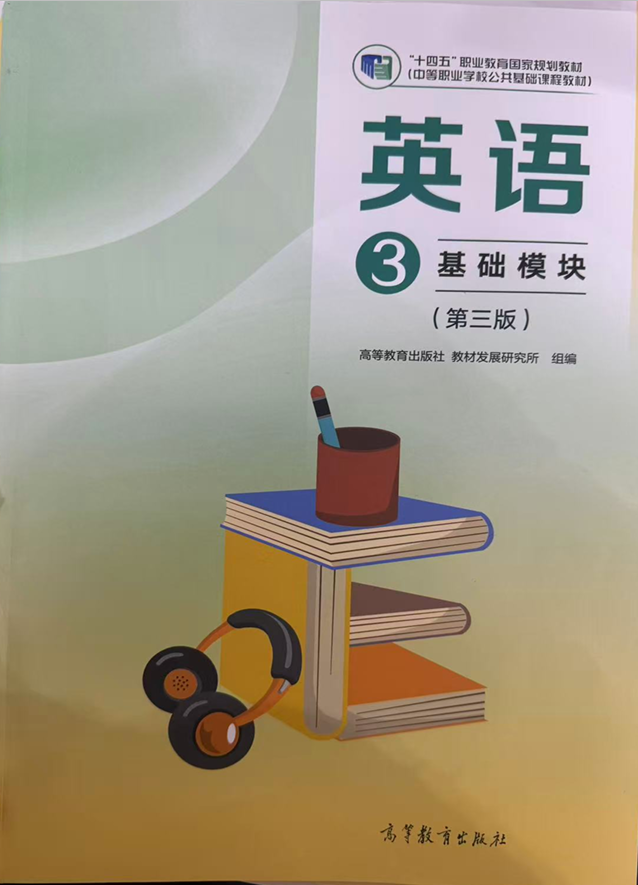
高等教育出版社《英语3 基础模块》(第三版)
授课题目
Unit 1 Festivals Around the World
Warming Up & Listening and Speaking
课时
课型
2课时(90分钟)
听说课
主题情境
人与社会——中外节日文化与节日邀请
授课教师
语篇研读
【What】
本课选取 Unit 1 “Festivals Around the World”中的 Warming Up 与 Listening and Speaking。内容先以春节、端午节、中秋节、圣诞节、泼水节、感恩节等节日图片激活主题词汇,再通过活动1—2识别“节日—典型活动”的对应关系。随后围绕李菲邀请 Robert Jones 共度中秋节的对话完成活动3—5,获取主旨、邀请要素及中秋节文化信息;活动6转入春节邀请对话,进一步学习邀请、回应、询问节日名称/时间/庆祝方式的功能句。最后通过活动7“跨年晚会”模仿对话和活动8“公司经理邀请德国新员工共度元宵节”职场角色扮演完成迁移运用。
【Why】
本课旨在帮助学生在熟悉的节日主题中发展“听懂—提取—模仿—表达”的听说能力。学生不仅要掌握 festival, celebrate, reunion, harvest, similar, appreciate, receive 等核心语言,还要能够礼貌发出、接受或拒绝邀请,并从时间、活动和文化意义等角度介绍中国节日。通过中秋节与感恩节、春节与圣诞节等比较,引导学生理解不同文化中“家庭团聚、感恩、庆祝”的共通价值,增强用英语介绍中华优秀传统文化的意识与信心。
【How】
教学按照“视觉激活—听前预测—主旨听力—细节听力—语篇跟读—语言聚焦—支架输出—情境迁移”推进。听力任务由易到难:活动3把握主旨,活动4提取邀请信息,活动5补全文化介绍;活动6通过听、读、划线识别功能语句,并结合重点句型进行替换操练。输出阶段使用“Name—When—How—Invitation/Response”语言支架,从活动7半控制对话逐步过渡到活动8职场情境自由角色扮演,形成教、学、评一致的任务链。
学情分析
学生对春节、中秋节、端午节等中国传统节日有较丰富的生活经验,也能识别 Christmas、Thanksgiving Day 等常见外国节日,具备一定的日常英语问答基础。但其节日主题词汇较零散,容易停留在“说出节日名称”的层面;连续听取主旨与细节信息时,可能因 calendar, reunion, harvest, appreciate 等词汇而出现理解障碍;在口语输出中,学生往往会使用单句回答,缺少“邀请—询问—介绍—回应”的完整交际链。课堂因此以图片、关键词表格、句型框架、同伴互评和角色卡逐步搭建支架,并通过不同难度的模仿与迁移任务保证不同层次学生都能参与。
课标要求
结合中等职业学校英语课程对基础模块语言能力、文化意识、思维品质和学习能力的要求,本课重点落实:
1. 能听懂语速适中、话题熟悉的节日邀请与介绍类对话,获取主旨和人物、时间、地点、活动等关键信息。
2. 能围绕熟悉的节日话题进行简单交流,使用恰当表达发出邀请、接受或婉拒邀请,并介绍节日时间和庆祝活动。
3. 能借助图片、关键词、表格和上下文预测内容、记录信息并复述关键信息,形成基本的听说学习策略。
4. 能比较中外节日的相似点与差异,以尊重、开放的态度理解多元文化,并尝试用英语传播中国节日文化。
教学目标
通过本节90分钟连堂课学习,学生能够:
1.(学习理解)识别并正确使用 festival, celebrate, reunion, calendar, bright, symbol, harvest, similar, appreciate, receive, typical, sign 等词汇及 the Mid-Autumn Festival, the Water-Splashing Festival, Thanksgiving Day, the Spring Festival, Chinese calendar 等表达;完成活动1—5并准确获取节日主旨与关键细节。
2.(应用实践)理解并运用 Would you like to come? / I’d love to, but... / Of course I will. / I’m so happy to receive your invitation. / What festival are you going to celebrate? / When is the festival? / It falls on... / How do you celebrate this festival? / What I love most is... 等核心句型,完成活动6的跟读、划线、问答和复述。
3.(迁移创新)借助“Name—When—How—Invitation/Response”支架完成活动7跨年晚会对话,并在活动8职场情境中,以公司经理/德国新员工身份围绕元宵节编排并表演较完整的邀请对话。
4.(文化意识)能够说出中秋节、春节、元宵节等中国传统节日的典型活动和文化意义,并能用一至两句话比较中外节日的共同点,增强用英语介绍中华传统文化的信心。
教学
重难点
重点:
1. 掌握节日主题核心词汇、短语和邀请/回应功能句。
2. 运用听前预测、关键词记录和分层听力策略完成活动3—5,提取主旨及“Festival—Place—People—Activities”等细节。
3. 使用 It falls on..., Sounds similar to..., What I love most is... 等句型介绍节日时间、比较与庆祝活动。
难点:
1. 将零散的语言知识整合为完整交际链,在无完整范文提示下持续完成6轮左右的节日邀请对话。
2. 在跨文化/职场情境中既准确介绍中国节日,又能使用得体的邀请、回应和比较表达。
核心语言
【核心词汇】festival, celebrate, celebration, reunion, calendar, bright, symbol, harvest, similar, appreciate, receive, typical, sign, invitation
【节日表达】the Mid-Autumn Festival; the Water-Splashing Festival; the Dragon Boat Festival; Thanksgiving Day; the Spring Festival; the Lantern Festival; Chinese calendar / lunar month; reunion dinner; the Spring Festival Gala
【重点结构】plan to do sth.; celebrate...with...; be going to do sth.; a time for family reunion; fall on +具体日期 / fall in +月份; sound + adj.; be similar to...; What I love most is + V-ing...; as +身份
【交际功能】Would you like to come? / I’d love to, but... / Of course I will. / I’m so happy to receive your invitation. / What festival are you going to celebrate? / When is the festival? / It falls on... / How do you celebrate this festival?
教学工具
PPT、教材、配套音频与视频、课堂任务单、计时器/投屏设备。
教学策略
任务型教学法(主旨听力、细节信息表、复述、角色扮演);情境教学法(中秋邀请、春节邀请、跨年晚会、元宵节职场邀请);交际教学法(邀请—询问—介绍—回应);合作学习法(pair work / role play / peer feedback);支架式教学(关键词、句型框架、对话链);形成性评价(自评、互评、师评)。
教学过程
教学环节
教学活动
学生活动
设计意图
Period 1(45 min)
Part 1:
Lead-in
(5 min)
T: Show the festival pictures on PPT and ask: “What festivals do you know?” “What do people usually do during these festivals?”
T: Give Ss 20 seconds to think, then invite quick answers and reveal the English names: the Spring Festival, the Dragon Boat Festival, the Mid-Autumn Festival, Christmas, the Water-Splashing Festival and Thanksgiving Day.
T: Set the lesson goal: “Today we will learn how to understand a festival invitation and how to invite others to celebrate a festival with us.”
Ss: Observe the pictures, name as many festivals as possible and say one activity they know.
Ss: Compare answers with a partner and repeat the festival names after T.
利用PPT已有节日图片和学生生活经验快速激活主题词汇,建立“节日—活动”的语义联系,并明确本课听说任务。(感知与注意)
评价方式:师评+即时口头反馈。观察学生能否说出至少2个节日英文名称,并能用简单词组描述1项节日活动。
Part 2:
Warming up
Activities 1-2
(10 min)
T: Present Activity 1 “Look and match” on PPT. Ask Ss to match the four festival names with the four pictures individually, then check in pairs.
T: Check the answers and ask Ss to explain the visual clues: moon cakes, dragon boats, a Thanksgiving dinner and water splashing.
T: Move to Activity 2 on PPT. Ask Ss to read the four descriptions, underline the clue words and write the corresponding festival names.
T: Organize a 1-minute “Clue Challenge”: say one clue (“family reunion and moon cakes”, “dragon boat racing”, etc.) and ask Ss to call out the festival.
Ss: Complete Activity 1 individually and compare answers in pairs.
Ss: Underline key clues in Activity 2 and write the festival names.
Ss: Join the “Clue Challenge” and respond with the correct festival names.
落实PPT活动1—2,在“图像识别—文本线索”双通道中巩固节日名称和典型活动,同时训练根据关键词快速匹配信息的能力。(获取与梳理)
评价方式:自评+互评+师评。以活动1—2正确率和“能否指出判断依据”为评价点;对易混淆词进行即时纠正。
Part 3:
Video lead-in
(3 min)
T: Play the short Mid-Autumn Festival video on PPT. Before watching, ask Ss to write down two words or images they notice.
T: After watching, ask: “What festival is it?” “What words or images impressed you?”
T: Transition: “Now Robert receives an invitation to this festival. Let’s listen and find out what happens.”
Ss: Watch the video with a simple note-taking task.
Ss: Share two words/images and identify the Mid-Autumn Festival.
用视频建立中秋节文化情境,降低后续听力理解负担,并自然导入“邀请”主线。(感知与注意)
评价方式:师评。检查学生是否能够识别中秋节并记录至少2条有效视觉/听觉信息。
Part 4:
Listening
Activities 3-5
(12 min)
T: Ask Ss to preview the options in Activity 3 on PPT and predict the main topic. Play the audio once. Ask Ss to tick the best answer and justify it with one key phrase.
T: Present Activity 4 on PPT. Ask Ss to read the four information categories before listening: festival, place, people and activities. Play the audio again.
T: Let Ss compare answers, then replay difficult parts if necessary.
T: Present Activity 5 on PPT. Ask Ss to predict the part of speech for each blank. Play the audio a third time and ask Ss to complete Robert’s summary with Mid-Autumn Festival, festival, bright, reunion and harvest.
T: Check answers and briefly highlight the listening strategy: “Read first—predict—listen for keywords—check in context.”
Ss: Preview, predict and complete Activity 3 for the main idea.
Ss: Listen for specific information and complete the invitation table in Activity 4.
Ss: Predict word forms, listen again and complete Activity 5.
Ss: Compare answers with a partner and correct mistakes with evidence from the audio.
按照“主旨—邀请要素—文化细节”逐层提高听力难度,帮助学生形成听前预测、听中抓关键词、听后验证的策略。(获取与梳理、描述与阐释)
评价方式:自评+互评+师评。活动3看主旨判断,活动4看四类细节信息,活动5看5个关键词;教师根据错误集中点决定是否局部重播。
Part 5:
Script study &
Consolidation
(15 min)
T: Display the script on PPT. Play/read the dialogue sentence by sentence and ask Ss to shadow read.
T: Ask Ss to circle the words celebrate, festival, reunion, bright, symbol, harvest, similar, appreciate and receive. Explain meaning through the dialogue and ask concept-checking questions.
T: Guide Ss to notice the cultural comparison in the script: the Mid-Autumn Festival and Thanksgiving Day both connect family gathering and the harvest season.
T: Give the exercises on PPT. Set a 4-minute individual time limit for word spelling, phrase translation and sentence completion.
T: Check answers quickly. Ask Ss to read the completed sentences aloud, especially “How do you celebrate this festival?” and “What I love most is enjoying... and watching...”.
Ss: Shadow read the script and mark the target words.
Ss: Answer short meaning-check questions and identify the cultural similarity mentioned in the dialogue.
Ss: Complete the exercises independently, then check answers and read the completed sentences aloud.
回到录音原文实现“听音—见文—懂义—开口”,并用PPT原有练习及时巩固词汇、短语和目标句,为第二课时春节对话学习做语言准备。(内化与运用)
评价方式:师评+同伴核对。以跟读准确度、目标词理解和PPT 14-15练习正确率为依据;错误较多的词句进入第二课时开头快速复现。
Period 2(45 min)
Part 6:
Activity 6 +
Watch & answer
(10 min)
T: Present Activity 6 on PPT. Play the Spring Festival dialogue and ask Ss to listen, read and underline two types of language: (1) festival activities; (2) invitation and response expressions.
T: Check the underlined expressions and organize pair shadow-reading with role change.
T: Play/show the “Watch and answer” task on PPT. Ask three questions: “What festival are they going to celebrate?” “When is the festival?” “How will they celebrate it?”
T: Check the answers and ask Ss to answer in complete sentences.
Ss: Listen, follow the text and underline the required expressions.
Ss: Read the dialogue in pairs, changing roles once.
Ss: Watch and answer the three questions in complete sentences: the Spring Festival; the 1st day of the first Chinese lunar month; enjoying the reunion dinner and watching the Spring Festival Gala with family.
落实PPT活动6与Watch and answer,把“识别功能句”与“理解节日信息”结合起来,并通过角色朗读提升语音语调和交际感。(获取与梳理、模仿与内化)
评价方式:互评+师评。检查划线内容是否覆盖“活动、邀请、回应”,并观察成对朗读的语音、停顿和完整度。
Part 7:
Key language
points
(11 min)
T: Use PPT to explain and practise the key points in context.
T: ① “plan to do sth.” and “celebrate...with...” — ask Ss to make one personal sentence.
T: ② “be going to do sth.” — contrast it with the invitation context.
T: ③ “a time for family reunion” — explain “re-” in reunion and elicit another reunion festival.
T: ④ “fall on + a specific date / fall in + a month” and “lunar month” — give quick date substitutions.
T: ⑤ “sound + adjective” and “be similar to...” — ask Ss to compare two festivals.
T: ⑥ “What I love most is + V-ing...” — conduct a substitution drill with festival activities.
T: ⑦ “as + identity” and “receive your invitation” — ask Ss to make one sentence with “As a student,...”.
Ss: Take brief notes and answer concept-checking questions.
Ss: Make short substitution sentences after each point.
Ss: Compare answers with a partner and correct form errors immediately.
对PPT 18—24全部重点语言进行“讲解—例句—替换操练”,避免知识点停留在解释层面,并直接服务后续复述和角色扮演。(内化与运用)
评价方式:师评+快速口头检测。每个语言点至少抽查1—2名学生造句;重点观察 fall on/in、similar to、V-ing结构的准确性。
Part 8:
Retell &
Functional language
(6 min)
T: Show the Chinese cues on PPT. Ask Ss to retell the Spring Festival dialogue in pairs without looking at the full English text.
T: Summarize invitation and response expressions from PPT: “Would you like to come?” “I’d love to, but...” “Of course I will.” “I’m so glad/happy to receive your invitation.”
T: Build the festival-talk frame from PPT 27 on the board: Name → When → How. Add the communication chain: Invite → Ask the festival → Ask the time → Ask how → Respond.
T: Run a 1-minute “Invitation Chain” with the whole class.
Ss: Retell the dialogue from Chinese prompts in pairs.
Ss: Categorize expressions as “invite”, “accept”, “decline”, or “talk about a festival”.
Ss: Join the whole-class invitation chain using the sentence frame.
通过PPT 25—27将长对话压缩为可迁移的功能框架,帮助学生从“背文本”转向“用结构组织交际”。(归纳与内化)
评价方式:互评+师评。以“是否完成邀请—询问—介绍—回应至少4个环节”和目标句型准确度为评价标准。
Part 9:
Activity 7
Imitate and talk
(6 min)
T: Present Activity 7 on PPT: a New Year’s Eve party on December 31 in the students’ dining room, with apple pie, English games and movies.
T: Give pairs 2 minutes to complete the dialogue using the provided frame. Encourage them to add the place question if they can.
T: Invite 2 pairs to perform. Then show the reference content on PPT and ask Ss to self-correct one language point or improve one sentence.
Ss: Work in pairs to complete and practise the New Year’s Eve party dialogue.
Ss: Perform the dialogue and listen to another pair.
Ss: Compare their version with the reference content and make one self-correction or improvement.
活动7属于半控制输出,提供明确时间、地点、活动和句型支架,让学生在较低风险下实现从模仿到改编。(内化与运用)
评价方式:自评+互评+师评。使用简短检查项:Invitation ✓ / Date ✓ / Place ✓ / Activities ✓ / Polite response ✓。
Part 10:
Activity 8
Role play
(6 min)
T: Present Activity 8 on PPT. Assign roles: Fang Ming, manager of a car company, and Frank Miller, a new employee from Germany.
T: Remind Ss of the required information: the Lantern Festival; the 15th day of the first Chinese calendar/lunar month; eating yuanxiao; enjoying lantern shows.
T: Ask pairs to create a dialogue of about 6 turns. Encourage one cultural comparison or one polite acceptance/decline.
T: Invite 2-3 pairs to perform. After performance, show/use the reference content on PPT for targeted feedback, not for memorization.
Ss: Read the role cards and plan a 6-turn workplace dialogue.
Ss: Perform as Fang Ming and Frank Miller, using at least two target sentence patterns.
Ss: Give one piece of peer feedback on completeness, politeness or cultural information.
活动8将语言迁移到“经理邀请外籍新员工”的职场场景,提升真实交际性,并把节日文化介绍与职业沟通结合。(迁移与创新)
评价方式:同伴互评+师评。评价维度:信息完整(节日/时间/活动)、功能完整(邀请/回应/询问)、语言准确、表达得体、文化信息清楚。
Part 11:
Exercises
(3 min)
T: Give the exercises on PPT as an exit check. Ask Ss to finish the word-choice items and the dialogue completion quickly without notes.
T: Check the answers and ask Ss to explain which target expression each dialogue blank tests.
Ss: Complete the two exercise sets independently.
Ss: Check answers and identify the tested vocabulary or functional expression.
用PPT原有练习进行低风险的即时检测,验证词汇、搭配和邀请句型是否达成教学目标。(评价与反馈)
评价方式:自评+师评。统计课堂正确率;对 receive/appreciate/similar/harvest/sign 和 Would you like... / How do you celebrate... 进行针对性反馈。
Part 12:
Summary
(2 min)
T: Use PPT for a rapid retrieval summary. Point to the Chinese meanings and ask Ss to say the English words/phrases.
T: Ask the class to complete four sentence stems orally: “Would you like...?” “How do you...?” “What I love most is...” “I’m so happy to...”.
T: Close with the lesson map: “Know a festival → Understand an invitation → Talk about a festival → Invite someone politely.”
Ss: Recall the vocabulary and key sentences without reading the answers first.
Ss: Say the four core sentence patterns together and explain the lesson map in their own words.
利用PPT总结页进行主动提取而非被动抄写,帮助学生形成“词汇—句型—交际任务”整体框架。(概括与整合)
评价方式:自评+师评。学生用“会说/需复习”标记词汇与句型,教师根据全班反应确定课后复习重点。
Part 13:
Homework
(1 min)
T: Assign the homework on PPT.
T: Basic task: review the listening-and-speaking notes and read Activity 6 fluently.
T: Extended task: write a Dragon Boat Festival invitation dialogue with at least 6 exchanges, using at least 5 key words and 2 key sentence patterns from the lesson.
T: Remind Ss that the dialogue should include invitation, festival time/activities and a response.
Ss: Record the homework and clarify the output requirements.
Ss: Choose a partner if they want to rehearse the extended dialogue orally before writing.
作业与课堂输出任务同构,基础作业巩固输入,拓展作业迁移到端午节,兼顾分层与实际语言运用。
评价方式:课后作业评价。下一课时抽查活动6朗读,并按“6轮问答+5个词汇+2个句型+信息完整”检查拓展作业。
板书设计
Unit 1 Festivals Around the World
1. Invitation: Would you like to come?
Accept: Of course I will. / I’m so happy to receive your invitation.
Decline: I’d love to, but...
2. Talk about a festival: Name → When → How
3. Key words: festival / celebrate / reunion / harvest / similar / appreciate / receive
4. Communication chain: Invite → Ask → Introduce → Compare → Respond
教学反思
(课后填写)
课后重点记录:
1. 活动3—5的听力梯度是否合适,学生困难主要来自词汇、语速还是信息记录,并据此调整重播与关键词支架。
2. PPT 18—24的语言点是否转化为活动7—8中的主动使用,重点观察 fall on/in、be similar to、What I love most is + V-ing。
3. 角色扮演参与度是否均衡;根据课堂表现调整支架数量、同伴分组和展示时间。
《英语 基础模块 1》(高教版 第三版)
精品资源学科网独家享有版权,侵权必究!
学科网(北京)股份有限公司
学科网(北京)股份有限公司
$
资源预览图

1

2

3
由于学科网是一个信息分享及获取的平台,不确保部分用户上传资料的 来源及知识产权归属。如您发现相关资料侵犯您的合法权益,请联系学科网,我们核实后将及时进行处理。