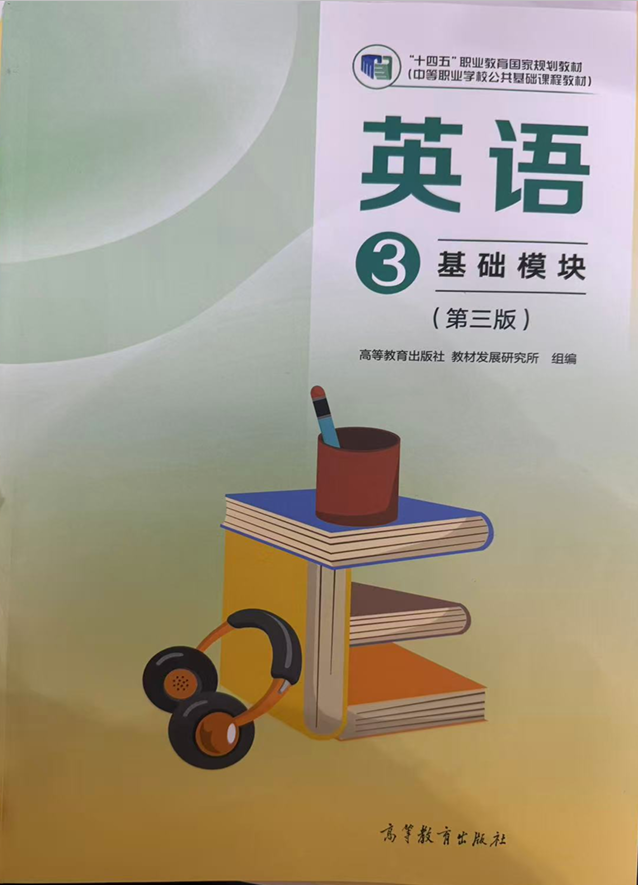
Unit 7 Natural Disasters(A卷·基础巩固)《英语 基础模块3》(高教版第三版)单元过关卷(原卷版+解析版)
2026-09-08
|
2份
|
19页
|
30人阅读
|
0人下载
摘要:
**基本信息**
紧扣《英语 基础模块3》Unit 7核心考点,A卷侧重基础巩固,通过自然灾害主题情境训练语言知识与应用能力,适配单元复习。
**题型特征**
|题型|题量/分值|知识覆盖|命题特色|
|----|-----------|----------|----------|
|英语知识运用|25题/50分|核心词汇(disaster/areas)、名词性从句(that/what)、被动语态(are sent)|情境贴近灾害防护(如洪水安全讲座、志愿者救灾),强化语言能力与思维品质|
|阅读理解|10题/50分|细节理解(灾害应对问题)、主旨归纳(预防教育重要性)|素材聚焦灾害预防与应对,培养文化意识中的社会责任感,问题设计层次分明|
内容正文:
编写说明:本套试卷紧扣《英语 基础模块3》(高教版第三版)教材,以教材单元为基准精准覆盖核心考点。
每个单元设置AB卷,A卷为基础巩固卷,侧重基础考点训练,帮助学生扎实掌握知识要点;B卷为能力提升卷,注重知识整合与全面检测,引导学生构建知识网络。全书设计4份综合测试卷,模拟实战情境,聚焦解题能力突破,全面提升应试能力与知识应用水平。
《英语 基础模块3》(高教版第三版)《单元过关卷》
Unit 7 Natural Disasters
A卷·基础巩固
考试时间:40分钟 满分:100分
班级 姓名 学号 成绩
一、英语知识运用:本题共25小题,每小题2分,共50分。在每小题给出的四个选项中,只有一项符合题目要求。
1. —What do you think of the lecture about flood‑safety knowledge?
—______. It helps me know how to keep safe in danger.
A. It’s terrible
B. It’s useful
C. That’s all right
D. You’re welcome
2. The local government provides food and medicine for people in disaster‑hit ______.
A. areas
B. secrets
C. memories
D. promises
3. —Would you like to join our volunteer group for disaster relief?
—______. I want to do something for people in need.
A. I’m afraid not
B. Sure, I’d love to
C. Never mind
D. That’s too bad
4. Earthquake is one of the terrible natural ______ around the world.
A. views
B. disasters
C. chances
D. efforts
5. ______ we should learn self‑rescue skills is clear to every student.
A. What
B. That
C. Who
D. Whom
6. —Could you tell me some tips on escaping from an earthquake?
—______. Let me share them with you.
A. Of course
B. Enjoy yourself
C. Congratulations
D. Good luck
7. Plenty of daily supplies ______ to the flooded villages by volunteers every year.
A. send
B. are sent
C. sent
D. were sending
8. ______ caused the heavy flood is still being studied by scientists.
A. That
B. What
C. Which
D. Whose
9. We should get well‑prepared ______ sudden natural disasters in daily life.
A. for
B. to
C. at
D. with
10. The problem is ______ many young students pay little attention to disaster prevention.
A. what
B. whether
C. that
D. Who
11. ______ we should learn disaster self-rescue skills is very important for every student.
A. That B. What C. How D. If
12.It is clear ______ heavy rain will bring flood risks to low-lying villages.
A. what B. that C. which D. where
13.The biggest problem is ______ many people ignore early disaster warnings.
A. why B. how C. that D. when
14.We all wonder ______ we can finish the rescue work before the typhoon arrives.
A. that B. whether C. what D. which
15.______ we need most during disasters is enough drinking water and medicine.
A. What B. That C. When D. Where
16.The reason ______ many houses fell down is the strong earthquake.
A. which B. what C. why D. whose
17.It ______ reported that wildfires have been put out in the mountain area.
A. say B. said C. is said D. was said
18.I can’t understand ______ some people still stay outdoors during heavy storms.
A. that B. why C. what D. which
19.What we worry about ______ the safety of the trapped old villagers.
A. are B. be C. were D. is
20.It seems ______ the government has prepared enough emergency shelters.
A. that B. what C. if D. how
21. That is ______ we must take every safety drill very seriously.
A. what
B. why
C. which
D. whom
22. Some old houses are not well‑______, so they may fall down in a strong earthquake.
A. protected
B. repeated
C. reviewed
D. returned
23. Every citizen ______ to learn simple self‑rescue skills for possible disasters.
A. requires
B. is required
C. required
D. was requiring
24. ______ makes us calm in danger is enough safety knowledge.
A. That
B. What
C. Where
D. When
25. —Would you mind not running wildly in the earthquake‑escape drill?
—______. I will follow the rules next time.
A. Yes, please
B. Of course not
C. Sure
D. That’s OK, don’t worry
二、阅读理解:本题共10小题,每小题5分,共50分。在每小题给出的四个选项中,只有一项符合题目要求。
A
Nowadays, natural disasters such as floods and earthquakes may happen in some places. What we should do when disasters come is a question worth thinking about for every student. That we need to master basic self‑rescue skills is widely accepted by schools.
However, some students do not take disaster‑prevention education seriously. They think natural disasters will never happen around them. Teachers often tell us that it is important to get ready for unexpected danger. If we take safety lessons and drills seriously, we can protect ourselves better.
It is true that we cannot stop most natural disasters. But what we can do is to learn safety knowledge and form good habits. Good preparations will help us stay safe when danger arrives.
26. What question is worth thinking for every student according to Paragraph 1?
A. Where to travel during holidays
B. What we should do when disasters come
C. How to buy expensive supplies
D. When natural disasters will disappear
27. Which of the following belongs to natural disaster?
A. Flood
B. School sports meeting
C. Birthday party
D. Art show
28. What is some students’ wrong idea?
A. They take safety drills seriously
B. They think disasters won’t happen nearby
C. They learn self‑rescue skills actively
D. They listen carefully in safety classes
29. What do schools widely accept according to the text?
A. That we need to master basic self‑rescue skills
B. Disasters can be completely stopped by humans
C. Students need not learn safety knowledge
D. We can ignore all safety drills
30. What is the main idea of the passage?
A. Students should learn disaster‑prevention knowledge and get prepared for danger
B. How to stop all kinds of natural disasters
C. Different ways to buy food for disaster‑hit areas
D. How to give speeches about school safety
B
Flood is a common natural disaster in some parts of China. What we should do before a flood arrives is to get our emergency supplies ready. Local governments will send out warning messages ahead of time.
A rescue worker once said, “You should move to higher places once flood water comes.” Another student asked him, “Why must we stay away from the low‑lying land?” The worker’s answer was that low places are easy to be covered by flood water.
Though floods are dangerous, there are many things we can do to keep safe. The fact is that correct early preparations can greatly cut down the harm from floods. If every person knows basic flood‑safety tips, fewer people will get hurt during floods.
31. What is flood according to the passage?
A. A common natural disaster
B. A popular ball game
C. A man‑made festival
D. A school activity
32. What should we do before flood arrives?
A. Get emergency supplies ready
B. Go swimming in the river
C. Stay in low‑lying places all day
D. Throw away all daily things
33. Where should we go when flood water comes?
A. Higher places
B. The low‑lying land
C. Near the river bank
D. Inside the underground room
34. What is the worker’s explanation for keeping away from low‑lying land?
A. Low places have too much fresh food
B. Low places are easy to be covered by flood water
C. People can sleep better in low places
D. Low places can stop flood completely
35. Which statement is TRUE according to the passage?
A. Correct early preparations can reduce flood harm
B. Floods will never bring any danger
C. We should stay in low places during floods
D. Governments never send flood warning messages
学科网(北京)股份有限公司 (
1
)原创精品资源学科网独家享有版权,侵权必究!
学科网(北京)股份有限公司
$
编写说明:本套试卷紧扣《英语 基础模块3》(高教版第三版)教材,以教材单元为基准精准覆盖核心考点。
每个单元设置AB卷,A卷为基础巩固卷,侧重基础考点训练,帮助学生扎实掌握知识要点;B卷为能力提升卷,注重知识整合与全面检测,引导学生构建知识网络。全书设计4份综合测试卷,模拟实战情境,聚焦解题能力突破,全面提升应试能力与知识应用水平。
《英语 基础模块3》(高教版第三版)《单元过关卷》
Unit 7 Natural Disasters
A卷·基础巩固
考试时间:40分钟 满分:100分
班级 姓名 学号 成绩
一、英语知识运用:本题共25小题,每小题2分,共50分。在每小题给出的四个选项中,只有一项符合题目要求。
1. —What do you think of the lecture about flood‑safety knowledge?
—______. It helps me know how to keep safe in danger.
A. It’s terrible
B. It’s useful
C. That’s all right
D. You’re welcome
【答案】B
【详解】考察内容:交际用语(评价事物)
详解:句意:— 你觉得这场关于防洪安全知识的讲座怎么样?— 很有用,它帮我懂得危险情况下如何自保。It’s useful 有用的;It’s terrible 糟糕的;That’s all right 没关系;You’re welcome 不客气。故选 B。
2. The local government provides food and medicine for people in disaster‑hit ______.
A. areas
B. secrets
C. memories
D. promises
【答案】A
【详解】考察内容:单元核心单词
详解:句意:当地政府为受灾地区群众提供食物和药品。disaster‑hit areas 受灾地区。故选 A。
3. —Would you like to join our volunteer group for disaster relief?
—______. I want to do something for people in need.
A. I’m afraid not
B. Sure, I’d love to
C. Never mind
D. That’s too bad
【答案】B
【详解】考察内容:交际用语(接受邀请)
详解:句意:— 你愿意加入我们救灾志愿者小组吗?— 当然,我很乐意。我想为有需要的人做些事。Sure, I’d love to 用于愉快接受邀请。故选 B。
4. Earthquake is one of the terrible natural ______ around the world.
A. views
B. disasters
C. chances
D. efforts
【答案】B
【详解】考察内容:单元固定短语 one of + 复数名词
详解:句意:地震是全球可怕的自然灾害之一。one of the + 形容词最高级 + 名词复数;disaster 灾难,复数 disasters。故选 B。
5. ______ we should learn self‑rescue skills is clear to every student.
A. What
B. That
C. Who
D. Whom
【答案】B
【详解】考察内容:主语从句(that 引导,that 只起连接作用,无词义,不作成分)
详解:句意:我们应当学习自救技能,这对每位学生都很清楚。That 引导主语从句,从句语义完整。故选 B。
6. —Could you tell me some tips on escaping from an earthquake?
—______. Let me share them with you.
A. Of course
B. Enjoy yourself
C. Congratulations
D. Good luck
【答案】A
【详解】考察内容:交际用语(答应请求)
详解:句意:— 你能告诉我一些地震逃生的小提示吗?— 当然,我来跟你分享。Of course 当然。故选 A。
7. Plenty of daily supplies ______ to the flooded villages by volunteers every year.
A. send
B. are sent
C. sent
D. were sending
【答案】B
【详解】 考察内容:一般现在时被动语态
详解:句意:志愿者每年向受洪水侵袭的村庄运送大量生活物资。supplies 和 send 构成被动,are sent。故选 B。
8. ______ caused the heavy flood is still being studied by scientists.
A. That
B. What
C. Which
D. Whose
【答案】B
【详解】1. 考察内容:主语从句(what 在从句中作主语,表示 “…… 的事物 / 原因”)
详解:句意:是什么引发了这场特大洪水,科学家仍在研究。what 在主语从句中作主语。故选 B。
9. We should get well‑prepared ______ sudden natural disasters in daily life.
A. for
B. to
C. at
D. with
【答案】A
【详解】考察内容:固定搭配 get prepared for 为…… 做好准备
详解:句意:日常生活中我们应当为突发自然灾害做好充分准备。get prepared for sth。故选 A。
10. The problem is ______ many young students pay little attention to disaster prevention.
A. what
B. whether
C. that
D. Who
【答案】C
【详解】考察内容:表语从句(that 引导,从句表达完整事实)
详解:句意:问题是很多青年学生忽视防灾工作。that 引导表语从句,不作句子成分。故选 C。
11. ______ we should learn disaster self-rescue skills is very important for every student.
A. That B. What C. How D. If
【答案】 A
【详解】句意:每位学生都应当学习灾害自救知识,这一点十分重要。
解析:That 引导主语从句,从句句意完整、不缺成分,只起连接作用,选 A。
12.It is clear ______ heavy rain will bring flood risks to low-lying villages.
A. what B. that C. which D. where
【答案】B
【详解】句意:很明显,暴雨会给低洼村庄带来洪水隐患。
解析:固定句型 It is clear that…,it 作形式主语,that 引导真正主语从句,选 B。
13.The biggest problem is ______ many people ignore early disaster warnings.
A. why B. how C. that D. when
【答案】C
【详解】句意:最大的问题是很多人无视灾害预警。
解析:that 引导表语从句,从句结构完整,无实际词义,选 C。
14.We all wonder ______ we can finish the rescue work before the typhoon arrives.
A. that B. whether C. what D. which
【答案】B
【详解句意:我们都想知道能否在台风来临前完成救援工作。
解析:whether 引导宾语从句,表 “是否”,贴合句意,选 B。
15.______ we need most during disasters is enough drinking water and medicine.
A. What B. That C. When D. Where
【答案】A
【详解】句意:灾害期间我们最需要充足的饮用水和药品。
解析:What 引导主语从句,在从句中作 need 的宾语,表 “事物”,选 A。
16.The reason ______ many houses fell down is the strong earthquake.
A. which B. what C. why D. whose
【答案】C
【详解】句意:大量房屋坍塌的原因是强烈的地震。
解析:The reason why… 固定定语从句搭配,why 作原因状语,选 C。
17.It ______ reported that wildfires have been put out in the mountain area.
A. say B. said C. is said D. was said
【答案】 C
【详解】句意:据报道山区山火已全部扑灭。
解析:固定句型 It is said that… 客观新闻表述用一般现在时被动,选 C。
18.I can’t understand ______ some people still stay outdoors during heavy storms.
A. that B. why C. what D. which
【答案】 B
【详解】句意:我无法理解为何暴雨天气还有人滞留在户外。
解析:why 引导宾语从句,表 “原因、为何”,选 B。
19.What we worry about ______ the safety of the trapped old villagers.
A. are B. be C. were D. is
【答案】D
【详解】句意:我们担心的是被困老年村民的安全。
解析:What 引导主语从句作单数概念,系动词用 is,选 D。
20.It seems ______ the government has prepared enough emergency shelters.
A. that B. what C. if D. how
【答案】 A
【详解】句意:看起来政府已经准备好充足应急避难所。
解析:固定句型 It seems that…that 引导表语从句,选 A。
21. That is ______ we must take every safety drill very seriously.
A. what
B. why
C. which
D. whom
【答案】B
【详解】考察内容:表语从句(why 引导表语从句,表示 “…… 的原因”)
详解:句意:那就是我们必须认真对待每一次安全演练的原因。why 在表语从句中作原因状语。故选 B。
22. Some old houses are not well‑______, so they may fall down in a strong earthquake.
A. reviewed
B. repeated
C. protected
D. returned
【答案】 C
【详解】考察内容:单元单词 protect v. 保护
详解:句意:部分老房子防护不到位,强震时有可能倒塌。well‑protected 受到良好防护的。故选 C。
23. Every citizen ______ to learn simple self‑rescue skills for possible disasters.
A. requires
B. was requiring
C. required
D. is required
【答案】D
【详解】考察内容:一般现在时被动语态 be required to do
详解:句意:每位公民都被要求学习应对潜在灾害的简单自救技能。主语 every citizen 单数,is required。故选 D。
24. ______ makes us calm in danger is enough safety knowledge.
A. That
B. Where
C. What
D. When
【答案】C
【详解】考察内容:主语从句(what 在从句中作主语)
详解:句意:让我们在危险中保持冷静的是充足的安全知识。what 引导主语从句,在从句内部作主语。故选 C。
25. —Would you mind not running wildly in the earthquake‑escape drill?
—______. I will follow the rules next time.
A. Yes, please
B. Of course not
C. Sure
D. That’s OK, don’t worry
【答案】B
【详解】考察内容:交际用语 Would you mind…? 应答
详解:句意:— 演练时你介意不要乱跑吗?— 当然不介意,下次我会遵守规则。Of course not 表示不介意。故选 B。
二、阅读理解:本题共10小题,每小题5分,共50分。在每小题给出的四个选项中,只有一项符合题目要求。
A
Nowadays, natural disasters such as floods and earthquakes may happen in some places. What we should do when disasters come is a question worth thinking about for every student. That we need to master basic self‑rescue skills is widely accepted by schools.
However, some students do not take disaster‑prevention education seriously. They think natural disasters will never happen around them. Teachers often tell us that it is important to get ready for unexpected danger. If we take safety lessons and drills seriously, we can protect ourselves better.
It is true that we cannot stop most natural disasters. But what we can do is to learn safety knowledge and form good habits. Good preparations will help us stay safe when danger arrives.
26. What question is worth thinking for every student according to Paragraph 1?
A. Where to travel during holidays
B. What we should do when disasters come
C. How to buy expensive supplies
D. When natural disasters will disappear
27. Which of the following belongs to natural disaster?
A. Flood
B. School sports meeting
C. Birthday party
D. Art show
28. What is some students’ wrong idea?
A. They take safety drills seriously
B. They think disasters won’t happen nearby
C. They learn self‑rescue skills actively
D. They listen carefully in safety classes
29. What do schools widely accept according to the text?
A. That we need to master basic self‑rescue skills
B. Disasters can be completely stopped by humans
C. Students need not learn safety knowledge
D. We can ignore all safety drills
30. What is the main idea of the passage?
A. Students should learn disaster‑prevention knowledge and get prepared for danger
B. How to stop all kinds of natural disasters
C. Different ways to buy food for disaster‑hit areas
D. How to give speeches about school safety
【答案】26. B 27. A 28. B 29. A 30. A
【导语】本篇议论文,面向中职学生,围绕自然灾害单元主题;文本嵌入主语从句、表语从句,贴合本单元语法;阐述学习防灾自救知识、提前做好准备的重要意义。
26. 答案:B
考察内容:细节理解
详解:根据第一段 “What we should do when disasters come is a question worth thinking about for every student.”,对每位学生来说,灾害来临我们该做什么是值得思考的问题。
27. 答案:A
考察内容:细节理解
详解:洪水属于自然灾害;运动会、生日派对、文艺演出均不属于自然灾害。
28. 答案:B
考察内容:细节理解
详解:第二段 “They think natural disasters will never happen around them.” 部分学生错误认为灾害不会发生在自己身边。
29. 答案:A
考察内容:细节理解
详解:第一段 “That we need to master basic self‑rescue skills is widely accepted by schools.” 学校普遍认同我们需要掌握基础自救技能。
30. 答案:A
考察内容:主旨大意
详解:全文主旨:学生应当学习防灾知识,为危险来临做好准备。
B
Flood is a common natural disaster in some parts of China. What we should do before a flood arrives is to get our emergency supplies ready. Local governments will send out warning messages ahead of time.
A rescue worker once said, “You should move to higher places once flood water comes.” Another student asked him, “Why must we stay away from the low‑lying land?” The worker’s answer was that low places are easy to be covered by flood water.
Though floods are dangerous, there are many things we can do to keep safe. The fact is that correct early preparations can greatly cut down the harm from floods. If every person knows basic flood‑safety tips, fewer people will get hurt during floods.
31. What is flood according to the passage?
A. A man‑made festival
B. A popular ball game
C. A common natural disaster
D. A school activity
32. What should we do before flood arrives?
A. Get emergency supplies ready
B. Go swimming in the river
C. Stay in low‑lying places all day
D. Throw away all daily things
33. Where should we go when flood water comes?
A. Higher places
B. The low‑lying land
C. Near the river bank
D. Inside the underground room
34. What is the worker’s explanation for keeping away from low‑lying land?
A. Low places have too much fresh food
B. Low places are easy to be covered by flood water
C. People can sleep better in low places
D. Low places can stop flood completely
35. Which statement is TRUE according to the passage?
A. Correct early preparations can reduce flood harm
B. Floods will never bring any danger
C. We should stay in low places during floods
D. Governments never send flood warning messages
【答案】31.C 32.A 33.A 34.B 35.A
【导语】本篇说明文,主题为洪水灾害,文本融入主语从句、表语从句;介绍洪水来临前、来临时的避险常识,说明提前准备可以降低灾害伤害。
31. 答案:C
考察内容:细节理解
详解:由第一段 “Flood is a common natural disaster in some parts of China.” 洪水是中国部分地区常见的自然灾害。
32. 答案:A
考察内容:细节理解
详解:第一段 “What we should do before a flood arrives is to get our emergency supplies ready.” 洪水来临前要备好应急物资。
33. 答案:A
考察内容:细节理解
详解:救援人员原话 “You should move to higher places once flood water comes.” 洪水到来应当去往高处。
34. 答案:B
考察内容:细节理解(表语从句考点)
详解:文中 “The worker’s answer was that low places are easy to be covered by flood water.”,低洼地带容易被洪水淹没。
35. 答案:A
考察内容:正误判断
详解:由 “The fact is that correct early preparations can greatly cut down the harm from floods.” 正确的提前准备能够减少洪水带来的伤害;B、C、D 与原文内容矛盾。
学科网(北京)股份有限公司 (
1
)原创精品资源学科网独家享有版权,侵权必究!
学科网(北京)股份有限公司
$
资源预览图

1

2

3
由于学科网是一个信息分享及获取的平台,不确保部分用户上传资料的 来源及知识产权归属。如您发现相关资料侵犯您的合法权益,请联系学科网,我们核实后将及时进行处理。