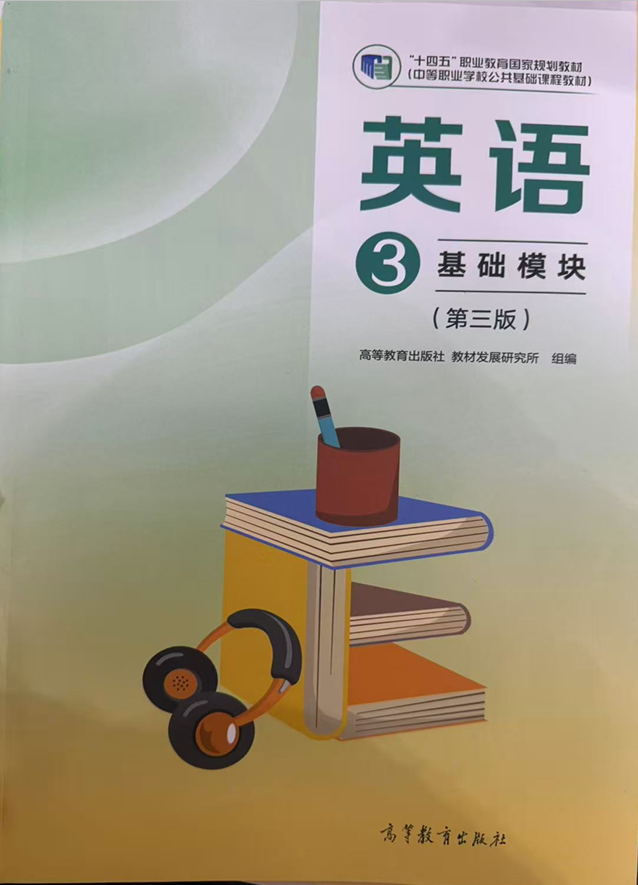
Unit 1 Festivals Around the World(A卷·基础巩固)《英语 基础模块3》(高教版第三版)单元过关卷(原卷版+解析版)
2026-09-08
|
2份
|
17页
|
72人阅读
|
1人下载
摘要:
**基本信息**
本试卷为《英语 基础模块3》Unit 1 Festivals Around the World A卷基础巩固卷,紧扣教材核心考点,以节日文化为情境,覆盖语言能力与文化意识,适配中职单元复习。
**题型特征**
|题型|题量/分值|知识覆盖|命题特色|
|----|-----------|----------|----------|
|完形填空|10题/20分|节日相关词汇、语境理解|以春节在多国的庆祝为情境,考查基础词汇运用|
|语法填空|10题/15分|语法应用(不定式、时态等)|结合龙舟制作、端午习俗,强化语法在文化场景中的应用|
|阅读理解|12题/30分|节日活动、文化信息获取|三篇短文涉及马耳他春晚、雪顿节、莫斯科新年,提升跨文化理解|
|补全对话|5题/15分|节日计划交际用语|围绕春节计划与他国节日对比,考查日常交际能力|
|阅读回答问题|5题/20分|细节信息提取、文化内涵理解|以泼水节为素材,设问节日地点、目的等,深化文化意识|
内容正文:
编写说明:本套试卷紧扣《英语 基础模块3》(高教版第三版)教材,以教材单元为基准精准覆盖核心考点。每个单元设置AB卷,A卷为基础巩固卷,侧重基础考点训练,帮助学生扎实掌握知识要点;B卷为能力提升卷,注重知识整合与全面检测,引导学生构建知识网络。全书设计4份综合测试卷,模拟实战情境,聚焦解题能力突破,全面提升应试能力与知识应用水平。
《英语 基础模块3》(高教版第三版)《单元过关卷》
Unit 1 Festivals Around the World
A卷·基础巩固
考试时间:60分钟 满分:100分
班级_____姓名_____学号_____成绩_____
第Ⅰ卷 客观题(共80分)
Ⅰ. 完形填空(1—10题,每题2分,共20分)
阅读下面短文,掌握大意,然后从每题所给的四个选项中选出最佳选项。
Every year, Spring Festival brings families ____1____. The festival is also celebrated by Chinese communities in ____2____ countries. In New York's Chinatown, people hang red lanterns and put up paper decorations ____3____ New Year's Day. Shops stay open late ____4____ families need food and gifts. On the first morning, children put on new clothes and ____5____ older family members. They often receive red envelopes, which carry ____6____ wishes for the new year.
In Malaysia, streets in some Chinatowns become ____7____ and busy. Neighbors watch lion dances, beat drums, and share holiday meals with visitors. In Russia, Chinese families and local friends ____8____ for music and food. A Chinese orchestra may play traditional songs for people who have never visited China. In Valletta, Malta, a Spring Festival show lets audiences enjoy Chinese music and dance. Children often take photos, while older people explain the meaning of each performance.
These celebrations look different, but they share the ____9____ idea. People use the festival to remember family, welcome spring, and wish for a better year. Canada once issued stamps for the Chinese Year of the Ox. Such small signs show that Spring Festival is becoming a festival ____10____ around the world. It can bring people from different backgrounds together, even when they speak different languages.
1.A.together
B.alone
C.early
D.away
2.A.few
B.one
C.many
D.none
3.A.after
B.before
C.under
D.behind
4.A.although
B.but
C.until
D.because
5.A.leave
B.greet
C.hide
D.follow
6.A.good
B.empty
C.sad
D.old
7.A.quiet
B.cold
C.bright
D.weak
8.A.leave
B.forget
C.argue
D.meet
9.A.same
B.different
C.last
D.short
10.A.hidden
B.lost
C.known
D.closed
Ⅱ. 语法填空(11—20题,每题1.5分,共15分)
阅读下面短文,从方框中选择适当的词填空,使短文完整通顺。每个词限用一次。
A. to make
B. ago
C. it
D. because E. his
Lin Shunkui is a handicraft artist from Zhejiang. He is the fifth generation (第五代) to keep the dragon boat art alive. Every year, he plans ____11____ a big wooden dragon boat. Each boat is full of bright colors and little figures (小人物). On the night of the Lantern Festival (元宵节), villagers burn the boat ____12____ it brings good luck. This custom began in the Ming Dynasty (明朝), over 600 years ____13____. Lin won a top prize for ____14____ art in 2022. One of his dragon boats is now on show in Beijing. ____15____ is his great wish to keep this art alive forever.
阅读下面短文,在空白处填入1个适当单词或括号内单词的正确形式。
Zheng Xianglong is a 70-year-old boat builder from Hubei. He and his son made 14 wooden dragon boats together. People in Zigui ____16____ (bring) back the traditional boat race this year. The race was missing for over 20 years. People eat zongzi (粽子) to remember the poet Qu Yuan. Many people enjoy ____17____ (watch) the races during the festival. ____18____ Guangdong alone, over 500 races and nearly 100,000 players were planned. The Dragon Boat Festival falls ____19____ the fifth day of the fifth lunar month. It is a good time for family ____20____ (reunite).
Ⅲ. 阅读理解(21—32题,每题2.5分,共30分)
阅读下面三篇短文,从每题所给的四个选项中选出最佳选项。
Passage A
Join Our Spring Festival Show
Valletta Chinese Culture Club invites families and students to a Spring Festival show. The show will take place on Saturday, January 24, at 7:00 pm in City Theatre, Valletta, Malta. It is part of a community event for the Chinese Lunar New Year.
Visitors can enjoy Chinese music, dance, and a lively lion dance. Musicians will play traditional songs. Dancers will wear bright clothes, and the lion dancers will move through the hall with drums. A short talk will explain why the Spring Festival is a time for family reunion and good wishes.
Tickets are free. Please collect them at the city library before January 22. The hall will open at 6:30 pm. Please arrive early because seats are limited. People of all backgrounds are welcome. You do not need to speak Chinese to enjoy the show. After the show, visitors may learn a simple Chinese New Year greeting and take a photo with the performers. Come with your family or friends and share a happy evening.
21. When will the Spring Festival show take place?
A.On Friday.
B.On Saturday.
C.On Sunday.
D.On Monday.
22. Where will the show be held?
A.At the city library.
B.At a school hall.
C.At City Theatre.
D.At a city park.
23. What can visitors enjoy at the show?
A.Chinese music and dance.
B.A cooking class.
C.A sports game.
D.An English movie.
24. How can people get free tickets?
A.Pay at the door.
B.Buy them online later.
C.Ask the musicians.
D.Collect them at the library before Jan. 22.
Passage B
Xuedun Festival
Xuedun Festival is a traditional festival in Tibet. In Tibetan, “xue” means yoghurt and “dun” means feast, so the old name means a yoghurt feast. Long ago, monks stayed in their temples during a summer period. When they were allowed to leave, local people welcomed them with yoghurt. This simple gift became the start of the festival.
Today the festival is much richer. It starts on the 30th day of the sixth Tibetan lunar month and lasts from five to seven days. People put on festival clothes and go to Norbu Lingka with food and tents. They watch Tibetan Opera, talk with friends, and relax in the open air. Some visitors enjoy yak races and horse-riding tests.
Stalls stand around the park, and sellers offer food and daily goods. Families can rest together after watching the opera. Families share meals during the long festival with nearby friends. The festival keeps its old religious meaning, but it is also a happy public event. It brings monks, local families, and visitors together. By sharing yoghurt, music, and stories, people remember the past and give the old festival new life. Young visitors can enjoy the activities while learning why the festival began.
25. What does “xue” mean in Tibetan?
A.Yoghurt.
B.Music.
C.Temple.
D.Feast.
26. How long does the Xuedun Festival last today?
A.One day.
B.Two to four days.
C.Five to seven days.
D.Ten to twelve days.
27. What can visitors enjoy at the festival?
A.Boat races.
B.Horse-riding tests and yak races.
C.Firework shows.
D.Ice sports.
28. What is the passage mainly about?
A.A modern food market.
B.The history and activities of Xuedun Festival.
C.A school trip in Tibet.
D.The rules of horse riding.
Passage C
A New Year Evening in Moscow
I was living in Moscow when my family prepared for the Chinese Lunar New Year. My mother bought red paper and hung it beside our door. My father made dumplings, while I called my Russian classmates and invited them to our community celebration.
On the evening of the festival, the hall was full. Chinese families sat with Russian friends. We shared food and watched a short show. A group played Chinese music, and children sang a New Year song. The room became quiet when Ambassador Liu Guchang spoke. He thanked Chinese people living in Russia and said that the festival could help people understand one another.
After the talk, we raised our cups and wished for peace, health, and a good year. My classmate Anna tried to make a dumpling. It was not pretty, but everyone laughed and helped her. She told me that the evening made her want to learn more about China.
On the way home, I felt warm. The festival was not only a family holiday for us. It was also a bridge between Chinese and Russian people. I hoped we would meet again next year. I also wanted to invite more classmates, because sharing a festival made our friendship stronger.
29. Who did the writer invite to the community celebration?
A.His parents.
B.Local shopkeepers.
C.His Russian classmates.
D.Museum workers.
30. Who spoke at the celebration?
A.Ambassador Liu Guchang.
B.Anna's teacher.
C.A music player.
D.The writer's father.
31. What did Anna want to do after the evening?
A.Make a red door.
B.Learn more about China.
C.Travel to Malta.
D.Buy a new hall.
32. What does the writer think the festival can do?
A.It can stop all travel.
B.It can replace family meals.
C.It can teach only music.
D.It can build friendship between people.
Ⅳ. 补全对话(33—37题,每题3分,共15分)
阅读下面对话,从A—G七个选项中选出五个最佳选项,其中有两个多余选项。
A: Hi, Lily! The Spring Festival is coming. ____33____
B: I’m going to visit my grandparents in the countryside.
A: That sounds warm. ____34____
B: We’ll make dumplings and set off fireworks.
A: Nice! Do people in other countries have similar festivals?
B: Yes. ____35____
A: Really? What do they usually do?
B: ____36____
A: How interesting! I’d like to learn more about festivals around the world.
B: Me too. ____37____
A: Good idea. Let’s go after class.
A. They often get together, give gifts and enjoy big meals.
B. What are your plans for it?
C. When did you buy the fireworks?
D. For example, people celebrate Christmas in many countries.
E. Why do you dislike traditional festivals?
F. What will you do there?
G. We can read some books in the library.
第Ⅱ卷 主观题(共20分)
Ⅴ. 阅读下面短文,根据短文内容回答问题。(38—42题,每题4分,共20分)
The Water-Splashing Festival is a traditional festival of the Dai people in Xishuangbanna and other places. It is held to send off the old year and welcome the new one. Before the festival, families clean their homes and prepare food. People put on their best clothes and visit relatives and friends.
During the festival, people splash clean water on one another. They use bowls, cups, or small water guns. The water is a friendly wish for good luck, health, and a fresh start. Young people sing and dance, while older people tell children about the meaning of the festival.
In some villages, people also hold a special ceremony for the Dragon God. They prepare food and other gifts, carry them with gongs and drums, and send them along a river. Visitors are welcome to watch. The festival is full of water, music, and laughter, but its deepest meaning is respect for nature, family, and a better life. It also gives young people a chance to learn from older family members.
38. Where is the Water-Splashing Festival held?
________________________________________________
39. What is the purpose of the festival?
________________________________________________
40. What do people splash on one another?
________________________________________________
41. What does the water wish for?
________________________________________________
42. What is the deepest meaning of the festival?
________________________________________________
原创精品资源学科网独家享有版权,侵权必究!
原创精品资源学科网独家享有版权,侵权必究!
原创精品资源学科网独家享有版权,侵权必究!
学科网(北京)股份有限公司
$
编写说明:本套试卷紧扣《英语 基础模块3》(高教版第三版)教材,以教材单元为基准精准覆盖核心考点。每个单元设置AB卷,A卷为基础巩固卷,侧重基础考点训练,帮助学生扎实掌握知识要点;B卷为能力提升卷,注重知识整合与全面检测,引导学生构建知识网络。全书设计4份综合测试卷,模拟实战情境,聚焦解题能力突破,全面提升应试能力与知识应用水平。
《英语 基础模块3》(高教版第三版)《单元过关卷》
Unit 1 Festivals Around the World
A卷·基础巩固
考试时间:60分钟 满分:100分
班级_____姓名_____学号_____成绩_____
第Ⅰ卷 客观题(共80分)
Ⅰ. 完形填空(1—10题,每题2分,共20分)
阅读下面短文,掌握大意,然后从每题所给的四个选项中选出最佳选项。
Every year, Spring Festival brings families ____1____. The festival is also celebrated by Chinese communities in ____2____ countries. In New York's Chinatown, people hang red lanterns and put up paper decorations ____3____ New Year's Day. Shops stay open late ____4____ families need food and gifts. On the first morning, children put on new clothes and ____5____ older family members. They often receive red envelopes, which carry ____6____ wishes for the new year.
In Malaysia, streets in some Chinatowns become ____7____ and busy. Neighbors watch lion dances, beat drums, and share holiday meals with visitors. In Russia, Chinese families and local friends ____8____ for music and food. A Chinese orchestra may play traditional songs for people who have never visited China. In Valletta, Malta, a Spring Festival show lets audiences enjoy Chinese music and dance. Children often take photos, while older people explain the meaning of each performance.
These celebrations look different, but they share the ____9____ idea. People use the festival to remember family, welcome spring, and wish for a better year. Canada once issued stamps for the Chinese Year of the Ox. Such small signs show that Spring Festival is becoming a festival ____10____ around the world. It can bring people from different backgrounds together, even when they speak different languages.
1.A.together
B.alone
C.early
D.away
2.A.few
B.one
C.many
D.none
3.A.after
B.before
C.under
D.behind
4.A.although
B.but
C.until
D.because
5.A.leave
B.greet
C.hide
D.follow
6.A.good
B.empty
C.sad
D.old
7.A.quiet
B.cold
C.bright
D.weak
8.A.leave
B.forget
C.argue
D.meet
9.A.same
B.different
C.last
D.short
10.A.hidden
B.lost
C.known
D.closed
【答案】
1.A 2.C 3.B 4.D 5.B 6.A 7.C 8.D 9.A 10.C
【导语】
本文是一篇说明文。文章介绍春节在纽约、马来西亚、俄罗斯和马耳他等地的庆祝活动,如挂灯笼、舞狮和音乐表演等。文章还说明,不同地区的庆祝形式虽然不同,但都表达了团聚、迎春和祝福新年的愿望。
【详解】
1.考查副词词义辨析;句意:每年,春节让家人团聚在一起。together一起;alone独自;early早地;away离开。bring families together意为“让家人团聚”,故选A。
2.考查形容词词义辨析;句意:许多国家的华人社区也庆祝这个节日。few少数;one一个;many许多;none没有。下文列举美国、马来西亚、俄罗斯和马耳他的庆祝活动,many符合范围,故选C。
3.考查介词辨析;句意:人们在新年前挂起红灯笼并贴上剪纸装饰。after在……之后;before在……之前;under在……下面;behind在……后面。装饰通常在新年到来之前完成,故选B。
4.考查连词辨析;句意:商店营业到很晚,因为家人需要食物和礼物。although虽然;but但是;until直到;because因为。后句说明商店晚关门的原因,because引导原因,故选D。
5.考查动词词义辨析;句意:孩子们穿上新衣服,向年长的家人问候。leave离开;greet问候;hide藏起来;follow跟随。春节早晨向长辈问候是本句直接信息,greet正确,故选B。
6.考查形容词词义辨析;句意:他们常收到红包,红包寄托着对新年的美好祝愿。good好的;empty空的;sad悲伤的;old旧的。good wishes是固定搭配,故选A。
7.考查形容词词义辨析;句意:马来西亚一些唐人街的街道变得明亮而繁忙。quiet安静的;cold寒冷的;bright明亮的;weak虚弱的。红灯笼和节日活动使街道明亮,bright与busy并列,故选C。
8.考查动词词义辨析;句意:在俄罗斯,华人家庭和当地朋友聚在一起听音乐、吃东西。leave离开;forget忘记;argue争吵;meet见面、聚会。meet for music and food表示“为音乐和食物聚会”,故选D。
9.考查形容词词义辨析;句意:这些庆祝活动看起来不同,但它们有相同的理念。same相同的;different不同的;last最后的;short短的。but前后转折,前面说形式不同,后面应强调理念相同,故选A。
10.考查过去分词作后置定语;句意:这些小小的迹象表明,春节正成为一个世界各地都知晓的节日。hidden隐藏的;lost丢失的;known知晓的;closed关闭的。festival known around the world意为“世界各地知晓的节日”,known符合语法和语义,故选C。
Ⅱ. 语法填空(11—20题,每题1.5分,共15分)
阅读下面短文,从方框中选择适当的词填空,使短文完整通顺。每个词限用一次。
A. to make
B. ago
C. it
D. because E. his
Lin Shunkui is a handicraft artist from Zhejiang. He is the fifth generation (第五代) to keep the dragon boat art alive. Every year, he plans ____11____ a big wooden dragon boat. Each boat is full of bright colors and little figures (小人物). On the night of the Lantern Festival (元宵节), villagers burn the boat ____12____ it brings good luck. This custom began in the Ming Dynasty (明朝), over 600 years ____13____. Lin won a top prize for ____14____ art in 2022. One of his dragon boats is now on show in Beijing. ____15____ is his great wish to keep this art alive forever.
【答案】
11.A 12.D 13.B 14.E 15.C
【导语】
本文是一篇记叙文,讲述浙江乐清“装饰龙头”非遗传承人林顺奎制作巨型木龙舟龙头、元宵夜焚烧祈福,并希望这门手艺世代相传的故事。
【详解】
11. 考查非谓语动词作宾语(动词不定式)。句意:每年,他都计划做一艘大木龙舟。固定搭配 plan to do sth. 意为“计划做某事”,动词不定式 to make 作宾语,故选 A。
12. 考查状语从句连词。句意:元宵节晚上,村民们烧掉龙舟,因为它会带来好运。because 引导原因状语从句,说明烧龙舟的原因,故选 D。
13. 考查时间副词。句意:这个习俗始于明朝,已经 600 多年了。ago 用于一般过去时,表示“……以前”,与 over 600 years 连用作时间状语,故选 B。
14. 考查物主代词。句意:2022 年,林顺奎凭他的手艺赢得大奖。空格后是名词 art,用形容词性物主代词 his 修饰,故选 E。
15. 考查 it 作形式主语。句意:让这门手艺永远传承下去是他最大的心愿。It is + 名词 + 不定式 句型中,it 作形式主语,真正主语是后面的动词不定式,故选 C。
阅读下面短文,在空白处填入1个适当单词或括号内单词的正确形式。
Zheng Xianglong is a 70-year-old boat builder from Hubei. He and his son made 14 wooden dragon boats together. People in Zigui ____16____ (bring) back the traditional boat race this year. The race was missing for over 20 years. People eat zongzi (粽子) to remember the poet Qu Yuan. Many people enjoy ____17____ (watch) the races during the festival. ____18____ Guangdong alone, over 500 races and nearly 100,000 players were planned. The Dragon Boat Festival falls ____19____ the fifth day of the fifth lunar month. It is a good time for family ____20____ (reunite).
【答案】
16.brought 17.watching 18.In 19.on 20.reunion
【导语】
本文是一篇说明文,介绍湖北秭归 70 岁船匠郑向龙与儿子重造木龙舟、推动传统龙舟赛回归屈原故里,以及端午龙舟赛在全国焕发新生的故事。
【详解】
16. 考查一般过去时。句意:今年,秭归人民重新举办了传统的龙舟赛。叙述过去发生的事用一般过去时,bring 的过去式为 brought。
17. 考查非谓语动词作宾语(动词-ing)。句意:节日期间,许多人喜欢观看龙舟赛。固定搭配 enjoy doing sth. 意为“喜欢做某事”,动词-ing 形式 watching 作宾语。
18. 考查介词。句意:仅广东一省就计划举办 500 多场赛事,近 10 万人参赛。表示“在……(某地)”用介词 In。
19. 考查介词。句意:端午节在农历五月初五。表示具体某一天用介词 on。
20. 考查名词。句意:这是一个家人团聚的好时光。reunite 的名词形式为 reunion,for family reunion 意为“家人团聚”。
Ⅲ. 阅读理解(21—32题,每题2.5分,共30分)
阅读下面三篇短文,从每题所给的四个选项中选出最佳选项。
Passage A
Join Our Spring Festival Show
Valletta Chinese Culture Club invites families and students to a Spring Festival show. The show will take place on Saturday, January 24, at 7:00 pm in City Theatre, Valletta, Malta. It is part of a community event for the Chinese Lunar New Year.
Visitors can enjoy Chinese music, dance, and a lively lion dance. Musicians will play traditional songs. Dancers will wear bright clothes, and the lion dancers will move through the hall with drums. A short talk will explain why the Spring Festival is a time for family reunion and good wishes.
Tickets are free. Please collect them at the city library before January 22. The hall will open at 6:30 pm. Please arrive early because seats are limited. People of all backgrounds are welcome. You do not need to speak Chinese to enjoy the show. After the show, visitors may learn a simple Chinese New Year greeting and take a photo with the performers. Come with your family or friends and share a happy evening.
21. When will the Spring Festival show take place?
A.On Friday.
B.On Saturday.
C.On Sunday.
D.On Monday.
22. Where will the show be held?
A.At the city library.
B.At a school hall.
C.At City Theatre.
D.At a city park.
23. What can visitors enjoy at the show?
A.Chinese music and dance.
B.A cooking class.
C.A sports game.
D.An English movie.
24. How can people get free tickets?
A.Pay at the door.
B.Buy them online later.
C.Ask the musicians.
D.Collect them at the library before Jan. 22.
【答案】
21.B 22.C 23.A 24.D
【导语】
本文是一篇应用文。文章是一则春节演出通知,介绍了马耳他瓦莱塔春节演出的时间、地点、节目内容和免费票领取方式。
【详解】
21.考查细节理解题;句意:春节演出什么时候举行? 根据原文“The show will take place on Saturday, January 24”(演出将在1月24日星期六举行),原文直接给出 Saturday,故选 B。
22.考查细节理解题;句意:演出在哪里举行? 根据原文“in City Theatre, Valletta, Malta”(在马耳他瓦莱塔的城市剧院),原文明确说明地点是 City Theatre,故选 C。
23.考查细节理解题;句意:观众可以在演出中欣赏什么? 根据原文“Visitors can enjoy Chinese music, dance, and a lively lion dance”(观众可以欣赏中国音乐、舞蹈和热闹的舞狮),选项 A 概括了原文中的 music 和 dance,故选 A。
24.考查细节理解题;句意:人们怎样领取免费票? 根据原文“Please collect them at the city library before January 22”(请在1月22日前到城市图书馆领取门票),原文说明免费票要在截止日期前到图书馆领取,故选 D。
Passage B
Xuedun Festival
Xuedun Festival is a traditional festival in Tibet. In Tibetan, “xue” means yoghurt and “dun” means feast, so the old name means a yoghurt feast. Long ago, monks stayed in their temples during a summer period. When they were allowed to leave, local people welcomed them with yoghurt. This simple gift became the start of the festival.
Today the festival is much richer. It starts on the 30th day of the sixth Tibetan lunar month and lasts from five to seven days. People put on festival clothes and go to Norbu Lingka with food and tents. They watch Tibetan Opera, talk with friends, and relax in the open air. Some visitors enjoy yak races and horse-riding tests.
Stalls stand around the park, and sellers offer food and daily goods. Families can rest together after watching the opera. Families share meals during the long festival with nearby friends. The festival keeps its old religious meaning, but it is also a happy public event. It brings monks, local families, and visitors together. By sharing yoghurt, music, and stories, people remember the past and give the old festival new life. Young visitors can enjoy the activities while learning why the festival began.
25. What does “xue” mean in Tibetan?
A.Yoghurt.
B.Music.
C.Temple.
D.Feast.
26. How long does the Xuedun Festival last today?
A.One day.
B.Two to four days.
C.Five to seven days.
D.Ten to twelve days.
27. What can visitors enjoy at the festival?
A.Boat races.
B.Horse-riding tests and yak races.
C.Firework shows.
D.Ice sports.
28. What is the passage mainly about?
A.A modern food market.
B.The history and activities of Xuedun Festival.
C.A school trip in Tibet.
D.The rules of horse riding.
【答案】
25.A 26.C 27.B 28.B
【导语】
本文是一篇说明文。文章介绍西藏雪顿节名称的含义、起源、举办时间和主要活动,说明这一古老节日今天仍具有活力。
【详解】
25.考查细节理解题;句意:“xue”在藏语中是什么意思? 根据原文“In Tibetan, “xue” means yoghurt”(在藏语中,xue 的意思是酸奶),原文直接给出 xue 的含义是 yoghurt,故选 A。
26.考查细节理解题;句意:现在雪顿节持续多长时间? 根据原文“lasts from five to seven days”(持续五到七天),原文明确给出持续时间为 five to seven days,故选 C。
27.考查细节理解题;句意:游客可以在节日中欣赏什么? 根据原文“Some visitors enjoy yak races and horse-riding tests”(一些游客欣赏牦牛赛跑和骑马比赛),选项 B 与原文的两项活动完全对应,故选 B。
28.考查主旨大意题;句意:本文主要介绍了什么? 根据原文“Today the festival is much richer”(如今这个节日的内容更加丰富),全文介绍雪顿节的名称、起源和今天的活动,故选 B。
Passage C
A New Year Evening in Moscow
I was living in Moscow when my family prepared for the Chinese Lunar New Year. My mother bought red paper and hung it beside our door. My father made dumplings, while I called my Russian classmates and invited them to our community celebration.
On the evening of the festival, the hall was full. Chinese families sat with Russian friends. We shared food and watched a short show. A group played Chinese music, and children sang a New Year song. The room became quiet when Ambassador Liu Guchang spoke. He thanked Chinese people living in Russia and said that the festival could help people understand one another.
After the talk, we raised our cups and wished for peace, health, and a good year. My classmate Anna tried to make a dumpling. It was not pretty, but everyone laughed and helped her. She told me that the evening made her want to learn more about China.
On the way home, I felt warm. The festival was not only a family holiday for us. It was also a bridge between Chinese and Russian people. I hoped we would meet again next year. I also wanted to invite more classmates, because sharing a festival made our friendship stronger.
29. Who did the writer invite to the community celebration?
A.His parents.
B.Local shopkeepers.
C.His Russian classmates.
D.Museum workers.
30. Who spoke at the celebration?
A.Ambassador Liu Guchang.
B.Anna's teacher.
C.A music player.
D.The writer's father.
31. What did Anna want to do after the evening?
A.Make a red door.
B.Learn more about China.
C.Travel to Malta.
D.Buy a new hall.
32. What does the writer think the festival can do?
A.It can stop all travel.
B.It can replace family meals.
C.It can teach only music.
D.It can build friendship between people.
【答案】
29.C 30.A 31.B 32.D
【导语】
本文是一篇记叙文。文章以第一人称讲述作者一家在莫斯科参加春节社区活动的经历,表现节日分享如何增进中俄两国人民之间的了解和友谊。
【详解】
29.考查细节理解题;句意:作者邀请谁参加社区庆祝活动? 根据原文“I called my Russian classmates and invited them”(我给俄罗斯同学打电话并邀请了他们),原文明确提到 Russian classmates,故选 C。
30.考查细节理解题;句意:谁在庆祝活动上发言? 根据原文“The room became quiet when Ambassador Liu Guchang spoke”(刘古昌大使发言时,房间安静了下来),原文直接给出发言人是 Ambassador Liu Guchang,故选 A。
31.考查细节理解题;句意:活动结束后,Anna 想做什么? 根据原文“the evening made her want to learn more about China”(这次晚会让她想更多地了解中国),原文说明 Anna 想进一步了解中国,故选 B。
32.考查推理判断题;句意:作者认为节日能做什么? 根据原文“It was also a bridge between Chinese and Russian people”(它也是中俄人民之间的一座桥梁),bridge 表明节日能促进不同群体之间的交流和友谊,故选 D。
Ⅳ. 补全对话(33—37题,每题3分,共15分)
阅读下面对话,从A—G七个选项中选出五个最佳选项,其中有两个多余选项。
A: Hi, Lily! The Spring Festival is coming. ____33____
B: I’m going to visit my grandparents in the countryside.
A: That sounds warm. ____34____
B: We’ll make dumplings and set off fireworks.
A: Nice! Do people in other countries have similar festivals?
B: Yes. ____35____
A: Really? What do they usually do?
B: ____36____
A: How interesting! I’d like to learn more about festivals around the world.
B: Me too. ____37____
A: Good idea. Let’s go after class.
A. They often get together, give gifts and enjoy big meals.
B. What are your plans for it?
C. When did you buy the fireworks?
D. For example, people celebrate Christmas in many countries.
E. Why do you dislike traditional festivals?
F. What will you do there?
G. We can read some books in the library.
【答案】
33.B 34.F 35.D 36.A 37.G
【导语】
本篇是一则节日话题情景对话。对话围绕春节计划展开:B介绍将回乡看望祖父母、包饺子放烟花;两人进一步谈到圣诞节等世界节日的庆祝方式,并约定课后去图书馆了解更多,体现交流中外节日文化的日常交际场景。
【详解】
33. 考查情景交际。句意:你有什么计划?根据上一句 “The Spring Festival is coming.”,以及下文 B 说明要去乡下看望祖父母,此处应询问春节安排,B 选项符合问答逻辑。
34. 考查上下文逻辑衔接。句意:你们在那里会做什么?前文已点明要回乡下,下文 B 提到包饺子、放烟花,说明此处询问具体活动,F 选项承接语境。
35. 考查上下文逻辑衔接。句意:例如,许多国家的人们庆祝圣诞节。上一句询问其他国家是否有类似节日,B 先肯定,本句举例说明,D 选项承上启下。
36. 考查上下文逻辑衔接。句意:他们常常团聚、互赠礼物并享用大餐。上一句询问他们通常做什么,本句具体回答庆祝方式,A 选项与问句对应。
37. 考查情景交际。句意:我们可以去图书馆读一些书。前文两人表示想了解更多世界节日,本句提出可行办法,后文 A 表示同意,G 选项符合结尾约定。
第Ⅱ卷 主观题(共20分)
Ⅴ. 阅读下面短文,根据短文内容回答问题。(38—42题,每题4分,共20分)
The Water-Splashing Festival is a traditional festival of the Dai people in Xishuangbanna and other places. It is held to send off the old year and welcome the new one. Before the festival, families clean their homes and prepare food. People put on their best clothes and visit relatives and friends.
During the festival, people splash clean water on one another. They use bowls, cups, or small water guns. The water is a friendly wish for good luck, health, and a fresh start. Young people sing and dance, while older people tell children about the meaning of the festival.
In some villages, people also hold a special ceremony for the Dragon God. They prepare food and other gifts, carry them with gongs and drums, and send them along a river. Visitors are welcome to watch. The festival is full of water, music, and laughter, but its deepest meaning is respect for nature, family, and a better life. It also gives young people a chance to learn from older family members.
38. Where is the Water-Splashing Festival held?
________________________________________________
39. What is the purpose of the festival?
________________________________________________
40. What do people splash on one another?
________________________________________________
41. What does the water wish for?
________________________________________________
42. What is the deepest meaning of the festival?
________________________________________________
【答案】
38. In Xishuangbanna and other places.
39. To send off the old year and welcome the new one.
40. Clean water.
41. Good luck, health, and a fresh start.
42. Respect for nature, family, and a better life.
【导语】
本文是一篇说明文。文章介绍傣族泼水节的地点、节日目的、泼水活动和相关仪式。文章还说明,泼水节不仅充满音乐和欢乐,也表达了人们对自然、家庭和美好生活的尊重与祝愿。
【详解】
38.考查事实提取题;句意:泼水节在哪里举行? 根据原文“The Water-Splashing Festival is a traditional festival of the Dai people in Xishuangbanna and other places”(泼水节是西双版纳及其他地方傣族的传统节日),地点信息可以直接从原文提取,故答案为 In Xishuangbanna and other places.
39.考查事实提取题;句意:泼水节的目的是什么? 根据原文“It is held to send off the old year and welcome the new one”(它是为了送走旧年、迎接新年),原文直接说明节日目的,故答案为 To send off the old year and welcome the new one.
40.考查细节理解题;句意:人们互相泼什么? 根据原文“people splash clean water on one another”(人们互相泼干净的水),原文中的 clean water 是问题所问对象,故答案为 Clean water.
41.考查细节理解题;句意:水表达了什么祝愿? 根据原文“The water is a friendly wish for good luck, health, and a fresh start”(水表达了对好运、健康和新开始的友好祝愿),答案需完整保留三个祝愿内容,故为 Good luck, health, and a fresh start.
42.考查主旨概括题;句意:这个节日最深层的意义是什么? 根据原文“its deepest meaning is respect for nature, family, and a better life”(它最深层的意义是尊重自然、家庭和更美好的生活),原文最后明确概括了节日意义,故答案为 Respect for nature, family, and a better life.
原创精品资源学科网独家享有版权,侵权必究!
原创精品资源学科网独家享有版权,侵权必究!
原创精品资源学科网独家享有版权,侵权必究!
学科网(北京)股份有限公司
$
资源预览图

1

2

3
由于学科网是一个信息分享及获取的平台,不确保部分用户上传资料的 来源及知识产权归属。如您发现相关资料侵犯您的合法权益,请联系学科网,我们核实后将及时进行处理。