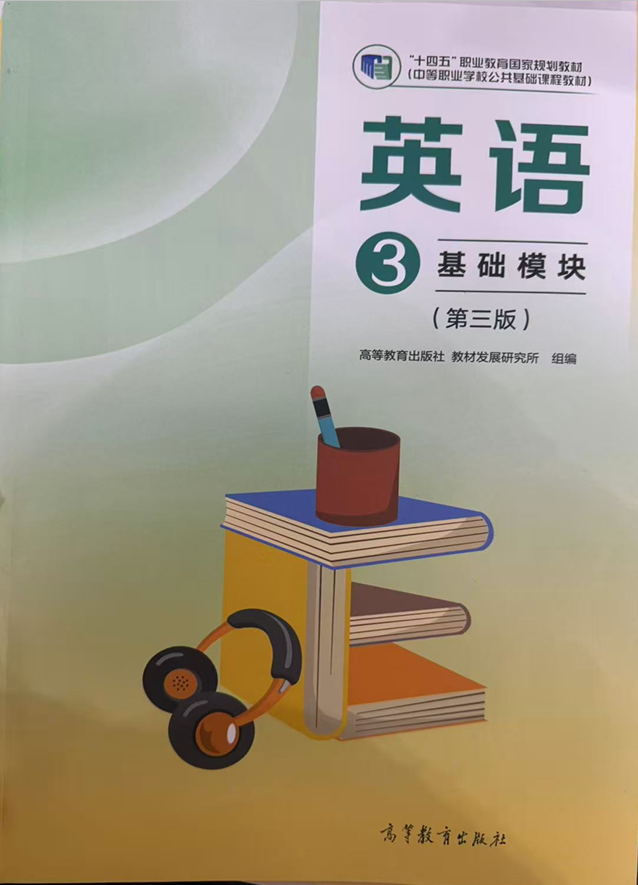
Unit 6 Living History of Culture(A卷·基础巩固)《英语 基础模块3》(高教版第三版)单元过关卷(原卷版+解析版)
2026-09-08
|
2份
|
16页
|
34人阅读
|
0人下载
摘要:
**基本信息**
紧扣《英语 基础模块3》Unit 6“Living History of Culture”主题,A卷通过基础巩固题型与文化传承情境(如博物馆、皮影戏、传统工艺),适配单元复习,提升语言能力与文化意识。
**题型特征**
|题型|题量/分值|知识覆盖|命题特色|
|----|-----------|----------|----------|
|完形填空|10题20分|动词、连词等基础词汇|以北京手工艺术博物馆为情境,考查语境理解|
|语法填空|10题15分|介词、关系代词、时态等|结合皮箱雕刻非遗传承,检测语法应用|
|阅读理解|12题30分|细节查找、主旨理解|选用民间文化博物馆通知、皮影戏等素材,强化文化认知|
|补全对话|5题15分|日常交际用语|围绕文化博物馆参观对话,提升语言表达|
|阅读回答问题|5题20分|信息提取与组织|以皮影戏为主题,要求用英语概括其材料、意义等,培养思维品质|
内容正文:
编写说明:本套试卷紧扣《英语 基础模块3》(高教版第三版)教材,以教材单元为基准精准覆盖核心考点。每个单元设置AB卷,A卷为基础巩固卷,侧重基础考点训练,帮助学生扎实掌握知识要点;B卷为能力提升卷,注重知识整合与全面检测,引导学生构建知识网络。全书设计4份综合测试卷,模拟实战情境,聚焦解题能力突破,全面提升应试能力与知识应用水平。
《英语 基础模块3》(高教版第三版)《单元过关卷》
Unit 6 Living History of Culture
A卷·基础巩固
考试时间:60分钟 满分:100分
班级_____姓名_____学号_____成绩_____
第Ⅰ卷 客观题(共80分)
Ⅰ. 完形填空(1—10题,每题2分,共20分)
阅读下面短文,掌握大意,然后从每题所给的四个选项中选出最佳选项。
A museum about Chinese hand-made art in Beijing ____1____ to the public on Feb 5, 2022. It is near the north end of the city's central road. Its seven halls ____2____ art and hand-made things, so visitors can spend time ____3____ there.
The museum keeps many ____4____ of hand-made work. Visitors can see jade, stone, bamboo and wood, cloth, clay, paint, metal and glass. Some works were made after 1949, ____5____ others come from village work. These works ____6____ the ideas and skills of many Chinese people.
The building looks new, but its design comes ____7____ a palace hall in Beijing. The metal pattern outside ____8____ windows and shelves. The museum puts old culture and new building ideas together, so visitors can feel history in a modern place.
It is free to enter, but visitors need to ____9____ before they go. The museum is closed every Monday, ____10____ on some public holidays. A visit helps young people learn Chinese history from things made by hand. They can see that good work needs time and care. This makes the museum a place to learn outside school. It also gives families a quiet way to spend a day together. Many visitors come with family members and read the signs together on weekends.
1.A.opened
B.closed
C.left
D.built
2.A.sell
B.show
C.lose
D.hide
3.A.sleeping
B.running
C.learning
D.cooking
4.A.rooms
B.days
C.visitors
D.kinds
5.A.while
B.or
C.if
D.because
6.A.break
B.forget
C.show
D.borrow
7.A.over
B.from
C.under
D.into
8.A.gets
B.puts
C.asks
D.looks like
9.A.wait
B.turn
C.book
D.close
10.A.except
B.before
C.between
D.without
【答案】
1.A 2.B 3.C 4.D 5.A 6.C 7.B 8.D 9.C 10.A
【导语】
本文是一篇说明文,介绍北京中国传统工艺美术馆的开放时间、展厅、藏品和建筑特色,说明参观博物馆能帮助人们了解中国历史与文化。
【详解】
1. 考查动词词义;句意:北京一座关于中国手工艺美术的博物馆于2022年2月5日向公众开放。opened打开、开放;closed关闭;left离开;built建造。结合to the public可知博物馆开放,选A。
2. 考查动词词义;句意:七个展厅展示艺术品和手工艺品。sell卖;show展示;lose丢失;hide隐藏。博物馆的展厅应当展示作品,选B。
3. 考查动名词;句意:访客可以在那里花时间学习。sleeping睡觉;running跑步;learning学习;cooking做饭。spend time doing sth.表示花时间做某事,选C。
4. 考查名词词义;句意:博物馆保存许多种手工艺品。rooms房间;days天;visitors访客;kinds种类。many kinds of表示许多种,选D。
5. 考查连词辨析;句意:有些作品制作于1949年以后,而另一些来自乡村手艺。while而、然而;or或者;if如果;because因为。前后两类作品形成对比,选A。
6. 考查动词词义;句意:这些作品展示了许多中国人的想法和技能。break打破;forget忘记;show展示;borrow借用。作品能够展示文化想法和技能,选C。
7. 考查介词辨析;句意:建筑设计来自北京一座故宫式大厅。over在上方;from来自;under在下方;into进入。come from表示来自,选B。
8. 考查动词短语;句意:外面的金属图案看起来像窗户和架子。gets得到;puts放;asks询问;looks like看起来像。根据图案的比较,选D。
9. 考查动词词义;句意:访客去之前需要预约。wait等待;turn转;book预约;close关闭。参观前要预约,选C。
10. 考查介词;句意:博物馆每周一闭馆,除了一些公共假期。except除……之外;before在……之前;between在……之间;without没有。表示闭馆日有例外假期,选A。
Ⅱ. 语法填空(11—20题,每题1.5分,共15分)
阅读下面短文,从方框中选择适当的词填空,使短文完整通顺。每个词限用一次。
A. who
B. from
C. to
D. better E. including
Zhang Wenge is a young woman in Shenyang. She is the fifth-generation inheritor (第五代传人) of Fang's leather trunk carving (皮箱雕刻). The craft (手艺) has a history of over 100 years. It was named a provincial intangible cultural heritage (非物质文化遗产) in 2020. Zhang learned the craft ____11____ her father. She says her father is the person ____12____ taught her every skill. A finished piece needs 108 steps, ____13____ carving and dyeing (染色). It often takes her months ____14____ finish one piece. Many people say the trunks are ____15____ than any machine-made ones. Zhang hopes more young people will learn this old art. She believes tradition can live on when someone keeps loving it.
【答案】
11.B 12.A 13.E 14.C 15.D
【导语】
本文是一篇记叙文,介绍沈阳 90 后张雯阁:作为方氏皮箱雕刻第五代传人,她坚持 108 道全手工工序,希望更多年轻人学习这门百年老手艺。
【详解】
11. 考查介词。句意:张雯阁跟父亲学习这门手艺。固定搭配 learn from 意为“向……学习”,故选 B。
12. 考查定语从句(关系代词 who 作主语)。句意:她说父亲是那个教会她所有技艺的人。先行词是 the person(人),关系词在从句中作主语,用 who 引导定语从句,故选 A。
13. 考查介词。句意:一件成品需要 108 道工序,包括雕刻和染色。including 意为“包括”,故选 E。
14. 考查非谓语动词(不定式)。句意:完成一件作品往往要花她几个月时间。固定句型 take sb time to do sth 意为“花某人时间做某事”,故选 C。
15. 考查形容词比较级。句意:许多人说这些皮箱比任何机器做出来的都好。than 提示用比较级,better 是 good 的比较级,故选 D。
阅读下面短文,在空白处填入1个适当单词或括号内单词的正确形式。
More than 5,000 years ago, a great culture grew along the Yangtze River. Today, people call it the Shijiahe Culture. A new museum ____16____ (open) in Tianmen, Hubei, tells its story. The museum has 800 artifacts (文物) ____17____ (include) pottery (陶器), jade (玉器) and stone tools. Some jade pieces are very small, ____18____ one is no bigger than a fingernail (指甲). A beautiful jade phoenix (凤) is famous. People call it "China's first phoenix." The museum ____19____ (be) open since May. It is a good place ____20____ visitors can see the wisdom (智慧) of ancient people.
【答案】
16.opening 17.including 18.and 19.has been 20.where
【导语】
本文是一篇说明文,介绍湖北天门石家河文化博物馆:这里收藏 800 多件 5000 多年前的文物,玉器精美绝伦,是了解长江中游古文明的窗口。
【详解】
16. 考查非谓语动词(现在分词作定语)。句意:湖北天门一座新开的博物馆讲述它的故事。museum 与 open 是主动关系,用现在分词 opening 作后置定语,修饰 a new museum。
17. 考查介词。句意:博物馆有 800 件文物,包括陶器、玉器和石器。including 意为“包括”,故填 including。
18. 考查并列连词(无提示词)。句意:有些玉器非常小,其中一件比指甲还小。and 连接两个并列分句,故填 and。
19. 考查现在完成时。句意:博物馆自 5 月以来一直开放。since 提示用现在完成时,主语为单数,用 has been。
20. 考查定语从句(关系副词 where)。句意:这是一个游客能领略古人智慧的好地方。先行词 place 表地点,关系副词 where 在从句中作地点状语,故填 where。
Ⅲ. 阅读理解(21—32题,每题2.5分,共30分)
阅读下面三篇短文,从每题所给的四个选项中选出最佳选项。
Passage A
Tianjin Folk Culture Museum Notice
Place: No. 18 Culture Street, Heping District. Open: Tuesday to Sunday, 9:00 am–5:00 pm. Closed on Mondays.
What to see: Three halls show old tools, festival clothes, and paper-cutting works. A short film about Tianjin folk songs plays every hour in Hall 2.
Free activities: On Saturday mornings, visitors can try simple clay work with a local maker. Children under 12 need an adult. Please book online one day before.
Rules: Keep quiet in the halls. Do not touch the old works. Photos without flash are OK. Bags larger than a schoolbag should be left at the front desk.
21. When is the museum closed?
A.On Saturdays.
B.On Mondays.
C.On Sundays.
D.Every afternoon.
22. Where can visitors watch a short film?
A.In the street shop.
B.At the front desk only.
C.In Hall 2.
D.Outside the gate.
23. What free activity is offered on Saturday mornings?
A.A long night concert.
B.A boat trip on the river.
C.A sports match.
D.Simple clay work.
24. What should visitors do with large bags?
A.Leave them at the front desk.
B.Carry them into every hall.
C.Put them on the old works.
D.Throw them away at once.
【答案】
21.B 22.C 23.D 24.A
【导语】
本文是一篇应用文,介绍天津民俗文化博物馆的开放时间、展厅内容、周六免费体验活动和参观规则。
【详解】
21.细节理解题。根据“Closed on Mondays”可知周一闭馆。故选B。
22.细节理解题。根据“A short film ... plays every hour in Hall 2”可知短片在2号厅播放。故选C。
23.细节理解题。根据“On Saturday mornings, visitors can try simple clay work”可知周六上午可体验泥塑。故选D。
24.细节理解题。根据“Bags larger than a schoolbag should be left at the front desk”可知大包需寄存在前台。故选A。
Passage B
Living history means culture that people still use today. It is not only kept in glass boxes. When a grandmother teaches a child to make dumplings, or when neighbors watch a local opera in the square, history is alive.
Many towns now open workshops for old skills. Visitors can learn paper-cutting, shadow play, or tea-making from local masters. These activities help young people feel proud of their culture. They also help makers earn money and keep the skills from disappearing.
Schools play a part too. Some schools invite craftsmen to class. Students listen to stories and try simple tools. After class, they may share what they learn with their families. In this way, culture moves from the classroom into daily life.
Living history needs care. People should respect old works and support honest makers. If we only buy cheap copies and never learn the stories behind them, the living part of culture may slowly fade.
25. What does living history mean in the passage?
A.Only old books in a closed room.
B.A new computer game about kings.
C.Culture that people still use today.
D.A museum that never opens.
26. What can visitors learn in town workshops?
A.How to drive a train.
B.How to build tall glass towers.
C.How to close every local market.
D.Paper-cutting, shadow play, or tea-making.
27. What do some schools do to help living history?
A.Invite craftsmen to class.
B.Stop all cultural lessons.
C.Sell old tools for high prices.
D.Ask students never to talk at home.
28. What may happen if people never learn the stories behind culture?
A.Culture will grow faster by itself.
B.The living part of culture may fade.
C.All workshops will open for free forever.
D.Old skills will need no care at all.
【答案】
25.C 26.D 27.A 28.B
【导语】
本文是一篇说明文,解释“活态历史”的含义,并介绍作坊体验、学校邀请手艺人进课堂等做法,提醒人们尊重传统并了解背后的故事。
【详解】
25.细节理解题。根据第一段“Living history means culture that people still use today”可知含义。故选C。
26.细节理解题。根据第二段“learn paper-cutting, shadow play, or tea-making”可知可学剪纸、皮影或茶艺。故选D。
27.细节理解题。根据第三段“Some schools invite craftsmen to class”可知学校会邀请手艺人进课堂。故选A。
28.细节理解题。根据末段“the living part of culture may slowly fade”可知若不了解背后故事,活态部分可能逐渐消退。故选B。
Passage C
Last spring, Li Hua visited his uncle in Suzhou. His uncle makes silk fans by hand. Early in the morning, Li watched him wash silk, draw thin lines, and paint small flowers. The work looked slow, but every step was careful.
At first, Li thought the fan was only a gift for tourists. Then his uncle told him stories about the patterns. Some flowers meant good wishes. Some birds meant family reunion. Li began to understand that the fan carried feelings, not only color.
In the afternoon, Li tried to paint a leaf. His hand shook, and the line became thick. His uncle smiled and said, "Old skills need practice. Culture stays alive when young people keep trying." Li decided to practice every weekend.
When Li returned to school, he showed his classmates a simple fan and told the stories. Many students wanted to learn more. Li felt proud that a family skill could become a bridge between past and present.
29. What does Li Hua's uncle make?
A.Glass phones.
B.Plastic toys.
C.Metal bikes.
D.Silk fans by hand.
30. What did Li learn about the patterns?
A.They carried feelings and wishes.
B.They were only for machine tests.
C.They had no meaning at all.
D.They must stay secret forever.
31. What happened when Li tried to paint a leaf?
A.He finished a perfect fan at once.
B.His hand shook and the line became thick.
C.He broke every tool in the room.
D.He stopped learning forever.
32. What did Li do after returning to school?
A.He sold the workshop to a company.
B.He asked others never to try old skills.
C.He showed a fan and told the stories.
D.He forgot everything about Suzhou.
【答案】
29.D 30.A 31.B 32.C
【导语】
本文是一篇记叙文,讲述李华在苏州向叔叔学习手工丝扇的经历:他理解了图案背后的寓意,并在返校后向同学分享,让家族技艺成为连接过去与现在的桥梁。
【详解】
29.细节理解题。根据第一段“His uncle makes silk fans by hand”可知叔叔做手工丝扇。故选D。
30.细节理解题。根据第二段“the fan carried feelings, not only color”及前文寓意可知图案承载情感与祝愿。故选A。
31.细节理解题。根据第三段“His hand shook, and the line became thick”可知手抖、线条变粗。故选B。
32.细节理解题。根据末段“he showed his classmates a simple fan and told the stories”可知返校后展示并讲述。故选C。
Ⅳ. 补全对话(33—37题,每题3分,共15分)
阅读下面对话,从A—G七个选项中选出五个最佳选项,其中有两个多余选项。
A: Hi, Mary! Where did you go last Sunday?
B: I visited a cultural museum downtown. ____33____
A: It must be wonderful. ____34____
B: Old clothes, tools and some traditional paintings.
A: Did you learn anything interesting?
B: Yes. ____35____
A: That’s true. Culture lives in people’s daily life.
B: Exactly. ____36____
A: I’d love to. Local festivals are also living history.
B: Great! ____37____
A: How about next Saturday?
B: Perfect. See you then.
A. I learned that many old skills are still used today.
B. Why do you dislike cultural activities?
C. Would you like to join a local festival with me?
D. It shows how people lived in the past.
E. When shall we go?
F. How much is the museum ticket?
G. What did you see there?
【答案】
33.D 34.G 35.A 36.C 37.E
【导语】
本篇是一则文化活态历史情景对话。对话围绕参观文化博物馆展开:B介绍所见旧衣物、工具与传统绘画,并认识到许多古老技艺仍在使用;两人约定一起参加地方节日,体现感受“活着的文化历史”的日常交际场景。
【详解】
33. 考查上下文逻辑衔接。句意:它展示了过去人们如何生活。前文提到参观文化博物馆,本句说明博物馆的价值与主题,D 选项自然承接。
34. 考查情景交际。句意:你在那里看到了什么?下文 B 列举旧衣物、工具和传统绘画,可知此处询问所见内容,G 选项与答语对应。
35. 考查上下文逻辑衔接。句意:我了解到许多古老技艺今天仍在使用。上一句询问是否学到有趣的东西,B 先肯定,本句给出具体收获,A 选项承上启下。
36. 考查情景交际。句意:你愿意和我一起参加当地节日吗?下文 A 表示很愿意,并指出地方节日也是活态历史,说明此处发出邀请,C 选项得体自然。
37. 考查情景交际。句意:我们什么时候去?下文 A 提议下周六,可知此处询问出行时间,E 选项符合约定结尾。
第Ⅱ卷 主观题(共20分)
Ⅴ. 阅读下面短文,根据短文内容回答问题。(38—42题,每题4分,共20分)
Shadow play is an old Chinese art. Artists cut figures from leather or paper and move them behind a white screen. A lamp behind the screen makes the figures look alive. Music and singing often go with the show.
In many villages, shadow play was once the main evening fun. Families sat together and watched stories about heroes, animals, and daily life. Today, fewer people can make the figures by hand, so local governments support training classes.
Young students now learn simple shadow play at school clubs. They write short stories, cut figures, and put on shows for parents. In this way, an old art finds a new stage. Shadow play stays alive because people keep watching, learning, and creating.
38. What materials do artists use to cut shadow-play figures?
________________________________________________
39. What makes the figures look alive behind the screen?
________________________________________________
40. What was shadow play once in many villages?
________________________________________________
41. Why do local governments support training classes?
________________________________________________
42. How do young students help keep shadow play alive?
________________________________________________
【答案】
38. Leather or paper.
39. A lamp behind the screen.
40. The main evening fun.
41. Because fewer people can make the figures by hand.
42. They learn it at school clubs, write stories, cut figures, and put on shows.
【导语】
本文是一篇说明文,介绍中国皮影戏的制作与表演方式、昔日乡村娱乐作用,以及政府培训与学校社团如何让这门老艺术继续流传。
【详解】
38.考查细节理解。根据第一段“Artists cut figures from leather or paper”可知材料为皮革或纸。
39.考查细节理解。根据第一段“A lamp behind the screen makes the figures look alive”可知幕后灯光使影人看起来生动。
40.考查细节理解。根据第二段“shadow play was once the main evening fun”可知曾是主要晚间娱乐。
41.考查细节理解。根据第二段“fewer people can make the figures by hand, so local governments support training classes”可知因会手工制作的人变少。
42.考查概括理解。根据末段学生在社团学习、写故事、剪影人并演出可知他们通过学习和演出让皮影保持活力。
原创精品资源学科网独家享有版权,侵权必究!
原创精品资源学科网独家享有版权,侵权必究!
原创精品资源学科网独家享有版权,侵权必究!
学科网(北京)股份有限公司
$
编写说明:本套试卷紧扣《英语 基础模块3》(高教版第三版)教材,以教材单元为基准精准覆盖核心考点。每个单元设置AB卷,A卷为基础巩固卷,侧重基础考点训练,帮助学生扎实掌握知识要点;B卷为能力提升卷,注重知识整合与全面检测,引导学生构建知识网络。全书设计4份综合测试卷,模拟实战情境,聚焦解题能力突破,全面提升应试能力与知识应用水平。
《英语 基础模块3》(高教版第三版)《单元过关卷》
Unit 6 Living History of Culture
A卷·基础巩固
考试时间:60分钟 满分:100分
班级_____姓名_____学号_____成绩_____
第Ⅰ卷 客观题(共80分)
Ⅰ. 完形填空(1—10题,每题2分,共20分)
阅读下面短文,掌握大意,然后从每题所给的四个选项中选出最佳选项。
A museum about Chinese hand-made art in Beijing ____1____ to the public on Feb 5, 2022. It is near the north end of the city's central road. Its seven halls ____2____ art and hand-made things, so visitors can spend time ____3____ there.
The museum keeps many ____4____ of hand-made work. Visitors can see jade, stone, bamboo and wood, cloth, clay, paint, metal and glass. Some works were made after 1949, ____5____ others come from village work. These works ____6____ the ideas and skills of many Chinese people.
The building looks new, but its design comes ____7____ a palace hall in Beijing. The metal pattern outside ____8____ windows and shelves. The museum puts old culture and new building ideas together, so visitors can feel history in a modern place.
It is free to enter, but visitors need to ____9____ before they go. The museum is closed every Monday, ____10____ on some public holidays. A visit helps young people learn Chinese history from things made by hand. They can see that good work needs time and care. This makes the museum a place to learn outside school. It also gives families a quiet way to spend a day together. Many visitors come with family members and read the signs together on weekends.
1.A.opened
B.closed
C.left
D.built
2.A.sell
B.show
C.lose
D.hide
3.A.sleeping
B.running
C.learning
D.cooking
4.A.rooms
B.days
C.visitors
D.kinds
5.A.while
B.or
C.if
D.because
6.A.break
B.forget
C.show
D.borrow
7.A.over
B.from
C.under
D.into
8.A.gets
B.puts
C.asks
D.looks like
9.A.wait
B.turn
C.book
D.close
10.A.except
B.before
C.between
D.without
Ⅱ. 语法填空(11—20题,每题1.5分,共15分)
阅读下面短文,从方框中选择适当的词填空,使短文完整通顺。每个词限用一次。
A. who
B. from
C. to
D. better E. including
Zhang Wenge is a young woman in Shenyang. She is the fifth-generation inheritor (第五代传人) of Fang's leather trunk carving (皮箱雕刻). The craft (手艺) has a history of over 100 years. It was named a provincial intangible cultural heritage (非物质文化遗产) in 2020. Zhang learned the craft ____11____ her father. She says her father is the person ____12____ taught her every skill. A finished piece needs 108 steps, ____13____ carving and dyeing (染色). It often takes her months ____14____ finish one piece. Many people say the trunks are ____15____ than any machine-made ones. Zhang hopes more young people will learn this old art. She believes tradition can live on when someone keeps loving it.
阅读下面短文,在空白处填入1个适当单词或括号内单词的正确形式。
More than 5,000 years ago, a great culture grew along the Yangtze River. Today, people call it the Shijiahe Culture. A new museum ____16____ (open) in Tianmen, Hubei, tells its story. The museum has 800 artifacts (文物) ____17____ (include) pottery (陶器), jade (玉器) and stone tools. Some jade pieces are very small, ____18____ one is no bigger than a fingernail (指甲). A beautiful jade phoenix (凤) is famous. People call it "China's first phoenix." The museum ____19____ (be) open since May. It is a good place ____20____ visitors can see the wisdom (智慧) of ancient people.
Ⅲ. 阅读理解(21—32题,每题2.5分,共30分)
阅读下面三篇短文,从每题所给的四个选项中选出最佳选项。
Passage A
Tianjin Folk Culture Museum Notice
Place: No. 18 Culture Street, Heping District. Open: Tuesday to Sunday, 9:00 am–5:00 pm. Closed on Mondays.
What to see: Three halls show old tools, festival clothes, and paper-cutting works. A short film about Tianjin folk songs plays every hour in Hall 2.
Free activities: On Saturday mornings, visitors can try simple clay work with a local maker. Children under 12 need an adult. Please book online one day before.
Rules: Keep quiet in the halls. Do not touch the old works. Photos without flash are OK. Bags larger than a schoolbag should be left at the front desk.
21. When is the museum closed?
A.On Saturdays.
B.On Mondays.
C.On Sundays.
D.Every afternoon.
22. Where can visitors watch a short film?
A.In the street shop.
B.At the front desk only.
C.In Hall 2.
D.Outside the gate.
23. What free activity is offered on Saturday mornings?
A.A long night concert.
B.A boat trip on the river.
C.A sports match.
D.Simple clay work.
24. What should visitors do with large bags?
A.Leave them at the front desk.
B.Carry them into every hall.
C.Put them on the old works.
D.Throw them away at once.
Passage B
Living history means culture that people still use today. It is not only kept in glass boxes. When a grandmother teaches a child to make dumplings, or when neighbors watch a local opera in the square, history is alive.
Many towns now open workshops for old skills. Visitors can learn paper-cutting, shadow play, or tea-making from local masters. These activities help young people feel proud of their culture. They also help makers earn money and keep the skills from disappearing.
Schools play a part too. Some schools invite craftsmen to class. Students listen to stories and try simple tools. After class, they may share what they learn with their families. In this way, culture moves from the classroom into daily life.
Living history needs care. People should respect old works and support honest makers. If we only buy cheap copies and never learn the stories behind them, the living part of culture may slowly fade.
25. What does living history mean in the passage?
A.Only old books in a closed room.
B.A new computer game about kings.
C.Culture that people still use today.
D.A museum that never opens.
26. What can visitors learn in town workshops?
A.How to drive a train.
B.How to build tall glass towers.
C.How to close every local market.
D.Paper-cutting, shadow play, or tea-making.
27. What do some schools do to help living history?
A.Invite craftsmen to class.
B.Stop all cultural lessons.
C.Sell old tools for high prices.
D.Ask students never to talk at home.
28. What may happen if people never learn the stories behind culture?
A.Culture will grow faster by itself.
B.The living part of culture may fade.
C.All workshops will open for free forever.
D.Old skills will need no care at all.
Passage C
Last spring, Li Hua visited his uncle in Suzhou. His uncle makes silk fans by hand. Early in the morning, Li watched him wash silk, draw thin lines, and paint small flowers. The work looked slow, but every step was careful.
At first, Li thought the fan was only a gift for tourists. Then his uncle told him stories about the patterns. Some flowers meant good wishes. Some birds meant family reunion. Li began to understand that the fan carried feelings, not only color.
In the afternoon, Li tried to paint a leaf. His hand shook, and the line became thick. His uncle smiled and said, "Old skills need practice. Culture stays alive when young people keep trying." Li decided to practice every weekend.
When Li returned to school, he showed his classmates a simple fan and told the stories. Many students wanted to learn more. Li felt proud that a family skill could become a bridge between past and present.
29. What does Li Hua's uncle make?
A.Glass phones.
B.Plastic toys.
C.Metal bikes.
D.Silk fans by hand.
30. What did Li learn about the patterns?
A.They carried feelings and wishes.
B.They were only for machine tests.
C.They had no meaning at all.
D.They must stay secret forever.
31. What happened when Li tried to paint a leaf?
A.He finished a perfect fan at once.
B.His hand shook and the line became thick.
C.He broke every tool in the room.
D.He stopped learning forever.
32. What did Li do after returning to school?
A.He sold the workshop to a company.
B.He asked others never to try old skills.
C.He showed a fan and told the stories.
D.He forgot everything about Suzhou.
Ⅳ. 补全对话(33—37题,每题3分,共15分)
阅读下面对话,从A—G七个选项中选出五个最佳选项,其中有两个多余选项。
A: Hi, Mary! Where did you go last Sunday?
B: I visited a cultural museum downtown. ____33____
A: It must be wonderful. ____34____
B: Old clothes, tools and some traditional paintings.
A: Did you learn anything interesting?
B: Yes. ____35____
A: That’s true. Culture lives in people’s daily life.
B: Exactly. ____36____
A: I’d love to. Local festivals are also living history.
B: Great! ____37____
A: How about next Saturday?
B: Perfect. See you then.
A. I learned that many old skills are still used today.
B. Why do you dislike cultural activities?
C. Would you like to join a local festival with me?
D. It shows how people lived in the past.
E. When shall we go?
F. How much is the museum ticket?
G. What did you see there?
第Ⅱ卷 主观题(共20分)
Ⅴ. 阅读下面短文,根据短文内容回答问题。(38—42题,每题4分,共20分)
Shadow play is an old Chinese art. Artists cut figures from leather or paper and move them behind a white screen. A lamp behind the screen makes the figures look alive. Music and singing often go with the show.
In many villages, shadow play was once the main evening fun. Families sat together and watched stories about heroes, animals, and daily life. Today, fewer people can make the figures by hand, so local governments support training classes.
Young students now learn simple shadow play at school clubs. They write short stories, cut figures, and put on shows for parents. In this way, an old art finds a new stage. Shadow play stays alive because people keep watching, learning, and creating.
38. What materials do artists use to cut shadow-play figures?
________________________________________________
39. What makes the figures look alive behind the screen?
________________________________________________
40. What was shadow play once in many villages?
________________________________________________
41. Why do local governments support training classes?
________________________________________________
42. How do young students help keep shadow play alive?
________________________________________________
原创精品资源学科网独家享有版权,侵权必究!
原创精品资源学科网独家享有版权,侵权必究!
原创精品资源学科网独家享有版权,侵权必究!
学科网(北京)股份有限公司
$
资源预览图

1

2

3
由于学科网是一个信息分享及获取的平台,不确保部分用户上传资料的 来源及知识产权归属。如您发现相关资料侵犯您的合法权益,请联系学科网,我们核实后将及时进行处理。