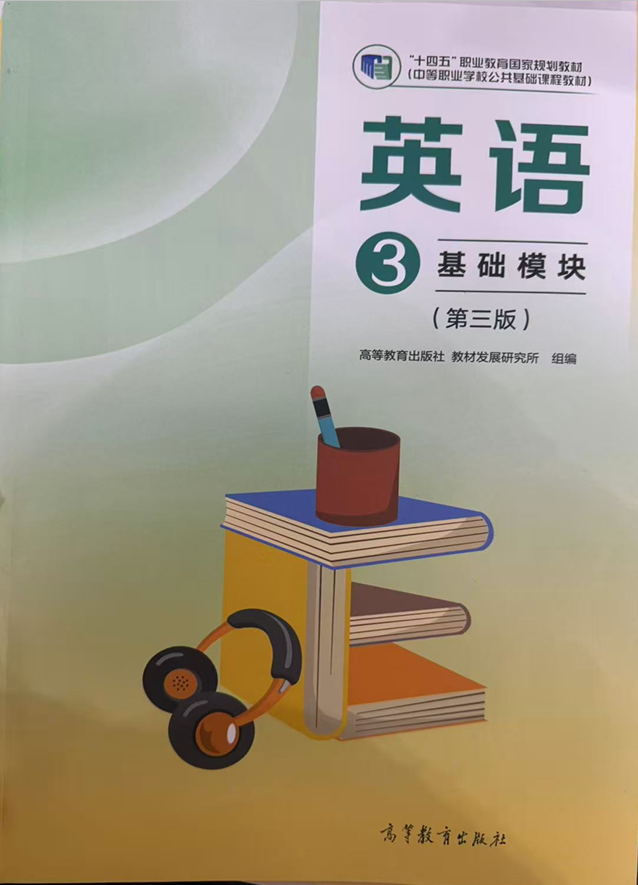
Unit 7 Natural Disasters(B卷·能力提升)《英语 基础模块3》(高教版第三版)单元过关卷(原卷版+解析版)
2026-09-08
|
2份
|
17页
|
23人阅读
|
0人下载
内容正文:
编写说明:本套试卷紧扣《英语 基础模块3》(高教版第三版)教材,以教材单元为基准精准覆盖核心考点。每个单元设置AB卷,A卷为基础巩固卷,侧重基础考点训练,帮助学生扎实掌握知识要点;B卷为能力提升卷,注重知识整合与全面检测,引导学生构建知识网络。全书设计4份综合测试卷,模拟实战情境,聚焦解题能力突破,全面提升应试能力与知识应用水平。
《英语 基础模块3》(高教版第三版)《单元过关卷》
Unit 7 Natural Disasters
B卷·能力提升
考试时间:60分钟 满分:100分
班级_____姓名_____学号_____成绩_____
第Ⅰ卷 客观题(共80分)
Ⅰ. 完形填空(1—10题,每题2分,共20分)
阅读下面短文,掌握大意,然后从每题所给的四个选项中选出最佳选项。
China now has a ____1____ national earthquake warning system. After five years of work, the system ____2____ began full operation in 2024. It can send a warning before the strongest ____3____ of an earthquake reach places.
The system uses information from small, fast waves that arrive ____4____. Computers study the information and work out how ____5____ the earthquake may be. Then a message is sent to places that may be affected. In key areas, the average warning time is about seven seconds. People can get a warning about ____6____ seconds after an earthquake starts. In other areas, the warning may arrive in ten to thirty seconds.
These seconds are short, but they can help people stay safe. Students may hide under a strong ____7____ or move away from windows. Workers can stop machines, and drivers can slow down. High-speed trains can brake, gas pipes can be shut ____8____, and elevators can stop at the nearest floor. Such actions may reduce injuries and damage.
The network has 15,899 monitoring stations across the country. After a quake, the system can also make a map of the ____9____ area in five to ten minutes. The map gives rescue teams useful information. They can see which places need help ____10____ and send people and supplies there. The project shows how science can help a country prepare for natural disasters and protect lives.
1.A.old
B.broken
C.new
D.private
2.A.stopped
B.forgot
C.changed
D.began
3.A.waves
B.doors
C.roads
D.rooms
4.A.slowly
B.first
C.together
D.loudly
5.A.quiet
B.empty
C.strong
D.clean
6.A.seven
B.three
C.twenty
D.thirty
7.A.window
B.train
C.pipe
D.desk
8.A.up
B.off
C.over
D.away
9.A.sleeping
B.working
C.shaking
D.walking
10.A.later
B.outside
C.again
D.first
Ⅱ. 语法填空(11—20题,每题1.5分,共15分)
阅读下面短文,从方框中选择适当的词填空,使短文完整通顺。每个词限用一次。
A. how
B. that
C. to
D. time E. by
Climate change brings more floods and storms. The fact is ____11____ we cannot stop all disasters. But we can do a lot ____12____ cut the damage. Good planning and strong buildings can help. Cities need better drainage (排水系统) and stronger houses. Many countries are now learning ____13____ to deal with such weather. Early warnings can give people ____14____ to run to safe places. They can also help farmers protect their crops. China plans to build a climate-adaptive society (气候适应型社会) ____15____ 2035. It is clear that this is a big but necessary task. Everyone should help. A safer world needs all of us to work together.
阅读下面短文,在空白处填入1个适当单词或括号内单词的正确形式。
Typhoon Dolphin brought heavy rain to Henan. Several river banks broke last week. Water rushed into streets and hospitals. Some people had to leave their homes quickly. Firefighters worked day and night ____16____ (save) people. They moved more than 350 patients to safe places. ____17____ the flood, the government sent beds, blankets (毯子) and food. It is not clear ____18____ all the houses can be repaired soon. ____19____ (lucky), no one lost their life. The workers are still trying ____20____ (close) the river banks. They work around the clock (昼夜不停). Neighbors also bring them water and meals. People believe that the city will come back to life. With everyone's help, the streets will be clean again.
Ⅲ. 阅读理解(21—32题,每题2.5分,共30分)
阅读下面三篇短文,从每题所给的四个选项中选出最佳选项。
Passage A
Su Qin loved outdoor sports, but she wanted her strength to help more people. In 2012, she joined the Blue Sky Rescue Team in Hefei. Three years later, she became the team leader.
In 2020, heavy rain caused a deep flood in Anhui. The water was eight meters deep, and furniture floated near the second floor. An old man called for help because his wife could not get out of bed. Su and her teammates reached their home by boat.
The stairs were wet and dark. The rescuers carried the woman down from the upper floor and placed her in a rescue boat. They were so tired that they had little strength left. Yet Su felt happy when she saw the couple leave the flooded building.
For Su, rescue work is not only about strength. It also needs training, quick action, and care for others. She says that the bright eyes of people who see rescuers make every hard trip worth doing. Even if she cannot work on the front line one day, she plans to support rescue work in other ways.
21. Why did Su Qin join the rescue team?
A.She wanted to help more people.
B.She hoped to win a climbing race.
C.She needed to find a safer home.
D.She planned to teach outdoor sports.
22. Who needed help in the flooded home?
A.A young child near a school building.
B.An old man beside a flooded river.
C.A woman unable to leave bed.
D.A rescue worker with a hurt leg.
23. How did the rescuers help the woman?
A.By walking through the mountain village alone.
B.By carrying her to a boat.
C.By sending warm food through a window.
D.By asking the couple to wait upstairs.
24. What does Su Qin's story mainly show?
A.Rescue work needs only very strong people.
B.Outdoor sports are much safer than rescue work.
C.Floods are always easy for trained teams to stop.
D.Helping others makes rescue work worth doing.
Passage B
Natural disasters can affect a wide area in a very short time. No single group always has enough people, tools, or knowledge to deal with every problem. For this reason, different groups should work together before and after a disaster.
The flood in Laos after a dam broke gives a clear example. China quickly sent a medical team to help sick and hurt people. Chinese companies repaired roads and bridges, so food and medicine could reach flooded areas. Rescue groups also searched for missing people and gave basic medical care. Each group did a different job, but all of the jobs were important.
Some people may think one strong rescue team can do everything. However, a team that is good at finding people may not be able to repair a road. A hospital may have doctors, but it may need boats to reach a village. Cooperation brings these skills and tools together.
Good cooperation does not begin when the rain starts. Governments, rescue teams, companies, and local people should make plans early. They should know who will carry food, who will share warnings, and who will help older people. Working together cannot stop disasters, but it can save more lives.
25. Why should different groups work together in a disaster?
A.One group cannot meet every need.
B.Local people never help rescue teams.
C.Doctors can repair all broken roads.
D.Disasters affect only a small place.
26. What did Chinese companies do after the flood in Laos?
A.They searched for new hospitals.
B.They carried doctors across rivers.
C.They repaired roads and bridges.
D.They taught workers to drive boats.
27. How does cooperation help rescue work?
A.It makes large storms end much earlier.
B.It brings different skills together.
C.It stops important roads from being damaged.
D.It gives every group the same job.
28. What does the writer advise different groups to do?
A.One strong team should lead every rescue.
B.Hospitals should plan carefully without local people.
C.Rescue work should begin only after heavy rain.
D.Groups should prepare and work together.
Passage C
Mountain areas in Pengzhou, Sichuan, now use drones(无人机) to watch for danger. The drones fly over rivers, forests, and hillsides. Their cameras and sensors(传感器) collect pictures and other information, which is sent to a control center at once.
This system helps workers find a landslide(山体滑坡) or forest fire quickly. On January 27, 2025, a drone found a landslide during a regular flight. It sent pictures and the exact place to workers, so the emergency team learned about the danger within minutes.
Drones can also save time. A special drone can check a large mountain area in one hour. In the past, a team of four people sometimes needed a week to do the same job on foot. During the Spring Festival, seven workers managed twenty drone flights. Earlier, fifty people had spent ten hours each day checking the area.
Different drones do different work. One type can fly far and cover a wide area, but it cannot stay still in the air. Another can stop above one place and look. Drones can also search for lost walkers and use a speaker to give safety messages. They do not replace rescue workers, but they help people see danger sooner and make faster decisions. This gives local teams more time to warn nearby families.
29. What did a drone find on January 27, 2025?
A.A damaged road near the mountain.
B.A forest fire during the festival.
C.A landslide on a regular flight.
D.A group of lost mountain walkers.
30. How long can a special drone take to check a large area?
A.One hour.
B.One day.
C.Four days.
D.One week.
31. What can the second type of drone do?
A.It can carry many people to safety.
B.It can stay still above one place.
C.It can repair its cameras during flight.
D.It can fly far without sending information.
32. What is the passage mainly about?
A.Why mountain roads close in winter.
B.How rescue workers learn to fly.
C.Why forest fires start near rivers.
D.How drones help find mountain danger.
Ⅳ. 补全对话(33—37题,每题3分,共15分)
阅读下面对话,从A—G七个选项中选出五个最佳选项,其中有两个多余选项。
A: Hi, Anna! Our class will make a safety handbook. ____33____
B: I’d like to write about floods.
A: Why floods?
B: ____34____
A: True. What useful tips will you include?
B: ____35____
A: Clear and practical. Do you need pictures?
B: Yes. ____36____
A: I can help you find some from news websites.
B: Thanks. ____37____
A: Neither do I. Safety comes first.
A. Why do you want to stop the project?
B. Because heavy rain often causes serious problems in summer.
C. Which natural disaster will you choose?
D. I don’t want anyone to ignore these warnings.
E. Pictures can help students understand the dangers better.
F. Move to higher places and never walk through deep water.
G. Where is the nearest supermarket?
第Ⅱ卷 主观题(共20分)
Ⅴ. 阅读下面短文,根据短文内容回答问题。(38—42题,每题4分,共20分)
Heavy rain from Typhoon Wutip fell on Zhonghe village in Guangdong. Liu Mingfang, a village worker, knew that homes near the mountain could be in danger. She told families to prepare to leave.
Before 1 am on June 15, 2025, Liu and other workers walked through water-covered roads. They used lights, loudspeakers, and a gong to wake everyone. Some villagers did not want to leave. Liu told them, “You may be angry with me, but you must move to a safe place first.”
The workers moved 57 people from 25 families to a building about 100 meters away. The work took two hours. Liu stayed in the rain until the last person was safe, and her clothes were completely wet.
Soon after the villagers left, a landslide(山体滑坡) covered part of the village and damaged 35 homes. However, no one was hurt. Liu said that people’s lives must always come first when a disaster happens. Her early warning and quick action saved all the villagers that night.
38. What natural disaster brought heavy rain to Zhonghe village?
________________________________________________
39. What did the workers use to wake the villagers?
________________________________________________
40. How many people did the workers move to safety?
________________________________________________
41. How long did the move take?
________________________________________________
42. What happened after the villagers left?
________________________________________________
原创精品资源学科网独家享有版权,侵权必究!
原创精品资源学科网独家享有版权,侵权必究!
原创精品资源学科网独家享有版权,侵权必究!
学科网(北京)股份有限公司
$
编写说明:本套试卷紧扣《英语 基础模块3》(高教版第三版)教材,以教材单元为基准精准覆盖核心考点。每个单元设置AB卷,A卷为基础巩固卷,侧重基础考点训练,帮助学生扎实掌握知识要点;B卷为能力提升卷,注重知识整合与全面检测,引导学生构建知识网络。全书设计4份综合测试卷,模拟实战情境,聚焦解题能力突破,全面提升应试能力与知识应用水平。
《英语 基础模块3》(高教版第三版)《单元过关卷》
Unit 7 Natural Disasters
B卷·能力提升
考试时间:60分钟 满分:100分
班级_____姓名_____学号_____成绩_____
第Ⅰ卷 客观题(共80分)
Ⅰ. 完形填空(1—10题,每题2分,共20分)
阅读下面短文,掌握大意,然后从每题所给的四个选项中选出最佳选项。
China now has a ____1____ national earthquake warning system. After five years of work, the system ____2____ began full operation in 2024. It can send a warning before the strongest ____3____ of an earthquake reach places.
The system uses information from small, fast waves that arrive ____4____. Computers study the information and work out how ____5____ the earthquake may be. Then a message is sent to places that may be affected. In key areas, the average warning time is about seven seconds. People can get a warning about ____6____ seconds after an earthquake starts. In other areas, the warning may arrive in ten to thirty seconds.
These seconds are short, but they can help people stay safe. Students may hide under a strong ____7____ or move away from windows. Workers can stop machines, and drivers can slow down. High-speed trains can brake, gas pipes can be shut ____8____, and elevators can stop at the nearest floor. Such actions may reduce injuries and damage.
The network has 15,899 monitoring stations across the country. After a quake, the system can also make a map of the ____9____ area in five to ten minutes. The map gives rescue teams useful information. They can see which places need help ____10____ and send people and supplies there. The project shows how science can help a country prepare for natural disasters and protect lives.
1.A.old
B.broken
C.new
D.private
2.A.stopped
B.forgot
C.changed
D.began
3.A.waves
B.doors
C.roads
D.rooms
4.A.slowly
B.first
C.together
D.loudly
5.A.quiet
B.empty
C.strong
D.clean
6.A.seven
B.three
C.twenty
D.thirty
7.A.window
B.train
C.pipe
D.desk
8.A.up
B.off
C.over
D.away
9.A.sleeping
B.working
C.shaking
D.walking
10.A.later
B.outside
C.again
D.first
【答案】
1.C 2.D 3.A 4.B 5.C 6.A 7.D 8.B 9.C 10.D
【导语】
本文是一篇科普说明文,介绍中国国家地震预警系统的运行方式和实际作用。文章说明系统如何利用先到达的地震波发出警报,并介绍预警信息如何帮助人员、列车、燃气管道和电梯及时采取安全措施。
【详解】
1.考查形容词词义辨析;句意:中国现在有一个新的国家地震预警系统。。原文“a new national earthquake warning system”(中国现在有一个新的国家地震预警系统。)。old 旧的;broken 损坏的;new 新的;private 私人的;文章介绍的是刚建成并投入运行的系统,new符合语境,故选C。
2.考查动词词义辨析;句意:经过五年的工作,该系统于2024年正式开始全面运行。。原文“the system officially began full operation”(经过五年的工作,该系统于2024年正式开始全面运行。)。stopped 停止;forgot 忘记;changed 改变;began 开始;full operation表示全面运行,began表示开始运行,故选D。
3.考查名词词义辨析;句意:它可以在地震最强的波到达一些地方前发出警报。。原文“the strongest waves of an earthquake”(它可以在地震最强的波到达一些地方前发出警报。)。waves 波;doors 门;roads 道路;rooms 房间;后文解释系统先利用不同地震波,waves是正确名词,故选A。
4.考查副词词义辨析;句意:该系统利用最先到达的小而快的地震波的信息。。原文“waves that arrive first”(该系统利用最先到达的小而快的地震波的信息。)。slowly 慢慢地;first 首先、最先;together 一起;loudly 大声地;初动波先到达,first与后文预警原理对应,故选B。
5.考查形容词词义辨析;句意:计算机研究这些信息,并判断地震可能有多强。。原文“how strong the earthquake may be”(计算机研究这些信息,并判断地震可能有多强。)。quiet 安静的;empty 空的;strong 强的;clean 干净的;判断地震的强度要用strong,how strong为常见结构,故选C。
6.考查数词辨析;句意:人们可以在地震开始后大约七秒收到预警。seven 七;three 三;twenty 二十;thirty 三十。根据前文“the average warning time is about seven seconds”可知,重点地区平均预警时间约七秒,故选A。
7.考查名词词义辨析;句意:学生可以躲在结实的课桌下面,或者远离窗户。。原文“under a strong desk”(学生可以躲在结实的课桌下面,或者远离窗户。)。window 窗户;train 火车;pipe 管道;desk 课桌;under和strong提示可躲避的物体是desk,故选D。
8.考查固定短语辨析;句意:燃气管道可以被关闭,电梯可以停在最近的楼层。。原文“gas pipes can be shut off”(燃气管道可以被关闭,电梯可以停在最近的楼层。)。up 向上;off 关闭;over 在上方;away 离开;shut off表示关闭,是固定短语,故选B。
9.考查名词词义辨析;句意:地震后,系统还可以在五到十分钟内制作震动区域的地图。。原文“a map of the shaking area”(地震后,系统还可以在五到十分钟内制作震动区域的地图。)。sleeping 睡觉的;working 工作的;shaking 震动的;walking 行走的;地图显示地震造成的震动范围,shaking area符合语境,故选C。
10.考查副词词义辨析;句意:他们可以先看出哪些地方需要帮助,然后把人员和物资送到那里。。原文“which places need help first”(他们可以先看出哪些地方需要帮助,然后把人员和物资送到那里。)。later 后来;outside 在外面;again 再次;first 首先;救援队要先确定最需要帮助的地方,first表示顺序,故选D。
Ⅱ. 语法填空(11—20题,每题1.5分,共15分)
阅读下面短文,从方框中选择适当的词填空,使短文完整通顺。每个词限用一次。
A. how
B. that
C. to
D. time E. by
Climate change brings more floods and storms. The fact is ____11____ we cannot stop all disasters. But we can do a lot ____12____ cut the damage. Good planning and strong buildings can help. Cities need better drainage (排水系统) and stronger houses. Many countries are now learning ____13____ to deal with such weather. Early warnings can give people ____14____ to run to safe places. They can also help farmers protect their crops. China plans to build a climate-adaptive society (气候适应型社会) ____15____ 2035. It is clear that this is a big but necessary task. Everyone should help. A safer world needs all of us to work together.
【答案】
11.B 12.C 13.A 14.D 15.E
【导语】
本文是一篇议论文,作者(记者侯丽强)论述应对气候灾害不能只靠应急救灾:加强规划、预警和建设,到 2035 年建成气候适应型社会刻不容缓。
【详解】
11. 考查表语从句(连接词 that)。句意:事实是我们无法阻止所有灾害。The fact is that... 中 that 引导表语从句,不作成分、不可省略,故选 B。
12. 考查非谓语动词(不定式)。句意:但我们可以做很多来减少损失。do a lot to do sth 意为“做很多事去做某事”,故选 C。
13. 考查“疑问词+不定式”。句意:许多国家正在学习如何应对这样的天气。how to do sth 意为“如何做某事”,故选 A。
14. 考查名词。句意:提前预警能给人们更多时间跑到安全的地方。time 意为“时间”,作 give 的宾语,故选 D。
15. 考查介词。句意:中国计划在 2035 年前建成气候适应型社会。by 2035 意为“到 2035 年”,故选 E。
阅读下面短文,在空白处填入1个适当单词或括号内单词的正确形式。
Typhoon Dolphin brought heavy rain to Henan. Several river banks broke last week. Water rushed into streets and hospitals. Some people had to leave their homes quickly. Firefighters worked day and night ____16____ (save) people. They moved more than 350 patients to safe places. ____17____ the flood, the government sent beds, blankets (毯子) and food. It is not clear ____18____ all the houses can be repaired soon. ____19____ (lucky), no one lost their life. The workers are still trying ____20____ (close) the river banks. They work around the clock (昼夜不停). Neighbors also bring them water and meals. People believe that the city will come back to life. With everyone's help, the streets will be clean again.
【答案】
16.to save 17.After 18.whether 19.Luckily 20.to close
【导语】
本文是一则新闻报道,介绍 2026 年 8 月台风“海豚”引发河南多处河堤决口:消防员连夜转移 350 多名病人,政府紧急调拨物资,无人遇难。
【详解】
16. 考查非谓语动词(不定式)。句意:消防员日夜工作去救人。work to do sth 意为“工作去做某事”,故填 to save。
17. 考查介词(无提示词)。句意:洪水过后,政府送来了床、毯子和食物。after the flood 意为“洪水过后”,故填 After。
18. 考查主语从句(连接词 whether)。句意:目前尚不清楚是否所有房屋都能很快修好。It is not clear whether... 中 it 是形式主语,whether 引导真正的主语从句,故填 whether。
19. 考查副词。句意:幸运的是,没有人失去生命。Luckily 意为“幸运地”,作句首状语,故填 Luckily。
20. 考查非谓语动词(不定式)。句意:工人们仍在努力合拢河堤。try to do sth 意为“努力做某事”,故填 to close。
Ⅲ. 阅读理解(21—32题,每题2.5分,共30分)
阅读下面三篇短文,从每题所给的四个选项中选出最佳选项。
Passage A
Su Qin loved outdoor sports, but she wanted her strength to help more people. In 2012, she joined the Blue Sky Rescue Team in Hefei. Three years later, she became the team leader.
In 2020, heavy rain caused a deep flood in Anhui. The water was eight meters deep, and furniture floated near the second floor. An old man called for help because his wife could not get out of bed. Su and her teammates reached their home by boat.
The stairs were wet and dark. The rescuers carried the woman down from the upper floor and placed her in a rescue boat. They were so tired that they had little strength left. Yet Su felt happy when she saw the couple leave the flooded building.
For Su, rescue work is not only about strength. It also needs training, quick action, and care for others. She says that the bright eyes of people who see rescuers make every hard trip worth doing. Even if she cannot work on the front line one day, she plans to support rescue work in other ways.
21. Why did Su Qin join the rescue team?
A.She wanted to help more people.
B.She hoped to win a climbing race.
C.She needed to find a safer home.
D.She planned to teach outdoor sports.
22. Who needed help in the flooded home?
A.A young child near a school building.
B.An old man beside a flooded river.
C.A woman unable to leave bed.
D.A rescue worker with a hurt leg.
23. How did the rescuers help the woman?
A.By walking through the mountain village alone.
B.By carrying her to a boat.
C.By sending warm food through a window.
D.By asking the couple to wait upstairs.
24. What does Su Qin's story mainly show?
A.Rescue work needs only very strong people.
B.Outdoor sports are much safer than rescue work.
C.Floods are always easy for trained teams to stop.
D.Helping others makes rescue work worth doing.
【答案】
21.A 22.C 23.B 24.D
【导语】
本文是一篇记叙文。文章讲述救援队员Su Qin在安徽洪水中与队友进入被淹房屋,把一位无法下床的老人安全转移到救援艇上的经历,并表现她坚持帮助他人的信念。
【详解】
21.考查细节理解题。句意:Su Qin为什么加入救援队?。根据原文“she wanted her strength to help more people”(她希望自己的力量能帮助更多的人)可知,她加入救援队的目的是帮助更多人,故选A。
22.考查细节理解题。句意:被洪水围困的家中谁需要帮助?。根据原文“his wife could not get out of bed”(他的妻子无法下床)可知,需要救助的是无法下床的老妇人,故选C。
23.考查细节理解题。句意:救援人员怎样帮助那位女士?。根据原文“carried the woman down from the upper floor and placed her in a rescue boat”(把女士从楼上背下来,并把她安置在救援艇上)可知,选项B准确概括救援方法,故选B。
24.考查主旨大意题。句意:Su Qin的故事主要说明什么?。根据原文“make every hard trip worth doing”(使每一次艰难的救援行动都值得去做)可知,全文突出帮助他人让艰苦救援变得有意义,故选D。
Passage B
Natural disasters can affect a wide area in a very short time. No single group always has enough people, tools, or knowledge to deal with every problem. For this reason, different groups should work together before and after a disaster.
The flood in Laos after a dam broke gives a clear example. China quickly sent a medical team to help sick and hurt people. Chinese companies repaired roads and bridges, so food and medicine could reach flooded areas. Rescue groups also searched for missing people and gave basic medical care. Each group did a different job, but all of the jobs were important.
Some people may think one strong rescue team can do everything. However, a team that is good at finding people may not be able to repair a road. A hospital may have doctors, but it may need boats to reach a village. Cooperation brings these skills and tools together.
Good cooperation does not begin when the rain starts. Governments, rescue teams, companies, and local people should make plans early. They should know who will carry food, who will share warnings, and who will help older people. Working together cannot stop disasters, but it can save more lives.
25. Why should different groups work together in a disaster?
A.One group cannot meet every need.
B.Local people never help rescue teams.
C.Doctors can repair all broken roads.
D.Disasters affect only a small place.
26. What did Chinese companies do after the flood in Laos?
A.They searched for new hospitals.
B.They carried doctors across rivers.
C.They repaired roads and bridges.
D.They taught workers to drive boats.
27. How does cooperation help rescue work?
A.It makes large storms end much earlier.
B.It brings different skills together.
C.It stops important roads from being damaged.
D.It gives every group the same job.
28. What does the writer advise different groups to do?
A.One strong team should lead every rescue.
B.Hospitals should plan carefully without local people.
C.Rescue work should begin only after heavy rain.
D.Groups should prepare and work together.
【答案】
25.A 26.C 27.B 28.D
【导语】
本文是一篇议论文。文章以老挝洪水救援为例,说明医疗队、企业和救援组织各有不同作用。作者主张各方应提前制订清楚的计划,在灾害中合作,以便更快地救人和运送物资。
【详解】
25.考查细节理解题。句意:为什么不同的团体应该在灾害中合作?。根据原文“No single group always has enough people, tools, or knowledge to deal with every problem”(没有任何一个团体总能拥有处理所有问题所需的足够人员、工具或知识)可知,一个团体无法满足救援的所有需要,因此应合作,故选A。
26.考查细节理解题。句意:老挝洪水后中国企业做了什么?。根据原文“Chinese companies repaired roads and bridges”(中国企业修复了道路和桥梁)可知,选项C与原文直接对应,故选C。
27.考查细节理解题。句意:合作怎样帮助救援工作?。根据原文“Cooperation brings these skills and tools together”(合作把这些技能和工具汇集到一起)可知,合作能够汇集不同力量,故选B。
28.考查主旨大意题。句意:作者建议不同团体做什么?。根据原文“should make plans early”(应该提前制订计划)可知,全文主张各方提前准备并共同开展救援,故选D。
Passage C
Mountain areas in Pengzhou, Sichuan, now use drones(无人机) to watch for danger. The drones fly over rivers, forests, and hillsides. Their cameras and sensors(传感器) collect pictures and other information, which is sent to a control center at once.
This system helps workers find a landslide(山体滑坡) or forest fire quickly. On January 27, 2025, a drone found a landslide during a regular flight. It sent pictures and the exact place to workers, so the emergency team learned about the danger within minutes.
Drones can also save time. A special drone can check a large mountain area in one hour. In the past, a team of four people sometimes needed a week to do the same job on foot. During the Spring Festival, seven workers managed twenty drone flights. Earlier, fifty people had spent ten hours each day checking the area.
Different drones do different work. One type can fly far and cover a wide area, but it cannot stay still in the air. Another can stop above one place and look. Drones can also search for lost walkers and use a speaker to give safety messages. They do not replace rescue workers, but they help people see danger sooner and make faster decisions. This gives local teams more time to warn nearby families.
29. What did a drone find on January 27, 2025?
A.A damaged road near the mountain.
B.A forest fire during the festival.
C.A landslide on a regular flight.
D.A group of lost mountain walkers.
30. How long can a special drone take to check a large area?
A.One hour.
B.One day.
C.Four days.
D.One week.
31. What can the second type of drone do?
A.It can carry many people to safety.
B.It can stay still above one place.
C.It can repair its cameras during flight.
D.It can fly far without sending information.
32. What is the passage mainly about?
A.Why mountain roads close in winter.
B.How rescue workers learn to fly.
C.Why forest fires start near rivers.
D.How drones help find mountain danger.
【答案】
29.C 30.A 31.B 32.D
【导语】
本文是一篇说明文。文章介绍四川彭州利用无人机检查河流、森林和山坡的方法,并通过山体滑坡发现速度和巡查时间的数据,说明不同类型无人机怎样帮助工作人员更早发现山区危险。
【详解】
29.考查细节理解题。句意:2025年1月27日无人机发现了什么?。根据原文“a drone found a landslide during a regular flight”(一架无人机在例行飞行中发现了山体滑坡)可知,原文直接说明发现的是山体滑坡,故选C。
30.考查细节理解题。句意:一种特殊无人机检查大片区域需要多长时间?。根据原文“can check a large mountain area in one hour”(能够在一小时内检查大片山区)可知,时间信息为one hour,故选A。
31.考查细节理解题。句意:第二种无人机能够做什么?。根据原文“Another can stop above one place and look”(另一种可以停在一个地点上方进行观察)可知,该无人机能悬停在一处查看情况,故选B。
32.考查主旨大意题。句意:文章主要讲了什么?。根据原文“they help people see danger sooner and make faster decisions”(它们帮助人们更早发现危险并更快作出决定)可知,全文介绍无人机如何发现山区危险并提高检查效率,故选D。
Ⅳ. 补全对话(33—37题,每题3分,共15分)
阅读下面对话,从A—G七个选项中选出五个最佳选项,其中有两个多余选项。
A: Hi, Anna! Our class will make a safety handbook. ____33____
B: I’d like to write about floods.
A: Why floods?
B: ____34____
A: True. What useful tips will you include?
B: ____35____
A: Clear and practical. Do you need pictures?
B: Yes. ____36____
A: I can help you find some from news websites.
B: Thanks. ____37____
A: Neither do I. Safety comes first.
A. Why do you want to stop the project?
B. Because heavy rain often causes serious problems in summer.
C. Which natural disaster will you choose?
D. I don’t want anyone to ignore these warnings.
E. Pictures can help students understand the dangers better.
F. Move to higher places and never walk through deep water.
G. Where is the nearest supermarket?
【答案】
33.C 34.B 35.F 36.E 37.D
【导语】
本篇是一则防灾安全手册编写情景对话。对话围绕洪水主题展开:B说明夏季暴雨常带来严重问题,并写入“前往高处、不涉深水”等实用提示;两人还商量配图说明危险,强调不能忽视警示,体现合作普及防灾知识的交际场景。
【详解】
33. 考查情景交际。句意:你会选择哪一种自然灾害?前文提到班级制作安全手册,下文 B 选择洪水,此处应询问选题,C 选项符合问答逻辑。
34. 考查上下文逻辑衔接。句意:因为夏天暴雨常常造成严重问题。上一句询问为何选洪水,本句给出原因,B 选项直接回答问句。
35. 考查上下文逻辑衔接。句意:转移到更高的地方,绝不要涉过深水。上一句询问将写入哪些实用提示,本句给出具体建议,后文 A 评价清晰实用,F 选项承接语境。
36. 考查上下文逻辑衔接。句意:图片能帮助学生更好地理解危险。上一句询问是否需要图片,B 先肯定,本句说明配图原因,后文引出 A 帮忙找图,E 选项承上启下。
37. 考查情景交际与逻辑衔接。句意:我不希望任何人忽视这些警示。后文 A 回答 “Neither do I.”,说明本句表达共同态度,D 选项符合结尾用语。
第Ⅱ卷 主观题(共20分)
Ⅴ. 阅读下面短文,根据短文内容回答问题。(38—42题,每题4分,共20分)
Heavy rain from Typhoon Wutip fell on Zhonghe village in Guangdong. Liu Mingfang, a village worker, knew that homes near the mountain could be in danger. She told families to prepare to leave.
Before 1 am on June 15, 2025, Liu and other workers walked through water-covered roads. They used lights, loudspeakers, and a gong to wake everyone. Some villagers did not want to leave. Liu told them, “You may be angry with me, but you must move to a safe place first.”
The workers moved 57 people from 25 families to a building about 100 meters away. The work took two hours. Liu stayed in the rain until the last person was safe, and her clothes were completely wet.
Soon after the villagers left, a landslide(山体滑坡) covered part of the village and damaged 35 homes. However, no one was hurt. Liu said that people’s lives must always come first when a disaster happens. Her early warning and quick action saved all the villagers that night.
38. What natural disaster brought heavy rain to Zhonghe village?
________________________________________________
39. What did the workers use to wake the villagers?
________________________________________________
40. How many people did the workers move to safety?
________________________________________________
41. How long did the move take?
________________________________________________
42. What happened after the villagers left?
________________________________________________
【答案】
38. Typhoon Wutip.
39. Lights, loudspeakers, and a gong.
40. Fifty-seven people. / 57 people.
41. Two hours.
42. A landslide damaged 35 homes, but no one was hurt.
【导语】
本文是一篇记叙文。文章讲述台风带来强降雨后,广东中和村工作人员Liu Mingfang连夜劝说并转移57名村民。村民离开后山体滑坡损坏35所房屋,但没有人员受伤。
【详解】
38.考查细节理解题。句意:什么自然灾害给中和村带来了强降雨?。根据原文“Heavy rain from Typhoon Wutip fell on Zhonghe village”(台风“蝴蝶”带来的强降雨落在中和村)可知,原文直接指出强降雨来自Typhoon Wutip,故答案为Typhoon Wutip。
39.考查细节理解题。句意:工作人员用什么叫醒村民?。根据原文“They used lights, loudspeakers, and a gong to wake everyone”(他们用灯、扩音器和锣叫醒所有人)可知,原文列出了三种工具,故答案为Lights, loudspeakers, and a gong。
40.考查细节理解题。句意:工作人员把多少人转移到了安全地点?。根据原文“The workers moved 57 people from 25 families”(工作人员转移了25户家庭的57人)可知,人数信息可直接提取,故答案为Fifty-seven people或57 people。
41.考查细节理解题。句意:转移用了多长时间?。根据原文“The work took two hours”(这项工作用了两个小时)可知,原文直接给出时间,故答案为Two hours。
42.考查事实提取题。句意:村民离开后发生了什么?。根据原文“a landslide covered part of the village and damaged 35 homes. However, no one was hurt”(山体滑坡覆盖了村庄的一部分并损坏35所房屋,但是没有人受伤)可知,答案需概括滑坡造成的房屋损坏及无人受伤这一结果;合理同义表达均可。
原创精品资源学科网独家享有版权,侵权必究!
原创精品资源学科网独家享有版权,侵权必究!
原创精品资源学科网独家享有版权,侵权必究!
学科网(北京)股份有限公司
$
资源预览图

1

2

3
由于学科网是一个信息分享及获取的平台,不确保部分用户上传资料的 来源及知识产权归属。如您发现相关资料侵犯您的合法权益,请联系学科网,我们核实后将及时进行处理。