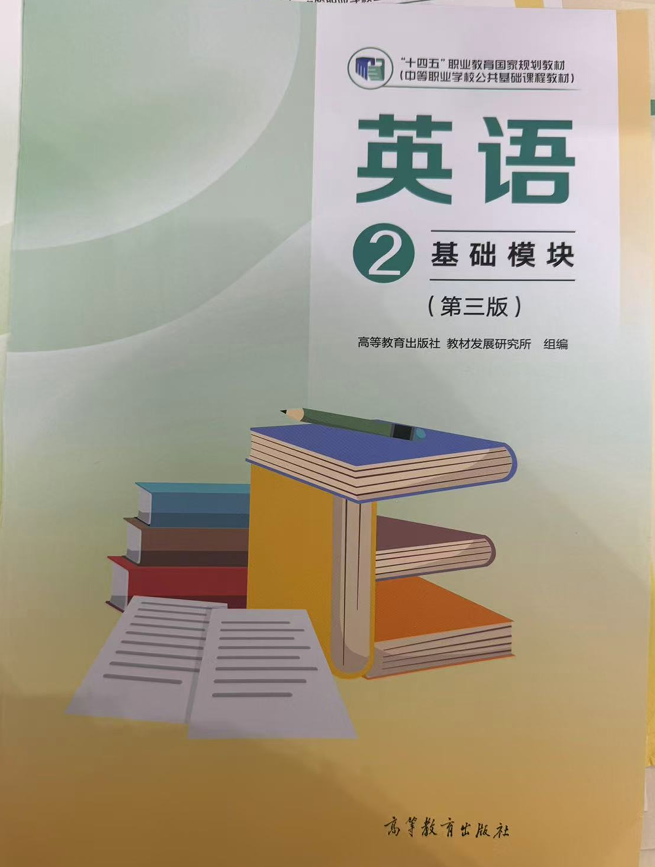
Unit 1 Travel(A卷·基础巩固)《英语 基础模块2》(高教版第三版)单元过关卷(原卷版+解析版)
2026-09-08
|
2份
|
16页
|
76人阅读
|
0人下载
摘要:
**基本信息**
《英语 基础模块2》Unit 1 Travel基础巩固卷,紧扣教材核心考点,通过铁路旅行、环保出行等真实情境训练词汇、语法及语用能力,适配单元复习,夯实语言基础与思维品质。
**题型特征**
|题型|题量/分值|知识覆盖|命题特色|
|----|-----------|----------|----------|
|完形填空|10题/20分|词汇辨析(useful/more)、介词(through)|情境真实(铁路旅行),强化基础词汇应用|
|语法填空|10题/15分|时态(traveled)、介词(from...to)|结合旅行故事,考查语法规则灵活运用|
|阅读理解|12题/30分|信息查找(公交路线)、推理判断(环保建议)|素材贴近生活(周末公交、绿色旅行),提升信息获取能力|
|补全对话|5题/15分|旅行计划交际用语(By high-speed train)|模拟真实对话,培养语言表达与沟通能力|
|阅读回答问题|5题/20分|细节理解(项目内容、行动措施)|结合“Travel Light”项目,综合考查信息提取与书面表达,渗透环保意识|
内容正文:
编写说明:本套试卷紧扣《英语 基础模块2》(高教版第三版)教材,以教材单元为基准精准覆盖核心考点。每个单元设置AB卷,A卷为基础巩固卷,侧重基础考点训练,帮助学生扎实掌握知识要点;B卷为能力提升卷,注重知识整合与全面检测,引导学生构建知识网络。全书设计4份综合测试卷,模拟实战情境,聚焦解题能力突破,全面提升应试能力与知识应用水平。
《英语 基础模块2》(高教版第三版)《单元过关卷》
Unit 1 Travel
A卷·基础巩固
考试时间:60分钟 满分:100分
班级_____姓名_____学号_____成绩_____
第Ⅰ卷 客观题(共80分)
Ⅰ. 完形填空(1—10题,每题2分,共20分)
阅读下面短文,掌握大意,然后从每题所给的四个选项中选出最佳选项。
Rail travel is a ____1____ way to see China. It connects cities with towns and is often ____2____ convenient than driving. A train journey can show passengers rivers, farms, and mountains ____3____ the window. Different trains serve different needs. High-speed trains are fast and clean, while ordinary trains cost less and stop at more stations.
Before a trip, passengers should buy tickets from an official website or station. They need to check the date, time, and seat number. Arriving ____4____ is wise ____7____ security checks may take time. Each passenger may ____5____ a small bag, but large luggage must go in a special place. Keeping the ticket and phone ready makes boarding easier.
On the train, passengers should follow safety rules. They must keep the aisle ____6____ and speak quietly. Eating is allowed, but strong smells may disturb others. Many travelers choose trains because they can ____8____, read, or rest during the journey. Some use the time to plan their visits.
Rail travel has another value. It can carry many people at once and may ____9____ traffic on busy roads. When passengers save water, sort rubbish, and respect local places, train travel becomes a ____10____ choice for future trips.
1.A.harmful
B.useful
C.rare
D.private
2.A.less
B.fewer
C.more
D.little
3.A.without
B.under
C.through
D.against
4.A.early
B.outside
C.never
D.slowly
5.A.break
B.carry
C.throw
D.sell
6.A.dirty
B.clear
C.wide
D.full
7.A.although
B.because
C.unless
D.while
8.A.swim
B.work
C.sleep
D.shout
9.A.reduce
B.raise
C.follow
D.cause
10.A.greener
B.shorter
C.heavier
D.noisier
【答案】
1.B 2.C 3.C 4.A 5.B 6.B 7.B 8.B 9.A 10.A
【导语】
本文是一篇说明文,介绍铁路旅行的特点、乘车准备、安全规则及环保价值。
【详解】
1.考查形容词词义辨析;句意:铁路旅行是了解中国的一种有用方式。harmful 有害的;useful 有用的;rare 稀少的;private 私人的。文章说明铁路旅行的优点,故选B。
2.考查比较级辨析;句意:它连接城市和城镇,而且通常比开车更方便。less 更少;fewer 更少(可数);more 更多;little 少量。more convenient 表示“更方便”,故选C。
3.考查介词辨析;句意:列车旅程可以让乘客透过车窗看到河流、农田和山脉。without 没有;under 在……下面;through 通过、透过;against 反对。透过车窗看风景用 through,故选C。
4.考查副词词义辨析;句意:提前到达车站是明智的。early 早;outside 在外面;never 从不;slowly 慢慢地。安检需时,提前到达更明智,故选A。
5.考查动词词义辨析;句意:每位乘客可以携带一个小包。break 打破;carry 携带;throw 扔;sell 卖。乘客可携带小包,故选B。
6.考查形容词词义辨析;句意:乘客必须保持过道畅通。dirty 脏的;clear 畅通的;wide 宽的;full 满的。安全规则要求过道保持畅通,故选B。
7.考查连词辨析;句意:因为安检可能需要时间,所以提前到达是明智的。although 虽然;because 因为;unless 除非;while 当……时。安检耗时是提前到达的原因,故选B。
8.考查动词词义辨析;句意:许多旅行者选择火车,因为他们可以在旅途中工作、阅读或休息。swim 游泳;work 工作;sleep 睡觉;shout 喊叫。与 read, or rest 并列,work 最合适,故选B。
9.考查动词词义辨析;句意:铁路旅行可能会减少繁忙道路上的交通。reduce 减少;raise 提高;follow 跟随;cause 导致。铁路运量大,有助于减少道路交通,故选A。
10.考查形容词比较级辨析;句意:火车旅行成为未来出行更环保的选择。greener 更环保;shorter 更短;heavier 更重;noisier 更吵。节水、分类和尊重环境使铁路成为更环保选择,故选A。
Ⅱ. 语法填空(11—20题,每题1.5分,共15分)
阅读下面短文,从方框中选择适当的词填空,使短文完整通顺。每个词限用一次。
A. arrived
B. could
C. it
D. so E. with
Early last summer, my friends and I went fishing with local fishermen in Binhai, Tianjin. We ____11____ at the dock just after 4 am. The sky was still dark, ____12____ we put on our life jackets and got on the boat. Captain Li ____13____ not wait to show us the beautiful sunrise. The sea was quiet and gentle, ____14____ only the sound of wind and waves. Soon a red sun rose from the sea and spread golden light over the water. What an unforgettable morning ____15____ was!
【答案】
11.A 12.D 13.B 14.E 15.C
【导语】
本文是一篇记叙文,讲述去年初夏作者和朋友们在天津滨海跟随当地渔民凌晨出海、欣赏海上日出的难忘经历。
【详解】
11.考查一般过去时。句意:我们刚过凌晨4点就到了码头。时间状语 last summer 表明动作发生在过去,arrive 的过去式为 arrived,故选A。
12.考查因果并列连词。句意:天还黑着,所以我们穿上救生衣上了船。前半句是原因,后半句是结果,用 so 引出结果,故选D。
13.考查情态动词。句意:李船长迫不及待地想让我们看到美丽的日出。固定结构 can’t wait to do sth. 意为“迫不及待做某事”,could 是 can 的过去式,故选B。
14.考查介词。句意:海面平静温和,只听见风声和波浪声。with 意为“带有、伴随”,表示伴随的状态,故选E。
15.考查代词。句意:多么难忘的一个早晨啊!这是由 what 引导的感叹句,it was 表示“那是”,it 指代那个早晨,故选C。
阅读下面短文,在空白处填入1个适当单词或括号内单词的正确形式。
Xu Xiake was a great traveler in the Ming Dynasty. He ____16____ (travel) through China for 35 years and visited many beautiful places. Xu visited Sheshan in Shanghai five times ____17____ 1624 to 1636. He loved the mountains and forests there, ____18____ he came back again and again. He praised the area as a fascinating place. A painter ____19____ (name) Chen Jiru called him Xiake, meaning “a guy walking under the rosy clouds”. Today many people compare Xu to Marco Polo. His travel routes are still ____20____ use today. Many tourists follow his footsteps every year.
【答案】
16.traveled 17.from 18.so 19.named 20.in
【导语】
本文是一篇记叙文,介绍明代大旅行家徐霞客游历中国35年、五访上海佘山,以及“霞客”这个名字的由来。
【详解】
16.考查一般过去时。句意:他游历中国35年,走过许多美丽的地方。句子描述过去发生的经历,travel 的过去式为 traveled,故填 traveled。
17.考查介词固定搭配。句意:从1624年到1636年,徐霞客五次到访上海的佘山。固定搭配 from...to... 意为“从……到……”,故填 from。
18.考查因果并列连词。句意:他非常喜欢那里的山水,所以一次又一次地回来。前半句是原因,后半句是结果,用 so 引出结果,故填 so。
19.考查过去分词作后置定语。句意:一位名叫陈继儒的画家称他为“霞客”。过去分词 named 作后置定语修饰 painter,意为“名叫……的”,故填 named。
20.考查介词固定搭配。句意:他走过的旅行路线今天仍在使用。固定搭配 in use 意为“在使用中”,故填 in。
Ⅲ. 阅读理解(21—32题,每题2.5分,共30分)
阅读下面三篇短文,从每题所给的四个选项中选出最佳选项。
Passage A
Weekend Nature Bus Service
The city transport office will run three special bus routes this weekend. The buses stop near the lake, the old town, and the forest park areas. Passengers can choose a route according to their plans. Tickets cost 5 yuan for one ride. Children under 12 travel free when they are with an adult. Passengers should arrive ten minutes early and keep their tickets until they leave the bus. A small bag and a water bottle are welcome, but large boxes are not allowed. If you need a seat on the first bus, you can reserve one by calling 5812-6040 before Friday evening. The service may stop when the weather is dangerous. The table below gives the main times and places, so passengers can prepare before leaving home. Please check the notice again on Friday because a route or time may change. Staff members will answer questions at the library gate from eight to nine on Saturday morning. This weekend service is designed for families, visitors, and older residents who want an easy trip without driving or finding parking safely.
Route
Main stops
Departure times
Green Route
City Library East Gate—Lake Visitor Center
8:30 a.m.; 10:30 a.m.
Blue Route
Railway Station—Old Town Square
9:00 a.m.; 1:00 p.m.
Orange Route
Sports Center—Forest Park
9:30 a.m.; 2:30 p.m.
21. Which bus goes to Lake Visitor Center?
A.The Blue Route.
B.The Orange Route.
C.The Green Route.
D.The Lake Route.
22. Where should passengers of the Green Route wait?
A.At the Railway Station.
B.At the City Library East Gate.
C.At the Sports Center.
D.At the Old Town Square.
23. What may passengers take on the bus?
A.A large box.
B.A water bottle.
C.A bicycle.
D.A pet dog.
24. What does “reserve” most probably mean in the notice?
A.Book in advance.
B.Change a ticket.
C.Drive a bus.
D.Check the weather.
【答案】
21.C 22.B 23.B 24.A
【导语】
本文是一篇应用文,主要介绍周末自然观光专线公交的路线、发车时间、票价、乘车要求和预约方式。
【详解】
21.细节理解题。根据表格中Green Route的站点可知,前往Lake Visitor Center的是绿色线路。故选C。
22.细节理解题。根据表格中Green Route的起点可知,乘客应在City Library East Gate等候。故选B。
23.细节理解题。根据“A small bag and a water bottle are welcome”可知,水瓶可以带上车。故选B。
24.词义猜测题。根据“calling...before Friday evening”可知,reserve指提前打电话预订座位。故选A。
Passage B
Small Choices for a Greener Train Trip
Train travel can be a greener way to visit another city, but passengers still make a difference. First, carry a reusable bottle. You can fill it at home or at a water station, so you do not need to buy several plastic bottles. Second, use a digital ticket when the railway service allows it. A phone ticket saves paper, and it is easy to keep with your phone.
Third, choose a bus or walk after you leave the station. Local transport usually uses less energy than a private car, especially when many people share it. Passengers should also take rubbish with them because a clean carriage is safer and more pleasant for everyone. If food has a strong smell, it is better to wait until you reach a suitable place.
These actions are simple, but they matter. When many travelers make the same small choices, less rubbish is produced and busy roads become quieter. A greener trip does not require a perfect traveler. It begins with one careful choice and grows when other people follow each day. These habits help travelers see that travel and care for nature can go together in life.
25. Why should passengers carry a reusable bottle?
A.It can hold hot food.
B.It helps reduce plastic waste.
C.It makes the train faster.
D.It is cheaper than every drink.
26. What can travelers choose after leaving the station?
A.A private car only.
B.A plane or a taxi.
C.A bus or a walk.
D.A long-distance ship.
27. What is one advantage of a digital ticket?
A.It saves paper.
B.It gives a free seat.
C.It changes the travel date.
D.It carries heavy luggage.
28. What does the writer mean by “one careful choice”?
A.A difficult rule for experts.
B.A small action that starts greener travel.
C.A choice to stop all travel.
D.A plan to buy more plastic bottles.
【答案】
25.B 26.C 27.A 28.B
【导语】
本文是一篇说明文,介绍乘坐火车出行时减少塑料和纸张使用、选择公共交通以及保持车厢整洁等环保做法。
【详解】
25.细节理解题。根据“you do not need to buy several plastic bottles”可知,可重复使用的水瓶能减少塑料垃圾。故选B。
26.细节理解题。根据“choose a bus or walk”可知,离开车站后可以乘公交车或步行。故选C。
27.细节理解题。根据“A phone ticket saves paper”可知,电子车票能节省纸张。故选A。
28.推理判断题。文章最后说环保旅行从一个谨慎的选择开始,指一个简单的环保行动。故选B。
Passage C
Mina’s First Map
Mina and her grandfather arrived in a small mountain town on a sunny morning. They planned to walk to a lake, but the road from the station had two signs with the same color. Mina chose the wrong one, and after twenty minutes they reached a quiet farm instead of the lake.
Grandfather was not angry. He asked Mina to look at the paper map again. A farmer nearby saw the map and pointed to a narrow path behind the farm. He explained that the path would meet the lake road, but it was longer. Mina thanked him, and they followed the path slowly.
On the way, they passed a wooden bridge and a field of yellow flowers. Mina wanted to take many photos, yet Grandfather reminded her to watch the stones under her feet. When they finally saw the blue lake, Mina felt proud because she had found the way with help. She wrote the farmer’s name on her map and marked the path in red.
That evening, Mina told her parents that a map was more than lines on paper. It could show a place, but careful questions and patient steps could also guide a traveler. This lesson stayed with her for many future journeys.
29. Where did Mina and her grandfather plan to go?
A.A mountain station.
B.A wooden bridge.
C.A small farm.
D.A lake.
30. Why did Mina and her grandfather reach a farm?
A.They followed the wrong sign.
B.The lake road was closed.
C.A farmer sent them there.
D.They wanted to buy flowers.
31. What did Mina write on her map?
A.Her parents’ names.
B.The farmer’s name.
C.The train number.
D.The lake’s price.
32. What does “patient” mean in the last paragraph?
A.Able to wait calmly.
B.Ready to run quickly.
C.Afraid of asking questions.
D.Unwilling to follow a map.
【答案】
29.D 30.A 31.B 32.A
【导语】
本文是一篇记叙文,讲述Mina和祖父徒步寻找湖泊时走错道路、在农民帮助下找到正确路线的经历。
【详解】
29.细节理解题。根据“They planned to walk to a lake”可知,他们计划步行去湖边。故选D。
30.细节理解题。根据“Mina chose the wrong one”可知,他们因为跟随错误路标而到达农场。故选A。
31.细节理解题。根据“She wrote the farmer’s name on her map”可知,Mina把农民的名字写在地图上。故选B。
32.词义猜测题。结合祖父提醒她慢慢走、注意脚下可知,patient表示“耐心、沉着”。故选A。
Ⅳ. 补全对话(33—37题,每题3分,共15分)
阅读下面对话,从A—G七个选项中选出五个最佳选项,其中有两个多余选项。
A: Hi, Mary! The summer holiday is coming. ____33____
B: I’m planning to travel to Beijing with my parents.
A: Beijing? Great! ____34____
B: We want to visit the Great Wall and the Palace Museum.
A: Cool! How will you go there?
B: ____35____ It’s fast and comfortable.
A: Good idea. ____36____
B: About one week. We’ll stay in a hotel near Tian’anmen Square.
A: Have a nice trip!
B: Thanks. ____37____
A. By high-speed train.
B. Where would you like to go?
C. How long will you stay there?
D. What places are you going to visit?
E. When did you buy the tickets?
F. I’ll show you some photos when I come back.
G. Why do you look so tired?
【答案】
33.B 34.D 35.A 36.C 37.F
【导语】
本篇是一则校园假期情景对话。对话围绕暑假去北京旅行展开,体现同学间交流旅行计划的日常交际场景。
【详解】
33.考查情景交际。句意:你想去哪里?根据上一句“The summer holiday is coming.”以及下文B回答正计划与父母去北京旅行,此处应询问对方假期打算去哪里,B选项符合问答逻辑。
34.考查上下文逻辑衔接。句意:你们打算去参观哪些地方?前文已点明目的地是北京,下文B列举长城和故宫,D选项承接语境。
35.考查上下文逻辑衔接。句意:坐高铁去。上一句A询问如何前往北京,后文“It’s fast and comfortable.”说明该方式又快又舒适,A选项符合逻辑。
36.考查情景交际。句意:你们会在那里待多久?下文B回答“About one week.”,可知此处询问停留时间,C选项与答语直接对应。
37.考查情景交际。句意:我回来后给你看一些照片。前文A祝对方旅途愉快,本句作为告别前的回应,F选项得体自然。
第Ⅱ卷 主观题(共20分)
Ⅴ. 阅读下面短文,根据短文内容回答问题。(38—42题,每题4分,共20分)
During summer, a local school began a “Travel Light” project. The project asked students to plan a one-day trip near their city and make less rubbish. A student group chose a wetland park because it was easy to reach by bus. Before leaving, the students checked the weather, filled reusable bottles, and packed fruit in a lunch box. The students did not buy drinks in plastic cups.
At the park, a guide showed the students how visitors could protect birds. They stayed on the paths and kept their voices low. After lunch, they collected several pieces of paper and plastic near a bench. The rubbish was not theirs, but the guide said every visitor should care for the place. They put it into different bins.
Before home, each student wrote one travel tip on a card. One student wrote, “Take only photos and leave only footprints.” The trip was short, but it helped us understand that careful choices can make a beautiful place cleaner and safer.
38. What project did the local school start?
________________________________________________
39. Why did the student group choose a wetland park?
________________________________________________
40. What did the students do with the rubbish near the bench?
________________________________________________
41. What travel tip did the student write?
________________________________________________
42. What did the trip help the students understand?
________________________________________________
【答案】
38. The local school started a “Travel Light” project.
39. Because it was easy to reach by bus.
40. They put it into different bins.
41. “Take only photos and leave only footprints.”
42. Careful choices can make a beautiful place cleaner and safer.
【导语】
本文是一篇记叙文,讲述学生参加“轻装旅行”项目、在湿地公园践行环保并总结旅行建议的经历。
【详解】
38.考查事实提取。根据首段可知,学校启动了“Travel Light”项目。
39.考查原因定位。根据because从句可知,选择湿地公园是因为乘公交车容易到达。
40.考查细节理解。根据“They put it into different bins”可知,学生把垃圾分类投放。
41.考查信息提取。根据文中学生写下的建议可直接找到答案。
42.考查简单概括。根据末句可知,谨慎选择能让美丽的地方更干净、更安全。
原创精品资源学科网独家享有版权,侵权必究!
原创精品资源学科网独家享有版权,侵权必究!
原创精品资源学科网独家享有版权,侵权必究!
学科网(北京)股份有限公司
$
编写说明:本套试卷紧扣《英语 基础模块2》(高教版第三版)教材,以教材单元为基准精准覆盖核心考点。每个单元设置AB卷,A卷为基础巩固卷,侧重基础考点训练,帮助学生扎实掌握知识要点;B卷为能力提升卷,注重知识整合与全面检测,引导学生构建知识网络。全书设计4份综合测试卷,模拟实战情境,聚焦解题能力突破,全面提升应试能力与知识应用水平。
《英语 基础模块2》(高教版第三版)《单元过关卷》
Unit 1 Travel
A卷·基础巩固
考试时间:60分钟 满分:100分
班级_____姓名_____学号_____成绩_____
第Ⅰ卷 客观题(共80分)
Ⅰ. 完形填空(1—10题,每题2分,共20分)
阅读下面短文,掌握大意,然后从每题所给的四个选项中选出最佳选项。
Rail travel is a ____1____ way to see China. It connects cities with towns and is often ____2____ convenient than driving. A train journey can show passengers rivers, farms, and mountains ____3____ the window. Different trains serve different needs. High-speed trains are fast and clean, while ordinary trains cost less and stop at more stations.
Before a trip, passengers should buy tickets from an official website or station. They need to check the date, time, and seat number. Arriving ____4____ is wise ____7____ security checks may take time. Each passenger may ____5____ a small bag, but large luggage must go in a special place. Keeping the ticket and phone ready makes boarding easier.
On the train, passengers should follow safety rules. They must keep the aisle ____6____ and speak quietly. Eating is allowed, but strong smells may disturb others. Many travelers choose trains because they can ____8____, read, or rest during the journey. Some use the time to plan their visits.
Rail travel has another value. It can carry many people at once and may ____9____ traffic on busy roads. When passengers save water, sort rubbish, and respect local places, train travel becomes a ____10____ choice for future trips.
1.A.harmful
B.useful
C.rare
D.private
2.A.less
B.fewer
C.more
D.little
3.A.without
B.under
C.through
D.against
4.A.early
B.outside
C.never
D.slowly
5.A.break
B.carry
C.throw
D.sell
6.A.dirty
B.clear
C.wide
D.full
7.A.although
B.because
C.unless
D.while
8.A.swim
B.work
C.sleep
D.shout
9.A.reduce
B.raise
C.follow
D.cause
10.A.greener
B.shorter
C.heavier
D.noisier
Ⅱ. 语法填空(11—20题,每题1.5分,共15分)
阅读下面短文,从方框中选择适当的词填空,使短文完整通顺。每个词限用一次。
A. arrived
B. could
C. it
D. so E. with
Early last summer, my friends and I went fishing with local fishermen in Binhai, Tianjin. We ____11____ at the dock just after 4 am. The sky was still dark, ____12____ we put on our life jackets and got on the boat. Captain Li ____13____ not wait to show us the beautiful sunrise. The sea was quiet and gentle, ____14____ only the sound of wind and waves. Soon a red sun rose from the sea and spread golden light over the water. What an unforgettable morning ____15____ was!
阅读下面短文,在空白处填入1个适当单词或括号内单词的正确形式。
Xu Xiake was a great traveler in the Ming Dynasty. He ____16____ (travel) through China for 35 years and visited many beautiful places. Xu visited Sheshan in Shanghai five times ____17____ 1624 to 1636. He loved the mountains and forests there, ____18____ he came back again and again. He praised the area as a fascinating place. A painter ____19____ (name) Chen Jiru called him Xiake, meaning “a guy walking under the rosy clouds”. Today many people compare Xu to Marco Polo. His travel routes are still ____20____ use today. Many tourists follow his footsteps every year.
Ⅲ. 阅读理解(21—32题,每题2.5分,共30分)
阅读下面三篇短文,从每题所给的四个选项中选出最佳选项。
Passage A
Weekend Nature Bus Service
The city transport office will run three special bus routes this weekend. The buses stop near the lake, the old town, and the forest park areas. Passengers can choose a route according to their plans. Tickets cost 5 yuan for one ride. Children under 12 travel free when they are with an adult. Passengers should arrive ten minutes early and keep their tickets until they leave the bus. A small bag and a water bottle are welcome, but large boxes are not allowed. If you need a seat on the first bus, you can reserve one by calling 5812-6040 before Friday evening. The service may stop when the weather is dangerous. The table below gives the main times and places, so passengers can prepare before leaving home. Please check the notice again on Friday because a route or time may change. Staff members will answer questions at the library gate from eight to nine on Saturday morning. This weekend service is designed for families, visitors, and older residents who want an easy trip without driving or finding parking safely.
Route
Main stops
Departure times
Green Route
City Library East Gate—Lake Visitor Center
8:30 a.m.; 10:30 a.m.
Blue Route
Railway Station—Old Town Square
9:00 a.m.; 1:00 p.m.
Orange Route
Sports Center—Forest Park
9:30 a.m.; 2:30 p.m.
21. Which bus goes to Lake Visitor Center?
A.The Blue Route.
B.The Orange Route.
C.The Green Route.
D.The Lake Route.
22. Where should passengers of the Green Route wait?
A.At the Railway Station.
B.At the City Library East Gate.
C.At the Sports Center.
D.At the Old Town Square.
23. What may passengers take on the bus?
A.A large box.
B.A water bottle.
C.A bicycle.
D.A pet dog.
24. What does “reserve” most probably mean in the notice?
A.Book in advance.
B.Change a ticket.
C.Drive a bus.
D.Check the weather.
Passage B
Small Choices for a Greener Train Trip
Train travel can be a greener way to visit another city, but passengers still make a difference. First, carry a reusable bottle. You can fill it at home or at a water station, so you do not need to buy several plastic bottles. Second, use a digital ticket when the railway service allows it. A phone ticket saves paper, and it is easy to keep with your phone.
Third, choose a bus or walk after you leave the station. Local transport usually uses less energy than a private car, especially when many people share it. Passengers should also take rubbish with them because a clean carriage is safer and more pleasant for everyone. If food has a strong smell, it is better to wait until you reach a suitable place.
These actions are simple, but they matter. When many travelers make the same small choices, less rubbish is produced and busy roads become quieter. A greener trip does not require a perfect traveler. It begins with one careful choice and grows when other people follow each day. These habits help travelers see that travel and care for nature can go together in life.
25. Why should passengers carry a reusable bottle?
A.It can hold hot food.
B.It helps reduce plastic waste.
C.It makes the train faster.
D.It is cheaper than every drink.
26. What can travelers choose after leaving the station?
A.A private car only.
B.A plane or a taxi.
C.A bus or a walk.
D.A long-distance ship.
27. What is one advantage of a digital ticket?
A.It saves paper.
B.It gives a free seat.
C.It changes the travel date.
D.It carries heavy luggage.
28. What does the writer mean by “one careful choice”?
A.A difficult rule for experts.
B.A small action that starts greener travel.
C.A choice to stop all travel.
D.A plan to buy more plastic bottles.
Passage C
Mina’s First Map
Mina and her grandfather arrived in a small mountain town on a sunny morning. They planned to walk to a lake, but the road from the station had two signs with the same color. Mina chose the wrong one, and after twenty minutes they reached a quiet farm instead of the lake.
Grandfather was not angry. He asked Mina to look at the paper map again. A farmer nearby saw the map and pointed to a narrow path behind the farm. He explained that the path would meet the lake road, but it was longer. Mina thanked him, and they followed the path slowly.
On the way, they passed a wooden bridge and a field of yellow flowers. Mina wanted to take many photos, yet Grandfather reminded her to watch the stones under her feet. When they finally saw the blue lake, Mina felt proud because she had found the way with help. She wrote the farmer’s name on her map and marked the path in red.
That evening, Mina told her parents that a map was more than lines on paper. It could show a place, but careful questions and patient steps could also guide a traveler. This lesson stayed with her for many future journeys.
29. Where did Mina and her grandfather plan to go?
A.A mountain station.
B.A wooden bridge.
C.A small farm.
D.A lake.
30. Why did Mina and her grandfather reach a farm?
A.They followed the wrong sign.
B.The lake road was closed.
C.A farmer sent them there.
D.They wanted to buy flowers.
31. What did Mina write on her map?
A.Her parents’ names.
B.The farmer’s name.
C.The train number.
D.The lake’s price.
32. What does “patient” mean in the last paragraph?
A.Able to wait calmly.
B.Ready to run quickly.
C.Afraid of asking questions.
D.Unwilling to follow a map.
Ⅳ. 补全对话(33—37题,每题3分,共15分)
阅读下面对话,从A—G七个选项中选出五个最佳选项,其中有两个多余选项。
A: Hi, Mary! The summer holiday is coming. ____33____
B: I’m planning to travel to Beijing with my parents.
A: Beijing? Great! ____34____
B: We want to visit the Great Wall and the Palace Museum.
A: Cool! How will you go there?
B: ____35____ It’s fast and comfortable.
A: Good idea. ____36____
B: About one week. We’ll stay in a hotel near Tian’anmen Square.
A: Have a nice trip!
B: Thanks. ____37____
A. By high-speed train.
B. Where would you like to go?
C. How long will you stay there?
D. What places are you going to visit?
E. When did you buy the tickets?
F. I’ll show you some photos when I come back.
G. Why do you look so tired?
第Ⅱ卷 主观题(共20分)
Ⅴ. 阅读下面短文,根据短文内容回答问题。(38—42题,每题4分,共20分)
During summer, a local school began a “Travel Light” project. The project asked students to plan a one-day trip near their city and make less rubbish. A student group chose a wetland park because it was easy to reach by bus. Before leaving, the students checked the weather, filled reusable bottles, and packed fruit in a lunch box. The students did not buy drinks in plastic cups.
At the park, a guide showed the students how visitors could protect birds. They stayed on the paths and kept their voices low. After lunch, they collected several pieces of paper and plastic near a bench. The rubbish was not theirs, but the guide said every visitor should care for the place. They put it into different bins.
Before home, each student wrote one travel tip on a card. One student wrote, “Take only photos and leave only footprints.” The trip was short, but it helped us understand that careful choices can make a beautiful place cleaner and safer.
38. What project did the local school start?
________________________________________________
39. Why did the student group choose a wetland park?
________________________________________________
40. What did the students do with the rubbish near the bench?
________________________________________________
41. What travel tip did the student write?
________________________________________________
42. What did the trip help the students understand?
________________________________________________
原创精品资源学科网独家享有版权,侵权必究!
原创精品资源学科网独家享有版权,侵权必究!
原创精品资源学科网独家享有版权,侵权必究!
学科网(北京)股份有限公司
$
资源预览图

1

2

3
由于学科网是一个信息分享及获取的平台,不确保部分用户上传资料的 来源及知识产权归属。如您发现相关资料侵犯您的合法权益,请联系学科网,我们核实后将及时进行处理。