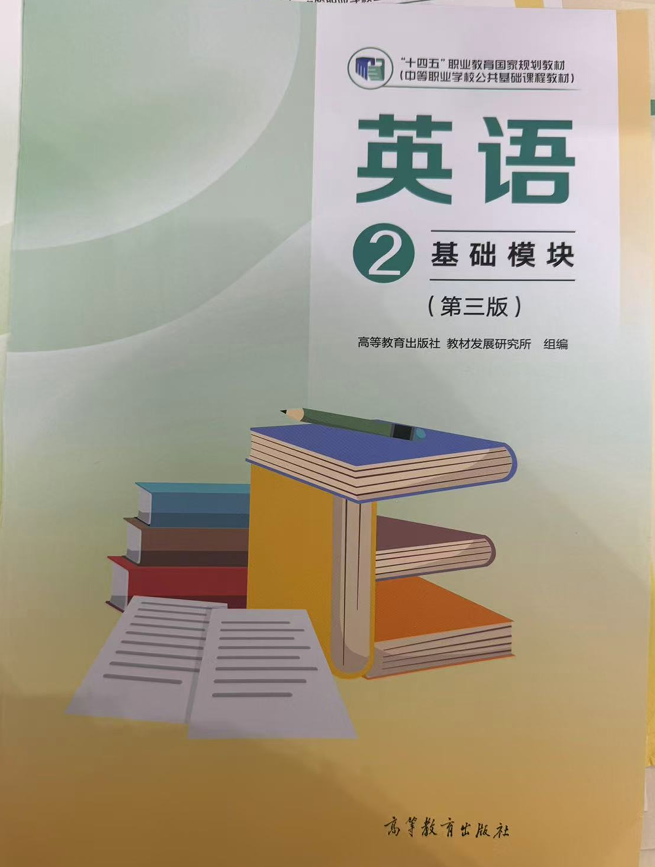
Unit 1 Travel(B卷·能力提升)《英语 基础模块2》(高教版第三版)单元过关卷(原卷版+解析版)
2026-09-08
|
2份
|
16页
|
48人阅读
|
0人下载
内容正文:
编写说明:本套试卷紧扣《英语 基础模块2》(高教版第三版)教材,以教材单元为基准精准覆盖核心考点。每个单元设置AB卷,A卷为基础巩固卷,侧重基础考点训练,帮助学生扎实掌握知识要点;B卷为能力提升卷,注重知识整合与全面检测,引导学生构建知识网络。全书设计4份综合测试卷,模拟实战情境,聚焦解题能力突破,全面提升应试能力与知识应用水平。
《英语 基础模块2》(高教版第三版)《单元过关卷》
Unit 1 Travel
B卷·能力提升
考试时间:60分钟 满分:100分
班级_____姓名_____学号_____成绩_____
第Ⅰ卷 客观题(共80分)
Ⅰ. 完形填空(1—10题,每题2分,共20分)
阅读下面短文,掌握大意,然后从每题所给的四个选项中选出最佳选项。
When my cousin Chen Yu and I planned a trip to Yunnan, we wanted ____1____ than famous places. Villages were using tourism to ____2____ nature, so we decided to travel ____3____ and support businesses for our community. We took a night train from Kunming and reached a town ____4____ sunrise. Rain was falling. A guide Lani met us at the station. She explained that visitors should ____5____ a bottle, ____6____ single-use plastic, and stay on marked paths.
Our stop was a tea garden on a hill. Lani showed us how farmers picked young leaves. She said the garden earned more when guests bought tea ____7____ from families. At lunch, we ate rice and vegetables in a restaurant. The owner told us that ____8____ of each meal’s price went to a village fund. In the afternoon, we walked to a wetland where birds rested. Chen Yu wanted to fly a drone, but Lani warned that its noise might ____9____ them, so he put it away.
On the last day, heavy rain blocked the road to a waterfall. We were disappointed, yet Lani suggested a cooking class ____10____. We learned to make bread and talked with villagers. The change reminded us that a good trip does not need a perfect plan. Careful actions help visitors enjoy a place and keep it safe.
1.A.less
B.few
C.more
D.little
2.A.damage
B.hide
C.leave
D.protect
3.A.slowly
B.loudly
C.suddenly
D.carelessly
4.A.after
B.before
C.during
D.below
5.A.carry
B.throw
C.sell
D.break
6.A.collect
B.paint
C.avoid
D.repeat
7.A.hardly
B.nearly
C.maybe
D.directly
8.A.halfway
B.part
C.side
D.number
9.A.frighten
B.feed
C.follow
D.save
10.A.again
B.also
C.instead
D.ever
【答案】
1.C 2.D 3.A 4.B 5.A 6.C 7.D 8.B 9.A 10.C
【导语】
本文是一篇旅行叙事记叙文,讲述旅行者在云南乡村旅行、遵守环保规则并灵活应对天气变化的经历。
【详解】
1.考查副词/数量词辨析;句意:我们想要的不仅仅是著名景点。less 更少;few 少数;more 更多;little 少量。more than 表示“不仅仅”,故选C。
2.考查动词词义辨析;句意:村庄利用旅游业来保护自然。damage 损害;hide 藏;leave 离开;protect 保护。故选D。
3.考查副词词义辨析;句意:因此我们决定慢慢旅行并支持社区企业。slowly 慢慢地;loudly 大声地;suddenly 突然地;carelessly 粗心地。故选A。
4.考查介词辨析;句意:我们在日出前到达一个小镇。after 之后;before 在……之前;during 期间;below 下面。故选B。
5.考查动词词义辨析;句意:她解释说游客应该带一个水瓶。carry 携带;throw 扔;sell 卖;break 打破。故选A。
6.考查动词词义辨析;句意:游客应避免使用一次性塑料。collect 收集;paint 绘画;avoid 避免;repeat 重复。故选C。
7.考查副词词义辨析;句意:游客直接从家庭购买茶叶时,茶园收入更多。hardly 几乎不;nearly 几乎;maybe 可能;directly 直接地。故选D。
8.考查名词词义辨析;句意:店主说每顿饭价格的一部分会进入村庄基金。halfway 中途;part 部分;side 一边;number 数字。故选B。
9.考查动词词义辨析;句意:莉娜警告说无人机的噪音可能会吓到鸟儿。frighten 使惊吓;feed 喂养;follow 跟随;save 挽救。故选A。
10.考查副词词义辨析;句意:然而莉娜建议上烹饪课来代替。again 再次;also 也;instead 代替;ever 曾经。故选C。
Ⅱ. 语法填空(11—20题,每题1.5分,共15分)
阅读下面短文,从方框中选择适当的词填空,使短文完整通顺。每个词限用一次。
A. but
B. could
C. it
D. on E. quit
In September 2024, two young Frenchmen ____11____ their jobs in Paris. They set off from their hometown on a great journey. Their dream was to reach Shanghai, China ____12____ foot. They walked along the Silk Road for more than a year and crossed 16 countries. They faced many difficulties on the way, ____13____ they never thought of giving up. They even wore out six pairs of shoes on the road. The journey ____14____ not only show them beautiful scenery but also bring them warmth and friendship. They were deeply moved by the kindness of the Chinese people. ____15____ became the most unforgettable part of their trip. At last they arrived in China, tired but happy.
【答案】
11.E 12.D 13.A 14.B 15.C
【导语】
本文是一篇记叙文,讲述两位法国青年辞去工作、沿丝绸之路徒步一年多最终到达中国的旅程。
【详解】
11.考查一般过去时。句意:2024年9月,两位法国青年辞去了在巴黎的工作。quit 的过去式与原形同形,故选E。
12.考查介词固定搭配。句意:他们的梦想是徒步到达中国上海。固定搭配 on foot 意为“步行、徒步”,故选D。
13.考查转折连词。句意:他们在路上遇到了许多困难,但从未想过放弃。前后为转折关系,用 but 连接,故选A。
14.考查情态动词。句意:这次旅程不仅能让他们看到美丽的风景,还带给他们温暖和友谊。could 意为“能够”,故选B。
15.考查代词。句意:它成为他们旅行中最难忘的部分。it 指代前文提到的“中国人民的友善”,故选C。
阅读下面短文,在空白处填入1个适当单词或括号内单词的正确形式。
Last Tuesday, the Z174 train ____16____ (reach) Shanghai Railway Station at 1:14 pm. Passenger Li Xin’s 24-hour journey from Harbin finally came to an end. It was a special movie-themed train, ____17____ the passengers watched films and learned about filmmaking on the way. Li Xin, 43, runs a home textile business in Harbin and often travels ____18____ business. He prefers trains because they are stable, spacious and ____19____ (comfort) for long trips. On this train, he watched classic movies and learned a lot about Heilongjiang’s film history. Song Bowen, a railway worker, taught children about film editing. Train staff also held movie quizzes and gave small gifts. The trip was not only a journey ____20____ also a wonderful cultural experience.
【答案】
16.reached 17.so 18.for 19.comfortable 20.but
【导语】
本文是一篇记叙文,讲述乘客李欣乘坐从哈尔滨开往上海的电影主题列车,在旅途中看电影、了解电影文化的特别经历。
【详解】
16.考查一般过去时。句意:上周二,Z174次列车在下午1点14分到达上海火车站。reach 的过去式为 reached,故填 reached。
17.考查因果并列连词。句意:这是一列特别的电影主题列车,所以乘客们在路上看电影、了解电影制作。用 so 引出结果,故填 so。
18.考查介词固定搭配。句意:李欣在哈尔滨经营家纺生意,经常出差。固定搭配 for business 意为“因公、出差”,故填 for。
19.考查形容词。句意:他更喜欢火车,因为火车平稳、宽敞又舒适,适合长途旅行。此处需要形容词 comfortable,故填 comfortable。
20.考查固定搭配。句意:这次旅行不仅是一次旅程,还是一次精彩的文化体验。固定结构 not only...but also...,故填 but。
Ⅲ. 阅读理解(21—32题,每题2.5分,共30分)
阅读下面三篇短文,从每题所给的四个选项中选出最佳选项。
Passage A
Yu Huiqing led more than 200 middle school students from Beijing on a two-week trip to Germany and Austria. The journey ended in early August. The students saw the Alps and the Rhine River. They also visited Hallstatt in Austria and learned about castles in Germany, including Heidelberg and Neuschwanstein.
Yu arranged a nature class in the Black Forest, so the students could learn outside their usual classrooms. The trip was not only for sightseeing. It used music, painting, buildings, and history to help the students understand the two countries in a deeper way.
Many parents hoped that travel would broaden their children’s view and improve their foreign language skills. When the plan was published in July, it was quickly fully booked. Yu’s travel agency organized more than 20 learning trips during the summer. Some went to the United States and the United Kingdom.
For the students, the journey became a special lesson. They returned with pictures, new knowledge, and a wider view of the world. The students shared notes, so the learning journey continued after they returned home.
21. How long was the students’ trip to Germany and Austria?
A.Two days.
B.Two weeks.
C.One month.
D.One year.
22. Where did Yu arrange a nature class?
A.In the Alps.
B.In Hallstatt.
C.In the Black Forest.
D.In the Rhine River.
23. Why did many parents like this kind of trip?
A.It was free for all students.
B.It could broaden children’s views and improve language skills.
C.It only included sports games.
D.It stayed in one city.
24. What does “fully booked” mean?
A.All places had been taken.
B.The plan was cancelled.
C.The trip became cheaper.
D.The students changed schools.
【答案】
21.B 22.C 23.B 24.A
【导语】
本文是一篇记叙文,讲述Yu Huiqing带领北京学生赴德国和奥地利开展两周文化学习旅行,学生通过自然课、历史和艺术活动拓展视野。
【详解】
21.细节理解题。根据第一段“a two-week trip”可知,旅行持续两周,故选B。
22.细节理解题。根据第二段“a nature class in the Black Forest”可知,自然课在黑森林举行,故选C。
23.细节理解题。根据第三段“broaden their children’s view and improve their foreign language skills”可知,家长希望孩子开阔视野、提高语言能力,故选B。
24.词义猜测题。计划发布后很快没有空位,fully booked意为“全部订满”,故选A。
Passage B
International travel is becoming easier for many families. Cheaper flights and hotels, visa-free policies, and the return of international flights have helped more people go abroad. However, good travel is not simply about finding the lowest price or visiting the most famous city. Travelers should think about what they want to learn and how they can respect local people.
A trip to a less-visited place may offer a quieter view of daily life and traditional culture. Thailand, for example, has prepared activities in Krabi, Rayong, and Trat, as well as in well-known cities. Visitors can try local food, learn Muay Thai, or take a Thai massage class. These activities make a journey more meaningful because travelers meet local culture directly.
Family trips can also include learning tasks. Students may visit castles, rivers, or nature areas and then share what they have seen. Such plans help them connect travel with study. If travelers leave room for new experiences, they may return with more than photos. They may gain respect, knowledge, and a better understanding of the world. Travelers can keep a diary because writing about local life helps them remember what they learn during each trip and later.
25. What has helped more people travel abroad?
A.Higher hotel prices.
B.Fewer flights.
C.Cheaper flights and hotels.
D.Closed borders.
26. What can visitors do in Thailand?
A.Learn Muay Thai.
B.Climb the Alps.
C.Visit German castles.
D.Watch a football match in Paris.
27. Why can activities in less-visited places make a journey more meaningful?
A.They are always free.
B.Travelers meet local culture directly.
C.They take no time.
D.Travelers never meet local people.
28. What does the writer suggest about family trips?
A.They should include learning and respect for local people.
B.They should only visit famous cities.
C.They should avoid all new experiences.
D.They should be planned without students.
【答案】
25.C 26.A 27.B 28.A
【导语】
本文是一篇议论文,讨论出境旅行选择的变化,主张游客关注当地文化、学习机会和对当地居民的尊重。
【详解】
25.细节理解题。根据第一段“Cheaper flights and hotels...have helped more people go abroad”可知,较低的机票和酒店价格促进出境游,故选C。
26.细节理解题。根据第二段“learn Muay Thai”可知,游客可以学习泰拳,故选A。
27.细节理解题。根据第二段“travelers meet local culture directly”可知,直接接触当地文化使旅行更有意义,故选B。
28.主旨理解题。全文建议把旅行与学习结合,并尊重当地人,故选A。
Passage C
A travel road show is a meeting where tourism groups present places and activities to travel companies. In early September, Thailand’s Tourism Authority and the Association of Thai Travel Agents brought 60 tour companies to Beijing. The show introduced new products and services from travel agencies, scenic spots, and transport providers. Its aim was to attract more visitors from China.
The organizers did not talk only about Bangkok, Pattaya, Chiang Mai, Phuket, and Koh Samui. They also presented Krabi, Rayong, and Trat, which are less visited but rich in local culture and daily life. To make trips more interesting, Thailand prepared activities such as Muay Thai, Thai massage, and elephant bathing.
Food advice was also included because many Chinese tourists enjoy Thai food. A road show can help companies learn what a destination offers. It can also help smaller towns receive visitors and income. When travelers choose different places, tourism benefits more communities. In this way, the meeting connects travel businesses, local people, and visitors. It gives travelers more choices and helps them understand that a country has many sides, not only its most famous cities. The information from the meeting can guide travel plans, help local businesses, and bring visitors to more towns in a clear and friendly way.
29. What was the main aim of the road show?
A.To teach English to tourists.
B.To attract more visitors from China.
C.To sell Chinese trains.
D.To close small towns.
30. Which place was mentioned as less visited?
A.Bangkok.
B.Phuket.
C.Krabi.
D.Pattaya.
31. Why did the show include food advice?
A.Many Chinese tourists enjoy Thai food.
B.Food was cheaper than hotels.
C.Visitors could not eat local dishes.
D.The show was held in a restaurant.
32. What can a road show help smaller towns receive?
A.Only new roads.
B.Visitors and income.
C.Free flights for everyone.
D.Fewer local activities.
【答案】
29.B 30.C 31.A 32.B
【导语】
本文是一篇说明文,介绍泰国在北京举办旅游推介会的目的、展示的目的地和活动,以及推介会对游客、旅游企业和小城镇的作用。
【详解】
29.细节理解题。根据第一段“Its aim was to attract more visitors from China”可知,推介会旨在吸引更多中国游客,故选B。
30.细节理解题。根据第二段“Krabi, Rayong, and Trat...are less visited”可知,Krabi属于游客较少到访的地方,故选C。
31.细节理解题。根据第三段“many Chinese tourists enjoy Thai food”可知,因为许多中国游客喜欢泰国菜,所以加入美食建议,故选A。
32.细节理解题。根据第三段“It can also help smaller towns receive visitors and income”可知,推介会能帮助小城镇获得游客和收入,故选B。
Ⅳ. 补全对话(33—37题,每题3分,共15分)
阅读下面对话,从A—G七个选项中选出五个最佳选项,其中有两个多余选项。
A: Hi, Tom! You look worried. ____33____
B: My flight to Guilin has been delayed. ____34____
A: That’s too bad. How long do we have to wait?
B: About three hours. ____35____
A: Don’t worry. There’s a cafe over there. We can have something to eat.
B: Good idea. But I must keep my passport with me. ____36____
A: I’ll remind you. After that, let’s check the new departure time on the screen.
B: OK. ____37____
A: Neither do I. Let’s go.
A. I left it on the plane last time.
B. What’s the matter with you?
C. I’m really thirsty and hungry now.
D. When did you book this flight?
E. I don’t want to miss any interesting places.
F. And I have an important meeting tomorrow morning.
G. Why do you want to go to the cafe?
【答案】
33.B 34.F 35.C 36.A 37.E
【导语】
本篇是一则机场情景对话。对话围绕航班延误展开,体现旅行途中互助与应变的交际场景。
【详解】
33.考查情景交际。句意:你怎么了?根据上一句“You look worried.”,下文B说明航班延误,B选项符合情景。
34.考查上下文逻辑衔接。句意:而且我明天早上还有一个重要会议。前文已说明航班延误,F选项中And表示递进,衔接自然。
35.考查上下文逻辑衔接。句意:我现在又渴又饿。前文得知需等待约三小时,后文A提议去咖啡厅,C选项承上启下。
36.考查上下文逻辑衔接。句意:上次我把它落在飞机上了。前文B强调必须把护照带在身边,A选项补足因果。
37.考查情景交际与逻辑衔接。句意:我不想错过任何有趣的地方。E选项为否定陈述,后文A用“Neither do I.”附和,符合结尾交际用语。
第Ⅱ卷 主观题(共20分)
Ⅴ. 阅读下面短文,根据短文内容回答问题。(38—42题,每题4分,共20分)
Last summer, a class visited a coastal town for study. The students were not there only to swim. The teacher wanted the students to learn how travel could support local people and protect the sea. Before the trip, each group received a task. One group compared two beaches and recorded public-bin use.
The students stayed in a family-run guesthouse. The owner, Mrs. Gao, told the students that summer visitors brought income, but too much rubbish could hurt the fishing business. She asked us to use the same towels for two days and turn off the air conditioner when they left the room. The guesthouse used the saved water to wash outdoor paths.
On the second morning, the students joined fishermen and cleaned a beach. They found bottle caps, food wrappers, and pieces of rope. A fisherman explained that small pieces of plastic could be eaten by sea animals. Later, the students presented their notes to the town office. The students suggested more signs, larger bins, and a short lesson for visitors.
The trip changed the students’ view of travel. A good visitor does not simply take pictures and leave. A good visitor also listens, helps, and thinks about the place after returning home.
38. What did the teacher want the class to learn?
________________________________________________
39. What task did one group receive?
________________________________________________
40. Why did Mrs. Gao ask guests to use the same towels for two days?
________________________________________________
41. What did the students find on the beach?
________________________________________________
42. What suggestions did the class give to the town office?
________________________________________________
【答案】
38. How travel could support local people and protect the sea.
39. To compare two beaches and record how visitors used the public bins.
40. To save water.
41. Bottle caps, food wrappers, and pieces of rope.
42. More signs, larger bins, and a short lesson for visitors.
【导语】
本文是一篇记叙文,讲述学生在海滨小镇开展学习旅行、了解旅游对社区和海洋的影响并提出环保建议。
【详解】
38.考查信息定位。根据老师的目标句可知,学生要了解旅行如何支持当地人并保护海洋。
39.考查事实提取。根据“One group compared...”可知,该组比较两个海滩并记录游客使用垃圾桶的情况。
40.考查原因理解。根据旅馆用节省的水清洗道路可知,重复使用毛巾是为了节约用水。
41.考查细节列举。根据“They found...”可知,学生发现瓶盖、食品包装纸和绳子。
42.考查信息提取。根据“The students suggested...”可知,他们建议增加标志、更大的垃圾桶和游客短课。
原创精品资源学科网独家享有版权,侵权必究!
原创精品资源学科网独家享有版权,侵权必究!
原创精品资源学科网独家享有版权,侵权必究!
学科网(北京)股份有限公司
$
编写说明:本套试卷紧扣《英语 基础模块2》(高教版第三版)教材,以教材单元为基准精准覆盖核心考点。每个单元设置AB卷,A卷为基础巩固卷,侧重基础考点训练,帮助学生扎实掌握知识要点;B卷为能力提升卷,注重知识整合与全面检测,引导学生构建知识网络。全书设计4份综合测试卷,模拟实战情境,聚焦解题能力突破,全面提升应试能力与知识应用水平。
《英语 基础模块2》(高教版第三版)《单元过关卷》
Unit 1 Travel
B卷·能力提升
考试时间:60分钟 满分:100分
班级_____姓名_____学号_____成绩_____
第Ⅰ卷 客观题(共80分)
Ⅰ. 完形填空(1—10题,每题2分,共20分)
阅读下面短文,掌握大意,然后从每题所给的四个选项中选出最佳选项。
When my cousin Chen Yu and I planned a trip to Yunnan, we wanted ____1____ than famous places. Villages were using tourism to ____2____ nature, so we decided to travel ____3____ and support businesses for our community. We took a night train from Kunming and reached a town ____4____ sunrise. Rain was falling. A guide Lani met us at the station. She explained that visitors should ____5____ a bottle, ____6____ single-use plastic, and stay on marked paths.
Our stop was a tea garden on a hill. Lani showed us how farmers picked young leaves. She said the garden earned more when guests bought tea ____7____ from families. At lunch, we ate rice and vegetables in a restaurant. The owner told us that ____8____ of each meal’s price went to a village fund. In the afternoon, we walked to a wetland where birds rested. Chen Yu wanted to fly a drone, but Lani warned that its noise might ____9____ them, so he put it away.
On the last day, heavy rain blocked the road to a waterfall. We were disappointed, yet Lani suggested a cooking class ____10____. We learned to make bread and talked with villagers. The change reminded us that a good trip does not need a perfect plan. Careful actions help visitors enjoy a place and keep it safe.
1.A.less
B.few
C.more
D.little
2.A.damage
B.hide
C.leave
D.protect
3.A.slowly
B.loudly
C.suddenly
D.carelessly
4.A.after
B.before
C.during
D.below
5.A.carry
B.throw
C.sell
D.break
6.A.collect
B.paint
C.avoid
D.repeat
7.A.hardly
B.nearly
C.maybe
D.directly
8.A.halfway
B.part
C.side
D.number
9.A.frighten
B.feed
C.follow
D.save
10.A.again
B.also
C.instead
D.ever
Ⅱ. 语法填空(11—20题,每题1.5分,共15分)
阅读下面短文,从方框中选择适当的词填空,使短文完整通顺。每个词限用一次。
A. but
B. could
C. it
D. on E. quit
In September 2024, two young Frenchmen ____11____ their jobs in Paris. They set off from their hometown on a great journey. Their dream was to reach Shanghai, China ____12____ foot. They walked along the Silk Road for more than a year and crossed 16 countries. They faced many difficulties on the way, ____13____ they never thought of giving up. They even wore out six pairs of shoes on the road. The journey ____14____ not only show them beautiful scenery but also bring them warmth and friendship. They were deeply moved by the kindness of the Chinese people. ____15____ became the most unforgettable part of their trip. At last they arrived in China, tired but happy.
阅读下面短文,在空白处填入1个适当单词或括号内单词的正确形式。
Last Tuesday, the Z174 train ____16____ (reach) Shanghai Railway Station at 1:14 pm. Passenger Li Xin’s 24-hour journey from Harbin finally came to an end. It was a special movie-themed train, ____17____ the passengers watched films and learned about filmmaking on the way. Li Xin, 43, runs a home textile business in Harbin and often travels ____18____ business. He prefers trains because they are stable, spacious and ____19____ (comfort) for long trips. On this train, he watched classic movies and learned a lot about Heilongjiang’s film history. Song Bowen, a railway worker, taught children about film editing. Train staff also held movie quizzes and gave small gifts. The trip was not only a journey ____20____ also a wonderful cultural experience.
Ⅲ. 阅读理解(21—32题,每题2.5分,共30分)
阅读下面三篇短文,从每题所给的四个选项中选出最佳选项。
Passage A
Yu Huiqing led more than 200 middle school students from Beijing on a two-week trip to Germany and Austria. The journey ended in early August. The students saw the Alps and the Rhine River. They also visited Hallstatt in Austria and learned about castles in Germany, including Heidelberg and Neuschwanstein.
Yu arranged a nature class in the Black Forest, so the students could learn outside their usual classrooms. The trip was not only for sightseeing. It used music, painting, buildings, and history to help the students understand the two countries in a deeper way.
Many parents hoped that travel would broaden their children’s view and improve their foreign language skills. When the plan was published in July, it was quickly fully booked. Yu’s travel agency organized more than 20 learning trips during the summer. Some went to the United States and the United Kingdom.
For the students, the journey became a special lesson. They returned with pictures, new knowledge, and a wider view of the world. The students shared notes, so the learning journey continued after they returned home.
21. How long was the students’ trip to Germany and Austria?
A.Two days.
B.Two weeks.
C.One month.
D.One year.
22. Where did Yu arrange a nature class?
A.In the Alps.
B.In Hallstatt.
C.In the Black Forest.
D.In the Rhine River.
23. Why did many parents like this kind of trip?
A.It was free for all students.
B.It could broaden children’s views and improve language skills.
C.It only included sports games.
D.It stayed in one city.
24. What does “fully booked” mean?
A.All places had been taken.
B.The plan was cancelled.
C.The trip became cheaper.
D.The students changed schools.
Passage B
International travel is becoming easier for many families. Cheaper flights and hotels, visa-free policies, and the return of international flights have helped more people go abroad. However, good travel is not simply about finding the lowest price or visiting the most famous city. Travelers should think about what they want to learn and how they can respect local people.
A trip to a less-visited place may offer a quieter view of daily life and traditional culture. Thailand, for example, has prepared activities in Krabi, Rayong, and Trat, as well as in well-known cities. Visitors can try local food, learn Muay Thai, or take a Thai massage class. These activities make a journey more meaningful because travelers meet local culture directly.
Family trips can also include learning tasks. Students may visit castles, rivers, or nature areas and then share what they have seen. Such plans help them connect travel with study. If travelers leave room for new experiences, they may return with more than photos. They may gain respect, knowledge, and a better understanding of the world. Travelers can keep a diary because writing about local life helps them remember what they learn during each trip and later.
25. What has helped more people travel abroad?
A.Higher hotel prices.
B.Fewer flights.
C.Cheaper flights and hotels.
D.Closed borders.
26. What can visitors do in Thailand?
A.Learn Muay Thai.
B.Climb the Alps.
C.Visit German castles.
D.Watch a football match in Paris.
27. Why can activities in less-visited places make a journey more meaningful?
A.They are always free.
B.Travelers meet local culture directly.
C.They take no time.
D.Travelers never meet local people.
28. What does the writer suggest about family trips?
A.They should include learning and respect for local people.
B.They should only visit famous cities.
C.They should avoid all new experiences.
D.They should be planned without students.
Passage C
A travel road show is a meeting where tourism groups present places and activities to travel companies. In early September, Thailand’s Tourism Authority and the Association of Thai Travel Agents brought 60 tour companies to Beijing. The show introduced new products and services from travel agencies, scenic spots, and transport providers. Its aim was to attract more visitors from China.
The organizers did not talk only about Bangkok, Pattaya, Chiang Mai, Phuket, and Koh Samui. They also presented Krabi, Rayong, and Trat, which are less visited but rich in local culture and daily life. To make trips more interesting, Thailand prepared activities such as Muay Thai, Thai massage, and elephant bathing.
Food advice was also included because many Chinese tourists enjoy Thai food. A road show can help companies learn what a destination offers. It can also help smaller towns receive visitors and income. When travelers choose different places, tourism benefits more communities. In this way, the meeting connects travel businesses, local people, and visitors. It gives travelers more choices and helps them understand that a country has many sides, not only its most famous cities. The information from the meeting can guide travel plans, help local businesses, and bring visitors to more towns in a clear and friendly way.
29. What was the main aim of the road show?
A.To teach English to tourists.
B.To attract more visitors from China.
C.To sell Chinese trains.
D.To close small towns.
30. Which place was mentioned as less visited?
A.Bangkok.
B.Phuket.
C.Krabi.
D.Pattaya.
31. Why did the show include food advice?
A.Many Chinese tourists enjoy Thai food.
B.Food was cheaper than hotels.
C.Visitors could not eat local dishes.
D.The show was held in a restaurant.
32. What can a road show help smaller towns receive?
A.Only new roads.
B.Visitors and income.
C.Free flights for everyone.
D.Fewer local activities.
Ⅳ. 补全对话(33—37题,每题3分,共15分)
阅读下面对话,从A—G七个选项中选出五个最佳选项,其中有两个多余选项。
A: Hi, Tom! You look worried. ____33____
B: My flight to Guilin has been delayed. ____34____
A: That’s too bad. How long do we have to wait?
B: About three hours. ____35____
A: Don’t worry. There’s a cafe over there. We can have something to eat.
B: Good idea. But I must keep my passport with me. ____36____
A: I’ll remind you. After that, let’s check the new departure time on the screen.
B: OK. ____37____
A: Neither do I. Let’s go.
A. I left it on the plane last time.
B. What’s the matter with you?
C. I’m really thirsty and hungry now.
D. When did you book this flight?
E. I don’t want to miss any interesting places.
F. And I have an important meeting tomorrow morning.
G. Why do you want to go to the cafe?
第Ⅱ卷 主观题(共20分)
Ⅴ. 阅读下面短文,根据短文内容回答问题。(38—42题,每题4分,共20分)
Last summer, a class visited a coastal town for study. The students were not there only to swim. The teacher wanted the students to learn how travel could support local people and protect the sea. Before the trip, each group received a task. One group compared two beaches and recorded public-bin use.
The students stayed in a family-run guesthouse. The owner, Mrs. Gao, told the students that summer visitors brought income, but too much rubbish could hurt the fishing business. She asked us to use the same towels for two days and turn off the air conditioner when they left the room. The guesthouse used the saved water to wash outdoor paths.
On the second morning, the students joined fishermen and cleaned a beach. They found bottle caps, food wrappers, and pieces of rope. A fisherman explained that small pieces of plastic could be eaten by sea animals. Later, the students presented their notes to the town office. The students suggested more signs, larger bins, and a short lesson for visitors.
The trip changed the students’ view of travel. A good visitor does not simply take pictures and leave. A good visitor also listens, helps, and thinks about the place after returning home.
38. What did the teacher want the class to learn?
________________________________________________
39. What task did one group receive?
________________________________________________
40. Why did Mrs. Gao ask guests to use the same towels for two days?
________________________________________________
41. What did the students find on the beach?
________________________________________________
42. What suggestions did the class give to the town office?
________________________________________________
原创精品资源学科网独家享有版权,侵权必究!
原创精品资源学科网独家享有版权,侵权必究!
原创精品资源学科网独家享有版权,侵权必究!
学科网(北京)股份有限公司
$
资源预览图

1

2

3
由于学科网是一个信息分享及获取的平台,不确保部分用户上传资料的 来源及知识产权归属。如您发现相关资料侵犯您的合法权益,请联系学科网,我们核实后将及时进行处理。