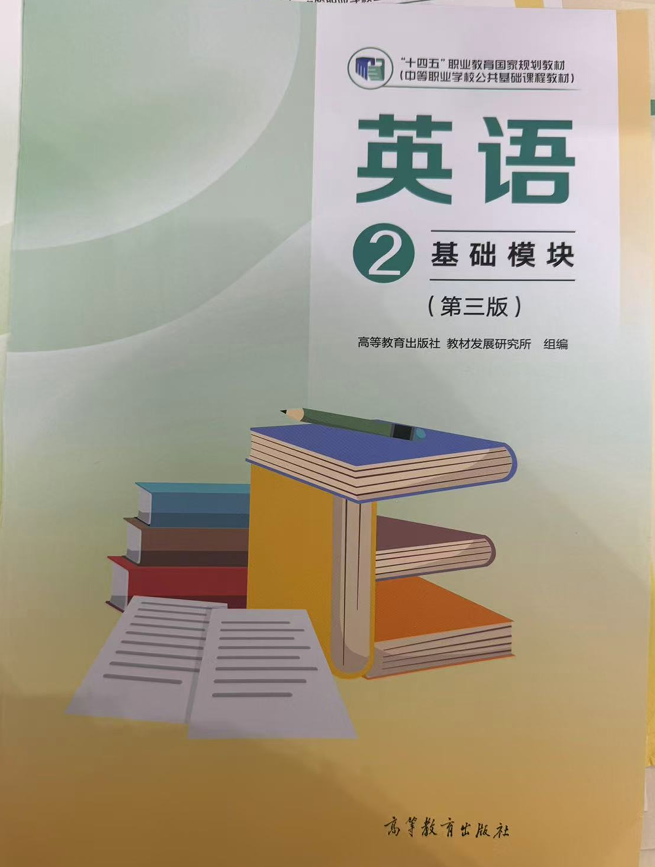
Unit 5 Ancient Civilization(A卷·基础巩固)《英语 基础模块2》(高教版第三版)单元过关卷(原卷版+解析版)
2026-09-08
|
2份
|
17页
|
34人阅读
|
0人下载
摘要:
**基本信息**
紧扣《英语 基础模块2》Unit 5,以三星堆、良渚等中国古代文明为情境,A卷基础巩固,覆盖核心词汇语法与阅读表达,适配中职单元复习,提升语言能力与文化意识。
**题型特征**
|题型|题量/分值|知识覆盖|命题特色|
|----|-----------|----------|----------|
|完形填空|10题20分|核心词汇(如ordinary, digging)|以三星堆考古发现为情境,考查语境词汇运用|
|语法填空|10题15分|介词、连词、时态(如from, and, made)|结合古代天文、青铜制作素材,巩固语法基础|
|阅读理解|12题30分|细节查找、主旨归纳|选取中国考古博物馆、良渚文明等文本,渗透文化传承|
|补全对话|5题15分|日常交际用语|围绕古代建筑话题,训练情境对话能力|
|回答问题|5题20分|信息提取与表达|以天津民园体育场为素材,考查语言输出与思维品质|
内容正文:
编写说明:本套试卷紧扣《英语 基础模块2》(高教版第三版)教材,以教材单元为基准精准覆盖核心考点。每个单元设置AB卷,A卷为基础巩固卷,侧重基础考点训练,帮助学生扎实掌握知识要点;B卷为能力提升卷,注重知识整合与全面检测,引导学生构建知识网络。全书设计4份综合测试卷,模拟实战情境,聚焦解题能力突破,全面提升应试能力与知识应用水平。
《英语 基础模块2》(高教版第三版)《单元过关卷》
Unit 5 Ancient Civilization
A卷·基础巩固
考试时间:60分钟 满分:100分
班级_____姓名_____学号_____成绩_____
第Ⅰ卷 客观题(共80分)
Ⅰ. 完形填空(1—10题,每题2分,共20分)
阅读下面短文,掌握大意,然后从每题所给的四个选项中选出最佳选项。
In 1929, a villager named Yan Daocheng was repairing a sewage ditch beside his house in Guanghan, Sichuan. His work seemed ____1____, but it led to an important discovery. While ____2____, he found a pit full of jade and stone objects. He did not know that the objects came ____3____ an ancient city called Sanxingdui. The news soon ____4____ archaeologists to the area.
The first studies were not easy because the city walls had been ____5____ over time. Still, researchers carefully searched the ground and ____6____ each find. In 1984, they discovered large palace remains and parts of the eastern, western, and southern walls. Two years ____7____, two large pits were opened. They held bronze masks and small ____8____, which made the site even more special.
For many years, local people protected the place and waited for more answers from science. Later work showed that Sanxingdui was the political, economic, and cultural center of the ancient Shu ____9____. The city was more than 3,000 years old, yet its builders had planned streets, walls, and working areas. Today, visitors can see many objects in the new museum. The discovery reminds us that one person's careful work can ____10____ a door to a lost civilization.
1.A.ancient
B.empty
C.ordinary
D.famous
2.A.digging
B.waiting
C.sleeping
D.leaving
3.A.at
B.by
C.with
D.from
4.A.kept
B.brought
C.lost
D.drove
5.A.opened
B.changed
C.damaged
D.cleaned
6.A.forgot
B.recorded
C.borrowed
D.hid
7.A.later
B.early
C.again
D.together
8.A.roads
B.rivers
C.houses
D.figures
9.A.province
B.kingdom
C.village
D.museum
10.A.close
B.hide
C.open
D.break
【答案】
1.C 2.A 3.D 4.B 5.C 6.B 7.A 8.D 9.B 10.C
【导语】
本文是一篇考古发现类记叙文,讲述村民Yan Daocheng在1929年偶然发现三星堆文物,以及后续考古发掘逐步揭示古蜀文明的过程。
【详解】
1.考查形容词词义辨析;句意:他的工作看起来很普通,但却带来了一个重要发现。ancient古代的;empty空的;ordinary普通的;famous著名的;根据but后的important discovery可知,前面强调修沟工作平常,ordinary符合语境,故选C。
2.考查非谓语动词;句意:在挖掘时,他发现了一个装满玉器和石器的坑。digging挖掘;waiting等待;sleeping睡觉;leaving离开;while后接现在分词表示两个动作同时进行,且下文说明他在挖掘时发现物品,digging正确,故选A。
3.考查介词辨析;句意:他不知道这些物品来自一座名为三星堆的古城。at在;by通过;with和、带有;from来自;come from为固定搭配,表示“来自”,故选D。
4.考查动词词义辨析;句意:消息很快把考古学家带到了这一地区。kept保持;brought带来;lost丢失;drove驾驶、驱使;bring somebody to a place表示“把某人带到某地”,符合消息引来考古学家的语境,故选B。
5.考查动词词义辨析;句意:最初的研究并不容易,因为城墙随着时间的推移已经遭到破坏。opened打开;changed改变;damaged损坏;cleaned清洁;根据because引导的原因和后文研究者需要寻找遗迹可知,damaged正确,故选C。
6.考查动词词义辨析;句意:然而,研究人员仍然仔细搜寻地面并记录每一项发现。forgot忘记;recorded记录;borrowed借用;hid隐藏;and连接两个并列动作,考古工作需要记录发现,recorded符合语境,故选B。
7.考查副词词义辨析和固定表达;句意:两年后,两个大坑被打开。later后来;early早些时候;again再次;together一起;two years later表示“两年后”,符合时间顺序,故选A。
8.考查名词词义辨析;句意:里面有青铜面具和小雕像,这使遗址更加特别。roads道路;rivers河流;houses房屋;figures雕像、人物;原文报道提到青铜面具和雕像,figures与masks并列且符合考古文物语境,故选D。
9.考查名词词义辨析;句意:三星堆是古蜀王国的政治、经济和文化中心。province省;kingdom王国;village村庄;museum博物馆;ancient Shu Kingdom为固定名称,kingdom正确,故选B。
10.考查动词词义辨析和固定搭配;句意:这一发现提醒我们,一个人的认真工作可以打开通往失落文明的大门。close关闭;hide隐藏;open打开;break打破;open a door to表示“打开通往……的大门”,符合语境,故选C。
Ⅱ. 语法填空(11—20题,每题1.5分,共15分)
阅读下面短文,从方框中选择适当的词填空,使短文完整通顺。每个词限用一次。
A. how
B. from
C. the
D. and E. its
A show in Anhui tells us ____11____ people in old China watched the sky. Many old things are in the show. One piece of jade is over 5,000 years old. It has eight arrows on it. ____12____ arrows point to eight directions. A water clock helped people know the time. A stone star map shows over 1,400 stars. People can learn a lot ____13____ the show. Old tools stand next to ____14____ models of spaceships. Space trips are named after old stories. The moon trip is called Chang’e, ____15____ the Mars trip is called Zhurong.
【答案】
11.A 12.E 13.B 14.C 15.D
【导语】
本文是一篇说明文,介绍安徽博物馆“天问”古代天文展:古代中国人用玉片、水钟和星图观测天象,结尾将古代天文仪器与现代航天任务(嫦娥、祝融)联系起来。
【详解】
11. 考查宾语从句。句意:安徽的一个展览告诉我们古代中国人如何观测天空。how 引导宾语从句,作 tells 的宾语,表示方式,意为“如何”,故选 A。
12. 考查物主代词。句意:玉片上的箭头指向八个方向。空格后是名词 arrows,用形容词性物主代词 its(它的)修饰,故选 E。
13. 考查介词。句意:人们能从展览中学到很多。固定搭配 learn...from... 意为“从……学到……”,故选 B。
14. 考查定冠词。句意:古老的工具与航天飞船的模型并排摆放。此处特指展览中展出的飞船模型,用定冠词 the,故选 C。
15. 考查并列连词。句意:探月任务叫“嫦娥”,而火星任务叫“祝融”。and 连接两个并列分句,故选 D。
阅读下面短文,在空白处填入1个适当单词或括号内单词的正确形式。
In old times, Chinese people ____16____ (make) big bronze things. In 1928, people found a very big bronze thing in Henan. No one knew ____17____ so much copper came from. For a long time, people had no answer. In 1973, workers found an old copper mine in Hubei. It stayed under the ground ____18____ over 2,000 years. Experts believe this mine gave copper to the bronze makers. The find shows that ____19____ (China) bronze making grew by itself. It is new ____20____ (prove) that old China had great skills.
【答案】
16.made 17.where 18.for 19.Chinese 20.proof
【导语】
本文是一篇考古新闻,讲述人们发现巨型青铜器后疑惑“铜从哪里来”,后来在湖北大冶发现一座古老的铜矿,证明中国青铜制造是独立发展起来的。
【详解】
16. 考查一般过去时。句意:在古时候,中国人铸造了巨大的青铜器物。短文叙述过去的事实,make 的过去式为 made,故填 made。
17. 考查宾语从句。句意:没有人知道这么多铜是从哪里来的。where 引导宾语从句,作 knew 的宾语,在从句中作 came from 的宾语,引导词不可省略,故填 where。
18. 考查介词。句意:它在地下待了 2000 多年。for 加时间段表示持续的时间,故填 for。
19. 考查形容词。句意:这个发现表明,中国青铜制造是自己发展起来的。Chinese 为形容词,修饰 bronze making,故填 Chinese。
20. 考查名词。句意:它证明古代中国拥有伟大的技艺,这是新的证据。prove 的名词形式为 proof,作不可数名词,故填 proof。
Ⅲ. 阅读理解(21—32题,每题2.5分,共30分)
阅读下面三篇短文,从每题所给的四个选项中选出最佳选项。
Passage A
The Chinese Archaeological Museum in Beijing welcomes visitors who want to learn about China’s long history. It stands on Beijing’s Central Axis and shows more than 5,000 years of Chinese civilization. Its permanent exhibition hall covers over 7,000 square meters and is divided into five sections.
Visitors can see objects from different periods. A pottery face from the Yangshao Culture is about 4,700 to 7,000 years old. A bronze plaque from the Erlitou site is more than 3,500 years old. The exhibition also has horse and chariot remains from the Yinxu Ruins and objects from the ancient Silk Roads. The collection helps visitors compare life, work, and art in different times.
Opening days: Wednesday to Sunday. Professional groups: Tuesday. Booking: Book a ticket online three days before your visit. The museum combines exhibitions, collections, research, protection, and education. Before leaving, visitors may join a short history activity and write down their favorite object. The displays are arranged in time order, so a first-time visitor can follow the story of Chinese society from early villages to later trade.
21. Where is the Chinese Archaeological Museum?
A.Near the lower Yangtze River.
B.On Beijing’s Central Axis.
C.In the Yinxu Ruins.
D.On the ancient Silk Roads.
22. Which object is about 4,700 to 7,000 years old?
A.A bronze plaque.
B.Horse and chariot remains.
C.A pottery face.
D.An object from the Silk Roads.
23. When should visitors book a ticket?
A.Three days before the visit.
B.On Tuesday.
C.On the day of the visit.
D.After the visit.
24. What is the main purpose of the museum?
A.To sell old objects.
B.To train professional guides.
C.To build a new city.
D.To help visitors learn about Chinese civilization.
【答案】
21.B 22.C 23.A 24.D
【导语】
本文是一篇应用文,介绍北京中国考古博物馆的位置、展览内容、开放时间和预约方式,并说明博物馆帮助游客了解中国文明的发展。
【详解】
21.考查细节理解题。根据原文“ It stands on Beijing's Central Axis ”(它位于北京中轴线上)可知,博物馆在北京中轴线上,故选B。
22.考查细节理解题。根据原文“ A pottery face from the Yangshao Culture is about 4,700 to 7,000 years old ”(一件仰韶文化的人面陶器约有4700年至7000年的历史)可知,符合条件的是人面陶器,故选C。
23.考查细节理解题。根据原文“ Book a ticket online three days before your visit ”(在参观前三天在线预订门票)可知,游客应提前三天预约,故选A。
24.考查主旨大意题。根据原文“welcomes visitors who want to learn about China’s long history”以及“shows more than 5,000 years of Chinese civilization”可知,博物馆的主要目的是帮助游客了解中国文明,故选D。
Passage B
The Liangzhu civilization grew near the lower Yangtze River about 5,000 years ago. Its people built a city and used many tools to control water. Archaeological work shows that the city had a water system with more than 30 dams. The dams stored water, moved it, and helped prevent floods.
The city also had walls and a clear plan. Some walls were extended when the city grew. Builders made different places for living, working, and important activities. Jade objects were common and became a special sign of Liangzhu culture. The fine shapes show that craftspeople had great skill.
Scientists use maps and technology to study the ruins. They compare the water system with the land around the city. This helps them understand how people worked with nature. The study shows that Liangzhu was not a small village. It was an organized society with leaders, workers, farmers, and skilled makers.
In 2019, the Archaeological Ruins of Liangzhu City were added to the UNESCO World Heritage List. Today, the site helps people learn about one of the world’s oldest cities and the development of Chinese civilization. Protecting the ruins matters because each wall, tool, and piece of jade can tell us about life long ago.
25. How many dams did the Liangzhu water system have?
A.More than 30.
B.About 5,000.
C.About 3,500.
D.Sixteen.
26. What became a special sign of Liangzhu culture?
A.City walls.
B.Wooden buildings.
C.Jade objects.
D.Silk roads.
27. What did builders make for living, working, and important activities?
A.Different places.
B.New rivers.
C.Jade tools.
D.Modern roads.
28. What is the passage mainly about?
A.The art of the modern Yangtze area.
B.The organized Liangzhu civilization and its value.
C.How to build dams today.
D.Why all ancient villages disappeared.
【答案】
25.A 26.C 27.A 28.B
【导语】
本文是一篇说明文,说明良渚文明的水利系统、城市布局、玉器文化及其世界遗产价值,展示了古代社会的组织能力。
【详解】
25.考查细节理解题。根据原文“ the city had a water system with more than 30 dams ”(这座城市拥有由30多座水坝组成的水利系统)可知,水利系统有30多座水坝,故选A。
26.考查细节理解题。根据原文“ Jade objects ... became a special sign of Liangzhu culture ”(玉器成为良渚文化的特殊标志)可知,玉器是良渚文化的标志,故选C。
27.考查细节理解题。根据原文“ Builders made different places for living, working, and important activities ”(建造者为居住、工作和重要活动建造了不同的场所)可知,建造者建造了不同的场所,故选A。
28.考查主旨大意题。文章介绍良渚文明的水利、城市、玉器和遗产保护,并说明其组织化程度,故主旨是良渚文明及其价值,故选B。
Passage C
Li Jin had read about Sanxingdui in a library book, but he had never imagined how exciting the ancient objects would look in a museum. When he learned that a large exhibition had opened in Beijing, he put it at the top of his summer plans.
On the first day, Li went there with his grandmother. The summer afternoon was hot, and a long line had formed outside the museum. They waited patiently because Li wanted to see the bronze masks and golden objects from the ancient Shu civilization. Inside, he stopped at a bronze figure and looked at its careful details for a long time.
The exhibition showed 265 pieces or sets of cultural objects. Some had been found only recently, so visitors could see them for the first time. Li felt that the objects made history easier to understand than a book alone. He returned the next day and still wanted to come again.
Li’s visit was part of growing museum interest among young people. Many families now include museums in travel plans. Museums have also added evening activities or longer opening hours to welcome visitors. Li says every visit gives him a new question. In the future, he hopes to learn more about Sanxingdui and perhaps study archaeology.
29. Who went to the exhibition with Li Jin?
A.His teacher.
B.A museum guide.
C.His grandmother.
D.A library worker.
30. Why did Li and his grandmother wait in the hot weather?
A.Li wanted to see the bronze masks and golden objects.
B.They wanted to buy a book.
C.The museum was closed.
D.They were waiting for a friend.
31. How many pieces or sets did the exhibition show?
A.65.
B.165.
C.205.
D.265.
32. What can we learn from Li’s visit?
A.Young people no longer like books.
B.Museums can make history interesting and encourage new questions.
C.All museums should open all night.
D.Archaeology is easy to study.
【答案】
29.C 30.A 31.D 32.B
【导语】
本文是一篇记叙文,讲述李锦和祖母在北京参观三星堆展览的经历,表现博物馆展览对青年了解历史、产生探究兴趣的作用。
【详解】
29.考查细节理解题。根据原文“ On the first day, Li went there with his grandmother ”(第一天,李和他的祖母一起去了那里)可知,陪同李参观的是祖母,故选C。
30.考查细节理解题。根据原文“ They waited patiently because Li wanted to see the bronze masks and golden objects ”(他们耐心等待,因为李想看青铜面具和金色器物)可知,他们排队是为了看这些文物,故选A。
31.考查细节理解题。根据原文“ The exhibition showed 265 pieces or sets of cultural objects ”(展览展出了265件或组文物)可知,展品数量为265件或组,故选D。
32.考查推理判断题。根据原文“ Li says every visit gives him a new question ”(李说每次参观都会给他带来一个新问题)可知,博物馆让历史变得有趣并激发探究,故选B。
Ⅳ. 补全对话(33—37题,每题3分,共15分)
阅读下面对话,从A—G七个选项中选出五个最佳选项,其中有两个多余选项。
A: Hi, Lucy! What are you reading?
B: A book about ancient China. ____33____
A: The Great Wall, of course. It’s really amazing.
B: I agree. ____34____
A: Yes. It was built to protect the country in ancient times.
B: How interesting! ____35____
A: You can also visit museums to learn more.
B: Good idea. ____36____
A: There is a history museum near our school.
B: Perfect! Shall we go there this Sunday?
A: Sure. ____37____
B: All right. See you then.
A. Do you know why it was built?
B. What’s the most famous ancient building in China?
C. Where can we see ancient things nearby?
D. Who invented paper first?
E. Let’s meet at 9 a.m. at the school gate.
F. How can I learn more about ancient civilization?
G. Why do you dislike history class?
【答案】
33.B 34.A 35.F 36.C 37.E
【导语】
本篇是一则古代文明学习情景对话。对话围绕阅读中国古代相关书籍展开:两人讨论长城等著名古迹及其修建原因,并计划通过参观博物馆进一步了解古代文明,体现同学交流历史文化兴趣的日常交际场景。
【详解】
33. 考查情景交际。句意:中国最著名的古代建筑是什么?下文 A 回答长城,说明此处在询问著名古迹,B 选项与答语对应。
34. 考查上下文逻辑衔接。句意:你知道它为什么被修建吗?下文 A 说明古时为保卫国家而建,可知此处询问修建目的,A 选项承接语境。
35. 考查情景交际。句意:我怎样才能更多地了解古代文明?下文 A 建议去博物馆学习,说明此处在寻求了解途径,F 选项得体自然。
36. 考查上下文逻辑衔接。句意:附近哪里能看到古代文物?下文 A 提到学校附近有历史博物馆,此处应询问附近可参观之处,C 选项与答语对应。
37. 考查情景交际。句意:我们上午9点在学校门口见面吧。前文已约定周日去博物馆,本句敲定见面时间地点,E 选项符合约定行程的结尾用语。
第Ⅱ卷 主观题(共20分)
Ⅴ. 阅读下面短文,根据短文内容回答问题。(38—42题,每题4分,共20分)
Minyuan Stadium is a famous landmark in Tianjin. It stands in the Wudadao Culture and Tourism Area, where visitors can see many old buildings. The stadium was built in 1920 and became an important sports place in the city.
In 1925, Eric Liddell, whose Chinese name was Li Airui, designed and improved the stadium. At that time, people called it one of the best stadiums in the Far East. It became a sign of Tianjin’s history and its links with both Chinese and Western culture.
In 2012, Heping District began a project to protect and use the old stadium. Eighteen months later, a British classical-style building opened again. Today, Minyuan Stadium is called an urban living room. It offers public fitness areas, travel services, cultural activities, and shops. Visitors can also find cafes, restaurants, and local snacks there. The indoor sports area gives citizens a new place to exercise safely every day, while the old design keeps the memory of the stadium alive.
38. Where is Minyuan Stadium?
________________________________________________
39. When was Minyuan Stadium built?
________________________________________________
40. Who designed and improved the stadium in 1925?
________________________________________________
41. What style was the building after the renovation?
________________________________________________
42. Why is Minyuan Stadium called an urban living room?
________________________________________________
【答案】
38. In the Wudadao Culture and Tourism Area in Tianjin.
39. In 1920.
40. Eric Liddell (Li Airui).
41. A British classical style.
42. Because it offers public fitness, travel services, cultural activities, and shops.
【导语】
本文是一篇说明文,介绍天津民园体育场的历史、设计改造和保护性更新,并说明它如今为市民和游客提供的多种服务。
【详解】
38.考查细节理解题。根据原文“ It stands in the Wudadao Culture and Tourism Area ”(它坐落在五大道文化旅游区)可知,民园体育场位于天津五大道文化旅游区,故答案为 In the Wudadao Culture and Tourism Area in Tianjin.
39.考查细节理解题。根据原文“ The stadium was built in 1920 ”(体育场建于1920年)可知,民园体育场建于1920年,故答案为 In 1920.
40.考查细节理解题。根据原文“ In 1925, Eric Liddell, whose Chinese name was Li Airui, designed and improved the stadium ”(1925年,中文名李爱锐的Eric Liddell设计并改造了体育场)可知,设计和改造者是Eric Liddell,故答案为 Eric Liddell (Li Airui).
41.考查细节理解题。根据原文“ a British classical-style building opened again ”(一座英国古典风格的建筑重新开放)可知,改造后的建筑为英国古典风格,故答案为 A British classical style.
42.考查细节理解题。根据原文“ It offers public fitness areas, travel services, cultural activities, and shops ”(它提供公共健身区、旅游服务、文化活动和商店)可知,民园体育场功能多样,因此被称为城市客厅,故答案为 Because it offers public fitness, travel services, cultural activities, and shops.
原创精品资源学科网独家享有版权,侵权必究!
原创精品资源学科网独家享有版权,侵权必究!
原创精品资源学科网独家享有版权,侵权必究!
学科网(北京)股份有限公司
$
编写说明:本套试卷紧扣《英语 基础模块2》(高教版第三版)教材,以教材单元为基准精准覆盖核心考点。每个单元设置AB卷,A卷为基础巩固卷,侧重基础考点训练,帮助学生扎实掌握知识要点;B卷为能力提升卷,注重知识整合与全面检测,引导学生构建知识网络。全书设计4份综合测试卷,模拟实战情境,聚焦解题能力突破,全面提升应试能力与知识应用水平。
《英语 基础模块2》(高教版第三版)《单元过关卷》
Unit 5 Ancient Civilization
A卷·基础巩固
考试时间:60分钟 满分:100分
班级_____姓名_____学号_____成绩_____
第Ⅰ卷 客观题(共80分)
Ⅰ. 完形填空(1—10题,每题2分,共20分)
阅读下面短文,掌握大意,然后从每题所给的四个选项中选出最佳选项。
In 1929, a villager named Yan Daocheng was repairing a sewage ditch beside his house in Guanghan, Sichuan. His work seemed ____1____, but it led to an important discovery. While ____2____, he found a pit full of jade and stone objects. He did not know that the objects came ____3____ an ancient city called Sanxingdui. The news soon ____4____ archaeologists to the area.
The first studies were not easy because the city walls had been ____5____ over time. Still, researchers carefully searched the ground and ____6____ each find. In 1984, they discovered large palace remains and parts of the eastern, western, and southern walls. Two years ____7____, two large pits were opened. They held bronze masks and small ____8____, which made the site even more special.
For many years, local people protected the place and waited for more answers from science. Later work showed that Sanxingdui was the political, economic, and cultural center of the ancient Shu ____9____. The city was more than 3,000 years old, yet its builders had planned streets, walls, and working areas. Today, visitors can see many objects in the new museum. The discovery reminds us that one person's careful work can ____10____ a door to a lost civilization.
1.A.ancient
B.empty
C.ordinary
D.famous
2.A.digging
B.waiting
C.sleeping
D.leaving
3.A.at
B.by
C.with
D.from
4.A.kept
B.brought
C.lost
D.drove
5.A.opened
B.changed
C.damaged
D.cleaned
6.A.forgot
B.recorded
C.borrowed
D.hid
7.A.later
B.early
C.again
D.together
8.A.roads
B.rivers
C.houses
D.figures
9.A.province
B.kingdom
C.village
D.museum
10.A.close
B.hide
C.open
D.break
Ⅱ. 语法填空(11—20题,每题1.5分,共15分)
阅读下面短文,从方框中选择适当的词填空,使短文完整通顺。每个词限用一次。
A. how
B. from
C. the
D. and E. its
A show in Anhui tells us ____11____ people in old China watched the sky. Many old things are in the show. One piece of jade is over 5,000 years old. It has eight arrows on it. ____12____ arrows point to eight directions. A water clock helped people know the time. A stone star map shows over 1,400 stars. People can learn a lot ____13____ the show. Old tools stand next to ____14____ models of spaceships. Space trips are named after old stories. The moon trip is called Chang’e, ____15____ the Mars trip is called Zhurong.
阅读下面短文,在空白处填入1个适当单词或括号内单词的正确形式。
In old times, Chinese people ____16____ (make) big bronze things. In 1928, people found a very big bronze thing in Henan. No one knew ____17____ so much copper came from. For a long time, people had no answer. In 1973, workers found an old copper mine in Hubei. It stayed under the ground ____18____ over 2,000 years. Experts believe this mine gave copper to the bronze makers. The find shows that ____19____ (China) bronze making grew by itself. It is new ____20____ (prove) that old China had great skills.
Ⅲ. 阅读理解(21—32题,每题2.5分,共30分)
阅读下面三篇短文,从每题所给的四个选项中选出最佳选项。
Passage A
The Chinese Archaeological Museum in Beijing welcomes visitors who want to learn about China’s long history. It stands on Beijing’s Central Axis and shows more than 5,000 years of Chinese civilization. Its permanent exhibition hall covers over 7,000 square meters and is divided into five sections.
Visitors can see objects from different periods. A pottery face from the Yangshao Culture is about 4,700 to 7,000 years old. A bronze plaque from the Erlitou site is more than 3,500 years old. The exhibition also has horse and chariot remains from the Yinxu Ruins and objects from the ancient Silk Roads. The collection helps visitors compare life, work, and art in different times.
Opening days: Wednesday to Sunday. Professional groups: Tuesday. Booking: Book a ticket online three days before your visit. The museum combines exhibitions, collections, research, protection, and education. Before leaving, visitors may join a short history activity and write down their favorite object. The displays are arranged in time order, so a first-time visitor can follow the story of Chinese society from early villages to later trade.
21. Where is the Chinese Archaeological Museum?
A.Near the lower Yangtze River.
B.On Beijing’s Central Axis.
C.In the Yinxu Ruins.
D.On the ancient Silk Roads.
22. Which object is about 4,700 to 7,000 years old?
A.A bronze plaque.
B.Horse and chariot remains.
C.A pottery face.
D.An object from the Silk Roads.
23. When should visitors book a ticket?
A.Three days before the visit.
B.On Tuesday.
C.On the day of the visit.
D.After the visit.
24. What is the main purpose of the museum?
A.To sell old objects.
B.To train professional guides.
C.To build a new city.
D.To help visitors learn about Chinese civilization.
Passage B
The Liangzhu civilization grew near the lower Yangtze River about 5,000 years ago. Its people built a city and used many tools to control water. Archaeological work shows that the city had a water system with more than 30 dams. The dams stored water, moved it, and helped prevent floods.
The city also had walls and a clear plan. Some walls were extended when the city grew. Builders made different places for living, working, and important activities. Jade objects were common and became a special sign of Liangzhu culture. The fine shapes show that craftspeople had great skill.
Scientists use maps and technology to study the ruins. They compare the water system with the land around the city. This helps them understand how people worked with nature. The study shows that Liangzhu was not a small village. It was an organized society with leaders, workers, farmers, and skilled makers.
In 2019, the Archaeological Ruins of Liangzhu City were added to the UNESCO World Heritage List. Today, the site helps people learn about one of the world’s oldest cities and the development of Chinese civilization. Protecting the ruins matters because each wall, tool, and piece of jade can tell us about life long ago.
25. How many dams did the Liangzhu water system have?
A.More than 30.
B.About 5,000.
C.About 3,500.
D.Sixteen.
26. What became a special sign of Liangzhu culture?
A.City walls.
B.Wooden buildings.
C.Jade objects.
D.Silk roads.
27. What did builders make for living, working, and important activities?
A.Different places.
B.New rivers.
C.Jade tools.
D.Modern roads.
28. What is the passage mainly about?
A.The art of the modern Yangtze area.
B.The organized Liangzhu civilization and its value.
C.How to build dams today.
D.Why all ancient villages disappeared.
Passage C
Li Jin had read about Sanxingdui in a library book, but he had never imagined how exciting the ancient objects would look in a museum. When he learned that a large exhibition had opened in Beijing, he put it at the top of his summer plans.
On the first day, Li went there with his grandmother. The summer afternoon was hot, and a long line had formed outside the museum. They waited patiently because Li wanted to see the bronze masks and golden objects from the ancient Shu civilization. Inside, he stopped at a bronze figure and looked at its careful details for a long time.
The exhibition showed 265 pieces or sets of cultural objects. Some had been found only recently, so visitors could see them for the first time. Li felt that the objects made history easier to understand than a book alone. He returned the next day and still wanted to come again.
Li’s visit was part of growing museum interest among young people. Many families now include museums in travel plans. Museums have also added evening activities or longer opening hours to welcome visitors. Li says every visit gives him a new question. In the future, he hopes to learn more about Sanxingdui and perhaps study archaeology.
29. Who went to the exhibition with Li Jin?
A.His teacher.
B.A museum guide.
C.His grandmother.
D.A library worker.
30. Why did Li and his grandmother wait in the hot weather?
A.Li wanted to see the bronze masks and golden objects.
B.They wanted to buy a book.
C.The museum was closed.
D.They were waiting for a friend.
31. How many pieces or sets did the exhibition show?
A.65.
B.165.
C.205.
D.265.
32. What can we learn from Li’s visit?
A.Young people no longer like books.
B.Museums can make history interesting and encourage new questions.
C.All museums should open all night.
D.Archaeology is easy to study.
Ⅳ. 补全对话(33—37题,每题3分,共15分)
阅读下面对话,从A—G七个选项中选出五个最佳选项,其中有两个多余选项。
A: Hi, Lucy! What are you reading?
B: A book about ancient China. ____33____
A: The Great Wall, of course. It’s really amazing.
B: I agree. ____34____
A: Yes. It was built to protect the country in ancient times.
B: How interesting! ____35____
A: You can also visit museums to learn more.
B: Good idea. ____36____
A: There is a history museum near our school.
B: Perfect! Shall we go there this Sunday?
A: Sure. ____37____
B: All right. See you then.
A. Do you know why it was built?
B. What’s the most famous ancient building in China?
C. Where can we see ancient things nearby?
D. Who invented paper first?
E. Let’s meet at 9 a.m. at the school gate.
F. How can I learn more about ancient civilization?
G. Why do you dislike history class?
第Ⅱ卷 主观题(共20分)
Ⅴ. 阅读下面短文,根据短文内容回答问题。(38—42题,每题4分,共20分)
Minyuan Stadium is a famous landmark in Tianjin. It stands in the Wudadao Culture and Tourism Area, where visitors can see many old buildings. The stadium was built in 1920 and became an important sports place in the city.
In 1925, Eric Liddell, whose Chinese name was Li Airui, designed and improved the stadium. At that time, people called it one of the best stadiums in the Far East. It became a sign of Tianjin’s history and its links with both Chinese and Western culture.
In 2012, Heping District began a project to protect and use the old stadium. Eighteen months later, a British classical-style building opened again. Today, Minyuan Stadium is called an urban living room. It offers public fitness areas, travel services, cultural activities, and shops. Visitors can also find cafes, restaurants, and local snacks there. The indoor sports area gives citizens a new place to exercise safely every day, while the old design keeps the memory of the stadium alive.
38. Where is Minyuan Stadium?
________________________________________________
39. When was Minyuan Stadium built?
________________________________________________
40. Who designed and improved the stadium in 1925?
________________________________________________
41. What style was the building after the renovation?
________________________________________________
42. Why is Minyuan Stadium called an urban living room?
________________________________________________
原创精品资源学科网独家享有版权,侵权必究!
原创精品资源学科网独家享有版权,侵权必究!
原创精品资源学科网独家享有版权,侵权必究!
学科网(北京)股份有限公司
$
资源预览图

1

2

3
由于学科网是一个信息分享及获取的平台,不确保部分用户上传资料的 来源及知识产权归属。如您发现相关资料侵犯您的合法权益,请联系学科网,我们核实后将及时进行处理。