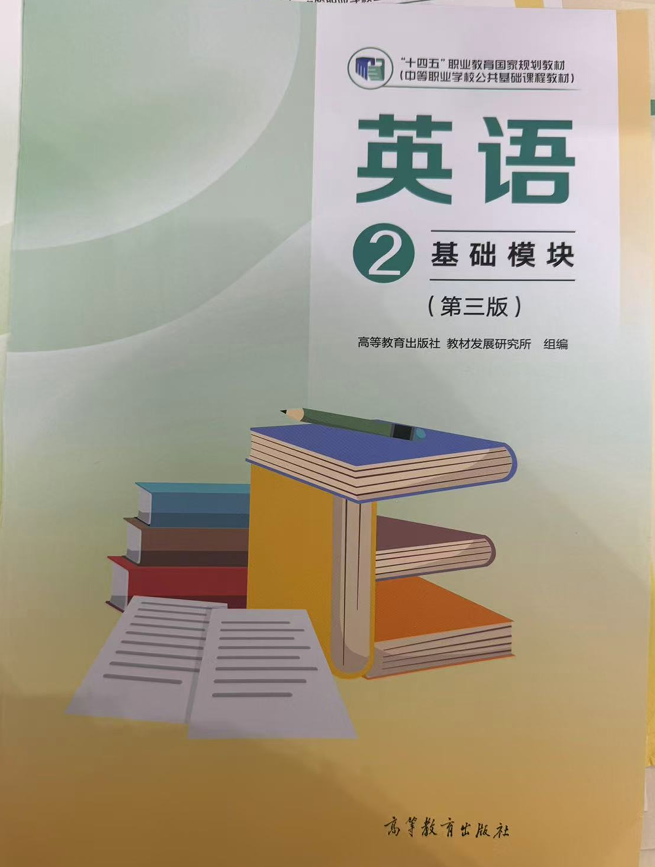
Unit 5 Ancient Civilization(B卷·能力提升)《英语 基础模块2》(高教版第三版)单元过关卷(原卷版+解析版)
2026-09-08
|
2份
|
17页
|
26人阅读
|
0人下载
内容正文:
编写说明:本套试卷紧扣《英语 基础模块2》(高教版第三版)教材,以教材单元为基准精准覆盖核心考点。每个单元设置AB卷,A卷为基础巩固卷,侧重基础考点训练,帮助学生扎实掌握知识要点;B卷为能力提升卷,注重知识整合与全面检测,引导学生构建知识网络。全书设计4份综合测试卷,模拟实战情境,聚焦解题能力突破,全面提升应试能力与知识应用水平。
《英语 基础模块2》(高教版第三版)《单元过关卷》
Unit 5 Ancient Civilization
B卷·能力提升
考试时间:60分钟 满分:100分
班级_____姓名_____学号_____成绩_____
第Ⅰ卷 客观题(共80分)
Ⅰ. 完形填空(1—10题,每题2分,共20分)
阅读下面短文,掌握大意,然后从每题所给的四个选项中选出最佳选项。
Dule Temple ____1____ in Jizhou district, Tianjin. It is a Buddhist(佛教) temple with a history of more than one thousand years. People believe it was first built in the Tang Dynasty and ____2____ in 984, during the Liao Dynasty. ____3____ time damaged some parts, the main buildings have remained important ____4____ of ancient Chinese design. It remains a valuable part of China’s heritage.
The front gate and Guanyin Pavilion(亭) are the temple’s ____5____ buildings. The front gate is about ten meters high and has an early Wudian roof. Guanyin Pavilion is twenty-three meters ____6____ and is China’s oldest existing(现存的) wooden pavilion. From ____7____, it looks like a two-floor building, but it has three floors inside. A sixteen-meter clay statue(泥塑) of eleven-faced Guanyin stands in the pavilion.
Visitors can also see murals(壁画) on the ground floor. They ____8____ about 135 square meters and show stories about sixteen arhats. Experts say the paintings first followed the style of the Yuan Dynasty and were redrawn in the Ming Dynasty.
In 1998, workers finished a major ____9____ and improved the area around the temple. More services were added for visitors. Dule Temple is not only a place for worship. It is also a valuable record of architecture, sculpture, and painting. Protecting it helps young people ____10____ how earlier builders used skill and patience to create lasting works.
1.A.lies
B.sits
C.stands
D.rests
2.A.rebuilt
B.painted
C.opened
D.moved
3.A.Because
B.If
C.When
D.Although
4.A.stories
B.examples
C.games
D.rooms
5.A.best-known
B.newest
C.empty
D.different
6.A.long
B.wide
C.high
D.heavy
7.A.inside
B.outside
C.below
D.nearby
8.A.carry
B.build
C.close
D.cover
9.A.repair
B.visit
C.painting
D.journey
10.A.forget
B.understand
C.change
D.copy
Ⅱ. 语法填空(11—20题,每题1.5分,共15分)
阅读下面短文,从方框中选择适当的词填空,使短文完整通顺。每个词限用一次。
A. whether
B. has
C. to
D. with E. but
Lan Desheng works at a museum in Xi’an. He fixes things from the time of the First Emperor. People found them in 1974. In the past 25 years, Lan ____11____ fixed more than 150 pieces. He puts broken pieces together like a puzzle. Lan can tell ____12____ palace workers or local workers made the pieces, because their work is quite different. Some pieces keep the workers’ fingerprints from over 2,000 years ago. In the first two years, Lan could not touch them. He was told ____13____ watch and remember first. Now he works ____14____ great care. Lan often says that he is a doctor for them. The work is hard, ____15____ he feels proud.
阅读下面短文,在空白处填入1个适当单词或括号内单词的正确形式。
The Hongshan people lived in Northeast China about 5,000 years ago. At that time, they started to grow crops. Farming made ____16____ easy for them to live in one place for a long time. Over the years, they built ____17____ (big) villages and made beautiful jade things. Experts can tell ____18____ the Hongshan people used jade in their ceremonies. In 2024, people found one of the biggest jade dragons ever found in North China. These finds tell us ____19____ (we) old ancestors had a rich culture. They also help us learn ____20____ (many) about how Chinese history began. It is an important part of Chinese history.
Ⅲ. 阅读理解(21—32题,每题2.5分,共30分)
阅读下面三篇短文,从每题所给的四个选项中选出最佳选项。
Passage A
During a visit to the Hunan Museum in Changsha, visitors watched experts examine old silk clothes. They wore masks and gloves and used magnifying glasses. One visitor asked, “Are there words on the silk?” The experts looked more closely and said yes. The clothes came from Mawangdui, a tomb from the Western Han Dynasty. The tomb was found in 1972 and became famous because a woman’s body was kept in very good condition. Many silk pieces, seals, paintings, musical instruments, and lacquer objects were found there too.
Years later, scholars found four Chinese words on one robe: anle ruyi, changshou wuji. They mean wishes for happiness, success, and a long life. The words form a complete sentence and are the earliest known words on silk found in China. Scientists believe that machines made the pattern more than 2,000 years ago.
The visitors were surprised that a piece of cloth could tell such a long story. They also learned that study of the Mawangdui objects is still continuing. Before leaving, they agreed that museums can make the past feel close to people today.
21. Where did the visitors watch experts examine old silk clothes?
A.At the Yin Ruins.
B.At the Hunan Museum.
C.At the Chenghe site.
D.At the UNESCO office.
22. What was found in good condition at Mawangdui?
A.A bronze vessel.
B.A city wall.
C.A woman’s body.
D.A water gate.
23. What do the four words on the robe mean?
A.Wishes for happiness, success, and a long life.
B.A record of a war.
C.A list of musical instruments.
D.A plan for a new city.
24. What can we learn from the story?
A.Old clothes are not useful.
B.Machines can replace all hand skills.
C.Museums should show only famous people.
D.Museum objects can help people feel close to history.
Passage B
Traditional crafts are part of a country’s history, but they need care if they are to remain alive. Some people think that old skills should stay exactly as they were. Others believe that crafts must meet modern needs. A useful answer is production-based protection, which joins traditional skills with careful modern production.
China has chosen demonstration sites for this work. They include cloisonne making in Beijing, stone carving in Hebei, traditional houses in Shanxi, and ethnic musical instruments in Inner Mongolia. These sites can improve product quality, train new workers, and introduce traditional crafts to more people. Modern tools may also help craftspeople work more safely and efficiently.
However, protection must come first. Machines should not replace the hand skills that give a craft its special character. Products should not be changed so much that their old meaning is lost. Experts also say that small workshops need support because many masters work there. In my view, good protection keeps the key skills and stories, while allowing reasonable new ideas. In this way, traditional crafts can enter modern life and still keep their own voice. This balance is not always easy, and it requires clear rules, patient training, and long-term support.
25. What does production-based protection join together?
A.Traditional skills and careful modern production.
B.Old stories and new roads.
C.City walls and water gates.
D.Sports and music.
26. Where is cloisonne making listed as a demonstration site?
A.Hebei.
B.Beijing.
C.Shanxi.
D.Inner Mongolia.
27. Why do experts say that small workshops need support?
A.They have the largest buildings.
B.They make only modern products.
C.They are all in big cities.
D.Many masters work there.
28. What is the writer’s opinion about traditional crafts?
A.Crafts should never change.
B.Crafts should be sold without rules.
C.Good protection keeps key skills while allowing reasonable new ideas.
D.Machines should replace hand skills.
Passage C
About 5,000 years ago, people at the Chenghe site in Jingmen, Hubei, built a city near the middle reaches of the Yangtze River. Archaeologists have found city walls, large courtyard buildings, places for ceremonies, pottery workshops, homes, and tombs. The city covered about 700,000 square meters, so it was much more than a small village.
Water was important to the city. The Chenghe River and smaller rivers flowed outside the walls. To bring and control water, ancient builders made an artificial system with three water gates. The gates helped control the flow and supported daily life in the city. Researchers are studying the land and the remains to learn how the system worked. Researchers also use drawings and digital pictures to record the sites. They hope these records will help future teams compare the old water routes with changes in the land around the city.
The discovery also raises questions. A small hill stood between the city and the smaller rivers, so archaeologists want to know how water passed through it. New finds may provide an answer. The site belonged to the Qujialing and Shijiahe cultures. Its buildings, graves, and water system show that people in central China had strong planning skills and knew how to live with rivers many centuries ago.
29. Where was the Chenghe site?
A.In Anyang, Henan.
B.In Changsha, Hunan.
C.In Jingmen, Hubei.
D.In Tianjin.
30. How many water gates did the ancient system have?
A.Three.
B.Five.
C.Ten.
D.Thirty.
31. Why are researchers studying the land and the remains?
A.To build a new city.
B.To find more pottery.
C.To move the rivers.
D.To learn how the water system worked.
32. What do the buildings, graves, and water system show?
A.People avoided all rivers.
B.People had planning skills and knew how to live with rivers.
C.The city was only a small village.
D.The site was built in modern times.
Ⅳ. 补全对话(33—37题,每题3分,共15分)
阅读下面对话,从A—G七个选项中选出五个最佳选项,其中有两个多余选项。
A: Hi, Tom! Our history teacher asked us to make a poster. ____33____
B: I’d like to choose the Silk Road.
A: Good choice! ____34____
B: It connected China with many other countries in ancient times.
A: Yes. And it helped people exchange goods and culture.
B: Exactly. ____35____
A: We can look up information online and in the library.
B: Right. ____36____
A: I can draw pictures, and you can write the introduction.
B: Perfect. ____37____
A: So do I. Let’s start this afternoon.
A. What topic do you want to choose?
B. Why was the Silk Road important?
C. How can we collect enough materials?
D. When was the museum built?
E. How shall we divide the work?
F. I hope our poster will be both useful and beautiful.
G. Why do you want to give up the project?
第Ⅱ卷 主观题(共20分)
Ⅴ. 阅读下面短文,根据短文内容回答问题。(38—42题,每题4分,共20分)
Oracle bone inscriptions are words written on animal bones and turtle shells. They were first discovered in 1899 at the Yin Ruins in Anyang, Henan province. The inscriptions recorded questions, prayers, and answers about life in the late Shang Dynasty. They are the earliest developed Chinese characters known.
The writing is important for two reasons. First, it helps researchers learn about the Shang royal family and their society. Second, many modern Chinese characters grew from these old signs. By comparing the signs with later writing, scholars can study how Chinese characters changed over time.
In 2017, oracle bone inscriptions were added to the UNESCO Memory of the World Register. This recognition shows their academic and cultural value. Researchers still study many signs because some meanings are not known. The inscriptions connect people today with a civilization that lived more than 3,000 years ago. Protecting the bones and sharing their stories can help young people understand the long development of Chinese writing and culture.
38. Where were oracle bone inscriptions first discovered?
________________________________________________
39. What did the inscriptions record?
________________________________________________
40. Why is oracle bone writing important?
________________________________________________
41. When were oracle bone inscriptions added to the UNESCO Memory of the World Register?
________________________________________________
42. Why should people protect the oracle bones and share their stories?
________________________________________________
原创精品资源学科网独家享有版权,侵权必究!
原创精品资源学科网独家享有版权,侵权必究!
原创精品资源学科网独家享有版权,侵权必究!
学科网(北京)股份有限公司
$
编写说明:本套试卷紧扣《英语 基础模块2》(高教版第三版)教材,以教材单元为基准精准覆盖核心考点。每个单元设置AB卷,A卷为基础巩固卷,侧重基础考点训练,帮助学生扎实掌握知识要点;B卷为能力提升卷,注重知识整合与全面检测,引导学生构建知识网络。全书设计4份综合测试卷,模拟实战情境,聚焦解题能力突破,全面提升应试能力与知识应用水平。
《英语 基础模块2》(高教版第三版)《单元过关卷》
Unit 5 Ancient Civilization
B卷·能力提升
考试时间:60分钟 满分:100分
班级_____姓名_____学号_____成绩_____
第Ⅰ卷 客观题(共80分)
Ⅰ. 完形填空(1—10题,每题2分,共20分)
阅读下面短文,掌握大意,然后从每题所给的四个选项中选出最佳选项。
Dule Temple ____1____ in Jizhou district, Tianjin. It is a Buddhist(佛教) temple with a history of more than one thousand years. People believe it was first built in the Tang Dynasty and ____2____ in 984, during the Liao Dynasty. ____3____ time damaged some parts, the main buildings have remained important ____4____ of ancient Chinese design. It remains a valuable part of China’s heritage.
The front gate and Guanyin Pavilion(亭) are the temple’s ____5____ buildings. The front gate is about ten meters high and has an early Wudian roof. Guanyin Pavilion is twenty-three meters ____6____ and is China’s oldest existing(现存的) wooden pavilion. From ____7____, it looks like a two-floor building, but it has three floors inside. A sixteen-meter clay statue(泥塑) of eleven-faced Guanyin stands in the pavilion.
Visitors can also see murals(壁画) on the ground floor. They ____8____ about 135 square meters and show stories about sixteen arhats. Experts say the paintings first followed the style of the Yuan Dynasty and were redrawn in the Ming Dynasty.
In 1998, workers finished a major ____9____ and improved the area around the temple. More services were added for visitors. Dule Temple is not only a place for worship. It is also a valuable record of architecture, sculpture, and painting. Protecting it helps young people ____10____ how earlier builders used skill and patience to create lasting works.
1.A.lies
B.sits
C.stands
D.rests
2.A.rebuilt
B.painted
C.opened
D.moved
3.A.Because
B.If
C.When
D.Although
4.A.stories
B.examples
C.games
D.rooms
5.A.best-known
B.newest
C.empty
D.different
6.A.long
B.wide
C.high
D.heavy
7.A.inside
B.outside
C.below
D.nearby
8.A.carry
B.build
C.close
D.cover
9.A.repair
B.visit
C.painting
D.journey
10.A.forget
B.understand
C.change
D.copy
【答案】
1.C 2.A 3.D 4.B 5.A 6.C 7.B 8.D 9.A 10.B
【导语】
本文是一篇古建筑说明性语篇,介绍天津蓟州独乐寺的历史、主要建筑、泥塑和壁画,并说明保护古建筑对认识古代文明的重要意义。
【详解】
1.考查动词词义辨析;句意:独乐寺位于天津市蓟州区。lies位于;sits坐、坐落;stands站立、矗立;rests休息;介绍建筑物所在位置时,stand in表示“坐落/位于”,符合语境,故选C。
2.考查动词词义辨析;句意:人们认为它最初建于唐代,并于984年在辽代重建。rebuilt重建;painted绘画;opened打开、开放;moved移动;根据历史建筑经历修复和重建的事实,rebuilt与was first built并列,故选A。
3.考查连词辨析;句意:虽然时间损坏了部分地方,但主要建筑仍然是中国古代设计的重要范例。Because因为;If如果;When当……时;Although虽然;前后分句构成让步关系,Although符合语境,故选D。
4.考查名词词义辨析;句意:主要建筑仍然是中国古代设计的重要范例。stories故事;examples范例;games游戏;rooms房间;建筑具有代表性,important examples表示“重要范例”,故选B。
5.考查形容词词义辨析;句意:山门和观音阁是寺庙最著名的建筑。best-known最著名的;newest最新的;empty空的;different不同的;下文继续介绍这两座主要建筑,best-known符合语境,故选A。
6.考查形容词词义辨析;句意:观音阁高23米,是中国现存最古老的木结构楼阁。long长的;wide宽的;high高的;heavy重的;表示建筑物的高度用high,故选C。
7.考查副词词义辨析;句意:从外面看,它像一座两层建筑,但里面有三层。inside在里面;outside在外面;below在下面;nearby在附近;后半句对比inside,前面应为From outside,故选B。
8.考查动词词义辨析;句意:壁画覆盖约135平方米,展示了关于十六罗汉的故事。carry携带;build建造;close关闭;cover覆盖;cover an area of表示“占地/覆盖面积”,故选D。
9.考查名词词义辨析;句意:1998年,工作人员完成了一次重大修缮,并改善了寺庙周围的环境。repair修缮;visit参观;painting绘画;journey旅行;major repair表示“重大修缮”,符合文物保护语境,故选A。
10.考查动词词义辨析;句意:保护独乐寺有助于年轻人理解早期建造者如何运用技能和耐心创造出长久的作品。forget忘记;understand理解;change改变;copy复制;根据Protecting it helps young people后接认识历史价值的含义,understand符合语境,故选B。
Ⅱ. 语法填空(11—20题,每题1.5分,共15分)
阅读下面短文,从方框中选择适当的词填空,使短文完整通顺。每个词限用一次。
A. whether
B. has
C. to
D. with E. but
Lan Desheng works at a museum in Xi’an. He fixes things from the time of the First Emperor. People found them in 1974. In the past 25 years, Lan ____11____ fixed more than 150 pieces. He puts broken pieces together like a puzzle. Lan can tell ____12____ palace workers or local workers made the pieces, because their work is quite different. Some pieces keep the workers’ fingerprints from over 2,000 years ago. In the first two years, Lan could not touch them. He was told ____13____ watch and remember first. Now he works ____14____ great care. Lan often says that he is a doctor for them. The work is hard, ____15____ he feels proud.
【答案】
11.B 12.A 13.C 14.D 15.E
【导语】
本文是一篇人物特稿,讲述兵马俑修复师蓝德生 25 年来修复 150 多件兵马俑,在陶片上发现 2000 多年前工匠的指纹,并把修复工作比作给这些文物“看病”的故事。
【详解】
11. 考查现在完成时。句意:在过去 25 年里,蓝师傅修复了 150 多件。时间状语 In the past 25 years 提示用现在完成时,主语 Lan 为单数,用 has,故选 B。
12. 考查宾语从句。句意:蓝师傅能分辨这些文物是宫廷工匠做的还是当地工匠做的,因为他们的作品很不一样。whether...or... 意为“是……还是……”,whether 引导宾语从句作 tell 的宾语,此处不可用 if,故选 A。
13. 考查非谓语动词(不定式)。句意:他被告知先观察和记忆。固定结构 be told to do sth. 意为“被告知做某事”,故选 C。
14. 考查介词。句意:现在他怀着极大的细心工作。with great care 意为“极其仔细地”,作方式状语,故选 D。
15. 考查转折连词。句意:这份工作很辛苦,但他感到自豪。前后为转折关系,用 but 连接,故选 E。
阅读下面短文,在空白处填入1个适当单词或括号内单词的正确形式。
The Hongshan people lived in Northeast China about 5,000 years ago. At that time, they started to grow crops. Farming made ____16____ easy for them to live in one place for a long time. Over the years, they built ____17____ (big) villages and made beautiful jade things. Experts can tell ____18____ the Hongshan people used jade in their ceremonies. In 2024, people found one of the biggest jade dragons ever found in North China. These finds tell us ____19____ (we) old ancestors had a rich culture. They also help us learn ____20____ (many) about how Chinese history began. It is an important part of Chinese history.
【答案】
16.it 17.bigger 18.why 19.our 20.more
【导语】
本文是一篇文明综述,介绍约 5000 年前的红山文化:先民因农耕而定居、建造村庄、制作玉器,2024 年出土中国北方最大的玉龙,专家认为红山文化是中华历史的重要组成部分。
【详解】
16. 考查代词(形式宾语)。句意:农耕使他们能在一处长期定居变得容易。固定结构 make it easy to do sth. 中 it 作形式宾语,故填 it。
17. 考查形容词比较级。句意:多年间,他们建起了更大的村庄。根据语境,村庄规模比之前更大,用 big 的比较级 bigger,故填 bigger。
18. 考查宾语从句。句意:专家能说出红山人为什么在仪式中使用玉器。why 引导宾语从句,作 tell 的宾语,意为“为什么”,引导词不可省略,故填 why。
19. 考查物主代词。句意:这些发现告诉我们,我们的祖先拥有丰富的文化。we 的形容词性物主代词为 our,修饰 ancestors,故填 our。
20. 考查形容词比较级。句意:它们也帮助我们更多地了解中国历史是如何开始的。learn more about 意为“更多地了解”,故填 more。
Ⅲ. 阅读理解(21—32题,每题2.5分,共30分)
阅读下面三篇短文,从每题所给的四个选项中选出最佳选项。
Passage A
During a visit to the Hunan Museum in Changsha, visitors watched experts examine old silk clothes. They wore masks and gloves and used magnifying glasses. One visitor asked, “Are there words on the silk?” The experts looked more closely and said yes. The clothes came from Mawangdui, a tomb from the Western Han Dynasty. The tomb was found in 1972 and became famous because a woman’s body was kept in very good condition. Many silk pieces, seals, paintings, musical instruments, and lacquer objects were found there too.
Years later, scholars found four Chinese words on one robe: anle ruyi, changshou wuji. They mean wishes for happiness, success, and a long life. The words form a complete sentence and are the earliest known words on silk found in China. Scientists believe that machines made the pattern more than 2,000 years ago.
The visitors were surprised that a piece of cloth could tell such a long story. They also learned that study of the Mawangdui objects is still continuing. Before leaving, they agreed that museums can make the past feel close to people today.
21. Where did the visitors watch experts examine old silk clothes?
A.At the Yin Ruins.
B.At the Hunan Museum.
C.At the Chenghe site.
D.At the UNESCO office.
22. What was found in good condition at Mawangdui?
A.A bronze vessel.
B.A city wall.
C.A woman’s body.
D.A water gate.
23. What do the four words on the robe mean?
A.Wishes for happiness, success, and a long life.
B.A record of a war.
C.A list of musical instruments.
D.A plan for a new city.
24. What can we learn from the story?
A.Old clothes are not useful.
B.Machines can replace all hand skills.
C.Museums should show only famous people.
D.Museum objects can help people feel close to history.
【答案】
21.B 22.C 23.A 24.D
【导语】
本文是一篇记叙文,讲述游客在湖南博物馆观看专家研究马王堆丝织品时发现祝福文字的经历,表现文物让人们更亲近古代历史的作用。
【详解】
21.考查细节理解题。根据原文“ During a visit to the Hunan Museum in Changsha, visitors watched experts examine old silk clothes ”(在参观长沙湖南博物馆时,游客观看专家检查古老的丝绸衣服)可知,游客是在湖南博物馆观看研究,故选B。
22.考查细节理解题。根据原文“ The tomb was found in 1972 and became famous because a woman's body was kept in very good condition ”(这座墓于1972年被发现,并因一具保存完好的女性遗体而闻名)可知,保存状况良好的是女性遗体,故选C。
23.考查细节理解题。根据原文“ They mean wishes for happiness, success, and a long life ”(它们表达了幸福、成功和长寿的愿望)可知,四个字表达这些祝福,故选A。
24.考查推理判断题。根据原文“ a piece of cloth could tell such a long story ”和“ museums can make the past feel close to people today ”(一块布能讲述如此漫长的故事;博物馆能让过去与今天的人们更接近)可知,博物馆文物能帮助人们亲近历史,故选D。
Passage B
Traditional crafts are part of a country’s history, but they need care if they are to remain alive. Some people think that old skills should stay exactly as they were. Others believe that crafts must meet modern needs. A useful answer is production-based protection, which joins traditional skills with careful modern production.
China has chosen demonstration sites for this work. They include cloisonne making in Beijing, stone carving in Hebei, traditional houses in Shanxi, and ethnic musical instruments in Inner Mongolia. These sites can improve product quality, train new workers, and introduce traditional crafts to more people. Modern tools may also help craftspeople work more safely and efficiently.
However, protection must come first. Machines should not replace the hand skills that give a craft its special character. Products should not be changed so much that their old meaning is lost. Experts also say that small workshops need support because many masters work there. In my view, good protection keeps the key skills and stories, while allowing reasonable new ideas. In this way, traditional crafts can enter modern life and still keep their own voice. This balance is not always easy, and it requires clear rules, patient training, and long-term support.
25. What does production-based protection join together?
A.Traditional skills and careful modern production.
B.Old stories and new roads.
C.City walls and water gates.
D.Sports and music.
26. Where is cloisonne making listed as a demonstration site?
A.Hebei.
B.Beijing.
C.Shanxi.
D.Inner Mongolia.
27. Why do experts say that small workshops need support?
A.They have the largest buildings.
B.They make only modern products.
C.They are all in big cities.
D.Many masters work there.
28. What is the writer’s opinion about traditional crafts?
A.Crafts should never change.
B.Crafts should be sold without rules.
C.Good protection keeps key skills while allowing reasonable new ideas.
D.Machines should replace hand skills.
【答案】
25.A 26.B 27.D 28.C
【导语】
本文是一篇议论文,围绕传统工艺的保护与发展展开讨论,主张保留核心技艺和文化内涵,同时通过合理创新让传统工艺适应现代生活。
【详解】
25.考查细节理解题。根据原文“ production-based protection ... joins traditional skills with careful modern production ”(生产性保护把传统技艺与谨慎的现代生产结合起来)可知,它连接了传统技艺和现代生产,故选A。
26.考查细节理解题。根据原文“ They include cloisonne making in Beijing ”(其中包括北京的景泰蓝制作)可知,景泰蓝示范点在北京,故选B。
27.考查细节理解题。根据原文“ small workshops need support because many masters work there ”(小作坊需要支持,因为许多技艺大师在那里工作)可知,原因是许多大师在小作坊工作,故选D。
28.考查推理判断题。根据原文“ good protection keeps the key skills and stories, while allowing reasonable new ideas ”(好的保护保留核心技艺和故事,同时允许合理的新想法)可知,作者支持在保护基础上的合理创新,故选C。
Passage C
About 5,000 years ago, people at the Chenghe site in Jingmen, Hubei, built a city near the middle reaches of the Yangtze River. Archaeologists have found city walls, large courtyard buildings, places for ceremonies, pottery workshops, homes, and tombs. The city covered about 700,000 square meters, so it was much more than a small village.
Water was important to the city. The Chenghe River and smaller rivers flowed outside the walls. To bring and control water, ancient builders made an artificial system with three water gates. The gates helped control the flow and supported daily life in the city. Researchers are studying the land and the remains to learn how the system worked. Researchers also use drawings and digital pictures to record the sites. They hope these records will help future teams compare the old water routes with changes in the land around the city.
The discovery also raises questions. A small hill stood between the city and the smaller rivers, so archaeologists want to know how water passed through it. New finds may provide an answer. The site belonged to the Qujialing and Shijiahe cultures. Its buildings, graves, and water system show that people in central China had strong planning skills and knew how to live with rivers many centuries ago.
29. Where was the Chenghe site?
A.In Anyang, Henan.
B.In Changsha, Hunan.
C.In Jingmen, Hubei.
D.In Tianjin.
30. How many water gates did the ancient system have?
A.Three.
B.Five.
C.Ten.
D.Thirty.
31. Why are researchers studying the land and the remains?
A.To build a new city.
B.To find more pottery.
C.To move the rivers.
D.To learn how the water system worked.
32. What do the buildings, graves, and water system show?
A.People avoided all rivers.
B.People had planning skills and knew how to live with rivers.
C.The city was only a small village.
D.The site was built in modern times.
【答案】
29.C 30.A 31.D 32.B
【导语】
本文是一篇说明文,介绍湖北荆门城河遗址的城市布局和水利系统,说明约5000年前当地居民已经具备城市规划和水资源管理能力。
【详解】
29.考查细节理解题。根据原文“ the Chenghe site in Jingmen, Hubei ”(湖北荆门的城河遗址)可知,遗址位于湖北荆门,故选C。
30.考查细节理解题。根据原文“ an artificial system with three water gates ”(一个有三个水门的人工系统)可知,水利系统有三个水门,故选A。
31.考查细节理解题。根据原文“ Researchers are studying the land and the remains to learn how the system worked ”(研究人员正在研究土地和遗迹,以了解该系统如何运行)可知,研究是为了了解水利系统的运作方式,故选D。
32.考查推理判断题。根据原文“ show that people in central China had strong planning skills and knew how to live with rivers ”(表明中国中部的人们具有很强的规划能力,并懂得与河流相处)可知,这些遗迹体现了规划能力和河流利用智慧,故选B。
Ⅳ. 补全对话(33—37题,每题3分,共15分)
阅读下面对话,从A—G七个选项中选出五个最佳选项,其中有两个多余选项。
A: Hi, Tom! Our history teacher asked us to make a poster. ____33____
B: I’d like to choose the Silk Road.
A: Good choice! ____34____
B: It connected China with many other countries in ancient times.
A: Yes. And it helped people exchange goods and culture.
B: Exactly. ____35____
A: We can look up information online and in the library.
B: Right. ____36____
A: I can draw pictures, and you can write the introduction.
B: Perfect. ____37____
A: So do I. Let’s start this afternoon.
A. What topic do you want to choose?
B. Why was the Silk Road important?
C. How can we collect enough materials?
D. When was the museum built?
E. How shall we divide the work?
F. I hope our poster will be both useful and beautiful.
G. Why do you want to give up the project?
【答案】
33.A 34.B 35.C 36.E 37.F
【导语】
本篇是一则历史主题海报制作情景对话。对话围绕丝绸之路主题展开:两人讨论其连接各国、促进商品与文化交流的重要性,并商量搜集资料、分工合作,最后表达希望海报既有用又美观,体现合作学习古代文明的交际场景。
【详解】
33. 考查情景交际。句意:你想选什么主题?前文提到老师要求制作海报,下文 B 选择丝绸之路,此处应询问选题,A 选项符合问答逻辑。
34. 考查上下文逻辑衔接。句意:丝绸之路为什么重要?下文 B 说明它在古代连接中国与许多国家,可知此处询问其重要性,B 选项承接语境。
35. 考查情景交际。句意:我们怎样才能收集到足够的材料?下文 A 建议上网和去图书馆查资料,说明此处在商量搜集途径,C 选项承上启下。
36. 考查情景交际。句意:我们怎样分工?下文 A 提出自己画画、对方写介绍,可知此处询问任务分配,E 选项与答语对应。
37. 考查情景交际与逻辑衔接。句意:希望我们的海报既有用又美观。后文 A 回答 “So do I.”,说明本句表达共同愿望,F 选项符合结尾用语。
第Ⅱ卷 主观题(共20分)
Ⅴ. 阅读下面短文,根据短文内容回答问题。(38—42题,每题4分,共20分)
Oracle bone inscriptions are words written on animal bones and turtle shells. They were first discovered in 1899 at the Yin Ruins in Anyang, Henan province. The inscriptions recorded questions, prayers, and answers about life in the late Shang Dynasty. They are the earliest developed Chinese characters known.
The writing is important for two reasons. First, it helps researchers learn about the Shang royal family and their society. Second, many modern Chinese characters grew from these old signs. By comparing the signs with later writing, scholars can study how Chinese characters changed over time.
In 2017, oracle bone inscriptions were added to the UNESCO Memory of the World Register. This recognition shows their academic and cultural value. Researchers still study many signs because some meanings are not known. The inscriptions connect people today with a civilization that lived more than 3,000 years ago. Protecting the bones and sharing their stories can help young people understand the long development of Chinese writing and culture.
38. Where were oracle bone inscriptions first discovered?
________________________________________________
39. What did the inscriptions record?
________________________________________________
40. Why is oracle bone writing important?
________________________________________________
41. When were oracle bone inscriptions added to the UNESCO Memory of the World Register?
________________________________________________
42. Why should people protect the oracle bones and share their stories?
________________________________________________
【答案】
38. At the Yin Ruins in Anyang, Henan province.
39. Questions, prayers, and answers about life in the late Shang Dynasty.
40. It helps researchers learn about Shang society, and many modern Chinese characters grew from it.
41. In 2017.
42. To help young people understand the long development of Chinese writing and culture.
【导语】
本文是一篇说明文,介绍甲骨文的发现地点、记录内容、文字价值及其列入 UNESCO《世界记忆名录》的意义,说明甲骨文连接着当代人与古代中华文明。
【详解】
38.考查细节理解题。根据原文“ first discovered in 1899 at the Yin Ruins in Anyang, Henan province ”(1899年首次在河南安阳殷墟发现)可知,甲骨文最初发现于河南安阳殷墟,故答案为 At the Yin Ruins in Anyang, Henan province.
39.考查细节理解题。根据原文“ The inscriptions recorded questions, prayers, and answers about life in the late Shang Dynasty ”(这些文字记录了商代晚期关于生活的问题、祈祷和答案)可知,甲骨文记录了这些内容,故答案为 Questions, prayers, and answers about life in the late Shang Dynasty.
40.考查细节理解题。根据原文“ it helps researchers learn about the Shang royal family and their society ”和“ many modern Chinese characters grew from these old signs ”(它帮助研究人员了解商王室及其社会;许多现代汉字源于这些古老符号)可知,甲骨文既能帮助研究商代社会,也能说明汉字的演变,故答案为 It helps researchers learn about Shang society, and many modern Chinese characters grew from it.
41.考查细节理解题。根据原文“ In 2017, oracle bone inscriptions were added to the UNESCO Memory of the World Register ”(2017年,甲骨文被列入 UNESCO《世界记忆名录》)可知,列入时间是2017年,故答案为 In 2017.
42.考查推理判断题。根据原文“ Protecting the bones and sharing their stories can help young people understand the long development of Chinese writing and culture ”(保护甲骨并分享其故事可以帮助年轻人了解中国文字和文化的漫长发展)可知,保护和传播甲骨文有助于青年理解中华文字文化的发展,故答案为 To help young people understand the long development of Chinese writing and culture.
原创精品资源学科网独家享有版权,侵权必究!
原创精品资源学科网独家享有版权,侵权必究!
原创精品资源学科网独家享有版权,侵权必究!
学科网(北京)股份有限公司
$
资源预览图

1

2

3
由于学科网是一个信息分享及获取的平台,不确保部分用户上传资料的 来源及知识产权归属。如您发现相关资料侵犯您的合法权益,请联系学科网,我们核实后将及时进行处理。