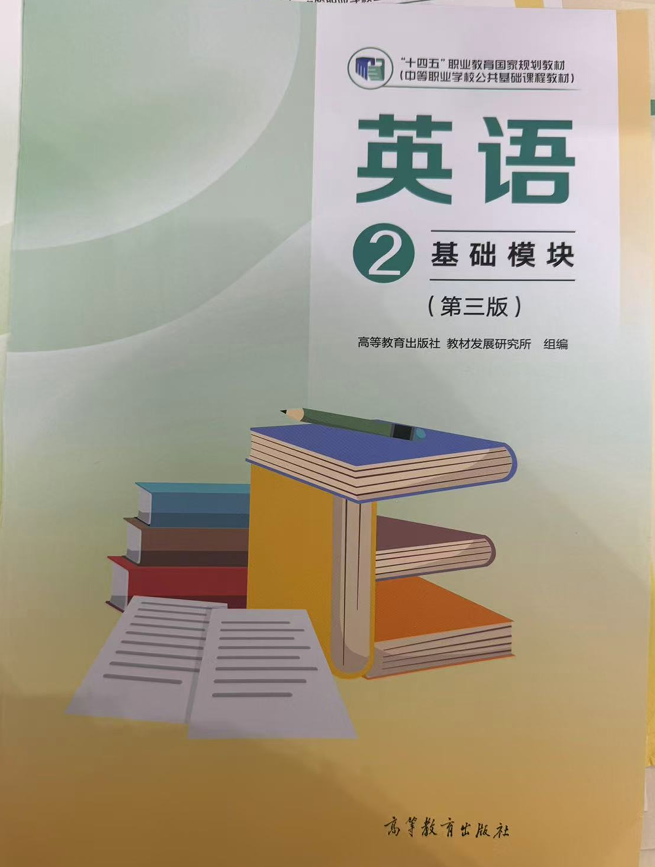
Unit 6 Craftsmanship(A卷·基础巩固)《英语 基础模块2》(高教版第三版)单元过关卷(原卷版+解析版)
2026-09-08
|
2份
|
16页
|
25人阅读
|
0人下载
摘要:
**基本信息**
《英语 基础模块2》(高教版第三版)Unit 6 A卷基础巩固卷,紧扣教材核心考点,以玲珑瓷、竹雕等传统工艺为情境,侧重基础训练,适配单元复习,提升语言能力与文化意识。
**题型特征**
|题型|题量/分值|知识覆盖|命题特色|
|----|-----------|----------|----------|
|完形填空|10题/20分|词汇辨析、上下文理解|以Ly u Yating传承玲珑瓷为情境,考查基础词汇运用|
|语法填空|10题/15分|介词、时态、代词等|结合江安竹雕,检测语法知识在语境中的应用|
|阅读理解|12题/30分|细节查找、推理判断|选材剪纸、木雕等传统工艺,培养文化意识|
|补全对话|5题/15分|日常交际用语|围绕手工艺学习交流,提升语言表达能力|
|阅读回答问题|5题/20分|信息提取、简答|以布贴画为素材,检测综合语言运用能力|
内容正文:
编写说明:本套试卷紧扣《英语 基础模块2》(高教版第三版)教材,以教材单元为基准精准覆盖核心考点。每个单元设置AB卷,A卷为基础巩固卷,侧重基础考点训练,帮助学生扎实掌握知识要点;B卷为能力提升卷,注重知识整合与全面检测,引导学生构建知识网络。全书设计4份综合测试卷,模拟实战情境,聚焦解题能力突破,全面提升应试能力与知识应用水平。
《英语 基础模块2》(高教版第三版)《单元过关卷》
Unit 6 Craftsmanship
A卷·基础巩固
考试时间:60分钟 满分:100分
班级_____姓名_____学号_____成绩_____
第Ⅰ卷 客观题(共80分)
Ⅰ. 完形填空(1—10题,每题2分,共20分)
阅读下面短文,掌握大意,然后从每题所给的四个选项中选出最佳选项。
Lyu Yating worked in Jingdezhen. Her family made Linglong porcelain(陶瓷). The craft creates “windows” in porcelain, but the finished cup can still hold ____1____. Because the work is difficult, few old pieces have ____2____.
Lyu loved clay as a child. While studying business in the UK, she saw Chinese porcelain in foreign museums. She then ____3____ to return home after graduation. Instead of taking an office job, she learned the craft from her father and workers. She spent ten years ____4____ each step.
Lyu found that the glaze was important. Through tests, she made the porcelain let more light ____5____. She also developed coloured glazes and a surface that is easy to ____6____. These changes gave the old craft a new look and more uses.
Lyu did not want Linglong porcelain to stay only in museums. She made cups and products, and a rotating cup became popular with young ____7____. Her factory has design patents. She hopes more people can enjoy this cultural ____8____ at a fair price.
The work is not quick, but Lyu keeps learning. She believes a traditional craft can stay alive when it joins modern ____9____. Her story shows that craftsmanship needs patience, skill and the ____10____ to try new ideas. Her work inspires young people.
1.A.sand
B.water
C.air
D.oil
2.A.broken
B.hidden
C.survived
D.changed
3.A.decided
B.forgot
C.refused
D.failed
4.A.selling
B.borrowing
C.waiting
D.practising
5.A.away
B.back
C.through
D.down
6.A.lose
B.clean
C.fold
D.paint
7.A.drivers
B.farmers
C.players
D.buyers
8.A.heritage
B.danger
C.noise
D.journey
9.A.rain
B.sleep
C.life
D.sport
10.A.price
B.shape
C.silence
D.courage
【答案】
1.B 2.C 3.A 4.D 5.C 6.B 7.D 8.A 9.C 10.D
【导语】
本文是一篇记叙文,讲述年轻工匠Lyu Yating学习并创新景德镇玲珑瓷工艺,使传统技艺进入现代生活的经历。
【详解】
1. 考查名词词义;句意:成品杯子仍然可以盛水。water水;sand沙子;air空气;oil油。根据“hold”及瓷器用途可知选B。
2. 考查动词词义;句意:只有少量旧作品保存下来。broken损坏;survived保存下来;hidden隐藏;changed改变。工艺复杂导致留存作品少,选C。
3. 考查动词词义;句意:毕业后她决定回家。decided决定;forgot忘记;refused拒绝;failed失败。下文说明她回乡学艺,选A。
4. 考查非谓语动词;句意:她花了十多年练习每个步骤。practising练习;selling销售;borrowing借用;waiting等待。spend time doing为固定搭配,选D。
5. 考查副词词义;句意:她让瓷器透过更多光线。through通过;away离开;back向后;down向下。let light through表示“让光线透过”,选C。
6. 考查形容词词义;句意:她还研发了容易清洁的表面。clean清洁;lose失去;fold折叠;paint绘画。easy to clean为固定搭配,选B。
7. 考查名词词义;句意:旋转杯受到年轻买家欢迎。buyers买家;drivers司机;farmers农民;players运动员。与产品销售语境一致,选D。
8. 考查名词词义;句意:让更多人以合理价格享受这种文化遗产。heritage遗产;danger危险;noise噪音;journey旅程。传统工艺属于文化遗产,选A。
9. 考查名词词义;句意:传统工艺融入现代生活才能延续。life生活;rain雨;sleep睡眠;sport运动。modern life为固定表达,选C。
10. 考查名词词义;句意:精湛工艺需要耐心、技能和尝试新想法的勇气。courage勇气;price价格;shape形状;silence沉默。愿意创新需要勇气,选D。
Ⅱ. 语法填空(11—20题,每题1.5分,共15分)
阅读下面短文,从方框中选择适当的词填空,使短文完整通顺。每个词限用一次。
A. was
B. for
C. the
D. but E. his
Jiang’an bamboo carving is a famous Chinese folk art. It uses the thin inner wall of bamboo. First, the bamboo is boiled with salt and herbs. Then the thin layer is taken off and put on other bamboo. Artists carve mountains, rivers and birds on it. He Huayi, 79, has made bamboo carving ____11____ over 40 years. His work ____12____ shown at the 2010 Shanghai World Expo. He makes most of his carving knives with ____13____ own hands. He works long hours, ____14____ he never feels tired. Hand-made art carries ____15____ human touch of its time.
【答案】
11.B 12.A 13.E 14.D 15.C
【导语】
本文是一篇说明文,介绍江安竹雕这门传统民间工艺的制作材料与工序,以及老匠人何师傅数十年的坚守与匠心。
【详解】
11. 考查介词固定搭配。句意:79岁的何师傅做竹雕已经40多年了。for 加时间段表示持续的时间,构成固定搭配 has made...for over 40 years,故选 B。
12. 考查被动语态(一般过去时)。句意:他的作品曾在2010年上海世博会上展出。主语 His work 与动词 show 是被动关系,且时间在过去,用一般过去时的被动语态 was shown,故选 A。
13. 考查物主代词。句意:他制作的大多数刻刀都是用自己的双手打造的。空格后是名词 hands,用形容词性物主代词 his 修饰,故选 E。
14. 考查转折连词。句意:他每天长时间工作,但他从不觉得累。前后为转折关系,用 but 连接,故选 D。
15. 考查定冠词。句意:手工艺术承载着他那个时代的人情温度。此处特指“他那个时代的”人情温度,用定冠词 the,故选 C。
阅读下面短文,在空白处填入1个适当单词或括号内单词的正确形式。
Many young people in China love doing handicrafts now. They make small things with beads, clay or yarn. Handmade pieces ____16____ (share) on social media, and many people watch them. Doing crafts is slow, ____17____ it helps people forget their worries. When people finish a small work, they feel ____18____ (pride) of what they have made. Handicrafts give people a sense ____19____ certainty in a fast world. Young people often say that these small works bring them real joy. More and ____20____ (many) people enjoy this slow and simple pleasure.
【答案】
16.are shared 17.but 18.proud 19.of 20.more
【导语】
本文是一篇议论文,论述中国年轻人爱上珠珠手工、黏土、毛线等手工活动的原因:在快节奏的世界里,亲手做出成果能带来确定感与快乐。
【详解】
16. 考查被动语态(一般现在时)。句意:手工成品被分享到社交媒体上,很多人都会观看。主语 Handmade pieces 与 share 是被动关系,用一般现在时的被动语态 are shared。
17. 考查转折连词。句意:做手工很慢,但它能帮助人们忘掉烦恼。前后为转折关系,用 but 连接。
18. 考查形容词。句意:当人们完成一件小作品时,他们会为自己做出的东西感到骄傲。固定搭配 be proud of 意为“为……感到骄傲”,pride 的形容词形式为 proud。
19. 考查介词。句意:手工给人们一种在快世界里的确定感。固定搭配 a sense of 意为“一种……的感觉”,故填 of。
20. 考查形容词比较级。句意:越来越多的人享受这种缓慢而简单的快乐。固定结构 more and more 意为“越来越多”,故填 more。
Ⅲ. 阅读理解(21—32题,每题2.5分,共30分)
阅读下面三篇短文,从每题所给的四个选项中选出最佳选项。
Passage A
Read this museum note before your visit. It tells about Nantong paper cutting, an old folk art with a long past, and gives visitor tips. The hall shows how paper, scissors and careful hands turn old stories into clear pictures for visitors and students.
Artist: Gu Ruming, a paper-cutting artist with more than 40 years of work. He teaches visitors to value work.
History: Paper cutting began in an ancient pottery culture. It has passed from one generation to another.
Old uses: Women once put thin gold and silver paper in their hair. Men used cuttings in special ceremonies.
Styles: The North School is rough and simple. The South School is beautiful and detailed.
Works: Gu makes flowers, plants, animals and water towns. New works show winter sports and important events.
Visit time: About one hour. A free talk starts at ten every morning. The talk explains how to use scissors safely.
Tips: Ask about tools and steps, but do not touch the works. Children should stay with an adult. Please keep the hall quiet and follow the guide.
21. How long has Gu Ruming made paper cuttings?
A.For more than 40 years.
B.For ten years.
C.For one year.
D.For two months.
22. Which style is beautiful and detailed?
A.The North School.
B.The South School.
C.The winter style.
D.The water-town style.
23. When does the free talk start?
A.At eight every morning.
B.At nine every morning.
C.At ten every morning.
D.At noon every day.
24. What should visitors do in the hall?
A.Touch every work.
B.Bring their own tools.
C.Leave children alone.
D.Ask about tools and steps.
【答案】
21.A 22.B 23.C 24.D
【导语】
本文是一篇应用文,介绍南通剪纸展馆中Gu Ruming的艺术经历、剪纸风格、展览内容和参观注意事项。
【详解】
21.细节理解题。根据表格“Artist”中的“more than 40 years”可知,Gu Ruming制作剪纸已有40多年。故选A。
22.细节理解题。根据表格“Styles”中的“The South School is beautiful and detailed”可知,南派剪纸美观且细致。故选B。
23.细节理解题。根据表格“Visit time”中的“A free talk starts at ten every morning”可知,免费讲解每天上午十点开始。故选C。
24.细节理解题。根据表格“Tips”中的“Ask about tools and steps”可知,游客可以询问工具和制作步骤。故选D。
Passage B
Jingxing wood carving is an old art from Hebei. The skill began long ago in the Tang Dynasty. Workers mainly use tree roots from Taihang Mountain. Their works show people, scenes, flowers and birds.
Making a work includes choosing the wood, planning the picture, drawing and polishing. Xu Hongyang is the thirteenth person in his family to keep this skill. He works to improve it and makes products. He connects old culture with today’s needs, so wood carving can be useful now.
Xu has opened a wood carving museum. It is free for everyone. Visitors can learn about the art and see how old skills are used in new ways. The museum helps more people like wood carving.
Xu believes a skill keeper should protect the careful old steps and find ways to share them with more people. This balance gives the art a better chance to continue today. Students can watch the work and learn why each step needs time and care. The museum also holds simple lessons, so visitors may draw a safe design on paper before they see the carving work. In this way, the old skill becomes clear to young learners and stays close to daily life for everyone.
25. What material do craftsmen mainly use?
A.Roots of trees.
B.Gold foil.
C.Soft paper.
D.Clay from a river.
26. Who is Xu Hongyang?
A.A museum visitor.
B.A wood-carving artist.
C.A school doctor.
D.A tour driver.
27. Why does Xu create new products?
A.To close the museum.
B.To join old culture with modern needs.
C.To stop people seeing the craft.
D.To replace every old step.
28. What does “This balance” refer to?
A.Using only new tools.
B.Selling works at high prices.
C.Protecting old steps and sharing them in new ways.
D.Moving the museum to another place.
【答案】
25.A 26.B 27.B 28.C
【导语】
本文是一篇说明文,介绍河北景兴木雕的材料、制作流程、传承人Xu Hongyang以及木雕博物馆如何让传统技艺适应现代生活。
【详解】
25.细节理解题。根据第一段“use tree roots from Taihang Mountain”可知,木雕主要使用太行山的树根。故选A。
26.细节理解题。根据第二段“the thirteenth person in his family to keep this skill”可知,Xu Hongyang是一名木雕艺术家。故选B。
27.细节理解题。根据第二段“He connects old culture with today’s needs”可知,他制作新产品是为了让传统文化适应今天的需要。故选B。
28.词义猜测题。前文说明Xu既保护旧步骤,又用新方式分享技艺,因此“This balance”指保护旧步骤并以新方式分享。故选C。
Passage C
Zhao Yishen works at a Beijing workshop that makes books with wood blocks. He bends over a block and guides a carving knife. He may keep the same position for six hours. Zhao began carving in 2012, after studying law at college.
As a teenager, he loved old books and wondered how people made them. This question led him to a book workshop in Yangzhou, Jiangsu. There he met teacher Chen Yishi and started to learn wood-block carving. Zhao first practised making his knife sharp. Then he carved across and up-and-down lines for a month.
He had to make every line the same depth and direction. Before carving, he put the Chinese characters on paper and moved their shapes to the wood. After carving, red, blue and black ink were used at different steps before printing. Zhao makes about twenty characters each day, so one set of blocks may take a year or longer.
He says basic skills are only the beginning. A good skilled worker needs many more years of careful practice. He feels proud when a clear Chinese character appears under his knife. Although the work is slow, Zhao does not rush. He checks each line again, because one small mistake can change a character. His care helps old books reach readers today.
29. Where does Zhao work?
A.At a Beijing workshop making books with wood blocks.
B.At a school in Hebei.
C.At a museum in Yunnan.
D.At a shop in Shanghai.
30. What did Zhao practise first?
A.Painting flowers.
B.Making his carving knife sharp.
C.Driving to Yangzhou.
D.Writing a law book.
31. Why may one set of blocks take a year or longer?
A.Zhao works only one day a year.
B.He makes about twenty characters each day.
C.The studio is closed in winter.
D.The books have no pictures.
32. What can we learn from Zhao’s story?
A.Careful practice is important in craftsmanship.
B.Old books are easy to print.
C.Law students cannot learn crafts.
D.Fast work is always better.
【答案】
29.A 30.B 31.B 32.A
【导语】
本文是一篇记叙文,讲述Zhao Yishen学习木版雕刻、耐心练习并为古籍印刷制作木版的经历。
【详解】
29.细节理解题。根据第一句“works at a Beijing workshop that makes books with wood blocks”可知,Zhao在北京的木版书工作坊工作。故选A。
30.细节理解题。根据第二段“first practised making his knife sharp”可知,他首先练习把刻刀磨锋利。故选B。
31.细节理解题。根据第三段“makes about twenty characters each day”可知,他每天刻约20个汉字,所以一套木版可能需要一年或更久。故选B。
32.主旨理解题。全文强调Zhao反复练习、检查线条和耐心工作,说明工艺学习需要认真练习。故选A。
Ⅳ. 补全对话(33—37题,每题3分,共15分)
阅读下面对话,从A—G七个选项中选出五个最佳选项,其中有两个多余选项。
A: Hi, Lisa! Look at this paper cutting. ____33____
B: Wow! It’s so beautiful. Who made it?
A: My grandpa. He is a craftsman.
B: Amazing! ____34____
A: For more than forty years. He is very patient.
B: ____35____
A: Yes. He often says that practice makes perfect.
B: I’d like to learn some skills from him. ____36____
A: No problem. He likes teaching young people.
B: Great! ____37____
A: How about this Saturday afternoon?
B: Perfect. Thank you so much.
A. Is craftsmanship important to him?
B. What do you think of it?
C. How long has he done this craft?
D. Where can I buy paper cutting?
E. Could you introduce me to him?
F. When can I visit him?
G. Why did he stop making handicrafts?
【答案】
33.B 34.C 35.A 36.E 37.F
【导语】
本篇是一则传统手工艺情景对话。对话围绕剪纸作品展开:A展示爷爷制作的剪纸,介绍其四十多年的匠心与耐心;B表达想学习手艺的愿望,并约定周六下午拜访,体现尊重工匠精神、传承技艺的日常交际场景。
【详解】
33. 考查情景交际。句意:你觉得它怎么样?前文请对方看剪纸,下文 B 称赞很漂亮并询问作者,此处应征求看法,B 选项符合开场交际。
34. 考查上下文逻辑衔接。句意:他做这门手艺多久了?下文 A 回答四十多年,可知此处询问从事该工艺的时长,C 选项与答语对应。
35. 考查情景交际。句意:工匠精神对他重要吗?下文 A 肯定并转述爷爷常说熟能生巧,说明此处在确认其对技艺的态度,A 选项承接语境。
36. 考查情景交际。句意:你能把我介绍给他吗?前文 B 表示想跟爷爷学手艺,下文 A 答应没问题,此处是提出引见请求,E 选项得体自然。
37. 考查情景交际。句意:我什么时候可以去拜访他?下文 A 提议周六下午,可知此处询问拜访时间,F 选项与答语对应。
第Ⅱ卷 主观题(共20分)
Ⅴ. 阅读下面短文,根据短文内容回答问题。(38—42题,每题4分,共20分)
A cloth-pasted picture uses paper, cloth and hand work. The craft grew from old Manchu cloth art in Hebei. Artists first paint a picture on paper. They cut it into parts and fill each part with cloth and other materials. The parts become raised shapes. Finally, they paste the parts together on a surface.
In 1990, the craft had a problem because the pictures did not look deep enough. Teng Teng developed a new method and asked for a national patent. Her family member Hao Xiang later became an expert. She explained the craft to visitors from UNESCO.
The pictures use bright colors and lively scenes. They may show animals, people or festival life. They look like Chinese painting, sculpture and other arts. The work takes time because every small part must fit the whole picture. The craft keeps an old family skill alive while giving it a fresh form. It helps people see the beauty of hand work.
38. What materials are used in a cloth-pasted picture?
________________________________________________
39. Where did the craft grow from?
________________________________________________
40. What problem did the craft have in 1990?
________________________________________________
41. Who explained the craft to UNESCO visitors?
________________________________________________
42. Why does the work take time?
________________________________________________
【答案】
38. Paper, cloth and other materials.
39. Old Manchu cloth art in Hebei.
40. The pictures did not look deep enough.
41. Hao Xiang.
42. Because every small part must fit the whole picture.
【导语】
本文是一篇说明文,介绍河北布贴画的制作步骤、工艺改进和传承情况,展现传统手工艺如何通过创新保持生命力。
【详解】
38.考查细节理解。根据第一段“uses paper, cloth and hand work”以及“other materials”可知,布贴画使用纸、布和其他材料。
39.考查细节理解。根据第一段“The craft grew from old Manchu cloth art in Hebei”可知,这项工艺源自河北满族布艺。
40.考查细节理解。根据第二段“In 1990...did not look deep enough”可知,1990年时作品看起来不够立体。
41.考查细节理解。根据第二段“Her family member Hao Xiang...She explained the craft”可知,Hao Xiang向联合国教科文组织访客介绍了这项工艺。
42.考查原因理解。根据最后一段“every small part must fit the whole picture”可知,每个小部分都要与整幅画相配,所以制作需要时间。
原创精品资源学科网独家享有版权,侵权必究!
原创精品资源学科网独家享有版权,侵权必究!
原创精品资源学科网独家享有版权,侵权必究!
学科网(北京)股份有限公司
$
编写说明:本套试卷紧扣《英语 基础模块2》(高教版第三版)教材,以教材单元为基准精准覆盖核心考点。每个单元设置AB卷,A卷为基础巩固卷,侧重基础考点训练,帮助学生扎实掌握知识要点;B卷为能力提升卷,注重知识整合与全面检测,引导学生构建知识网络。全书设计4份综合测试卷,模拟实战情境,聚焦解题能力突破,全面提升应试能力与知识应用水平。
《英语 基础模块2》(高教版第三版)《单元过关卷》
Unit 6 Craftsmanship
A卷·基础巩固
考试时间:60分钟 满分:100分
班级_____姓名_____学号_____成绩_____
第Ⅰ卷 客观题(共80分)
Ⅰ. 完形填空(1—10题,每题2分,共20分)
阅读下面短文,掌握大意,然后从每题所给的四个选项中选出最佳选项。
Lyu Yating worked in Jingdezhen. Her family made Linglong porcelain(陶瓷). The craft creates “windows” in porcelain, but the finished cup can still hold ____1____. Because the work is difficult, few old pieces have ____2____.
Lyu loved clay as a child. While studying business in the UK, she saw Chinese porcelain in foreign museums. She then ____3____ to return home after graduation. Instead of taking an office job, she learned the craft from her father and workers. She spent ten years ____4____ each step.
Lyu found that the glaze was important. Through tests, she made the porcelain let more light ____5____. She also developed coloured glazes and a surface that is easy to ____6____. These changes gave the old craft a new look and more uses.
Lyu did not want Linglong porcelain to stay only in museums. She made cups and products, and a rotating cup became popular with young ____7____. Her factory has design patents. She hopes more people can enjoy this cultural ____8____ at a fair price.
The work is not quick, but Lyu keeps learning. She believes a traditional craft can stay alive when it joins modern ____9____. Her story shows that craftsmanship needs patience, skill and the ____10____ to try new ideas. Her work inspires young people.
1.A.sand
B.water
C.air
D.oil
2.A.broken
B.hidden
C.survived
D.changed
3.A.decided
B.forgot
C.refused
D.failed
4.A.selling
B.borrowing
C.waiting
D.practising
5.A.away
B.back
C.through
D.down
6.A.lose
B.clean
C.fold
D.paint
7.A.drivers
B.farmers
C.players
D.buyers
8.A.heritage
B.danger
C.noise
D.journey
9.A.rain
B.sleep
C.life
D.sport
10.A.price
B.shape
C.silence
D.courage
Ⅱ. 语法填空(11—20题,每题1.5分,共15分)
阅读下面短文,从方框中选择适当的词填空,使短文完整通顺。每个词限用一次。
A. was
B. for
C. the
D. but E. his
Jiang’an bamboo carving is a famous Chinese folk art. It uses the thin inner wall of bamboo. First, the bamboo is boiled with salt and herbs. Then the thin layer is taken off and put on other bamboo. Artists carve mountains, rivers and birds on it. He Huayi, 79, has made bamboo carving ____11____ over 40 years. His work ____12____ shown at the 2010 Shanghai World Expo. He makes most of his carving knives with ____13____ own hands. He works long hours, ____14____ he never feels tired. Hand-made art carries ____15____ human touch of its time.
阅读下面短文,在空白处填入1个适当单词或括号内单词的正确形式。
Many young people in China love doing handicrafts now. They make small things with beads, clay or yarn. Handmade pieces ____16____ (share) on social media, and many people watch them. Doing crafts is slow, ____17____ it helps people forget their worries. When people finish a small work, they feel ____18____ (pride) of what they have made. Handicrafts give people a sense ____19____ certainty in a fast world. Young people often say that these small works bring them real joy. More and ____20____ (many) people enjoy this slow and simple pleasure.
Ⅲ. 阅读理解(21—32题,每题2.5分,共30分)
阅读下面三篇短文,从每题所给的四个选项中选出最佳选项。
Passage A
Read this museum note before your visit. It tells about Nantong paper cutting, an old folk art with a long past, and gives visitor tips. The hall shows how paper, scissors and careful hands turn old stories into clear pictures for visitors and students.
Artist: Gu Ruming, a paper-cutting artist with more than 40 years of work. He teaches visitors to value work.
History: Paper cutting began in an ancient pottery culture. It has passed from one generation to another.
Old uses: Women once put thin gold and silver paper in their hair. Men used cuttings in special ceremonies.
Styles: The North School is rough and simple. The South School is beautiful and detailed.
Works: Gu makes flowers, plants, animals and water towns. New works show winter sports and important events.
Visit time: About one hour. A free talk starts at ten every morning. The talk explains how to use scissors safely.
Tips: Ask about tools and steps, but do not touch the works. Children should stay with an adult. Please keep the hall quiet and follow the guide.
21. How long has Gu Ruming made paper cuttings?
A.For more than 40 years.
B.For ten years.
C.For one year.
D.For two months.
22. Which style is beautiful and detailed?
A.The North School.
B.The South School.
C.The winter style.
D.The water-town style.
23. When does the free talk start?
A.At eight every morning.
B.At nine every morning.
C.At ten every morning.
D.At noon every day.
24. What should visitors do in the hall?
A.Touch every work.
B.Bring their own tools.
C.Leave children alone.
D.Ask about tools and steps.
Passage B
Jingxing wood carving is an old art from Hebei. The skill began long ago in the Tang Dynasty. Workers mainly use tree roots from Taihang Mountain. Their works show people, scenes, flowers and birds.
Making a work includes choosing the wood, planning the picture, drawing and polishing. Xu Hongyang is the thirteenth person in his family to keep this skill. He works to improve it and makes products. He connects old culture with today’s needs, so wood carving can be useful now.
Xu has opened a wood carving museum. It is free for everyone. Visitors can learn about the art and see how old skills are used in new ways. The museum helps more people like wood carving.
Xu believes a skill keeper should protect the careful old steps and find ways to share them with more people. This balance gives the art a better chance to continue today. Students can watch the work and learn why each step needs time and care. The museum also holds simple lessons, so visitors may draw a safe design on paper before they see the carving work. In this way, the old skill becomes clear to young learners and stays close to daily life for everyone.
25. What material do craftsmen mainly use?
A.Roots of trees.
B.Gold foil.
C.Soft paper.
D.Clay from a river.
26. Who is Xu Hongyang?
A.A museum visitor.
B.A wood-carving artist.
C.A school doctor.
D.A tour driver.
27. Why does Xu create new products?
A.To close the museum.
B.To join old culture with modern needs.
C.To stop people seeing the craft.
D.To replace every old step.
28. What does “This balance” refer to?
A.Using only new tools.
B.Selling works at high prices.
C.Protecting old steps and sharing them in new ways.
D.Moving the museum to another place.
Passage C
Zhao Yishen works at a Beijing workshop that makes books with wood blocks. He bends over a block and guides a carving knife. He may keep the same position for six hours. Zhao began carving in 2012, after studying law at college.
As a teenager, he loved old books and wondered how people made them. This question led him to a book workshop in Yangzhou, Jiangsu. There he met teacher Chen Yishi and started to learn wood-block carving. Zhao first practised making his knife sharp. Then he carved across and up-and-down lines for a month.
He had to make every line the same depth and direction. Before carving, he put the Chinese characters on paper and moved their shapes to the wood. After carving, red, blue and black ink were used at different steps before printing. Zhao makes about twenty characters each day, so one set of blocks may take a year or longer.
He says basic skills are only the beginning. A good skilled worker needs many more years of careful practice. He feels proud when a clear Chinese character appears under his knife. Although the work is slow, Zhao does not rush. He checks each line again, because one small mistake can change a character. His care helps old books reach readers today.
29. Where does Zhao work?
A.At a Beijing workshop making books with wood blocks.
B.At a school in Hebei.
C.At a museum in Yunnan.
D.At a shop in Shanghai.
30. What did Zhao practise first?
A.Painting flowers.
B.Making his carving knife sharp.
C.Driving to Yangzhou.
D.Writing a law book.
31. Why may one set of blocks take a year or longer?
A.Zhao works only one day a year.
B.He makes about twenty characters each day.
C.The studio is closed in winter.
D.The books have no pictures.
32. What can we learn from Zhao’s story?
A.Careful practice is important in craftsmanship.
B.Old books are easy to print.
C.Law students cannot learn crafts.
D.Fast work is always better.
Ⅳ. 补全对话(33—37题,每题3分,共15分)
阅读下面对话,从A—G七个选项中选出五个最佳选项,其中有两个多余选项。
A: Hi, Lisa! Look at this paper cutting. ____33____
B: Wow! It’s so beautiful. Who made it?
A: My grandpa. He is a craftsman.
B: Amazing! ____34____
A: For more than forty years. He is very patient.
B: ____35____
A: Yes. He often says that practice makes perfect.
B: I’d like to learn some skills from him. ____36____
A: No problem. He likes teaching young people.
B: Great! ____37____
A: How about this Saturday afternoon?
B: Perfect. Thank you so much.
A. Is craftsmanship important to him?
B. What do you think of it?
C. How long has he done this craft?
D. Where can I buy paper cutting?
E. Could you introduce me to him?
F. When can I visit him?
G. Why did he stop making handicrafts?
第Ⅱ卷 主观题(共20分)
Ⅴ. 阅读下面短文,根据短文内容回答问题。(38—42题,每题4分,共20分)
A cloth-pasted picture uses paper, cloth and hand work. The craft grew from old Manchu cloth art in Hebei. Artists first paint a picture on paper. They cut it into parts and fill each part with cloth and other materials. The parts become raised shapes. Finally, they paste the parts together on a surface.
In 1990, the craft had a problem because the pictures did not look deep enough. Teng Teng developed a new method and asked for a national patent. Her family member Hao Xiang later became an expert. She explained the craft to visitors from UNESCO.
The pictures use bright colors and lively scenes. They may show animals, people or festival life. They look like Chinese painting, sculpture and other arts. The work takes time because every small part must fit the whole picture. The craft keeps an old family skill alive while giving it a fresh form. It helps people see the beauty of hand work.
38. What materials are used in a cloth-pasted picture?
________________________________________________
39. Where did the craft grow from?
________________________________________________
40. What problem did the craft have in 1990?
________________________________________________
41. Who explained the craft to UNESCO visitors?
________________________________________________
42. Why does the work take time?
________________________________________________
原创精品资源学科网独家享有版权,侵权必究!
原创精品资源学科网独家享有版权,侵权必究!
原创精品资源学科网独家享有版权,侵权必究!
学科网(北京)股份有限公司
$
资源预览图

1

2

3
由于学科网是一个信息分享及获取的平台,不确保部分用户上传资料的 来源及知识产权归属。如您发现相关资料侵犯您的合法权益,请联系学科网,我们核实后将及时进行处理。