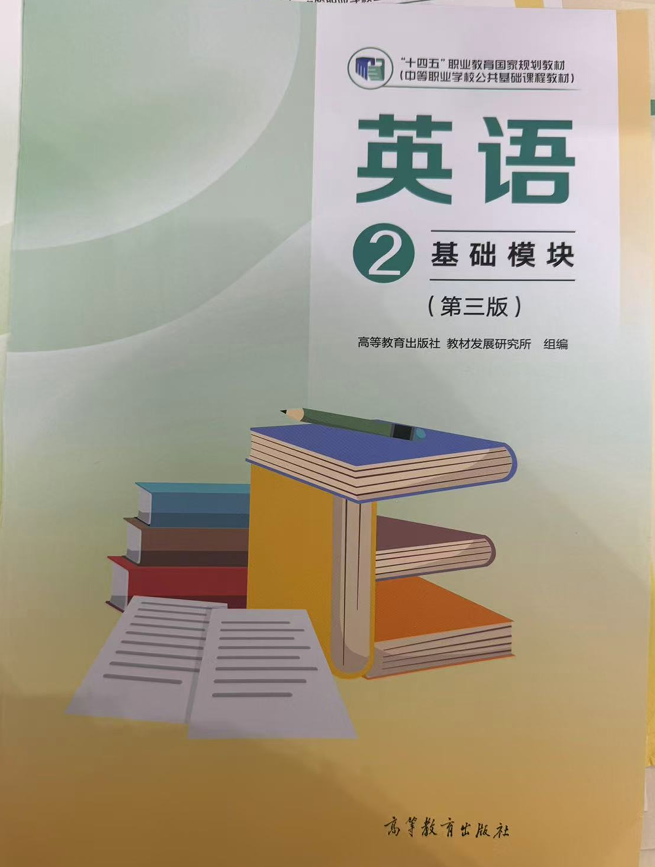
Unit 8 Green Earth(A卷·基础巩固)《英语 基础模块2》(高教版第三版)单元过关卷(原卷版+解析版)
2026-09-08
|
2份
|
16页
|
20人阅读
|
0人下载
摘要:
**基本信息**
紧扣《英语 基础模块2》Unit 8 Green Earth核心考点,以环保实践(如二手购物、蚂蚁森林)为情境,A卷侧重基础巩固,适配单元复习,提升语言应用与环保意识。
**题型特征**
|题型|题量/分值|知识覆盖|命题特色|
|----|-----------|----------|----------|
|完形填空|10题/20分|词汇辨析(如reduce, planted)|情境贴近生活,考查绿色生活核心词汇|
|语法填空|10题/15分|语法(定语从句that、介词from)|结合废物利用案例,强化语法在环保主题中的应用|
|阅读理解|12题/30分|环保活动(植树、湿地保护)|选用Zhong Lin治沙等真实案例,培养信息提取与推理能力|
|补全对话|5题/15分|日常环保对话|贴近生活场景,提升跨文化交际能力|
|阅读回答问题|5题/20分|环保志愿者行动|基于Hanshuiyuan村护河案例,考查语言表达与思维品质|
内容正文:
编写说明:本套试卷紧扣《英语 基础模块2》(高教版第三版)教材,以教材单元为基准精准覆盖核心考点。每个单元设置AB卷,A卷为基础巩固卷,侧重基础考点训练,帮助学生扎实掌握知识要点;B卷为能力提升卷,注重知识整合与全面检测,引导学生构建知识网络。全书设计4份综合测试卷,模拟实战情境,聚焦解题能力突破,全面提升应试能力与知识应用水平。
《英语 基础模块2》(高教版第三版)《单元过关卷》
Unit 8 Green Earth
A卷·基础巩固
考试时间:60分钟 满分:100分
班级_____姓名_____学号_____成绩_____
第Ⅰ卷 客观题(共80分)
Ⅰ. 完形填空(1—10题,每题2分,共20分)
阅读下面短文,掌握大意,然后从每题所给的四个选项中选出最佳选项。
Youthful green choices are becoming part of daily ____1____. Many young consumers ____2____ their own cups to coffee shops and choose clothes made from eco-friendly materials.
Some buy second-hand goods because they cost less and can ____3____ waste. On a second-hand app, buyers check photos and reviews before they make an ____4____.
Volunteers also run charity stores. Donated clothes, books, toys and crafts are sold, and the money ____5____ charity work. Food choices can help too.
Some people order small ____6____ when they eat out. They save money and leave less food behind. Online tools make green action easy.
On Ant Forest, walking or taking the subway gives users green energy ____7____. When enough points are collected, a tree can be ____8____ in a dry area.
These small actions may seem simple, but many people doing them can make a big ____9____. Green living is not only about buying new products.
It is also about using things carefully, sharing them, and ____10____ waste. It can save money, help neighbors, and make people feel proud when they care for the place where they live every day. Young people are showing that a greener life can be practical, modern, and enjoyable together.
1.A.life
B.price
C.noise
D.shape
2.A.lose
B.carry
C.break
D.sell
3.A.make
B.find
C.reduce
D.hide
4.A.office
B.order
C.orange
D.offer
5.A.supports
B.starts
C.stops
D.shares
6.A.rooms
B.portions
C.points
D.plants
7.A.stories
B.colors
C.points
D.bottles
8.A.sold
B.closed
C.painted
D.planted
9.A.difference
B.mistake
C.question
D.journey
10.A.collecting
B.avoiding
C.repairing
D.opening
【答案】
1.A 2.B 3.C 4.D 5.A 6.B 7.C 8.D 9.A 10.B
【导语】
本文是一篇说明文,介绍年轻人通过自带杯子、购买二手物品、选择小份食物和使用线上工具等方式践行绿色生活。
【详解】
1.考查名词词义;句意:绿色选择正成为日常生活的一部分。life生活;price价格;noise噪音;shape形状。part of daily life为固定表达,选A。
2.考查动词词义;句意:许多年轻消费者带着自己的杯子去咖啡店。lose丢失;carry携带;break打破;sell出售。与their own cups搭配,选B。
3.考查动词词义;句意:购买二手物品可以减少浪费。make制造;find找到;reduce减少;hide隐藏。环保语境中reduce waste合理,选C。
4.考查名词词义;句意:买家查看照片和评价后再出价。office办公室;order订单;orange橙子;offer出价。make an offer表示出价,选D。
5.考查动词词义;句意:所得的钱支持慈善工作。supports支持;starts开始;stops停止;shares分享。钱用于支持慈善,选A。
6.考查名词词义;句意:有些人外出吃饭时点小份食物。rooms房间;portions份;points点;plants植物。small portions表示小份,选B。
7.考查名词词义;句意:步行或乘地铁可以获得绿色能量积分。stories故事;colors颜色;points积分;bottles瓶子。green energy points为固定表达,选C。
8.考查动词词义;句意:积分足够时,可以在干旱地区种树。sold出售;closed关闭;painted绘画;planted种植。与a tree搭配,选D。
9.考查名词词义;句意:许多人一起行动可以带来很大的影响。difference差异、影响;mistake错误;question问题;journey旅程。make a big difference表示产生很大影响,选A。
10.考查动名词词义;句意:绿色生活还包括认真使用物品、分享物品和避免浪费。collecting收集;avoiding避免;repairing修理;opening打开。avoid waste符合环保语境,选B。
Ⅱ. 语法填空(11—20题,每题1.5分,共15分)
阅读下面短文,从方框中选择适当的词填空,使短文完整通顺。每个词限用一次。
A. makes
B. that
C. his
D. from E. these
Three young people in China are making new things from old waste. It is these young people ____11____ bring new life to waste. Gao Chao from Shenzhen makes strong bags ____12____ old bicycle tires. Her factory recycles over 3,000 tires every month. In Foshan, Lun Jiayu turns old drink bottles and fishing nets into hats and bags. In Chengdu, Ren Yao ____13____ light and strong bicycles from bamboo. He rode his bamboo bike 2,600 km to Xizang. Now many people buy ____14____ bikes. ____15____ green products are good for our earth.
【答案】
11.B 12.D 13.A 14.C 15.E
【导语】
本文是一篇记叙文,讲述世界环境日“终结塑料污染”主题下,深圳高超用旧轮胎做背包、佛山伦嘉瑜用废瓶做袋帽、成都任尧做竹自行车等年轻创业者变废为宝、推动绿色生活的故事。
【详解】
11. 考查强调句。句意:正是这些年轻人给废物带来了新生命。本句为强调句型 It is + 被强调部分 + that + 其余,that 是强调句的标志词,不可省略,故选 B。
12. 考查介词。句意:高超用旧自行车轮胎做结实的包。固定搭配 be made from 表示“由……制成”(看不出原材料),故选 D。
13. 考查动词时态(一般现在时)。句意:任尧用竹子做又轻又结实的自行车。主语 Ren Yao 为第三人称单数,一般现在时用 makes,故选 A。
14. 考查物主代词。句意:现在很多人买他的自行车。空格后是名词 bikes,用形容词性物主代词 his 修饰,指任尧的自行车,故选 C。
15. 考查指示代词。句意:这些绿色产品对我们的地球有好处。these 作定语修饰 green products,指上文提到的环保产品,故选 E。
阅读下面短文,在空白处填入1个适当单词或括号内单词的正确形式。
Shanghai is working hard to become a zero-waste city. In June, it made China’s first law for this work. Nearly 1,000 factories have started clean production ____16____ (project). Steel factories turn their waste into eco-friendly cat litter. Old drink bottles are recycled to make new bags ____17____ cups. The city has set up over 15,000 recycling points. ____18____ is the new law that makes all these changes possible. Household waste is sorted and reused ____19____ (careful). More people are becoming ____20____ (interest) in this green life. Shanghai shows us how to turn waste into treasure.
【答案】
16.projects 17.and 18.It 19.carefully 20.interested
【导语】
本文是一篇说明文,介绍上海建设“无废城市”的举措:制定首部地方法规、近千家企业启动清洁生产项目、设立一万多个回收点,把废物变成资源。
【详解】
16. 考查名词复数。句意:近千家工厂启动了清洁生产项目。project 是可数名词,此处泛指多个项目,用复数形式 projects。
17. 考查并列连词。句意:旧饮料瓶被回收,做成新的袋子和杯子。bags 与 cups 为并列关系,用 and 连接。
18. 考查强调句。句意:正是新法规使所有这些变化成为可能。It is + 被强调部分 + that + 其余 是强调句型,句首缺形式主语,故填 it。
19. 考查副词。句意:生活垃圾被仔细地分类和再利用。careful 的副词形式为 carefully,修饰动词 sorted 和 reused。
20. 考查形容词。句意:越来越多的人对这样的绿色生活感兴趣。固定搭配 be interested in 意为“对……感兴趣”,interest 的形容词形式为 interested。
Ⅲ. 阅读理解(21—32题,每题2.5分,共30分)
阅读下面三篇短文,从每题所给的四个选项中选出最佳选项。
Passage A
Read this volunteer notice about a green activity in NETDA. More than 50 families with children joined a tree-planting event. The notice explains the learning games, the green lessons and the help from enterprises. It also gives simple visitor advice. During the game, they act like springtime fairies and use picture cards to finish tasks. The activity joins tree planting with an ecological restoration plan for environmental damage compensation. It helps families understand nature and supports green development in Nantong. It welcomes young helpers.
Main activity: Families and children join tree planting and learn about green development.
Nature game: Young volunteers wear eco-friendly vests, explore the park, identify plants and animals, and collect puzzle cards.
Green lesson: They learn waste classification and plant conservation through practice.
Company help: Enterprise representatives donate trees to an ecological damage restoration base.
Restoration base: The base was established in 2023 and has completed several replanting projects.
Who may join: Children, families, corporations and other volunteers take part in green work.
Good advice: Follow the guide, protect plants, sort waste and leave the park clean.
21. What do families do in the main activity?
A.Plant trees together.
B.Build houses.
C.Paint animals.
D.Sell picture cards.
22. What do young volunteers collect in the nature game?
A.Tree seeds.
B.Puzzle cards.
C.Old books.
D.Water bottles.
23. Who may donate trees for the restoration project?
A.Only children.
B.Park visitors.
C.Enterprise representatives.
D.Tour guides.
24. What should volunteers do in the park?
A.Leave rubbish behind.
B.Touch every plant.
C.Ignore the guide.
D.Listen to the guide and keep the park clean.
【答案】
21.A 22.B 23.C 24.D
【导语】
本文是一篇应用文,介绍NETDA绿色志愿日的活动内容、参加人员和环保注意事项。
【详解】
21.细节理解题。根据表格“Main activity”中的“Families and children join tree planting and learn about green development”可知,家庭成员一起植树。故选A。
22.细节理解题。根据表格“Nature game”中的“collect puzzle cards”可知,年轻志愿者收集拼图卡。故选B。
23.细节理解题。根据表格“Company help”中的“Enterprise representatives donate trees”可知,企业代表捐赠树木。故选C。
24.细节理解题。根据表格“Good advice”中的“Follow the guide, protect plants, sort waste and leave the park clean”可知,志愿者应听从指导并保持公园整洁。故选D。
Passage B
Wetlands are important for people and nature. They hold water, help control floods, and provide homes for many plants and animals. China is taking stronger steps to protect and restore these places. The plan includes more wetlands of international importance and more international wetland cities. It also calls for a monitoring system for national wetland parks.
This system can collect information and check changes in the parks. In recent years, China has continued to improve wetland protection. The country now has 56.35 million hectares of wetlands. There are 82 wetlands of international importance, 58 wetlands of national importance, 903 national wetland parks and 13 international wetland cities.
These numbers show the wide range of places under protection. Wetland work needs clear rules and regular care. The plan covers parks. It connects protection with restoration. Different places may need different work, but all need regular attention.
Students can read the numbers and compare the four groups carefully. They can also discuss why a monitoring system is useful. Long-term protection needs clear plans, careful records and cooperation. When people understand the work, they may respect wetland parks and follow park rules. The protected places can remain part of China’s natural environment.
25. What can wetlands do according to the passage?
A.Make roads longer.
B.Hold water and help control floods.
C.Build more houses.
D.Stop all rain.
26. What is the monitoring system for?
A.To sell plants.
B.To teach people to swim.
C.To collect information and check changes.
D.To count visitors only.
27. How many national wetland parks does China have?
A.82.
B.58.
C.13.
D.903.
28. What does “these places” refer to in the first paragraph?
A.Wetlands.
B.Cities.
C.Schools.
D.Roads.
【答案】
25.B 26.C 27.D 28.A
【导语】
本文是一篇说明文,说明湿地对自然和人类的作用,以及中国在湿地保护、监测和公众参与方面的做法。
【详解】
25.细节理解题。根据第一段“They hold water, help control floods”可知,湿地能够蓄水并帮助控制洪水。故选B。
26.细节理解题。根据第二段“This system can collect information and check changes in the parks”可知,监测系统用于收集信息并检查公园中的变化。故选C。
27.细节理解题。根据第二段“There are ... 903 national wetland parks”可知,中国有903个国家湿地公园。故选D。
28.词义猜测题。第一段先介绍湿地的重要作用,随后说中国要保护和修复“these places”,因此these places指前文的wetlands(湿地)。故选A。
Passage C
Zhong Lin returned to Minqin county(民勤县) in Gansu in 2021 and started a tree-planting business. He wanted to help protect the green land near his hometown. Zhong felt that the younger generation should take up the work.
The work was difficult. The hard work tests his patience and careful planning too. After a sandstorm in March, only a few dozen of 500 new trees were still alive. Zhong did not give up. In 2022, he opened a Douyin account(账号) called “Xiao Zhong — Turning Desert into Green Land”. He posted short videos of his daily work.
More people then learned about tree planting in Minqin. In 2024, he joined a television farming show and planted trees with famous guests. After that, “Minqin Tree Planting” became a popular public activity, and many volunteers came to help. Zhong built simple steel houses for them. The houses later became a desert home base.
Zhong says thinking alone brings problems, but doing brings answers. He knows that one planting day cannot change a desert. Still, each living tree protects a small part of the oasis. He keeps sharing his work because he hopes more young people will see that caring for nature can be a real job. Ecological protection can be a mission(任务).
29. Where did Zhong Lin start his tree-planting business?
A.In Lanzhou.
B.In Beijing.
C.In Minqin county.
D.In a coastal city.
30. What happened after the sandstorm in March?
A.All 500 trees grew well.
B.Only a few dozen new trees survived.
C.The volunteers left the area.
D.The television show stopped.
31. Why did more people learn about Zhong’s work?
A.He posted short videos online.
B.He sold trees in a shop.
C.His parents wrote a book.
D.The desert became a city.
32. What does “take up the work” in the first paragraph mean?
A.Give up the work.
B.Pay for the work.
C.Watch the work.
D.Continue the work.
【答案】
29.C 30.B 31.A 32.D
【导语】
本文是一篇记叙文,讲述Zhong Lin回到甘肃民勤开展治沙植树、克服困难并带动更多志愿者参与环保行动的经历。
【详解】
29.细节理解题。根据第一句“returned to Minqin county in Gansu ... and started a tree-planting business”可知,他在甘肃民勤县开始植树生意。故选C。
30.细节理解题。根据第二段“only a few dozen of 500 new trees were still alive”可知,沙尘暴后500棵新树只剩几十棵存活。故选B。
31.细节理解题。根据第三段“He posted short videos of his daily work”可知,他在网上发布短视频,使更多人了解他的工作。故选A。
32.词义猜测题。结合上文许多年轻人离开以及Zhong认为年轻一代应当继续这项工作可知,take up the work意为“接手并继续做这项工作”。故选D。
Ⅳ. 补全对话(33—37题,每题3分,共15分)
阅读下面对话,从A—G七个选项中选出五个最佳选项,其中有两个多余选项。
A: Hi, Kate! The park looks much cleaner today.
B: Yes. Many students came to pick up rubbish this morning. ____33____
A: That’s a good way to protect the environment.
B: You’re right. ____34____
A: I usually take a cloth bag when I go shopping.
B: Nice! ____35____
A: Yes. Plastic bags are bad for the earth.
B: What else can we do?
A: ____36____
B: I will try that from today.
A: Great! ____37____
B: I hope so too.
A. We wanted to keep our city green and beautiful.
B. What do you usually do to go green?
C. Do you also refuse plastic bags?
D. We can save water and electricity at home.
E. When did the park open?
F. If everyone takes action, our earth will be better.
G. Why do you throw rubbish everywhere?
【答案】
33.A 34.B 35.C 36.D 37.F
【导语】
本篇是一则绿色环保情景对话。对话围绕清理公园垃圾展开:两人讨论保护环境的做法,如购物自带布袋、拒绝塑料袋、在家节约水电,并希望人人行动让地球更美好,体现同学关注绿色地球、践行环保的日常交际场景。
【详解】
33. 考查上下文逻辑衔接。句意:我们想让城市保持绿色美丽。前文说明许多学生早上来捡垃圾,本句解释行动目的,A 选项与环保主题一致。
34. 考查情景交际。句意:你通常做些什么来践行环保?下文 A 回答购物时带布袋,可知此处询问日常环保做法,B 选项与答语对应。
35. 考查情景交际。句意:你也拒绝使用塑料袋吗?下文 A 肯定并指出塑料袋对地球有害,说明此处在确认相关环保行为,C 选项承接语境。
36. 考查上下文逻辑衔接。句意:我们可以在家节约用水用电。上一句询问还能做什么,本句给出具体建议,D 选项直接回答问句。
37. 考查情景交际。句意:如果人人都行动起来,我们的地球会更好。前文 B 表示从今天开始尝试,本句表达共同愿望,后文 B 表示也希望如此,F 选项符合结尾用语。
第Ⅱ卷 主观题(共20分)
Ⅴ. 阅读下面短文,根据短文内容回答问题。(38—42题,每题4分,共20分)
In Hanshuiyuan village, Shaanxi, people volunteer to protect the source of the Hanjiang River. Ma Lijun and other volunteers spend weekends collecting rubbish left by visitors. In 2017, a local group formed a volunteer team for regular clean-up work.
Members meet in a WeChat group before they go out. They have seen less household waste and stronger care for the environment. Villager Zhang Jirong is also a riverkeeper. Zhang patrols the river every morning and afternoon. Zhang’s grandfather, Zhang Banggui, began the family tradition.
From 2003, he walked five kilometres along the riverbanks each day and picked up litter. He continued until his death in 2018. His effort encouraged more villagers to join. The village now has more than ten public service posts, and retired residents and young students also help.
The county government protects water quality with river projects and green work. Since the wetland park opened, many protection projects have been completed. The river water has kept a high quality in recent years. Community action and careful management help keep the water source clean for people downstream.
38. Where is Hanshuiyuan village?
________________________________________________
39. What do Ma Lijun and other volunteers do on weekends?
________________________________________________
40. When did the local photographic art association form its volunteer team?
________________________________________________
41. How often does Zhang Jirong patrol the river?
________________________________________________
42. What helps keep the water source clean?
________________________________________________
【答案】
38. In Shaanxi.
39. They collect rubbish left by visitors.
40. In 2017.
41. Every morning and afternoon.
42. Community action and careful management.
【导语】
本文是一篇记叙文,介绍陕西汉水源村民和志愿者清理垃圾、巡护汉江并共同保护水源的行动。
【详解】
38.考查细节理解。根据首句“In Hanshuiyuan village, Shaanxi”可知,汉水源村位于陕西。
39.考查事实提取。根据第一段“spend weekends collecting rubbish left by visitors”可知,他们在周末捡拾游客留下的垃圾。
40.考查时间信息。根据第一段“In 2017 ... formed a volunteer team”可知,志愿队成立于2017年。
41.考查细节理解。根据第二段“Zhang patrols the river every morning and afternoon”可知,Zhang Jirong每天早上和下午巡护河流。
42.考查信息概括。根据末段“Community action and careful management help keep the water source clean”可知,社区行动和细致管理共同保持水源清洁。
原创精品资源学科网独家享有版权,侵权必究!
原创精品资源学科网独家享有版权,侵权必究!
原创精品资源学科网独家享有版权,侵权必究!
学科网(北京)股份有限公司
$
编写说明:本套试卷紧扣《英语 基础模块2》(高教版第三版)教材,以教材单元为基准精准覆盖核心考点。每个单元设置AB卷,A卷为基础巩固卷,侧重基础考点训练,帮助学生扎实掌握知识要点;B卷为能力提升卷,注重知识整合与全面检测,引导学生构建知识网络。全书设计4份综合测试卷,模拟实战情境,聚焦解题能力突破,全面提升应试能力与知识应用水平。
《英语 基础模块2》(高教版第三版)《单元过关卷》
Unit 8 Green Earth
A卷·基础巩固
考试时间:60分钟 满分:100分
班级_____姓名_____学号_____成绩_____
第Ⅰ卷 客观题(共80分)
Ⅰ. 完形填空(1—10题,每题2分,共20分)
阅读下面短文,掌握大意,然后从每题所给的四个选项中选出最佳选项。
Youthful green choices are becoming part of daily ____1____. Many young consumers ____2____ their own cups to coffee shops and choose clothes made from eco-friendly materials.
Some buy second-hand goods because they cost less and can ____3____ waste. On a second-hand app, buyers check photos and reviews before they make an ____4____.
Volunteers also run charity stores. Donated clothes, books, toys and crafts are sold, and the money ____5____ charity work. Food choices can help too.
Some people order small ____6____ when they eat out. They save money and leave less food behind. Online tools make green action easy.
On Ant Forest, walking or taking the subway gives users green energy ____7____. When enough points are collected, a tree can be ____8____ in a dry area.
These small actions may seem simple, but many people doing them can make a big ____9____. Green living is not only about buying new products.
It is also about using things carefully, sharing them, and ____10____ waste. It can save money, help neighbors, and make people feel proud when they care for the place where they live every day. Young people are showing that a greener life can be practical, modern, and enjoyable together.
1.A.life
B.price
C.noise
D.shape
2.A.lose
B.carry
C.break
D.sell
3.A.make
B.find
C.reduce
D.hide
4.A.office
B.order
C.orange
D.offer
5.A.supports
B.starts
C.stops
D.shares
6.A.rooms
B.portions
C.points
D.plants
7.A.stories
B.colors
C.points
D.bottles
8.A.sold
B.closed
C.painted
D.planted
9.A.difference
B.mistake
C.question
D.journey
10.A.collecting
B.avoiding
C.repairing
D.opening
Ⅱ. 语法填空(11—20题,每题1.5分,共15分)
阅读下面短文,从方框中选择适当的词填空,使短文完整通顺。每个词限用一次。
A. makes
B. that
C. his
D. from E. these
Three young people in China are making new things from old waste. It is these young people ____11____ bring new life to waste. Gao Chao from Shenzhen makes strong bags ____12____ old bicycle tires. Her factory recycles over 3,000 tires every month. In Foshan, Lun Jiayu turns old drink bottles and fishing nets into hats and bags. In Chengdu, Ren Yao ____13____ light and strong bicycles from bamboo. He rode his bamboo bike 2,600 km to Xizang. Now many people buy ____14____ bikes. ____15____ green products are good for our earth.
阅读下面短文,在空白处填入1个适当单词或括号内单词的正确形式。
Shanghai is working hard to become a zero-waste city. In June, it made China’s first law for this work. Nearly 1,000 factories have started clean production ____16____ (project). Steel factories turn their waste into eco-friendly cat litter. Old drink bottles are recycled to make new bags ____17____ cups. The city has set up over 15,000 recycling points. ____18____ is the new law that makes all these changes possible. Household waste is sorted and reused ____19____ (careful). More people are becoming ____20____ (interest) in this green life. Shanghai shows us how to turn waste into treasure.
Ⅲ. 阅读理解(21—32题,每题2.5分,共30分)
阅读下面三篇短文,从每题所给的四个选项中选出最佳选项。
Passage A
Read this volunteer notice about a green activity in NETDA. More than 50 families with children joined a tree-planting event. The notice explains the learning games, the green lessons and the help from enterprises. It also gives simple visitor advice. During the game, they act like springtime fairies and use picture cards to finish tasks. The activity joins tree planting with an ecological restoration plan for environmental damage compensation. It helps families understand nature and supports green development in Nantong. It welcomes young helpers.
Main activity: Families and children join tree planting and learn about green development.
Nature game: Young volunteers wear eco-friendly vests, explore the park, identify plants and animals, and collect puzzle cards.
Green lesson: They learn waste classification and plant conservation through practice.
Company help: Enterprise representatives donate trees to an ecological damage restoration base.
Restoration base: The base was established in 2023 and has completed several replanting projects.
Who may join: Children, families, corporations and other volunteers take part in green work.
Good advice: Follow the guide, protect plants, sort waste and leave the park clean.
21. What do families do in the main activity?
A.Plant trees together.
B.Build houses.
C.Paint animals.
D.Sell picture cards.
22. What do young volunteers collect in the nature game?
A.Tree seeds.
B.Puzzle cards.
C.Old books.
D.Water bottles.
23. Who may donate trees for the restoration project?
A.Only children.
B.Park visitors.
C.Enterprise representatives.
D.Tour guides.
24. What should volunteers do in the park?
A.Leave rubbish behind.
B.Touch every plant.
C.Ignore the guide.
D.Listen to the guide and keep the park clean.
Passage B
Wetlands are important for people and nature. They hold water, help control floods, and provide homes for many plants and animals. China is taking stronger steps to protect and restore these places. The plan includes more wetlands of international importance and more international wetland cities. It also calls for a monitoring system for national wetland parks.
This system can collect information and check changes in the parks. In recent years, China has continued to improve wetland protection. The country now has 56.35 million hectares of wetlands. There are 82 wetlands of international importance, 58 wetlands of national importance, 903 national wetland parks and 13 international wetland cities.
These numbers show the wide range of places under protection. Wetland work needs clear rules and regular care. The plan covers parks. It connects protection with restoration. Different places may need different work, but all need regular attention.
Students can read the numbers and compare the four groups carefully. They can also discuss why a monitoring system is useful. Long-term protection needs clear plans, careful records and cooperation. When people understand the work, they may respect wetland parks and follow park rules. The protected places can remain part of China’s natural environment.
25. What can wetlands do according to the passage?
A.Make roads longer.
B.Hold water and help control floods.
C.Build more houses.
D.Stop all rain.
26. What is the monitoring system for?
A.To sell plants.
B.To teach people to swim.
C.To collect information and check changes.
D.To count visitors only.
27. How many national wetland parks does China have?
A.82.
B.58.
C.13.
D.903.
28. What does “these places” refer to in the first paragraph?
A.Wetlands.
B.Cities.
C.Schools.
D.Roads.
Passage C
Zhong Lin returned to Minqin county(民勤县) in Gansu in 2021 and started a tree-planting business. He wanted to help protect the green land near his hometown. Zhong felt that the younger generation should take up the work.
The work was difficult. The hard work tests his patience and careful planning too. After a sandstorm in March, only a few dozen of 500 new trees were still alive. Zhong did not give up. In 2022, he opened a Douyin account(账号) called “Xiao Zhong — Turning Desert into Green Land”. He posted short videos of his daily work.
More people then learned about tree planting in Minqin. In 2024, he joined a television farming show and planted trees with famous guests. After that, “Minqin Tree Planting” became a popular public activity, and many volunteers came to help. Zhong built simple steel houses for them. The houses later became a desert home base.
Zhong says thinking alone brings problems, but doing brings answers. He knows that one planting day cannot change a desert. Still, each living tree protects a small part of the oasis. He keeps sharing his work because he hopes more young people will see that caring for nature can be a real job. Ecological protection can be a mission(任务).
29. Where did Zhong Lin start his tree-planting business?
A.In Lanzhou.
B.In Beijing.
C.In Minqin county.
D.In a coastal city.
30. What happened after the sandstorm in March?
A.All 500 trees grew well.
B.Only a few dozen new trees survived.
C.The volunteers left the area.
D.The television show stopped.
31. Why did more people learn about Zhong’s work?
A.He posted short videos online.
B.He sold trees in a shop.
C.His parents wrote a book.
D.The desert became a city.
32. What does “take up the work” in the first paragraph mean?
A.Give up the work.
B.Pay for the work.
C.Watch the work.
D.Continue the work.
Ⅳ. 补全对话(33—37题,每题3分,共15分)
阅读下面对话,从A—G七个选项中选出五个最佳选项,其中有两个多余选项。
A: Hi, Kate! The park looks much cleaner today.
B: Yes. Many students came to pick up rubbish this morning. ____33____
A: That’s a good way to protect the environment.
B: You’re right. ____34____
A: I usually take a cloth bag when I go shopping.
B: Nice! ____35____
A: Yes. Plastic bags are bad for the earth.
B: What else can we do?
A: ____36____
B: I will try that from today.
A: Great! ____37____
B: I hope so too.
A. We wanted to keep our city green and beautiful.
B. What do you usually do to go green?
C. Do you also refuse plastic bags?
D. We can save water and electricity at home.
E. When did the park open?
F. If everyone takes action, our earth will be better.
G. Why do you throw rubbish everywhere?
第Ⅱ卷 主观题(共20分)
Ⅴ. 阅读下面短文,根据短文内容回答问题。(38—42题,每题4分,共20分)
In Hanshuiyuan village, Shaanxi, people volunteer to protect the source of the Hanjiang River. Ma Lijun and other volunteers spend weekends collecting rubbish left by visitors. In 2017, a local group formed a volunteer team for regular clean-up work.
Members meet in a WeChat group before they go out. They have seen less household waste and stronger care for the environment. Villager Zhang Jirong is also a riverkeeper. Zhang patrols the river every morning and afternoon. Zhang’s grandfather, Zhang Banggui, began the family tradition.
From 2003, he walked five kilometres along the riverbanks each day and picked up litter. He continued until his death in 2018. His effort encouraged more villagers to join. The village now has more than ten public service posts, and retired residents and young students also help.
The county government protects water quality with river projects and green work. Since the wetland park opened, many protection projects have been completed. The river water has kept a high quality in recent years. Community action and careful management help keep the water source clean for people downstream.
38. Where is Hanshuiyuan village?
________________________________________________
39. What do Ma Lijun and other volunteers do on weekends?
________________________________________________
40. When did the local photographic art association form its volunteer team?
________________________________________________
41. How often does Zhang Jirong patrol the river?
________________________________________________
42. What helps keep the water source clean?
________________________________________________
原创精品资源学科网独家享有版权,侵权必究!
原创精品资源学科网独家享有版权,侵权必究!
原创精品资源学科网独家享有版权,侵权必究!
学科网(北京)股份有限公司
$
资源预览图

1

2

3
由于学科网是一个信息分享及获取的平台,不确保部分用户上传资料的 来源及知识产权归属。如您发现相关资料侵犯您的合法权益,请联系学科网,我们核实后将及时进行处理。