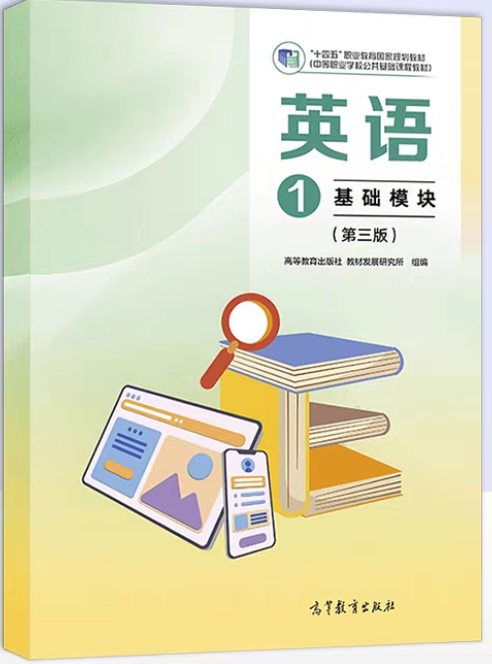
Unit 3 Shopping(B卷·能力提升)《英语 基础模块1》(高教版第三版)单元过关卷(原卷版+解析版)
2026-09-08
|
2份
|
15页
|
23人阅读
|
0人下载
摘要:
**基本信息**
《英语 基础模块1》(高教版第三版)Unit 3 Shopping B卷能力提升卷,紧扣教材核心考点,通过购物场景(二手衣物摊位、农贸市场等)整合语言知识与生活应用,适配中职单元复习,提升语言能力与思维品质。
**题型特征**
|题型|题量/分值|知识覆盖|命题特色|
|----|-----------|----------|----------|
|完形填空|10题/20分|购物场景词汇(size/fit/fix)|二手衣物摊位情境,考查语境理解与逻辑推理,体现思维品质|
|语法填空|20题/15分|be动词/连词/比较级|在线商店、校园展销情境,融合语法应用与信息提取,培养学习能力|
|阅读理解|12题/30分|细节理解/推理判断|农贸市场、折扣购物、移动支付真实语篇,提升文化意识与问题解决能力|
|补全对话|5题/15分|退换货交际用语|耳机退换真实对话,强化语言表达与交际策略,落实语言能力|
|回答问题|5题/20分|信息提取与概括|夜市购物指南,结合生活实际考查要点归纳,培养思维品质与学习能力|
内容正文:
编写说明:本套试卷紧扣《英语 基础模块1》(高教版第三版)教材,以教材单元为基准精准覆盖核心考点。
每个单元设置AB卷,A卷为基础巩固卷,侧重基础考点训练,帮助学生扎实掌握知识要点;B卷为能力提升卷,注重知识整合与全面检测,引导学生构建知识网络。全书设计4份综合测试卷,模拟实战情境,聚焦解题能力突破,全面提升应试能力与知识应用水平。
《英语 基础模块1》(高教版第三版)《单元过关卷》
Unit 3 Shopping
B卷·能力提升
考试时间:60分钟 满分:100分
班级_____姓名_____学号_____成绩_____
第Ⅰ卷 客观题(共80分)
Ⅰ. 完形填空(1—10题,每题2分,共20分)
阅读下面短文,掌握大意,然后从每题所给的四个选项中选出最佳选项。
Sun Mei helped at a second-hand clothes corner on Saturday. Before opening, she cleaned the table and put size cards on each coat. A student wanted a winter jacket. Sun Mei asked about colour and ____1____ first.
She showed two jackets. One was lighter, and the other felt ____2____. The student tried both. The dark one ____3____ better, but a button was loose. Sun Mei did not hide the problem. She helped ____4____ the button and told the truth about a small mark near the pocket.
The student chose that jacket because the price was fair. Later, a boy wanted five T-shirts because they were cheap. Sun Mei asked whether he really ____5____ so many. He took only two. An old woman returned an unused scarf. Sun Mei ____6____ it and put it back on the table. In the afternoon, rain began to fall. They covered the clothes with a sheet. A student came for a school bag. Sun Mei helped him ____7____ the zippers and the shoulder straps. When the stall closed, she felt ____8____. Her aunt said, "A good seller protects the buyer." Next week Sun Mei would ____9____ earlier and ____10____ one broken hanger so the coats would hang safely again. She wrote down every return and every honest warning in a small notebook, because trust, she learned, is part of every good sale.
1. A.music
B.weather
C.homework
D.size
2. A.warmer
B.louder
C.sweeter
D.softer
3. A.sang
B.jumped
C.fitted
D.cooked
4. A.paint
B.fix
C.throw
D.hide
5. A.feared
B.painted
C.climbed
D.needed
6. A.accepted
B.broke
C.burned
D.lost
7. A.sing
B.cook
C.check
D.wash
8. A.angry
B.proud
C.hungry
D.lost
9. A.sleep
B.fight
C.forget
D.arrive
10. A.replace
B.borrow
C.punish
D.translate
Ⅱ. 语法填空(11—20题,每题1.5分,共15分)
第一篇:从方框中选择恰当的词填空,每词限用一次。
A. the
B. but
C. them
D. is E. because
An online store sells notebooks made from recycled paper. The cover ____11____ strong, ____12____ the notebook is still light. Read ____13____ product description before ordering. Customers choose ____14____ according to size and colour. The store is popular ____15____ it gives clear information and accepts returns for damaged goods. It also shows customer ratings and answers questions about material. Buyers can compare two designs and select the one that fits their study habits. This makes online shopping more careful and reduces unnecessary waste. The store sends a confirmation message after each order and explains the expected delivery date. Customers can contact the seller if the package arrives late or damaged.
第二篇:阅读短文,在空白处填入1个适当单词或括号内单词的正确形式。
The school shop ____16____ (hold) a product display this Friday. Students ____17____ (compare) three bags and write down their features. Bag A is ____18____ (small) than Bag B, but Bag B is ____19____ (strong). Among the three, Bag C is the ____20____ (comfortable) for carrying books. The shop assistant asks visitors to read the labels carefully. Each label gives the material, price, and customer rating. Students should choose a bag that fits their real needs instead of buying the most expensive one. After the display, they will write short reviews and explain their choices.
Ⅲ. 阅读理解(21—32题,每题2.5分,共30分)
阅读下面三篇短文,从每题所给的四个选项中选出最佳选项。
Passage A
On a Saturday morning, Wang Lin walked to a neighborhood farmers market with a cloth bag. He needed green onions, tomatoes, bananas, and a jar of chili paste for a simple home-cooked meal. He had seen videos of foreign visitors buying food there at friendly prices.
Blueberries cost about six yuan a box, and strawberries were ten yuan for two packs. The vegetables still smelled of soil. A vendor picked firm tomatoes for him and offered to wash the green onions. Wang paid about fifty yuan for everything.
Later he wrote the prices in his phone so he could compare them next month. He also learned to bring a reusable bag and small change, though most vendors accepted phone payment as well. That evening Wang cooked the meal with his family. The tomatoes were sweet, and the chili paste added a warm taste. He felt proud that fifty yuan could feed three people well. The market, he decided, would be his first stop whenever he had time on weekends. On his next visit, he watched how vendors called out prices and how older shoppers chose the best eggs. Wang said learning these small skills made him feel more confident about cooking and spending money on his own.
21. What did Wang Lin need for his meal?
A.Green onions, tomatoes, bananas, and chili paste.
B.A school uniform and a phone.
C.Only ready-made dishes.
D.A taxi and a hotel room.
22. About how much did Wang pay for the food?
A.About 5 yuan.
B.About 500 yuan.
C.About 50 yuan.
D.About 5,000 yuan.
23. What did a vendor offer to do for the green onions?
A.Sell five shirts.
B.Mail them abroad.
C.Hide them in a box.
D.Wash them.
24. What can we infer from the paragraph about prices?
A.Wang will never cook at home.
B.Wang plans to compare prices again later.
C.Vendors refuse phone payment.
D.Markets are always closed on Saturday.
Passage B
Are discount stores good for daily shopping? I believe the answer is yes for many families, if they still compare quality with price. In recent years, more city shops have tried discount models for food and daily goods.
Some experts say value-oriented supermarkets will become more common. People of different ages now care about cost-effectiveness, not only low price tags on luxury goods. When money is tight, a cheaper soap or rice bag can still be a wise choice if it works well.
However, not every discount is a good deal. If a product breaks in a week, a slightly higher price for better quality may save more money later. Shoppers should read labels, check dates, and think about how long they will use an item.
Discount campaigns can help students buy notebooks, snacks, and cleaning products for school life. Still, a bright poster should not push you to buy ten bottles when you need two. Make a list, compare two shops, and choose what fits your real need.
In my view, discount shopping is not about buying more than others. It is about buying enough at a fair price. That is why I support clear discount rules and honest labels in every store, so young buyers can learn to spend wisely instead of chasing every sale sign.
25. What is the writer's main opinion?
A.Discount stores are never useful.
B.Only rich people need discounts.
C.All cheap goods are perfect.
D.Discount stores can help if buyers compare quality and price.
26. What should shoppers do before they buy a cheap product?
A.Read labels and check dates.
B.Never ask any questions.
C.Buy ten bottles at once.
D.Ignore how long they will use it.
27. What does the word "tight" in the passage probably mean?
A.充足的
B.快乐的
C.紧张的/不宽裕的
D.昂贵的
28. What is the writer's attitude toward wise discount shopping?
A.Angry.
B.Supportive.
C.Doubtful.
D.Uninterested.
Passage C
College students in China now use mobile phones to pay for food, books, and snacks on and around campus. A survey found that most students born in the 1990s used mobile payments, and many spent a large part of their daily money online.
Mobile payment is fast, but students still need clear steps before they buy. First, make a short list of what you truly need this week. Experts remind students to plan ahead and learn which things are necessary, so money is not wasted on sudden wants.
Second, read the full product page. Check size, price, and return days. Look at more than one photo. If the seller's words are unclear, ask a short question before you pay. Keep the order number and receipt on your phone.
When the package arrives, open it soon and take a photo if something is broken. Write a fair review after a few days of use. These steps take a little longer, but they help students save money, avoid regret, and shop with more confidence next time. Chen Lin, a first-year student, said she once bought three phone cases because a page looked cute. After she followed these steps, she bought only one case that truly fit her phone. "Planning first," she said, "is cheaper than fixing mistakes later."
29. What should students do first before online shopping?
A.Open every app for fun.
B.Make a short needs list.
C.Delete all receipts.
D.Pay without reading.
30. Why are reviews with problems useful?
A.They give free gifts.
B.They make photos brighter.
C.They hide addresses.
D.They show real use and risks.
31. What should you do if a package is broken?
A.Take a photo.
B.Throw it away at once.
C.Ignore the order number.
D.Change your address later.
32. What is the main idea?
A.Phones need no rules.
B.Star scores are enough.
C.Clear steps make phone shopping safer.
D.Students should never write reviews.
Ⅳ. 补全对话(33—37题,每题3分,共15分)
阅读下面对话,从A—G七个选项中选出五个最佳选项,其中有两个多余选项。
A. How long will the refund take?
B. I'd like to return these headphones. One ear doesn't work.
C. Do you still have the receipt?
D. Can I exchange them for the same model?
E. Thank you for your help.
F. Are they on sale this week?
G. Where is the fitting room?
A: Good afternoon. How may I help you?
B: ____33____
A: I see. ____34____
B: Yes. Here it is. I bought them last Saturday.
A: We can repair them free, or you may choose a refund.
B: ____35____
A: Sorry, this model is sold out today. A refund is safer.
B: All right. ____36____
A: It usually takes three to five days to your phone account.
B: ____37____
第Ⅱ卷 主观题(共20分)
Ⅴ. 阅读下面短文,根据短文内容回答问题。(38—42题,每题4分,共20分)
Night markets are becoming popular with young people in many Chinese cities. Some open on regular days, while others appear for a weekend pop-up fair with toys, handmade items, and snacks.
If you visit a night market, go with a friend and decide how much money you can spend. Write down two or three things you truly want to buy. Do not follow every bright stand just because the music is loud.
After you return home, note what you enjoyed and what you did not need. Next time you can make a better list and waste less. A night market should be fun, safe, and still fit your budget. In Haikou and other cities, students often visit night markets after class. They say the best visits start with a simple plan: set a time to leave, drink water if the weather is hot, and never buy food that smells bad even when the price looks low.
38. Who should you go with to a night market?
____________________________________________________________________
39. What should you decide before you shop?
____________________________________________________________________
40. What should you check before paying for food?
____________________________________________________________________
41. Why should you keep the receipt?
____________________________________________________________________
42. What should you note after you return home?
____________________________________________________________________
原创精品资源学科网独家享有版权,侵权必究!
原创精品资源学科网独家享有版权,侵权必究!
原创精品资源学科网独家享有版权,侵权必究!
学科网(北京)股份有限公司
$
编写说明:本套试卷紧扣《英语 基础模块1》(高教版第三版)教材,以教材单元为基准精准覆盖核心考点。
每个单元设置AB卷,A卷为基础巩固卷,侧重基础考点训练,帮助学生扎实掌握知识要点;B卷为能力提升卷,注重知识整合与全面检测,引导学生构建知识网络。全书设计4份综合测试卷,模拟实战情境,聚焦解题能力突破,全面提升应试能力与知识应用水平。
《英语 基础模块1》(高教版第三版)《单元过关卷》
Unit 3 Shopping
B卷·能力提升
考试时间:60分钟 满分:100分
班级_____姓名_____学号_____成绩_____
第Ⅰ卷 客观题(共80分)
Ⅰ. 完形填空(1—10题,每题2分,共20分)
阅读下面短文,掌握大意,然后从每题所给的四个选项中选出最佳选项。
Sun Mei helped at a second-hand clothes corner on Saturday. Before opening, she cleaned the table and put size cards on each coat. A student wanted a winter jacket. Sun Mei asked about colour and ____1____ first.
She showed two jackets. One was lighter, and the other felt ____2____. The student tried both. The dark one ____3____ better, but a button was loose. Sun Mei did not hide the problem. She helped ____4____ the button and told the truth about a small mark near the pocket.
The student chose that jacket because the price was fair. Later, a boy wanted five T-shirts because they were cheap. Sun Mei asked whether he really ____5____ so many. He took only two. An old woman returned an unused scarf. Sun Mei ____6____ it and put it back on the table. In the afternoon, rain began to fall. They covered the clothes with a sheet. A student came for a school bag. Sun Mei helped him ____7____ the zippers and the shoulder straps. When the stall closed, she felt ____8____. Her aunt said, "A good seller protects the buyer." Next week Sun Mei would ____9____ earlier and ____10____ one broken hanger so the coats would hang safely again. She wrote down every return and every honest warning in a small notebook, because trust, she learned, is part of every good sale.
1. A.music
B.weather
C.homework
D.size
2. A.warmer
B.louder
C.sweeter
D.softer
3. A.sang
B.jumped
C.fitted
D.cooked
4. A.paint
B.fix
C.throw
D.hide
5. A.feared
B.painted
C.climbed
D.needed
6. A.accepted
B.broke
C.burned
D.lost
7. A.sing
B.cook
C.check
D.wash
8. A.angry
B.proud
C.hungry
D.lost
9. A.sleep
B.fight
C.forget
D.arrive
10. A.replace
B.borrow
C.punish
D.translate
【答案】1.D 2.A 3.C 4.B 5.D 6.A 7.C 8.B 9.D 10.A
【导语】本文是记叙文,主要讲述孙梅在二手衣物摊如实介绍瑕疵、劝顾客按需购买并检查拉链的经过。
1.考查语境词义。句意:孙梅先询问颜色和尺码。A意为“音乐”;B意为“天气”;C意为“作业”;D意为“尺码”。size与colour并列,先问尺码。故选D。
2.考查语境词义。句意:另一件穿起来感觉更暖和。A意为“更暖”;B意为“更响”;C意为“更甜”;D意为“更软”。warmer符合冬衣语境。故选A。
3.考查语境词义。句意:深色那件更合身。A意为“唱”;B意为“跳”;C意为“合身”;D意为“煮”。fitted better表示更合身。故选C。
4.考查语境词义。句意:她帮忙修好了那颗扣子。A意为“油漆”;B意为“修好”;C意为“扔”;D意为“藏”。fix the button表示修好扣子。故选B。
5.考查语境词义。句意:她问男孩是否真的需要那么多件。A意为“害怕”;B意为“画”;C意为“爬”;D意为“需要”。needed so many表示是否真的需要那么多。故选D。
6.考查语境词义。句意:孙梅接受了退回的围巾并重新摆上架。A意为“接受”;B意为“打破”;C意为“烧”;D意为“丢失”。accepted表示接受退回。故选A。
7.考查语境词义。句意:她帮他检查拉链和肩带。A意为“唱”;B意为“煮”;C意为“检查”;D意为“洗”。check the zippers表示检查拉链。故选C。
8.考查语境词义。句意:收摊时她感到自豪。A意为“生气”;B意为“自豪”;C意为“饥饿”;D意为“迷路”。proud表示自豪。故选B。
9.考查语境词义。句意:下周她会更早到达。A意为“睡觉”;B意为“打架”;C意为“忘记”;D意为“到达”。arrive earlier表示更早到达。故选D。
10.考查语境词义。句意:她会更换一个坏掉的衣架。A意为“更换”;B意为“借”;C意为“惩罚”;D意为“翻译”。replace hanger表示更换衣架。故选A。
Ⅱ. 语法填空(11—20题,每题1.5分,共15分)
第一篇:从方框中选择恰当的词填空,每词限用一次。
A. the
B. but
C. them
D. is E. because
An online store sells notebooks made from recycled paper. The cover ____11____ strong, ____12____ the notebook is still light. Read ____13____ product description before ordering. Customers choose ____14____ according to size and colour. The store is popular ____15____ it gives clear information and accepts returns for damaged goods. It also shows customer ratings and answers questions about material. Buyers can compare two designs and select the one that fits their study habits. This makes online shopping more careful and reduces unnecessary waste. The store sends a confirmation message after each order and explains the expected delivery date. Customers can contact the seller if the package arrives late or damaged.
【答案】11.D 12.B 13.A 14.C 15.E
【导语】本文是说明文,主要介绍再生纸笔记本网店的产品材质、退货政策与顾客评价,并建议消费者比较设计以减少浪费。
【详解】
11.考查一般现在时第三人称单数。句意:封面很结实。主语The cover为单数,be动词用is。故填is。
12.考查转折连词。句意:但笔记本仍然很轻。前后构成转折,用but。故填but。
13.考查定冠词。句意:阅读商品说明。特指该商品的说明,用the。故填the。
14.考查人称代词宾格。句意:顾客根据尺码和颜色选择它们。choose后用宾格them。故填them。
15.考查原因连词。句意:商店受欢迎是因为信息清晰。because引出原因。故填because。
第二篇:阅读短文,在空白处填入1个适当单词或括号内单词的正确形式。
The school shop ____16____ (hold) a product display this Friday. Students ____17____ (compare) three bags and write down their features. Bag A is ____18____ (small) than Bag B, but Bag B is ____19____ (strong). Among the three, Bag C is the ____20____ (comfortable) for carrying books. The shop assistant asks visitors to read the labels carefully. Each label gives the material, price, and customer rating. Students should choose a bag that fits their real needs instead of buying the most expensive one. After the display, they will write short reviews and explain their choices.
【答案】16.holds 17.compare 18.smaller 19.stronger 20.most comfortable
【导语】本文是说明文,主要介绍学校商店通过展示并比较三个书包的尺码、结实程度与舒适度,引导学生按实际需求选购。
【详解】
16.考查一般现在时第三人称单数。句意:学校商店本周五举办展示。主语The school shop为单数,hold加-s。故填holds。
17.考查一般现在时。句意:学生比较三个包。主语Students为复数,使用原形compare。故填compare。
18.考查比较级。句意:A包比B包小。than前用small的比较级smaller。故填smaller。
19.考查比较级。句意:B包更结实。strong的比较级为stronger。故填stronger。
20.考查最高级。句意:C包是三者中最舒适的。三者比较用most comfortable。故填most comfortable。
Ⅲ. 阅读理解(21—32题,每题2.5分,共30分)
阅读下面三篇短文,从每题所给的四个选项中选出最佳选项。
Passage A
On a Saturday morning, Wang Lin walked to a neighborhood farmers market with a cloth bag. He needed green onions, tomatoes, bananas, and a jar of chili paste for a simple home-cooked meal. He had seen videos of foreign visitors buying food there at friendly prices.
Blueberries cost about six yuan a box, and strawberries were ten yuan for two packs. The vegetables still smelled of soil. A vendor picked firm tomatoes for him and offered to wash the green onions. Wang paid about fifty yuan for everything.
Later he wrote the prices in his phone so he could compare them next month. He also learned to bring a reusable bag and small change, though most vendors accepted phone payment as well. That evening Wang cooked the meal with his family. The tomatoes were sweet, and the chili paste added a warm taste. He felt proud that fifty yuan could feed three people well. The market, he decided, would be his first stop whenever he had time on weekends. On his next visit, he watched how vendors called out prices and how older shoppers chose the best eggs. Wang said learning these small skills made him feel more confident about cooking and spending money on his own.
21. What did Wang Lin need for his meal?
A.Green onions, tomatoes, bananas, and chili paste.
B.A school uniform and a phone.
C.Only ready-made dishes.
D.A taxi and a hotel room.
22. About how much did Wang pay for the food?
A.About 5 yuan.
B.About 500 yuan.
C.About 50 yuan.
D.About 5,000 yuan.
23. What did a vendor offer to do for the green onions?
A.Sell five shirts.
B.Mail them abroad.
C.Hide them in a box.
D.Wash them.
24. What can we infer from the paragraph about prices?
A.Wang will never cook at home.
B.Wang plans to compare prices again later.
C.Vendors refuse phone payment.
D.Markets are always closed on Saturday.
【答案】21.A 22.C 23.D 24.B
【导语】本文是记叙文,主要讲述王林在邻里菜场买便宜新鲜食材、摊主帮忙处理并回家做饭的经过。
【详解】
21.细节理解题。题意:王林需要什么食材?根据原文"green onions, tomatoes, bananas"(大葱、番茄、香蕉等)可知:A项与原文一致。故选A。
22.细节理解题。题意:大约付了多少?根据原文"about fifty yuan"(大约五十元)可知:C项与原文一致。故选C。
23.细节理解题。题意:摊主提出为大葱做什么?根据原文"wash the green onions"(清洗大葱)可知:D项与原文一致。故选D。
Passage B
Are discount stores good for daily shopping? I believe the answer is yes for many families, if they still compare quality with price. In recent years, more city shops have tried discount models for food and daily goods.
Some experts say value-oriented supermarkets will become more common. People of different ages now care about cost-effectiveness, not only low price tags on luxury goods. When money is tight, a cheaper soap or rice bag can still be a wise choice if it works well.
However, not every discount is a good deal. If a product breaks in a week, a slightly higher price for better quality may save more money later. Shoppers should read labels, check dates, and think about how long they will use an item.
Discount campaigns can help students buy notebooks, snacks, and cleaning products for school life. Still, a bright poster should not push you to buy ten bottles when you need two. Make a list, compare two shops, and choose what fits your real need.
In my view, discount shopping is not about buying more than others. It is about buying enough at a fair price. That is why I support clear discount rules and honest labels in every store, so young buyers can learn to spend wisely instead of chasing every sale sign.
25. What is the writer's main opinion?
A.Discount stores are never useful.
B.Only rich people need discounts.
C.All cheap goods are perfect.
D.Discount stores can help if buyers compare quality and price.
26. What should shoppers do before they buy a cheap product?
A.Read labels and check dates.
B.Never ask any questions.
C.Buy ten bottles at once.
D.Ignore how long they will use it.
27. What does the word "tight" in the passage probably mean?
A.充足的
B.快乐的
C.紧张的/不宽裕的
D.昂贵的
28. What is the writer's attitude toward wise discount shopping?
A.Angry.
B.Supportive.
C.Doubtful.
D.Uninterested.
【答案】25.D 26.A 27.C 28.B
【导语】本文是议论文,主要论述折扣店可在比较质量与价格后为日常购物省钱,但需避免冲动囤货。
【详解】
25.主旨题。题意:作者主要观点是什么?根据原文"if they still compare quality with price"(比较质量与价格后折扣店有帮助)可知:D项与原文一致。故选D。
26.细节理解题。题意:买便宜货前应做什么?根据原文"read labels, check dates"(阅读标签并查看日期)可知:A项与原文一致。故选A。
27.词义猜测题。题意:tight大概什么意思?根据原文"When money is tight"(手头紧/不宽裕)可知:C项与原文一致。故选C。
Passage C
College students in China now use mobile phones to pay for food, books, and snacks on and around campus. A survey found that most students born in the 1990s used mobile payments, and many spent a large part of their daily money online.
Mobile payment is fast, but students still need clear steps before they buy. First, make a short list of what you truly need this week. Experts remind students to plan ahead and learn which things are necessary, so money is not wasted on sudden wants.
Second, read the full product page. Check size, price, and return days. Look at more than one photo. If the seller's words are unclear, ask a short question before you pay. Keep the order number and receipt on your phone.
When the package arrives, open it soon and take a photo if something is broken. Write a fair review after a few days of use. These steps take a little longer, but they help students save money, avoid regret, and shop with more confidence next time. Chen Lin, a first-year student, said she once bought three phone cases because a page looked cute. After she followed these steps, she bought only one case that truly fit her phone. "Planning first," she said, "is cheaper than fixing mistakes later."
29. What should students do first before online shopping?
A.Open every app for fun.
B.Make a short needs list.
C.Delete all receipts.
D.Pay without reading.
30. Why are reviews with problems useful?
A.They give free gifts.
B.They make photos brighter.
C.They hide addresses.
D.They show real use and risks.
31. What should you do if a package is broken?
A.Take a photo.
B.Throw it away at once.
C.Ignore the order number.
D.Change your address later.
32. What is the main idea?
A.Phones need no rules.
B.Star scores are enough.
C.Clear steps make phone shopping safer.
D.Students should never write reviews.
【答案】29.B 30.D 31.A 32.C
【导语】本文是说明文,主要介绍学生使用手机支付网购前列清单、读说明、看评价并核对收货的注意事项。
【详解】
29.细节理解题。题意:网购前应先做什么?根据原文"make a short list"(列简短需求清单)可知:B项与原文一致。故选B。
30.细节理解题。题意:为何提到问题的评价也有用?根据原文"mention problems can be as helpful"(提到问题的评价同样有帮助)可知:D项与原文一致。故选D。
31.细节理解题。题意:包裹破损时应做什么?根据原文"take a photo if something is broken"(有破损就拍照)可知:A项与原文一致。故选A。
Ⅳ. 补全对话(33—37题,每题3分,共15分)
阅读下面对话,从A—G七个选项中选出五个最佳选项,其中有两个多余选项。
A. How long will the refund take?
B. I'd like to return these headphones. One ear doesn't work.
C. Do you still have the receipt?
D. Can I exchange them for the same model?
E. Thank you for your help.
F. Are they on sale this week?
G. Where is the fitting room?
A: Good afternoon. How may I help you?
B: ____33____
A: I see. ____34____
B: Yes. Here it is. I bought them last Saturday.
A: We can repair them free, or you may choose a refund.
B: ____35____
A: Sorry, this model is sold out today. A refund is safer.
B: All right. ____36____
A: It usually takes three to five days to your phone account.
B: ____37____
【答案】33.B 34.C 35.D 36.A 37.E
【导语】这是一段有关于退换货的对话,讲述了顾客因耳机故障办理退货,询问收据、是否可换同款及退款到账时间。
【详解】
33.考查情景交际与上下文衔接。句意:我想退掉这副耳机,一只耳机没声音。下句用I see承接并继续核对,B项直接说明退货原因。故选B。
34.考查情景交际与上下文衔接。句意:您还留着收据吗?下句用Yes并出示收据,C项是办理退货的必要核对。故选C。
35.考查情景交际与上下文衔接。句意:我能换一副同款吗?下句说明同款售罄、建议退款,D项提出换货请求。故选D。
36.考查情景交际与上下文衔接。句意:退款需要多长时间?下句回答三到五天到账,A项询问退款时效。故选A。
37.考查情景交际与上下文衔接。句意:谢谢您的帮助。上文已办妥退款说明,E项礼貌收尾。故选E。
第Ⅱ卷 主观题(共20分)
Ⅴ. 阅读下面短文,根据短文内容回答问题。(38—42题,每题4分,共20分)
Night markets are becoming popular with young people in many Chinese cities. Some open on regular days, while others appear for a weekend pop-up fair with toys, handmade items, and snacks.
If you visit a night market, go with a friend and decide how much money you can spend. Write down two or three things you truly want to buy. Do not follow every bright stand just because the music is loud.
After you return home, note what you enjoyed and what you did not need. Next time you can make a better list and waste less. A night market should be fun, safe, and still fit your budget. In Haikou and other cities, students often visit night markets after class. They say the best visits start with a simple plan: set a time to leave, drink water if the weather is hot, and never buy food that smells bad even when the price looks low.
38. Who should you go with to a night market?
____________________________________________________________________
39. What should you decide before you shop?
____________________________________________________________________
40. What should you check before paying for food?
____________________________________________________________________
41. Why should you keep the receipt?
____________________________________________________________________
42. What should you note after you return home?
____________________________________________________________________
【答案】38.With a friend. / Go with a friend. 39.How much money you can spend. / How much you can spend. 40.Food freshness and the price. / Check freshness and ask the price. 41.In case you may return a small item. / If you may return an item. 42.What you enjoyed and what you did not need.
【导语】本文是说明文,主要介绍年轻人逛夜市前应列清单、问价格、保管财物并控制预算的步骤。
【详解】
38.细节理解题。题意:Who should you go with to a night market?根据短文内容可定位作答。回答需使用英语且语义完整,可答:With a friend. / Go with a friend.
39.细节理解题。题意:What should you decide before you shop?根据短文内容可定位作答。回答需使用英语且语义完整,可答:How much money you can spend. / How much you can spend.
40.细节理解题。题意:What should you check before paying for food?根据短文内容可定位作答。回答需使用英语且语义完整,可答:Food freshness and the price. / Check freshness and ask the price.
41.细节理解题。题意:Why should you keep the receipt?根据短文内容可定位作答。回答需使用英语且语义完整,可答:In case you may return a small item. / If you may return an item.
42.细节理解题。题意:What should you note after you return home?根据短文内容可定位作答。回答需使用英语且语义完整,可答:What you enjoyed and what you did not need.
原创精品资源学科网独家享有版权,侵权必究!
原创精品资源学科网独家享有版权,侵权必究!
原创精品资源学科网独家享有版权,侵权必究!
学科网(北京)股份有限公司
$
资源预览图

1

2

3
由于学科网是一个信息分享及获取的平台,不确保部分用户上传资料的 来源及知识产权归属。如您发现相关资料侵犯您的合法权益,请联系学科网,我们核实后将及时进行处理。