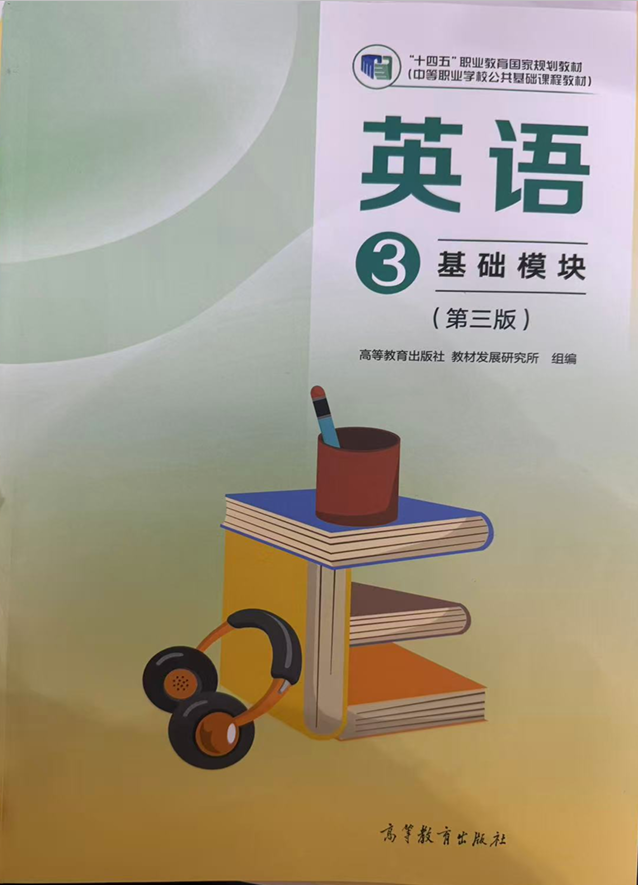
Unit 6 Living History of Culture(A卷·基础巩固)《英语 基础模块3》(高教版第三版)单元过关卷(原卷版+解析版)
2026-09-08
|
2份
|
19页
|
21人阅读
|
0人下载
摘要:
**基本信息**
紧扣《英语 基础模块3》Unit 6,A卷聚焦基础巩固,精准覆盖核心考点,适配单元复习场景,通过文化传承情境提升语言能力与文化意识。
**题型特征**
|题型|题量/分值|知识覆盖|命题特色|
|----|-----------|----------|----------|
|英语知识运用|25题/50分|词汇(如cultural treasures)、语法(定语从句that/which/who、时态语态)、交际用语|以文化场景(古镇、博物馆)为载体,考查基础语言运用,培养语言能力|
|阅读理解|10题/50分|传统文化(剪纸历史、文化遗产保护)|选取剪纸等非遗素材,设细节理解与推理题,渗透文化意识与思维品质|
内容正文:
编写说明:本套试卷紧扣《英语 基础模块3》(高教版第三版)教材,以教材单元为基准精准覆盖核心考点。
每个单元设置AB卷,A卷为基础巩固卷,侧重基础考点训练,帮助学生扎实掌握知识要点;B卷为能力提升卷,注重知识整合与全面检测,引导学生构建知识网络。全书设计4份综合测试卷,模拟实战情境,聚焦解题能力突破,全面提升应试能力与知识应用水平。
《英语 基础模块3》(高教版第三版)《单元过关卷》
Unit 6 Living History of Culture
A卷·基础巩固
考试时间:40分钟 满分:100分
班级 姓名 学号 成绩
一、英语知识运用:本题共25小题,每小题2分,共50分。在每小题给出的四个选项中,只有一项符合题目要求。
1. —What do you think of the ancient town?
—______. It shows our traditional culture.
A. It’s awful
B. It’s fantastic
C. That’s all right
D. You’re welcome
2. Many visitors come to enjoy cultural ______ in this old city every year.
A. treasures
B. secrets
C. memories
D. promises
3. —Would you like to visit the local museum with us this weekend?
—______. I’m interested in Chinese history.
A. I’m afraid not
B. Sure, I’d love to
C. Never mind
D. That’s too bad
4. The paper‑cutting is one of the traditional cultural ______ in China.
A. view
B. treasures
C. chance
D. effort
5. The book ______ tells us local folk stories is very popular among students.
A. what
B. that
C. who
D. whom
6. —Could you tell me something about Chinese clay art?
—______. Please listen carefully.
A. Of course
B. Enjoy yourself
C. Congratulations
D. Good luck
7. Lots of foreign tourists ______ to the ancient cultural site every year.
A. attract
B. are attracted
C. attracted
D. were attracting
8. The old man ______ is good at paper‑cutting comes from this village.
A. which
B. what
C. who
D. whose
9. We should show great respect ______ our traditional cultural heritage.
A. for
B. to
C. at
D. with
10. The museum ______ we visited last Sunday has many old cultural relics.
A. who
B. whom
C. which
D. what
11. This is the old house ______ many great artists once lived in.
A. whom
B. which
C. who
D. whose
12. We should protect traditional culture ______ of forgetting it.
A. instead
B. free of charge
C. because
D. according to
13. —How do you like visiting cultural museums?
—______. I can learn much about our history.
A. It’s terrible
B. It’s tiring
C. It’s meaningful
D. It’s strange
14. The guide talked about the folk art ______ has a long history of hundreds of years.
A. who
B. what
C. that
D. whose
15. It is necessary ______ us to learn more about our traditional culture.
A. learn
B. learning
C. to learn
D. learned
16.The old street ______ we visited last weekend is full of traditional handicrafts.
A. where B. which C. when D. why
17. I still remember the year ______ I first watched Peking Opera.
A. when B. which C. where D. whose
18. This is the museum ______ many ancient porcelain works are kept.
A. which B. that C. where D. when
19. The reason ______ I love paper-cutting is its bright and warm patterns.
A. when B. where C. which D. why
20. The master ______ we learned tea art from is over seventy years old.
A. whom B. which C. whose D. when
21. Guqin is an instrument ______ has a history of thousands of years.
A. whose B. that C. where D. when
22. The village ______ shadow puppetry was born attracts lots of tourists.
A. when B. why C. where D. which
23. I won’t forget the moment ______ I saw the huge Dragon Boat.
A. which B. when C. where D. whose
24. The young student ______ studies traditional painting won the culture prize.
A. which
B. whom
C. who
D. whose
25. —Would you mind not touching the old cultural relics?
—______. I won’t do that again.
A. Yes, please
B. Of course not
C. Sure
D. That’s OK, don’t worry
二、阅读理解:本题共10小题,每小题5分,共50分。在每小题给出的四个选项中,只有一项符合题目要求。
A
Nowadays, more and more young people begin to learn our traditional culture. Traditional cultural treasures are the living history of our nation, such as paper‑cutting, clay art, tea culture and old folk stories. Many vocational schools open culture courses for students.
However, some young people pay little attention to traditional culture. Some only show interest in foreign popular things and ignore our own folk art. Teachers often tell students that we should value our cultural heritage. They say we need to pass these wonderful treasures on to the young generations.
Good learning habits help us understand our culture better. If students take culture courses seriously and take part in folk‑art activities, they will know more about our history. More young people will love our traditional culture.
26. What are traditional cultural treasures according to the passage?
A. Modern new toys
B. The living history of our nation
C. High‑tech machines
D. Foreign popular clothes
27. Which of the following is NOT Chinese traditional cultural treasure?
A. Paper‑cutting
B. Clay art
C. Modern computer games
D. Tea culture
28. What is some young people’s problem?
A. They take all culture classes seriously
B. They ignore our own folk art
C. They take part in many folk activities
D. They respect cultural heritage
29. What do teachers tell students to do?
A. Value our cultural heritage
B. Only learn foreign culture
C. Forget old folk stories
D. Never join art activities
30. What is the main idea of the passage?
A. Young people should value and learn our traditional culture
B. How to make modern computer games
C. The history of foreign fashion
D. Different ways to buy cheap gifts
B
Chinese paper-cutting is a world-famous intangible cultural heritage with a history of more than 1,500 years. Long ago, people cut patterns on silk and leaves to record stories and express best wishes. Later, cheap paper appeared, and paper-cutting became popular among common people.
Most paper-cut works are used during traditional festivals like the Spring Festival. People stick colorful paper-cuts on windows and doors to welcome good luck. Common patterns include fish, peonies, dragons and children, each carrying special meanings. For example, fish stands for surplus every year.
Now this traditional art faces some challenges. Many young people know little about it and few are willing to learn the cutting skills. To protect this treasure, many museums hold paper-cut shows, and some vocational schools open related courses. Artists also create modern paper-cut works to attract young people.
Today, paper-cutting is widely introduced to foreign countries. It becomes a special cultural symbol of China and wins lots of fans around the world.
26. How many years of history does Chinese paper-cutting have?
A. Less than 1000 years
B. Over 1500 years
C. About 2000 years
D. Nearly 3000 years
27. When do people usually put paper-cuts on windows?
A. On New Year’s Day
B. During the Spring Festival
C. On Mid-Autumn Day
D. At Christmas
28. What does the pattern of fish mean in paper-cutting?
A. Good health
B. Good friendship
C. Surplus every year
D. A big family
29. What does the underlined word “intangible” mean in Chinese?
A. 有形的
B. 非物质的
C. 昂贵的
D. 古老的
30. Which of the following statement is TRUE?
A. Paper-cutting only appears in big museums
B. Few schools provide paper-cutting lessons
C. Modern paper-cut works lose all traditional meanings
D. Paper-cutting is popular with foreign visitors
学科网(北京)股份有限公司 (
1
)原创精品资源学科网独家享有版权,侵权必究!
学科网(北京)股份有限公司
$
编写说明:本套试卷紧扣《英语 基础模块3》(高教版第三版)教材,以教材单元为基准精准覆盖核心考点。
每个单元设置AB卷,A卷为基础巩固卷,侧重基础考点训练,帮助学生扎实掌握知识要点;B卷为能力提升卷,注重知识整合与全面检测,引导学生构建知识网络。全书设计4份综合测试卷,模拟实战情境,聚焦解题能力突破,全面提升应试能力与知识应用水平。
《英语 基础模块3》(高教版第三版)《单元过关卷》
Unit 6 Living History of Culture
A卷·基础巩固
考试时间:40分钟 满分:100分
班级 姓名 学号 成绩
一、英语知识运用:本题共25小题,每小题2分,共50分。在每小题给出的四个选项中,只有一项符合题目要求。
1. —What do you think of the ancient town?
—______. It shows our traditional culture.
A. It’s awful
B. It’s fantastic
C. That’s all right
D. You’re welcome
【答案】B
【详解】考察内容:交际用语(评价事物)
详解:句意:— 你觉得这座古镇怎么样?— 非常棒,它展现了我们的传统文化。It’s fantastic 极好的;It’s awful 糟糕的;That’s all right 没关系;You’re welcome 不客气。故选 B。
2. Many visitors come to enjoy cultural ______ in this old city every year.
A. treasures
B. secrets
C. memories
D. promises
【答案】A
【详解】考察内容:单元核心单词
详解:句意:每年很多游客来到这座古城欣赏文化瑰宝。cultural treasures 文化瑰宝;secret 秘密;memory 记忆;promise 承诺。故选 A。
3. —Would you like to visit the local museum with us this weekend?
—______. I’m interested in Chinese history.
A. I’m afraid not
B. That’s too bad
C. Never mind
D. Sure, I’d love to
【答案】D
【详解】考察内容:交际用语(接受邀请)
详解:句意:— 这周末你愿意和我们一起参观本地博物馆吗?— 当然,我很想去。我对中国历史很感兴趣。Sure, I’d love to 愉快接受邀请。故选 D。
4. The paper‑cutting is one of the traditional cultural ______ in China.
A. view
B. chance
C. treasures
D. effort
【答案】C
【详解】考察内容:单元固定短语 one of + 复数名词
详解:句意:剪纸是中国传统文化瑰宝之一。one of the + 形容词最高级 + 名词复数;treasure 瑰宝,复数 treasures。故选 C。
5. The book ______ tells us local folk stories is very popular among students.
A. what
B. that
C. who
D. whom
【答案】B
【详解】考察内容:定语从句(that 指代物,作主语)
详解:句意:那本讲述民间故事的书很受学生欢迎。先行词 the book 是事物,关系代词 that 在从句中作主语。故选 B。
6. —Could you tell me something about Chinese clay art?
—______. Please listen carefully.
A. Of course
B. Enjoy yourself
C. Congratulations
D. Good luck
【答案】A
【详解】考察内容:交际用语(答应请求)
详解:句意:— 你能给我讲讲中国泥塑艺术吗?— 当然,请认真听。Of course 当然。故选 A。
7. Lots of foreign tourists ______ to the ancient cultural site every year.
A. attract
B. are attracted
C. attracted
D. were attracting
【答案】B
【详解】 考察内容:一般现在时被动语态
详解:句意:每年大量外国游客被吸引来到这个古老文化遗址。visitors 与 attract 被动关系,are attracted。故选 B。
8. The old man ______ is good at paper‑cutting comes from this village.
A. which
B. what
C. who
D. whose
【答案】C
【详解】考察内容:定语从句(who 指代人,作主语)
详解:句意:擅长剪纸的那位老人来自这个村子。先行词 the old man 指人,关系代词 who 作从句主语。故选 C。
9. We should show great respect ______ our traditional cultural heritage.
A. for
B. to
C. at
D. with
【答案】A
【详解】1. 考察内容:固定搭配 show respect for 对…… 表示尊重
详解:句意:我们应当尊重我们的传统文化遗产。show respect for sth. 固定搭配。故选 A。
10. The museum ______ we visited last Sunday has many old cultural relics.
A. who
B. whom
C. which
D. what
【答案】C
【详解】考察内容:定语从句(which 指代物,作宾语)
详解:句意:我们上周日参观的博物馆有很多古老文物。先行词 the museum 指物,which 在从句中作 visited 的宾语。故选 C。
11. This is the old house ______ many great artists once lived in.
A. whom
B. which
C. who
D. whose
【答案】B
【详解】考察内容:定语从句(which 指代物,介词后作宾语)
详解:句意:这就是很多伟大艺术家曾经居住过的老房子。先行词 the old house 指物,which 作介词 in 的宾语。故选 B。
12. We should protect traditional culture ______ of forgetting it.
A. instead
B. free of charge
C. because
D. according to
【答案】A
【详解】考察内容:单元短语 instead of 代替,而不是
详解:句意:我们应当保护传统文化,而不是遗忘它。instead of doing sth. 而不是做某事。故选 A。
13. —How do you like visiting cultural museums?
—______. I can learn much about our history.
A. It’s terrible
B. It’s tiring
C. It’s meaningful
D. It’s strange
【答案】C
【详解】考察内容:交际用语(评价活动)
详解:句意:— 参观文化博物馆感觉怎么样?— 很有意义,我可以学到很多关于我们历史的知识。meaningful 有意义的。故选 C。
14. The guide talked about the folk art ______ has a long history of hundreds of years.
A. who
B. what
C. that
D. whose
【答案】C
【详解】考察内容:定语从句(that 指代 folk art 事物,作主语)
详解:句意:导游介绍了拥有数百年悠久历史的民间艺术。先行词 folk art 为事物,that 在从句作主语。故选 C。
15. It is necessary ______ us to learn more about our traditional culture.
A. learn
B. learning
C. to learn
D. learned
【答案】C
【详解】考察内容:重点句型 It is +adj.+for sb. to do sth.
详解:it 作形式主语,真正主语为不定式 to learn。句意:更多地了解传统文化对我们很有必要。故选 C。
16. 1.The old street ______ we visited last weekend is full of traditional handicrafts.
A. where B. which C. when D. why
【答案】B
【详解】句意:我们上周末参观的老街摆满传统手工艺品。
解析:先行词 the old street 指物,从句缺宾语,用关系代词 which,选 B。
17. I still remember the year ______ I first watched Peking Opera.
A. when B. which C. where D. whose
【答案】A
【详解】句意:我依然记得第一次看京剧的那一年。
解析:先行词 the year 表时间,从句作时间状语,用关系副词 when,选 A。
18. This is the museum ______ many ancient porcelain works are kept.
A. which B. that C. where D. when
【答案】 C
【详解】句意:这就是存放众多古瓷器的博物馆。
解析:先行词 museum 表地点,从句作地点状语,用 where,选 C。
19. The reason ______ I love paper-cutting is its bright and warm patterns.
A. when B. where C. which D. why
【答案】 D
【详解】句意:我喜爱剪纸的原因是它色彩明快、纹样温暖。
解析:先行词 the reason 表原因,从句作原因状语,用 why,选 D。
20. The master ______ we learned tea art from is over seventy years old.
A. whom B. which C. whose D. when
【答案】 A
【详解】句意:我们学习茶道的老师傅已经七十多岁了。
解析:先行词 the master 指人,介词 from 后用宾格 whom,选 A。
21. Guqin is an instrument ______ has a history of thousands of years.
A. whose B. that C. where D. when
【答案】B
【详解】句意:古琴是拥有数千年历史的乐器。
解析:先行词 instrument 指物,从句缺少主语,that 可指代事物作主语,选 B。
22. The village ______ shadow puppetry was born attracts lots of tourists.
A. when B. why C. where D. which
【答案】 C
【详解】句意:皮影戏发源地的村庄吸引大量游客。
解析:先行词 village 表地点,从句作地点状语,用 where,选 C。
23. I won’t forget the moment ______ I saw the huge Dragon Boat.
A. which B. when C. where D. whose
【答案】B
【详解】句意:我永远不会见到巨型龙舟的那一刻。
解析:先行词 moment 表时间,从句作时间状语,用 when,选 B。
24. The young student ______ studies traditional painting won the culture prize.
A. which
B. whom
C. who
D. whose
【答案】C
【详解】考察内容:定语从句(who 指代人 the young student,作主语)
详解:句意:学习传统绘画的这名青年学生获得了文化奖项。先行词 student 指人,who 在从句作主语。故选 C。
25. —Would you mind not touching the old cultural relics?
—______. I won’t do that again.
A. Yes, please
B. Of course not
C. Sure
D. That’s OK, don’t worry
【答案】B
【详解】考察内容:交际用语 Would you mind…? 应答
详解:句意:— 你介意不要触摸古老文物吗?— 当然不介意,我再也不会这样做。Of course not 表示不介意。故选 B。
二、阅读理解:本题共10小题,每小题5分,共50分。在每小题给出的四个选项中,只有一项符合题目要求。
A
Nowadays, more and more young people begin to learn our traditional culture. Traditional cultural treasures are the living history of our nation, such as paper‑cutting, clay art, tea culture and old folk stories. Many vocational schools open culture courses for students.
However, some young people pay little attention to traditional culture. Some only show interest in foreign popular things and ignore our own folk art. Teachers often tell students that we should value our cultural heritage. They say we need to pass these wonderful treasures on to the young generations.
Good learning habits help us understand our culture better. If students take culture courses seriously and take part in folk‑art activities, they will know more about our history. More young people will love our traditional culture.
26. What are traditional cultural treasures according to the passage?
A. Modern new toys
B. The living history of our nation
C. High‑tech machines
D. Foreign popular clothes
27. Which of the following is NOT Chinese traditional cultural treasure?
A. Paper‑cutting
B. Clay art
C. Modern computer games
D. Tea culture
28. What is some young people’s problem?
A. They take all culture classes seriously
B. They ignore our own folk art
C. They take part in many folk activities
D. They respect cultural heritage
29. What do teachers tell students to do?
A. Value our cultural heritage
B. Only learn foreign culture
C. Forget old folk stories
D. Never join art activities
30. What is the main idea of the passage?
A. Young people should value and learn our traditional culture
B. How to make modern computer games
C. The history of foreign fashion
D. Different ways to buy cheap gifts
【答案】26. B 27. C 28. B 29. A 30. A
【导语】本篇议论文,面向中职学生,围绕单元主题活的文化历史;谈及当代年轻人对待传统文化的现状,呼吁青年重视、学习中华传统文化。
26. 答案:B
考察内容:细节理解
详解:根据第一段 “Traditional cultural treasures are the living history of our nation”,传统文化瑰宝是我们民族活的历史。
27. 答案:C
考察内容:细节理解
详解:文中列举剪纸、泥塑、茶文化是传统文化瑰宝;modern computer games 现代电脑游戏不属于传统瑰宝。
28. 答案:B
考察内容:细节理解
详解:第二段 “Some only show interest in foreign popular things and ignore our own folk art.” 部分年轻人忽视本国民间艺术。
29. 答案:A
考察内容:细节理解
详解:文中 “Teachers often tell students that we should value our cultural heritage.” 老师告诉学生要珍视文化遗产。
30. 答案:A
考察内容:主旨大意
详解:全文主旨:年轻人应当珍视并学习我们的传统文化。
B
Chinese paper-cutting is a world-famous intangible cultural heritage with a history of more than 1,500 years. Long ago, people cut patterns on silk and leaves to record stories and express best wishes. Later, cheap paper appeared, and paper-cutting became popular among common people.
Most paper-cut works are used during traditional festivals like the Spring Festival. People stick colorful paper-cuts on windows and doors to welcome good luck. Common patterns include fish, peonies, dragons and children, each carrying special meanings. For example, fish stands for surplus every year.
Now this traditional art faces some challenges. Many young people know little about it and few are willing to learn the cutting skills. To protect this treasure, many museums hold paper-cut shows, and some vocational schools open related courses. Artists also create modern paper-cut works to attract young people.
Today, paper-cutting is widely introduced to foreign countries. It becomes a special cultural symbol of China and wins lots of fans around the world.
26. How many years of history does Chinese paper-cutting have?
A. Less than 1000 years
B. Over 1500 years
C. About 2000 years
D. Nearly 3000 years
27. When do people usually put paper-cuts on windows?
A. On New Year’s Day
B. During the Spring Festival
C. On Mid-Autumn Day
D. At Christmas
28. What does the pattern of fish mean in paper-cutting?
A. Good health
B. Good friendship
C. Surplus every year
D. A big family
29. What does the underlined word “intangible” mean in Chinese?
A. 有形的
B. 非物质的
C. 昂贵的
D. 古老的
30. Which of the following statement is TRUE?
A. Paper-cutting only appears in big museums
B. Few schools provide paper-cutting lessons
C. Modern paper-cut works lose all traditional meanings
D. Paper-cutting is popular with foreign visitors
【答案】31.B 32.B 33.C 34.B 35.D
【导语】文章大意:本文围绕中国剪纸展开,介绍剪纸悠久历史、节日用途、图案寓意、传承困境与文化对外传播。
文章释义:中国剪纸是享誉世界的非物质文化遗产,拥有 1500 多年历史。古时候人们在丝绸、树叶上刻图案记录故事、寄托美好祝愿;廉价纸张出现后,剪纸走入寻常百姓家。
剪纸作品多用于春节等传统节日,人们将彩色剪纸贴在门窗上祈求好运。常见纹样有鱼、牡丹、龙、孩童,各有寓意,其中鱼代表年年有余。
如今这门传统技艺面临传承难题:很多年轻人对它了解甚少,愿意学习剪纸手艺的人不多。为保护这项瑰宝,各地博物馆举办剪纸展览,部分职校开设剪纸课程;手工艺人也创作新式剪纸吸引青年群体。
现在剪纸走向全球,成为中国特色文化符号,收获大批海外爱好者。
【详解】
31. 细节理解题。原文第一句 with a history of more than 1,500 years,故选 B。
32. 细节理解题。文中提到 Most paper-cut works are used during traditional festivals like the Spring Festival,选 B。
33. 细节理解题。原文 fish stands for surplus every year,鱼寓意年年有余,选 C。
34. 词义猜测题。paper-cutting 属于手工民俗艺术,无实体实物载体,intangible 意为非物质的,选 B。
35. 判断正误题。文章说明剪纸深受外国人喜爱;A、B、C 均与原文表述相反,故选 D。
学科网(北京)股份有限公司 (
1
)原创精品资源学科网独家享有版权,侵权必究!
学科网(北京)股份有限公司
$
资源预览图

1

2

3
由于学科网是一个信息分享及获取的平台,不确保部分用户上传资料的 来源及知识产权归属。如您发现相关资料侵犯您的合法权益,请联系学科网,我们核实后将及时进行处理。