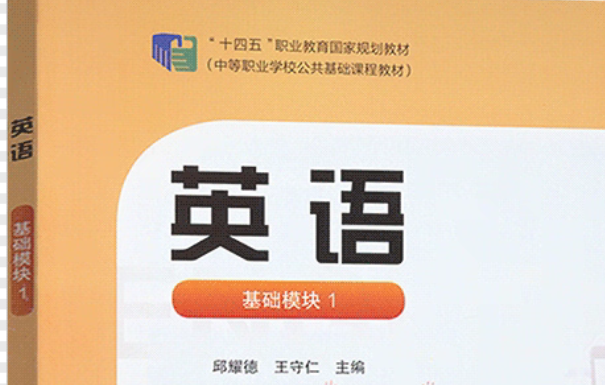
Unit 4 English Learning Tips(B卷·能力提升)《英语 基础模块1》(语文版2022版)单元过关卷(原卷版+解析版)
2026-08-31
|
2份
|
14页
|
34人阅读
|
0人下载
摘要:
**基本信息**
本试卷为《英语 基础模块1》(语文版2022版)Unit 4 B卷能力提升卷,聚焦英语学习技巧,通过多样化题型整合语言知识与应用能力,适配单元复习,助力提升学生语言能力与学习能力。
**题型特征**
|题型|题量/分值|知识覆盖|命题特色|
|----|-----------|----------|----------|
|阅读理解|5题/20分|英语学习技巧主旨与细节理解|以"职业学校学生英语学习"为情境,考查信息提取与主旨归纳,贴近学生实际,强化语言能力|
|补全对话|5题/20分|日常英语学习交流表达|模拟真实对话场景,考查交际策略与语言连贯性,提升语言运用的灵活性|
|完形填空|10题/40分|学习方法相关词汇与语法|通过短文整合词汇运用(如improve, methods)和语法(介词搭配、比较级),考查综合语言应用,培养思维品质|
|句子改错|10题/20分|语法(副词、形容词)与词汇(everyday/usefully)|针对常见学习错误设计,强化语言准确性,提升学习能力中的自我纠错意识|
内容正文:
编写说明:本套试卷紧扣《英语 基础模块1》(语文版2022版)教材,以教材单元为基准精准覆盖核心考点。
每个单元设置AB卷,A卷为基础巩固卷,侧重基础考点训练,帮助学生扎实掌握知识要点;B卷为能力提升卷,注重知识整合与全面检测,引导学生构建知识网络。全书设计4份综合测试卷,模拟实战情境,聚焦解题能力突破,全面提升应试能力与知识应用水平。
《英语 基础模块1》(语文版2022版)《单元过关卷》
Unit 4 English Learning Tips
B卷·能力提升
考试时间:40分钟 满分:100分
班级 姓名 学号 成绩
一、阅读理解:本题共5小题,每小题4分,共20分。在每小题给出的四个选项中,只有一项符合题目要求。
Many vocational school students want to improve their English, but they don’t know what to do. Here are some useful English learning tips for them.
First, don’t be afraid of making mistakes. Mistakes are part of learning. When you speak English, you may say some wrong words. Don’t feel shy. Just correct your mistakes and keep trying. Second, practice every day. You don’t need to spend lots of time on it. Fifteen or twenty minutes each day is enough. You can read English texts, listen to short English songs or read your class notes.
Third, take good notes in class. Write down important words and useful sentences. Before tests, you can review your notes. It will help you remember knowledge quickly. Fourth, use English in daily life. Try to speak English with your classmates. You can also repeat new words aloud in your free time.
Good English skills will bring us more chances in the future. No one can learn English well in one day. Keep practicing and you will make great progress step by step.
1. What is the main idea of this text?
A. Some useful tips for learning English well
B. How to make friends at vocational school
C. The importance of learning professional skills
D. How to take notes in different subjects
2. What should we do when we make mistakes in speaking English?
A. Keep quiet and never speak again
B. Correct mistakes and keep practicing
C. Give up learning English at once
D. Only remember new words
3. How much time does the writer advise us to practise English every day?
A. The whole day
B. Two or three hours
C. Fifteen or twenty minutes
D. Less than five minutes
4. Which of the following is NOT mentioned as a way to learn English?
A. Listen to short English songs
B. Review class notes
C. Repeat new words aloud
D. Watch long English movies all night
5. What can we learn from the last paragraph?
A. We can learn English well in one day.
B. We need to keep practicing to make progress.
C. Good skills bring us no chances for future jobs.
D. We should never spend time on English.
【答案】1.A 2.B 3.C 4.D 5.B
【导语】本篇阅读理解紧扣Unit 4 English Learning Tips(英语学习技巧)核心主题,文章从“不惧犯错、每日短时练习、课堂记笔记、生活运用英语”四个维度,介绍科学的英语学习方法。全文词汇简单、句式规整,以一般现在时为主,适配中职基础模块考情。题型全面覆盖细节理解、细节判断、主旨归纳、推理判断四大高频阅读考点,侧重考查学生定位原文信息、排除干扰选项、概括文章主旨的能力。
1. 【答案】A
【考点】主旨大意题(全文主旨概括)
【解析】主旨题需要通读全文,把握文章中心。文章首段直接点题“Here are some useful English learning tips for them.(这里有一些实用的英语学习技巧)”,后文分段介绍四种具体学习方法。B选项“交朋结友”、C选项“专业技能学习”、D选项“多学科记笔记”均未在文中提及,属于无中生有干扰项,只有A选项精准概括全文主旨。
2. 【答案】B
【考点】细节理解题(原文精准定位)
【解析】精准定位文章第二段关键句:“Don’t feel shy. Just correct your mistakes and keep trying.(不要害羞,改正错误并继续努力)”。A选项“闭口不言、不再开口”、C选项“立刻放弃英语”、D选项“只记新单词”均与原文倡导的学习理念完全相反,属于错误表述,因此选B。
3. 【答案】C
【考点】细节理解题(数字信息定位)
【解析】定位第二段原文:“Fifteen or twenty minutes each day is enough.(每天十五到二十分钟就足够了)”。文章倡导短时坚持、每日练习的学习理念,不建议长时间突击学习。ABD选项的时长均与原文数据不符,直接排除。
4. 【答案】D
【考点】细节判断题(三对一错、排除法)
【解析】本题为反向选择题,要求选出文中未提及的学习方法。原文依次提到:听英文短歌、复习课堂笔记、大声朗读新单词,对应ABC三项。D选项“通宵观看长篇英文电影”不仅未提及,也不符合科学的学习方式,属于错误干扰选项,故选D。
5. 【答案】B
【考点】推理判断题(段落主旨推理)
【解析】定位最后一段核心句:“No one can learn English well in one day. Keep practicing and you will make great progress step by step.(没有人能一夜学好英语,坚持练习才能循序渐进取得进步)”。A选项与原文完全相反;C选项“好技能没有就业机会”、D选项“不要花时间学英语”三观及表述均错误,因此B选项正确。
二、补全对话:本题共5小题,每小题4分,共20分。
(Tom and Li Hua are talking about ways to learn English.)
A: Hi, Li Hua! Your English is getting better and better. 6.________
B: Thank you. I try some new learning methods.
A: 7.________ I always meet many difficulties in English study.
B: Don’t worry. You shouldn’t be afraid of making mistakes.
A: OK. 8.________
B: Sure. You can take notes carefully in class and review them after class.
A: That sounds helpful. 9.________
B: You can also read short English articles in your free time.
A: Good idea. 10.________ Thank you for your advice.
B: You’re welcome. Keep practicing and you will improve soon.
A. Could you give me some more useful tips?
B. What else can I do to improve my English?
C. How do you make such great progress?
D. I will follow these methods from now on.
E. Why do you hate learning English so much?
F. But it is really hard for me to learn English well.
G. Do you want to give up your English study?
【答案】 6.C 7.F 8.A 9.B 10.D
【导语】本篇七选五对话围绕“交流英语学习方法、请教学习技巧”展开。对话情景贴近中职学生日常校园交流,句式简单地道、逻辑清晰。主要考查情景交际用语、上下文逻辑衔接、问答匹配、过渡语句运用。
6. 【答案】C
【考点】情景交际(问答匹配—询问进步原因)
【解析】空前句意:你的英语越来越好了。空后答句:谢谢,我尝试了一些新的学习方法。根据“夸赞进步+回答学习方法”的对话逻辑,此处必然是询问对方取得进步的方式。C选项“你是如何取得这么大进步的?”完美匹配答语。E、G为消极干扰选项,不符合友好交流的对话语境,直接排除。
7. 【答案】F
【考点】情景交际(上下文过渡—倾诉学习困境)
【解析】前文夸赞对方英语好,后文表述自己学英语有很多困难、害怕犯错。此处需要转折过渡句,衔接“别人学得好”和“自己学不好”的反差。F选项“但是对我来说学好英语真的很难”,起到转折过渡的作用,逻辑通顺,贴合学生真实学习状态。
8. 【答案】A
【考点】情景交际(请求建议)
【解析】空后答句“Sure.(当然可以)”是典型的答应请求的答语,且后文给出了具体的学习方法(认真记笔记、课后复习)。由此可判断,空格处是请求对方给自己提供学习建议。A选项“你能给我一些更实用的学习技巧吗?”符合问答逻辑。
9. 【答案】B
【考点】情景交际(追问补充方法)
【解析】上文已经得到“记笔记、复习笔记”的学习方法,空后又给出了新的方法“空闲时间读短篇英语文章”。说明此处是追问更多提升英语的方法。B选项“我还能做些什么来提升英语?”用于追问补充建议,语境贴合。
10. 【答案】D
【考点】情景交际(结尾总结、表态致谢)
【解析】对话结尾,听完所有学习建议后,空格后紧跟“谢谢你的建议”。此处需要表达接受建议、付诸行动的语句。D选项“从现在起我会遵循这些学习方法”,是对话结尾标准表态句式,收束全文,逻辑完整。
三、完形填空:本题共10小题,每小题4分, 共40分。
阅读下面短文,给出的四个选项中,只有一项符合题目要求。
English is very important for vocational school students. Many students want to ___11___their English, but they don’t have good learning ___12___. Here are some tips for them.
It is not wise to spend too much time on English in one day. You can practise it for a short time every day ___13___. When you learn new words, don’t just memorize them again and again. You can write down new words on your ___14___. Review your notes often, and you will remember them much ___15___.
Don’t be afraid ___16___ making mistakes. Mistakes can help us find our weak points. When you speak English, try your best to ___17___ more. You can listen to simple English materials in your ___18___time.
Learning English is not a fast trip. We need to keep trying day after day. When you meet ___19___, never give up. If you keep practicing, you will make great ___20___ little by little.
11. A. improve B. forget C. refuse D. doubt
12. A. subjects B. methods C. gifts D. signs
13. A. at last B. at once C. instead D. at all
14. A. notes B. gifts C. prizes D. seats
15. A. worse B. harder C. better D. slower
16. A. of B. for C. with D. to
17. A. speak B. sleep C. laugh D. cry
18. A. busy B. free C. full D. short
19. A. joys B. progress C. difficulties D. hobbies
20. A. mistakes B. progress C. noise D. fun
【答案】11.A 12.B 13.C 14.A 15.C 16.A 17.A 18.B 19.C 20.B
【篇章导语】本篇完形填空围绕单元核心主题“英语学习技巧”展开,文章语言浅显、逻辑层层递进,完全贴合中职一年级学情。重点考查单元核心词汇辨析、高频固定短语、介词搭配、副词辨析、语境逻辑推理。
11. 【答案】A
【考点】动词词义辨析(单元核心词汇)
【解析】improve (v.) 提升、改善;forget (v.) 忘记;refuse (v.) 拒绝;doubt (v.) 怀疑。结合全文英语学习的主题,学生的学习目标是提升英语能力,只有improve符合语境。句意:许多学生想要提升自己的英语水平,却没有好的学习方法。
12. 【答案】B
【考点】名词词义辨析(单元高频搭配)
【解析】learning methods 为单元必考固定搭配,意为“学习方法”。subject 学科、gift 礼物、sign 标志,均无法与learning搭配贴合本文语境。前文说学生想学好英语,转折说明缺少好的学习方法,逻辑通顺。
13. 【答案】C
【考点】副词词义辨析(语境逻辑转折)
【解析】instead 反而、取而代之;at last 最终;at once 立刻;at all 根本。前文说明“一天花大量时间突击学英语不明智”,后文提出替代方案“每天短时练习”,存在取舍替代的逻辑关系,instead精准适配该语境。
14. 【答案】A
【考点】名词语境辨析(单元核心场景词)
【解析】notes 笔记;gift 礼物;prize 奖品;seat 座位。结合前文学习场景,文中多次提及记笔记、复习笔记的学习方法,write down new words on your notes 意为“把新单词记在笔记上”,是标准英语学习方法,贴合主题。
15. 【答案】C
【考点】副词比较级用法(much修饰比较级)
【解析】much是中职高频修饰词,只能修饰形容词/副词比较级。结合学习常识,经常复习笔记,记忆效果会更好。better 更好;worse 更差;harder 更努力;slower 更慢。只有better符合学习语境与逻辑。
16. 【答案】A
【考点】固定介词搭配(单元必考短语)
【解析】be afraid of doing sth. 害怕做某事,是本单元核心必考固定短语,属于中职高频考点,固定搭配不可随意替换介词for/with/to。句意:不要害怕犯错。
17. 【答案】A
【考点】动词语境辨析(场景适配)
【解析】本文核心主题是英语口语学习,前文提到大胆开口、不惧犯错,因此此处是尽力多说英语。speak 说(语言);sleep 睡觉;laugh 笑;cry 哭。其余三个单词与英语学习场景完全无关,直接排除。
18. 【答案】B
【考点】形容词固定搭配(单元高频短语)
【解析】in one’s free time 为单元黄金高频短语,意为“在某人的空闲时间”。busy 忙碌的、full 满的、short 短的,均无法构成该固定搭配。句意:你可以在空闲时间听简单的英语素材练习听力。
19. 【答案】C
【考点】名词词义辨析(语境逻辑)
【解析】meet difficulties 遇到困难,是固定场景搭配。joy 快乐、progress 进步、hobby 爱好,均无法与“never give up(永不放弃)”构成逻辑呼应。句意:在学习中遇到困难时,永远不要放弃。
20. 【答案】B
【考点】固定短语搭配(单元核心重点)
【解析】make progress 取得进步,是本单元重中之重的固定短语,无复数、不可数。mistake 错误、noise 噪音、fun 乐趣,均不能与make构成该励志学习语境。句意:只要坚持练习,你就会一点点取得巨大进步。
四、句子改错:共10小题; 每小题2分,共20分。
21. Learning English everyday is very usefully for us. ________
【答案】usefully → useful
【考点】形容词副词句法功能辨析
【解析】本句为It is+adj.+for sb.句型,be动词后需接形容词作表语。usefully是副词,不能作表语,形容词形式为useful。句意:每天学习英语对我们非常有用。
22. She speaks English fluent and confidently. ________
【答案】fluent → fluently
【考点】副词修饰动词
【解析】修饰实义动词speaks必须用副词,fluent为形容词,副词形式为fluently,与confidently并列修饰动词。句意:她流利、自信地说英语。
23. The more you read, the good your oral English will be. ________
【答案】good → better
【考点】比较级固定句型
【解析】固定句型The+比较级,the+比较级(越……越……),good为原级,比较级为better。句意:你读得越多,你的英语口语就会越好。
24. It sounds greatly to learn English with partners. ________
【答案】greatly → great
【考点】感官系动词后接形容词
【解析】sound(听起来)是感官系动词,后接形容词作表语,greatly是副词,不能作表语。句意:和搭档一起学英语听起来很棒。
25. He is a carefully student who likes learning English. ________
【答案】carefully → careful
【考点】形容词修饰名词
【解析】修饰名词student必须用形容词,carefully是副词,形容词形式为careful。句意:他是一名热爱学英语的认真学生。
26. Practise English often can make your study more easy. ________
【答案】more easy → easier
【考点】单音节形容词比较级变形规则
【解析】easy为单音节形容词,比较级变形为不规则变形easier,不能加more。句意:经常练习英语能让你的学习更轻松。
27. She feels exciting when she learns new English words. ________
【答案】exciting → excited
【考点】-ed/-ing形容词辨析
【解析】exciting修饰事物(令人兴奋的),excited修饰人(感到兴奋的)。本句主语是人,用excited。句意:她学习新英语单词时感到很兴奋。
28. You should be patiently with your English study. ________
【答案】patiently → patient
【考点】be动词后接形容词作表语
【解析】be动词后需接形容词作表语,patiently是副词,形容词形式为patient(耐心的)。句意:你应该对自己的英语学习有耐心。
29. This is the most wise way to improve your English. ________
【答案】most wise → wisest
【考点】单音节形容词最高级变形
【解析】wise为单音节形容词,最高级直接加st,变形为wisest,无需加most。句意:这是提升英语最明智的方法。
30. He studies English hardly every day to make progress. ________
【答案】hardly → hard
【考点】易混副词词义辨析
【解析】hard(adv. 努力地);hardly(adv. 几乎不)。结合语境“努力学英语”,需用hard。句意:他每天努力学英语,争取取得进步。
学科网(北京)股份有限公司 (
1
)原创精品资源学科网独家享有版权,侵权必究!
学科网(北京)股份有限公司
$
编写说明:本套试卷紧扣《英语 基础模块1》(语文版2022版)教材,以教材单元为基准精准覆盖核心考点。
每个单元设置AB卷,A卷为基础巩固卷,侧重基础考点训练,帮助学生扎实掌握知识要点;B卷为能力提升卷,注重知识整合与全面检测,引导学生构建知识网络。全书设计4份综合测试卷,模拟实战情境,聚焦解题能力突破,全面提升应试能力与知识应用水平。
《英语 基础模块1》(语文版2022版)《单元过关卷》
Unit 4 English Learning Tips
B卷·能力提升
考试时间:40分钟 满分:100分
班级 姓名 学号 成绩
一、阅读理解:本题共5小题,每小题4分,共20分。在每小题给出的四个选项中,只有一项符合题目要求。
Many vocational school students want to improve their English, but they don’t know what to do. Here are some useful English learning tips for them.
First, don’t be afraid of making mistakes. Mistakes are part of learning. When you speak English, you may say some wrong words. Don’t feel shy. Just correct your mistakes and keep trying. Second, practice every day. You don’t need to spend lots of time on it. Fifteen or twenty minutes each day is enough. You can read English texts, listen to short English songs or read your class notes.
Third, take good notes in class. Write down important words and useful sentences. Before tests, you can review your notes. It will help you remember knowledge quickly. Fourth, use English in daily life. Try to speak English with your classmates. You can also repeat new words aloud in your free time.
Good English skills will bring us more chances in the future. No one can learn English well in one day. Keep practicing and you will make great progress step by step.
1. What is the main idea of this text?
A. Some useful tips for learning English well
B. How to make friends at vocational school
C. The importance of learning professional skills
D. How to take notes in different subjects
2. What should we do when we make mistakes in speaking English?
A. Keep quiet and never speak again
B. Correct mistakes and keep practicing
C. Give up learning English at once
D. Only remember new words
3. How much time does the writer advise us to practise English every day?
A. The whole day
B. Two or three hours
C. Fifteen or twenty minutes
D. Less than five minutes
4. Which of the following is NOT mentioned as a way to learn English?
A. Listen to short English songs
B. Review class notes
C. Repeat new words aloud
D. Watch long English movies all night
5. What can we learn from the last paragraph?
A. We can learn English well in one day.
B. We need to keep practicing to make progress.
C. Good skills bring us no chances for future jobs.
D. We should never spend time on English.
二、补全对话:本题共5小题,每小题4分, 共20分。
(Tom and Li Hua are talking about ways to learn English.)
A: Hi, Li Hua! Your English is getting better and better. 6.________
B: Thank you. I try some new learning methods.
A: 7.________ I always meet many difficulties in English study.
B: Don’t worry. You shouldn’t be afraid of making mistakes.
A: OK. 8.________
B: Sure. You can take notes carefully in class and review them after class.
A: That sounds helpful. 9.________
B: You can also read short English articles in your free time.
A: Good idea. 10.________ Thank you for your advice.
B: You’re welcome. Keep practicing and you will improve soon.
A. Could you give me some more useful tips?
B. What else can I do to improve my English?
C. How do you make such great progress?
D. I will follow these methods from now on.
E. Why do you hate learning English so much?
F. But it is really hard for me to learn English well.
G. Do you want to give up your English study?
三、完形填空:本题共10小题,每小题4分, 共40分。
阅读下面短文,给出的四个选项中,只有一项符合题目要求。
English is very important for vocational school students. Many students want to ___11___their English, but they don’t have good learning ___12___. Here are some tips for them.
It is not wise to spend too much time on English in one day. You can practise it for a short time every day ___13___. When you learn new words, don’t just memorize them again and again. You can write down new words on your ___14___. Review your notes often, and you will remember them much ___15___.
Don’t be afraid ___16___ making mistakes. Mistakes can help us find our weak points. When you speak English, try your best to ___17___ more. You can listen to simple English materials in your ___18___time.
Learning English is not a fast trip. We need to keep trying day after day. When you meet ___19___, never give up. If you keep practicing, you will make great ___20___ little by little.
11. A. improve B. forget C. refuse D. doubt
12. A. subjects B. methods C. gifts D. signs
13. A. at last B. at once C. instead D. at all
14. A. notes B. gifts C. prizes D. seats
15. A. worse B. harder C. better D. slower
16. A. of B. for C. with D. to
17. A. speak B. sleep C. laugh D. cry
18. A. busy B. free C. full D. short
19. A. joys B. progress C. difficulties D. hobbies
20. A. mistakes B. progress C. noise D. fun
四、句子改错:共10小题; 每小题2分,共20分。
21. Learning English everyday is very usefully for us. ________
22. She speaks English fluent and confidently. ________
23. The more you read, the good your oral English will be. ________
24. It sounds greatly to learn English with partners. ________
25. He is a carefully student who likes learning English. ________
26. Practise English often can make your study more easy. ________
27. She feels exciting when she learns new English words. ________
28. You should be patiently with your English study. ________
29. This is the most wise way to improve your English. ________
30. He studies English hardly every day to make progress. ________
学科网(北京)股份有限公司 (
1
)原创精品资源学科网独家享有版权,侵权必究!
学科网(北京)股份有限公司
$
资源预览图

1

2
由于学科网是一个信息分享及获取的平台,不确保部分用户上传资料的 来源及知识产权归属。如您发现相关资料侵犯您的合法权益,请联系学科网,我们核实后将及时进行处理。