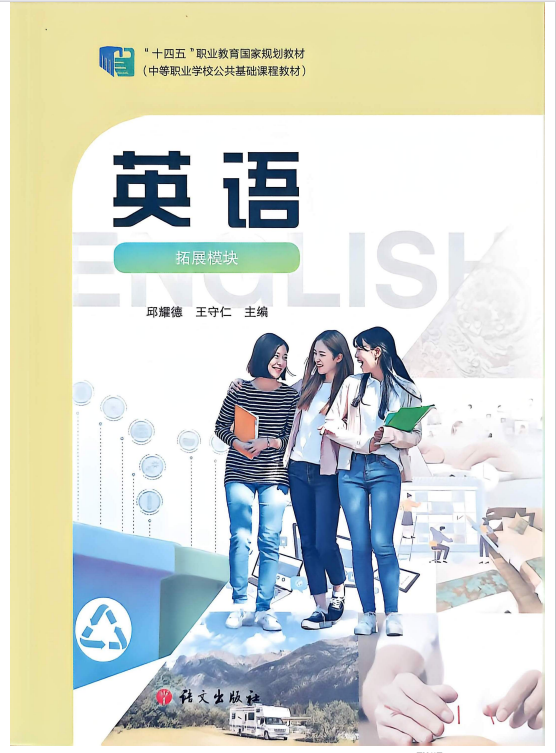
Unit 5 Chinese Cultural Heritage(B卷·能力提升)《英语 拓展模块》(语文版2022版)单元过关卷(原卷版+解析版)
2026-08-28
|
2份
|
21页
|
37人阅读
|
0人下载
内容正文:
编写说明:本套试卷紧扣《英语 拓展模块》(语文版2022版)教材,以教材单元为基准精准覆盖核心考点。
每个单元设置AB卷,A卷为基础巩固卷,侧重基础考点训练,帮助学生扎实掌握知识要点;B卷为能力提升卷,注重知识整合与全面检测,引导学生构建知识网络。全书设计4份综合测试卷,模拟实战情境,聚焦解题能力突破,全面提升应试能力与知识应用水平。
《英语 拓展模块》(语文版2022版)《单元过关卷》
Unit 5 Chinese Cultural Heritage
B卷·能力提升
考试时间:120分钟 满分:120分
班级_____姓名_____学号_____成绩_____
第一部分 英语知识运用(共四节,满分55分)
第一节 语音知识(共5小题;每小题1分,满分5分)
从A、B、C、D四个选项中,选出画线部分读音不同的一项。
1. A. nation
B. station
C. famous
D. ancestor
2. A. palace
B. paper
C. ancient
D. page
3. A. cherish
B. chance
C. technology
D. charm
4. A. watched
B. protected
C. helped
D. looked
5. A. wall
B. call
C. talk
D. national
【答案】1. D 2. A 3. C 4. B 5. D
【解析】
1.A、B、C中a多读/eɪ/;D. ancestor中a读/æ/,故选D。
2.B、C、D中a多读/eɪ/;A. palace中a读/æ/,故选A。
3.A、B、D中ch读/tʃ/;C. technology中ch读/k/,故选C。
4.A、C、D中ed读/t/;B. protected中ed读/ɪd/,故选B。
5.A、B、C中a读/ɔː/;D. national中a读/æ/,故选D。
第二节 单项选择(共25小题;每小题1分,满分25分)
6. Cultural heritage is the indicator of ways of living __________ from former generations.
A. inherited
B. inherit
C. inheriting
D. inherits
【答案】A
【解析】考查过去分词作后置定语。ways与inherit为被动关系。 故选A。
7. The Great Wall, __________ scenery varies with the seasons, attracts many tourists.
A. who
B. which
C. where
D. whose
【答案】D
【解析】考查定语从句。whose scenery表示“它的景色”。 故选D。
8. Not only buildings but also songs and oral history __________ cultural heritage.
A. is
B. was
C. are
D. be
【答案】C
【解析】考查not only...but also...就近原则,songs and oral history为复数概念。 故选C。
9. The poster was designed __________ more students could enjoy Peking Opera.
A. so that
B. even if
C. as soon as
D. unless
【答案】A
【解析】考查目的状语从句。 故选A。
10. If old skills disappear, it __________ difficult to bring them back.
A. is
B. will be
C. was
D. has been
【答案】B
【解析】考查条件状语从句。主将从现。 故选B。
11. The medicine smells __________, but some patients think it is useful.
A. bitter
B. bitterly
C. bitterness
D. bit
【答案】A
【解析】考查感官动词后接形容词作表语。 故选A。
12. The earlier children learn about heritage, the __________ they may value it.
A. deep
B. deepest
C. deeper than
D. more deeply
【答案】D
【解析】考查the+比较级,the+比较级结构。 故选D。
13. It is said __________ the total length of Beijing's hutongs may be very surprising.
A. what
B. that
C. who
D. where
【答案】B
【解析】考查主语从句。It is said that...。 故选B。
14. Historical sites should be repaired instead of __________ down carelessly.
A. pull
B. to pull
C. pulled
D. being pulled
【答案】D
【解析】考查instead of后接动名词,被动关系用being done。 故选D。
15. The guide explained __________ the Dujiang Dam was important to ancient people.
A. why
B. which
C. whose
D. whom
【答案】A
【解析】考查宾语从句连接词。why表示原因。 故选A。
16. Traditional culture will stay alive if young people keep __________ from it.
A. learn
B. to learn
C. learning
D. learned
【答案】C
【解析】考查keep doing sth.。 故选C。
17. The Great Wall is one of the most famous attractions __________ visitors should respect.
A. where
B. when
C. that
D. who
【答案】C
【解析】考查定语从句。先行词attractions指物,从句缺宾语,用that。 故选C。
18. The old building __________ before the repair plan was made.
A. studies
B. had been studied
C. has studied
D. will study
【答案】B
【解析】考查过去完成时的被动语态。 故选B。
19. Students are encouraged __________ interviews with inheritors of traditional skills.
A. do
B. doing
C. to do
D. done
【答案】C
【解析】考查be encouraged to do sth.。 故选C。
20. Neither quick fame nor high traffic __________ the real goal of cultural protection.
A. are
B. were
C. be
D. is
【答案】D
【解析】考查neither...nor...就近原则,traffic为不可数,谓语用is。 故选D。
21. __________ we protect cultural heritage today will influence future generations.
A. Where
B. How
C. Who
D. When
【答案】B
【解析】考查主语从句。how表示“如何”。 故选B。
22. The opera show is worth __________ because it helps students understand tradition.
A. watch
B. to watch
C. watching
D. watched
【答案】C
【解析】考查be worth doing。 故选C。
23. More effort should __________ into protecting cultural artifacts.
A. put
B. putting
C. to put
D. be put
【答案】D
【解析】考查被动语态。effort与put之间为被动关系。 故选D。
24. Only when people understand its value __________ heritage more actively.
A. they will protect
B. they protected
C. protect they will
D. will they protect
【答案】D
【解析】考查only+状语从句置前的部分倒装。 故选D。
25. A good poster is __________ clear that tourists can get the main information quickly.
A. such
B. so
C. too
D. enough
【答案】B
【解析】考查so...that...结构。 故选B。
26. The question __________ cultural heritage can be innovated is worth discussing.
A. who
B. where
C. whose
D. whether
【答案】D
【解析】考查同位语从句。whether说明question内容。 故选D。
27. The Forbidden City receives millions of visitors, __________ many are students.
A. among which
B. among whom
C. among where
D. among when
【答案】B
【解析】考查“介词+关系代词”。先行词visitors指人,用whom。 故选B。
28. The community had old photos __________ before the heritage exhibition opened.
A. collected
B. collect
C. collecting
D. to collect
【答案】A
【解析】考查have sth. done结构。 故选A。
29. Students should avoid __________ cultural heritage as only a thing of the past.
A. seeing
B. see
C. to see
D. seen
【答案】A
【解析】考查avoid doing sth.。 故选A。
30. The more stories a guide tells, the easier __________ for visitors to remember the heritage.
A. is it
B. it was
C. it is
D. was it
【答案】C
【解析】考查it作形式主语,陈述语序。 故选C。
第三节 完形填空(共10小题;每小题1.5分,满分15分)
When Chen Yu joined a school project on Chinese cultural heritage, he thought it would be simple. He planned to finish a poster in one evening. After reading about tangible and intangible heritage, he found that the topic was more 31______ than he had expected.
His group chose the Great Wall, hutongs and Peking Opera. They learned the Great Wall was not built by one emperor in a short time. It carried generations' effort. Hutongs are not just streets; they are a special 32______ through which people experience Beijing life.
The hardest part was how to introduce Peking Opera to young students. Chen Yu interviewed a performer and learned that the art includes singing, movements, costumes and stories. It needs both inheritance and 33______ so new audiences can understand its spirit.
At the end, Chen Yu revised it. He added facts, stories and measures. He wrote that schools should educate students, communities should protect sites, and society should support inheritors. He warned that technology should not change facts only to chase traffic. Heritage protection needs patience and 34______. If young people learn from ancestors, compare methods, join activities and speak for culture, they can turn knowledge into 35______, interest into 36______, memory into 37______, and responsibility into 38______. Chen Yu understood that heritage belongs to the past, lives in the present and points to the 39______. It is not a burden, but a source of national confidence and world 40______.
31.A. delicious
B. complicated
C. silent
D. empty
32.A. price
B. ticket
C. medicine
D. lens
33.A. innovation
B. noise
C. danger
D. illness
34.A. hunger
B. traffic
C. responsibility
D. carelessness
35.A. sleep
B. action
C. fear
D. delay
36.A. waste
B. loss
C. anger
D. love
37.A. identity
B. mistake
C. weather
D. screen
38.A. pollution
B. confusion
C. protection
D. forgetting
39.A. corner
B. future
C. market
D. kitchen
40.A. trouble
B. pressure
C. silence
D. treasure
【答案】31. B 32. D 33. A 34. C 35. B 36. D 37. A 38. C 39. B 40. D
【导语】本文讲述陈宇在文化遗产项目中从简单做海报转向深入理解传承、创新和保护责任。
【详解】
31.语境推断。下文涉及物质和非物质遗产,说明话题更复杂,故选B。
32.语境判断。题目语境中说胡同是体验北京生活的lens,故选D。
33.语境判断。单元强调inherit and innovate,故选A。
34.语境推断。保护遗产需要耐心、尊重和责任感,responsibility符合,故选C。
35.语境推断。把知识转化为行动,action符合,故选B。
36.语境推断。把兴趣转化为热爱,love符合,故选D。
37.语境推断。文化记忆形成身份认同,identity符合,故选A。
38.语境推断。责任转化为保护,protection符合,故选C。
39.语境推断。文化遗产连接过去、存在当下并指向未来,future符合,故选B。
40.语境推断。文化遗产是民族自信和世界珍宝的来源,treasure符合,故选D。
第四节 短文填空(共5小题;每小题2分,满分10分)
Chinese cultural heritage is not only a record of the past but also a bridge to the future. It 41______ (include) tangible forms, such as historical buildings and cultural artifacts, and intangible forms, such as Peking Opera and Tai Chi. During urban development, more effort should 42______ (put) into protecting old sites. Inheritors of traditional skills need support 43______ (reduce) financial pressure. Meanwhile, young people can use digital tools to introduce heritage, but they must avoid 44______ (change) facts for quick attention. They can interview inheritors, visit historical sites and compare old stories with modern life. The more responsibly heritage is protected, the 45______ (valuable) it will become for the world.
【答案】41. includes 42. be put 43. to reduce 44. changing 45. more valuable
【导语】本文说明文化遗产的形式、城市发展中的保护、传承人支持和数字化传播原则,考查谓语、被动、非谓语和比较级。
【详解】
41.主语It指heritage,第三人称单数,填includes。
42.effort与put之间为被动关系,should后用be done,填be put。
43.此处用不定式表目的,填to reduce。
44.avoid doing sth.表示避免做某事,填changing。
45.the+比较级,the+比较级结构,valuable为多音节形容词,填more valuable。
第二部分 阅读(共两节,满分50分)
第一节 阅读理解(共15小题;每小题2.5分,满分37.5分)
A
Task for heritage protection
Detailed action
Expected result
Educate young people
Open school courses, invite local guides and let students interview inheritors.
Students understand values behind old buildings, operas, crafts and festivals, and they learn why patient protection is connected with daily life.
Protect historical sites
Repair dangerous parts, keep traditional style and avoid careless rebuilding.
Cities can develop while important memories and local features are preserved safely.
Support inheritors
Reduce financial pressure and provide chances to teach skills in communities.
Traditional skills such as paper cutting and Xuan paper making can continue, and more children may be willing to learn them.
Innovate communication
Use posters, vlogs and exhibitions to tell true stories with modern language in public places.
More visitors can know Chinese culture without losing the spirit of tradition in a modern classroom.
46. What can students do to understand inheritors?
A. Hide local guides.
B. Close all courses.
C. Interview inheritors.
D. Avoid festivals.
47. What should cities avoid during site protection?
A. Careless rebuilding.
B. Repairing dangerous parts.
C. Keeping traditional style.
D. Protecting memories.
48. What is the table mainly about?
A. Ways to play e-sports in the text.
B. A list of hotel services.
C. How to sort kitchen waste.
D. Actions and expected results of heritage protection.
【答案】46. C 47. A 48. D
【导语】本文用表格呈现保护文化遗产的教育、遗址保护、传承人支持和创新传播措施。
【详解】
46.细节理解。Educate young people一行提到让学生采访传承人,故选C。
47.细节理解。Protect historical sites一行提醒避免careless rebuilding,故选A。
48.主旨大意。表格围绕文化遗产保护任务、具体行动和预期结果展开,故选D。
B
Traditional Chinese medicine is part of Chinese cultural heritage in China today too. In a dialogue, Xiao Hui tells Li Ming that she prefers Chinese herbal medicine when she is sick. She says TCM can be effective in preventing the flu and usually has few side effects. This makes Li Ming interested because he often gets a cold.
But TCM is not only about taking medicine. A doctor may give advice about daily habits, such as going to bed early, getting up early, avoiding anger, doing proper exercise and keeping warm. These ideas show that health is connected with the way people live every day.
When students introduce TCM to foreign visitors, they should use simple language and avoid making careless promises. They can explain common ideas, tell small stories and remind visitors to see doctors when necessary. In this way, TCM can be understood as both a medical practice and a cultural tradition. It also reminds students that culture is close to ordinary meals, sleep, exercise and family care.
49. What does Xiao Hui prefer when she is sick?
A. Only cold drinks.
B. Chinese herbal medicine.
C. No advice.
D. Fast food.
50. What can we infer about TCM from the passage?
A. It is only about posters in the text.
B. It has nothing to do with daily habits.
C. It should be introduced carelessly in the text.
D. It includes medicine, healthy habits and cultural ideas.
51. Which is a doctor's possible advice?
A. Go to bed early and do proper exercise.
B. Stay angry often in the text.
C. Never keep warm in the text.
D. Eat medicine blindly in the text.
52. Why should students introduce TCM accurately?
A. Because facts are not important in the text.
B. Because foreign visitors know everything in the text.
C. Because it is both medical practice and cultural heritage.
D. Because TCM has no cultural value in the text.
【答案】49. B 50. D 51. A 52. C
【导语】本文介绍中医药的健康理念和文化价值,并说明学生向外国游客介绍中医时应准确、简明、负责。
【详解】
49.细节理解。文中说小慧生病时更喜欢中草药,故选B。
50.推理判断。文章说明中医不仅是用药,还涉及生活习惯和文化理念,故选D。
51.细节理解。文中列举早睡早起、适当运动等建议,故选A。
52.写作目的/原因判断。中医既是医疗实践也是文化遗产,因此介绍应准确、负责,故选C。
C
A good cultural poster is more than a beautiful picture. It should tell people what the activity is, why it is worth joining and how they can take part. The Peking Opera poster in Unit 5 gives a clear example. It introduces The Monkey King, gives the date, time, place and online ticket prices, and uses the sentence 'Come and enjoy the charm of Peking Opera!' to attract readers.
When students design a poster for traditional culture, they should first decide the topic. A lecture on acupuncture needs key words about health and safety. A Tai Chi show can use pictures of slow movements. A cooking club for zongzi may show food materials and the story of the Dragon Boat Festival. A Mid-Autumn Day party should include the meaning of family reunion.
However, attraction should not replace accuracy. Some posters use exaggerated words only to get attention. This may make culture look shallow. Students should check facts, spell names correctly and choose respectful pictures. If they use modern design wisely, a poster can become a bridge between old culture and young audiences.
Poster design also trains useful vocational skills. Students practise collecting information, writing short English sentences, arranging pictures and thinking about readers. Through this process, they do not only finish homework; they learn how to communicate Chinese culture to the world.
53. What information does the Peking Opera poster include?
A. Only the designer's name in the text.
B. A bus timetable only in the text.
C. Garbage categories in the text.
D. Date, time, place and online ticket prices.
54. What can we infer about a good cultural poster?
A. It only needs bright colours.
B. It should be attractive, clear and accurate.
C. It may change facts for traffic.
D. It should hide the activity time.
55. What should not replace accuracy?
A. Beauty or quick attention.
B. True information.
C. Clear date.
D. Useful place.
56. What vocational skill can poster design train?
A. Blind copying.
B. Medicine taking.
C. Information organization and communication.
D. Car driving.
【答案】53. D 54. B 55. A 56. C
【导语】本文说明传统文化海报应兼具信息、吸引力和准确性,并指出海报设计能训练职业技能。
【详解】
53.细节理解。文中说京剧海报包含日期、时间、地点和线上票价,故选D。
54.推理判断。好海报既要说明信息、吸引读者,也不能牺牲准确性,故选B。
55.细节理解。文章强调美观和流量不能替代准确性,故选A。
56.主旨细节。海报设计能训练信息组织和沟通等职业技能,故选C。
D
What is cultural heritage? It is the indicator of ways of living that a community has developed and inherited from former generations. It includes artwork, buildings, books, objects, songs, folklore and oral history. These things show the values, beliefs, traditions and lifestyles of previous generations.
Cultural heritage is often divided into tangible and intangible forms. The Imperial Palace, the Dujiang Dam and the Great Wall are tangible because people can see and touch them. Paper cutting, Peking Opera, Tai Chi, block printing and the 24 solar terms are intangible because they live in skills, performances, knowledge and customs.
Both forms need protection. Tangible heritage may be damaged by weather, heavy tourism or careless development. Intangible heritage may become weak if fewer young people learn the skills. For example, a beautiful old building needs repair, while an old opera needs performers and audiences. Protection must therefore include both objects and people.
Inheriting culture does not mean keeping everything unchanged. Some traditions can be explained in new ways so that young people understand them better. Museums may use digital exhibitions, schools may organise heritage clubs, and communities may invite inheritors to teach. Innovation is useful only when it respects truth and keeps the core value of the culture.
Chinese cultural heritage is precious for the world because it records history and offers wisdom for modern life. When students learn it, protect it and introduce it in English, they help build a bridge between China and the world.
57. What does cultural heritage show?
A. Only ticket prices.
B. Values, beliefs, traditions and lifestyles.
C. Modern games only.
D. Hotel room types.
58. Which is tangible cultural heritage?
A. Paper cutting.
B. Oral history.
C. Peking Opera.
D. The Great Wall.
59. Why may intangible heritage become weak?
A. Fewer people may learn or practise it.
B. It is always easy to protect.
C. It can be touched like a wall.
D. It needs no inheritors in the text.
60. When is innovation useful?
A. When it changes facts for attention.
B. When it stops all learning in the text.
C. When it respects tradition and tells true stories.
D. When it removes cultural meaning in the text.
【答案】57. B 58. D 59. A 60. C
【导语】本文系统介绍文化遗产的定义、物质与非物质分类、保护对象和创新传承原则。
【详解】
57.细节理解。文章说文化遗产体现前人的价值、信念、传统和生活方式,故选B。
58.细节理解。长城属于可见、可触摸的物质文化遗产,故选D。
59.推理判断。非遗依靠传承和实践,学习或实践的人减少就可能变弱,故选A。
60.观点态度。文章强调创新传播必须尊重传统、讲真实故事,故选C。
第二节 补全对话(共5小题;每小题2.5分,满分12.5分)
A: Our group needs to introduce Chinese cultural heritage in English. (61)______
B: How about hutongs in Beijing? They are unique and full of local life.
A: Good idea. But I also want to talk about the Great Wall.
B: (62)______
A: Because many visitors know its name, but not all of them know its real history.
B: Then we should check facts carefully.
A: Yes. We can also mention Peking Opera and TCM.
B: (63)______
A: We can make a table and a poster, then give a short speech.
B: What should we pay attention to?
A: (64)______
B: I agree. (65)______
A. Why do you choose the Great Wall?
B. What topic should we choose?
C. How can we present so many things clearly?
D. We should respect facts and use simple language.
E. Inheriting and protecting culture is our responsibility.
【答案】61. B 62. A 63. C 64. D 65. E
【导语】对话围绕小组用英语介绍中国文化遗产,选择胡同、长城、京剧和中医,并讨论呈现方式和注意事项。
【详解】
61.下文提出选择北京胡同,说明询问选什么主题,故选B。
62.下文用Because解释选择长城的原因,故选A。
63.下文回答可用表格、海报和短演讲呈现,说明询问如何清楚呈现,故选C。
64.上文询问注意事项,D项说明尊重事实和使用简单语言,故选D。
65.最后总结传承和保护文化是责任,故选E。
第三部分 书面表达(满分15分)
66. 假定你是李华,你校英文报正在征集题为“Inherit and Innovate Chinese Culture”的短文。请你写一篇不少于80词的英文短文,内容须包括:
1. 说明传承中国文化的重要性;2. 举例介绍一种文化遗产;3. 谈谈如何在尊重传统的基础上创新传播。
【范文】
Inherit and Innovate Chinese Culture
Chinese cultural heritage connects the past with the present. It carries our values, beliefs and ways of life, so it is important for young people to inherit it. Take Peking Opera as an example. It has special music, costumes, movements and classic stories. It shows the charm of Chinese art. To help more people know it, we can design English posters, make short videos and organise school shows. However, innovation should not change facts or lose the spirit of tradition. We should check information carefully and respect performers and inheritors. If we inherit and innovate Chinese culture wisely, it will become better known around the world.
【词汇积累】inherit Chinese culture传承中国文化;innovate communication创新传播;Peking Opera京剧;respect tradition尊重传统;tell true stories讲述真实故事。
【句式拓展】Young people can use short videos and exhibitions to introduce it, but they should respect facts and tradition. 该句使用but连接转折关系,强调创新传播也要尊重事实和传统。
【点睛】范文围绕传承重要性、京剧例子和创新传播方式展开,兼顾传统与现代,适合训练文化传承主题的观点表达。
原创精品资源学科网独家享有版权,侵权必究!
原创精品资源学科网独家享有版权,侵权必究!
原创精品资源学科网独家享有版权,侵权必究!
学科网(北京)股份有限公司
$
编写说明:本套试卷紧扣《英语 拓展模块》(语文版2022版)教材,以教材单元为基准精准覆盖核心考点。
每个单元设置AB卷,A卷为基础巩固卷,侧重基础考点训练,帮助学生扎实掌握知识要点;B卷为能力提升卷,注重知识整合与全面检测,引导学生构建知识网络。全书设计4份综合测试卷,模拟实战情境,聚焦解题能力突破,全面提升应试能力与知识应用水平。
《英语 拓展模块》(语文版2022版)《单元过关卷》
Unit 5 Chinese Cultural Heritage
B卷·能力提升
考试时间:120分钟 满分:120分
班级_____姓名_____学号_____成绩_____
第一部分 英语知识运用(共四节,满分55分)
第一节 语音知识(共5小题;每小题1分,满分5分)
从A、B、C、D四个选项中,选出画线部分读音不同的一项。
1. A. nation
B. station
C. famous
D. ancestor
2. A. palace
B. paper
C. ancient
D. page
3. A. cherish
B. chance
C. technology
D. charm
4. A. watched
B. protected
C. helped
D. looked
5. A. wall
B. call
C. talk
D. national
第二节 单项选择(共25小题;每小题1分,满分25分)
6. Cultural heritage is the indicator of ways of living __________ from former generations.
A. inherited
B. inherit
C. inheriting
D. inherits
7. The Great Wall, __________ scenery varies with the seasons, attracts many tourists.
A. who
B. which
C. where
D. whose
8. Not only buildings but also songs and oral history __________ cultural heritage.
A. is
B. was
C. are
D. be
9. The poster was designed __________ more students could enjoy Peking Opera.
A. so that
B. even if
C. as soon as
D. unless
10. If old skills disappear, it __________ difficult to bring them back.
A. is
B. will be
C. was
D. has been
11. The medicine smells __________, but some patients think it is useful.
A. bitter
B. bitterly
C. bitterness
D. bit
12. The earlier children learn about heritage, the __________ they may value it.
A. deep
B. deepest
C. deeper than
D. more deeply
13. It is said __________ the total length of Beijing's hutongs may be very surprising.
A. what
B. that
C. who
D. where
14. Historical sites should be repaired instead of __________ down carelessly.
A. pull
B. to pull
C. pulled
D. being pulled
15. The guide explained __________ the Dujiang Dam was important to ancient people.
A. why
B. which
C. whose
D. whom
16. Traditional culture will stay alive if young people keep __________ from it.
A. learn
B. to learn
C. learning
D. learned
17. The Great Wall is one of the most famous attractions __________ visitors should respect.
A. where
B. when
C. that
D. who
18. The old building __________ before the repair plan was made.
A. studies
B. had been studied
C. has studied
D. will study
19. Students are encouraged __________ interviews with inheritors of traditional skills.
A. do
B. doing
C. to do
D. done
20. Neither quick fame nor high traffic __________ the real goal of cultural protection.
A. are
B. were
C. be
D. is
21. __________ we protect cultural heritage today will influence future generations.
A. Where
B. How
C. Who
D. When
22. The opera show is worth __________ because it helps students understand tradition.
A. watch
B. to watch
C. watching
D. watched
23. More effort should __________ into protecting cultural artifacts.
A. put
B. putting
C. to put
D. be put
24. Only when people understand its value __________ heritage more actively.
A. they will protect
B. they protected
C. protect they will
D. will they protect
25. A good poster is __________ clear that tourists can get the main information quickly.
A. such
B. so
C. too
D. enough
26. The question __________ cultural heritage can be innovated is worth discussing.
A. who
B. where
C. whose
D. whether
27. The Forbidden City receives millions of visitors, __________ many are students.
A. among which
B. among whom
C. among where
D. among when
28. The community had old photos __________ before the heritage exhibition opened.
A. collected
B. collect
C. collecting
D. to collect
29. Students should avoid __________ cultural heritage as only a thing of the past.
A. seeing
B. see
C. to see
D. seen
30. The more stories a guide tells, the easier __________ for visitors to remember the heritage.
A. is it
B. it was
C. it is
D. was it
第三节 完形填空(共10小题;每小题1.5分,满分15分)
When Chen Yu joined a school project on Chinese cultural heritage, he thought it would be simple. He planned to finish a poster in one evening. After reading about tangible and intangible heritage, he found that the topic was more 31______ than he had expected.
His group chose the Great Wall, hutongs and Peking Opera. They learned the Great Wall was not built by one emperor in a short time. It carried generations' effort. Hutongs are not just streets; they are a special 32______ through which people experience Beijing life.
The hardest part was how to introduce Peking Opera to young students. Chen Yu interviewed a performer and learned that the art includes singing, movements, costumes and stories. It needs both inheritance and 33______ so new audiences can understand its spirit.
At the end, Chen Yu revised it. He added facts, stories and measures. He wrote that schools should educate students, communities should protect sites, and society should support inheritors. He warned that technology should not change facts only to chase traffic. Heritage protection needs patience and 34______. If young people learn from ancestors, compare methods, join activities and speak for culture, they can turn knowledge into 35______, interest into 36______, memory into 37______, and responsibility into 38______. Chen Yu understood that heritage belongs to the past, lives in the present and points to the 39______. It is not a burden, but a source of national confidence and world 40______.
31.A. delicious
B. complicated
C. silent
D. empty
32.A. price
B. ticket
C. medicine
D. lens
33.A. innovation
B. noise
C. danger
D. illness
34.A. hunger
B. traffic
C. responsibility
D. carelessness
35.A. sleep
B. action
C. fear
D. delay
36.A. waste
B. loss
C. anger
D. love
37.A. identity
B. mistake
C. weather
D. screen
38.A. pollution
B. confusion
C. protection
D. forgetting
39.A. corner
B. future
C. market
D. kitchen
40.A. trouble
B. pressure
C. silence
D. treasure
第四节 短文填空(共5小题;每小题2分,满分10分)
Chinese cultural heritage is not only a record of the past but also a bridge to the future. It 41______ (include) tangible forms, such as historical buildings and cultural artifacts, and intangible forms, such as Peking Opera and Tai Chi. During urban development, more effort should 42______ (put) into protecting old sites. Inheritors of traditional skills need support 43______ (reduce) financial pressure. Meanwhile, young people can use digital tools to introduce heritage, but they must avoid 44______ (change) facts for quick attention. They can interview inheritors, visit historical sites and compare old stories with modern life. The more responsibly heritage is protected, the 45______ (valuable) it will become for the world.
第二部分 阅读(共两节,满分50分)
第一节 阅读理解(共15小题;每小题2.5分,满分37.5分)
A
Task for heritage protection
Detailed action
Expected result
Educate young people
Open school courses, invite local guides and let students interview inheritors.
Students understand values behind old buildings, operas, crafts and festivals, and they learn why patient protection is connected with daily life.
Protect historical sites
Repair dangerous parts, keep traditional style and avoid careless rebuilding.
Cities can develop while important memories and local features are preserved safely.
Support inheritors
Reduce financial pressure and provide chances to teach skills in communities.
Traditional skills such as paper cutting and Xuan paper making can continue, and more children may be willing to learn them.
Innovate communication
Use posters, vlogs and exhibitions to tell true stories with modern language in public places.
More visitors can know Chinese culture without losing the spirit of tradition in a modern classroom.
46. What can students do to understand inheritors?
A. Hide local guides.
B. Close all courses.
C. Interview inheritors.
D. Avoid festivals.
47. What should cities avoid during site protection?
A. Careless rebuilding.
B. Repairing dangerous parts.
C. Keeping traditional style.
D. Protecting memories.
48. What is the table mainly about?
A. Ways to play e-sports in the text.
B. A list of hotel services.
C. How to sort kitchen waste.
D. Actions and expected results of heritage protection.
B
Traditional Chinese medicine is part of Chinese cultural heritage in China today too. In a dialogue, Xiao Hui tells Li Ming that she prefers Chinese herbal medicine when she is sick. She says TCM can be effective in preventing the flu and usually has few side effects. This makes Li Ming interested because he often gets a cold.
But TCM is not only about taking medicine. A doctor may give advice about daily habits, such as going to bed early, getting up early, avoiding anger, doing proper exercise and keeping warm. These ideas show that health is connected with the way people live every day.
When students introduce TCM to foreign visitors, they should use simple language and avoid making careless promises. They can explain common ideas, tell small stories and remind visitors to see doctors when necessary. In this way, TCM can be understood as both a medical practice and a cultural tradition. It also reminds students that culture is close to ordinary meals, sleep, exercise and family care.
49. What does Xiao Hui prefer when she is sick?
A. Only cold drinks.
B. Chinese herbal medicine.
C. No advice.
D. Fast food.
50. What can we infer about TCM from the passage?
A. It is only about posters in the text.
B. It has nothing to do with daily habits.
C. It should be introduced carelessly in the text.
D. It includes medicine, healthy habits and cultural ideas.
51. Which is a doctor's possible advice?
A. Go to bed early and do proper exercise.
B. Stay angry often in the text.
C. Never keep warm in the text.
D. Eat medicine blindly in the text.
52. Why should students introduce TCM accurately?
A. Because facts are not important in the text.
B. Because foreign visitors know everything in the text.
C. Because it is both medical practice and cultural heritage.
D. Because TCM has no cultural value in the text.
C
A good cultural poster is more than a beautiful picture. It should tell people what the activity is, why it is worth joining and how they can take part. The Peking Opera poster in Unit 5 gives a clear example. It introduces The Monkey King, gives the date, time, place and online ticket prices, and uses the sentence 'Come and enjoy the charm of Peking Opera!' to attract readers.
When students design a poster for traditional culture, they should first decide the topic. A lecture on acupuncture needs key words about health and safety. A Tai Chi show can use pictures of slow movements. A cooking club for zongzi may show food materials and the story of the Dragon Boat Festival. A Mid-Autumn Day party should include the meaning of family reunion.
However, attraction should not replace accuracy. Some posters use exaggerated words only to get attention. This may make culture look shallow. Students should check facts, spell names correctly and choose respectful pictures. If they use modern design wisely, a poster can become a bridge between old culture and young audiences.
Poster design also trains useful vocational skills. Students practise collecting information, writing short English sentences, arranging pictures and thinking about readers. Through this process, they do not only finish homework; they learn how to communicate Chinese culture to the world.
53. What information does the Peking Opera poster include?
A. Only the designer's name in the text.
B. A bus timetable only in the text.
C. Garbage categories in the text.
D. Date, time, place and online ticket prices.
54. What can we infer about a good cultural poster?
A. It only needs bright colours.
B. It should be attractive, clear and accurate.
C. It may change facts for traffic.
D. It should hide the activity time.
55. What should not replace accuracy?
A. Beauty or quick attention.
B. True information.
C. Clear date.
D. Useful place.
56. What vocational skill can poster design train?
A. Blind copying.
B. Medicine taking.
C. Information organization and communication.
D. Car driving.
D
What is cultural heritage? It is the indicator of ways of living that a community has developed and inherited from former generations. It includes artwork, buildings, books, objects, songs, folklore and oral history. These things show the values, beliefs, traditions and lifestyles of previous generations.
Cultural heritage is often divided into tangible and intangible forms. The Imperial Palace, the Dujiang Dam and the Great Wall are tangible because people can see and touch them. Paper cutting, Peking Opera, Tai Chi, block printing and the 24 solar terms are intangible because they live in skills, performances, knowledge and customs.
Both forms need protection. Tangible heritage may be damaged by weather, heavy tourism or careless development. Intangible heritage may become weak if fewer young people learn the skills. For example, a beautiful old building needs repair, while an old opera needs performers and audiences. Protection must therefore include both objects and people.
Inheriting culture does not mean keeping everything unchanged. Some traditions can be explained in new ways so that young people understand them better. Museums may use digital exhibitions, schools may organise heritage clubs, and communities may invite inheritors to teach. Innovation is useful only when it respects truth and keeps the core value of the culture.
Chinese cultural heritage is precious for the world because it records history and offers wisdom for modern life. When students learn it, protect it and introduce it in English, they help build a bridge between China and the world.
57. What does cultural heritage show?
A. Only ticket prices.
B. Values, beliefs, traditions and lifestyles.
C. Modern games only.
D. Hotel room types.
58. Which is tangible cultural heritage?
A. Paper cutting.
B. Oral history.
C. Peking Opera.
D. The Great Wall.
59. Why may intangible heritage become weak?
A. Fewer people may learn or practise it.
B. It is always easy to protect.
C. It can be touched like a wall.
D. It needs no inheritors in the text.
60. When is innovation useful?
A. When it changes facts for attention.
B. When it stops all learning in the text.
C. When it respects tradition and tells true stories.
D. When it removes cultural meaning in the text.
第二节 补全对话(共5小题;每小题2.5分,满分12.5分)
A: Our group needs to introduce Chinese cultural heritage in English. (61)______
B: How about hutongs in Beijing? They are unique and full of local life.
A: Good idea. But I also want to talk about the Great Wall.
B: (62)______
A: Because many visitors know its name, but not all of them know its real history.
B: Then we should check facts carefully.
A: Yes. We can also mention Peking Opera and TCM.
B: (63)______
A: We can make a table and a poster, then give a short speech.
B: What should we pay attention to?
A: (64)______
B: I agree. (65)______
A. Why do you choose the Great Wall?
B. What topic should we choose?
C. How can we present so many things clearly?
D. We should respect facts and use simple language.
E. Inheriting and protecting culture is our responsibility.
第三部分 书面表达(满分15分)
66. 假定你是李华,你校英文报正在征集题为“Inherit and Innovate Chinese Culture”的短文。请你写一篇不少于80词的英文短文,内容须包括:
1. 说明传承中国文化的重要性;2. 举例介绍一种文化遗产;3. 谈谈如何在尊重传统的基础上创新传播。
原创精品资源学科网独家享有版权,侵权必究!
原创精品资源学科网独家享有版权,侵权必究!
原创精品资源学科网独家享有版权,侵权必究!
学科网(北京)股份有限公司
$
资源预览图

1

2

3
由于学科网是一个信息分享及获取的平台,不确保部分用户上传资料的 来源及知识产权归属。如您发现相关资料侵犯您的合法权益,请联系学科网,我们核实后将及时进行处理。