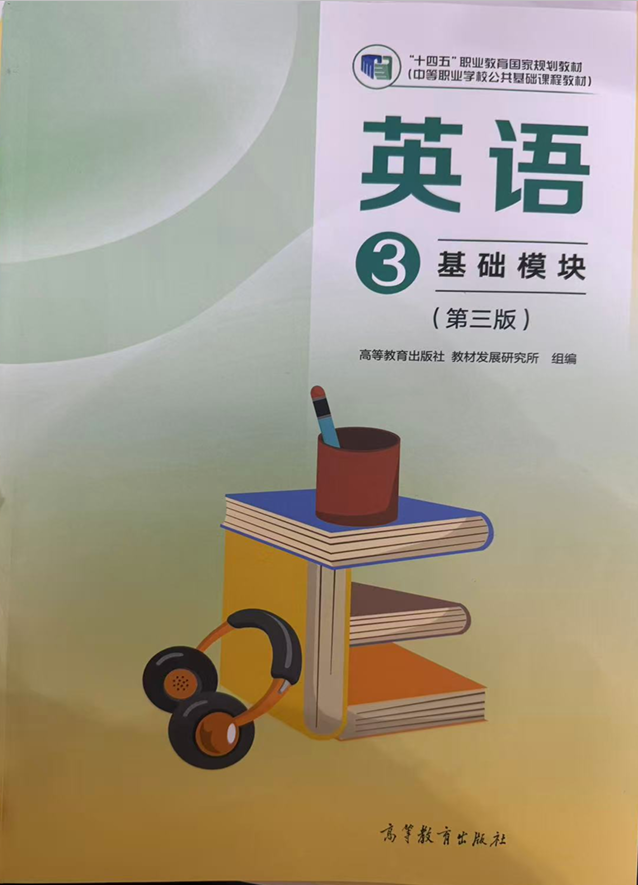
3.3 Artificial Intelligence(Reading and Writing 2)-《英语 基础模块3》(高教版第三版)《一课一练》(原卷版+解析版)
2026-08-27
|
2份
|
6页
|
30人阅读
|
0人下载
摘要:
**基本信息**
聚焦课前预习与课堂检测分层设计,通过词汇变形→单选应用→阅读理解的递进路径,强化语言能力与学习能力,适配中职学情的基础巩固与适度提升需求。
**分层设计**
|层次|知识覆盖|设计特色|
|----|----------|----------|
|课前预习|核心词汇变形(8题)|基础输入型,直接考查动词-名词/形容词等词性转换,夯实词汇基础|
|课堂检测|词汇应用(5题单选)+语篇理解(5题阅读)|单选强化词汇在语境中的辨析与运用,阅读聚焦AI使用策略的信息获取,培养思维品质|
内容正文:
编写说明:基于中职学生英语基础薄弱、学习内驱力不足的学情特点,为提升学习效率,落实课前、课中、课后教学闭环,本专辑依据最新《中等职业学校英语课程标准》,打造贵州专用《英语 基础模块3》(高教版第三版)《一课一练》,专辑共40练,完全对接贵州高职分类考试考法。
本卷为《英语 基础模块3》(高教版第三版)Unit 3 Artificial Intelligence(Reading and Writing 2)的课前预习与课堂检测。
Unit 3 Artificial Intelligence
一课一练(3) Reading and Writing 2
【课前预习】
一、词汇变形
1. ____ v. 应用 → ____ n. 应用
2. ____ v. 教育 → ____ n. 教育
3. ____ v. 依靠 → ____ adj. 依赖的
4. ____ v. 增加 → ____ adj. 越来越多的
5. ____ adj. 明显的 → ____ adv. 明显地
6. ____ n. 益处 → ____ adj. 有益的
7. ____ adj. 恰当的 → ____ adv. 恰当地
8. ____ v. 执行 → ____ n. 表现
【答案】1.apply → application 2.educate → education 3.depend → dependent 4.increase → increasing 5.obvious → obviously 6.benefit → beneficial 7.proper → properly 8.perform → performance
【课堂检测】
一、词汇变形单选(5题)
1. This is a useful ________ of AI in the workshop.
A. apply
B. applied
C. application
D. applying
【答案】C
【详解】考察词性辨析。句子翻译:这是人工智能在车间里的一项有用应用。A.apply 应用,动词;B.applied 应用的,过去式或过去分词;C.application 应用,名词;D.applying 应用,动名词或现在分词。不定冠词a和形容词useful后需要单数名词,application符合结构和句意,故选C。
2. Students should not become too ________ on one tool.
A. dependent
B. depend
C. dependence
D. depending
【答案】A
【详解】考察词性辨析和固定搭配。句子翻译:学生不应该过度依赖一种工具。A.dependent 依赖的,形容词;B.depend 依靠,动词;C.dependence 依赖,名词;D.depending 依靠,动名词或现在分词。become后接形容词作表语,be dependent on意为“依赖……”,故选A。
3. The machine is ________ faster than the old one.
A. obvious
B. obviousness
C. observation
D. obviously
【答案】D
【详解】考察词性辨析。句子翻译:这台机器明显比旧机器更快。A.obvious 明显的,形容词;B.obviousness 明显,名词;C.observation 观察,名词;D.obviously 明显地,副词。修饰比较级faster需要副词obviously,故选D。
4. The tool can be ________ when it is used with care.
A. benefit
B. beneficial
C. benefits
D. benefited
【答案】B
【详解】考察词性辨析。句子翻译:如果小心使用,这个工具会是有益的。A.benefit 益处;使受益,名词或动词;B.beneficial 有益的,形容词;C.benefits 益处,复数名词;D.benefited 受益了,过去式或过去分词。be后需要形容词作表语,beneficial符合句意,故选B。
5. Please use the system ________ and check its answer.
A. proper
B. property
C. properly
D. properness
【答案】C
【详解】考察词性辨析。句子翻译:请正确使用这个系统,并检查它的答案。A.proper 恰当的,形容词;B.property 财产;性质,名词;C.properly 正确地;恰当地,副词;D.properness 恰当,名词。修饰动词use需要副词properly,故选C。
二、阅读理解(5题)
AI tools can help with study and work, but a useful answer begins with a clear question. Before using a tool, decide what you need. Do you want a short explanation, a list of ideas or help finding a mistake? Give enough information, but do not enter private details such as your home address or phone number.
Read the answer carefully instead of using it at once. Check important facts in a textbook, an official website or another trusted source. If the answer is too difficult, ask the tool to use shorter sentences and basic words. If it misses your main point, change your question and try again. Keep the parts that help, and remove information that is not needed.
Finally, do the thinking yourself. An AI tool can give ideas, but it does not know your exact task as well as you do. Compare its answer with your own notes and explain the final result in your own words. Used in this way, AI can save time without taking away your chance to learn.
6. What should users decide before using an AI tool?
A. What kind of help they need.
B. Which phone to buy.
C. How long the tool has existed.
D. Who made the computer.
7. Which information should NOT be entered?
A. The kind of answer needed.
B. The main point of a task.
C. A home address or phone number.
D. A request for basic words.
8. What should users do with important facts?
A. Use them at once.
B. Check them in trusted sources.
C. Delete them all.
D. Send them to friends.
9. What can users do if an answer is too difficult?
A. Stop learning the topic.
B. Copy it without reading.
C. Add private details.
D. Ask for shorter sentences and basic words.
10. What is the main idea of the passage?
A. Use AI with clear questions, checks and personal thinking.
B. Let AI finish every task alone.
C. Private information makes AI more useful.
D. AI answers are always correct.
【答案】6.A 7.C 8.B 9.D 10.A
【导语】本文是一篇实用指南,按照明确需求、提出问题、核实答案和自主思考的顺序,说明如何安全、有效地使用人工智能工具。
【详解】6.细节理解题。题目翻译:使用人工智能工具前,用户应该先确定什么?A.What kind of help they need. 自己需要哪一种帮助;B.Which phone to buy. 要买哪一部手机;C.How long the tool has existed. 该工具存在了多久;D.Who made the computer. 谁制造了电脑。根据第一段“Before using a tool, decide what you need.”及后面的举例可知,应先明确所需帮助的类型,故选A。
7.细节理解题。题目翻译:哪一类信息不应该输入?A.The kind of answer needed. 所需答案的类型;B.The main point of a task. 任务的要点;C.A home address or phone number. 家庭住址或电话号码;D.A request for basic words. 使用基础词汇的要求。根据第一段“do not enter private details such as your home address or phone number”可知,不应输入住址或电话号码,故选C。
8.细节理解题。题目翻译:用户应该怎样处理重要事实?A.Use them at once. 立即使用它们;B.Check them in trusted sources. 在可信来源中核实它们;C.Delete them all. 把它们全部删除;D.Send them to friends. 把它们发给朋友。根据第二段“Check important facts in a textbook, an official website or another trusted source.”可知,应通过可信来源核实,故选B。
9.细节理解题。题目翻译:如果答案太难,用户可以做什么?A.Stop learning the topic. 停止学习该主题;B.Copy it without reading. 不阅读就照抄;C.Add private details. 添加私人信息;D.Ask for shorter sentences and basic words. 要求使用更短的句子和基础词汇。根据第二段“If the answer is too difficult, ask the tool to use shorter sentences and basic words.”可知,可要求简化语言,故选D。
10.主旨大意题。题目翻译:这篇文章的主旨是什么?A.Use AI with clear questions, checks and personal thinking. 通过清楚提问、核实和自主思考来使用人工智能;B.Let AI finish every task alone. 让人工智能独自完成每项任务;C.Private information makes AI more useful. 私人信息使人工智能更有用;D.AI answers are always correct. 人工智能的答案总是正确。全文依次说明明确需求、核实答案和自主思考,主旨是安全有效地使用AI,故选A。
原创精品资源学科网独家享有版权,侵权必究!
原创精品资源学科网独家享有版权,侵权必究!
原创精品资源学科网独家享有版权,侵权必究!
学科网(北京)股份有限公司
$
编写说明:基于中职学生英语基础薄弱、学习内驱力不足的学情特点,为提升学习效率,落实课前、课中、课后教学闭环,本专辑依据最新《中等职业学校英语课程标准》,打造贵州专用《英语 基础模块3》(高教版第三版)《一课一练》,专辑共40练,完全对接贵州高职分类考试考法。
本卷为《英语 基础模块3》(高教版第三版)Unit 3 Artificial Intelligence(Reading and Writing 2)的课前预习与课堂检测。
Unit 3 Artificial Intelligence
一课一练(3) Reading and Writing 2
【课前预习】
一、词汇变形
1. ____ v. 应用 → ____ n. 应用
2. ____ v. 教育 → ____ n. 教育
3. ____ v. 依靠 → ____ adj. 依赖的
4. ____ v. 增加 → ____ adj. 越来越多的
5. ____ adj. 明显的 → ____ adv. 明显地
6. ____ n. 益处 → ____ adj. 有益的
7. ____ adj. 恰当的 → ____ adv. 恰当地
8. ____ v. 执行 → ____ n. 表现
【课堂检测】
一、词汇变形单选(5题)
1. This is a useful ________ of AI in the workshop.
A. apply
B. applied
C. application
D. applying
2. Students should not become too ________ on one tool.
A. dependent
B. depend
C. dependence
D. depending
3. The machine is ________ faster than the old one.
A. obvious
B. obviousness
C. observation
D. obviously
4. The tool can be ________ when it is used with care.
A. benefit
B. beneficial
C. benefits
D. benefited
5. Please use the system ________ and check its answer.
A. proper
B. property
C. properly
D. properness
二、阅读理解(5题)
AI tools can help with study and work, but a useful answer begins with a clear question. Before using a tool, decide what you need. Do you want a short explanation, a list of ideas or help finding a mistake? Give enough information, but do not enter private details such as your home address or phone number.
Read the answer carefully instead of using it at once. Check important facts in a textbook, an official website or another trusted source. If the answer is too difficult, ask the tool to use shorter sentences and basic words. If it misses your main point, change your question and try again. Keep the parts that help, and remove information that is not needed.
Finally, do the thinking yourself. An AI tool can give ideas, but it does not know your exact task as well as you do. Compare its answer with your own notes and explain the final result in your own words. Used in this way, AI can save time without taking away your chance to learn.
6. What should users decide before using an AI tool?
A. What kind of help they need.
B. Which phone to buy.
C. How long the tool has existed.
D. Who made the computer.
7. Which information should NOT be entered?
A. The kind of answer needed.
B. The main point of a task.
C. A home address or phone number.
D. A request for basic words.
8. What should users do with important facts?
A. Use them at once.
B. Check them in trusted sources.
C. Delete them all.
D. Send them to friends.
9. What can users do if an answer is too difficult?
A. Stop learning the topic.
B. Copy it without reading.
C. Add private details.
D. Ask for shorter sentences and basic words.
10. What is the main idea of the passage?
A. Use AI with clear questions, checks and personal thinking.
B. Let AI finish every task alone.
C. Private information makes AI more useful.
D. AI answers are always correct.
原创精品资源学科网独家享有版权,侵权必究!
原创精品资源学科网独家享有版权,侵权必究!
原创精品资源学科网独家享有版权,侵权必究!
学科网(北京)股份有限公司
$
资源预览图

1
由于学科网是一个信息分享及获取的平台,不确保部分用户上传资料的 来源及知识产权归属。如您发现相关资料侵犯您的合法权益,请联系学科网,我们核实后将及时进行处理。