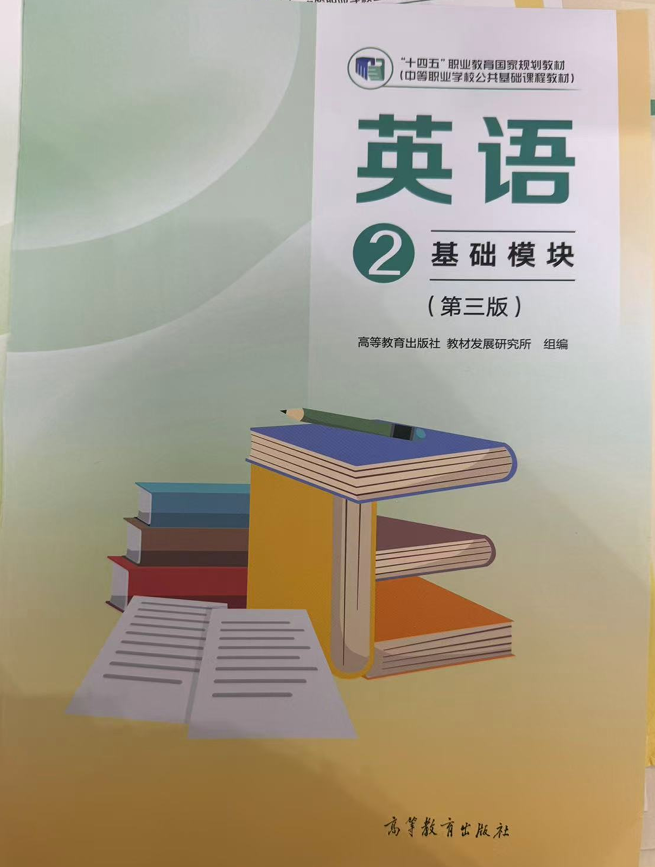
1.3 Travel(Reading and Writing 2)-《英语 基础模块2》(高教版第三版)《一课一练》(原卷版+解析版)
2026-08-27
|
2份
|
5页
|
54人阅读
|
0人下载
摘要:
**基本信息**
聚焦课前预习与课堂检测分层设计,通过词汇变形基础输入到语篇理解综合应用的进阶路径,强化语言能力与学习能力培养。
**分层设计**
|层次|知识覆盖|设计特色|
|----|----------|----------|
|课前预习|单一词汇变形(动词-名词、名词-形容词等)|8道基础输入型练习,夯实词形转换基础|
|课堂检测|词汇应用+语篇理解|5道词汇单选考查语境应用,5道阅读理解聚焦信息获取与推理,提升综合语言能力|
内容正文:
编写说明:基于中职学生英语基础薄弱、学习内驱力不足的学情特点,为提升学习效率,落实课前、课中、课后教学闭环,本专辑依据最新《中等职业学校英语课程标准》,打造贵州专用《英语 基础模块2》(高教版第三版)《一课一练》,专辑共40练,完全对接贵州高职分类考试考法。
本卷为 Unit 1 Travel(Reading and Writing 2)的课前预习与课堂检测,适用于贵州中职英语学习与复习。
Unit 1 Travel
一课一练(3) Reading and Writing 2
【课前预习】
一、词汇变形
1. ____ v. 发现 → ____ n. 发现
2. ____ v. 探索 → ____ n. 探险家
3. ____ v. 准备 → ____ n. 准备
4. ____ n. 文化 → ____ adj. 文化的
5. ____ n. 历史 → ____ adj. 历史的
6. ____ v. 关心 → ____ adj. 细心的
7. ____ n. 成功 → ____ adj. 成功的
8. ____ n. 自然 → ____ adj. 自然的
【课堂检测】
一、词汇变形单选(5题)
1. The guide made an important ________ near the old bridge.
A. discover
B. discovering
C. discovery
D. discovered
2. Marco Polo was a famous ________ who traveled along the Silk Road.
A. explorer
B. explore
C. exploration
D. exploring
3. The students made careful ________ before their field trip.
A. prepare
B. prepared
C. preparing
D. preparations
4. The museum offers several ________ activities for young visitors.
A. culture
B. cultural
C. cultures
D. culturally
5. This was a ________ journey, so the team finished every task on time.
A. success
B. successfully
C. successful
D. succeed
二、阅读理解(5题)
A small travel exhibition in Guizhou invited students to create posters about famous travelers. Mei Lin chose Xu Xiake, while her partner chose Marco Polo. They agreed to use the same six facts so visitors could compare the two lives easily.
Their cards included identity, starting age, travel area, years of travel, book title and main content. Mei Lin avoided long sentences. She used a simple timeline to show that Xu began traveling at 22 and spent more than 30 years visiting places throughout China. Her partner used a route line to show Marco Polo’s journey along the Silk Road.
Before printing, the students checked every date with two sources. They also replaced the empty word “great” with clear evidence about records, distances and books. Visitors spent more time at the posters because the information was short but meaningful. Mei Lin learned that a useful poster does not say everything; it selects facts that explain why a traveler is remembered.
6. Why did the students use the same six facts?
A. To make the travelers easy to compare.
B. To shorten the exhibition time.
C. To avoid showing any travel routes.
D. To choose one traveler as the winner.
7. What did Mei Lin use for Xu Xiake?
A. A hotel booking form.
B. A simple timeline.
C. A food map.
D. A room price list.
8. How did the partner show Marco Polo’s travel?
A. With photos of a modern airport.
B. With a list of hotel rooms.
C. With a chart of daily food.
D. With a route along the Silk Road.
9. Why did they check each date twice?
A. To make the poster more colorful.
B. To ensure the facts were reliable.
C. To add more difficult words.
D. To reduce the number of visitors.
10. What does the writer want to tell us about a useful poster?
A. It should include every possible detail.
B. It should praise a person without reasons.
C. It should avoid dates and book titles.
D. It should use evidence and selected key facts.
原创精品资源学科网独家享有版权,侵权必究!
原创精品资源学科网独家享有版权,侵权必究!
原创精品资源学科网独家享有版权,侵权必究!
学科网(北京)股份有限公司
$
编写说明:基于中职学生英语基础薄弱、学习内驱力不足的学情特点,为提升学习效率,落实课前、课中、课后教学闭环,本专辑依据最新《中等职业学校英语课程标准》,打造贵州专用《英语 基础模块2》(高教版第三版)《一课一练》,专辑共40练,完全对接贵州高职分类考试考法。
本卷为 Unit 1 Travel(Reading and Writing 2)的课前预习与课堂检测,适用于贵州中职英语学习与复习。
Unit 1 Travel
一课一练(3) Reading and Writing 2
【课前预习】
一、词汇变形
1. ____ v. 发现 → ____ n. 发现
2. ____ v. 探索 → ____ n. 探险家
3. ____ v. 准备 → ____ n. 准备
4. ____ n. 文化 → ____ adj. 文化的
5. ____ n. 历史 → ____ adj. 历史的
6. ____ v. 关心 → ____ adj. 细心的
7. ____ n. 成功 → ____ adj. 成功的
8. ____ n. 自然 → ____ adj. 自然的
【答案】1.discover → discovery 2.explore → explorer 3.prepare → preparation 4.culture → cultural 5.history → historical 6.care → careful 7.success → successful 8.nature → natural
【课堂检测】
一、词汇变形单选(5题)
1. The guide made an important ________ near the old bridge.
A. discover
B. discovering
C. discovery
D. discovered
【答案】C
【详解】考查词性辨析。形容词important后需要名词,discovery意为“发现”,符合语境。
2. Marco Polo was a famous ________ who traveled along the Silk Road.
A. explorer
B. explore
C. exploration
D. exploring
【答案】A
【详解】考查词性辨析。不定冠词a和形容词famous后需要表示人的名词,explorer意为“探险家”。
3. The students made careful ________ before their field trip.
A. prepare
B. prepared
C. preparing
D. preparations
【答案】D
【详解】考查词性辨析。形容词careful后需要名词;preparations表示旅行前所做的各项准备。
4. The museum offers several ________ activities for young visitors.
A. culture
B. cultural
C. cultures
D. culturally
【答案】B
【详解】考查词性辨析。空格修饰名词activities,需要形容词cultural。
5. This was a ________ journey, so the team finished every task on time.
A. success
B. successfully
C. successful
D. succeed
【答案】C
【详解】考查词性辨析。空格修饰名词journey,需要形容词successful。
二、阅读理解(5题)
A small travel exhibition in Guizhou invited students to create posters about famous travelers. Mei Lin chose Xu Xiake, while her partner chose Marco Polo. They agreed to use the same six facts so visitors could compare the two lives easily.
Their cards included identity, starting age, travel area, years of travel, book title and main content. Mei Lin avoided long sentences. She used a simple timeline to show that Xu began traveling at 22 and spent more than 30 years visiting places throughout China. Her partner used a route line to show Marco Polo’s journey along the Silk Road.
Before printing, the students checked every date with two sources. They also replaced the empty word “great” with clear evidence about records, distances and books. Visitors spent more time at the posters because the information was short but meaningful. Mei Lin learned that a useful poster does not say everything; it selects facts that explain why a traveler is remembered.
6. Why did the students use the same six facts?
A. To make the travelers easy to compare.
B. To shorten the exhibition time.
C. To avoid showing any travel routes.
D. To choose one traveler as the winner.
7. What did Mei Lin use for Xu Xiake?
A. A hotel booking form.
B. A simple timeline.
C. A food map.
D. A room price list.
8. How did the partner show Marco Polo’s travel?
A. With photos of a modern airport.
B. With a list of hotel rooms.
C. With a chart of daily food.
D. With a route along the Silk Road.
9. Why did they check each date twice?
A. To make the poster more colorful.
B. To ensure the facts were reliable.
C. To add more difficult words.
D. To reduce the number of visitors.
10. What does the writer want to tell us about a useful poster?
A. It should include every possible detail.
B. It should praise a person without reasons.
C. It should avoid dates and book titles.
D. It should use evidence and selected key facts.
【答案】6.A 7.B 8.D 9.B 10.D
【导语】本文是一篇记叙文,讲述贵州学生制作徐霞客与马可·波罗旅行家海报,通过统一信息项目、时间线、路线和双重核查呈现可靠的关键事实。
【详解】6. 细节理解题。 第一段说明统一事实项目便于参观者比较。
7. 细节理解题。 第二段明确说明她使用时间线。
8. 细节理解题。 搭档用路线表示丝绸之路旅行。
9. 推理判断题。 使用两个来源复核日期是为保证事实可靠。
10. 主旨大意题。 结尾强调选择能解释人物价值的事实并提供证据。
原创精品资源学科网独家享有版权,侵权必究!
原创精品资源学科网独家享有版权,侵权必究!
原创精品资源学科网独家享有版权,侵权必究!
学科网(北京)股份有限公司
$
资源预览图

1
由于学科网是一个信息分享及获取的平台,不确保部分用户上传资料的 来源及知识产权归属。如您发现相关资料侵犯您的合法权益,请联系学科网,我们核实后将及时进行处理。