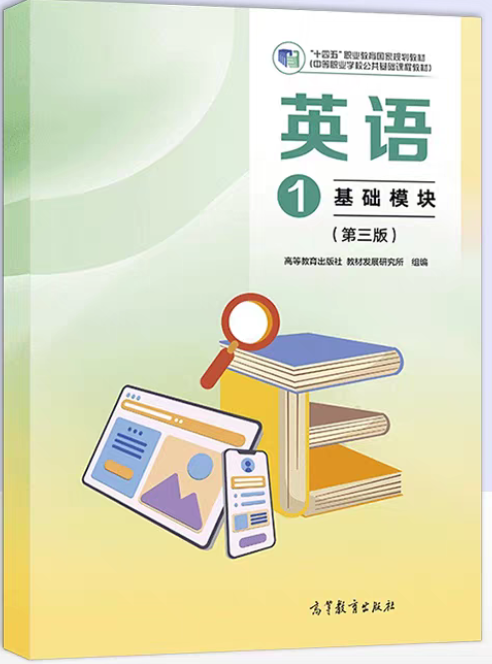
4.3 School Life(Reading and Writing 2)-《英语 基础模块1》(高教版第三版)《一课一练》(原卷版+解析版)
2026-08-26
|
2份
|
5页
|
31人阅读
|
0人下载
摘要:
**基本信息**
中职英语《基础模块1》Unit 4同步练,通过课前预习与课堂检测分层设计,构建“词汇变形—语境应用—语篇理解”的知识巩固路径,提升语言能力与思维品质。
**分层设计**
|层次|知识覆盖|设计特色|
|----|----------|----------|
|课前预习|核心词汇变形|8题词汇词性转换,夯实语言基础|
|课堂检测(单选)|词汇语境应用|5题考查词性辨析与情境匹配,强化语言运用|
|课堂检测(阅读)|语篇信息提取|5题基于职业学校开放日情境,培养信息筛选与逻辑思维|
内容正文:
编写说明:基于中职学生英语基础薄弱、学习内驱力不足的学情特点,为提升学习效率,落实课前、课中、课后教学闭环,本专辑依据最新《中等职业学校英语课程标准》,打造贵州专用《英语 基础模块1》(高教版第三版)《一课一练》,专辑共40练,完全对接贵州高职分类考试考法。
本卷为《英语 基础模块1》(高教版第三版)Unit 4 School Life(Reading and Writing 2)的课前预习与课堂检测。
Unit 4 School Life
一课一练(3) Reading and Writing 2
【课前预习】
一、词汇变形
1. ____ v. 练习 → ____ adj. 实际的
2. ____ v. 训练 → ____ n. 培训教师
3. ____ n./v. 关心 → ____ adj. 细心的
4. ____ n. 关系 → ____ adj. 相对的
5. ____ n. 成功 → ____ adj. 成功的
6. ____ n. 教育 → ____ adj. 教育的
7. ____ v. 参观 → ____ n. 参观者
8. ____ n. 兴趣 → ____ adj. 有趣的
【答案】1.practice → practical 2.train → trainer 3.care → careful 4.relation → relative 5.success → successful 6.education → educational 7.visit → visitor 8.interest → interesting
【课堂检测】
一、单项选择(5题)
1. Students need ________ experience before operating the hotel desk.
A. practice
B. practical
C. practically
D. practiced
【答案】B
【详解】考查词性辨析。experience前需要形容词修饰,practical意为“实际的”,故选B。
2. The cooking ________ showed students how to use the oven safely.
A. train
B. training
C. trainer
D. trained
【答案】C
【详解】考查词性辨析。句中需要表示人的名词作主语,trainer意为“培训教师”,故选C。
3. The student was ________ when she checked every machine number.
A. care
B. carefully
C. careless
D. careful
【答案】D
【详解】考查词性辨析。was后需要形容词作表语,careful意为“细心的”,故选D。
4. The open day was ________ because every workshop was well prepared.
A. successful
B. success
C. successfully
D. succeed
【答案】A
【详解】考查词性辨析。was后需要形容词作表语,successful意为“成功的”,故选A。
5. The robot display made the open day more ________.
A. interest
B. interested
C. interesting
D. interestingly
【答案】C
【详解】考查形容词辨析。修饰事物并表示“有趣的”用interesting,故选C。
二、阅读理解(5题)
Qianbei Vocational School held an open day for middle school students on Saturday. Visitors first received a simple map and chose two subject areas. They could visit the smart-farming room, the hotel-service center or the car-repair workshop. Student guides met each group at the entrance.
In the smart-farming room, student guides showed how sensors checked soil water. At the hotel center, visitors practiced folding a table napkin. The car workshop allowed small groups to identify tools, but only trained students could operate the machines. Safety lines kept visitors away from moving parts.
Before leaving, visitors joined a twenty-minute talk about courses and internships. Each family also received a card with teachers' phone numbers. Li Fang, a visitor, said the hands-on tasks helped her understand different majors. She planned to return with her parents for the next information day.
6. What could visitors decide after receiving the map?
A. Which teachers would call them.
B. Which two subject areas to see.
C. Which machines they would repair.
D. Which internship they would start.
7. What did visitors do in the hotel-service center?
A. They checked soil water.
B. They repaired a small car.
C. They folded a table napkin.
D. They operated heavy machines.
8. Why could visitors not operate workshop machines?
A. The activity required trained users.
B. The machines had no power.
C. The workshop closed early.
D. The student guides were absent.
9. What information did families receive before leaving?
A. A list of nearby hotels.
B. A plan for Saturday lunch.
C. A guide to farming tools.
D. A card with contact details.
10. What does Li Fang's response show?
A. She preferred talks to activities.
B. She wanted to work at once.
C. Practice helped her learn about majors.
D. One visit answered every question.
【答案】6.B 7.C 8.A 9.D 10.C
【导语】本文是一篇记叙文,介绍黔北一所职业学校开放日的具体安排。来访学生通过地图选择专业区域,体验智慧农业、酒店服务和汽车维修活动,并了解课程与实习信息,说明动手体验有助于认识职业教育和专业选择。
【详解】6.细节理解题。第一段说明访客拿到地图后选择两个专业区域参观,故选B。
7.细节理解题。第二段说明访客在酒店服务中心练习折餐巾,故选C。
8.细节理解题。第二段规定只有受过训练的学生能操作机器,故选A。
9.细节理解题。第三段说明每个家庭收到含教师电话号码的卡片,故选D。
10.推理判断题。李芳认为动手任务帮助她了解不同专业,故选C。
原创精品资源学科网独家享有版权,侵权必究!
原创精品资源学科网独家享有版权,侵权必究!
原创精品资源学科网独家享有版权,侵权必究!
学科网(北京)股份有限公司
$
编写说明:基于中职学生英语基础薄弱、学习内驱力不足的学情特点,为提升学习效率,落实课前、课中、课后教学闭环,本专辑依据最新《中等职业学校英语课程标准》,打造贵州专用《英语 基础模块1》(高教版第三版)《一课一练》,专辑共40练,完全对接贵州高职分类考试考法。
本卷为《英语 基础模块1》(高教版第三版)Unit 4 School Life(Reading and Writing 2)的课前预习与课堂检测。
Unit 4 School Life
一课一练(3) Reading and Writing 2
【课前预习】
一、词汇变形
1. ____ v. 练习 → ____ adj. 实际的
2. ____ v. 训练 → ____ n. 培训教师
3. ____ n./v. 关心 → ____ adj. 细心的
4. ____ n. 关系 → ____ adj. 相对的
5. ____ n. 成功 → ____ adj. 成功的
6. ____ n. 教育 → ____ adj. 教育的
7. ____ v. 参观 → ____ n. 参观者
8. ____ n. 兴趣 → ____ adj. 有趣的
【课堂检测】
一、单项选择(5题)
1. Students need ________ experience before operating the hotel desk.
A. practice
B. practical
C. practically
D. practiced
2. The cooking ________ showed students how to use the oven safely.
A. train
B. training
C. trainer
D. trained
3. The student was ________ when she checked every machine number.
A. care
B. carefully
C. careless
D. careful
4. The open day was ________ because every workshop was well prepared.
A. successful
B. success
C. successfully
D. succeed
5. The robot display made the open day more ________.
A. interest
B. interested
C. interesting
D. interestingly
二、阅读理解(5题)
Qianbei Vocational School held an open day for middle school students on Saturday. Visitors first received a simple map and chose two subject areas. They could visit the smart-farming room, the hotel-service center or the car-repair workshop. Student guides met each group at the entrance.
In the smart-farming room, student guides showed how sensors checked soil water. At the hotel center, visitors practiced folding a table napkin. The car workshop allowed small groups to identify tools, but only trained students could operate the machines. Safety lines kept visitors away from moving parts.
Before leaving, visitors joined a twenty-minute talk about courses and internships. Each family also received a card with teachers' phone numbers. Li Fang, a visitor, said the hands-on tasks helped her understand different majors. She planned to return with her parents for the next information day.
6. What could visitors decide after receiving the map?
A. Which teachers would call them.
B. Which two subject areas to see.
C. Which machines they would repair.
D. Which internship they would start.
7. What did visitors do in the hotel-service center?
A. They checked soil water.
B. They repaired a small car.
C. They folded a table napkin.
D. They operated heavy machines.
8. Why could visitors not operate workshop machines?
A. The activity required trained users.
B. The machines had no power.
C. The workshop closed early.
D. The student guides were absent.
9. What information did families receive before leaving?
A. A list of nearby hotels.
B. A plan for Saturday lunch.
C. A guide to farming tools.
D. A card with contact details.
10. What does Li Fang's response show?
A. She preferred talks to activities.
B. She wanted to work at once.
C. Practice helped her learn about majors.
D. One visit answered every question.
原创精品资源学科网独家享有版权,侵权必究!
原创精品资源学科网独家享有版权,侵权必究!
原创精品资源学科网独家享有版权,侵权必究!
学科网(北京)股份有限公司
$
资源预览图

1
由于学科网是一个信息分享及获取的平台,不确保部分用户上传资料的 来源及知识产权归属。如您发现相关资料侵犯您的合法权益,请联系学科网,我们核实后将及时进行处理。