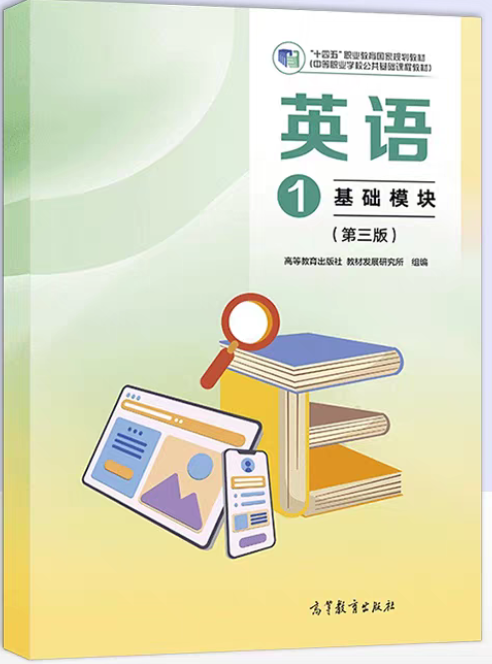
1.4 Personal and Family Life(Language Practice)-《英语 基础模块1》(高教版第三版)《一课一练》(原卷版+解析版)
2026-08-26
|
2份
|
6页
|
103人阅读
|
1人下载
摘要:
**基本信息**
本练习为中职英语《基础模块1》Unit 1语法专项同步练,通过“课前预习+课堂检测”分层设计,构建“概念自测→语法精讲→应用检测”巩固路径,适配基础薄弱学生,提升语言能力与学习能力。
**分层设计**
|层次|知识覆盖|设计特色|
|----|----------|----------|
|课前预习|一般现在时核心概念(定义、be动词/实义动词句型、第三人称单数变化)|4道选择题直击语法本质,如“第三人称单数动词变化”,夯实基础认知|
|课堂检测|语法综合应用(时态、名词复数、冠词、代词等)|15道情境化选择题,如“visits her every evening”考查频率表达,融合生活场景,培养语言应用与思维品质|
内容正文:
编写说明:基于中职学生英语基础薄弱、学习内驱力不足的学情特点,为提升学习效率,落实课前、课中、课后教学闭环,本专辑依据最新《中等职业学校英语课程标准》,打造贵州专用《英语 基础模块1》(高教版第三版)《一课一练》,专辑共40练,完全对接贵州高职分类考试考法。
本卷为《英语 基础模块1》(高教版第三版)Unit 1 Personal and Family Life(Language Practice)的课前预习与课堂检测。
Unit 1 Personal and Family Life
一课一练(4) Language Practice
【课前预习】
一、语法概念自测
1. 一般现在时通常用来表示什么?
A. 正在发生的动作
B. 经常发生的动作或客观事实
C. 已经结束的一次动作
D. 将来临时决定
2. 主语为第三人称单数时,实义动词通常怎样变化?
A. 加-ing
B. 变为过去式
C. 使用原形
D. 加-s或-es
3. 含be动词的一般现在时否定句怎样构成?
A. be后加not
B. be前加do not
C. 句末加not
D. 改为过去式
4. 对一般现在时实义动词句提问,句首常用什么助动词?
A. be或been
B. did或was
C. do或does
D. will或shall
二、语法精讲:一般现在时
1. 定义:表示经常或习惯发生的动作、当前状态、爱好以及客观事实。常与every day、often、usually、sometimes等时间表达连用。
2. be动词句:肯定式为“主语 + am/is/are + 其他”;否定式在be后加not;疑问式把be提到主语前。
3. 实义动词句:I/you/we/they后用动词原形;he/she/it或单数名词后用动词第三人称单数形式。否定和疑问借助do/does,后面的实义动词恢复原形。
4. 第三人称单数变化:通常加-s;以-s、-x、-ch、-sh、-o结尾通常加-es;辅音字母加y结尾,变y为i再加-es。
高频错误:He doesn’t likes jogging. × 应改为He doesn’t like jogging. √ 因为does已体现第三人称单数,后面的动词用原形。
【课堂检测】
一、单元语法选择(15题)
1. My grandmother ________ alone, but my uncle visits her every evening.
A. lives
B. live
C. is live
D. living
2. There are two ________ on the repair desk.
A. tool
B. knife
C. boxes
D. machine
3. Where ________ your parents usually have lunch on workdays?
A. is
B. does
C. do
D. are
4. Ms. Chen works in ________ small photo studio near the station.
A. a
B. an
C. the
D. /
5. Chen Wei ________ a technician, and he ________ machines every day.
A. is; build
B. is; builds
C. are; builds
D. does; build
6. This tool belongs to my father. It is ________.
A. he
B. him
C. his
D. himself
7. My sister doesn’t ________ coffee when she works at night.
A. drinks
B. drank
C. drinking
D. drink
8. The guide speaks ________ so that the older visitors can follow her.
A. clear
B. clearly
C. clearest
D. clearness
9. The family photo ________ in a dry box tomorrow.
A. keeps
B. kept
C. will keep
D. will be kept
10. — ________ do you visit your grandparents?
— Twice a month.
A. How long
B. How often
C. How soon
D. How many
11. The earth ________ around the sun.
A. moves
B. move
C. is move
D. moving
12. Before touching the wire, you ________ turn off the power.
A. can
B. must
C. may
D. could
13. We are discussing ________ family photo to repair first, the large one or the small one.
A. whether
B. what
C. how
D. which
14. My mother enjoys ________ breakfast for the guesthouse visitors.
A. cook
B. cooks
C. cooking
D. to cooking
15. — Welcome to our family workshop!
— ________
A. Thank you.
B. Never mind.
C. That’s all right.
D. Goodbye.
原创精品资源学科网独家享有版权,侵权必究!
原创精品资源学科网独家享有版权,侵权必究!
原创精品资源学科网独家享有版权,侵权必究!
学科网(北京)股份有限公司
$
编写说明:基于中职学生英语基础薄弱、学习内驱力不足的学情特点,为提升学习效率,落实课前、课中、课后教学闭环,本专辑依据最新《中等职业学校英语课程标准》,打造贵州专用《英语 基础模块1》(高教版第三版)《一课一练》,专辑共40练,完全对接贵州高职分类考试考法。
本卷为《英语 基础模块1》(高教版第三版)Unit 1 Personal and Family Life(Language Practice)的课前预习与课堂检测。
Unit 1 Personal and Family Life
一课一练(4) Language Practice
【课前预习】
一、语法概念自测
1. 一般现在时通常用来表示什么?
A. 正在发生的动作
B. 经常发生的动作或客观事实
C. 已经结束的一次动作
D. 将来临时决定
【答案】B
【详解】一般现在时表示经常性、习惯性动作、当前状态或客观事实,故选B。
2. 主语为第三人称单数时,实义动词通常怎样变化?
A. 加-ing
B. 变为过去式
C. 使用原形
D. 加-s或-es
【答案】D
【详解】一般现在时肯定句中,第三人称单数主语后的实义动词通常加-s或-es,故选D。
3. 含be动词的一般现在时否定句怎样构成?
A. be后加not
B. be前加do not
C. 句末加not
D. 改为过去式
【答案】A
【详解】含be动词的否定句直接在am/is/are后加not,故选A。
4. 对一般现在时实义动词句提问,句首常用什么助动词?
A. be或been
B. did或was
C. do或does
D. will或shall
【答案】C
【详解】一般现在时实义动词疑问句使用do或does,故选C。
二、语法精讲:一般现在时
1. 定义:表示经常或习惯发生的动作、当前状态、爱好以及客观事实。常与every day、often、usually、sometimes等时间表达连用。
2. be动词句:肯定式为“主语 + am/is/are + 其他”;否定式在be后加not;疑问式把be提到主语前。
3. 实义动词句:I/you/we/they后用动词原形;he/she/it或单数名词后用动词第三人称单数形式。否定和疑问借助do/does,后面的实义动词恢复原形。
4. 第三人称单数变化:通常加-s;以-s、-x、-ch、-sh、-o结尾通常加-es;辅音字母加y结尾,变y为i再加-es。
高频错误:He doesn’t likes jogging. × 应改为He doesn’t like jogging. √ 因为does已体现第三人称单数,后面的动词用原形。
【课堂检测】
一、单元语法选择(15题)
1. My grandmother ________ alone, but my uncle visits her every evening.
A. lives
B. live
C. is live
D. living
【答案】A
【详解】考查一般现在时。主语grandmother为第三人称单数,描述日常状态,动词用lives,故选A。
2. There are two ________ on the repair desk.
A. tool
B. knife
C. boxes
D. machine
【答案】C
【详解】考查名词复数。two后接可数名词复数,只有boxes是复数形式,故选C。
3. Where ________ your parents usually have lunch on workdays?
A. is
B. does
C. do
D. are
【答案】C
【详解】考查一般现在时疑问句。主语parents为复数,实义动词疑问句用do,故选C。
4. Ms. Chen works in ________ small photo studio near the station.
A. a
B. an
C. the
D. /
【答案】A
【详解】考查冠词。small以辅音音素开头,且首次提到一家工作室,使用不定冠词a,故选A。
5. Chen Wei ________ a technician, and he ________ machines every day.
A. is; build
B. is; builds
C. are; builds
D. does; build
【答案】B
【详解】考查一般现在时。第一空说明身份用is;第二空主语he为第三人称单数,用builds,故选B。
6. This tool belongs to my father. It is ________.
A. he
B. him
C. his
D. himself
【答案】C
【详解】考查物主代词。空格后无名词,需要名词性物主代词his,故选C。
7. My sister doesn’t ________ coffee when she works at night.
A. drinks
B. drank
C. drinking
D. drink
【答案】D
【详解】考查一般现在时否定句。doesn’t后接动词原形drink,故选D。
8. The guide speaks ________ so that the older visitors can follow her.
A. clear
B. clearly
C. clearest
D. clearness
【答案】B
【详解】考查副词。修饰动词speaks应用副词clearly,故选B。
9. The family photo ________ in a dry box tomorrow.
A. keeps
B. kept
C. will keep
D. will be kept
【答案】D
【详解】考查一般将来时被动语态。照片与保存之间是被动关系,且有tomorrow,应用will be kept,故选D。
10. — ________ do you visit your grandparents?
— Twice a month.
A. How long
B. How often
C. How soon
D. How many
【答案】B
【详解】考查特殊疑问词。答语表示频率,应使用How often,故选B。
11. The earth ________ around the sun.
A. moves
B. move
C. is move
D. moving
【答案】A
【详解】考查一般现在时。客观事实用一般现在时,主语earth为单数,使用moves,故选A。
12. Before touching the wire, you ________ turn off the power.
A. can
B. must
C. may
D. could
【答案】B
【详解】考查情态动词。接触电线前关闭电源是安全要求,must表示“必须”,故选B。
13. We are discussing ________ family photo to repair first, the large one or the small one.
A. whether
B. what
C. how
D. which
【答案】D
【详解】考查基础宾语从句。后文给出两张照片供选择,应使用which修饰family photo,故选D。
14. My mother enjoys ________ breakfast for the guesthouse visitors.
A. cook
B. cooks
C. cooking
D. to cooking
【答案】C
【详解】考查非谓语动词。enjoy doing sth.意为“喜欢做某事”,故选C。
15. — Welcome to our family workshop!
— ________
A. Thank you.
B. Never mind.
C. That’s all right.
D. Goodbye.
【答案】A
【详解】考查情景交际。对他人的欢迎应表示感谢,Thank you符合语境,故选A。
原创精品资源学科网独家享有版权,侵权必究!
原创精品资源学科网独家享有版权,侵权必究!
原创精品资源学科网独家享有版权,侵权必究!
学科网(北京)股份有限公司
$
资源预览图

1
由于学科网是一个信息分享及获取的平台,不确保部分用户上传资料的 来源及知识产权归属。如您发现相关资料侵犯您的合法权益,请联系学科网,我们核实后将及时进行处理。