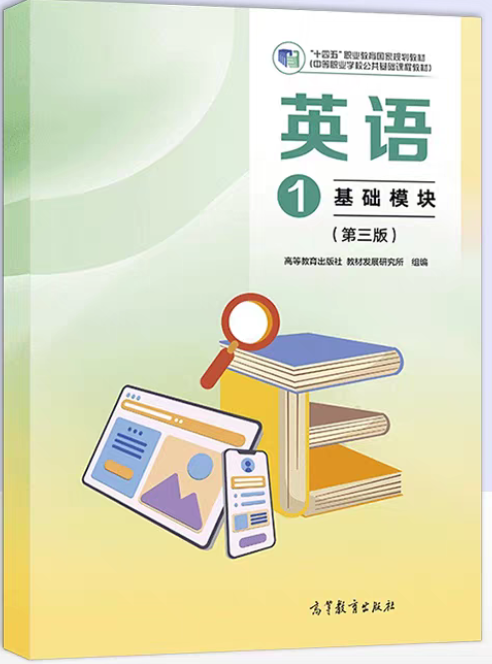
2.4 Transportation(Language Practice)-《英语 基础模块1》(高教版第三版)《一课一练》(原卷版+解析版)
2026-08-26
|
2份
|
5页
|
33人阅读
|
0人下载
摘要:
**基本信息**
该练习针对中职英语Unit 2祈使句,采用“课前预习-课堂检测”分层设计,通过概念自测、语法选择到短文填空的进阶路径,强化语言能力与学习能力,适配课前自主学习与课中巩固检测。
**分层设计**
|层次|知识覆盖|设计特色|
|----|----------|----------|
|课前预习|祈使句概念及构成形式|4题选择自测基础认知,配套语法精讲及高频错误提示,助力课前自主学习|
|课堂检测|祈使句在语境中的综合应用|5题语法选择强化单一知识点,5题短文填空融入服务场景,实现从句型到语篇的能力提升|
内容正文:
编写说明:基于中职学生的英语学习特点,为提升学习效率,落实课前、课中、课后教学闭环,本专辑依据最新《中等职业学校英语课程标准》,打造重庆专用《英语 基础模块1》(高教版第三版)《一课一练》,专辑共40练,完全对接重庆高职分类考试考法。
本卷为《英语 基础模块1》(高教版第三版)Unit 2 Transportation(Language Practice)的课前预习与课堂检测。
Unit 2 Transportation
一课一练(4) Language Practice
【课前预习】
一、语法概念自测
1. 祈使句通常用来表达什么?
A. 过去经历
B. 命令、请求、建议或指引
C. 客观事实
D. 人物身份
2. 肯定祈使句通常以什么开头?
A. 动词原形
B. 动词过去式
C. 情态动词
D. 主语you
3. 否定祈使句通常怎样构成?
A. No + 主语
B. Doesn’t + 动词
C. Don’t + 动词原形
D. Not + 过去式
4. Let’s开头的祈使句主要表示什么?
A. 禁止对方行动
B. 描述正在发生的事
C. 询问过去路线
D. 提出共同建议
二、语法精讲:祈使句
1. 定义:祈使句用于表达命令、请求、建议、提醒或路线指引,通常省略主语you。
2. 肯定形式:动词原形 + 其他。如:Go straight. Turn right at the bank. Be careful.
3. 否定形式:Don’t + 动词原形 + 其他。如:Don’t cross the road here. Don’t worry about it.
4. 建议形式:Let’s + 动词原形;礼貌表达可在句首或句末加入please。
高频错误:To turn left at the crossroads. × 应改为 Turn left at the crossroads. √ 祈使句直接使用动词原形,不能在句首加to。
【课堂检测】
一、单元语法选择(5题)
1. ________ straight for two blocks, and you will see the station.
A. Go
B. Goes
C. Going
D. To go
2. ________ the road when the traffic light is red.
A. Not cross
B. Doesn’t cross
C. Don’t cross
D. No crossing it
3. ________ careful when you get off the bus at night.
A. Is
B. Be
C. Being
D. To be
4. Let’s ________ the metro instead; the road is crowded.
A. taking
B. takes
C. to take
D. take
5. Please ________ your destination before you start the map app, so it can show the correct route.
A. check
B. checked
C. checking
D. checks
二、短文填空(5题)
A clear route card helps hotel guests travel easily and safely without stress. First, ____6____ the guest’s starting place and arrival time. If the road is busy, recommend ____7____ metro instead of a taxi. Write the station name clearly, and tell the guest which exit to use.
For an older guest, choose a route with ____8____ walking. ____9____ forget to mention lifts or safe crossings. Finally, check the plan again ____10____ send it to the guest. Small details make travel easier and show careful service.
6. A. check
B. checks
C. checked
D. checking
7. A. a
B. an
C. the
D. /
8. A. few
B. fewer
C. little
D. less
9. A. Do
B. Does
C. Don’t
D. Doesn’t
10. A. and
B. but
C. or
D. so
原创精品资源学科网独家享有版权,侵权必究!
原创精品资源学科网独家享有版权,侵权必究!
原创精品资源学科网独家享有版权,侵权必究!
学科网(北京)股份有限公司
$
编写说明:基于中职学生的英语学习特点,为提升学习效率,落实课前、课中、课后教学闭环,本专辑依据最新《中等职业学校英语课程标准》,打造重庆专用《英语 基础模块1》(高教版第三版)《一课一练》,专辑共40练,完全对接重庆高职分类考试考法。
本卷为《英语 基础模块1》(高教版第三版)Unit 2 Transportation(Language Practice)的课前预习与课堂检测。
Unit 2 Transportation
一课一练(4) Language Practice
【课前预习】
一、语法概念自测
1. 祈使句通常用来表达什么?
A. 过去经历
B. 命令、请求、建议或指引
C. 客观事实
D. 人物身份
【答案】B
【解析】祈使句常用于命令、请求、建议、提醒和路线指引。
2. 肯定祈使句通常以什么开头?
A. 动词原形
B. 动词过去式
C. 情态动词
D. 主语you
【答案】A
【解析】肯定祈使句通常省略主语you,以动词原形开头。
3. 否定祈使句通常怎样构成?
A. No + 主语
B. Doesn’t + 动词
C. Don’t + 动词原形
D. Not + 过去式
【答案】C
【解析】否定祈使句通常使用Don’t + 动词原形。
4. Let’s开头的祈使句主要表示什么?
A. 禁止对方行动
B. 描述正在发生的事
C. 询问过去路线
D. 提出共同建议
【答案】D
【解析】Let’s do sth.用于建议说话人与听话人共同做某事。
二、语法精讲:祈使句
1. 定义:祈使句用于表达命令、请求、建议、提醒或路线指引,通常省略主语you。
2. 肯定形式:动词原形 + 其他。如:Go straight. Turn right at the bank. Be careful.
3. 否定形式:Don’t + 动词原形 + 其他。如:Don’t cross the road here. Don’t worry about it.
4. 建议形式:Let’s + 动词原形;礼貌表达可在句首或句末加入please。
高频错误:To turn left at the crossroads. × 应改为 Turn left at the crossroads. √ 祈使句直接使用动词原形,不能在句首加to。
【课堂检测】
一、单元语法选择(5题)
1. ________ straight for two blocks, and you will see the station.
A. Go
B. Goes
C. Going
D. To go
【答案】A
【解析】祈使句以动词原形Go开头。
2. ________ the road when the traffic light is red.
A. Not cross
B. Doesn’t cross
C. Don’t cross
D. No crossing it
【答案】C
【解析】否定祈使句使用Don’t + 动词原形。
3. ________ careful when you get off the bus at night.
A. Is
B. Be
C. Being
D. To be
【答案】B
【解析】be动词的祈使句使用原形Be。
4. Let’s ________ the metro instead; the road is crowded.
A. taking
B. takes
C. to take
D. take
【答案】D
【解析】Let’s后接动词原形take。
5. Please ________ your destination before you start the map app, so it can show the correct route.
A. check
B. checked
C. checking
D. checks
【答案】A
【解析】please引导的祈使句使用动词原形check。
二、短文填空(5题)
A clear route card helps hotel guests travel easily and safely without stress. First, ____6____ the guest’s starting place and arrival time. If the road is busy, recommend ____7____ metro instead of a taxi. Write the station name clearly, and tell the guest which exit to use.
For an older guest, choose a route with ____8____ walking. ____9____ forget to mention lifts or safe crossings. Finally, check the plan again ____10____ send it to the guest. Small details make travel easier and show careful service.
6. A. check
B. checks
C. checked
D. checking
7. A. a
B. an
C. the
D. /
8. A. few
B. fewer
C. little
D. less
9. A. Do
B. Does
C. Don’t
D. Doesn’t
10. A. and
B. but
C. or
D. so
【导语】本文是一篇说明文,介绍酒店工作人员为客人制作交通路线卡的基本步骤,强调根据时间、路况与旅客需要提供清晰、细致的出行指引。
【答案】6.A 7.C 8.D 9.C 10.A
【详解】6. 祈使句。 句首用于提出操作步骤,应使用动词原形check。
7. 冠词。 此处特指城市已有的地铁交通系统,使用the。
8. 形容词比较级。 walking为不可数概念,表示“更少的步行”用less。
9. 否定祈使句。 提醒不要忘记某事,使用Don’t + 动词原形。
10. 并列连词。 check与send为按顺序完成的两个并列动作,用and连接。
原创精品资源学科网独家享有版权,侵权必究!
原创精品资源学科网独家享有版权,侵权必究!
原创精品资源学科网独家享有版权,侵权必究!
学科网(北京)股份有限公司
$
资源预览图

1
由于学科网是一个信息分享及获取的平台,不确保部分用户上传资料的 来源及知识产权归属。如您发现相关资料侵犯您的合法权益,请联系学科网,我们核实后将及时进行处理。