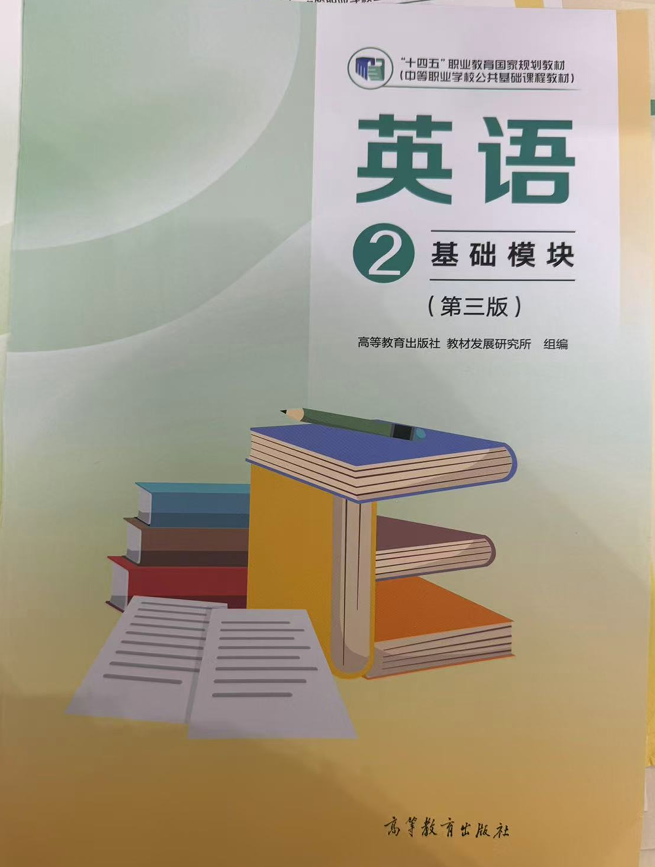
Unit 8 Green Earth(A卷·基础巩固)《英语 基础模块2》(高教版第三版)单元过关卷(原卷版+解析版)
2026-08-25
|
2份
|
12页
|
36人阅读
|
0人下载
摘要:
**基本信息**
紧扣《英语 基础模块2》Unit 8 Green Earth,A卷基础巩固,60分钟80分,聚焦环保主题,覆盖语音、词汇、语法及篇章理解,适配单元复习,助力夯实基础。
**题型特征**
|题型|题量/分值|知识覆盖|命题特色|
|----|-----------|----------|----------|
|语音辨析题|5题10分|元音、辅音发音(如waste与name的a发音)|基础语音辨识,巩固发音规则|
|选择填空题|15题30分|核心词汇(recycle, harmful)、语法(强调句it was...that)|语境化设题,强化词汇语法应用|
|完形填空题|10题20分|环保情境短文(酒店垃圾分类)|综合语言运用,培养语篇理解能力|
|阅读理解题|10题20分|回收指南、节水案例|信息获取与分析,提升思维品质|
内容正文:
编写说明:本套试卷紧扣《英语 基础模块2》(高教版第三版)教材,以教材单元为基准精准覆盖核心考点。
每个单元设置AB卷,A卷为基础巩固卷,侧重基础考点训练,帮助学生扎实掌握知识要点;B卷为能力提升卷,注重知识整合与全面检测,引导学生构建知识网络。全书设计4份综合测试卷,模拟实战情境,聚焦解题能力突破,全面提升应试能力与知识应用水平。
《英语 基础模块2》(高教版第三版)《单元过关卷》
Unit 8 Green Earth
A卷·基础巩固
考试时间:60分钟 满分:80分
班级_____姓名_____学号_____成绩_____
一、语音辨析题(本题有5小题,每小题2分,共10分)
从A、B、C、D四个选项中找出与所给单词画线部分读音相同的选项。
1. waste
A. hand
B. name
C. father
D. want
【答案】B
【详解】waste /weɪst/与name /neɪm/中的画线字母a均发/eɪ/;其余分别发/æ/、/ɑː/和/ɒ/。故选B。
2. recycle
A. type
B. city
C. system
D. baby
【答案】A
【详解】recycle /ˌriːˈsaɪkl/中的y与type /taɪp/中的y均发/aɪ/;其余发/ɪ/。故选A。
3. cloth
A. this
B. those
C. think
D. weather
【答案】C
【详解】cloth /klɒθ/与think /θɪŋk/中的th均发/θ/;其余发/ð/。故选C。
4. global
A. job
B. love
C. do
D. home
【答案】D
【详解】global /ˈɡləʊbl/与home /həʊm/中的o均发/əʊ/;其余读音不同。故选D。
5. stream
A. head
B. team
C. break
D. heavy
【答案】B
【详解】stream /striːm/与team /tiːm/中的ea均发/iː/;其余读音不同。故选B。
二、选择填空题(本题有15小题,每小题2分,共30分)
从A、B、C、D四个选项中选出最佳答案。
6. Please ____ the river from plastic waste.
A. produce
B. prepare
C. protect
D. provide
【答案】C
【考点】动词词义辨析
【详解】句意:请保护河流免受塑料垃圾污染。A. produce生产;B. prepare准备;C. protect保护;D. provide提供。。故选C。
7. Old batteries are ____ waste and need special treatment.
A. harmful
B. natural
C. useful
D. daily
【答案】A
【考点】形容词词义辨析
【详解】句意:旧电池属于有害垃圾,需要特殊处理。A. harmful有害的;B. natural自然的;C. useful有用的;D. daily每日的。。故选A。
8. The shop collects glass bottles and sends them away to be ____.
A. protected
B. recycled
C. involved
D. generated
【答案】B
【考点】一般现在时的被动语态
【详解】句意:商店收集玻璃瓶并把它们送去回收。A. protected被保护;B. recycled被回收;C. involved被卷入;D. generated被产生。。故选B。
9. Earth Hour calls ____ people to turn off unnecessary lights.
A. at
B. in
C. from
D. on
【答案】D
【考点】介词搭配
【详解】句意:‘地球一小时’号召人们关掉不必要的灯。A. at在;B. in在……里;C. from从;D. on向;对。。故选D。
10. It was a loose pipe ____ caused most of the water loss.
A. that
B. who
C. whose
D. what
【答案】A
【考点】强调句型
【详解】句意:正是一根松动的水管造成了大部分水损失。A. that强调人或物时可用;B. who强调人时可用;C. whose谁的;D. what什么。。故选A。
11. It was not until noon ____ the workers found the leaking tap.
A. when
B. which
C. where
D. that
【答案】D
【考点】not until强调句
【详解】句意:直到中午,工人们才发现漏水的水龙头。A. when当……时;B. which哪一个;C. where在哪里;D. that强调句连接词。。故选D。
12. It is the volunteers ____ sort the bottles by color.
A. where
B. when
C. who
D. whose
【答案】C
【考点】强调句型
【详解】句意:正是志愿者按颜色给瓶子分类。A. where在哪里;B. when当……时;C. who强调人时可用;D. whose谁的。。故选C。
13. Many hotels are getting ____ in the towel-reuse program.
A. involve
B. involved
C. involving
D. involvement
【答案】B
【考点】固定搭配
【详解】句意:许多酒店正在参与毛巾重复使用计划。A. involve使参与(原形);B. involved参与的(过去分词);C. involving使参与(现在分词);D. involvement参与(名词)。。故选B。
14. We should make the best use ____ every drop of water.
A. of
B. at
C. for
D. with
【答案】A
【考点】介词搭配
【详解】句意:我们应充分利用每一滴水。A. of……的;B. at在;C. for为了;D. with和。。故选A。
15. The stream may ____ if people keep wasting water.
A. get up
B. pick up
C. dry up
D. set up
【答案】C
【考点】动词短语辨析
【详解】句意:如果人们继续浪费水,这条溪流可能会干涸。A. get up起床;B. pick up捡起;C. dry up干涸;D. set up建立。。故选C。
16. The repair has had a positive impact ____ the wetland.
A. in
B. at
C. from
D. on
【答案】D
【考点】介词搭配
【详解】句意:这次修复对湿地产生了积极影响。A. in在……里;B. at在;C. from从;D. on对……。。故选D。
17. Taking public ____ can reduce traffic pollution.
A. treatment
B. transportation
C. generation
D. information
【答案】B
【考点】名词词义辨析
【详解】句意:乘坐公共交通可以减少交通污染。A. treatment处理;B. transportation交通;C. generation一代;产生;D. information信息。。故选B。
18. We must take action now for future ____.
A. generations
B. situations
C. operations
D. directions
【答案】A
【考点】名词词义辨析
【详解】句意:为了子孙后代,我们必须立即采取行动。A. generations世代;B. situations情况;C. operations操作;D. directions方向。。故选A。
19. The factory has reduced the ____ of waste it generates.
A. number
B. pair
C. amount
D. piece
【答案】C
【考点】不可数名词的数量表达
【详解】句意:这家工厂已经减少了其产生的垃圾量。A. number数量(修饰可数名词);B. pair一双;C. amount数量(修饰不可数名词);D. piece一件。。故选C。
20. ____ the broken valve that kept the water running all night?
A. It was
B. Was that
C. Did it
D. Was it
【答案】D
【考点】强调句的一般疑问句
【详解】句意:是那个损坏的阀门让水整夜流个不停吗?A. It was正是,陈述式;B. Was that那个是吗;C. Did it它做了吗;D. Was it是不是,强调句疑问式。。故选D。
三、完形填空题(本题有10小题,每小题2分,共20分)
阅读下面短文,从A、B、C、D四个选项中选出最佳答案。
At a hotel near Huangguoshu Waterfall, Chen Li manages the linen room. On Tuesday, she ____21____ a leaking battery in a bag of plastic bottles. Batteries are ____22____ waste, so they cannot enter the recycling bin. Chen put on gloves and moved it into a ____23____ box. She checked the other bags ____24____.
A bulb was wrapped in paper, and shampoo bottles were rinsed. She wrote each item in the waste ____25____. It was after the check ____26____ the recycling company collected the bags. The worker praised her ____27____ action. The hotel added picture labels ____28____ every bin. Guests could sort waste more ____29____, and the staff spent less time ____30____ mistakes.
21. A. borrowed
B. ordered
C. noticed
D. washed
22. A. natural
B. fresh
C. public
D. harmful
23. A. separate
B. similar
C. traditional
D. central
24. A. at once
B. one by one
C. by mistake
D. in public
25. A. screen
B. entrance
C. record
D. price
26. A. where
B. when
C. who
D. that
27. A. careful
B. careless
C. quiet
D. slow
28. A. from
B. to
C. with
D. by
29. A. correctly
B. correct
C. correction
D. correctness
30. A. correct
B. corrected
C. correcting
D. to correct
【答案】21. C 22. D 23. A 24. B 25. C 26. D 27. A 28. B 29. A 30. C
【导语】本文讲述酒店布草房工作人员发现混入普通回收物的漏液电池后,按流程隔离、登记并完善分类标签。
【详解】
21. 考查一般过去时与动词词义。句意:星期二,她在一袋塑料瓶中发现了一节漏液的电池。A. borrowed借入;B. ordered订购;C. noticed发现;D. washed清洗。叙述过去发生的事件,且宾语为leaking battery,应用noticed。故选C。
22. 考查形容词词义辨析。句意:电池属于有害垃圾,因此不能进入普通回收箱。A. natural自然的;B. fresh新鲜的;C. public公共的;D. harmful有害的。电池需要特殊处理,属于harmful waste。故选D。
23. 考查形容词词义辨析。句意:陈戴上手套,把电池移入一个单独的箱子。A. separate单独的;B. similar相似的;C. traditional传统的;D. central中央的。有害电池应与普通回收物分开存放,用separate。故选A。
24. 考查副词短语辨析。句意:然后她逐袋检查了其他袋子。A. at once立刻;B. one by one逐一地;C. by mistake错误地;D. in public公开地。检查所有袋子且强调逐个核对,用one by one。故选B。
25. 考查名词词义辨析。句意:她把每件物品写进垃圾登记表。A. screen屏幕;B. entrance入口;C. record记录;D. price价格。登记物品应用waste record。故选C。
26. 考查强调句型。句意:正是在检查之后,回收公司才收走这些袋子。A. where在哪里;B. when当……时;C. who强调人时可用;D. that强调句连接词。It was+时间状语+that+其他构成强调句。故选D。
27. 考查形容词词义辨析。句意:工作人员称赞了她细心的处理。A. careful细心的;B. careless粗心的;C. quiet安静的;D. slow缓慢的。她发现并隔离漏液电池,说明处理careful。故选A。
28. 考查介词搭配。句意:酒店后来给每个垃圾箱都贴上图片标签。A. from从;B. to到;给;C. with和;带有;D. by通过。add...to...意为‘把……添加到……’。故选B。
29. 考查副词修饰动词。句意:客人可以更正确地分类垃圾。A. correctly正确地(副词);B. correct正确的(形容词);C. correction改正(名词);D. correctness正确性(名词)。修饰动词sort应用副词correctly。故选A。
30. 考查spend time doing结构。句意:工作人员花在纠正错误上的时间更少了。A. correct纠正(原形);B. corrected已纠正;C. correcting纠正(动名词);D. to correct去纠正。spend time doing sth,应用correcting。故选C。
四、阅读理解题(本题有10小题,每小题2分,共20分)
阅读下面两篇材料,从A、B、C、D四个选项中选出最佳答案。
Passage A
A city recycling station lists four items below. Residents should prepare each item as required and use the correct drop-off point during opening hours.
Item
Category
Preparation
Drop-off point
Open time
Glass bottle
recyclable
rinse
green bin
daily
Battery
harmful
keep dry
side desk
Mon–Fri
Medicine
harmful
keep package
side desk
Wed/Fri
Cloth bag
reusable
fold
reuse shelf
daily
31. Which item should be rinsed before drop-off?
A. The battery.
B. The medicine.
C. The cloth bag.
D. The glass bottle.
32. Where should residents take an old battery?
A. To the green bin.
B. To the side desk.
C. To the reuse shelf.
D. To the medicine box.
33. When can medicine be dropped off?
A. On Wednesday or Friday.
B. Only on Monday.
C. Every day.
D. Only at weekends.
34. Which item is reusable and should be folded?
A. The glass bottle.
B. The battery.
C. The cloth bag.
D. The medicine.
35. Which information belongs to one item?
A. Medicine—rinse—daily.
B. Battery—keep dry—side desk.
C. Cloth bag—harmful—side desk.
D. Glass bottle—keep package—Wed/Fri.
【答案】31. D 32. B 33. A 34. C 35. B
【导语】本文是一份城市回收站投放表,列明物品类别、投放前处理、投放地点和开放时间。
【详解】
31. 细节理解题。根据表格Glass bottle一行的Preparation‘rinse’可知,玻璃瓶投放前应冲洗;其他物品对应不同处理要求。故选D。
32. 细节理解题。根据Battery一行的Drop-off point‘side desk’可知,旧电池应送到侧边服务台;green bin和reuse shelf分别属于其他物品。故选B。
33. 细节理解题。根据Medicine一行的Open time‘Wed/Fri’可知,药品可在周三或周五投放。故选A。
34. 细节理解题。根据Cloth bag同一行的Category‘reusable’和Preparation‘fold’可知,应折叠的可重复用品是布袋。故选C。
35. 细节理解题。根据Battery同一行的‘keep dry—side desk’可知,A项三个字段均匹配;其余选项把不同物品的信息跨字段组合。故选B。
Passage B
A guesthouse near Fanjing Mountain began a water-saving plan in May. It put reminder cards in twelve rooms and asked guests to reuse towels. At the end of the first week, however, the main meter showed that daily water use had fallen only from 21 to 20 cubic meters.
Manager Zhao Min did not simply add more cards. She compared the small meters for the kitchen, laundry room and guest rooms. The kitchen and laundry figures were normal, but the guest-room meter continued moving after midnight, when everyone was asleep. Zhao then closed the water valves room by room. The meter stopped after she closed the valve for Room 208. A repair worker found that its toilet tank kept filling because a rubber part was worn.
After the part was replaced, daily use fell to 15 cubic meters during a week with almost the same number of guests. Zhao kept the cards and towel-reuse request, but she did not say that they alone saved six cubic meters. The guesthouse added a midnight meter check and a repair log. Its experience showed that environmental messages are useful, but careful records can locate a hidden problem and lead to a more effective action.
36. What did the guesthouse first use to encourage water saving?
A. New toilet tanks.
B. A midnight repair team.
C. Smaller kitchen meters.
D. Reminder cards and a towel-reuse request.
37. What unusual fact did Zhao Min find?
A. The guest-room meter moved after midnight.
B. The kitchen used no water.
C. Room 208 had no guests.
D. The laundry meter was broken.
38. How did Zhao locate the problem room?
A. By asking guests to move rooms.
B. By replacing every rubber part.
C. By closing room valves one by one.
D. By turning off the main meter.
39. Why did Zhao compare weeks with almost the same number of guests?
A. To sell more rooms.
B. To make the water-use comparison fairer.
C. To test the reminder cards only.
D. To avoid checking the meters.
40. What is the main lesson of the passage?
A. Reminder cards always save six cubic meters.
B. Guesthouses should close all room valves at night.
C. Towel reuse is the only useful green action.
D. Records can help find hidden waste and guide effective action.
【答案】36. D 37. A 38. C 39. B 40. D
【导语】本文讲述山地民宿通过分区水表和逐房关阀定位暗漏,并据此建立夜间读表和维修记录制度。
【详解】
36. 细节理解题。根据首段‘put reminder cards...and asked guests to reuse towels’可知,民宿最初使用提示卡并倡议重复使用毛巾。故选D。
37. 细节理解题。根据第二段‘the guest-room meter continued moving after midnight’可知,异常现象是客房区水表在午夜后仍转动。故选A。
38. 细节理解题。根据第二段‘closed the water valves room by room’以及关到208房后水表停止可知,赵敏通过逐房关闭阀门定位问题。故选C。
39. 推理判断题。入住人数接近可减少客流差异对用水量的影响,使两周数据更可比;文章并非只测试提示卡。故选B。
40. 主旨理解题。根据末段可知,提示信息有用,但分区记录和核查能定位暗漏并促成有效维修;B项把全部节水归因于提示卡,只是部分正确。故选D。
原创精品资源学科网独家享有版权,侵权必究!
原创精品资源学科网独家享有版权,侵权必究!
原创精品资源学科网独家享有版权,侵权必究!
学科网(北京)股份有限公司
$
编写说明:本套试卷紧扣《英语 基础模块2》(高教版第三版)教材,以教材单元为基准精准覆盖核心考点。
每个单元设置AB卷,A卷为基础巩固卷,侧重基础考点训练,帮助学生扎实掌握知识要点;B卷为能力提升卷,注重知识整合与全面检测,引导学生构建知识网络。全书设计4份综合测试卷,模拟实战情境,聚焦解题能力突破,全面提升应试能力与知识应用水平。
《英语 基础模块2》(高教版第三版)《单元过关卷》
Unit 8 Green Earth
A卷·基础巩固
考试时间:60分钟 满分:80分
班级_____姓名_____学号_____成绩_____
一、语音辨析题(本题有5小题,每小题2分,共10分)
从A、B、C、D四个选项中找出与所给单词画线部分读音相同的选项。
1. waste
A. hand
B. name
C. father
D. want
2. recycle
A. type
B. city
C. system
D. baby
3. cloth
A. this
B. those
C. think
D. weather
4. global
A. job
B. love
C. do
D. home
5. stream
A. head
B. team
C. break
D. heavy
二、选择填空题(本题有15小题,每小题2分,共30分)
从A、B、C、D四个选项中选出最佳答案。
6. Please ____ the river from plastic waste.
A. produce
B. prepare
C. protect
D. provide
7. Old batteries are ____ waste and need special treatment.
A. harmful
B. natural
C. useful
D. daily
8. The shop collects glass bottles and sends them away to be ____.
A. protected
B. recycled
C. involved
D. generated
9. Earth Hour calls ____ people to turn off unnecessary lights.
A. at
B. in
C. from
D. on
10. It was a loose pipe ____ caused most of the water loss.
A. that
B. who
C. whose
D. what
11. It was not until noon ____ the workers found the leaking tap.
A. when
B. which
C. where
D. that
12. It is the volunteers ____ sort the bottles by color.
A. where
B. when
C. who
D. whose
13. Many hotels are getting ____ in the towel-reuse program.
A. involve
B. involved
C. involving
D. involvement
14. We should make the best use ____ every drop of water.
A. of
B. at
C. for
D. with
15. The stream may ____ if people keep wasting water.
A. get up
B. pick up
C. dry up
D. set up
16. The repair has had a positive impact ____ the wetland.
A. in
B. at
C. from
D. on
17. Taking public ____ can reduce traffic pollution.
A. treatment
B. transportation
C. generation
D. information
18. We must take action now for future ____.
A. generations
B. situations
C. operations
D. directions
19. The factory has reduced the ____ of waste it generates.
A. number
B. pair
C. amount
D. piece
20. ____ the broken valve that kept the water running all night?
A. It was
B. Was that
C. Did it
D. Was it
三、完形填空题(本题有10小题,每小题2分,共20分)
阅读下面短文,从A、B、C、D四个选项中选出最佳答案。
At a hotel near Huangguoshu Waterfall, Chen Li manages the linen room. On Tuesday, she ____21____ a leaking battery in a bag of plastic bottles. Batteries are ____22____ waste, so they cannot enter the recycling bin. Chen put on gloves and moved it into a ____23____ box. She checked the other bags ____24____.
A bulb was wrapped in paper, and shampoo bottles were rinsed. She wrote each item in the waste ____25____. It was after the check ____26____ the recycling company collected the bags. The worker praised her ____27____ action. The hotel added picture labels ____28____ every bin. Guests could sort waste more ____29____, and the staff spent less time ____30____ mistakes.
21. A. borrowed
B. ordered
C. noticed
D. washed
22. A. natural
B. fresh
C. public
D. harmful
23. A. separate
B. similar
C. traditional
D. central
24. A. at once
B. one by one
C. by mistake
D. in public
25. A. screen
B. entrance
C. record
D. price
26. A. where
B. when
C. who
D. that
27. A. careful
B. careless
C. quiet
D. slow
28. A. from
B. to
C. with
D. by
29. A. correctly
B. correct
C. correction
D. correctness
30. A. correct
B. corrected
C. correcting
D. to correct
四、阅读理解题(本题有10小题,每小题2分,共20分)
阅读下面两篇材料,从A、B、C、D四个选项中选出最佳答案。
Passage A
A city recycling station lists four items below. Residents should prepare each item as required and use the correct drop-off point during opening hours.
Item
Category
Preparation
Drop-off point
Open time
Glass bottle
recyclable
rinse
green bin
daily
Battery
harmful
keep dry
side desk
Mon–Fri
Medicine
harmful
keep package
side desk
Wed/Fri
Cloth bag
reusable
fold
reuse shelf
daily
31. Which item should be rinsed before drop-off?
A. The battery.
B. The medicine.
C. The cloth bag.
D. The glass bottle.
32. Where should residents take an old battery?
A. To the green bin.
B. To the side desk.
C. To the reuse shelf.
D. To the medicine box.
33. When can medicine be dropped off?
A. On Wednesday or Friday.
B. Only on Monday.
C. Every day.
D. Only at weekends.
34. Which item is reusable and should be folded?
A. The glass bottle.
B. The battery.
C. The cloth bag.
D. The medicine.
35. Which information belongs to one item?
A. Medicine—rinse—daily.
B. Battery—keep dry—side desk.
C. Cloth bag—harmful—side desk.
D. Glass bottle—keep package—Wed/Fri.
Passage B
A guesthouse near Fanjing Mountain began a water-saving plan in May. It put reminder cards in twelve rooms and asked guests to reuse towels. At the end of the first week, however, the main meter showed that daily water use had fallen only from 21 to 20 cubic meters.
Manager Zhao Min did not simply add more cards. She compared the small meters for the kitchen, laundry room and guest rooms. The kitchen and laundry figures were normal, but the guest-room meter continued moving after midnight, when everyone was asleep. Zhao then closed the water valves room by room. The meter stopped after she closed the valve for Room 208. A repair worker found that its toilet tank kept filling because a rubber part was worn.
After the part was replaced, daily use fell to 15 cubic meters during a week with almost the same number of guests. Zhao kept the cards and towel-reuse request, but she did not say that they alone saved six cubic meters. The guesthouse added a midnight meter check and a repair log. Its experience showed that environmental messages are useful, but careful records can locate a hidden problem and lead to a more effective action.
36. What did the guesthouse first use to encourage water saving?
A. New toilet tanks.
B. A midnight repair team.
C. Smaller kitchen meters.
D. Reminder cards and a towel-reuse request.
37. What unusual fact did Zhao Min find?
A. The guest-room meter moved after midnight.
B. The kitchen used no water.
C. Room 208 had no guests.
D. The laundry meter was broken.
38. How did Zhao locate the problem room?
A. By asking guests to move rooms.
B. By replacing every rubber part.
C. By closing room valves one by one.
D. By turning off the main meter.
39. Why did Zhao compare weeks with almost the same number of guests?
A. To sell more rooms.
B. To make the water-use comparison fairer.
C. To test the reminder cards only.
D. To avoid checking the meters.
40. What is the main lesson of the passage?
A. Reminder cards always save six cubic meters.
B. Guesthouses should close all room valves at night.
C. Towel reuse is the only useful green action.
D. Records can help find hidden waste and guide effective action.
原创精品资源学科网独家享有版权,侵权必究!
原创精品资源学科网独家享有版权,侵权必究!
原创精品资源学科网独家享有版权,侵权必究!
学科网(北京)股份有限公司
$
资源预览图

1

2
由于学科网是一个信息分享及获取的平台,不确保部分用户上传资料的 来源及知识产权归属。如您发现相关资料侵犯您的合法权益,请联系学科网,我们核实后将及时进行处理。