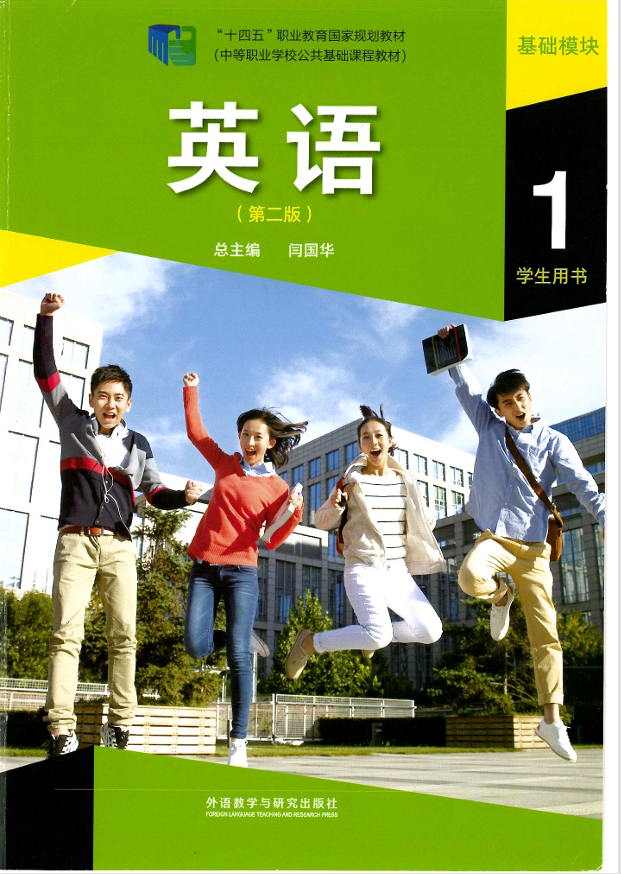
3.2 Sports Are Good for You(Reading and Writing 1)-《英语 基础模块1》(外研版第二版)《一课一练》(原卷版+解析版)
2026-08-22
|
2份
|
9页
|
30人阅读
|
0人下载
摘要:
**基本信息**
中职英语《基础模块1》Unit 3同步练,通过“课前预习+课堂检测”分层设计,构建“词汇-短语-句子-语篇”渐进式知识巩固路径,夯实语言基础并提升综合应用能力。
**分层设计**
|层次|知识覆盖|设计特色|
|----|----------|----------|
|课前预习|核心词汇(8题)、重点短语(8题)、基础句型(3题)|以填空、翻译题夯实基础,助力课前自主学习,培养学习能力|
|课堂检测|词汇应用(10题)、语篇理解(5题)|通过单选(语境词汇辨析)、阅读(信息获取与推理)提升语言能力,衔接课时教学目标|
内容正文:
编写说明:基于中职学生的英语学习特点,为提升学习效率,落实课前、课中、课后教学闭环,本专辑依据最新《中等职业学校英语课程标准》,打造重庆专用《英语 基础模块1》(外研版第二版)《一课一练》,专辑共40练,完全对接重庆高职分类考试考法。
本卷为《英语 基础模块1》(外研版第二版)Unit 3 Sports Are Good for You(Reading and Writing 1)的课前预习与课堂检测。
Unit 3 Sports Are Good for You
一课一练(2) Reading and Writing 1
【课前预习】
一、核心词汇检测
1. n. 趋势;潮流____
2. adj. 每年的;年度的____
3. n. 健身房____
4. adj. 各种各样的____
5. n. 活动;赛事____
6. v. 适合____
7. v. 呼吸____
8. v. 增强;加强____
【答案】1.trend 2.annual 3.gym 4.various 5.event 6.suit 7.breathe 8.strengthen
二、课文重点短语
1. set up____
2. a way of life____
3. get together____
4. physical exercise____
5. take part in____
6. try out____
7. be good for____
8. leave behind____
【答案】1.设立;建立 2.一种生活方式 3.聚在一起 4.体育锻炼 5.参加 6.试用;尝试 7.对……有益 8.把……抛在后面
三、课文难句翻译
1. It was set up to celebrate the 2008 Beijing Olympics and to encourage people to exercise and strengthen their bodies.
译文:设立这个节日是为了庆祝2008年北京奥运会,并鼓励人们锻炼、增强体质。
2. You can join in fitness events that you are good at, or just wish to try out.
译文:你可以参加自己擅长或只是想尝试的健身活动。
3. While enjoying the fun of exercising, you will also discover how regular exercise is good for your mind and your body.
译文:在享受运动乐趣的同时,你也会发现规律运动对身心的益处。
【课堂检测】
一、词汇单选(10题)
1. More young people are joining outdoor clubs, showing a growing fitness ________.
A. trade
B. trend
C. trust
D. trip
【答案】B
【解析】trend意为“趋势;潮流”。越来越多人参加户外俱乐部体现健身趋势,故选B。
2. The school holds an ________ sports meeting every October.
A. annual
B. active
C. ancient
D. available
【答案】A
【解析】annual意为“每年的”。每年十月举办一次,与annual sports meeting搭配,故选A。
3. Because it was raining, the students exercised in the ________ instead of on the field.
A. gallery
B. garage
C. gym
D. garden
【答案】C
【解析】gym意为“健身房;体育馆”。雨天进行室内锻炼应在gym,故选C。
4. The community offers ________ activities, including dancing, Tai Chi and basketball.
A. valuable
B. various
C. usual
D. serious
【答案】B
【解析】various意为“各种各样的”。后文列举多种运动项目,故选B。
5. More than 200 students joined the running ________ on National Fitness Day.
A. event
B. effort
C. example
D. exercise
【答案】A
【解析】event意为“活动;赛事”。多人参加的跑步项目属于体育活动,故选A。
6. Choose a sport that can ________ your interests and physical condition.
A. save
B. serve
C. suit
D. support
【答案】C
【解析】suit意为“适合”。运动项目应与兴趣和身体状况相适合,故选C。
7. Open the window so that everyone can ________ fresh air during the break.
A. borrow
B. brush
C. bring
D. breathe
【答案】D
【解析】breathe意为“呼吸”。开窗的目的是呼吸新鲜空气,故选D。
8. Regular climbing can ________ your legs, but you should increase the difficulty slowly.
A. straighten
B. soften
C. shorten
D. strengthen
【答案】D
【解析】strengthen意为“增强”。攀爬能增强腿部力量,故选D。
9. The city’s ________ swimming race attracts families at the start of each summer.
A. ancient
B. annual
C. ordinary
D. recent
【答案】B
【解析】annual表示每年举行的。每年夏初举办符合年度赛事语境,故选B。
10. The coach prepared ________ games so that students with different abilities could join.
A. similar
B. single
C. various
D. simple
【答案】C
【解析】various意为“多种多样的”。为不同能力的学生准备多种游戏,故选C。
二、阅读理解(5题)
Last September, Hongxing Vocational School found that many first-year students did little exercise after class. Some thought team sports were too difficult, while others had no idea which activity suited them. The school therefore started a six-week “Move Together” programme. Students could choose brisk walking, dance, table tennis or simple strength training.
Before the programme, each student completed a short health check and set one realistic goal. PE teachers then formed small groups according to interests rather than ability. Every Tuesday and Thursday, the groups exercised for thirty minutes. Student leaders recorded attendance, but they did not compare scores. Instead, members shared how they felt and encouraged anyone who wanted to stop.
At the end, 78 percent of the 120 participants said they had more energy in afternoon classes. Sixty-four students continued exercising at least twice a week. The school also learned that choice mattered: beginners stayed longer when activities were enjoyable and goals were manageable. Next term, the programme will add Tai Chi and invite parents to a weekend fitness event.
11. Why did the school start the programme?
A. To prepare students for a city race.
B. To help inactive students find suitable exercise.
C. To select leaders for school sports teams.
D. To compare the health of different classes.
12. How were the small groups mainly formed?
A. By students’ interests.
B. By students’ scores.
C. By students’ ages.
D. By students’ height.
13. What did student leaders do during the programme?
A. They designed every training plan.
B. They checked health before exercise.
C. They kept records and offered support.
D. They chose the strongest team members.
14. What can we learn from the results?
A. All participants exercised daily afterwards.
B. Most parents joined the weekday groups.
C. Strength training was the most popular choice.
D. Many students felt more active in class.
15. What does the writer want to tell us?
A. School exercise works better with choice and realistic goals.
B. Sports programmes should focus on competition results.
C. Beginners need difficult goals to remain interested.
D. Team games are more useful than individual activities.
【答案】11.B 12.A 13.C 14.D 15.A
【导语】本文介绍一所职业学校针对学生运动不足开展六周健身计划,通过多样选择、合理目标和伙伴支持帮助学生形成运动习惯。
【详解】11. 原因理解题。学校发现许多新生运动少,且不知道何种活动适合自己,因此计划旨在帮助他们找到合适运动,故选B。
12. 细节理解题。教师依据学生的兴趣而非能力分组,A项为同义改写,故选A。
13. 细节理解题。学生负责人记录出勤,并鼓励想放弃的成员,即记录情况并提供支持,故选C。
14. 细节理解题。78%的参与者表示下午上课时精力更充沛,D项概括准确,故选D。
15. 主旨意图题。结果强调可选择的活动和可实现的目标能提高坚持度,A项最能概括全文。
原创精品资源学科网独家享有版权,侵权必究!
学科网(北京)股份有限公司
$
编写说明:基于中职学生的英语学习特点,为提升学习效率,落实课前、课中、课后教学闭环,本专辑依据最新《中等职业学校英语课程标准》,打造重庆专用《英语 基础模块1》(外研版第二版)《一课一练》,专辑共40练,完全对接重庆高职分类考试考法。
本卷为《英语 基础模块1》(外研版第二版)Unit 3 Sports Are Good for You(Reading and Writing 1)的课前预习与课堂检测。
Unit 3 Sports Are Good for You
一课一练(2) Reading and Writing 1
【课前预习】
一、核心词汇检测
1. n. 趋势;潮流____
2. adj. 每年的;年度的____
3. n. 健身房____
4. adj. 各种各样的____
5. n. 活动;赛事____
6. v. 适合____
7. v. 呼吸____
8. v. 增强;加强____
二、课文重点短语
1. set up____
2. a way of life____
3. get together____
4. physical exercise____
5. take part in____
6. try out____
7. be good for____
8. leave behind____
三、课文难句翻译
1. It was set up to celebrate the 2008 Beijing Olympics and to encourage people to exercise and strengthen their bodies.
2. You can join in fitness events that you are good at, or just wish to try out.
3. While enjoying the fun of exercising, you will also discover how regular exercise is good for your mind and your body.
【课堂检测】
一、词汇单选(10题)
1. More young people are joining outdoor clubs, showing a growing fitness ________.
A. trade
B. trend
C. trust
D. trip
2. The school holds an ________ sports meeting every October.
A. annual
B. active
C. ancient
D. available
3. Because it was raining, the students exercised in the ________ instead of on the field.
A. gallery
B. garage
C. gym
D. garden
4. The community offers ________ activities, including dancing, Tai Chi and basketball.
A. valuable
B. various
C. usual
D. serious
5. More than 200 students joined the running ________ on National Fitness Day.
A. event
B. effort
C. example
D. exercise
6. Choose a sport that can ________ your interests and physical condition.
A. save
B. serve
C. suit
D. support
7. Open the window so that everyone can ________ fresh air during the break.
A. borrow
B. brush
C. bring
D. breathe
8. Regular climbing can ________ your legs, but you should increase the difficulty slowly.
A. straighten
B. soften
C. shorten
D. strengthen
9. The city’s ________ swimming race attracts families at the start of each summer.
A. ancient
B. annual
C. ordinary
D. recent
10. The coach prepared ________ games so that students with different abilities could join.
A. similar
B. single
C. various
D. simple
二、阅读理解(5题)
Last September, Hongxing Vocational School found that many first-year students did little exercise after class. Some thought team sports were too difficult, while others had no idea which activity suited them. The school therefore started a six-week “Move Together” programme. Students could choose brisk walking, dance, table tennis or simple strength training.
Before the programme, each student completed a short health check and set one realistic goal. PE teachers then formed small groups according to interests rather than ability. Every Tuesday and Thursday, the groups exercised for thirty minutes. Student leaders recorded attendance, but they did not compare scores. Instead, members shared how they felt and encouraged anyone who wanted to stop.
At the end, 78 percent of the 120 participants said they had more energy in afternoon classes. Sixty-four students continued exercising at least twice a week. The school also learned that choice mattered: beginners stayed longer when activities were enjoyable and goals were manageable. Next term, the programme will add Tai Chi and invite parents to a weekend fitness event.
11. Why did the school start the programme?
A. To prepare students for a city race.
B. To help inactive students find suitable exercise.
C. To select leaders for school sports teams.
D. To compare the health of different classes.
12. How were the small groups mainly formed?
A. By students’ interests.
B. By students’ scores.
C. By students’ ages.
D. By students’ height.
13. What did student leaders do during the programme?
A. They designed every training plan.
B. They checked health before exercise.
C. They kept records and offered support.
D. They chose the strongest team members.
14. What can we learn from the results?
A. All participants exercised daily afterwards.
B. Most parents joined the weekday groups.
C. Strength training was the most popular choice.
D. Many students felt more active in class.
15. What does the writer want to tell us?
A. School exercise works better with choice and realistic goals.
B. Sports programmes should focus on competition results.
C. Beginners need difficult goals to remain interested.
D. Team games are more useful than individual activities.
原创精品资源学科网独家享有版权,侵权必究!
学科网(北京)股份有限公司
$
资源预览图

1

2
由于学科网是一个信息分享及获取的平台,不确保部分用户上传资料的 来源及知识产权归属。如您发现相关资料侵犯您的合法权益,请联系学科网,我们核实后将及时进行处理。