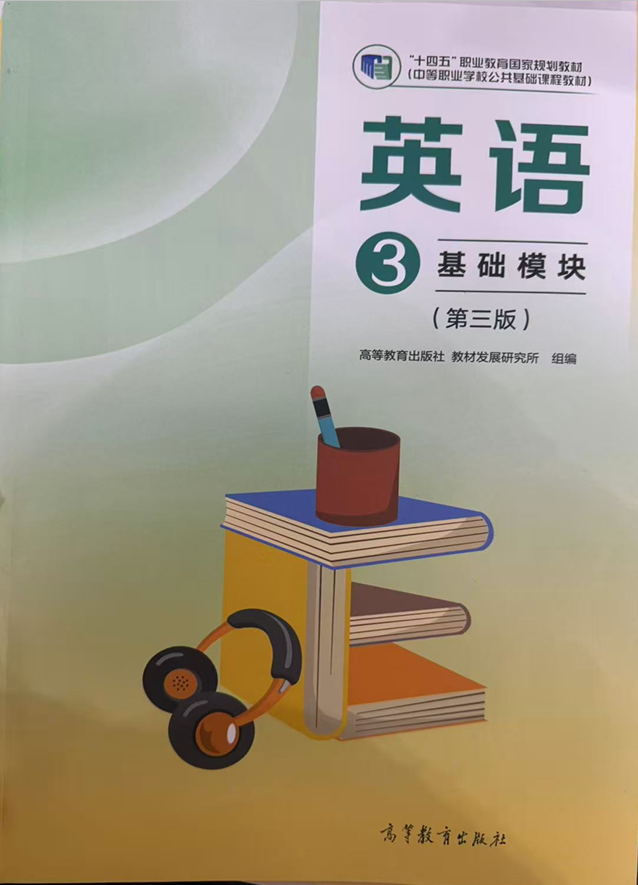
Unit 1 Festivals Around the World(B卷·能力提升)-《英语 基础模块3》(高教版第三版)单元过关卷(原卷版+解析版)
2026-08-20
|
2份
|
25页
|
54人阅读
|
0人下载
摘要:
**基本信息**
紧扣《英语 基础模块3》Unit 1“Festivals Around the World”,以A/B卷分层设计(A卷基础巩固、B卷能力提升)精准覆盖核心考点,融合文化意识与语言能力培养,适配单元复习需求。
**题型特征**
|题型|题量/分值|知识覆盖|命题特色|
|----|-----------|----------|----------|
|词汇与语法|25题/25分|单词辨音(handicraft)、词义选择(decorations)、语法运用(expect to do)|结合发音规则与语境词义,强化语言能力基础|
|情景交际|15题/30分|节日对话(春节计划、泼水节习俗)|创设真实交际情境,提升跨文化沟通能力|
|阅读理解|10题/20分|宋干节、元宵节文化短文|选取中外节日素材,渗透文化意识与思维品质|
|英汉互译|5题/15分|节日描述句(“Songkran is...”)|融合语言转换与文化内涵表达|
|应用写作|1题/10分|介绍传统节日(如元宵节)|引导学生整合节日信息,培养书面表达与文化传承能力|
内容正文:
编写说明:本套试卷紧扣《英语 基础模块3》(高教版第三版)教材,以教材单元为基准精准覆盖核心考点。
每个单元设置AB卷,A卷为基础巩固卷,侧重基础考点训练,帮助学生扎实掌握知识要点;B卷为能力提升卷,注重知识整合与全面检测,引导学生构建知识网络。全书设计4份综合测试卷,模拟实战情境,聚焦解题能力突破,全面提升应试能力与知识应用水平。
《英语 基础模块3》(高教版第三版)《单元过关卷》
Unit 1 Festivals Around the World
B卷·能力提升
考试时间:70分钟 满分:100分
班级_____姓名_____学号_____成绩_____
综合卷Ⅰ(75分)
一、词汇与语法(共25小题,每小题1分,满分25分)
(一)单词辨音
从下列各小题的A、B、C三个选项中选出一个画线部分发音与所给单词画线部分发音不同的选项。(共5小题,每小题1分,共5分)
1.handicraft
A.flash B.gate C.land
2.fireplace
A.care B.bag C.share
3.symbol
A.lot B.lemon C.iron
4.festival
A.black B.hand C.cake
5.decorate
A.wag B.take C.place
(二)词义选择
从下列各小题的A、B、C三个选项中选出一个与句子中画线的英文单词或短语含义相符的中文选项。(共10小题,每小题1分,共10分)
6.The festival marks the beginning of the Chinese New Year.
A. 装饰 B. 做记号;标示 C. 表达
7.We could see colorful decorations like bells and lights on the tree.
A. 手工艺品 B. 装饰物 C. 表演
8.Handicraft like paper-cuts are popular at temple fairs.
A. 小吃 B. 灯笼 C. 手工艺品
9.The Lion Dance performance attracted many visitors.
A. 符号 B. 表演 C. 节日
10.Nowadays, people splash water at each other in a playful manner.
A. 从前 B. 现在;现今 C. 最后
11.The festival usually takes place in March and marks the arrival of spring.
A. 收到 B. 表达 C. 举行
12.Holi is a time to forgive and build relationships.
A. 原谅 B. 庆祝 C. 装饰
13.Paper-cuts are a form of traditional Chinese handicraft.
A. 手工艺品 B. 庙会 C. 灯笼
14.Tangyuan is a symbol of family unity and happiness.
A. 收获 B. 团结;一致 C. 庆祝
15.People hang colorful lanterns in the streets during the festival.
A. 手工艺品 B. 装饰物 C. 灯笼
(三)语法运用
从下列各小题的A、B、C三个选项中选出一个最佳选项填入空白处完成句子。(共10小题,每小题1分,共10分)
16.The whole class expects ______ the festival celebration.
A. attending B. attend C. to attend
17.My son likes ______ kites more than anything else.
A. flying B. to fly C. fly
18.Would you mind ______ the window? It is too hot here.
A. to open B. open C. opening
19.They kept ______ for hours during the Spring Festival Gala.
A. to sing B. sing C. singing
20.She invited me ______ the Mid-Autumn Festival with her family.
A. to celebrate B. celebrating C. celebrate
21.By last month, we ______ the festival for three times.
A. celebrated B. had celebrated C. have celebrated
22.If I ______ you, I would accept the invitation.
A. were B. am C. will be
23.Not until the festival ______ did I understand its meaning.
A. begin B. begins C. began
24.The more you learn about festivals, the ______ you understand cultures.
A. better B. good C. best
25.This is the most wonderful festival ______ I have ever experienced.
A. which B. that C. what
二、情景交际(共15小题,每小题2分,共30分)
(一)简短对话
从下列各小题的A、B、C三个选项中选出一个最佳选项完成对话。(共10小题,每小题2分,共20分)
26.Speaker A: What is your plan for the Spring Festival?
Speaker B: ________.
A. I have no plan. B. I will study hard. C. I will visit family.
27.Speaker A: What do Spring Festival and Christmas share?
Speaker B: ________.
A. Family reunions. B. Same food. C. Same date.
28.Speaker A: How do people celebrate Songkran?
Speaker B: ________.
A. They stay home. B. They splash water. C. They fly kites.
29.Speaker A: What is Holi known as?
Speaker B: ________.
A. The Water Festival. B. The Harvest Festival. C. The Color Festival.
30.Speaker A: How do people decorate for Christmas?
Speaker B: ________.
A. With balls and lights. B. With lanterns. C. With powder.
31.Speaker A: When does the Lantern Festival fall?
Speaker B: ________.
A. On January 1st. B. On the 15th day. C. On December 25th.
32.Speaker A: What does Tangyuan symbolize?
Speaker B: ________.
A. It means sadness. B. No special meaning. C. Family unity.
33.Speaker A: Why do people light lanterns at the festival?
Speaker B: ________.
A. An old tradition. B. For fun only. C. It is dark.
34.Speaker A: What does Holi celebrate?
Speaker B: ________.
A. The new year. B. Good over evil. C. The harvest.
35.Speaker A: What do you think of cultural festivals?
Speaker B: ________.
A. A waste of time. B. All the same. C. A chance to learn.
(二)补全对话
根据对话内容,从方框中所给的A、B、C、D、E、F、G七个选项中选出五个最佳选项补全对话。(共5小题,每小题2分,共10分)
Robert: Hi, Li Fei. I see lanterns everywhere. What is happening?
Li Fei: 36. ______
Robert: When does it fall?
Li Fei: 37. ______
Robert: What do people usually do?
Li Fei: 38. ______ There are also lion and dragon dances.
Robert: What does tangyuan symbolize?
Li Fei: 39. ______
Robert: I would love to try some! 40. ______
Li Fei: Sure! Let's go to the night market together.
A. It is the Lantern Festival, a traditional Chinese festival.
B. On the 15th day of the first lunar month.
C. I need to do homework.
D. It symbolizes family unity and happiness.
E. Can we go and see the celebrations?
F. I am not interested in festivals.
G. People appreciate lanterns and solve riddles.
三、阅读理解(共10小题,每小题2分,共20分)
阅读下列两篇短文,根据短文内容从每题所给的A、B、C三个选项中选出一个最佳选项。
A
Songkran is Thailand’s traditional New Year celebration. It is held from April 13 to 15 each year.
Today, people splash water at one another. They believe water washes away bad luck and brings a fresh start.
People also visit temples to pray. Young people pour water on elders’ hands to show respect and ask for blessings. Families and communities celebrate together.
41.When is Songkran held?
A. From April 13 to 15. B. From January 1 to 3. C. In December.
42.What do people do during Songkran nowadays?
A. They stay at home. B. They splash water at each other. C. They go to work.
43.What does water symbolize in Songkran?
A. Cleaning and starting fresh. B. Sadness. C. Anger.
44.How do younger people show respect to elders?
A. By giving them money. B. By pouring water on their hands. C. By ignoring them.
45.What else do people do during Songkran?
A. Go shopping. B. Watch movies. C. Visit temples to pray.
B
The Lantern Festival falls on the fifteenth day of the first lunar month. It marks the end of the Chinese New Year celebration.
The festival dates back over 2,000 years. Emperor Ming of the Han Dynasty ordered households to light lanterns after seeing monks do so in temples.
People appreciate lanterns, solve riddles and eat yuanxiao or tangyuan. Tangyuan symbolizes family unity and happiness. Some places also have lion and dragon dances during the festival for families in many places today.
46.When does the Lantern Festival fall?
A. On the 15th day of the first lunar month.
B. On the 1st day of the year.
C. On December 31st.
47.How long ago did the festival start?
A. About 200 years ago. B. Last century. C. More than 2,000 years ago.
48.Who started the tradition of lighting lanterns?
A. Emperor Qin. B. Emperor Ming of the Han Dynasty. C. A modern artist.
49.What do people do during the festival?
A. Swim in the river. B. Appreciate lanterns and eat tangyuan. C. Climb mountains.
50.What does tangyuan symbolize?
A. Family unity and happiness. B. Bad luck. C. Nothing special.
综合卷Ⅱ(25分)
四、英汉互译(共5小题,每小题3分,满分15分)
51.Songkran is the traditional New Year celebration in Thailand.
_____________________________________________
52.The festival dates back more than 2,000 years to the Han Dynasty.
_____________________________________________
53.Tangyuan is a symbol of family unity and happiness.
_____________________________________________
54.他们相信泼水可以洗掉厄运,带来好运。(wash away)
_____________________________________________
55.庆祝不同的节日有助于我们了解和尊重不同的文化。(appreciate)
_____________________________________________
五、应用写作(满分10分)
56.假定你是李飞,请根据以下提示写一篇英文短文,介绍你最喜欢的中国传统节日。(满分10分)
提示:1. 介绍节日的基本信息(名称、日期、重要性等);2. 描述节日的主要活动和食物;3. 说明这个节日对你的意义。
要求:词数80—100词;条理清晰,语句通顺。
_____________________________________________________________________________________________________________________________________________________________________________________________________________________________________________________
原创精品资源学科网独家享有版权,侵权必究!
原创精品资源学科网独家享有版权,侵权必究!
原创精品资源学科网独家享有版权,侵权必究!
学科网(北京)股份有限公司
$
编写说明:本套试卷紧扣《英语 基础模块3》(高教版第三版)教材,以教材单元为基准精准覆盖核心考点。
每个单元设置AB卷,A卷为基础巩固卷,侧重基础考点训练,帮助学生扎实掌握知识要点;B卷为能力提升卷,注重知识整合与全面检测,引导学生构建知识网络。全书设计4份综合测试卷,模拟实战情境,聚焦解题能力突破,全面提升应试能力与知识应用水平。
《英语 基础模块3》(高教版第三版)《单元过关卷》
Unit 1 Festivals Around the World
B卷·能力提升
考试时间:70分钟 满分:100分
班级_____姓名_____学号_____成绩_____
综合卷Ⅰ(75分)
一、词汇与语法(共25小题,每小题1分,满分25分)
(一)单词辨音
从下列各小题的A、B、C三个选项中选出一个画线部分发音与所给单词画线部分发音不同的选项。(共5小题,每小题1分,共5分)
1.handicraft
A.flash B.gate C.land
【答案】B
【详解】考查字母 a 的发音。handicraft、flash、land 中 a 发 /æ/,gate 中 a 发 /eɪ/,发音不同。故选 B。
2.fireplace
A.care B.bag C.share
【答案】B
【详解】考查字母 a 的发音。fireplace、care、share 中 a 发 /eə/,bag 中 a 发 /æ/,发音不同。故选 B。
3.symbol
A.lot B.lemon C.iron
【答案】A
【详解】考查字母 o 的发音。symbol、lemon、iron 中 o 发 /ə/,lot 中 o 发 /ɒ/,发音不同。故选 A。
4.festival
A.black B.hand C.cake
【答案】C
【详解】考查字母 a 的发音。festival、black、hand 中 a 发 /æ/,cake 中 a 发 /eɪ/,发音不同。故选 C。
5.decorate
A.wag B.take C.place
【答案】A
【详解】考查字母 a 的发音。decorate、take、place 中 a 发 /eɪ/,wag 中 a 发 /æ/,发音不同。故选 A。
(二)词义选择
从下列各小题的A、B、C三个选项中选出一个与句子中画线的英文单词或短语含义相符的中文选项。(共10小题,每小题1分,共10分)
6.The festival marks the beginning of the Chinese New Year.
A. 装饰 B. 做记号;标示 C. 表达
【答案】B
【详解】考查词义。marks 在句中表示"做记号;标示"。故选 B。
7.We could see colorful decorations like bells and lights on the tree.
A. 手工艺品 B. 装饰物 C. 表演
【答案】B
【详解】考查词义。decorations 在句中表示"装饰物"。故选 B。
8.Handicraft like paper-cuts are popular at temple fairs.
A. 小吃 B. 灯笼 C. 手工艺品
【答案】C
【详解】考查词义。Handicraft 在句中表示"手工艺品"。故选 C。
9.The Lion Dance performance attracted many visitors.
A. 符号 B. 表演 C. 节日
【答案】B
【详解】考查词义。performance 在句中表示"表演"。故选 B。
10.Nowadays, people splash water at each other in a playful manner.
A. 从前 B. 现在;现今 C. 最后
【答案】B
【详解】考查词义。Nowadays 在句中表示"现在;现今"。故选 B。
11.The festival usually takes place in March and marks the arrival of spring.
A. 收到 B. 表达 C. 举行
【答案】C
【详解】考查词义。takes place 在句中表示"举行"。故选 C。
12.Holi is a time to forgive and build relationships.
A. 原谅 B. 庆祝 C. 装饰
【答案】A
【详解】考查词义。forgive 在句中表示"原谅"。故选 A。
13.Paper-cuts are a form of traditional Chinese handicraft.
A. 手工艺品 B. 庙会 C. 灯笼
【答案】A
【详解】考查词义。handicraft 在句中表示"手工艺品"。故选 A。
14.Tangyuan is a symbol of family unity and happiness.
A. 收获 B. 团结;一致 C. 庆祝
【答案】B
【详解】考查词义。unity 在句中表示"团结;一致"。故选 B。
15.People hang colorful lanterns in the streets during the festival.
A. 手工艺品 B. 装饰物 C. 灯笼
【答案】C
【详解】考查词义。lanterns 在句中表示"灯笼"。故选 C。
(三)语法运用
从下列各小题的A、B、C三个选项中选出一个最佳选项填入空白处完成句子。(共10小题,每小题1分,共10分)
16.The whole class expects ______ the festival celebration.
A. attending B. attend C. to attend
【答案】C
【详解】expect 后接不定式 to do,表示期待去做某事。attending 不符合 expect 宾语搭配,attend 缺少 to。故选 C。
17.My son likes ______ kites more than anything else.
A. flying B. to fly C. fly
【答案】A
【详解】like 后可接 doing 或 to do。flying 强调爱好习惯,to fly 也可接受但 doing 更常用。故选 A。
18.Would you mind ______ the window? It is too hot here.
A. to open B. open C. opening
【答案】C
【详解】mind 后只接动名词 doing,表示"介意做某事"。to open 和 open 均不符合 mind 的固定用法。故选 C。
19.They kept ______ for hours during the Spring Festival Gala.
A. to sing B. sing C. singing
【答案】C
【详解】keep 后接动名词 doing,表示持续做某事。to sing 和 sing 不能用于 keep 之后。故选 C。
20.She invited me ______ the Mid-Autumn Festival with her family.
A. to celebrate B. celebrating C. celebrate
【答案】A
【详解】invite sb. to do 是固定结构,不定式 to do 作宾语补足语。故选 A。
21.By last month, we ______ the festival for three times.
A. celebrated B. had celebrated C. have celebrated
【答案】B
【详解】考查过去完成时。By + 过去时间,表示在此之前已经完成的动作,用 had done。celebrated 只表过去,have celebrated 是现在完成。故选 B。
22.If I ______ you, I would accept the invitation.
A. were B. am C. will be
【答案】A
【详解】考查虚拟语气。与现在事实相反时,if 从句 be 动词一律用 were。am 是直陈语气,will be 是将来时。故选 A。
23.Not until the festival ______ did I understand its meaning.
A. begin B. begins C. began
【答案】C
【详解】考查倒装句。Not until 句首要求主句倒装,从句用正常语序的一般过去时 began。故选 C。
24.The more you learn about festivals, the ______ you understand cultures.
A. better B. good C. best
【答案】A
【详解】考查 the more...the more 结构。两者都用比较级,better 是 good 的比较级。原级 good 和最高级 best 均不对。故选 A。
25.This is the most wonderful festival ______ I have ever experienced.
A. which B. that C. what
【答案】B
【详解】考查定语从句。先行词有最高级修饰时,关系代词用 that 不用 which。what 不用于定语从句。故选 B。
二、情景交际(共15小题,每小题2分,共30分)
(一)简短对话
从下列各小题的A、B、C三个选项中选出一个最佳选项完成对话。(共10小题,每小题2分,共20分)
26.Speaker A: What is your plan for the Spring Festival?
Speaker B: ________.
A. I have no plan. B. I will study hard. C. I will visit family.
【答案】C
【详解】考查节日计划询问。Speaker A 问春节有什么计划,应回答具体安排。C 项“I will visit family”指走亲访友,是春节最常见的活动,符合语境。A 项“I have no plan”回答过于消极;B 项“I will study hard”虽语法正确,但与春节团聚氛围不符。故选 C。
27.Speaker A: What do Spring Festival and Christmas share?
Speaker B: ________.
A. Family reunions. B. Same food. C. Same date.
【答案】A
【详解】考查节日对比。Speaker A 问春节和圣诞节有什么共同点,应找出两个节日的相似之处。A 项“Family reunions”指家庭团聚,是两个节日最突出的共同特征,符合语境。B 项“Same food”不正确,两个节日的传统食物不同;C 项“Same date”错误,两个节日的日期不同。故选 A。
28.Speaker A: How do people celebrate Songkran?
Speaker B: ________.
A. They stay home. B. They splash water. C. They fly kites.
【答案】B
【详解】考查节日庆祝方式。Speaker A 问宋干节怎么庆祝,应回答该节日的特色活动。B 项“They splash water”指泼水,是宋干节的标志性活动,符合语境。A 项“They stay home”与宋干节的热闹氛围相反;C 项“They fly kites”与宋干节无关。故选 B。
29.Speaker A: What is Holi known as?
Speaker B: ________.
A. The Water Festival. B. The Harvest Festival. C. The Color Festival.
【答案】C
【详解】考查节日别称。Speaker A 问胡里节以什么著称,应回答其别称。C 项“The Color Festival”指色彩节,是胡里节的著名别称,符合语境。A 项“The Water Festival”是宋干节的别称;B 项“The Harvest Festival”是丰收节的别称,均与胡里节不符。故选 C。
30.Speaker A: How do people decorate for Christmas?
Speaker B: ________.
A. With balls and lights. B. With lanterns. C. With powder.
【答案】A
【详解】考查节日装饰。Speaker A 问圣诞节怎么装饰,应回答圣诞节的典型装饰。A 项“With balls and lights”指彩球和灯饰,是圣诞树的典型装饰,符合语境。B 项“With lanterns”是元宵节的装饰;C 项“With powder”是胡里节的彩色粉末,均与圣诞节不符。故选 A。
31.Speaker A: When does the Lantern Festival fall?
Speaker B: ________.
A. On January 1st. B. On the 15th day. C. On December 25th.
【答案】B
【详解】考查节日日期。Speaker A 问元宵节在什么时候,应回答具体日期。B 项“On the 15th day”指农历正月十五,是元宵节的准确日期,符合语境。A 项“On January 1st”是元旦;C 项“On December 25th”是圣诞节,均与元宵节不符。故选 B。
32.Speaker A: What does Tangyuan symbolize?
Speaker B: ________.
A. It means sadness. B. No special meaning. C. Family unity.
【答案】C
【详解】考查食物象征。Speaker A 问汤圆象征什么,应回答其文化寓意。C 项“Family unity”指家庭团圆,与汤圆的圆形和名字谐音“团圆”一致,符合语境。A 项“It means sadness”与汤圆的喜庆寓意相反;B 项“No special meaning”否定了汤圆的文化意义,不正确。故选 C。
33.Speaker A: Why do people light lanterns at the festival?
Speaker B: ________.
A. An old tradition. B. For fun only. C. It is dark.
【答案】A
【详解】考查节日习俗原因。Speaker A 问节日里为什么点灯,应回答其文化根源。A 项“An old tradition”指出点灯是古老传统,可追溯到汉代,符合语境。B 项“For fun only”否定了点灯的文化意义;C 项“It is dark”过于表面,未涉及文化内涵。故选 A。
34.Speaker A: What does Holi celebrate?
Speaker B: ________.
A. The new year. B. Good over evil. C. The harvest.
【答案】B
【详解】考查节日意义。Speaker A 问胡里节庆祝什么,应回答其文化主题。B 项“Good over evil”指正义战胜邪恶,是胡里节的核心主题,符合语境。A 项“The new year”是宋干节的主题;C 项“The harvest”是丰收节的主题,均与胡里节不符。故选 B。
35.Speaker A: What do you think of cultural festivals?
Speaker B: ________.
A. A waste of time. B. All the same. C. A chance to learn.
【答案】C
【详解】考查跨文化态度。Speaker A 问对文化节日的看法,应表达积极态度。C 项“A chance to learn”指学习机会,体现了开放包容的跨文化态度,符合语境。A 项“A waste of time”态度消极,不尊重其他文化;B 项“All the same”否定了文化多样性。故选 C。
(二)补全对话
根据对话内容,从方框中所给的A、B、C、D、E、F、G七个选项中选出五个最佳选项补全对话。(共5小题,每小题2分,共10分)
Robert: Hi, Li Fei. I see lanterns everywhere. What is happening?
Li Fei: 36. ______
Robert: When does it fall?
Li Fei: 37. ______
Robert: What do people usually do?
Li Fei: 38. ______ There are also lion and dragon dances.
Robert: What does tangyuan symbolize?
Li Fei: 39. ______
Robert: I would love to try some! 40. ______
Li Fei: Sure! Let's go to the night market together.
A. It is the Lantern Festival, a traditional Chinese festival.
B. On the 15th day of the first lunar month.
C. I need to do homework.
D. It symbolizes family unity and happiness.
E. Can we go and see the celebrations?
F. I am not interested in festivals.
G. People appreciate lanterns and solve riddles.
【答案】
36. A 37. B 38. G 39. D 40. E
【解析】
36. A。上文 Robert 看到到处挂满灯笼,询问发生了什么,A 项直接回应场景,介绍当下是中国传统节日元宵节,精准解答问题,C、F 选项语义消极、与对话语境无关,可直接排除。
37. B。上句提问节日时间,B 项“农历正月十五”是元宵节的固定时间,完美回应问句,其余选项均与时间无关,不符合题意。
38.G。上文询问节日习俗,G 项介绍赏灯、猜灯谜的传统活动,与后文“舞龙舞狮”并列,完整补充元宵节习俗,衔接自然。
39. D。针对“汤圆象征什么”的提问,D 项准确说明汤圆象征阖家团圆、幸福美满,契合节日文化内涵。
40. E。前文 Robert 想要品尝汤圆,后文 Li Fei 爽快答应并邀约前往夜市,E 项提出前去观看庆典的请求,承接前后语境,逻辑通顺。
三、阅读理解(共10小题,每小题2分,共20分)
阅读下列两篇短文,根据短文内容从每题所给的A、B、C三个选项中选出一个最佳选项。
A
Songkran is Thailand’s traditional New Year celebration. It is held from April 13 to 15 each year.
Today, people splash water at one another. They believe water washes away bad luck and brings a fresh start.
People also visit temples to pray. Young people pour water on elders’ hands to show respect and ask for blessings. Families and communities celebrate together.
41.When is Songkran held?
A. From April 13 to 15. B. From January 1 to 3. C. In December.
42.What do people do during Songkran nowadays?
A. They stay at home. B. They splash water at each other. C. They go to work.
43.What does water symbolize in Songkran?
A. Cleaning and starting fresh. B. Sadness. C. Anger.
44.How do younger people show respect to elders?
A. By giving them money. B. By pouring water on their hands. C. By ignoring them.
45.What else do people do during Songkran?
A. Go shopping. B. Watch movies. C. Visit temples to pray.
【答案】41.A 42.B 43.A 44.B 45.C
【解析】本文介绍泰国泼水节的日期、泼水习俗、象征意义以及尊敬长辈的方式。
41.根据“held from April 13 to 15”可知,泼水节在4月13日至15日举行。故选 A。
42.根据“people splash water at one another”可知,人们互相泼水。故选 B。
43.根据“water ... brings a fresh start”可知,水象征清洁和新的开始。故选 A。
44.根据“pour water on elders’ hands”可知,年轻人向长辈手上倒水表示尊敬。故选 B。
45.根据“visit temples to pray”可知,人们还会去寺庙祈祷。故选 C。
B
The Lantern Festival falls on the fifteenth day of the first lunar month. It marks the end of the Chinese New Year celebration.
The festival dates back over 2,000 years. Emperor Ming of the Han Dynasty ordered households to light lanterns after seeing monks do so in temples.
People appreciate lanterns, solve riddles and eat yuanxiao or tangyuan. Tangyuan symbolizes family unity and happiness. Some places also have lion and dragon dances during the festival for families in many places today.
46.When does the Lantern Festival fall?
A. On the 15th day of the first lunar month.
B. On the 1st day of the year.
C. On December 31st.
47.How long ago did the festival start?
A. About 200 years ago. B. Last century. C. More than 2,000 years ago.
48.Who started the tradition of lighting lanterns?
A. Emperor Qin. B. Emperor Ming of the Han Dynasty. C. A modern artist.
49.What do people do during the festival?
A. Swim in the river. B. Appreciate lanterns and eat tangyuan. C. Climb mountains.
50.What does tangyuan symbolize?
A. Family unity and happiness. B. Bad luck. C. Nothing special.
【答案】46.A 47.C 48.B 49.B 50.A
【解析】本文介绍元宵节的日期、历史来源、赏灯猜谜等活动以及汤圆象征的家庭团圆和幸福。
46.根据“the fifteenth day of the first lunar month”可知,元宵节在农历正月十五。故选 A。
47.根据“dates back over 2,000 years”可知,元宵节已有两千多年历史。故选 C。
48.根据“Emperor Ming of the Han Dynasty”可知,汉明帝下令点灯,形成了这一习俗。故选 B。
49.根据“appreciate lanterns, solve riddles and eat yuanxiao”可知,人们赏灯、猜灯谜和吃元宵。故选 B。
50.根据“Tangyuan symbolizes family unity and happiness”可知,汤圆象征家庭团圆和幸福。故选 A。
综合卷Ⅱ(25分)
四、英汉互译(共5小题,每小题3分,满分15分)
51.Songkran is the traditional New Year celebration in Thailand.
_____________________________________________
【答案】宋干节是泰国传统的新年庆祝活动。
【详解】考查英译中。traditional 表示"传统的",New Year celebration 表示"新年庆祝"。Songkran 音译为"宋干节"需注意专有名词翻译规范。
52.The festival dates back more than 2,000 years to the Han Dynasty.
_____________________________________________
【答案】这个节日可追溯到两千多年前的汉朝。
【详解】考查英译中。date back 表示"追溯到",more than 2,000 years 表示"两千多年"。该短语常用于描述历史渊源。
53.Tangyuan is a symbol of family unity and happiness.
_____________________________________________
【答案】汤圆是家庭团圆和幸福的象征。
【详解】考查英译中。symbol 表示"象征",family unity 表示"家庭团圆"。与前文满月的文化含义呼应,体现中华文化的核心价值。
54.他们相信泼水可以洗掉厄运,带来好运。(wash away)
_____________________________________________
【答案】They believe that splashing water can wash away bad luck and bring good luck.
【详解】考查中译英。wash away 表示"洗掉、冲走",splash water 表示"泼水",believe that... 后接宾语从句。
55.庆祝不同的节日有助于我们了解和尊重不同的文化。(appreciate)
_____________________________________________
【答案】Celebrating different festivals helps us understand and appreciate different cultures.
【详解】考查中译英。动名词 celebrating 作主语,help sb. do 结构,appreciate 表示"尊重/欣赏"。注意 help 后用动词原形。
五、应用写作(满分10分)
56.假定你是李飞,请根据以下提示写一篇英文短文,介绍你最喜欢的中国传统节日。(满分10分)
提示:1. 介绍节日的基本信息(名称、日期、重要性等);2. 描述节日的主要活动和食物;3. 说明这个节日对你的意义。
要求:词数80—100词;条理清晰,语句通顺。
_____________________________________________________________________________________________________________________________________________________________________________________________________________________________________________________
My Favorite Traditional Chinese Festival
My favorite traditional Chinese festival is the Spring Festival. It falls on the 1st day of the first Chinese calendar month and marks the beginning of the Chinese New Year. It is the most important festival for all Chinese people.
During the festival, all family members get together to enjoy a big reunion dinner. We eat jiaozi, watch the Spring Festival Gala and give best wishes to each other. Children receive red envelopes from elders as a symbol of good luck. People also decorate their homes with red couplets and lanterns.
To me, the Spring Festival means more than just a holiday. It is a time for family reunion and a chance to express love and gratitude. I always look forward to this warm and joyful festival.
【详解】
【词汇积累】reunion dinner 年夜饭;red envelope 红包;couplet 对联;look forward to 期待;gratitude 感恩。
【句式拓展】To me, the Spring Festival means more than just a holiday. 该句以 To me 开头引出个人观点,用 more than just 加强语气,表达节日超越假期的深层意义。
【点睛】范文按"基本信息—活动描述—个人感悟"展开,紧扣 Festivals Around the World 单元主题,融合了本单元核心词汇和非谓语动词用法,语言流畅自然。
原创精品资源学科网独家享有版权,侵权必究!
原创精品资源学科网独家享有版权,侵权必究!
原创精品资源学科网独家享有版权,侵权必究!
学科网(北京)股份有限公司
$
资源预览图

1

2

3
由于学科网是一个信息分享及获取的平台,不确保部分用户上传资料的 来源及知识产权归属。如您发现相关资料侵犯您的合法权益,请联系学科网,我们核实后将及时进行处理。