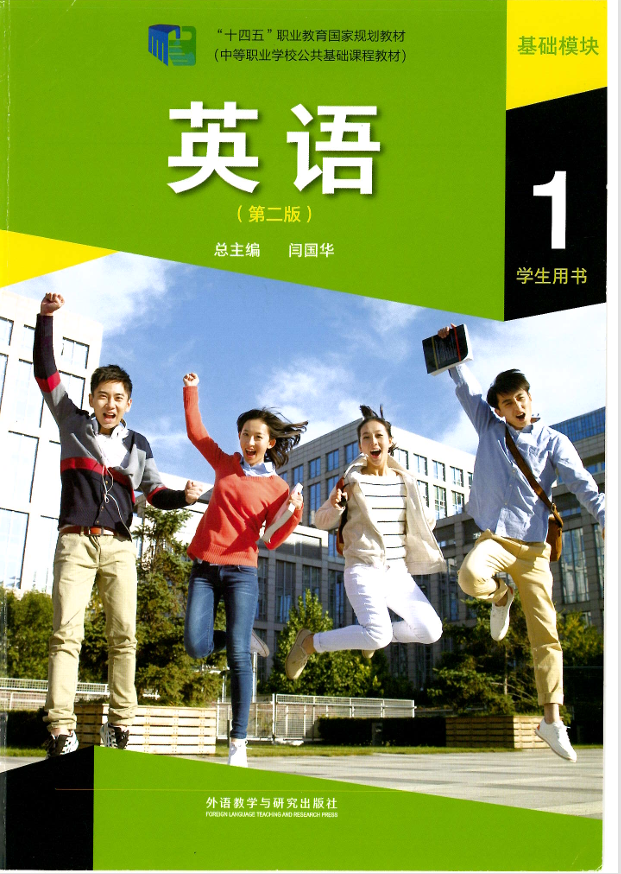
2.1 We are friends(Warming up;Listening & Speaking)-《英语 基础模块1》(外研版第二版)《一课一练》(原卷版+解析版)
2026-08-11
|
2份
|
13页
|
21人阅读
|
0人下载
摘要:
**基本信息**
聚焦中职英语课前预习与课堂检测分层设计,通过词汇短语基础输入到语法对话综合应用的递进路径,强化语言能力与学习能力培养。
**分层设计**
|层次|知识覆盖|设计特色|
|----|----------|----------|
|课前预习|35个核心词汇(含词性转换)、18个重点短语|以词汇释义与词性转换为主,夯实语言知识基础,培养自主预习习惯|
|课堂检测|一般过去时等语法点、日常情境对话|10道单项选择聚焦时态辨析,5空补全对话强化语用能力,实现从知识到能力的转化|
内容正文:
编写说明:基于中职学生英语知识不牢固、学习内驱力不够的学情特点,为了更好地提高学生的学习效率,辅助教师们抓好课前、课中、课后三个教学环节,本专辑深度解读最新的《中等职业学校英语课程标准》,匠心打造了契合四川职教命题特色的【四川专用】《英语 基础模块1》(外研版第二版)《一课一练》专辑,专辑共35练。
本卷为《英语 基础模块1》(外研版第二版)Unit 2 We are friends(Warming up;Listening & Speaking)的课前预习和课堂检测。
《英语 基础模块1》(外研版第二版)
Unit 2 We are friends
一课一练(8) Warming up;Listening & Speaking
【课前预习】
一、重点词汇
conversation 【n.】 → converse 【v.】 __________
volunteer 【n./adj.】 → volunteer 【v.】 __________
camp 【n./v.】 → camping 【n.】 __________
team 【n.】 __________
helpful 【adj.】 → help 【v./n.】 __________
kind 【adj.】 __________
humorous 【adj.】 → humour/humor 【n.】 __________
honest 【adj.】 → honesty 【n.】 __________
active 【adj.】 → activity 【n.】 __________
lovely 【adj.】 __________
serious 【adj.】 __________
open-minded 【adj.】 __________
quiet 【adj.】 __________
gifted 【adj.】 → gift 【n.】 __________
cheerful 【adj.】 → cheer 【v./n.】 __________
nice 【adj.】 __________
relationship 【n.】 → relate 【v.】 __________
fond 【adj.】 __________
similar 【adj.】 → similarity 【n.】 __________
film 【n.】 __________
close 【adj.】 __________
pressure 【n.】 → press 【v.】 __________
final 【adj.】 __________
exam 【n.】 __________
issue 【n.】 __________
angry 【adj.】 → anger 【n.】 __________
patient 【adj.】 → patience 【n.】 __________
considerate 【adj.】 → consider 【v.】 __________
forgive 【v.】 → forgiveness 【n.】 __________
down 【adj.】 __________
deal 【n./v.】 __________
photography 【n.】 → photograph 【n./v.】 __________
outdoor 【adj.】 → outdoors 【adv.】 __________
bother 【v.】 __________
apologize 【v.】 → apology 【n.】 __________
【答案】
conversation 【n.】 → converse 【v.】 交谈,谈话
volunteer 【n./adj.】 → volunteer 【v.】 志愿者;志愿的;自愿做
camp 【n./v.】 → camping 【n.】 营地;露营;露营(动名词)
team 【n.】 队伍,团队
helpful 【adj.】 → help 【v./n.】 乐于助人的;帮助
kind 【adj.】 善良的,和蔼的
humorous 【adj.】 → humour/humor 【n.】 幽默的;幽默
honest 【adj.】 → honesty 【n.】 诚实的;诚实
active 【adj.】 → activity 【n.】 积极的、活跃的;活动
lovely 【adj.】 可爱的,美好的
serious 【adj.】 严肃的;认真的
open-minded 【adj.】 思想开明的
quiet 【adj.】 文静的;安静的
gifted 【adj.】 → gift 【n.】 有天赋的;天赋;礼物
cheerful 【adj.】 → cheer 【v./n.】 开朗快乐的;欢呼;使开心
nice 【adj.】 友善的;美好的
relationship 【n.】 → relate 【v.】 关系;联系
fond 【adj.】 喜爱的
similar 【adj.】 → similarity 【n.】 相似的;相似之处
film 【n.】 电影
close 【adj.】 亲密的;亲近的
pressure 【n.】 → press 【v.】 压力;按压;逼迫
final 【adj.】 期末的;最终的
exam 【n.】 考试
issue 【n.】 小事;问题
angry 【adj.】 → anger 【n.】 生气的;怒气
patient 【adj.】 → patience 【n.】 有耐心的;耐心
considerate 【adj.】 → consider 【v.】 体贴周到的;考虑
forgive 【v.】 → forgiveness 【n.】 原谅;宽恕
down 【adj.】 情绪低落的,沮丧的
deal 【n./v.】 事情;交易;处理
photography 【n.】 → photograph 【n./v.】 摄影;照片;拍照
outdoor 【adj.】 → outdoors 【adv.】 户外的;在户外
bother 【v.】 打扰;使烦恼
apologize 【v.】 → apology 【n.】 道歉;致歉
二、重点短语
have a conversation 释义:__________
join a sports team 释义:__________
do volunteer work 释义:__________
go camping 释义:__________
be fond of 释义:__________
be similar to 释义:__________
every week 释义:__________
look a bit down 释义:__________
be under great pressure 释义:__________
get angry with sb. 释义:__________
over a small issue 释义:__________
refuse to talk to sb. 释义:__________
It’s not a big deal. 释义:__________
make an apology 释义:__________
take photos outdoors 释义:__________
play basketball 释义:__________
final exams 释义:__________
close friends 释义:__________
【答案】
have a conversation 释义:交谈、聊天
join a sports team 释义:加入运动队
do volunteer work 释义:做志愿工作
go camping 释义:去露营
be fond of 释义:喜爱,喜欢
be similar to 释义:与…… 相似
every week 释义:每周
look a bit down 释义:看起来情绪有点低落
be under great pressure 释义:承受巨大压力
get angry with sb. 释义:生某人的气
over a small issue 释义:因为一件小事
refuse to talk to sb. 释义:拒绝和某人说话
It’s not a big deal. 释义:没什么大不了的
make an apology 释义:道歉
take photos outdoors 释义:户外拍照
play basketball 释义:打篮球
final exams 释义:期末考试
close friends 释义:亲密好友、挚友
【课堂检测】
一、单项选择
1.The famous writer ________ a new novel last year. Now it has already been published.
A.writes B.wrote C.was writing D.will write
【答案】B
【详解】句意:这位著名的作家去年写了一部新小说。现在它已经出版了。
时间状语last year说明句子时态用一般过去时,write的过去式为wrote。
2.My sister ________ to a vocational school last year. She studies nursing now.
A.go B.goes C.went D.will go
【答案】C
【详解】句意:我姐姐去年去了一所职业学校。她现在学习护理。
根据句中时间状语last year可知,该句应用一般过去时。
3.— What did you do last weekend?
— I ________ my professional skills in the training room with my classmates.
A.practice B.practiced C.will practice D.am practicing
【答案】B
【详解】句意:——你上周末做了什么?——我和同学们在实训室练习专业技能。
根据句中时间状语“last weekend”可知,句子应用一般过去时,故用practiced。
4.— Have you ever been to Beijing?
— Yes. I ________ there last year.
A.go B.goes C.gone D.went
【答案】D
【详解】句意:——你去过北京吗?——是的,我去年去过那里。
句子中有明确的时间状语last year,句子时态是一般过去时,谓语动词需使用过去式,“went”是“go”的过去式。
5.Everybody except Mike and Linda ________ there when the meeting began.
A.are B.was C.were D.is
【答案】B
【详解】句意:会议开始时,除了迈克和琳达,其他人都到齐了。
当主语后接except引导的短语时,谓语动词需与主语(Everybody)保持一致。Everybody为单数不定代词,需用单数动词;时间状语“when the meeting began”表明为一般过去时,故选单数过去式was。
6.Tom ________ a beautiful picture with AI tools yesterday.
A.draw B.draws C.drew D.drawn
【答案】C
【详解】句意:Tom昨天用AI工具画了一幅漂亮的画。
根据时间状语yesterday可知,动作发生在过去,因此用一般过去时,谓语动词需使用过去式drew。
7.Everyone in Class 4 ________ TV last Sunday.
A.watches B.will watch C.is watching D.watched
【答案】D
【详解】句意:四班的每个人上周日都看电视。
时间状语“last Sunday”明确表示过去时间,需用一般过去时;watched是watch的过去式,符合一般过去时的语法规则(主语无论人称均用动词过去式)。
8.— Have you ever been to Shanghai?
— Yes, I ________ Shanghai last year.
A.have gone to B.have been to C.had been to D.went to
【答案】D
【详解】句意:——你曾经去过上海吗? ——是的,我去年去了上海。
时间状语last year表示动作在特定过去时间发生,应使用一般过去时,需用过去式went to。
9.Jack ________ to read this book last week and he still hasn’t finished it.
A.begun B.began C.begins D.is beginning
【答案】B
【详解】句意:杰克上周开始读这本书,他现在还没读完。
时间状语last week为一般过去时的标志,谓语动词begin应用过去式began。
10.Only after several failures ________ the importance of learning from mistakes.
A.he realized B.did he realize C.he had realized D.does he realize
【答案】B
【详解】句意:只有在经历了几次失败之后,他才意识到从错误中学习的重要性。
本句only + 状语位于句首,句子需要使用部分倒装结构,即将助动词提到主语之前,本句描述过去发生的客观事实,时态为一般过去时,因此需在主语he前加助动词did,谓语动词realize用原形。
二、补全对话
A: Hi, Linda. What are you reading?
B: The Adventure of Tom Sawyer. ___11___
A: Oh, I know he is a famous writer. ___12___
B: It’s about a little boy called Tom Sawyer and his friends who took lots of risks.
A: Really? I can’t imagine! What’s Tom Sawyer like?
B: ___13___
A: Is the story interesting?
B: Sure. I enjoy it so much that I can’t stop reading.
A: ___14___ But we need to have a rest after an hour or so, such as looking out of the window to relax our eyes.
B: Yes, I agree. ___15___
A.Do you know the writer’s name?
B.I like reading, too.
C.What’s it about?
D.Thanks for your advice.
E.It was written by Mark Twain.
F.He is clever enough to overcome many difficulties.
G.It’s bad for your eyes.
【答案】11.E 12.C 13.F 14.B 15.D
【导语】本文是两人关于阅读的书的一些信息对话
【详解】11.根据“Oh, I know he is a famous writer (哦,我知道他是一位著名作家)”可知,横线上谈到了书的作者,选项E“这是由马克·吐温撰写的。”符合语境。故选E。
12.根据“It’s about a little boy called Tom Sawyer and his friends who took lots of risks. (这是关于一个叫汤姆·索耶的小男孩和他的冒险朋友们。)”可知,横线上是询问书的内容,选项C“它是关于什么的?”符合语境。故选C。
13.根据“What’s Tom Sawyer like? (汤姆·索耶怎么样?)”可知横线上是介绍汤姆·索耶,选项F“他足够聪明,可以克服许多困难。”符合语境。故选F。
14.根据“I enjoy it so much that I can’t stop reading. (我非常喜欢它,以至于我无法停止阅读。)”可知,横线上是对关于对方说喜欢阅读的回答,选项B“我也喜欢阅读。”符合语境。故选B。
15.根据“But we need to have a rest after an hour or so, such as looking out of the window to relax our eyes. (但是,我们需要在一个小时左右的阅读后休息,例如从窗外望去放松眼睛。)”可知,横线上应是当别人给出建议时表示感谢,选项D“感谢您的建议。”符合语境。故选D。
原创精品资源学科网独家享有版权,侵权必究!
学科网(北京)股份有限公司
学科网(北京)股份有限公司
$
编写说明:基于中职学生英语知识不牢固、学习内驱力不够的学情特点,为了更好地提高学生的学习效率,辅助教师们抓好课前、课中、课后三个教学环节,本专辑深度解读最新的《中等职业学校英语课程标准》,匠心打造了契合四川职教命题特色的【四川专用】《英语 基础模块1》(外研版第二版)《一课一练》专辑,专辑共35练。
本卷为《英语 基础模块1》(外研版第二版)Unit 2 We are friends(Warming up;Listening & Speaking)的课前预习和课堂检测。
《英语 基础模块1》(外研版第二版)
Unit 2 We are friends
一课一练(8) Warming up;Listening & Speaking
【课前预习】
一、重点词汇
conversation 【n.】 → converse 【v.】 __________
volunteer 【n./adj.】 → volunteer 【v.】 __________
camp 【n./v.】 → camping 【n.】 __________
team 【n.】 __________
helpful 【adj.】 → help 【v./n.】 __________
kind 【adj.】 __________
humorous 【adj.】 → humour/humor 【n.】 __________
honest 【adj.】 → honesty 【n.】 __________
active 【adj.】 → activity 【n.】 __________
lovely 【adj.】 __________
serious 【adj.】 __________
open-minded 【adj.】 __________
quiet 【adj.】 __________
gifted 【adj.】 → gift 【n.】 __________
cheerful 【adj.】 → cheer 【v./n.】 __________
nice 【adj.】 __________
relationship 【n.】 → relate 【v.】 __________
fond 【adj.】 __________
similar 【adj.】 → similarity 【n.】 __________
film 【n.】 __________
close 【adj.】 __________
pressure 【n.】 → press 【v.】 __________
final 【adj.】 __________
exam 【n.】 __________
issue 【n.】 __________
angry 【adj.】 → anger 【n.】 __________
patient 【adj.】 → patience 【n.】 __________
considerate 【adj.】 → consider 【v.】 __________
forgive 【v.】 → forgiveness 【n.】 __________
down 【adj.】 __________
deal 【n./v.】 __________
photography 【n.】 → photograph 【n./v.】 __________
outdoor 【adj.】 → outdoors 【adv.】 __________
bother 【v.】 __________
apologize 【v.】 → apology 【n.】 __________
二、重点短语
have a conversation 释义:__________
join a sports team 释义:__________
do volunteer work 释义:__________
go camping 释义:__________
be fond of 释义:__________
be similar to 释义:__________
every week 释义:__________
look a bit down 释义:__________
be under great pressure 释义:__________
get angry with sb. 释义:__________
over a small issue 释义:__________
refuse to talk to sb. 释义:__________
It’s not a big deal. 释义:__________
make an apology 释义:__________
take photos outdoors 释义:__________
play basketball 释义:__________
final exams 释义:__________
close friends 释义:__________
【课堂检测】
一、单项选择
1.The famous writer ________ a new novel last year. Now it has already been published.
A.writes B.wrote C.was writing D.will write
2.My sister ________ to a vocational school last year. She studies nursing now.
A.go B.goes C.went D.will go
3.— What did you do last weekend?
— I ________ my professional skills in the training room with my classmates.
A.practice B.practiced C.will practice D.am practicing
4.— Have you ever been to Beijing?
— Yes. I ________ there last year.
A.go B.goes C.gone D.went
5.Everybody except Mike and Linda ________ there when the meeting began.
A.are B.was C.were D.is
6.Tom ________ a beautiful picture with AI tools yesterday.
A.draw B.draws C.drew D.drawn
7.Everyone in Class 4 ________ TV last Sunday.
A.watches B.will watch C.is watching D.watched
8.— Have you ever been to Shanghai?
— Yes, I ________ Shanghai last year.
A.have gone to B.have been to C.had been to D.went to
9.Jack ________ to read this book last week and he still hasn’t finished it.
A.begun B.began C.begins D.is beginning
10.Only after several failures ________ the importance of learning from mistakes.
A.he realized B.did he realize C.he had realized D.does he realize
二、补全对话
A: Hi, Linda. What are you reading?
B: The Adventure of Tom Sawyer. ___11___
A: Oh, I know he is a famous writer. ___12___
B: It’s about a little boy called Tom Sawyer and his friends who took lots of risks.
A: Really? I can’t imagine! What’s Tom Sawyer like?
B: ___13___
A: Is the story interesting?
B: Sure. I enjoy it so much that I can’t stop reading.
A: ___14___ But we need to have a rest after an hour or so, such as looking out of the window to relax our eyes.
B: Yes, I agree. ___15___
A.Do you know the writer’s name?
B.I like reading, too.
C.What’s it about?
D.Thanks for your advice.
E.It was written by Mark Twain.
F.He is clever enough to overcome many difficulties.
G.It’s bad for your eyes.
原创精品资源学科网独家享有版权,侵权必究!
学科网(北京)股份有限公司
学科网(北京)股份有限公司
$
资源预览图

1

2
由于学科网是一个信息分享及获取的平台,不确保部分用户上传资料的 来源及知识产权归属。如您发现相关资料侵犯您的合法权益,请联系学科网,我们核实后将及时进行处理。