4.4 English Learning Tips(Culture Corner)-《英语 基础模块1》(语文版2022版)《一课一练》(原卷版+解析版)
2026-08-07
|
2份
|
13页
|
15人阅读
|
0人下载
摘要:
**基本信息**
中职英语《基础模块1》Unit 4同步练,以课前预习与课堂检测分层设计,通过词汇夯实到语篇应用的进阶路径,提升语言能力与文化意识,适配广西对口升学考法。
**分层设计**
|层次|知识覆盖|设计特色|
|----|----------|----------|
|课前预习|核心词汇、短语、词汇变形及难句翻译|通过填空、翻译题型夯实基础,聚焦单一知识点记忆与理解|
|课堂检测|词汇单选及语篇选词填空|采用单选辨析、语篇填空题型,实现从词汇应用到跨文化语境理解的综合提升|
内容正文:
编写说明:基于中职学生英语基础薄弱、学习内驱力不足的学情特点,为提升学习效率,落实课前、课中、课后教学闭环,本专辑依据最新《中等职业学校英语课程标准》,打造广西专用《英语 基础模块 1》(语文版2022版)《一课一练》,专辑共 50 练,完全对接广西对口升学考法。
本卷为《英语 基础模块 1》(语文版2022版)Unit 4 English Learning Tips(Culture Corner)的课前预习与课堂检测。
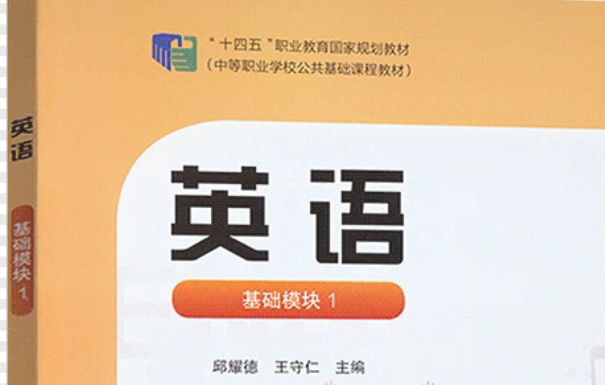
《英语 基础模块1》(语文版2022版)
Unit 4 English Learning Tips
一课一练(4)Culture Corner
【课前预习】
一、核心词汇检测
1. adj. 文化的______
2. n. 谦虚;谦逊______
3. n. 美德;优点______
4. n. 西方人______
5. n. 赞美;赞扬______
【答案】1. cultural 2. modesty 3. virtue 4. westerner 5. praise
二、课文重点短语
1. cultural differences ______
2. take...as a virtue ______
3. react to praise ______
4. family name ______
5. job title ______
【答案】1. 文化差异 2. 把……当作美德 3. 对赞扬做出回应 4. 姓氏 5. 职务称谓
三、词汇变形
1. _______ n. 文化 → _______ adj. 文化的
2. _______ v. 不同;有区别 → _______ n. 差异;不同
3. _______ adj. 西方的;西部的 → _______ n. 西方人
4. _______ v. 问候;打招呼 → _______ n. 问候;招呼
5. _______ adj. 谦虚的 → _______ n. 谦虚;谦逊
【答案】1. culture → cultural 2. differ → difference 3. western → westerner 4. greet → greeting 5. modest → modesty
四、课文难句翻译
1. There are some cultural differences between Chinese people and Westerners.
中国人和西方人之间存在一些文化差异。
2. Chinese people take modesty as a virtue.
中国人把谦虚视为一种美德。
3. Chinese people call others by their family name plus job title, like "Wang Jingli" for "Manager Wang".
中国人用姓氏加职务称谓来称呼他人,如用"王经理"称呼"王经理"。
【课堂检测】
一、词汇单选
1. Understanding ______ differences is important when you communicate with people from other countries.
A. cultural
B. natural
C. national
D. personal
【答案】A
【详解】考查形容词词义辨析。句意:与来自其他国家的人交流时,理解文化差异很重要。cultural意为"文化的",cultural differences"文化差异"是固定搭配。natural"自然的";national"国家的";personal"个人的"。故选A。
2. In Chinese culture, people often show ______ by being humble about their achievements.
A. modesty
B. model
C. modern
D. mood
【答案】A
【详解】考查名词词义辨析。句意:在中国文化中,人们常通过对自己成就保持谦虚来表现谦逊。modesty意为"谦虚"。model"模型";modern"现代的";mood"心情"。故选A。
3. Patience is a ______ that every good teacher should have.
A. view
B. virtue
C. voice
D. voyage
【答案】B
【详解】考查名词词义辨析。句意:耐心是每位好老师应具备的美德。virtue意为"美德"。view"观点";voice"声音";voyage"航行"。故选B。
4. The teacher gave the student high ______ for his excellent presentation.
A. prize
B. price
C. pride
D. praise
【答案】D
【详解】考查名词词义辨析。句意:老师对这位学生出色的演讲给予了高度赞扬。praise意为"赞扬",give high praise for是常见搭配。prize"奖品";price"价格";pride"骄傲"。故选D。
5. She was surprised by the way ______ react to being complimented.
A. western
B. westerners
C. west
D. westward
【答案】B
【详解】考查词性辨析。句意:她对西方人回应称赞的方式感到惊讶。此处需要名词作主语,westerners意为"西方人"。western"西方的"是形容词;west"西方";westward"向西的"。故选B。
6. In many Western countries, people just say "Thank you" when they receive a ______.
A. company
B. component
C. compliment
D. companion
【答案】C
【详解】考查名词词义辨析。句意:在许多西方国家,人们在受到称赞时只说"谢谢"。compliment意为"称赞、恭维",receive a compliment是常见搭配。company"公司";component"组成部分";companion"同伴"。故选C。
7. The Chinese ______ "Ni hao" is usually used to greet a stranger.
A. greeting
B. gathering
C. great
D. green
【答案】A
【详解】考查名词词义辨析。句意:中文问候语"你好"通常用于问候陌生人。greeting意为"问候、招呼"。gathering"聚集";great"伟大的";green"绿色的"。故选A。
8. People often show their ______ for friends by asking "Have you eaten?".
A. concert
B. concept
C. concern
D. content
【答案】C
【详解】考查名词词义辨析。句意:人们常通过问"吃了吗"来表达对朋友的关心。concern意为"关心、关怀",show concern for是固定搭配。concert"音乐会";concept"概念";content"内容"。故选C。
9. It is common for Chinese people to call someone by their family name plus their ______.
A. tight
B. tiny
C. tired
D. title
【答案】D
【详解】考查名词词义辨析。句意:中国人用姓氏加职务称谓来称呼他人是很常见的。title意为"头衔、称谓",job title"职务称谓"。tight"紧的";tiny"微小的";tired"疲惫的"。故选D。
10. How people ______ to praise can tell a lot about their culture.
A. reach
B. react
C. read
D. relax
【答案】B
【详解】考查动词词义辨析。句意:人们如何回应赞扬可以反映出很多关于他们文化的信息。react意为"反应、回应",react to是固定搭配。reach"到达";read"阅读";relax"放松"。故选B。
二、选词填空
Different countries have different customs when it comes to greeting others. In many Western countries, people usually shake ____11____ when they meet for the first time. In some European countries, people may kiss each other on the ____12____. In Japan, people bow(鞠躬)to show ____13____.
In China, the most ____14____ greeting is "Chi le ma?", which means "Have you eaten?". This question is not really about food — it is a way to show ____15____ and friendliness. "Ni hao" is mainly ____16____ to greet strangers or in formal situations.
When receiving praise, people from different cultures also behave ____17____. In Western culture, people usually say "Thank you" to ____18____ the compliment. But Chinese people often ____19____ their achievement because they take ____20____ as a virtue. Knowing these differences can help people understand each other better.
A. heads B. hands C. arms D. legs
A. cheek B. shoulder C. neck D. back
A. regret B. refuse C. report D. respect
A. common B. strange C. difficult D. secret
A. anger B. concern C. pressure D. humour
A. used B. made C. taken D. given
A. differently B. carefully C. beautifully D. comfortably
A. refuse B. forget C. avoid D. accept
A. show off B. play down C. look for D. put up
A. confidence B. honesty C. modesty D. bravery
【答案】11. B 12. A 13. D 14. A 15. B 16. A 17. A 18. D 19. B 20. C
【导语】本文是一篇说明文,主题为不同国家的问候方式和文化习惯。文章对比了中西方在问候方式、对赞扬的回应等方面的文化差异,说明了解这些差异有助于人们更好地相互理解。
【详解】
11. 考查名词词义辨析。句意:在很多西方国家,人们初次见面时通常握手。shake hands是固定搭配,意为"握手"。故选B。
12. 考查名词词义辨析。句意:在一些欧洲国家,人们可能互相亲吻脸颊。on the cheek意为"在脸颊上",符合欧洲国家的问候习俗。故选A。
13. 考查名词词义辨析。句意:在日本,人们鞠躬以示尊重。show respect意为"表示尊重",respect符合日本鞠躬礼仪的文化内涵。regret"遗憾";refuse"拒绝";report"报告"。故选D。
14. 考查形容词词义辨析。句意:在中国,最常见的问候语是"吃了吗"。common意为"常见的、普通的",符合语境。strange"奇怪的";difficult"困难的";secret"秘密的"。故选A。
15. 考查名词词义辨析。句意:这个问题并非真的问食物——而是一种表达关心和友好的方式。与friendliness并列,concern意为"关心",符合语境。anger"愤怒";pressure"压力";humour"幽默"。故选B。
16. 考查动词词义辨析。句意:"你好"主要用于问候陌生人或在正式场合。is used to do意为"被用于做某事",此处需用被动语态。made"制造";taken"带走";given"给予"。故选A。
17. 考查副词词义辨析。句意:在接受赞扬时,来自不同文化的人也表现得不同。differently意为"不同地",对应前文"different cultures"。carefully"仔细地";beautifully"美丽地";comfortably"舒适地"。故选A。
18. 考查动词词义辨析。句意:在西方文化中,人们通常说"谢谢"来接受赞扬。accept the compliment意为"接受赞扬",符合西方文化的回应方式。refuse"拒绝";forget"忘记";avoid"避免"。故选D。
19. 考查动词短语辨析。句意:但中国人通常淡化自己的成就,因为他们把谦虚视为美德。play down意为"降低、淡化",符合中国人谦虚的文化特征。show off"炫耀";look for"寻找";put up"举起"。故选B。
20. 考查名词词义辨析。句意:因为他们把谦虚视为美德。take...as a virtue意为"把……视为美德",modesty"谦虚"符合中国传统文化价值观。confidence"自信";honesty"诚实";bravery"勇敢"。故选C。
原创精品资源学科网独家享有版权,侵权必究!
学科网(北京)股份有限公司
$
编写说明:基于中职学生英语基础薄弱、学习内驱力不足的学情特点,为提升学习效率,落实课前、课中、课后教学闭环,本专辑依据最新《中等职业学校英语课程标准》,打造广西专用《英语 基础模块 1》(语文版2022版)《一课一练》,专辑共 50 练,完全对接广西对口升学考法。
本卷为《英语 基础模块 1》(语文版2022版)Unit 4 English Learning Tips(Culture Corner)的课前预习与课堂检测。
《英语 基础模块1》(语文版2022版)
Unit 4 English Learning Tips
一课一练(4)Culture Corner
【课前预习】
一、核心词汇检测
1. adj. 文化的______
2. n. 谦虚;谦逊______
3. n. 美德;优点______
4. n. 西方人______
5. n. 赞美;赞扬______
二、课文重点短语
1. cultural differences ______
2. take...as a virtue ______
3. react to praise ______
4. family name ______
5. job title ______
三、词汇变形
1. _______ n. 文化 → _______ adj. 文化的
2. _______ v. 不同;有区别 → _______ n. 差异;不同
3. _______ adj. 西方的;西部的 → _______ n. 西方人
4. _______ v. 问候;打招呼 → _______ n. 问候;招呼
5. _______ adj. 谦虚的 → _______ n. 谦虚;谦逊
四、课文难句翻译
1. There are some cultural differences between Chinese people and Westerners.
2. Chinese people take modesty as a virtue.
3. Chinese people call others by their family name plus job title, like "Wang Jingli" for "Manager Wang".
【课堂检测】
一、词汇单选
1. Understanding ______ differences is important when you communicate with people from other countries.
A. cultural
B. natural
C. national
D. personal
2. In Chinese culture, people often show ______ by being humble about their achievements.
A. modesty
B. model
C. modern
D. mood
3. Patience is a ______ that every good teacher should have.
A. view
B. virtue
C. voice
D. voyage
4. The teacher gave the student high ______ for his excellent presentation.
A. prize
B. price
C. pride
D. praise
5. She was surprised by the way ______ react to being complimented.
A. western
B. westerners
C. west
D. westward
6. In many Western countries, people just say "Thank you" when they receive a ______.
A. company
B. component
C. compliment
D. companion
7. The Chinese ______ "Ni hao" is usually used to greet a stranger.
A. greeting
B. gathering
C. great
D. green
8. People often show their ______ for friends by asking "Have you eaten?".
A. concert
B. concept
C. concern
D. content
9. It is common for Chinese people to call someone by their family name plus their ______.
A. tight
B. tiny
C. tired
D. title
10. How people ______ to praise can tell a lot about their culture.
A. reach
B. react
C. read
D. relax
二、选词填空
Different countries have different customs when it comes to greeting others. In many Western countries, people usually shake ____11____ when they meet for the first time. In some European countries, people may kiss each other on the ____12____. In Japan, people bow(鞠躬)to show ____13____.
In China, the most ____14____ greeting is "Chi le ma?", which means "Have you eaten?". This question is not really about food — it is a way to show ____15____ and friendliness. "Ni hao" is mainly ____16____ to greet strangers or in formal situations.
When receiving praise, people from different cultures also behave ____17____. In Western culture, people usually say "Thank you" to ____18____ the compliment. But Chinese people often ____19____ their achievement because they take ____20____ as a virtue. Knowing these differences can help people understand each other better.
A. heads B. hands C. arms D. legs
A. cheek B. shoulder C. neck D. back
A. regret B. refuse C. report D. respect
A. common B. strange C. difficult D. secret
A. anger B. concern C. pressure D. humour
A. used B. made C. taken D. given
A. differently B. carefully C. beautifully D. comfortably
A. refuse B. forget C. avoid D. accept
A. show off B. play down C. look for D. put up
A. confidence B. honesty C. modesty D. bravery
原创精品资源学科网独家享有版权,侵权必究!
学科网(北京)股份有限公司
$
资源预览图

1

2
由于学科网是一个信息分享及获取的平台,不确保部分用户上传资料的 来源及知识产权归属。如您发现相关资料侵犯您的合法权益,请联系学科网,我们核实后将及时进行处理。