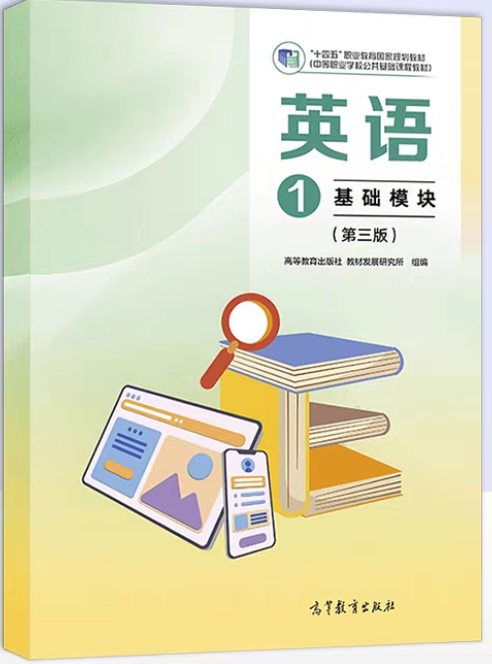
Unit 2 Transportation(B卷·能力提升)《英语 基础模块1》(高教版第三版)单元过关卷(原卷版+解析版)
2026-08-07
|
2份
|
29页
|
127人阅读
|
2人下载
内容正文:
编写说明:本套试卷紧扣《英语 基础模块1》(高教版第三版)教材,以教材单元为基准精准覆盖核心考点。
每个单元设置AB卷,A卷为基础巩固卷,侧重基础考点训练,帮助学生扎实掌握知识要点;B卷为能力提升卷,注重知识整合与全面检测,引导学生构建知识网络。全书设计4份综合测试卷,模拟实战情境,聚焦解题能力突破,全面提升应试能力与知识应用水平。
《英语 基础模块1》(高教版第三版)《单元过关卷》
Unit 2 Transportation
B卷·能力提升
考试时间:120分钟 满分:120分
班级_____姓名_____学号_____成绩_____
第一部分 英语知识运用(共四节,满分55分)
第一节 语音辨音(共5小题;每小题1分,满分5分)
从下面每题A、B、C、D四个选项中选出划线部分读音与其他三个单词划线部分读音不同的一项。
1.A.green B.street C.speed D.bread
2.A.airport B.report C.worker D.short
3.A.exit B.district C.ticket D.ride
4.A.map B.plan C.station D.traffic
5.A.cost B.cross C.stop D.hotel
第二节 单项选择(共25小题;每小题1分,满分25分)
从A、B、C、D四个选项中选出可以填入空白处的最佳选项。
6.For a short city trip, a shared bike is often more ________ than a taxi because riders can park near many gates.
A. convenient
B. private
C. crowded
D. silent
B. private
C. crowded
D. silent
B. private
C. crowded
D. silent
7.The passenger should take Exit C, ________ the hotel is on the left side of the street.
A. or
B. for
C. but
D. and
B. for
C. but
D. and
B. for
C. but
D. and
8.The new sign tells visitors ________ they should change to Line 8.
A. what
B. where
C. whose
D. which
B. where
C. whose
D. which
B. where
C. whose
D. which
9.During the morning rush hour, the subway ________ by thousands of workers.
A. uses
B. used
C. is used
D. using
B. used
C. is used
D. using
B. used
C. is used
D. using
10.The airport bus leaves on time, so guests ________ arrive at the gate ten minutes early.
A. may
B. should
C. needn't
D. mustn't
B. should
C. needn't
D. mustn't
B. should
C. needn't
D. mustn't
11.The route looks ________ on the app, but it becomes difficult when the phone has no battery.
A. easy
B. easier
C. easiest
D. the easiest
B. easier
C. easiest
D. the easiest
B. easier
C. easiest
D. the easiest
12.The worker wrote the hotel ________ on a card so the visitor could show it to a driver.
A. price
B. address
C. line
D. cost
B. address
C. line
D. cost
B. address
C. line
D. cost
13.________ the direction board carefully before you cross the road.
A. Read
B. Reading
C. Reads
D. To read
B. Reading
C. Reads
D. To read
B. Reading
C. Reads
D. To read
14.The old man chose to walk ________ the weather was fine and the park was near.
A. although
B. because
C. unless
D. until
B. because
C. unless
D. until
B. because
C. unless
D. until
15.The line ________ connects the railway station with the airport is very popular.
A. who
B. where
C. that
D. when
B. where
C. that
D. when
B. where
C. that
D. when
16.The guide asked the tourists not ________ their bikes in front of the exit.
A. park
B. to park
C. parking
D. parked
B. to park
C. parking
D. parked
B. to park
C. parking
D. parked
17.There ________ a bus timetable and two maps on the information wall.
A. is
B. are
C. were
D. be
B. are
C. were
D. be
B. are
C. were
D. be
18.The travel plan will be better if every cost ________ clearly.
A. lists
B. is listed
C. listed
D. listing
B. is listed
C. listed
D. listing
B. is listed
C. listed
D. listing
19.It was clear information ________ helped the visitors make greener choices.
A. that
B. what
C. where
D. who
B. what
C. where
D. who
B. what
C. where
D. who
20.Not only the drivers but also the passenger ________ the traffic rules.
A. follow
B. follows
C. following
D. to follow
B. follows
C. following
D. to follow
B. follows
C. following
D. to follow
21.________ from the station map, the quickest way is to take Line 3 first.
A. Judging
B. Judge
C. Judged
D. To judging
B. Judge
C. Judged
D. To judging
B. Judge
C. Judged
D. To judging
22.The bus was delayed, ________ the passengers waited calmly and checked another route.
A. so
B. but
C. because
D. until
B. but
C. because
D. until
B. but
C. because
D. until
23.The new app can show ________ route is cheaper, the bus route or the subway route.
A. which
B. why
C. where
D. when
B. why
C. where
D. when
B. why
C. where
D. when
24.The hotel is a little far from here. You'd better ________ a shuttle bus.
A. taking
B. takes
C. to take
D. take
B. takes
C. to take
D. take
B. takes
C. to take
D. take
25.The traffic officer spoke slowly in order ________ the foreign visitor understand the sign.
A. help
B. to help
C. helping
D. helped
B. to help
C. helping
D. helped
B. to help
C. helping
D. helped
26.Only when the road light turns green ________ people cross safely.
A. people can
B. can people
C. people did
D. do people can
B. can people
C. people did
D. do people can
B. can people
C. people did
D. do people can
27.The district has become ________ since more subway lines opened.
A. busy
B. busier
C. busiest
D. the busiest
B. busier
C. busiest
D. the busiest
B. busier
C. busiest
D. the busiest
28.—Would you like me to show you the way?
—________
A.Yes, please. B.It costs five yuan. C.At Exit A. D.Turn left.
29.The sign is placed high ________ more passengers can see it clearly.
A. as soon as
B. even if
C. so that
D. as if
B. even if
C. so that
D. as if
B. even if
C. so that
D. as if
30.Neither the taxi driver nor the bus workers ________ sure about the closed road at first.
A. was
B. were
C. is
D. be
B. were
C. is
D. be
B. were
C. is
D. be
第三节 完形填空(共10小题;每小题1.5分,满分15分)
阅读下面短文,从每题所给的A、B、C、D四个选项中选出最佳选项。
A coastal city opened a temporary transport desk for a national skills competition. The desk was placed between the train station and a bus terminal because many young workers, coaches and visitors needed to reach different venues without wasting time on the road.
The first challenge was 31________ in travel messages. Some visitors followed old online maps and walked 32________ the wrong exit. Others trusted taxi advertisements before checking public routes. The desk team asked every visitor to show 33________ destination card, then compared the time, cost and walking distance of each plan. A card for the welding venue required the team to 34________ a subway‑bus route rather than a direct taxi, because the main road was under repair.
The second challenge came from weather. Strong wind made shared bikes less 35________ near the seaside road. The team updated the board 36________ and moved the bike recommendation to streets behind tall buildings. They also printed short 37________ for visitors who had no Internet. These small 38________ could be folded into a pocket, showed station names, exit letters and emergency phone numbers.
The desk became a small but useful part of the event 39________ real‑time difficulties were taken into consideration. Visitors reached venues more calmly, and drivers avoided crowded gates. The case showed that transportation service is a system 40________ staff weigh travel choices and respect people's real needs.
31.A.mistakes B.gaps C.changes D.signs
32.A.through B.toward C.from D.into
33.A.personal B.plastic C.public D.paper
34.A.design B.refuse C.forget D.borrow
35.A.convenient B.patient C.traditional D.popular
36.A.loudly B.quietly C.quickly D.politely
37.A.tickets B.guides C.prices D.orders
38.A.notices B.gifts C.reports D.tests
39.A.so B.but C.because D.though
40.A.where B.how C.why D.when
第四节 短文填空(共5小题;每小题2分,满分10分)
阅读下面短文,在空白处填入括号内单词的正确形式。
A good transportation plan should be clear and practical for every trip. Before a trip to the airport, passengers need to check flight details carefully and compare different ____41____ (way) of transportation, such as buses, subways and taxis. The cheapest plan is not always the ____42____ (good), especially when time is short and the flight is urgent.
Map apps are helpful for traveling, but people should also read public signs ____43____ (careful) along the road. If the phone stops ____44____ (work) suddenly on the way, a written address and polite questions can still offer great help. Making a plan early usually ____45____ (reduce) stress and makes the whole journey smooth and relaxing.
第二部分 阅读(共两节,满分50分)
第一节 阅读理解(共15小题;每小题2.5分,满分37.5分)
阅读下列短文,从每题所给的A、B、C、D四个选项中选出最佳选项。
A
Airport Travel Plan
Plan A: Shuttle Bus
Plan B: Subway + Airport Express
Plan C: Taxi
Start
Front gate of Green Hotel
Walk to Jiefang Road Station
Hotel lobby
Time on the way
About 70 minutes
About 55 minutes
40-90 minutes
Cost
Free for hotel guests
¥32
About ¥120
Best for
Guests with enough time
Guests who want a stable route
Guests with heavy luggage late at night
46.Which plan costs the least for hotel guests?
A.Plan A. B.Plan B. C.Plan C. D.All cost the same.
47.Which plan is best for guests who want a stable route?
A. Taxi.
B. Subway + Airport Express.
C. Walking only.
D. Shared bike only.
48.Why may Plan C take 40-90 minutes?
A. Because the taxi route may be affected by road traffic.
B. Because taxis cannot reach the airport.
C. Because it is free.
D. Because guests must change trains.
B
A volunteer group in a mountain town worked on a “last five kilometers” travel problem. The train brought visitors to the town center, but the old villages, craft workshops and tea gardens were spread across narrow roads. Many visitors chose private cars, so the roads became crowded on weekends.
The group did not simply ask visitors to stop driving. It collected questions at the train station: How heavy is your bag? Which place do you want to visit first? Are you interested in walking? Then it designed three routes. Route One used an e-bus to connect craft workshops. Route Two combined walking paths and shared bikes. Route Three offered a small shuttle bus for elderly visitors.
The change worked because each route answered a real need. Workshop owners saw more visitors arrive on time. Tea garden paths became quieter. Drivers spent less time waiting at crossroads. The town learned that green transportation is not a single slogan. It is a set of careful services that make better choices possible.
49.What was the town's “last five kilometers” problem?
A. The train was too slow.
B. Visitors could not travel easily from the center to scattered places.
C. The tea gardens were closed.
D. The craft workshops had no workers.
50.What did the volunteer group do before designing routes?
A. It collected visitors' questions.
B. It built a new train station.
C. It sold private cars.
D. It closed narrow roads.
51.Which route was suitable for elderly visitors?
A. Route One.
B. Route Two.
C. Route Three.
D. No route.
B. Route Two.
C. Route Three.
D. No route.
B. Route Two.
C. Route Three.
D. No route.
52.What is the main idea of the passage?
A. Mountain towns should refuse all visitors.
B. Private cars are always faster than buses.
C. Green travel plans should answer real needs.
D. Craft workshops are more important than transport.
C
When a new library opened beside a river park, the city expected many readers to arrive by subway. The nearest station was only eight hundred meters away, but the first month brought a surprise: most visitors still came by car. The library parking area filled quickly, and the road beside the park became noisy.
A survey showed the reason. People did not dislike public transport; they were unsure how to walk from the station to the library. The map app showed two paths, but one crossed a busy road and the other passed a quiet riverside path that new visitors could not easily find. Families with children chose cars because they wanted a safer route.
The library, the subway company and the park office then worked together. They placed blue signs from Exit D to the riverside path. On weekends, volunteers stood at the first crossroads and guided families. A small board near the library gate compared four choices: walking from the subway, shared bike, bus and taxi.
Three months later, car visits dropped. More families used Exit D and enjoyed the riverside walk before reading. The change did not depend on a new subway line or a bigger road. It depended on connecting pieces of information that had once been separated. A good direction system can turn public transport from a possible choice into a comfortable habit.
53.Why did many visitors come to the library by car at first?
A. They were unsure about the walking route from the station.
B. The subway station was closed.
C. The library was far from the park.
D. They could not read books on weekends.
54.Which path was safer for families with children?
A. The busy road path.
B. The riverside path.
C. The taxi-only path.
D. The parking area path.
55.Who worked together to improve the route information?
A. Only the taxi drivers.
B. Only the library readers.
C. The library, the subway company and the park office.
D. The children and their parents only.
56.What can be inferred from the passage?
A. Clear directions can encourage people to use public transport.
B. A bigger parking area is the best solution.
C. Map apps should be removed from phones.
D. Libraries should open only near airports.
D
Modern city transportation is becoming a service network rather than a list of vehicles. In the past, people often asked one simple question: Which vehicle is fastest? Today, a better question is: Which plan fits this trip? The answer may change with weather, luggage, road repair, ticket cost, physical condition and time of day.
A useful network gives travelers choices and explains the differences among them. A bus may be slower than a taxi, but it can be cheaper and easier to find. A subway may require walking to an exit, but it is more stable during the rush hour. A shared bike may be perfect for one kilometer, but unsafe in heavy rain. No single way is always the best.
Technology helps, but it is not enough. A map app can show a route, yet the phone may run out of battery. Online information may fail to show temporary road changes. That is why public signs, station workers and simple printed plans are still important. They make the transport network friendly to visitors, older people and anyone who feels unsure.
A greener city therefore needs more than electric buses or new subway lines. It needs clear information, fair prices, safe walking spaces and respect for different travelers. When these parts work together, people do not feel forced to choose green travel. They choose it because it is practical, reliable and comfortable.
57.What question is better for modern city transportation according to the passage?
A. Which vehicle is newest?
B. Which plan fits this trip?
C. Which road is longest?
D. Which ticket is colorful?
58.Why is no single way always the best?
A. Because travel needs change with different conditions.
B. Because buses never stop.
C. Because taxis are always free.
D. Because shared bikes can fly.
59.What can map apps fail to show sometimes?
A. The color of a hotel.
B. Temporary road changes.
C. The name of a river.
D. The age of a bus driver.
60.Which of the following best describes a greener city?
A. A city with only electric buses.
B. A city that closes all roads.
C. A city with clear information, fair prices and safe walking spaces.
D. A city where visitors cannot ask questions.
第二节 补全对话(共5小题;每小题2.5分,满分12.5分)
根据对话内容,从方框内选择合适的句子补全对话。
A. Does it cost much?
B. Could you suggest a greener route?
C. What if my phone has no battery?
D. Change to the Airport Express at Central Square.
E.Then take Exit C and follow the blue signs.
Guest: Excuse me. I need to go to the airport, but I don't want to take a taxi if there is a better way.
Clerk: 61_______
Guest: Yes, please. I have enough time before my flight.
Clerk: Take Subway Line 2 first. 62_______
Guest: 63_______
Clerk: No. It costs ¥32 in all, much cheaper than a taxi.
Guest: 64_______
Clerk: Don't worry. I can write the station names and exits on this card. 65_______
Guest: Great. Thank you.
第三部分 书面表达(满分15分)
66.某城市青年志愿服务中心正在制作“绿色出行倡议卡”。请你根据以下要点,用英语写一篇短文,介绍绿色出行建议。
要点:1. 短途可步行或骑共享单车;2. 高峰期建议乘坐地铁或公交;3. 出行前核对地址、出口和费用;4. 遇到问题礼貌问路;5. 说明绿色出行的意义。
要求:词数100左右;内容完整,语句连贯,可适当发挥。
____________________________________________________________________________________________________________________________________________________________________________________________________________________________________________________________________________________________________________________________________
原创精品资源学科网独家享有版权,侵权必究!
学科网(北京)股份有限公司
$
编写说明:本套试卷紧扣《英语 基础模块1》(高教版第三版)教材,以教材单元为基准精准覆盖核心考点。
每个单元设置AB卷,A卷为基础巩固卷,侧重基础考点训练,帮助学生扎实掌握知识要点;B卷为能力提升卷,注重知识整合与全面检测,引导学生构建知识网络。全书设计4份综合测试卷,模拟实战情境,聚焦解题能力突破,全面提升应试能力与知识应用水平。
《英语 基础模块1》(高教版第三版)《单元过关卷》
Unit 2 Transportation
B卷·能力提升
考试时间:120分钟 满分:120分
班级_____姓名_____学号_____成绩_____
第一部分 英语知识运用(共四节,满分55分)
第一节 语音辨音(共5小题;每小题1分,满分5分)
从下面每题A、B、C、D四个选项中选出划线部分读音与其他三个单词划线部分读音不同的一项。
1.A.green B.street C.speed D.bread
【答案】D
【解析】A. green /ɡriːn/;B. street /striːt/;C. speed /spiːd/;D. bread /bred/。D项画线部分读/e/,其余读/iː/。故选D。
2.A.airport B.report C.worker D.short
【答案】C
【解析】A. airport /'eəpɔːt/;B. report /rɪ'pɔːt/;C. worker /'wɜːkə(r)/;D. short /ʃɔːt/。C项画线部分读/ɜː/,其余读/ɔː/。故选C。
3.A.exit B.district C.ticket D.ride
【答案】D
【解析】A. exit /'eksɪt/;B. district /'dɪstrɪkt/;C. ticket /'tɪkɪt/;D. ride /raɪd/。D项画线字母读/aɪ/,其余读/ɪ/。故选D。
4.A.map B.plan C.station D.traffic
【答案】C
【解析】A. map /mæp/;B. plan /plæn/;C. station /'steɪʃn/;D. traffic /'træfɪk/。C项画线字母读/eɪ/,其余读/æ/。故选C。
5.A.cost B.cross C.stop D.hotel
【答案】D
【解析】A. cost /kɒst/;B. cross /krɒs/;C. stop /stɒp/;D. hotel /həʊ'tel/。D项画线字母读/əʊ/,其余读/ɒ/。故选D。
第二节 单项选择(共25小题;每小题1分,满分25分)
从A、B、C、D四个选项中选出可以填入空白处的最佳选项。
6.For a short city trip, a shared bike is often more ________ than a taxi because riders can park near many gates.
A. convenient
B. private
C. crowded
D. silent
B. private
C. crowded
D. silent
B. private
C. crowded
D. silent
【答案】A
【解析】convenient表示“方便的”,后文can park near many gates说明其便利性。
7.The passenger should take Exit C, ________ the hotel is on the left side of the street.
A. or
B. for
C. but
D. and
B. for
C. but
D. and
B. for
C. but
D. and
【答案】D
【解析】前后动作顺承,take Exit C后即可看到hotel,and符合。
8.The new sign tells visitors ________ they should change to Line 8.
A. what
B. where
C. whose
D. which
B. where
C. whose
D. which
B. where
C. whose
D. which
【答案】B
【解析】从句主谓完整,结合change to Line 8可知询问换乘地点,用where。
9.During the morning rush hour, the subway ________ by thousands of workers.
A. uses
B. used
C. is used
D. using
B. used
C. is used
D. using
B. used
C. is used
D. using
【答案】C
【解析】subway与use之间为被动关系,描述经常性情况用一般现在时被动语态is used。
10.The airport bus leaves on time, so guests ________ arrive at the gate ten minutes early.
A. may
B. should
C. needn't
D. mustn't
B. should
C. needn't
D. mustn't
B. should
C. needn't
D. mustn't
【答案】B
【解析】should表示建议,符合提前到达乘车点的语境。
11.The route looks ________ on the app, but it becomes difficult when the phone has no battery.
A. easy
B. easier
C. easiest
D. the easiest
B. easier
C. easiest
D. the easiest
B. easier
C. easiest
D. the easiest
【答案】A
【解析】look后接形容词原级作表语,无比较语境,用easy。
12.The worker wrote the hotel ________ on a card so the visitor could show it to a driver.
A. price
B. address
C. line
D. cost
B. address
C. line
D. cost
B. address
C. line
D. cost
【答案】B
【解析】写在卡片上并给司机看的是酒店地址,address符合。
13.________ the direction board carefully before you cross the road.
A. Read
B. Reading
C. Reads
D. To read
B. Reading
C. Reads
D. To read
B. Reading
C. Reads
D. To read
【答案】A
【解析】祈使句以动词原形开头,Read符合。
14.The old man chose to walk ________ the weather was fine and the park was near.
A. although
B. because
C. unless
D. until
B. because
C. unless
D. until
B. because
C. unless
D. until
【答案】B
【解析】后文说明天气好且公园近,是选择步行的原因,用because。
15.The line ________ connects the railway station with the airport is very popular.
A. who
B. where
C. that
D. when
B. where
C. that
D. when
B. where
C. that
D. when
【答案】C
【解析】先行词line指物,关系词在从句中作主语,用that。
16.The guide asked the tourists not ________ their bikes in front of the exit.
A. park
B. to park
C. parking
D. parked
B. to park
C. parking
D. parked
B. to park
C. parking
D. parked
【答案】B
【解析】ask sb. not to do sth.表示“要求某人不要做某事”。
17.There ________ a bus timetable and two maps on the information wall.
A. is
B. are
C. were
D. be
B. are
C. were
D. be
B. are
C. were
D. be
【答案】A
【解析】there be结构遵循就近原则,a bus timetable为单数,用is。
18.The travel plan will be better if every cost ________ clearly.
A. lists
B. is listed
C. listed
D. listing
B. is listed
C. listed
D. listing
B. is listed
C. listed
D. listing
【答案】B
【解析】cost与list之间为被动关系,if从句用一般现在时表示将来意义,故用is listed。
19.It was clear information ________ helped the visitors make greener choices.
A. that
B. what
C. where
D. who
B. what
C. where
D. who
B. what
C. where
D. who
【答案】A
【解析】It was...that...为强调句结构。
20.Not only the drivers but also the passenger ________ the traffic rules.
A. follow
B. follows
C. following
D. to follow
B. follows
C. following
D. to follow
B. follows
C. following
D. to follow
【答案】B
【解析】not only...but also...连接主语时遵循就近原则,the passenger为单数,用follows。
21.________ from the station map, the quickest way is to take Line 3 first.
A. Judging
B. Judge
C. Judged
D. To judging
B. Judge
C. Judged
D. To judging
B. Judge
C. Judged
D. To judging
【答案】A
【解析】Judging from...为固定表达,表示“根据……判断”。
22.The bus was delayed, ________ the passengers waited calmly and checked another route.
A. so
B. but
C. because
D. until
B. but
C. because
D. until
B. but
C. because
D. until
【答案】B
【解析】前后为转折关系:公交延误,但乘客冷静等待并查询其他路线。
23.The new app can show ________ route is cheaper, the bus route or the subway route.
A. which
B. why
C. where
D. when
B. why
C. where
D. when
B. why
C. where
D. when
【答案】A
【解析】在两条路线中判断哪一条更便宜,用which。
24.The hotel is a little far from here. You'd better ________ a shuttle bus.
A. taking
B. takes
C. to take
D. take
B. takes
C. to take
D. take
B. takes
C. to take
D. take
【答案】D
【解析】had better后接动词原形,take符合。
25.The traffic officer spoke slowly in order ________ the foreign visitor understand the sign.
A. help
B. to help
C. helping
D. helped
B. to help
C. helping
D. helped
B. to help
C. helping
D. helped
【答案】B
【解析】in order to do sth.表示目的,故用to help。
26.Only when the road light turns green ________ people cross safely.
A. people can
B. can people
C. people did
D. do people can
B. can people
C. people did
D. do people can
B. can people
C. people did
D. do people can
【答案】B
【解析】Only+状语从句置于句首时,主句部分倒装,用can people。
27.The district has become ________ since more subway lines opened.
A. busy
B. busier
C. busiest
D. the busiest
B. busier
C. busiest
D. the busiest
B. busier
C. busiest
D. the busiest
【答案】B
【解析】since从句说明变化后的比较含义,become busier表示“变得更繁忙”。
28.—Would you like me to show you the way?
—________
A.Yes, please. B.It costs five yuan. C.At Exit A. D.Turn left.
【答案】A
【解析】对Would you like me to...?的礼貌接受可用Yes, please。
29.The sign is placed high ________ more passengers can see it clearly.
A. as soon as
B. even if
C. so that
D. as if
B. even if
C. so that
D. as if
B. even if
C. so that
D. as if
【答案】C
【解析】so that引导目的状语从句,说明把标志放高的目的。
30.Neither the taxi driver nor the bus workers ________ sure about the closed road at first.
A. was
B. were
C. is
D. be
B. were
C. is
D. be
B. were
C. is
D. be
【答案】B
【解析】neither...nor...连接主语遵循就近原则,bus workers为复数;at first提示过去语境,用were。
第三节 完形填空(共10小题;每小题1.5分,满分15分)
阅读下面短文,从每题所给的A、B、C、D四个选项中选出最佳选项。
A coastal city opened a temporary transport desk for a national skills competition. The desk was placed between the train station and a bus terminal because many young workers, coaches and visitors needed to reach different venues without wasting time on the road.
The first challenge was 31________ in travel messages. Some visitors followed old online maps and walked 32________ the wrong exit. Others trusted taxi advertisements before checking public routes. The desk team asked every visitor to show 33________ destination card, then compared the time, cost and walking distance of each plan. A card for the welding venue required the team to 34________ a subway‑bus route rather than a direct taxi, because the main road was under repair.
The second challenge came from weather. Strong wind made shared bikes less 35________ near the seaside road. The team updated the board 36________ and moved the bike recommendation to streets behind tall buildings. They also printed short 37________ for visitors who had no Internet. These small 38________ could be folded into a pocket, showed station names, exit letters and emergency phone numbers.
The desk became a small but useful part of the event 39________ real‑time difficulties were taken into consideration. Visitors reached venues more calmly, and drivers avoided crowded gates. The case showed that transportation service is a system 40________ staff weigh travel choices and respect people's real needs.
31.A.mistakes B.gaps C.changes D.signs
32.A.through B.toward C.from D.into
33.A.personal B.plastic C.public D.paper
34.A.design B.refuse C.forget D.borrow
35.A.convenient B.patient C.traditional D.popular
36.A.loudly B.quietly C.quickly D.politely
37.A.tickets B.guides C.prices D.orders
38.A.notices B.gifts C.reports D.tests
39.A.so B.but C.because D.though
40.A.where B.how C.why D.when
【答案】31.B 32.D 33.A 34.A 35.A 36.C 37.B 38.A 39.C 40.A
【导语】本文讲述一座沿海城市,为全国职业技能大赛设立临时交通服务台。服务台设在火车站与公交总站中间,工作人员依据访客的目的地卡片,结合道路施工、海边大风等现实情况调整出行建议,还印制可折叠纸质指引,帮助参赛人员高效抵达各个竞赛场馆。
【详解】
31. 名词词义辨析,本段讲访客获取出行消息存在障碍,gaps 表示信息缺口;mistakes 错误、changes 改变、signs 标记,均不符合 “新旧地图信息不一致” 的上下文,故选 B;
32. 介词词义辨析,walk into the wrong exit 指走进错误出口,into 强调进入空间;through 穿过、toward 朝向、from 从,不能表达误入出口的含义,故选 D;
33. 形容词词义辨析,目的地卡片属于访客个人的出行凭证,personal 个人的;plastic 塑料的、public 公共的、paper 纸质的,上下文没有提及卡片材质,故选 A;
34. 动词词义辨析,道路在维修,团队需要规划地铁转公交的出行方案,design 设计、规划;refuse 拒绝、forget 忘记、borrow 借用,语义和语境冲突,故选 A;
35. 形容词词义辨析,海边刮大风,共享单车使用起来就没那么方便;convenient 方便的;patient 有耐心的、traditional 传统的、popular 受欢迎的,patient 修饰对象为人,其余两项不符合大风带来的影响,故选 A;
36. 副词词义辨析,天气突变出现新问题,团队要立刻更新公告板信息;quickly 迅速地;loudly 大声地、quietly 安静地、politely 礼貌地,和应急处理场景不匹配,故选 C;
37. 名词词义辨析,没有网络的访客需要简短出行指引,guides 出行指南;tickets 车票、prices 价格、orders 订单,与后文站名、出口提示内容不符,故选 B;
38. 名词词义辨析,这些可以放进口袋的纸质材料是出行通知提示;notices 通知;gifts 礼物、reports 报告、tests 测试,不符合现场打印分发的物品属性,故选 A;
39. 连词词义辨析;服务台发挥作用,是因为团队考虑了各类现实突发状况,前后为因果逻辑;because 因为;so 所以、but 但是、though 虽然逻辑关系错误,故选 C;
40. 疑问副词词义辨析,system 此处抽象理解为服务运行的环境,where 表示在这套体系之中;how 方式、why 原因、when 时间,无法匹配语境,故选 A。
第四节 短文填空(共5小题;每小题2分,满分10分)
阅读下面短文,在空白处填入括号内单词的正确形式。
A good transportation plan should be clear and practical for every trip. Before a trip to the airport, passengers need to check flight details carefully and compare different ____41____ (way) of transportation, such as buses, subways and taxis. The cheapest plan is not always the ____42____ (good), especially when time is short and the flight is urgent.
Map apps are helpful for traveling, but people should also read public signs ____43____ (careful) along the road. If the phone stops ____44____ (work) suddenly on the way, a written address and polite questions can still offer great help. Making a plan early usually ____45____ (reduce) stress and makes the whole journey smooth and relaxing.
【答案】41.ways 42.best 43.carefully 44.working 45.reduces
【导语】本文是一篇说明文,说明交通计划要兼顾清晰和实用。文章提醒乘客比较路线、核对公共标志、准备书面地址,并在手机无法使用时礼貌求助。
【详解】
41.考查名词复数。different后接可数名词复数,way变为ways。
42.考查形容词最高级。句中有The cheapest plan,语境是在多种方案中比较,good变为最高级best。
43.考查副词。修饰动词read应用副词carefully。
44.考查非谓语动词。stop working表示“停止工作、无法运行”,work变为动名词working。
45.考查一般现在时主谓一致。动名词短语Making a plan early作主语,谓语用第三人称单数reduces。
第二部分 阅读(共两节,满分50分)
第一节 阅读理解(共15小题;每小题2.5分,满分37.5分)
阅读下列短文,从每题所给的A、B、C、D四个选项中选出最佳选项。
A
Airport Travel Plan
Plan A: Shuttle Bus
Plan B: Subway + Airport Express
Plan C: Taxi
Start
Front gate of Green Hotel
Walk to Jiefang Road Station
Hotel lobby
Time on the way
About 70 minutes
About 55 minutes
40-90 minutes
Cost
Free for hotel guests
¥32
About ¥120
Best for
Guests with enough time
Guests who want a stable route
Guests with heavy luggage late at night
46.Which plan costs the least for hotel guests?
A.Plan A. B.Plan B. C.Plan C. D.All cost the same.
47.Which plan is best for guests who want a stable route?
A. Taxi.
B. Subway + Airport Express.
C. Walking only.
D. Shared bike only.
48.Why may Plan C take 40-90 minutes?
A. Because the taxi route may be affected by road traffic.
B. Because taxis cannot reach the airport.
C. Because it is free.
D. Because guests must change trains.
【答案】46.A 47.B 48.A
【导语】本文是一张机场出行方案表,比较酒店班车、地铁加机场快线和出租车三种路线的起点、路上时间、费用和适用人群,帮助旅客按时间、费用和行李情况选择方案。
【详解】46.细节理解题。Plan A费用为Free for hotel guests,因此对住店客人花费最低。
47.细节理解题。Plan B的Best for一栏写着Guests who want a stable route,故选B。
48.推理判断题。出租车时间范围为40-90 minutes,差异较大,说明易受道路交通影响。
B
A volunteer group in a mountain town worked on a “last five kilometers” travel problem. The train brought visitors to the town center, but the old villages, craft workshops and tea gardens were spread across narrow roads. Many visitors chose private cars, so the roads became crowded on weekends.
The group did not simply ask visitors to stop driving. It collected questions at the train station: How heavy is your bag? Which place do you want to visit first? Are you interested in walking? Then it designed three routes. Route One used an e-bus to connect craft workshops. Route Two combined walking paths and shared bikes. Route Three offered a small shuttle bus for elderly visitors.
The change worked because each route answered a real need. Workshop owners saw more visitors arrive on time. Tea garden paths became quieter. Drivers spent less time waiting at crossroads. The town learned that green transportation is not a single slogan. It is a set of careful services that make better choices possible.
49.What was the town's “last five kilometers” problem?
A. The train was too slow.
B. Visitors could not travel easily from the center to scattered places.
C. The tea gardens were closed.
D. The craft workshops had no workers.
50.What did the volunteer group do before designing routes?
A. It collected visitors' questions.
B. It built a new train station.
C. It sold private cars.
D. It closed narrow roads.
51.Which route was suitable for elderly visitors?
A. Route One.
B. Route Two.
C. Route Three.
D. No route.
B. Route Two.
C. Route Three.
D. No route.
B. Route Two.
C. Route Three.
D. No route.
52.What is the main idea of the passage?
A. Mountain towns should refuse all visitors.
B. Private cars are always faster than buses.
C. Green travel plans should answer real needs.
D. Craft workshops are more important than transport.
【答案】49.B 50.A 51.C 52.C
【导语】本文讲述山区小镇通过志愿者调研游客问题,设计电动公交、步行加共享单车和小型班车三类路线,解决从镇中心到分散景点的最后五公里出行难题。
【详解】49.细节理解题。根据第一段可知,火车到镇中心,但村庄、作坊和茶园分散在窄路沿线,游客从中心到这些地点不方便。
50.细节理解题。根据“It collected questions at the train station”可知,志愿者团队先收集游客问题。
51.细节理解题。根据“Route Three offered a small shuttle bus for elderly visitors.”可知,Route Three适合老年游客。
52.主旨大意题。文章强调每条路线都回应真实需求,说明绿色出行方案应解决实际需要。
C
When a new library opened beside a river park, the city expected many readers to arrive by subway. The nearest station was only eight hundred meters away, but the first month brought a surprise: most visitors still came by car. The library parking area filled quickly, and the road beside the park became noisy.
A survey showed the reason. People did not dislike public transport; they were unsure how to walk from the station to the library. The map app showed two paths, but one crossed a busy road and the other passed a quiet riverside path that new visitors could not easily find. Families with children chose cars because they wanted a safer route.
The library, the subway company and the park office then worked together. They placed blue signs from Exit D to the riverside path. On weekends, volunteers stood at the first crossroads and guided families. A small board near the library gate compared four choices: walking from the subway, shared bike, bus and taxi.
Three months later, car visits dropped. More families used Exit D and enjoyed the riverside walk before reading. The change did not depend on a new subway line or a bigger road. It depended on connecting pieces of information that had once been separated. A good direction system can turn public transport from a possible choice into a comfortable habit.
53.Why did many visitors come to the library by car at first?
A. They were unsure about the walking route from the station.
B. The subway station was closed.
C. The library was far from the park.
D. They could not read books on weekends.
54.Which path was safer for families with children?
A. The busy road path.
B. The riverside path.
C. The taxi-only path.
D. The parking area path.
55.Who worked together to improve the route information?
A. Only the taxi drivers.
B. Only the library readers.
C. The library, the subway company and the park office.
D. The children and their parents only.
56.What can be inferred from the passage?
A. Clear directions can encourage people to use public transport.
B. A bigger parking area is the best solution.
C. Map apps should be removed from phones.
D. Libraries should open only near airports.
【答案】53.A 54.B 55.C 56.A
【导语】本文讲述新图书馆开馆后访客多开车前往,原因是从地铁站步行到图书馆的路线不清楚。相关部门通过指示牌、志愿者引导和交通方式对比板改善信息,促使更多家庭使用公共交通。
【详解】53.细节理解题。根据“they were unsure how to walk from the station to the library”可知,访客不清楚步行路线。
54.细节理解题。文中提到另一条是quiet riverside path,家庭需要更安全路线,因此河边步道更合适。
55.细节理解题。根据“The library, the subway company and the park office then worked together.”可知,三方合作改善路线信息。
56.推理判断题。最后一句说明良好指路系统能让公共交通成为舒适习惯,由此可推知清晰方向能鼓励公共交通使用。
D
Modern city transportation is becoming a service network rather than a list of vehicles. In the past, people often asked one simple question: Which vehicle is fastest? Today, a better question is: Which plan fits this trip? The answer may change with weather, luggage, road repair, ticket cost, physical condition and time of day.
A useful network gives travelers choices and explains the differences among them. A bus may be slower than a taxi, but it can be cheaper and easier to find. A subway may require walking to an exit, but it is more stable during the rush hour. A shared bike may be perfect for one kilometer, but unsafe in heavy rain. No single way is always the best.
Technology helps, but it is not enough. A map app can show a route, yet the phone may run out of battery. Online information may fail to show temporary road changes. That is why public signs, station workers and simple printed plans are still important. They make the transport network friendly to visitors, older people and anyone who feels unsure.
A greener city therefore needs more than electric buses or new subway lines. It needs clear information, fair prices, safe walking spaces and respect for different travelers. When these parts work together, people do not feel forced to choose green travel. They choose it because it is practical, reliable and comfortable.
57.What question is better for modern city transportation according to the passage?
A. Which vehicle is newest?
B. Which plan fits this trip?
C. Which road is longest?
D. Which ticket is colorful?
58.Why is no single way always the best?
A. Because travel needs change with different conditions.
B. Because buses never stop.
C. Because taxis are always free.
D. Because shared bikes can fly.
59.What can map apps fail to show sometimes?
A. The color of a hotel.
B. Temporary road changes.
C. The name of a river.
D. The age of a bus driver.
60.Which of the following best describes a greener city?
A. A city with only electric buses.
B. A city that closes all roads.
C. A city with clear information, fair prices and safe walking spaces.
D. A city where visitors cannot ask questions.
【答案】57.B 58.A 59.B 60.C
【导语】本文是一篇观点说明文,指出现代城市交通应被理解为服务网络,而不是交通工具清单。文章从出行需求变化、信息服务、技术局限和绿色城市建设等角度说明合理交通选择的形成条件。
【详解】57.细节理解题。根据第一段中的“a better question is: Which plan fits this trip?”可知,更好的问题是哪个方案适合这次出行。
58.推理判断题。文章列举天气、行李、修路、费用、身体情况和时间等因素,说明出行需求会变化,因此没有单一方式永远最佳。
59.细节理解题。根据“Online information may fail to show temporary road changes.”可知,线上信息有时不能显示临时道路变化。
60.细节理解题。根据最后一段可知,更绿色的城市需要清晰信息、公平价格、安全步行空间和对不同出行者的尊重。
第二节 补全对话(共5小题;每小题2.5分,满分12.5分)
根据对话内容,从方框内选择合适的句子补全对话。
A. Does it cost much?
B. Could you suggest a greener route?
C. What if my phone has no battery?
D. Change to the Airport Express at Central Square.
E.Then take Exit C and follow the blue signs.
Guest: Excuse me. I need to go to the airport, but I don't want to take a taxi if there is a better way.
Clerk: 61_______
Guest: Yes, please. I have enough time before my flight.
Clerk: Take Subway Line 2 first. 62_______
Guest: 63_______
Clerk: No. It costs ¥32 in all, much cheaper than a taxi.
Guest: 64_______
Clerk: Don't worry. I can write the station names and exits on this card. 65_______
Guest: Great. Thank you.
【答案】61.B 62.D 63.A 64.C 65.E
【解析】61.根据上文不想打车且寻找更好方式可知,工作人员应提出绿色路线建议,B项符合。
62.前句为乘2号线,后续应说明换乘机场快线,D项符合。
63.根据答语No和费用说明可知,问句询问花费是否高,A项符合。
64.根据答语I can write the station names and exits on this card可知,客人担心手机没电,C项符合。
65.前文提到写下站名和出口,后句应继续说明从出口出来后按蓝色标志走,E项符合。
第三部分 书面表达(满分15分)
66.某城市青年志愿服务中心正在制作“绿色出行倡议卡”。请你根据以下要点,用英语写一篇短文,介绍绿色出行建议。
要点:1. 短途可步行或骑共享单车;2. 高峰期建议乘坐地铁或公交;3. 出行前核对地址、出口和费用;4. 遇到问题礼貌问路;5. 说明绿色出行的意义。
要求:词数100左右;内容完整,语句连贯,可适当发挥。
____________________________________________________________________________________________________________________________________________________________________________________________________________________________________________________________________________________________________________________________________
【范文】Green travel is a smart choice for city life. For a short trip, we can walk or ride a shared bike. It is healthy and causes less pollution. During the rush hour, taking the subway or bus is often better than taking a taxi because public transport can save time and reduce traffic pressure.
Before we leave, we should check the address, the right exit and the cost of the trip. If we are not sure about the direction, we can ask workers or local people politely. Small choices can make a big difference. When more people choose green transportation, our city will become cleaner, safer and more convenient.
【解析】本文要求写绿色出行倡议短文。写作时应覆盖短途出行、高峰期选择、出行前核对信息、礼貌问路和绿色出行意义五个要点。范文先提出观点,再分层给出建议,最后升华意义,结构清晰。
原创精品资源学科网独家享有版权,侵权必究!
学科网(北京)股份有限公司
$
资源预览图

1

2

3
由于学科网是一个信息分享及获取的平台,不确保部分用户上传资料的 来源及知识产权归属。如您发现相关资料侵犯您的合法权益,请联系学科网,我们核实后将及时进行处理。