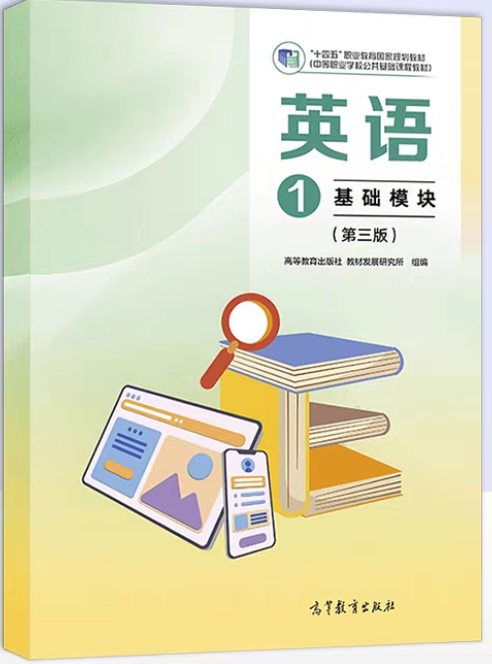
Unit 1 Personal and Family Life(A卷·基础巩固)《英语 基础模块1》(高教版第三版)单元过关卷(原卷版+解析版)
2026-08-07
|
2份
|
23页
|
393人阅读
|
3人下载
摘要:
**基本信息**
紧扣《英语 基础模块1》Unit 1核心考点,A卷侧重基础巩固,通过家庭生活、社区服务等真实情境,训练语音、词汇、语法及读写能力,适配单元复习,助力学生扎实掌握知识要点。
**题型特征**
|题型|题量/分值|知识覆盖|命题特色|
|----|-----------|----------|----------|
|语音辨音|5/5|元音、辅音发音规则|聚焦基础发音,如name/take等单词辨音|
|单项选择|25/25|词汇(family name, manager)、语法(时态、There be句型)|结合家庭职业、日常活动情境,如“父母每周日和祖父母吃晚餐”考查一般现在时|
|完形填空|10/15|上下文理解、词汇运用|以社区家庭项目为情境,融入“照顾老人”“重阳节贺卡”等文化元素|
|阅读理解|15/37.5|信息获取、推理判断|选取家庭名字文化、家庭聚餐价值等主题,如对比中英文姓名顺序培养文化意识|
|书面表达|1/15|语言组织与表达|以“My Family Life”为题,要求介绍成员、职业及共同活动,提升综合语言运用能力|
内容正文:
编写说明:本套试卷紧扣《英语 基础模块1》(高教版第三版)教材,以教材单元为基准精准覆盖核心考点。
每个单元设置AB卷,A卷为基础巩固卷,侧重基础考点训练,帮助学生扎实掌握知识要点;B卷为能力提升卷,注重知识整合与全面检测,引导学生构建知识网络。全书设计4份综合测试卷,模拟实战情境,聚焦解题能力突破,全面提升应试能力与知识应用水平。
《英语 基础模块1》(高教版第三版)《单元过关卷》
Unit 1 Personal and Family Life
A卷·基础巩固
考试时间:120分钟 满分:120分
班级_____姓名_____学号_____成绩_____
第一部分 英语知识运用(共四节,满分55分)
第一节 语音辨音(共5小题;每小题1分,满分5分)
从下面每题A、B、C、D四个选项中选出划线部分读音与其他三个单词划线部分读音不同的一项。
1.A.name B.take C.family D.make
2.A.teacher B.please C.bread D.mean
3.A.photo B.home C.go D.job
4.A.cook B.good C.school D.look
5.A.three B.father C.mother D.brother
【答案】1.C 2.C 3.D 4.C 5.A
【解析】1.A. name /neɪm/;B. take /teɪk/;C. family /'fæməli/;D. make /meɪk/。C项画线字母读/æ/,其余读/eɪ/。故选C。
2.A. teacher /'tiːtʃə(r)/;B. please /pliːz/;C. bread /bred/;D. mean /miːn/。C项画线字母组合读/e/,其余读/iː/。故选C。
3.A. photo /'fəʊtəʊ/;B. home /həʊm/;C. go /ɡəʊ/;D. job /dʒɒb/。D项画线字母读/ɒ/,其余读/əʊ/。故选D。
4.A. cook /kʊk/;B. good /ɡʊd/;C. school /skuːl/;D. look /lʊk/。C项画线字母组合读/uː/,其余读/ʊ/。故选C。
5.A. three /θriː/;B. father /'fɑːðə(r)/;C. mother /'mʌðə(r)/;D. brother /'brʌðə(r)/。A项画线字母组合读/θ/,其余读/ð/。故选A。
第二节 单项选择(共25小题;每小题1分,满分25分)
从 A、B、C、D 四个选项中选出可以填入空白处的最佳选项。
6.In China, Li is usually a __________ name.
A. given
B. family
C. middle
D. pet
B. family
C. middle
D. pet
B. family
C. middle
D. pet
【答案】B
【解析】Li常位于中文姓名开头,表示family name“姓”。
7.The flight attendant smiled and __________ herself to the passengers.
A. managed
B. visited
C. introduced
D. cooked
B. visited
C. introduced
D. cooked
B. visited
C. introduced
D. cooked
【答案】C
【解析】introduce oneself表示“介绍自己”,符合空乘人员与乘客见面语境。
8.My father is a __________. He manages a sales department.
A. manager
B. puppy
C. gift
D. photo
B. puppy
C. gift
D. photo
B. puppy
C. gift
D. photo
【答案】A
【解析】后句manages a sales department说明职业是manager“经理”。
9.A technician often works in a workshop and builds __________.
A. families
B. names
C. festivals
D. machines
B. names
C. festivals
D. machines
B. names
C. festivals
D. machines
【答案】D
【解析】technician“技术员”和workshop语境对应build machines“制造机器”。
10.My sister is __________. She goes jogging every morning.
A. alone
B. energetic
C. strict
D. nearby
B. energetic
C. strict
D. nearby
B. energetic
C. strict
D. nearby
【答案】B
【解析】每天慢跑体现精力充沛,energetic符合句意。
11.Grandparents often __________ young children with great love.
A. look forward to
B. are strict about
C. take care of
D. hear from
B. are strict about
C. take care of
D. hear from
B. are strict about
C. take care of
D. hear from
【答案】C
【解析】take care of young children表示“照顾小孩”,语义自然。
12.The parents are kind, but they are also strict __________ their children's studies.
A. about
B. with
C. from
D. under
B. with
C. from
D. under
B. with
C. from
D. under
【答案】A
【解析】be strict about sth.表示“对某事严格”,studies为事情。
13.We __________ visit our grandmother and give her a handmade gift this weekend.
A. turn to
B. look after
C. come from
D. plan to
B. look after
C. come from
D. plan to
B. look after
C. come from
D. plan to
【答案】D
【解析】plan to do sth.表示“计划做某事”,后接动词原形visit。
14.The old couple live __________, so their children can have dinner with them often.
A. nearby
B. alone
C. loudly
D. slowly
B. alone
C. loudly
D. slowly
B. alone
C. loudly
D. slowly
【答案】A
【解析】后半句说明孩子常来吃饭,nearby“在附近”符合。
15.Could you tell me __________ about your family photo?
A. nothing
B. something
C. anybody
D. somebody
B. something
C. anybody
D. somebody
B. something
C. anybody
D. somebody
【答案】B
【解析】Could you tell me something about...? 是礼貌请求,表示“给我讲讲……”。
16.My parents __________ dinner with my grandparents every Sunday.
A. has
B. having
C. have
D. had
B. having
C. have
D. had
B. having
C. have
D. had
【答案】C
【解析】My parents为复数主语,every Sunday表示一般现在时,谓语用have。
17.The earth __________ around the sun.
A. move
B. moved
C. moving
D. moves
B. moved
C. moving
D. moves
B. moved
C. moving
D. moves
【答案】D
【解析】客观真理用一般现在时,主语The earth为第三人称单数,谓语用moves。
18.__________ your twin sister live with your parents?
A. Does
B. Do
C. Is
D. Are
B. Do
C. Is
D. Are
B. Do
C. Is
D. Are
【答案】A
【解析】主语your twin sister为第三人称单数,实义动词一般疑问句用Does。
19.Anna __________ often see her grandmother, but she loves her very much.
A. don't
B. isn't
C. doesn't
D. aren't
B. isn't
C. doesn't
D. aren't
B. isn't
C. doesn't
D. aren't
【答案】C
【解析】主语Anna为第三人称单数,实义动词否定用doesn't。
20.There __________ a puppy and two cats in the small house.
A. are
B. have
C. has
D. is
B. have
C. has
D. is
B. have
C. has
D. is
【答案】D
【解析】there be结构遵循就近原则,a puppy为单数,be动词用is。
21.My younger sister enjoys __________ family stories after dinner.
A. read
B. reading
C. to read
D. reads
B. reading
C. to read
D. reads
B. reading
C. to read
D. reads
【答案】B
【解析】enjoy doing sth.为固定结构,read变为reading。
22.Everyone in the family __________ ready for the Chongyang Festival.
A. is
B. are
C. am
D. be
B. are
C. am
D. be
B. are
C. am
D. be
【答案】A
【解析】Everyone作主语时按单数处理,be动词用is。
23.The boy __________ his family name first when he writes in Chinese.
A. put
B. putting
C. puts
D. is put
B. putting
C. puts
D. is put
B. putting
C. puts
D. is put
【答案】C
【解析】主语The boy为第三人称单数,一般现在时谓语用puts。
24.It is Chinese family values __________ make the old feel respected.
A. who
B. where
C. what
D. that
B. where
C. what
D. that
B. where
C. what
D. that
【答案】D
【解析】It is...that...为强调句结构,被强调部分为Chinese family values。
25.__________ by family love, children learn to care for others.
A. Guided
B. Guiding
C. Guide
D. To guide
B. Guiding
C. Guide
D. To guide
B. Guiding
C. Guide
D. To guide
【答案】A
【解析】children与guide之间为被动关系,过去分词Guided作状语。
26.A happy family usually __________ well in everything.
A. do
B. does
C. did
D. doing
B. does
C. did
D. doing
B. does
C. did
D. doing
【答案】B
【解析】family视为整体时谓语用单数,usually提示一般现在时。
27.Neither the manager nor the workers __________ late for the meeting.
A. is
B. am
C. be
D. are
B. am
C. be
D. are
B. am
C. be
D. are
【答案】D
【解析】neither...nor...连接主语时遵循就近原则,workers为复数,用are。
28.The woman __________ holds a baby in the photo is my aunt.
A. which
B. where
C. who
D. when
B. where
C. who
D. when
B. where
C. who
D. when
【答案】C
【解析】先行词woman指人,关系词在从句中作主语,用who。
29.Only after work __________ the parents visit the grandmother nearby.
A. do
B. does
C. are
D. is
B. does
C. are
D. is
B. does
C. are
D. is
【答案】A
【解析】Only + 状语置于句首,主句部分倒装;主语parents为复数,用do。
30.—Nice to meet you, Ms Smith.
—__________
A. I'm fifteen.
B. Nice to meet you, too.
C. It is a photo.
D. He is strict.
【答案】B
【解析】Nice to meet you的常见回应是Nice to meet you, too。
第三节 完形填空(共10小题;每小题1.5分,满分15分)
阅读下面短文,从每题所给的A、B、C、D四个选项中选出最佳选项。
A neighborhood service center rolled out a special weekend family program last spring. Its first task was simple: new volunteers practiced greeting visitors and keeping records of family information. A notice hung by the entrance caught everyone’s eye: “Every family has a story worth listening to.” Those meaningful words brought gentle warmth to the whole room at once.
One volunteer took out a 31______ and stood beside the information desk. At the beginning, dealing with family inquiries brought much 32______ to him. A father hoped to find proper support for his child, while an elderly lady wanted information about care services for seniors living alone. The volunteer needed to 33______ carefully and offer straightforward replies. Before long, the work grew 34______ because every reply could bring real help to a family in need.
In the afternoon, the center invited visitors to make greeting cards for the upcoming Chongyang Festival, a special time to respect the elderly in families. Some children wrote their family names in English; others shared little stories about their parents’ daily work. The volunteer spoke 35______ and shared practical 36______ about family names and given names. Every card with short warm family greetings was displayed on the wall. The volunteer watched those creative 37______ hanging brightly. He came to understand that a community grows warmer when neighbors truly 38______ about each other’s family life. It becomes a wonderful 39______ where strangers can turn into caring neighbors who support one another. Many visitors expressed thanks and promised to take part in this meaningful 40______ again.
31. A. notebook B. ticket C. magazine D. textbook
32. A. joy B. stress C. luck D. hope
33. A. cook B. argue C. listen D. shout
34. A. empty B. noisy C. careless D. meaningful
35. A. clearly B. angrily C. secretly D. nervously
36. A. tips B. machines C. puppies D. tickets
37. A. gifts B. cards C. flags D. posters
38. A. think B. worry C. care D. learn
39. A. space B. park C. hospital D. shop
40. A. study B. test C. talk D. event
【答案】31.A 32.B 33.C 34.D 35.A 36.A 37.B 38.C 39.A 40.D
【导语】这是一篇记叙文。文章讲述一名志愿者参与社区周末家庭志愿项目,接待前来咨询的居民、协助大家制作重阳贺卡,在过程中感悟到邻里之间相互关怀,能够让社区变得更加温暖。
【详解】
31.A考查名词词义辨析。句意:一名志愿者拿出一本笔记本,站在服务台旁边。notebook 笔记本;ticket 票;magazine 杂志;textbook 课本。志愿者接待居民需要记录信息,拿出笔记本符合场景。故选 A。
32.B考查名词词义辨析。句意:一开始,处理居民的咨询给他带来很大压力。joy 快乐;stress 压力;luck 运气;hope 希望。根据下文 At the beginning 可以看出志愿者刚开始工作并不轻松,会有压力。故选 B。
33.C考查动词词义辨析。句意:志愿者需要认真倾听,给出直白的答复。cook 烹饪;argue 争吵;listen 倾听;shout 大喊。居民前来诉说诉求,志愿者应当认真倾听再作答。故选 C。
34.D考查形容词词义辨析。句意:不久之后,这份工作变得很有意义,因为每一次答复都能真正帮助有需要的家庭。empty 空的;noisy 吵闹的;careless 粗心的;meaningful 有意义的。能够帮助他人,让这份志愿工作具备意义。故选 D。
35.A考查副词词义辨析。句意:志愿者讲解得很清楚,分享关于姓氏和名字的实用小知识。clearly 清晰地;angrily 生气地;secretly 秘密地;nervously 紧张地。给居民讲解知识,应当表达清晰易懂。故选 A。
36.A考查名词词义辨析。句意同上。tips 小贴士;machines 机器;puppies 小狗;tickets 票。practical tips 指实用小知识,契合讲解姓名文化的语境。故选 A。
37.B考查名词词义辨析。句意:志愿者看着那些富有创意的卡片鲜亮地挂在墙上。gifts 礼物;cards 卡片;flags 旗帜;posters 海报。上文提到大家制作重阳贺卡,此处属于原词复现。故选 B。
38.C考查动词词义辨析。句意:他慢慢明白,当邻居真正关心彼此的家庭生活时,社区会变得更加温暖。think 思考;worry 担忧;care 关心;learn 学习。care about 为固定搭配,表示关心,贴合邻里互助的主题。故选 C。
39.A【考查名词词义辨析。句意:这里成为一个美好的空间,陌生人可以变成互相扶持的热心邻居。space 空间;park 公园;hospital 医院;shop 商店。此处指代社区这个生活空间。故选 A。
40.D考查名词词义辨析。句意:许多居民表达谢意,并承诺会再次参加这项有意义的活动。study 学习;test 测试;talk 谈话;event 活动。此处指代社区开展的周末家庭志愿项目活动。故选 D。
第四节 短文填空(共5小题;每小题2分,满分10分)
A family photo can tell many warm stories. In one old photo, a grandfather 41______ (hold) a basketball and smiles at the camera. His daughter works as a 42______ (manage) in a department, and she is strict about time. The children live with their parents in another community, but they visit their grandparents 43______ (regular).
Before the Chongyang Festival, the whole family plans 44______ (cook) a big meal together at the grandparents’ home. The youngest child makes two 45______ (handmade) cards and writes everyone’s given name on them. Such small but sincere actions show deep love and respect between family members.
【答案】41.holds 42.manager 43.regularly 44.to cook 45.handmade
【导语】本文围绕一张家庭老照片展开,介绍一家人的生活日常与重阳节团聚计划,小小的举动传递家人之间温暖的关爱与敬重。
【详解】
41.holds 考查一般现在时。主语 a grandfather 是第三人称单数,并列谓语 smiles 为一般现在时,因此动词 hold 使用三单形式 holds。
42.manager 考查名词转换。不定冠词 a 后需要单数名词,动词 manage 对应的职业名词为 manager(经理)。
43.regularly 考查副词。此处修饰动词 visit,需要把形容词 regular 变为副词 regularly,表示 “定期地”。
44.to cook 考查非谓语动词。固定搭配 plan to do sth.(计划做某事),因此填不定式 to cook。
45.handmade 考查形容词。handmade 本身可作形容词,意为 “手工制作的”,修饰名词 cards,无需变形。
第二部分 阅读(共两节,满分50分)
第一节 阅读理解(共15小题;每小题2.5分,满分37.5分)
阅读下列短文,从每题所给的A、B、C、D四个选项中选出最佳选项。
A
Program
Time & Place
Who Can Join
Fee & Main Task
Family Name Workshop
Tuesday 15:30-16:50
Community Reading Room
Students who want to explain Chinese and English names
Free
Compare family names and given names; make one name card.
Jobs in My Family Talk
Thursday 14:00-15:40
Career Corner
Students aged 15 or above
5 yuan for a booklet
Interview two workers and write down their departments.
Chongyang Meal Plan
Saturday 09:00-11:30
Training Kitchen
Teams of three students
9 yuan per team
Cook a simple dish and write one greeting for older people.
Pet Care Mini Fair
Sunday 10:10-11:10
Hall 2
Students who keep or like pets
Free
Learn three ways to take care of puppies and cats.
46.A student has no money and wants to learn the difference between family names and given names. Which program should she choose?
A. Family Name Workshop
B. Jobs in My Family Talk
C. Chongyang Meal Plan
D. Pet Care Mini Fair
47.If three students join Chongyang Meal Plan, how much should they pay in all?
A. 5 yuan
B. 9 yuan
C. 15 yuan
D. 27 yuan
B. 9 yuan
C. 15 yuan
D. 27 yuan
B. 9 yuan
C. 15 yuan
D. 27 yuan
48.Which information is TRUE according to the table?
A. Family Name Workshop asks students to interview workers.
B. Jobs in My Family Talk is open to all ages.
C. Chongyang Meal Plan is held in Hall 2.
D. Pet Care Mini Fair lasts 60 minutes.
【答案】46.A 47.B 48.D
【导语】本文是一篇应用文,以表格形式介绍四项活动,内容涉及姓名文化、家庭职业、重阳节餐食计划和宠物照护。题目要求综合费用、时间、地点和任务信息进行判断。
【详解】46.细节理解题。Family Name Workshop免费,任务是比较family names和given names,两个条件同时符合。
47.细节计算题。费用栏写明9 yuan per team,三名学生组成一队,总费用为9元。
48.细节理解题。Pet Care Mini Fair从10:10到11:10,持续60分钟;其余选项分别偷换年龄、地点和任务。
B
A family photo on a hospital wall changed the way several visitors looked at work and home. The photo showed four people: a doctor, a delivery person, a firefighter and a teacher. Under it, a short line read, “Different jobs, one warm family.” Many visitors stopped because the people in the photo looked ordinary but confident.
The hospital used the photo to guide new volunteers. Before they helped patients, volunteers had to learn how to introduce themselves politely and ask for basic family information. They practised questions such as “Could you tell me your family name?” and “Who can we call if you need help?” These questions sounded simple, but they helped patients feel safe.
One afternoon, a child could not find his mother after an examination. A volunteer first greeted him softly, then checked the information card and called the correct department. The child soon found his mother. Later, the volunteer wrote in a note that family information was not just words on paper. It could become real help at an important moment.
The photo stayed on the wall. More people began to understand that personal and family life is connected with many jobs. A doctor treats people, a delivery person brings things on time, a firefighter protects homes, and a teacher guides students. Every job can show care when people do it responsibly.
49.Why did many visitors stop in front of the family photo?
A. It showed famous actors in bright clothes.
B. It presented ordinary people with confidence.
C. It asked visitors to buy hospital tickets.
D. It listed rules for every department.
50.What did new volunteers practise before helping patients?
A. Cooking meals for doctors.
B. Repairing machines in the hall.
C. Introducing themselves and asking family information.
D. Designing posters for delivery workers.
51.What can we infer from the child’s experience?
A. Information cards can help solve real problems.
B. Children should never speak to volunteers.
C. The hospital departments were all closed.
D. Family names are useless in public places.
52.What does the passage mainly want to tell us?
A. All family photos should be put in hospitals.
B. Delivery work is more important than teaching.
C. Jobs and family care can be connected through responsibility.
D. Volunteers only need to remember job names.
【答案】49.B 50.C 51.A 52.C
【导语】本文是一篇生活化记叙文,讲述医院墙上一张家庭职业照片如何帮助志愿者理解问候、自我介绍和家庭信息的重要性,并展现职业责任与家庭关爱的联系。
【详解】49.细节理解题。第一段说明照片中的人looked ordinary but confident,因此吸引访客停下。
50.细节理解题。第二段明确提到volunteers had to learn how to introduce themselves politely and ask for basic family information。
51.推理判断题。志愿者通过信息卡联系正确部门,帮助孩子找到母亲,说明信息卡能解决实际问题。
52.主旨推理题。全文通过照片、志愿服务和不同职业说明负责任的工作能体现家庭关爱和社会关怀。
C
In a town with ancient houses, a small museum held a special exhibition about names. It showed Chinese family trees and English name cards, aiming to tell visitors that names are not just simple sounds. Instead, they carry precious family memory, respect and best wishes.
Many children held wrong ideas about names. To solve their confusion, a young guide created a simple activity. She let kids write family names on paper leaves and given names on paper flowers, then stuck them on a paper tree. Gradually, the children found a clear pattern: Chinese family names came before given names, while English names followed the opposite order.
The guide explained the different orders showed various cultural habits and family values, without superiority between cultures. She also shared warm meanings behind different names.
Moved by the exhibition, a boy decided to ask his grandparents about the story behind his given name. The exhibition not only taught language rules, but also guided children to explore their family history.
53.What did the museum want visitors to understand about names?
A. Names only show how words sound.
B. Children should change names after visiting museums.
C. English names must follow Chinese order.
D. Names can carry family memory, respect and hope.
54.Why did the guide use paper leaves and flowers?
A. To sell handmade gifts to visitors.
B. To make children compare name order visually.
C. To decorate the museum door only.
D. To ask children to forget their family names.
55.What does the underlined word “pattern” in Paragraph 3 probably mean?
A. A repeated and clear rule.
B. A ticket for an exhibition.
C. A worker in a museum.
D. A mistake in spelling.
56.What did the boy decide to do after the visit?
A. Throw away his name card.
B. Ask his grandparents about his given name.
C. Stop learning English names.
D. Work as a museum manager at once.
【答案】53.D 54.B 55.A 56.B
【导语】本文是一篇人文叙事类记叙文,讲述一家博物馆通过“纸树”活动帮助孩子理解中英文姓名顺序、称呼习惯和名字背后的家庭意义。
【详解】53.细节理解题。第一段指出names are more than sounds; they carry family memory, respect and hope。
54.因果推理题。纸叶和纸花分别代表姓与名,帮助孩子直观看到中英文姓名顺序差异。
55.词义猜测题。后文说明中文姓在名前、英文名常在姓前,这是可观察到的规律。
56.细节理解题。最后一段写男孩想问祖父母为什么选择他的given name。
D
Why do people in many cultures value family meals so much? Researchers explain that a family meal is more than just eating. It serves as a regular chance for family members to exchange daily news, show care for each other and learn family rules. Simple daily words over meals can greatly warm family relationships.
However, modern life makes family meals harder to keep. Parents may work in different places, while young people are busy with study, training or part-time jobs. Grandparents may live alone or separately. Even so, the value of family care lies in sincere attention rather than perfect dinners. Small acts, including a pre-dinner phone call, a handmade festival card or a short visit, can fully express love to family members.
The Chongyang Festival is a typical example. Families visit the elderly, cook simple meals or send small gifts. Though these actions look ordinary, they help teenagers practise respect for the old. Meanwhile, the elderly can share life stories and family history, passing down family values.
True family care is never empty words. It requires real time, patience and careful planning. Only by turning love into daily actions can people build warm family bonds. Besides, family life teaches people communication, responsibility and respect, which are essential qualities for future study, work and social communication.
57.According to Paragraph 1, why are family meals important?
A. They only help people eat more food.
B. They create chances to share news and show care.
C. They require every family to cook soup.
D. They stop people from working in departments.
58.What can we infer from Paragraph 2?
A. Training and work should replace all family visits.
B. A family meal is valuable only with an expensive table.
C. People living alone do not need family attention.
D. Care can be shown through small but thoughtful actions.
59.What does the underlined word “ordinary” in Paragraph 3 mean?
A. Strange and dangerous.
B. Common and usual.
C. Expensive and formal.
D. Noisy and careless.
60.Which is the best title for the passage?
A. How Family Care Becomes Daily Practice
B. Why People Should Avoid Family Meals
C. How to Choose a Department Name
D. Why Festivals Are Only for Children
【答案】57.B 58.D 59.B 60.A
【导语】本文是一篇社科说明文,介绍了家庭聚餐的重要意义,阐述现代生活中家庭关爱无需隆重的形式,重在真诚的日常行动,并强调家庭关爱需要落实在生活中,助力个人品格养成。
【详解】57.细节理解题。第一段指出家庭用餐让人们exchange news, show care and learn family rules。
58.指定段落推理题。第二段列举电话、手工卡片和短暂拜访,说明关爱可通过小而用心的行动表达。
59.词义猜测题。前文说拜访、做饭、送小礼物都是常见行为,ordinary表示“普通的,平常的”。
60.主旨标题题。全文围绕家庭用餐、节日拜访和日常计划说明家庭关爱如何落实为行动,A项概括准确。
第二节 补全对话(共5小题;每小题2.5分,满分12.5分)
根据对话内容,从方框内A、B、C、D、E五个选项中选出能填入空白处的最佳选项。
A: Good morning. You are new here, right? ____61____
B: Good morning. My name is Ella Baker.
A: Nice to meet you, Ella. ____62____
B: I am from Liverpool.
A: Could you tell me something about your family?
B: ____63____ I live with my parents and my twin sister.
A: What do your parents do?
B: My father is a technician, and my mother is a teacher. ____64____
A: My father is a manager. He manages a sales department.
B: That sounds interesting. Is he strict with you?
A: ____65____ But he also takes good care of me.
A. Sure.
B. Where are you from?
C. What about your father?
D. Could you introduce yourself?
E.Yes, especially about my studies.
【答案】61.D 62.B 63.A 64.C 65.E
【导语】这是一段围绕问候、自我介绍和家庭信息展开的对话。双方先互致问候,再询问姓名、来源、家庭成员和职业,交际逻辑自然完整。
【详解】61.下文回答姓名,D项请求对方自我介绍,衔接自然。
62.下文回答来自Liverpool,B项询问来源。
63.前文为礼貌请求,A项Sure表示愿意回答。
64.下文介绍父亲职业,C项询问对方父亲情况。
65.前文询问是否严格,E项作肯定回答并补充具体方面。
第三部分 书面表达(满分15分)
66.假设你是李华,请以“My Family Life”为题写一篇英文短文,介绍你的家庭生活。内容包括:1. 你的家庭成员;2. 家人的职业或性格;3. 你们常一起做什么。词数不少于80。
My Family Life
_____________________________________________________________________________________________________________________________________________________________________________________________________________________________________________【参考范文】
My Family Life
I live with my parents and my younger sister. My father is a manager. He is strict about work, but he is kind to us. My mother is a teacher. She is energetic and often goes jogging after dinner. My sister likes drawing family photos.
At weekends, we usually visit my grandparents nearby. We have dinner together and listen to their stories. Before the Chongyang Festival, we plan to cook a big meal for them and make a handmade gift.
I think my family life is simple but warm. My family members take care of one another, and I learn to be thankful every day.
【词汇积累】live with与……住在一起;be strict about对……严格;energetic精力充沛的;nearby在附近;handmade gift手工礼物。
【句式拓展】Before the Chongyang Festival, we plan to cook a big meal for them. 该句使用Before引导时间状语,清楚说明计划发生的时间。
【点睛】范文围绕家庭成员、职业性格和共同活动展开,内容完整,语言以一般现在时为主,适合中职学生仿写。
原创精品资源学科网独家享有版权,侵权必究!
学科网(北京)股份有限公司
$
编写说明:本套试卷紧扣《英语 基础模块1》(高教版第三版)教材,以教材单元为基准精准覆盖核心考点。
每个单元设置AB卷,A卷为基础巩固卷,侧重基础考点训练,帮助学生扎实掌握知识要点;B卷为能力提升卷,注重知识整合与全面检测,引导学生构建知识网络。全书设计4份综合测试卷,模拟实战情境,聚焦解题能力突破,全面提升应试能力与知识应用水平。
《英语 基础模块1》(高教版第三版)《单元过关卷》
Unit 1 Personal and Family Life
A卷·基础巩固
考试时间:120分钟 满分:120分
班级_____姓名_____学号_____成绩_____
第一部分 英语知识运用(共四节,满分55分)
第一节 语音辨音(共5小题;每小题1分,满分5分)
从下面每题A、B、C、D四个选项中选出划线部分读音与其他三个单词划线部分读音不同的一项。
1.A.name B.take C.family D.make
2.A.teacher B.please C.bread D.mean
3.A.photo B.home C.go D.job
4.A.cook B.good C.school D.look
5.A.three B.father C.mother D.brother
第二节 单项选择(共25小题;每小题1分,满分25分)
从 A、B、C、D 四个选项中选出可以填入空白处的最佳选项。
6.In China, Li is usually a __________ name.
A. given
B. family
C. middle
D. pet
B. family
C. middle
D. pet
B. family
C. middle
D. pet
7.The flight attendant smiled and __________ herself to the passengers.
A. managed
B. visited
C. introduced
D. cooked
B. visited
C. introduced
D. cooked
B. visited
C. introduced
D. cooked
8.My father is a __________. He manages a sales department.
A. manager
B. puppy
C. gift
D. photo
B. puppy
C. gift
D. photo
B. puppy
C. gift
D. photo
9.A technician often works in a workshop and builds __________.
A. families
B. names
C. festivals
D. machines
B. names
C. festivals
D. machines
B. names
C. festivals
D. machines
10.My sister is __________. She goes jogging every morning.
A. alone
B. energetic
C. strict
D. nearby
B. energetic
C. strict
D. nearby
B. energetic
C. strict
D. nearby
11.Grandparents often __________ young children with great love.
A. look forward to
B. are strict about
C. take care of
D. hear from
B. are strict about
C. take care of
D. hear from
B. are strict about
C. take care of
D. hear from
12.The parents are kind, but they are also strict __________ their children's studies.
A. about
B. with
C. from
D. under
B. with
C. from
D. under
B. with
C. from
D. under
13.We __________ visit our grandmother and give her a handmade gift this weekend.
A. turn to
B. look after
C. come from
D. plan to
B. look after
C. come from
D. plan to
B. look after
C. come from
D. plan to
14.The old couple live __________, so their children can have dinner with them often.
A. nearby
B. alone
C. loudly
D. slowly
B. alone
C. loudly
D. slowly
B. alone
C. loudly
D. slowly
15.Could you tell me __________ about your family photo?
A. nothing
B. something
C. anybody
D. somebody
B. something
C. anybody
D. somebody
B. something
C. anybody
D. somebody
16.My parents __________ dinner with my grandparents every Sunday.
A. has
B. having
C. have
D. had
B. having
C. have
D. had
B. having
C. have
D. had
17.The earth __________ around the sun.
A. move
B. moved
C. moving
D. moves
B. moved
C. moving
D. moves
B. moved
C. moving
D. moves
18.__________ your twin sister live with your parents?
A. Does
B. Do
C. Is
D. Are
B. Do
C. Is
D. Are
B. Do
C. Is
D. Are
19.Anna __________ often see her grandmother, but she loves her very much.
A. don't
B. isn't
C. doesn't
D. aren't
B. isn't
C. doesn't
D. aren't
B. isn't
C. doesn't
D. aren't
20.There __________ a puppy and two cats in the small house.
A. are
B. have
C. has
D. is
B. have
C. has
D. is
B. have
C. has
D. is
21.My younger sister enjoys __________ family stories after dinner.
A. read
B. reading
C. to read
D. reads
B. reading
C. to read
D. reads
B. reading
C. to read
D. reads
22.Everyone in the family __________ ready for the Chongyang Festival.
A. is
B. are
C. am
D. be
B. are
C. am
D. be
B. are
C. am
D. be
23.The boy __________ his family name first when he writes in Chinese.
A. put
B. putting
C. puts
D. is put
B. putting
C. puts
D. is put
B. putting
C. puts
D. is put
24.It is Chinese family values __________ make the old feel respected.
A. who
B. where
C. what
D. that
B. where
C. what
D. that
B. where
C. what
D. that
25.__________ by family love, children learn to care for others.
A. Guided
B. Guiding
C. Guide
D. To guide
B. Guiding
C. Guide
D. To guide
B. Guiding
C. Guide
D. To guide
26.A happy family usually __________ well in everything.
A. do
B. does
C. did
D. doing
B. does
C. did
D. doing
B. does
C. did
D. doing
27.Neither the manager nor the workers __________ late for the meeting.
A. is
B. am
C. be
D. are
B. am
C. be
D. are
B. am
C. be
D. are
28.The woman __________ holds a baby in the photo is my aunt.
A. which
B. where
C. who
D. when
B. where
C. who
D. when
B. where
C. who
D. when
29.Only after work __________ the parents visit the grandmother nearby.
A. do
B. does
C. are
D. is
B. does
C. are
D. is
B. does
C. are
D. is
30.—Nice to meet you, Ms Smith.
—__________
A. I'm fifteen.
B. Nice to meet you, too.
C. It is a photo.
D. He is strict.
第三节 完形填空(共10小题;每小题1.5分,满分15分)
阅读下面短文,从每题所给的A、B、C、D四个选项中选出最佳选项。
A neighborhood service center rolled out a special weekend family program last spring. Its first task was simple: new volunteers practiced greeting visitors and keeping records of family information. A notice hung by the entrance caught everyone’s eye: “Every family has a story worth listening to.” Those meaningful words brought gentle warmth to the whole room at once.
One volunteer took out a 31______ and stood beside the information desk. At the beginning, dealing with family inquiries brought much 32______ to him. A father hoped to find proper support for his child, while an elderly lady wanted information about care services for seniors living alone. The volunteer needed to 33______ carefully and offer straightforward replies. Before long, the work grew 34______ because every reply could bring real help to a family in need.
In the afternoon, the center invited visitors to make greeting cards for the upcoming Chongyang Festival, a special time to respect the elderly in families. Some children wrote their family names in English; others shared little stories about their parents’ daily work. The volunteer spoke 35______ and shared practical 36______ about family names and given names. Every card with short warm family greetings was displayed on the wall. The volunteer watched those creative 37______ hanging brightly. He came to understand that a community grows warmer when neighbors truly 38______ about each other’s family life. It becomes a wonderful 39______ where strangers can turn into caring neighbors who support one another. Many visitors expressed thanks and promised to take part in this meaningful 40______ again.
31. A. notebook B. ticket C. magazine D. textbook
32. A. joy B. stress C. luck D. hope
33. A. cook B. argue C. listen D. shout
34. A. empty B. noisy C. careless D. meaningful
35. A. clearly B. angrily C. secretly D. nervously
36. A. tips B. machines C. puppies D. tickets
37. A. gifts B. cards C. flags D. posters
38. A. think B. worry C. care D. learn
39. A. space B. park C. hospital D. shop
40. A. study B. test C. talk D. event
第四节 短文填空(共5小题;每小题2分,满分10分)
A family photo can tell many warm stories. In one old photo, a grandfather 41______ (hold) a basketball and smiles at the camera. His daughter works as a 42______ (manage) in a department, and she is strict about time. The children live with their parents in another community, but they visit their grandparents 43______ (regular).
Before the Chongyang Festival, the whole family plans 44______ (cook) a big meal together at the grandparents’ home. The youngest child makes two 45______ (handmade) cards and writes everyone’s given name on them. Such small but sincere actions show deep love and respect between family members.
第二部分 阅读(共两节,满分50分)
第一节 阅读理解(共15小题;每小题2.5分,满分37.5分)
阅读下列短文,从每题所给的A、B、C、D四个选项中选出最佳选项。
A
Program
Time & Place
Who Can Join
Fee & Main Task
Family Name Workshop
Tuesday 15:30-16:50
Community Reading Room
Students who want to explain Chinese and English names
Free
Compare family names and given names; make one name card.
Jobs in My Family Talk
Thursday 14:00-15:40
Career Corner
Students aged 15 or above
5 yuan for a booklet
Interview two workers and write down their departments.
Chongyang Meal Plan
Saturday 09:00-11:30
Training Kitchen
Teams of three students
9 yuan per team
Cook a simple dish and write one greeting for older people.
Pet Care Mini Fair
Sunday 10:10-11:10
Hall 2
Students who keep or like pets
Free
Learn three ways to take care of puppies and cats.
46.A student has no money and wants to learn the difference between family names and given names. Which program should she choose?
A. Family Name Workshop
B. Jobs in My Family Talk
C. Chongyang Meal Plan
D. Pet Care Mini Fair
47.If three students join Chongyang Meal Plan, how much should they pay in all?
A. 5 yuan
B. 9 yuan
C. 15 yuan
D. 27 yuan
B. 9 yuan
C. 15 yuan
D. 27 yuan
B. 9 yuan
C. 15 yuan
D. 27 yuan
48.Which information is TRUE according to the table?
A. Family Name Workshop asks students to interview workers.
B. Jobs in My Family Talk is open to all ages.
C. Chongyang Meal Plan is held in Hall 2.
D. Pet Care Mini Fair lasts 60 minutes.
B
A family photo on a hospital wall changed the way several visitors looked at work and home. The photo showed four people: a doctor, a delivery person, a firefighter and a teacher. Under it, a short line read, “Different jobs, one warm family.” Many visitors stopped because the people in the photo looked ordinary but confident.
The hospital used the photo to guide new volunteers. Before they helped patients, volunteers had to learn how to introduce themselves politely and ask for basic family information. They practised questions such as “Could you tell me your family name?” and “Who can we call if you need help?” These questions sounded simple, but they helped patients feel safe.
One afternoon, a child could not find his mother after an examination. A volunteer first greeted him softly, then checked the information card and called the correct department. The child soon found his mother. Later, the volunteer wrote in a note that family information was not just words on paper. It could become real help at an important moment.
The photo stayed on the wall. More people began to understand that personal and family life is connected with many jobs. A doctor treats people, a delivery person brings things on time, a firefighter protects homes, and a teacher guides students. Every job can show care when people do it responsibly.
49.Why did many visitors stop in front of the family photo?
A. It showed famous actors in bright clothes.
B. It presented ordinary people with confidence.
C. It asked visitors to buy hospital tickets.
D. It listed rules for every department.
50.What did new volunteers practise before helping patients?
A. Cooking meals for doctors.
B. Repairing machines in the hall.
C. Introducing themselves and asking family information.
D. Designing posters for delivery workers.
51.What can we infer from the child’s experience?
A. Information cards can help solve real problems.
B. Children should never speak to volunteers.
C. The hospital departments were all closed.
D. Family names are useless in public places.
52.What does the passage mainly want to tell us?
A. All family photos should be put in hospitals.
B. Delivery work is more important than teaching.
C. Jobs and family care can be connected through responsibility.
D. Volunteers only need to remember job names.
C
In a town with ancient houses, a small museum held a special exhibition about names. It showed Chinese family trees and English name cards, aiming to tell visitors that names are not just simple sounds. Instead, they carry precious family memory, respect and best wishes.
Many children held wrong ideas about names. To solve their confusion, a young guide created a simple activity. She let kids write family names on paper leaves and given names on paper flowers, then stuck them on a paper tree. Gradually, the children found a clear pattern: Chinese family names came before given names, while English names followed the opposite order.
The guide explained the different orders showed various cultural habits and family values, without superiority between cultures. She also shared warm meanings behind different names.
Moved by the exhibition, a boy decided to ask his grandparents about the story behind his given name. The exhibition not only taught language rules, but also guided children to explore their family history.
53.What did the museum want visitors to understand about names?
A. Names only show how words sound.
B. Children should change names after visiting museums.
C. English names must follow Chinese order.
D. Names can carry family memory, respect and hope.
54.Why did the guide use paper leaves and flowers?
A. To sell handmade gifts to visitors.
B. To make children compare name order visually.
C. To decorate the museum door only.
D. To ask children to forget their family names.
55.What does the underlined word “pattern” in Paragraph 3 probably mean?
A. A repeated and clear rule.
B. A ticket for an exhibition.
C. A worker in a museum.
D. A mistake in spelling.
56.What did the boy decide to do after the visit?
A. Throw away his name card.
B. Ask his grandparents about his given name.
C. Stop learning English names.
D. Work as a museum manager at once.
D
Why do people in many cultures value family meals so much? Researchers explain that a family meal is more than just eating. It serves as a regular chance for family members to exchange daily news, show care for each other and learn family rules. Simple daily words over meals can greatly warm family relationships.
However, modern life makes family meals harder to keep. Parents may work in different places, while young people are busy with study, training or part-time jobs. Grandparents may live alone or separately. Even so, the value of family care lies in sincere attention rather than perfect dinners. Small acts, including a pre-dinner phone call, a handmade festival card or a short visit, can fully express love to family members.
The Chongyang Festival is a typical example. Families visit the elderly, cook simple meals or send small gifts. Though these actions look ordinary, they help teenagers practise respect for the old. Meanwhile, the elderly can share life stories and family history, passing down family values.
True family care is never empty words. It requires real time, patience and careful planning. Only by turning love into daily actions can people build warm family bonds. Besides, family life teaches people communication, responsibility and respect, which are essential qualities for future study, work and social communication.
57.According to Paragraph 1, why are family meals important?
A. They only help people eat more food.
B. They create chances to share news and show care.
C. They require every family to cook soup.
D. They stop people from working in departments.
58.What can we infer from Paragraph 2?
A. Training and work should replace all family visits.
B. A family meal is valuable only with an expensive table.
C. People living alone do not need family attention.
D. Care can be shown through small but thoughtful actions.
59.What does the underlined word “ordinary” in Paragraph 3 mean?
A. Strange and dangerous.
B. Common and usual.
C. Expensive and formal.
D. Noisy and careless.
60.Which is the best title for the passage?
A. How Family Care Becomes Daily Practice
B. Why People Should Avoid Family Meals
C. How to Choose a Department Name
D. Why Festivals Are Only for Children
第二节 补全对话(共5小题;每小题2.5分,满分12.5分)
根据对话内容,从方框内A、B、C、D、E五个选项中选出能填入空白处的最佳选项。
A: Good morning. You are new here, right? ____61____
B: Good morning. My name is Ella Baker.
A: Nice to meet you, Ella. ____62____
B: I am from Liverpool.
A: Could you tell me something about your family?
B: ____63____ I live with my parents and my twin sister.
A: What do your parents do?
B: My father is a technician, and my mother is a teacher. ____64____
A: My father is a manager. He manages a sales department.
B: That sounds interesting. Is he strict with you?
A: ____65____ But he also takes good care of me.
A. Sure.
B. Where are you from?
C. What about your father?
D. Could you introduce yourself?
E.Yes, especially about my studies.
第三部分 书面表达(满分15分)
66.假设你是李华,请以“My Family Life”为题写一篇英文短文,介绍你的家庭生活。内容包括:1. 你的家庭成员;2. 家人的职业或性格;3. 你们常一起做什么。词数不少于80。
My Family Life
_____________________________________________________________________________________________________________________________________________________________________________________________________________________________________________
原创精品资源学科网独家享有版权,侵权必究!
学科网(北京)股份有限公司
$
资源预览图

1

2

3
由于学科网是一个信息分享及获取的平台,不确保部分用户上传资料的 来源及知识产权归属。如您发现相关资料侵犯您的合法权益,请联系学科网,我们核实后将及时进行处理。