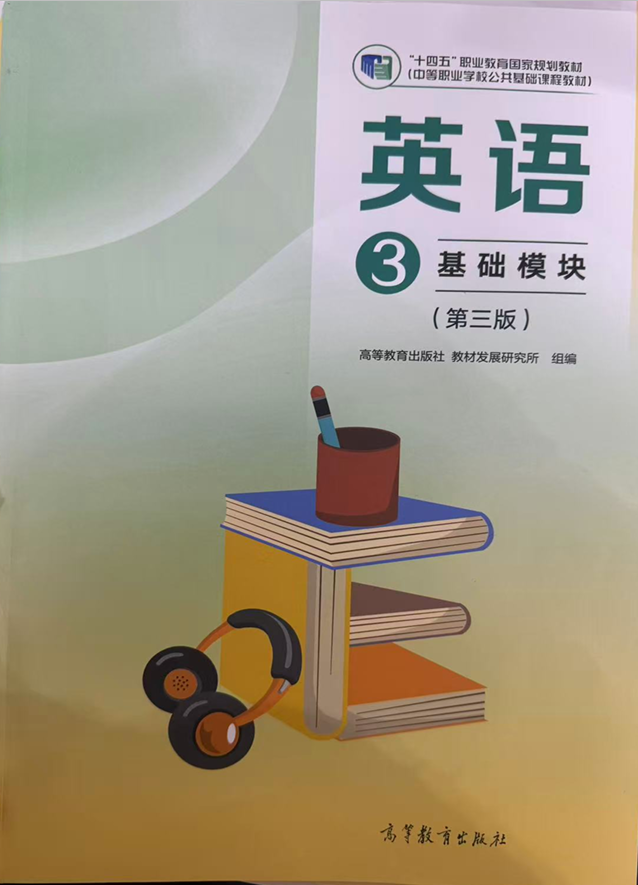
1.2 Festivals Around the World(Reading and Writing 1)-《英语 基础模块3》(高教版第三版)《一课一练》(原卷版+解析版)
2026-08-04
|
2份
|
9页
|
39人阅读
|
1人下载
摘要:
**基本信息**
中职英语《基础模块3》Unit 1同步练,依托课前预习与课堂检测分层设计,构建“词汇-短语-句子-语篇”递进巩固路径,适配学情提升语言能力与学习能力。
**分层设计**
|层次|知识覆盖|设计特色|
|----|----------|----------|
|课前预习|核心词汇(8词)、重点短语(8组)、难句翻译(3句)|通过词汇拼写、短语匹配、句子翻译夯实基础,激活学习能力|
|课堂检测|词汇应用单选(10题)、跨文化语篇阅读(5题)|以情境化单选强化词汇运用,借节日主题阅读渗透文化意识,提升语言理解与思维品质|
内容正文:
编写说明:基于中职学生英语基础薄弱、学习内驱力不足的学情特点,为提升学习效率,落实课前、课中、课后教学闭环,本专辑依据最新《中等职业学校英语课程标准》,打造广西专用《英语 基础模块 3》(高教版第三版)《一课一练》,专辑完全对接广西对口升学考法。
本卷为《英语 基础模块 3》(高教版第三版)Unit 1 Festivals Around the World(Reading and Writing 1)的课前预习与课堂检测。
《英语 基础模块3》(高教版第三版)
Unit 1 Festivals Around the World
一课一练(2)(Reading and Writing 1)
【课前预习】
一、核心词汇检测
1. n./v. 收获;收割 ________
2. adj. 相似的 ________
3. v. 欣赏;感激 ________
4. v. 收到 ________
5. n. 庆祝盛会 ________
6. n. 壁炉 ________
7. n. 手工艺品 ________
8. n. 小吃;点心 ________
二、课文重点短语
1. annual harvest
2. harvest season
3. be similar to
4. receive a gift
5. watch a gala
6. sit by the fireplace
7. local handicrafts
8. traditional snacks
三、课文难句翻译
1. It also celebrates the annual harvest as it marks the harvest season, which is similar to Thanksgiving Day in my country.
2. They call it “ya’nianfan”, which means wealth and good luck.
3. They believe that if they get wet on Songkran, the bad luck of the past year will be washed away and a new life of good luck will come.
【课堂检测】
一、词汇单选
1. Farmers are happy when they have a good ______ in autumn.
A. invitation
B. address
C. harvest
D. meeting
2. This local dance is ______ to one seen in another town.
A. similar
B. ready
C. harmful
D. private
3. Visitors can buy beautiful ______ made of bamboo at the market.
A. calendars
B. reunions
C. fireplaces
D. handicrafts
4. Children are excited to ______ gifts during the holiday.
A. lend
B. receive
C. lose
D. return
5. We should learn to ______ the beauty of different cultures.
A. damage
B. hide
C. appreciate
D. refuse
6. The family sat by the ______ and talked on the cold evening.
A. fireplace
B. playground
C. crossing
D. station
7. The TV ______ included songs, dances and short plays.
A. calendar
B. gala
C. harvest
D. symbol
8. Rice cakes are a popular holiday ______ in this area.
A. tool
B. service
C. message
D. snack
9. The two celebrations look different, but they have ______ meanings.
A. noisy
B. expensive
C. similar
D. difficult
10. Visitors stopped to ______ the paper flowers made by local artists.
A. appreciate
B. cancel
C. divide
D. lock
二、阅读理解
Different festivals can offer visitors different ways to understand family and community life. Before the Spring Festival, a visitor stayed with a family in a riverside town in China. Everyone cleaned the house, prepared a large dinner and placed red paper decorations on the doors. After dinner, older family members shared stories, while children played games and offered good wishes. The visitor discovered that the lively celebration was closely connected with reunion and respect for family ties.
In December, another traveler spent Christmas with a family in Canada. They cooked holiday food together and placed small gifts under a tree. On Christmas morning, they opened the gifts and carried warm meals to two elderly neighbors. The traveler had expected only a family party, but the visit showed that giving and caring for others were also important. In the evening, everyone sat near the fireplace and talked about the year.
During Songkran in Thailand, a third visitor watched people gently pour water over older relatives’ hands to show respect. Friendly water activities also filled busy streets, so the visitor protected a phone in a waterproof bag and followed local rules. Water represented a fresh beginning and the washing away of past bad luck. Although the three festivals used different foods and activities, each one brought people closer and encouraged them to share hope.
11. What did the first visitor learn about the Spring Festival?
A. It was mainly a children’s game.
B. It valued reunion and family ties.
C. It had no special decorations.
D. It was only about food.
12. What did the Canadian family do after opening gifts?
A. They visited a market.
B. They cleaned the house.
C. They played water games.
D. They took meals to elderly neighbors.
13. Why did the Songkran visitor use a waterproof bag?
A. To protect a phone from water.
B. To collect gifts.
C. To carry holiday food.
D. To store decorations.
14. What did pouring water over older relatives’ hands show?
A. Surprise.
B. Sadness.
C. Respect.
D. Fear.
15. What is the main idea of the passage?
A. Travelers should avoid festivals.
B. Different festivals can share positive values.
C. Winter festivals are always more popular.
D. Festival activities are the same everywhere.
原创精品资源学科网独家享有版权,侵权必究!
学科网(北京)股份有限公司
$
编写说明:基于中职学生英语基础薄弱、学习内驱力不足的学情特点,为提升学习效率,落实课前、课中、课后教学闭环,本专辑依据最新《中等职业学校英语课程标准》,打造广西专用《英语 基础模块 3》(高教版第三版)《一课一练》,专辑完全对接广西对口升学考法。
本卷为《英语 基础模块 3》(高教版第三版)Unit 1 Festivals Around the World(Reading and Writing 1)的课前预习与课堂检测。
《英语 基础模块3》(高教版第三版)
Unit 1 Festivals Around the World
一课一练(2)(Reading and Writing 1)
【课前预习】
一、核心词汇检测
1. n./v. 收获;收割 ________
2. adj. 相似的 ________
3. v. 欣赏;感激 ________
4. v. 收到 ________
5. n. 庆祝盛会 ________
6. n. 壁炉 ________
7. n. 手工艺品 ________
8. n. 小吃;点心 ________
【答案】1.harvest 2.similar 3.appreciate 4.receive 5.gala 6.fireplace 7.handicraft 8.snack
二、课文重点短语
1. annual harvest 一年一度的收获
2. harvest season 收获季节
3. be similar to 与……相似
4. receive a gift 收到礼物
5. watch a gala 观看庆祝晚会
6. sit by the fireplace 坐在壁炉旁
7. local handicrafts 当地手工艺品
8. traditional snacks 传统小吃
三、课文难句翻译
1. It also celebrates the annual harvest as it marks the harvest season, which is similar to Thanksgiving Day in my country.
【参考译文】它也庆祝一年一度的收获,因为这个节日标志着收获季节的到来,这与我国的感恩节相似。
2. They call it “ya’nianfan”, which means wealth and good luck.
【参考译文】他们把它叫作“压年饭”,它象征着财富和好运。
3. They believe that if they get wet on Songkran, the bad luck of the past year will be washed away and a new life of good luck will come.
【参考译文】他们相信,如果在宋干节被水淋湿,过去一年的坏运气就会被冲走,充满好运的新生活将会到来。
【课堂检测】
一、词汇单选
1. Farmers are happy when they have a good ______ in autumn.
A. invitation
B. address
C. harvest
D. meeting
【答案】C
【解析】a good harvest表示“好收成”,符合农民秋季丰收的语境。
2. This local dance is ______ to one seen in another town.
A. similar
B. ready
C. harmful
D. private
【答案】A
【解析】be similar to是固定搭配,意为“与……相似”。
3. Visitors can buy beautiful ______ made of bamboo at the market.
A. calendars
B. reunions
C. fireplaces
D. handicrafts
【答案】D
【解析】竹制物品属于handicrafts“手工艺品”,made of bamboo作后置定语。
4. Children are excited to ______ gifts during the holiday.
A. lend
B. receive
C. lose
D. return
【答案】B
【解析】receive gifts意为“收到礼物”,符合儿童节日期间的期待。
5. We should learn to ______ the beauty of different cultures.
A. damage
B. hide
C. appreciate
D. refuse
【答案】C
【解析】appreciate意为“欣赏;理解其价值”,可与beauty搭配。
6. The family sat by the ______ and talked on the cold evening.
A. fireplace
B. playground
C. crossing
D. station
【答案】A
【解析】寒冷夜晚坐在fireplace“壁炉”旁符合生活情境。
7. The TV ______ included songs, dances and short plays.
A. calendar
B. gala
C. harvest
D. symbol
【答案】B
【解析】gala指庆祝晚会,歌曲、舞蹈和短剧都是晚会节目。
8. Rice cakes are a popular holiday ______ in this area.
A. tool
B. service
C. message
D. snack
【答案】D
【解析】snack意为“小吃;点心”,可指节日期间食用的米糕。
9. The two celebrations look different, but they have ______ meanings.
A. noisy
B. expensive
C. similar
D. difficult
【答案】C
【解析】but表示转折,外观不同但意义相似,应选similar。
10. Visitors stopped to ______ the paper flowers made by local artists.
A. appreciate
B. cancel
C. divide
D. lock
【答案】A
【解析】appreciate the paper flowers表示“欣赏纸花”,符合参观手工艺品的语境。
二、阅读理解
Different festivals can offer visitors different ways to understand family and community life. Before the Spring Festival, a visitor stayed with a family in a riverside town in China. Everyone cleaned the house, prepared a large dinner and placed red paper decorations on the doors. After dinner, older family members shared stories, while children played games and offered good wishes. The visitor discovered that the lively celebration was closely connected with reunion and respect for family ties.
In December, another traveler spent Christmas with a family in Canada. They cooked holiday food together and placed small gifts under a tree. On Christmas morning, they opened the gifts and carried warm meals to two elderly neighbors. The traveler had expected only a family party, but the visit showed that giving and caring for others were also important. In the evening, everyone sat near the fireplace and talked about the year.
During Songkran in Thailand, a third visitor watched people gently pour water over older relatives’ hands to show respect. Friendly water activities also filled busy streets, so the visitor protected a phone in a waterproof bag and followed local rules. Water represented a fresh beginning and the washing away of past bad luck. Although the three festivals used different foods and activities, each one brought people closer and encouraged them to share hope.
【导语】短文通过三位游客的经历介绍春节、圣诞节和宋干节,说明不同节日如何传递团聚、关爱、尊重与希望。
【答案】11.B 12.D 13.A 14.C 15.B
11. What did the first visitor learn about the Spring Festival?
A. It was mainly a children’s game.
B. It valued reunion and family ties.
C. It had no special decorations.
D. It was only about food.
【答案】B
【解析】第一段末句指出庆祝活动与团聚及家庭关系密切相关。
12. What did the Canadian family do after opening gifts?
A. They visited a market.
B. They cleaned the house.
C. They played water games.
D. They took meals to elderly neighbors.
【答案】D
【解析】第二段第三句说明,他们打开礼物后给两位年长邻居送去热饭。
13. Why did the Songkran visitor use a waterproof bag?
A. To protect a phone from water.
B. To collect gifts.
C. To carry holiday food.
D. To store decorations.
【答案】A
【解析】第三段提到街上有泼水活动,因此用防水袋保护手机。
14. What did pouring water over older relatives’ hands show?
A. Surprise.
B. Sadness.
C. Respect.
D. Fear.
【答案】C
【解析】第三段首句直接说明这一行为用于向年长亲属表示尊重。
15. What is the main idea of the passage?
A. Travelers should avoid festivals.
B. Different festivals can share positive values.
C. Winter festivals are always more popular.
D. Festival activities are the same everywhere.
【答案】B
【解析】全文虽介绍不同活动,但结尾强调这些节日都让人们更亲近并分享希望。
原创精品资源学科网独家享有版权,侵权必究!
学科网(北京)股份有限公司
$
资源预览图

1

2
由于学科网是一个信息分享及获取的平台,不确保部分用户上传资料的 来源及知识产权归属。如您发现相关资料侵犯您的合法权益,请联系学科网,我们核实后将及时进行处理。