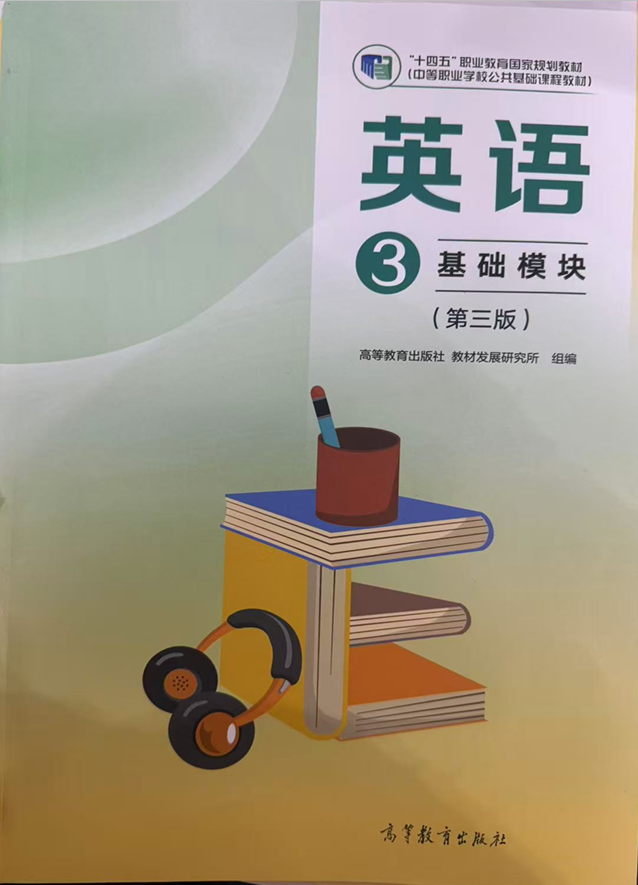
Unit 7 Natural Disasters(B卷·能力提升)《英语 基础模块3》(高教版第三版)单元过关卷(原卷版+解析版)
2026-07-28
|
2份
|
21页
|
35人阅读
|
0人下载
摘要:
**基本信息**
《英语 基础模块3》(高教版第三版)Unit 7 Natural Disasters B卷·能力提升,紧扣教材核心考点,通过真实情境设计实现语言能力与思维品质的融合,适配单元复习巩固与能力提升需求。
**题型特征**
|题型|题量/分值|知识覆盖|命题特色|
|----|-----------|----------|----------|
|情景交际|10题/20分|日常环保对话|以绿色能源、台风预警等情境考查交际能力,体现语言运用的真实性|
|选词填空|10题/15分|环保词汇与语法|通过喀斯特湿地保护语篇,考查pollute、prevent等核心词及语法应用,强化知识整合|
|阅读理解|20题/40分|灾害应对与环保|含应急技能工作坊、洪水后志愿活动等真实语篇,培养信息获取与问题解决能力|
|完形填空|10题/10分|语法与篇章逻辑|以环保演练为主题,考查动词不定式、被动语态等语法,提升语篇理解能力|
|书面表达|1题/15分|综合语言输出|要求撰写“自然灾害与绿色生活”发言稿,融合倡议与行动建议,体现语言能力与思维品质的综合应用|
内容正文:
编写说明:本套试卷紧扣《英语 基础模块3》(高教版第三版)教材,以教材单元为基准精准覆盖核心考点。
每个单元设置AB卷,A卷为基础巩固卷,侧重基础考点训练,帮助学生扎实掌握知识要点;B卷为能力提升卷,注重知识整合与全面检测,引导学生构建知识网络。全书设计4份综合测试卷,模拟实战情境,聚焦解题能力突破,全面提升应试能力与知识应用水平。
《英语 基础模块3》(高教版第三版)《单元过关卷》
Unit 7 Natural Disasters
B卷·能力提升
考试时间:120分钟 满分:100分
班级_____姓名_____学号_____成绩_____
第一部分 情景交际(共10小题,每小题2分,共20分。)
阅读下列简短对话,从A、B、C、D四个选项中选出最佳选项,将对话补全。
1. — The city has promoted green energy in buses for three years.
— ________. The air is much cleaner now.
A. That's true
B. I missed the train
C. It is under the desk
D. Don't eat here
2. — Could you help me check the notice about the typhoon drill?
— ________. Let me read the time and place first.
A. I am late
B. Of course
C. No, I won't tell you
D. It is a flood
3. — Some people still throw plastic bags near the river.
— ________. We should advise them to stop.
A. That's a good habit
B. It sounds delicious
C. That's not right
D. You are welcome
4. — I heard your volunteer team planted trees after the sandstorm.
— ________. We hope the young trees can protect the soil.
A. No problem
B. It costs fifty yuan
C. Good night
D. Yes, we did
5. — What should visitors do if the warning light turns red?
— ________.
A. They should leave the riverside at once
B. It is made of paper
C. I like the poster
D. At eight o'clock
6. — Thank you for explaining the poster rules so clearly.
— ________.
A. I disagree
B. You are welcome
C. It is windy
D. Turn on the light
7. — Shall we organize a discussion on acid rain?
— ________. It can help us understand pollution better.
A. Sorry, I lost it
B. Be careful
C. Good idea
D. That's impossible forever
8. — I'm worried because the earthquake drill starts in five minutes.
— ________. Just follow the teacher's instructions.
A. Don't worry
B. It is my pencil
C. I paid by card
D. Welcome home
9. — Which transport should we choose to reduce pollution?
— ________.
A. A new notebook
B. Last weekend
C. In the dining hall
D. Public buses or electric cars
10. — I failed to finish the environmental report on time.
— ________. You can finish the key points first.
A. I don't need reports
B. The river is long
C. It is a price list
D. Take it easy
第二部分 选词填空(共10小题,每小题1.5分,共15分。)
阅读下列短文,从各题所给的A、B、C、D四个选项中选出最佳选项,填入相应的空格处。
Protecting a Karst Wetland
A karst wetland in Guangxi is a quiet home for birds, fish and many plants. In the past, some nearby factories and vehicles ____11____ the air and water. During heavy rain, rubbish was washed into the river and caused extra ____12____. Local workers decided to make a change before the wetland became worse.
They first had a careful ____13____ about the causes. Then they built signs to ____14____ visitors from throwing bottles into the water. More trees were planted because roots can hold loose ____15____ during floods. The town also began to ____16____ electric buses. At first, a few people thought these steps were not ____17____. But bird numbers grew, and the water became cleaner. Now the wetland is ____18____ as a place for nature study. It shows that sustainable development needs patience ____19____ teamwork. When people understand the link between daily life and nature, they will ____20____ choose greener actions.
11. A. delayed B. polluted C. protected D. realized
12. A. damage B. energy C. poster D. flight
13. A. vehicle B. typhoon C. discussion D. volcano
14. A. cause B. prevent C. promote D. cancel
15. A. smoke B. coal C. oil D. soil
16. A. forget B. borrow C. repair D. promote
17. A. urban B. loose C. global D. useful
18. A. dangerous B. private C. popular D. late
19. A. but B. or C. and D. because
20. A. definitely B. carelessly C. sadly D. suddenly
第三部分 阅读理解(共两节)
第一节(共15小题,每小题2分,共30分。)
阅读下列短文,从各题所给的A、B、C、D四个选项中选出最佳选项。
Text 1
Emergency Skills Workshop
Guangxi Youth Center will hold an Emergency Skills Workshop for vocational school students. Time: 9:00 a.m.--11:30 a.m., May 12. Place: Hall 2, City Training Base. Topic: typhoons, floods and earthquake safety. Students will learn how to read warning messages, pack an emergency bag and leave dangerous places quickly. Each group must finish a small task map after the workshop. Number: 40 students. Fee: free. Please sign up before May 5 through the center website. Bring a notebook, a pen and your student card. If heavy rain strikes that morning, the workshop will be delayed to May 19.
21. Who is the workshop mainly for?
A. Vocational school students.
B. Hotel guests.
C. Factory managers only.
D. Primary school parents.
22. How long will the workshop last?
A. One hour.
B. Two and a half hours.
C. Four hours.
D. A whole day.
23. What must each group finish?
A. A bus ticket.
B. A weather report.
C. A small task map.
D. A private photo.
24. How can students sign up?
A. By calling a restaurant.
B. By writing to a hospital.
C. By visiting the center website.
D. By waiting at the gate.
25. Which of the following is TRUE?
A. The fee is 20 yuan.
B. Students need to bring a passport.
C. The workshop is about food safety only.
D. It may be delayed if heavy rain strikes.
Text 2
A Volunteer Day After the Flood
After a summer flood, a riverside reading room in a town of Guangxi was covered with mud. Books lay on wet shelves, and the floor was slippery. Several young volunteers came early with gloves, masks and clean boxes. They did not rush to move everything at once because safety came first.
The volunteers opened the windows and checked the electricity. Then they sorted the books into three groups: dry, wet and badly damaged. A retired librarian taught them how to put wet books between pieces of paper. She said that saving books was also saving local memories. The young people worked slowly, but their steps were clear.
At noon, more neighbors joined them. Some brought drinking water, while others carried damaged desks outside. By evening, half of the reading room was clean again. The volunteers were tired, but they felt proud when children stood at the door and asked when they could read there again. The experience taught everyone that disaster recovery is not only about cleaning a place; it is also about protecting hope and community spirit.
26. What happened to the reading room after the flood?
A. It became a new shop.
B. It was covered with mud.
C. It moved to another city.
D. It was full of tourists.
27. Why didn't the volunteers move everything at once?
A. Because safety came first.
B. Because they disliked books.
C. Because the weather was hot.
D. Because the boxes were colorful.
28. Who taught the volunteers to deal with wet books?
A. A bus driver.
B. A cook.
C. A retired librarian.
D. A doctor.
29. What does the underlined word “slippery” mean?
A. bright
B. smooth and easy to slide on
C. very quiet
D. full of lights
30. What is the best title for the passage?
A. How to Sell Old Books
B. The Price of New Desks
C. A Trip to a Big Library
D. A Volunteer Day After the Flood
Text 3
Building Safer Cities with Green Ideas
A safer city is not built only by strong walls or wide roads. It is also built by green ideas that reduce risks before disasters strike. In many urban areas, floods, heat waves and smog become more serious when land, traffic and energy are not managed well. That is why city planners now connect disaster prevention with environmental protection.
Green spaces are one useful choice. Parks and trees can hold rainwater, protect loose soil and cool the air during heat waves. Good drainage systems help rainwater leave streets faster. Clean transportation is another choice. When buses, subways and electric cars replace too many private cars, fewer harmful gases enter the air. This may reduce smog and slow global warming over time.
Public education is just as important as technology. If residents know where safe places are, how to read warning messages and what to put in an emergency bag, they can act more calmly when danger comes. Schools, communities and companies should work together to promote these skills, because disaster prevention works best when daily habits, city planning and public knowledge support one another.
31. What are city planners connecting now?
A. Disaster prevention with environmental protection.
B. Sports games with music shows.
C. Old books with new bags.
D. Family names with job titles.
32. Which can help cool the air during heat waves?
A. Private cars.
B. Plastic bags.
C. Parks and trees.
D. Old magazines.
33. What does the underlined word “residents” mean?
A. visitors from other countries
B. people who live in a place
C. workers who sell tickets
D. students who draw maps
34. Why is clean transportation useful?
A. It makes all roads wider.
B. It stops every earthquake.
C. It sends more smoke into the air.
D. It helps reduce harmful gases.
35. What is the passage mainly about?
A. How green ideas help build safer cities.
B. Why people should leave cities.
C. Ways to sell electric cars quickly.
D. How to choose a school club.
第二节(共5小题,每小题2分,共10分。)
阅读下列短文,从短文后的选项中选出最佳选项,并填入空白处。
Making a Poster on Natural Disasters
Making a poster is a good way to share ideas on natural disasters. Before drawing, group members should decide the main message. ____36____. A clear message helps readers understand the poster quickly.
Next, choose one or two disasters to introduce. ____37____. For example, floods may be connected with heavy rain and poor drainage in some places.
Then, add actions that ordinary people can take. These actions should be simple and real. ____38____. Readers are more likely to follow advice when they know exactly what to do.
Pictures and colors also matter. Use strong pictures to show danger, but do not make the poster frightening. ____39____. Leave enough white space so the words are easy to read.
Finally, check the information with group members before showing the poster. ____40____. A careful poster can teach knowledge and encourage people to protect the earth.
A. A. They can include saving water, using buses and planting trees
B. B. The poster should also explain possible causes in simple words
C. C. This step can prevent wrong facts and unclear language
D. D. Green and blue are often good choices for environmental topics
E. E. It may be about protecting the earth or reducing human damage
第四部分 完形填空(共10小题,每小题1分,共10分。)
阅读下列短文,在空格处填入适当的词或用括号里的词的正确形式填空。
An Environmental Protection Drill
An environmental protection drill was held in a coastal town last month. It taught residents how ____41____ (act) when typhoons and floods strike. Before the drill, workers put up maps ____42____ showed safe roads. They also reminded families ____43____ (prepare) water, medicine and lights.
During the drill, people moved to a community hall in groups. A volunteer checked ____44____ (they) names carefully. Some old batteries ____45____ (collect) in a special box because they might pollute the soil. After the drill, many residents said that they ____46____ (realize) the importance of preparation. The town will keep ____47____ (promote) green energy and public safety lessons. ____48____ everyone works together, damage can be reduced. The most important thing is ____49____ daily action can protect both people and nature. A safer future depends on ____50____ (we).
第五部分 书面表达(共15分。)
51. 假设你是李明,你所在社区准备举办一次“自然灾害与绿色生活”英语分享活动。请你根据以下要点写一篇英文发言稿,具体内容和要求如下:
1.词数70—80个;
2.文中不可出现真实人名和校名;
3.开头、结尾已给出,不计入总词数;
4.相关内容及词汇仅供参考,可酌情选用。
主要内容
参考信息
参考词汇及短语
活动主题
说明自然灾害与绿色生活的关系
natural disasters, green life, human activities
行动建议
提出2—3条可执行建议
promote green travel, reduce waste, prepare emergency bags
发出倡议
号召大家共同保护环境
work together, sustainable, safer future
Good morning, everyone,
I'm glad to share my ideas about natural disasters and green life.
_____________________________________________________________________________________________________________________________________________________________________________________________________________________________________________________________________________________________________________________________________________________________________________________________________________________
That's all. Thank you!
原创精品资源学科网独家享有版权,侵权必究!
学科网(北京)股份有限公司
$
编写说明:本套试卷紧扣《英语 基础模块3》(高教版第三版)教材,以教材单元为基准精准覆盖核心考点。
每个单元设置AB卷,A卷为基础巩固卷,侧重基础考点训练,帮助学生扎实掌握知识要点;B卷为能力提升卷,注重知识整合与全面检测,引导学生构建知识网络。全书设计4份综合测试卷,模拟实战情境,聚焦解题能力突破,全面提升应试能力与知识应用水平。
《英语 基础模块3》(高教版第三版)《单元过关卷》
Unit 7 Natural Disasters
B卷·能力提升
考试时间:120分钟 满分:100分
班级_____姓名_____学号_____成绩_____
第一部分 情景交际(共10小题,每小题2分,共20分。)
阅读下列简短对话,从A、B、C、D四个选项中选出最佳选项,将对话补全。
1. — The city has promoted green energy in buses for three years.
— ________. The air is much cleaner now.
A. That's true
B. I missed the train
C. It is under the desk
D. Don't eat here
【答案】A
【详解】后句说明空气更清洁,表明说话人认可上句内容,That's true符合表达观点的语境。
2. — Could you help me check the notice about the typhoon drill?
— ________. Let me read the time and place first.
A. I am late
B. Of course
C. No, I won't tell you
D. It is a flood
【答案】B
【详解】Could you help me...?是求助,后句表示开始核对信息,因此Of course符合愿意帮助的语境。
3. — Some people still throw plastic bags near the river.
— ________. We should advise them to stop.
A. That's a good habit
B. It sounds delicious
C. That's not right
D. You are welcome
【答案】C
【详解】上句描述不环保行为,后句提出劝阻,说明应作否定评价。
4. — I heard your volunteer team planted trees after the sandstorm.
— ________. We hope the young trees can protect the soil.
A. No problem
B. It costs fifty yuan
C. Good night
D. Yes, we did
【答案】D
【详解】上句询问听说的行动,后句说明目的,Yes, we did用于确认已经做过该事。
5. — What should visitors do if the warning light turns red?
— ________.
A. They should leave the riverside at once
B. It is made of paper
C. I like the poster
D. At eight o'clock
【答案】A
【详解】if引导条件,询问警示灯变红时应采取的措施,A项说明立即离开河边,符合禁止警告场景。
6. — Thank you for explaining the poster rules so clearly.
— ________.
A. I disagree
B. You are welcome
C. It is windy
D. Turn on the light
【答案】B
【详解】对方表示感谢,答语应用You are welcome回应感谢。
7. — Shall we organize a discussion on acid rain?
— ________. It can help us understand pollution better.
A. Sorry, I lost it
B. Be careful
C. Good idea
D. That's impossible forever
【答案】C
【详解】Shall we...?提出建议,后句说明积极作用,因此Good idea表示接受建议。
8. — I'm worried because the earthquake drill starts in five minutes.
— ________. Just follow the teacher's instructions.
A. Don't worry
B. It is my pencil
C. I paid by card
D. Welcome home
【答案】A
【详解】对方表达担忧,后句给出安抚和建议,应使用Don't worry。
9. — Which transport should we choose to reduce pollution?
— ________.
A. A new notebook
B. Last weekend
C. In the dining hall
D. Public buses or electric cars
【答案】D
【详解】问句询问减少污染应选择何种交通方式,D项回答公共汽车或电动汽车,切题。
10. — I failed to finish the environmental report on time.
— ________. You can finish the key points first.
A. I don't need reports
B. The river is long
C. It is a price list
D. Take it easy
【答案】D
【详解】对方没能按时完成报告,后句提供解决办法,应先安慰Take it easy。
第二部分 选词填空(共10小题,每小题1.5分,共15分。)
阅读下列短文,从各题所给的A、B、C、D四个选项中选出最佳选项,填入相应的空格处。
Protecting a Karst Wetland
A karst wetland in Guangxi is a quiet home for birds, fish and many plants. In the past, some nearby factories and vehicles ____11____ the air and water. During heavy rain, rubbish was washed into the river and caused extra ____12____. Local workers decided to make a change before the wetland became worse.
They first had a careful ____13____ about the causes. Then they built signs to ____14____ visitors from throwing bottles into the water. More trees were planted because roots can hold loose ____15____ during floods. The town also began to ____16____ electric buses. At first, a few people thought these steps were not ____17____. But bird numbers grew, and the water became cleaner. Now the wetland is ____18____ as a place for nature study. It shows that sustainable development needs patience ____19____ teamwork. When people understand the link between daily life and nature, they will ____20____ choose greener actions.
11. A. delayed B. polluted C. protected D. realized
12. A. damage B. energy C. poster D. flight
13. A. vehicle B. typhoon C. discussion D. volcano
14. A. cause B. prevent C. promote D. cancel
15. A. smoke B. coal C. oil D. soil
16. A. forget B. borrow C. repair D. promote
17. A. urban B. loose C. global D. useful
18. A. dangerous B. private C. popular D. late
19. A. but B. or C. and D. because
20. A. definitely B. carelessly C. sadly D. suddenly
【答案】11. B 12. A 13. C 14. B 15. D 16. D 17. D 18. C 19. C 20. A
【导语】本文是一篇说明文,介绍广西喀斯特湿地治理过程中污染原因分析、防止乱扔垃圾、植树护土和推广电动公交等做法,重点考查语境词义辨析和上下文逻辑。
【详解】
11.考查动词词义辨析。句意:附近一些工厂和车辆污染了空气和水。polluted与air and water搭配,符合环境问题语境。
12.考查名词词义辨析。句意:垃圾被冲入河流并造成额外损害。damage意为“损害”,与rubbish和river形成因果关系。
13.考查名词词义辨析。句意:他们先认真讨论原因。discussion意为“讨论”,与about the causes搭配自然。
14.考查动词词义辨析。句意:他们设置标识阻止游客把瓶子扔进水里。prevent sb. from doing sth.为固定搭配。
15.考查名词词义辨析。句意:树根可以在洪水期间固定松散土壤。soil意为“土壤”,loose soil为语义线索。
16.考查动词词义辨析。句意:小镇也开始推广电动公交。promote意为“促进;推广”,与electric buses搭配。
17.考查形容词词义辨析。句意:起初一些人认为这些措施没有用。后文水变清、鸟变多说明措施有用,useful符合转折语境。
18.考查形容词词义辨析。句意:现在湿地作为自然学习场所很受欢迎。popular意为“受欢迎的”,与后文展示价值相呼应。
19.考查连词。patience和teamwork为并列名词,用and连接。
20.考查副词词义辨析。句意:人们理解日常生活与自然的联系后,一定会选择更绿色的行动。definitely表示“确定地”,符合积极结论。
第三部分 阅读理解(共两节)
第一节(共15小题,每小题2分,共30分。)
阅读下列短文,从各题所给的A、B、C、D四个选项中选出最佳选项。
Text 1
Emergency Skills Workshop
Guangxi Youth Center will hold an Emergency Skills Workshop for vocational school students. Time: 9:00 a.m.--11:30 a.m., May 12. Place: Hall 2, City Training Base. Topic: typhoons, floods and earthquake safety. Students will learn how to read warning messages, pack an emergency bag and leave dangerous places quickly. Each group must finish a small task map after the workshop. Number: 40 students. Fee: free. Please sign up before May 5 through the center website. Bring a notebook, a pen and your student card. If heavy rain strikes that morning, the workshop will be delayed to May 19.
21. Who is the workshop mainly for?
A. Vocational school students.
B. Hotel guests.
C. Factory managers only.
D. Primary school parents.
22. How long will the workshop last?
A. One hour.
B. Two and a half hours.
C. Four hours.
D. A whole day.
23. What must each group finish?
A. A bus ticket.
B. A weather report.
C. A small task map.
D. A private photo.
24. How can students sign up?
A. By calling a restaurant.
B. By writing to a hospital.
C. By visiting the center website.
D. By waiting at the gate.
25. Which of the following is TRUE?
A. The fee is 20 yuan.
B. Students need to bring a passport.
C. The workshop is about food safety only.
D. It may be delayed if heavy rain strikes.
【答案】21. A 22. B 23. C 24. C 25. D
【导语】本文是一篇应用文,围绕Emergency Skills Workshop展开,重点考查细节定位、词义猜测、主旨概括和简单推断能力。
【详解】
21.主旨大意题。根据“for vocational school students”可知,活动主要面向中职学生。
22.细节理解题。时间为9:00 a.m.到11:30 a.m.,共两个半小时。
23.细节理解题。根据“Each group must finish a small task map”可知,每组必须完成小任务图。
24.细节理解题。根据“sign up before May 5 through the center website”可知,应通过中心网站报名。
25.细节理解题。根据“If heavy rain strikes that morning, the workshop will be delayed to May 19.”可知,如遇大雨,活动可能延期。
Text 2
A Volunteer Day After the Flood
After a summer flood, a riverside reading room in a town of Guangxi was covered with mud. Books lay on wet shelves, and the floor was slippery. Several young volunteers came early with gloves, masks and clean boxes. They did not rush to move everything at once because safety came first.
The volunteers opened the windows and checked the electricity. Then they sorted the books into three groups: dry, wet and badly damaged. A retired librarian taught them how to put wet books between pieces of paper. She said that saving books was also saving local memories. The young people worked slowly, but their steps were clear.
At noon, more neighbors joined them. Some brought drinking water, while others carried damaged desks outside. By evening, half of the reading room was clean again. The volunteers were tired, but they felt proud when children stood at the door and asked when they could read there again. The experience taught everyone that disaster recovery is not only about cleaning a place; it is also about protecting hope and community spirit.
26. What happened to the reading room after the flood?
A. It became a new shop.
B. It was covered with mud.
C. It moved to another city.
D. It was full of tourists.
27. Why didn't the volunteers move everything at once?
A. Because safety came first.
B. Because they disliked books.
C. Because the weather was hot.
D. Because the boxes were colorful.
28. Who taught the volunteers to deal with wet books?
A. A bus driver.
B. A cook.
C. A retired librarian.
D. A doctor.
29. What does the underlined word “slippery” mean?
A. bright
B. smooth and easy to slide on
C. very quiet
D. full of lights
30. What is the best title for the passage?
A. How to Sell Old Books
B. The Price of New Desks
C. A Trip to a Big Library
D. A Volunteer Day After the Flood
【答案】26. B 27. A 28. C 29. B 30. D
【导语】本文是一篇记叙文,围绕A Volunteer Day After the Flood展开,重点考查细节定位、词义猜测、主旨概括和简单推断能力。
【详解】
26.细节理解题。根据第一段“was covered with mud”可知,洪水后阅览室被泥覆盖。
27.细节理解题。根据第一段“They did not rush...because safety came first.”可知,他们没有急于搬动所有东西是因为安全第一。
28.细节理解题。根据第二段“A retired librarian taught them...”可知,是一位退休图书管理员教他们处理湿书。
29.词句猜测题。结合洪水后地面有泥水可知,slippery表示“滑的,容易滑倒的”。
30.主旨大意题。文章围绕洪水后志愿者清理阅览室、保护书籍和社区希望展开,B项最适合作标题。
Text 3
Building Safer Cities with Green Ideas
A safer city is not built only by strong walls or wide roads. It is also built by green ideas that reduce risks before disasters strike. In many urban areas, floods, heat waves and smog become more serious when land, traffic and energy are not managed well. That is why city planners now connect disaster prevention with environmental protection.
Green spaces are one useful choice. Parks and trees can hold rainwater, protect loose soil and cool the air during heat waves. Good drainage systems help rainwater leave streets faster. Clean transportation is another choice. When buses, subways and electric cars replace too many private cars, fewer harmful gases enter the air. This may reduce smog and slow global warming over time.
Public education is just as important as technology. If residents know where safe places are, how to read warning messages and what to put in an emergency bag, they can act more calmly when danger comes. Schools, communities and companies should work together to promote these skills, because disaster prevention works best when daily habits, city planning and public knowledge support one another.
31. What are city planners connecting now?
A. Disaster prevention with environmental protection.
B. Sports games with music shows.
C. Old books with new bags.
D. Family names with job titles.
32. Which can help cool the air during heat waves?
A. Private cars.
B. Plastic bags.
C. Parks and trees.
D. Old magazines.
33. What does the underlined word “residents” mean?
A. visitors from other countries
B. people who live in a place
C. workers who sell tickets
D. students who draw maps
34. Why is clean transportation useful?
A. It makes all roads wider.
B. It stops every earthquake.
C. It sends more smoke into the air.
D. It helps reduce harmful gases.
35. What is the passage mainly about?
A. How green ideas help build safer cities.
B. Why people should leave cities.
C. Ways to sell electric cars quickly.
D. How to choose a school club.
【答案】31. A 32. C 33. B 34. D 35. A
【导语】本文是一篇说明文,围绕Building Safer Cities with Green Ideas展开,重点考查细节定位、词义猜测、主旨概括和简单推断能力。
【详解】
31.细节理解题。根据第一段“city planners now connect disaster prevention with environmental protection”可知,城市规划者把防灾和环境保护联系起来。
32.细节理解题。根据第二段“Parks and trees can...cool the air during heat waves.”可知,公园和树木有助于在热浪中降温。
33.词句猜测题。第三段谈到知道安全地点、读懂预警信息的人,应为城市或社区居民,residents意为“居民”。
34.细节理解题。根据第二段“When buses, subways and electric cars...fewer harmful gases enter the air.”可知,清洁交通能减少有害气体排放。
35.主旨大意题。文章从绿地、排水、清洁交通和公共教育等方面说明绿色理念如何帮助建设更安全的城市。
第二节(共5小题,每小题2分,共10分。)
阅读下列短文,从短文后的选项中选出最佳选项,并填入空白处。
Making a Poster on Natural Disasters
Making a poster is a good way to share ideas on natural disasters. Before drawing, group members should decide the main message. ____36____. A clear message helps readers understand the poster quickly.
Next, choose one or two disasters to introduce. ____37____. For example, floods may be connected with heavy rain and poor drainage in some places.
Then, add actions that ordinary people can take. These actions should be simple and real. ____38____. Readers are more likely to follow advice when they know exactly what to do.
Pictures and colors also matter. Use strong pictures to show danger, but do not make the poster frightening. ____39____. Leave enough white space so the words are easy to read.
Finally, check the information with group members before showing the poster. ____40____. A careful poster can teach knowledge and encourage people to protect the earth.
A. A. They can include saving water, using buses and planting trees
B. B. The poster should also explain possible causes in simple words
C. C. This step can prevent wrong facts and unclear language
D. D. Green and blue are often good choices for environmental topics
E. E. It may be about protecting the earth or reducing human damage
【答案】36. E 37. B 38. A 39. D 40. C
【导语】本文是一篇说明文,介绍制作自然灾害主题海报的步骤,包括确定主题、说明原因、提出行动、设计版面和核对信息,重点考查语篇衔接和逻辑顺序。
【详解】
36.空前提到确定主要信息,E项举例说明信息可围绕保护地球或减少人为伤害,承接自然。
37.空前提到选择一两种灾害介绍,空后以洪水原因举例,B项说明海报还应解释可能原因,衔接前后。
38.空前提到普通人可采取的简单实际行动,A项列举节水、坐公交和植树,属于具体例子。
39.空前谈到图片和颜色,D项说明绿色和蓝色适合环保主题,属于同一设计话题。
40.空前提到展示前核对信息,C项说明这一步可防止事实错误和语言不清,符合因果关系。
第四部分 完形填空(共10小题,每小题1分,共10分。)
阅读下列短文,在空格处填入适当的词或用括号里的词的正确形式填空。
An Environmental Protection Drill
An environmental protection drill was held in a coastal town last month. It taught residents how ____41____ (act) when typhoons and floods strike. Before the drill, workers put up maps ____42____ showed safe roads. They also reminded families ____43____ (prepare) water, medicine and lights.
During the drill, people moved to a community hall in groups. A volunteer checked ____44____ (they) names carefully. Some old batteries ____45____ (collect) in a special box because they might pollute the soil. After the drill, many residents said that they ____46____ (realize) the importance of preparation. The town will keep ____47____ (promote) green energy and public safety lessons. ____48____ everyone works together, damage can be reduced. The most important thing is ____49____ daily action can protect both people and nature. A safer future depends on ____50____ (we).
【答案】41. to act 42. that/which 43. to prepare 44. their 45. were collected 46. realized 47. promoting 48. If 49. how 50. us
【导语】本文是一篇记叙文,介绍海滨小镇开展环保与防灾演练的过程,考查动词不定式、定语从句关系词、物主代词、被动语态、一般过去时、动名词、条件状语从句、表语从句引导词和代词宾格。
【详解】
41.考查动词不定式。how to do sth.表示“如何做某事”,因此填to act。
42.考查定语从句。空处引导定语从句修饰maps,并在从句中作主语,可填that或which。
43.考查动词不定式。remind sb. to do sth.表示“提醒某人做某事”,因此填to prepare。
44.考查形容词性物主代词。空处修饰names,应使用they的形容词性物主代词their。
45.考查被动语态。主语batteries与collect之间是被动关系,叙述过去事件,用were collected。
46.考查动词时态。主句said为过去时,从句讲演练后的认识,用一般过去时realized。
47.考查非谓语动词。keep doing sth.表示“持续做某事”,因此填promoting。
48.考查连词。句意:如果大家共同努力,损害可以减少。If引导条件状语从句。
49.考查表语从句。句意:最重要的是日常行动如何保护人和自然。how表示方式,符合句意。
50.考查代词。介词on后接人称代词宾格,we的宾格为us。
第五部分 书面表达(共15分。)
51. 假设你是李明,你所在社区准备举办一次“自然灾害与绿色生活”英语分享活动。请你根据以下要点写一篇英文发言稿,具体内容和要求如下:
1.词数70—80个;
2.文中不可出现真实人名和校名;
3.开头、结尾已给出,不计入总词数;
4.相关内容及词汇仅供参考,可酌情选用。
主要内容
参考信息
参考词汇及短语
活动主题
说明自然灾害与绿色生活的关系
natural disasters, green life, human activities
行动建议
提出2—3条可执行建议
promote green travel, reduce waste, prepare emergency bags
发出倡议
号召大家共同保护环境
work together, sustainable, safer future
Good morning, everyone,
I'm glad to share my ideas about natural disasters and green life.
_____________________________________________________________________________________________________________________________________________________________________________________________________________________________________________________________________________________________________________________________________________________________________________________________________________________
That's all. Thank you!
【答案】例文:
Good morning, everyone,
I'm glad to share my ideas about natural disasters and green life.
Some natural disasters are made worse by human activities. For example, pollution may lead to smog and global warming. To reduce risks, we should promote green travel and take buses or electric cars more often. We can also reduce waste and prepare emergency bags at home. More importantly, communities can organize safety lessons so residents know how to act during danger. If we work together, a sustainable and safer future will be possible.
That's all. Thank you!
【导语】本篇书面表达属于应用文,要求围绕“自然灾害与绿色生活”写一篇英文发言稿,内容包括关系说明、行动建议和倡议。
【详解】1. 词汇积累
导致:lead to→cause
经常:often→frequently
组织:organize→hold
危险:danger→risk
2. 句式拓展
原句:We can also reduce waste and prepare emergency bags at home.
拓展句:We can also reduce waste and prepare emergency bags at home because these small actions are useful in daily life.
【点睛】【高分句型1】Some natural disasters are made worse by human activities.(运用了被动语态)
【高分句型2】If we work together, a sustainable and safer future will be possible.(运用了if引导的条件状语从句)
原创精品资源学科网独家享有版权,侵权必究!
学科网(北京)股份有限公司
$
资源预览图

1

2

3
由于学科网是一个信息分享及获取的平台,不确保部分用户上传资料的 来源及知识产权归属。如您发现相关资料侵犯您的合法权益,请联系学科网,我们核实后将及时进行处理。