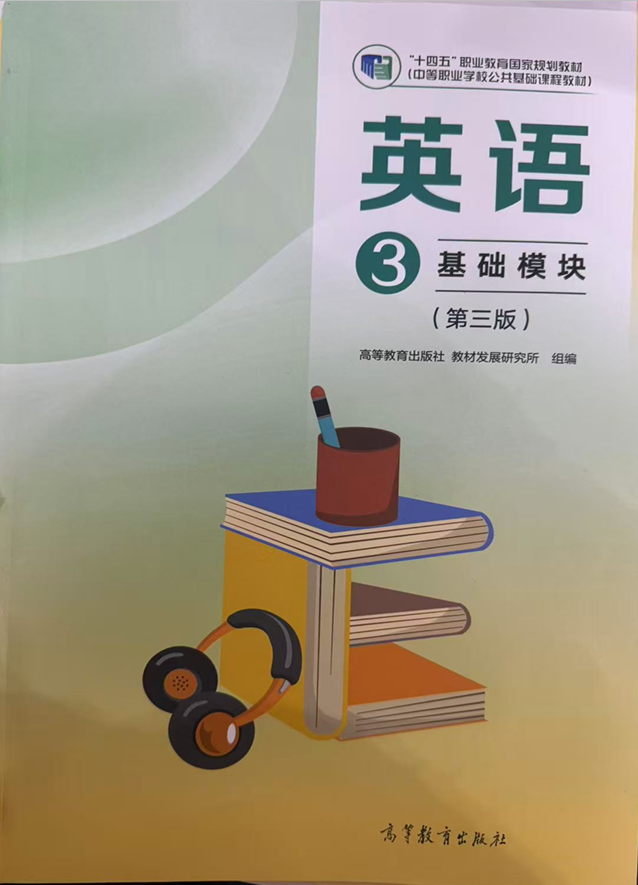
Unit 7 Natural Disasters(A卷·基础巩固)《英语 基础模块3》(高教版第三版)单元过关卷(原卷版+解析版)
2026-07-28
|
2份
|
21页
|
40人阅读
|
0人下载
摘要:
**基本信息**
《英语 基础模块3》(高教版第三版)Unit 7 Natural Disasters A卷·基础巩固卷,紧扣教材核心考点,通过真实情境与梯度题型,适配单元复习,强化语言能力与环保意识。
**题型特征**
|题型|题量/分值|知识覆盖|命题特色|
|----|-----------|----------|----------|
|情景交际|10题/20分|日常交际用语|结合洪水、台风等灾害情境,考查语言理解与表达(语言能力)|
|选词填空|10题/15分|环保与灾害词汇(如protect, damage)|社区环保短文语境,强化词汇运用与逻辑分析(思维品质)|
|阅读理解|20题/40分|信息获取、推理判断|真实情境(海报周活动、台风救助故事),渗透环保责任(文化意识)|
|完形填空|10题/10分|语法(动词形式)与安全词汇|洪水演练场景,考查语言运用与问题解决(思维品质)|
|书面表达|1题/15分|应用文写作|给外国朋友写邮件提环保建议,整合实践与表达(语言能力、人类命运共同体意识)|
内容正文:
编写说明:本套试卷紧扣《英语 基础模块3》(高教版第三版)教材,以教材单元为基准精准覆盖核心考点。
每个单元设置AB卷,A卷为基础巩固卷,侧重基础考点训练,帮助学生扎实掌握知识要点;B卷为能力提升卷,注重知识整合与全面检测,引导学生构建知识网络。全书设计4份综合测试卷,模拟实战情境,聚焦解题能力突破,全面提升应试能力与知识应用水平。
《英语 基础模块3》(高教版第三版)《单元过关卷》
Unit 7 Natural Disasters
A卷·基础巩固
考试时间:120分钟 满分:100分
班级_____姓名_____学号_____成绩_____
第一部分 情景交际(共10小题,每小题2分,共20分。)
阅读下列简短对话,从A、B、C、D四个选项中选出最佳选项,将对话补全。
1. — I thought you were going to Guilin this morning.
— ________. My train was delayed due to the flood.
A. Good luck
B. Yes, I can
C. You are welcome
D. That's terrible
【答案】D
【详解】上句提到原计划出行,答语说明因洪水导致火车延误,应先表达遗憾和同情,That's terrible符合语境。
2. — What do you think of using electric cars?
— ________. They can help reduce air pollution.
A. I lost my ticket
B. I think it is helpful
C. It is over there
D. No, thanks
【答案】B
【详解】问句询问对使用电动汽车的看法,后句说明其环保作用,因此应表达积极评价。
3. — Can we join the poster activity about earth protection?
— ________. Please write your names here first.
A. Never mind
B. Sure
C. It is too late forever
D. I disagree with water
【答案】B
【详解】对方询问能否参加活动,后句要求登记姓名,说明允许参加,Sure符合请求帮助和接受的语境。
4. — The typhoon damaged many houses in the village.
— ________. We can collect some daily things for the families.
A. Close the window
B. I bought a new phone
C. That is my address
D. Let's do something to help
【答案】D
【详解】上句说明台风造成损失,后句提出收集物资,因此应表达主动帮助的建议。
5. — Could you tell me why the flight was canceled?
— ________. The sandstorm was too strong.
A. Because of the weather
B. At the school gate
C. It costs ten yuan
D. You should smile
【答案】A
【详解】问句询问航班取消原因,后句指出沙尘暴太强,A项概括为天气原因,切合语境。
6. — We should prevent food waste in daily life.
— ________. Small actions can protect the earth.
A. I am lost
B. Take this bus
C. It is a blue bag
D. I agree with you
【答案】D
【详解】对方提出应防止食物浪费,后句补充说明小行动的意义,因此应表示赞同。
7. — Sorry, I left my environmental poster at home.
— ________. You can bring it tomorrow.
A. No smoking
B. It is expensive
C. Never mind
D. This way, please
【答案】C
【详解】对方道歉说忘带海报,答语提出明天再带,说明应先安慰对方,Never mind符合语境。
8. — May I interview you about natural disasters?
— ________. I have ten minutes now.
A. I am sorry to hear that
B. Yes, go ahead
C. It is a typhoon
D. By bike
【答案】B
【详解】May I...?用于请求许可,后句说明有时间,因此应同意对方采访。
9. — Our town will promote green travel next month.
— ________. More people may choose buses and bikes.
A. Good idea
B. I forgot it
C. Turn left
D. That's too noisy
【答案】A
【详解】上句介绍推广绿色出行,后句说明积极效果,因此应作正面评价。
10. — What is the most important thing now?
— ________.
A. Yesterday afternoon
B. A heavy bag
C. How we can get more people to protect the earth
D. In Room 202
【答案】C
【详解】问句询问“最重要的事情”,C项用名词性从句回答核心任务,符合环境保护话题。
第二部分 选词填空(共10小题,每小题1.5分,共15分。)
阅读下列短文,从各题所给的A、B、C、D四个选项中选出最佳选项,填入相应的空格处。
Green Ideas in the Riverside Community
Many residents (居民) living in riverside communities care more about environmental protection these days. They hope to learn more about natural disasters and work together to 11______ our planet. In recent years, floods and heat waves hit many places and happen 12______ than in the past. Lots of environmental troubles appear 13______ human activities, including cutting down trees and too much car traffic. People can see clearly that pollution brings serious 14______ to air, water and soil.
Some local hand-drawn pictures show the results of bad environmental habits. One drawing shows loose 15______ being carried away by strong winds. Another picture encourages people to choose public transport and electric 16______ instead of driving private cars.
Neighbors stopped to share thoughts after watching these works. They held a short 17______ about simple green actions in daily life. Everyone reached an agreement: save water, plant more trees and stop food 18______.
These simple pictures do not make a big show, yet they help local people 19______ that small daily choices matter a lot. To build a tidy and green neighborhood, every member needs to take part and act 20______.
11. A. cancel B. pollute C. protect D. strike
12. A. sadly B. frequently C. quietly D. slowly
13. A. instead of B. far from C. full of D. due to
14. A. force B. damage C. poster D. flight
15. A. oil B. smog C. soil D. coal
16. A. vehicles B. rivers C. forests D. posters
17. A. ticket B. discussion C. address D. typhoon
18. A. change B. energy C. rain D. waste
19. A. realize B. delay C. blow D. tie
20. A. late B. alone C. actively D. badly
【答案】
11.C 12.B 13.D 14.B 15.C
16.A 17.B 18.D 19.A 20.C
【导语】本文以河畔居民日常关注生态、交流环保想法为生活化主线,分析自然灾害频发的人为成因,展示环保宣传图画内容,记录居民交流形成的环保行动共识,传递 “小事汇聚力量、全民主动环保” 的理念。
【详解】
11. C 考查动词词义辨析。句意:居民希望了解自然灾害,并携手保护地球。protect(保护)贴合环保主题;cancel 取消、pollute 污染、strike 撞击语义不符。
12. B 考查副词词义辨析。句意:近些年来,洪水、热浪比以往发生得更加频繁。frequently 频繁地;sadly 悲伤地、quietly 安静地、slowly 缓慢地不符合气候恶化的语境。
13. D 考查短语辨析。句意:许多环境问题都是由于人类活动造成的。due to 意为 “由于”,引出问题产生的原因;instead of 代替、far from 远离、full of 充满逻辑不通。
14. B 考查名词词义辨析。句意:污染会对空气、水源、土壤造成严重破坏。damage 损害、破坏;force 力量、poster 海报、flight 航班和污染危害无关。
15. C 考查名词词义辨析。句意:一幅图画展示松散的土壤被大风卷走。soil 土壤;oil 石油、smog 雾霾、coal 煤炭,loose soil 水土流失是常见生态场景。
16. A 考查名词词义辨析。句意:图画倡导大家选择公共交通以及电动车辆出行。electric vehicles 为固定搭配,电动交通工具;rivers 河流、forests 森林、posters 海报和出行方式无关。
17. B 考查名词词义辨析。句意:邻里之间围绕日常环保方式展开简短讨论。have a discussion 进行讨论;ticket 票、address 地址、typhoon 台风不符合居民交流场景。
18. D 考查名词词义辨析。句意:大家约定节约用水、植树造林,杜绝食物浪费。food waste 固定表达,食物浪费;change 改变、energy 能源、rain 雨水不符合环保行动内容。
19. A 考查动词词义辨析。句意:这些图画让居民意识到日常微小行动十分重要。realize 意识到;delay 推迟、blow 吹、tie 捆绑无法搭配后面宾语从句。
20. C 考查副词词义辨析。句意:打造整洁绿色社区,需要每一位居民积极行动。actively 积极地;late 迟到、alone 独自、badly 糟糕地和文章正向主旨冲突。
第三部分 阅读理解(共两节)
第一节(共15小题,每小题2分,共30分。)
阅读下列短文,从各题所给的A、B、C、D四个选项中选出最佳选项。
Text 1
Natural Disaster Poster Week
Time: April 15--19, 2027.
Place: Community Activity Room.
Theme: Natural Disasters and Earth Protection.
People: students, parents and community workers.
Activities: watch short videos, read poster examples, make a poster in groups and give a two-minute talk.
Requirements: Each group should choose one disaster, explain one possible cause and list three ways to protect the environment.
Notes: Bring colored pens and old magazines. Do not use real names or private photos.
Deadline for signing up: April 10.
Contact: Ms. Qin at Room 206.
21. What is the theme of the poster week?
A. Natural Disasters and Earth Protection.
B. Family Jobs and Hobbies.
C. Food and Healthy Life.
D. English Names and Stories.
22. Where will the activity be held?
A. In Room 305.
B. In the Community Activity Room.
C. At the bus station.
D. In a shopping center.
23. How long should each group talk?
A. One minute.
B. Five minutes.
C. Ten minutes.
D. Two minutes.
24. What should each group list?
A. Four private photos.
B. Five bus lines.
C. Three ways to protect the environment.
D. Ten family stories.
25. What should people bring?
A. Colored pens and old magazines.
B. Sports shoes and water.
C. A student card and a ticket.
D. A camera and private photos.
【答案】21. A 22. B 23. D 24. C 25. A
【导语】本文是一篇应用文,围绕Natural Disaster Poster Week展开,重点考查细节定位、词义猜测、主旨概括和简单推断能力。
【详解】
21.细节理解题。根据信息块“Theme: Natural Disasters and Earth Protection.”可知,海报周主题是自然灾害与地球保护。
22.细节理解题。根据“Place: Community Activity Room.”可知,活动地点是社区活动室。
23.细节理解题。根据“give a two-minute talk”可知,每组展示时间为两分钟。
24.细节理解题。根据“list three ways to protect the environment”可知,每组需列出三种保护环境的方法。
25.细节理解题。根据“Bring colored pens and old magazines.”可知,需要带彩笔和旧杂志。
Text 2
A Calm Choice During a Typhoon
Last summer, a strong typhoon struck a small coastal town in Guangxi. The wind blew hard, and many shops closed early. At a noodle shop near the market, the owner saw an old woman standing outside with a wet bag. She missed the last bus because the road was blocked by fallen branches.
The owner invited her into the shop and gave her a cup of warm water. He did not try to drive through the storm. Instead, he called the community service station and reported the situation clearly. A worker told them to stay inside until the rescue car arrived. During the wait, the owner checked the windows and moved chairs away from the door.
Half an hour later, the rescue car came. The old woman thanked the owner for his patience. The next day, people in the town talked about the story. They realized that staying calm and asking for proper help can prevent greater danger. A small kind action may protect others when a disaster comes.
26. Why did the old woman miss the last bus?
A. Because she lost her ticket.
B. Because the road was blocked.
C. Because she wanted noodles.
D. Because the shop was closed.
27. What did the shop owner give the old woman first?
A. A map.
B. A ticket.
C. A cup of warm water.
D. A new bag.
28. Who did the owner call for help?
A. The community service station.
B. A travel company.
C. A school club.
D. The old woman's family.
29. What does the underlined word “blocked” mean?
A. cleaned
B. chosen
C. opened
D. stopped
30. What can we learn from the story?
A. Driving fast is useful in storms.
B. Shops should open all night.
C. Calm action and proper help matter.
D. Typhoons only damage buses.
【答案】26. B 27. C 28. A 29. D 30. C
【导语】本文是一篇记叙文,围绕A Calm Choice During a Typhoon展开,重点考查细节定位、词义猜测、主旨概括和简单推断能力。
【详解】
26.细节理解题。根据第一段“She missed the last bus because the road was blocked...”可知,老人错过末班车是因为道路被挡住。
27.细节理解题。根据第二段“The owner invited her into the shop and gave her a cup of warm water.”可知,店主先给她一杯温水。
28.细节理解题。根据第二段“he called the community service station”可知,店主联系了社区服务站。
29.词句猜测题。结合“fallen branches”可知,道路被掉落的树枝挡住,blocked在文中表示“被阻挡”。
30.细节理解题。文章结尾指出保持冷静并寻求恰当帮助能防止更大危险,C项概括文章主旨。
Text 3
Human Activities and Natural Disasters
Natural disasters happen for many reasons. Some come from the movement of the earth, strong winds or long dry weather. However, human activities can make several disasters happen more often or become more serious. Understanding this relationship helps people make better choices in daily life.
Tree cutting is one example. When too many trees are removed, loose soil can be blown away by wind or washed away by rain. This may increase sandstorms and floods. Heavy traffic and some factories also send harmful gases into the air. These gases can lead to smog, acid rain and global warming. When the climate becomes warmer, heat waves may strike more frequently.
People cannot prevent every disaster, but they can reduce risks through sustainable development. Cities can promote green energy, build better drainage systems and encourage public transportation. Families can save electricity, reduce waste and plant more trees when possible. The purpose of these actions is not only to make the air cleaner, but also to create safer places where people and nature can live together.
31. What can make some disasters more serious?
A. Human activities.
B. Reading stories.
C. Quiet music.
D. Short holidays.
32. What may happen when too many trees are removed?
A. Soil becomes stronger.
B. Loose soil can be blown or washed away.
C. Traffic will disappear.
D. Factories will close at once.
33. What does the underlined word “These gases” refer to?
A. Clean air from forests.
B. Water from rivers.
C. Harmful gases from traffic and factories.
D. Wind from the sea.
34. Which action is mentioned as a family action?
A. Building a large airport.
B. Making volcanoes quiet.
C. Selling more coal.
D. Saving electricity.
35. What is the purpose of the passage?
A. To explain the link between human activities and disasters.
B. To invite people to a concert.
C. To teach people to buy tickets.
D. To compare two families.
【答案】31. A 32. B 33. C 34. D 35. A
【导语】本文是一篇说明文,围绕Human Activities and Natural Disasters展开,重点考查细节定位、词义猜测、主旨概括和简单推断能力。
【详解】
31.细节理解题。根据第一段“human activities can make several disasters happen more often or become more serious”可知,人类活动会使一些灾害更频繁或更严重。
32.细节理解题。根据第二段“When too many trees are removed, loose soil can be blown away by wind or washed away by rain.”可知,树木被过度砍伐会导致松散土壤被风吹走或被雨水冲走。
33.词句猜测题。第二段前一句提到交通和工厂排放有害气体,These gases指代这些有害气体。
34.细节理解题。根据第三段“Families can save electricity, reduce waste and plant more trees...”可知,家庭可以节约用电。
35.细节理解题。全文说明自然灾害与人类活动之间的关系,并提出可持续发展的行动建议,A项符合写作目的。
第二节(共5小题,每小题2分,共10分。)
阅读下列短文,从短文后的选项中选出最佳选项,并填入空白处。
Preparing an Emergency Bag
Natural disasters may come suddenly, so it is useful to prepare an emergency bag at home. ____36____. It should be easy to carry and easy to find.
First, put some drinking water and simple food in the bag. ____37____. A small flashlight and extra batteries are also important when the power is cut off.
Second, keep a small radio or a charged power bank. ____38____. You can use them to get weather reports or contact family members.
Third, add basic medicine and a copy of important phone numbers. ____39____. Check the bag every few months and change old food or batteries.
A good emergency bag cannot stop a typhoon or flood, but it can make people safer in the first hours of danger. ____40____.
A. A. These tools help you get information during danger
B. B. Choose food that can stay fresh for a long time
C. C. Preparation is a small action with real value
D. D. These things can help when someone gets hurt
E. E. The bag can be put near the door or under a table
【答案】36. E 37. B 38. A 39. D 40. C
【导语】本文是一篇说明文,介绍家庭应急包的准备位置、常见物品和定期检查要求,重点考查上下文衔接、代词指代和段落总结能力。
【详解】
36.空前提到在家准备应急包,空后说明它应便于携带和寻找,E项说明摆放位置,衔接自然。
37.空前提到放饮用水和简单食物,B项进一步说明应选择能长时间保存的食物,属于补充说明。
38.空前提到收音机和充电宝,空后说明可获取天气报告或联系家人,A项中的These tools指代这些工具。
39.空前提到基础药品和重要电话号码,D项说明这些物品在有人受伤时的作用,语义连贯。
40.空处位于结尾,应总结准备应急包的意义,C项“准备是有实际价值的小行动”符合全文主旨。
第四部分 完形填空(共10小题,每小题1分,共10分。)
阅读下列短文,在空格处填入适当的词或用括号里的词的正确形式填空。
A Flood Safety Practice
Every rainy season, a riverside community holds a safety practice. The practice helps people ____41____ (protect) themselves during floods. At the start, workers show ____42____ (we) where to stand. They speak ____43____ (slow) so everyone can understand. People also learn to turn off electricity ____44____ water enters a room.
Last Friday, heavy rain ____45____ (start) in the afternoon. The practice did not stop because the hall was safe. Volunteers asked children ____46____ (walk) in a line. The practice ____47____ (make) many families calmer. They learned ____48____ (use) ways to stay safe. When people are ____49____ danger, quick action can help. Safety knowledge will ____50____ (save) lives.
【答案】41. protect 42. us 43. slowly 44. before 45. started 46. to walk 47. made 48. useful 49. in 50. save
【导语】本文是一篇记叙文,介绍河边社区开展洪水安全演练的过程和意义,考查动词原形、代词宾格、副词、连词、一般过去时、非谓语动词、形容词和介词等基础语法。
【详解】
41.考查动词原形。help sb. do sth.表示“帮助某人做某事”,因此填protect。
42.考查代词。动词show后接人称代词宾格,we的宾格为us。
43.考查副词。空处修饰动词speak,应使用slow的副词形式slowly。
44.考查连词。句意为“在人进入房间前关闭电源”,before表示“在……之前”,符合安全步骤。
45.考查动词时态。Last Friday提示一般过去时,start的过去式为started。
46.考查动词不定式。ask sb. to do sth.表示“要求某人做某事”,因此填to walk。
47.考查动词时态。本文叙述上周五的演练,谓语动词用一般过去时,make变为made。
48.考查形容词。空处修饰名词ways,应将use变为形容词useful,表示“有用的方法”。
49.考查介词。in danger为固定搭配,意为“处于危险中”。
50.考查动词原形。will后接动词原形,因此填save。
第五部分 书面表达(共15分。)
51. 假设你是李明,你的外国朋友Tom想了解青少年可以怎样保护环境、减少自然灾害风险。请根据以下要点给他写一封电子邮件回信,具体内容和要求如下:
1.词数70—80个;
2.文中不可出现真实人名和校名;
3.开头、结尾已给出,不计入总词数;
4.相关内容及词汇仅供参考,可酌情选用。
主要内容
参考信息
参考词汇及短语
问题现象
说明一种自然灾害或环境问题
flood, heat wave, smog, pollution
具体行动
提出2—3条日常环保做法
save water, take buses, plant trees, reduce waste
你的看法
表达保护地球的重要性
make a change, protect the earth, safer place
Dear Tom,
I'm glad to hear from you. You asked what teenagers can do to protect the environment. Here are my ideas.
_____________________________________________________________________________________________________________________________________________________________________________________________________________________________________________________________________________________________________________________________________________________________________________________________________________________
Let's make a change from small things.
Yours,
Li Ming
【答案】例文:
Dear Tom,
I'm glad to hear from you. You asked what teenagers can do to protect the environment. Here are my ideas.
Natural disasters such as floods and heat waves are becoming a problem. Some of them are tied to pollution and human activities. We can save water and electricity at home. We can also take buses or ride bikes instead of using private cars. On weekends, planting trees and reducing waste are good choices. If everyone takes action, the earth will become a safer place to live.
Let's make a change from small things.
Yours,
Li Ming
【导语】本篇书面表达属于应用文,要求以电子邮件形式向外国朋友介绍青少年保护环境、减少自然灾害风险的日常做法。
【详解】1. 词汇积累
保护:protect→keep safe
减少:reduce→cut down
选择:choice→option
采取行动:take action→make a change
2. 句式拓展
原句:We can save water and electricity at home. We can also take buses or ride bikes instead of using private cars.
拓展句:We can save water and electricity at home, and we can also take buses or ride bikes instead of using private cars.
【点睛】【高分句型1】Some of them are tied to pollution and human activities.(运用了被动结构表达原因关系)
【高分句型2】If everyone takes action, the earth will become a safer place to live.(运用了if引导的条件状语从句)
原创精品资源学科网独家享有版权,侵权必究!
学科网(北京)股份有限公司
$
编写说明:本套试卷紧扣《英语 基础模块3》(高教版第三版)教材,以教材单元为基准精准覆盖核心考点。
每个单元设置AB卷,A卷为基础巩固卷,侧重基础考点训练,帮助学生扎实掌握知识要点;B卷为能力提升卷,注重知识整合与全面检测,引导学生构建知识网络。全书设计4份综合测试卷,模拟实战情境,聚焦解题能力突破,全面提升应试能力与知识应用水平。
《英语 基础模块3》(高教版第三版)《单元过关卷》
Unit 7 Natural Disasters
A卷·基础巩固
考试时间:120分钟 满分:100分
班级_____姓名_____学号_____成绩_____
第一部分 情景交际(共10小题,每小题2分,共20分。)
阅读下列简短对话,从A、B、C、D四个选项中选出最佳选项,将对话补全。
1. — I thought you were going to Guilin this morning.
— ________. My train was delayed due to the flood.
A. Good luck
B. Yes, I can
C. You are welcome
D. That's terrible
2. — What do you think of using electric cars?
— ________. They can help reduce air pollution.
A. I lost my ticket
B. I think it is helpful
C. It is over there
D. No, thanks
3. — Can we join the poster activity about earth protection?
— ________. Please write your names here first.
A. Never mind
B. Sure
C. It is too late forever
D. I disagree with water
4. — The typhoon damaged many houses in the village.
— ________. We can collect some daily things for the families.
A. Close the window
B. I bought a new phone
C. That is my address
D. Let's do something to help
5. — Could you tell me why the flight was canceled?
— ________. The sandstorm was too strong.
A. Because of the weather
B. At the school gate
C. It costs ten yuan
D. You should smile
6. — We should prevent food waste in daily life.
— ________. Small actions can protect the earth.
A. I am lost
B. Take this bus
C. It is a blue bag
D. I agree with you
7. — Sorry, I left my environmental poster at home.
— ________. You can bring it tomorrow.
A. No smoking
B. It is expensive
C. Never mind
D. This way, please
8. — May I interview you about natural disasters?
— ________. I have ten minutes now.
A. I am sorry to hear that
B. Yes, go ahead
C. It is a typhoon
D. By bike
9. — Our town will promote green travel next month.
— ________. More people may choose buses and bikes.
A. Good idea
B. I forgot it
C. Turn left
D. That's too noisy
10. — What is the most important thing now?
— ________.
A. Yesterday afternoon
B. A heavy bag
C. How we can get more people to protect the earth
D. In Room 202
第二部分 选词填空(共10小题,每小题1.5分,共15分。)
阅读下列短文,从各题所给的A、B、C、D四个选项中选出最佳选项,填入相应的空格处。
Green Ideas in the Riverside Community
Many residents (居民) living in riverside communities care more about environmental protection these days. They hope to learn more about natural disasters and work together to 11______ our planet. In recent years, floods and heat waves hit many places and happen 12______ than in the past. Lots of environmental troubles appear 13______ human activities, including cutting down trees and too much car traffic. People can see clearly that pollution brings serious 14______ to air, water and soil.
Some local hand-drawn pictures show the results of bad environmental habits. One drawing shows loose 15______ being carried away by strong winds. Another picture encourages people to choose public transport and electric 16______ instead of driving private cars.
Neighbors stopped to share thoughts after watching these works. They held a short 17______ about simple green actions in daily life. Everyone reached an agreement: save water, plant more trees and stop food 18______.
These simple pictures do not make a big show, yet they help local people 19______ that small daily choices matter a lot. To build a tidy and green neighborhood, every member needs to take part and act 20______.
11. A. cancel B. pollute C. protect D. strike
12. A. sadly B. frequently C. quietly D. slowly
13. A. instead of B. far from C. full of D. due to
14. A. force B. damage C. poster D. flight
15. A. oil B. smog C. soil D. coal
16. A. vehicles B. rivers C. forests D. posters
17. A. ticket B. discussion C. address D. typhoon
18. A. change B. energy C. rain D. waste
19. A. realize B. delay C. blow D. tie
20. A. late B. alone C. actively D. badly
第三部分 阅读理解(共两节)
第一节(共15小题,每小题2分,共30分。)
阅读下列短文,从各题所给的A、B、C、D四个选项中选出最佳选项。
Text 1
Natural Disaster Poster Week
Time: April 15--19, 2027.
Place: Community Activity Room.
Theme: Natural Disasters and Earth Protection.
People: students, parents and community workers.
Activities: watch short videos, read poster examples, make a poster in groups and give a two-minute talk.
Requirements: Each group should choose one disaster, explain one possible cause and list three ways to protect the environment.
Notes: Bring colored pens and old magazines. Do not use real names or private photos.
Deadline for signing up: April 10.
Contact: Ms. Qin at Room 206.
21. What is the theme of the poster week?
A. Natural Disasters and Earth Protection.
B. Family Jobs and Hobbies.
C. Food and Healthy Life.
D. English Names and Stories.
22. Where will the activity be held?
A. In Room 305.
B. In the Community Activity Room.
C. At the bus station.
D. In a shopping center.
23. How long should each group talk?
A. One minute.
B. Five minutes.
C. Ten minutes.
D. Two minutes.
24. What should each group list?
A. Four private photos.
B. Five bus lines.
C. Three ways to protect the environment.
D. Ten family stories.
25. What should people bring?
A. Colored pens and old magazines.
B. Sports shoes and water.
C. A student card and a ticket.
D. A camera and private photos.
Text 2
A Calm Choice During a Typhoon
Last summer, a strong typhoon struck a small coastal town in Guangxi. The wind blew hard, and many shops closed early. At a noodle shop near the market, the owner saw an old woman standing outside with a wet bag. She missed the last bus because the road was blocked by fallen branches.
The owner invited her into the shop and gave her a cup of warm water. He did not try to drive through the storm. Instead, he called the community service station and reported the situation clearly. A worker told them to stay inside until the rescue car arrived. During the wait, the owner checked the windows and moved chairs away from the door.
Half an hour later, the rescue car came. The old woman thanked the owner for his patience. The next day, people in the town talked about the story. They realized that staying calm and asking for proper help can prevent greater danger. A small kind action may protect others when a disaster comes.
26. Why did the old woman miss the last bus?
A. Because she lost her ticket.
B. Because the road was blocked.
C. Because she wanted noodles.
D. Because the shop was closed.
27. What did the shop owner give the old woman first?
A. A map.
B. A ticket.
C. A cup of warm water.
D. A new bag.
28. Who did the owner call for help?
A. The community service station.
B. A travel company.
C. A school club.
D. The old woman's family.
29. What does the underlined word “blocked” mean?
A. cleaned
B. chosen
C. opened
D. stopped
30. What can we learn from the story?
A. Driving fast is useful in storms.
B. Shops should open all night.
C. Calm action and proper help matter.
D. Typhoons only damage buses.
Text 3
Human Activities and Natural Disasters
Natural disasters happen for many reasons. Some come from the movement of the earth, strong winds or long dry weather. However, human activities can make several disasters happen more often or become more serious. Understanding this relationship helps people make better choices in daily life.
Tree cutting is one example. When too many trees are removed, loose soil can be blown away by wind or washed away by rain. This may increase sandstorms and floods. Heavy traffic and some factories also send harmful gases into the air. These gases can lead to smog, acid rain and global warming. When the climate becomes warmer, heat waves may strike more frequently.
People cannot prevent every disaster, but they can reduce risks through sustainable development. Cities can promote green energy, build better drainage systems and encourage public transportation. Families can save electricity, reduce waste and plant more trees when possible. The purpose of these actions is not only to make the air cleaner, but also to create safer places where people and nature can live together.
31. What can make some disasters more serious?
A. Human activities.
B. Reading stories.
C. Quiet music.
D. Short holidays.
32. What may happen when too many trees are removed?
A. Soil becomes stronger.
B. Loose soil can be blown or washed away.
C. Traffic will disappear.
D. Factories will close at once.
33. What does the underlined word “These gases” refer to?
A. Clean air from forests.
B. Water from rivers.
C. Harmful gases from traffic and factories.
D. Wind from the sea.
34. Which action is mentioned as a family action?
A. Building a large airport.
B. Making volcanoes quiet.
C. Selling more coal.
D. Saving electricity.
35. What is the purpose of the passage?
A. To explain the link between human activities and disasters.
B. To invite people to a concert.
C. To teach people to buy tickets.
D. To compare two families.
第二节(共5小题,每小题2分,共10分。)
阅读下列短文,从短文后的选项中选出最佳选项,并填入空白处。
Preparing an Emergency Bag
Natural disasters may come suddenly, so it is useful to prepare an emergency bag at home. ____36____. It should be easy to carry and easy to find.
First, put some drinking water and simple food in the bag. ____37____. A small flashlight and extra batteries are also important when the power is cut off.
Second, keep a small radio or a charged power bank. ____38____. You can use them to get weather reports or contact family members.
Third, add basic medicine and a copy of important phone numbers. ____39____. Check the bag every few months and change old food or batteries.
A good emergency bag cannot stop a typhoon or flood, but it can make people safer in the first hours of danger. ____40____.
A. A. These tools help you get information during danger
B. B. Choose food that can stay fresh for a long time
C. C. Preparation is a small action with real value
D. D. These things can help when someone gets hurt
E. E. The bag can be put near the door or under a table
第四部分 完形填空(共10小题,每小题1分,共10分。)
阅读下列短文,在空格处填入适当的词或用括号里的词的正确形式填空。
A Flood Safety Practice
Every rainy season, a riverside community holds a safety practice. The practice helps people ____41____ (protect) themselves during floods. At the start, workers show ____42____ (we) where to stand. They speak ____43____ (slow) so everyone can understand. People also learn to turn off electricity ____44____ water enters a room.
Last Friday, heavy rain ____45____ (start) in the afternoon. The practice did not stop because the hall was safe. Volunteers asked children ____46____ (walk) in a line. The practice ____47____ (make) many families calmer. They learned ____48____ (use) ways to stay safe. When people are ____49____ danger, quick action can help. Safety knowledge will ____50____ (save) lives.
第五部分 书面表达(共15分。)
51. 假设你是李明,你的外国朋友Tom想了解青少年可以怎样保护环境、减少自然灾害风险。请根据以下要点给他写一封电子邮件回信,具体内容和要求如下:
1.词数70—80个;
2.文中不可出现真实人名和校名;
3.开头、结尾已给出,不计入总词数;
4.相关内容及词汇仅供参考,可酌情选用。
主要内容
参考信息
参考词汇及短语
问题现象
说明一种自然灾害或环境问题
flood, heat wave, smog, pollution
具体行动
提出2—3条日常环保做法
save water, take buses, plant trees, reduce waste
你的看法
表达保护地球的重要性
make a change, protect the earth, safer place
Dear Tom,
I'm glad to hear from you. You asked what teenagers can do to protect the environment. Here are my ideas.
_____________________________________________________________________________________________________________________________________________________________________________________________________________________________________________________________________________________________________________________________________________________________________________________________________________________
Let's make a change from small things.
Yours,
Li Ming
原创精品资源学科网独家享有版权,侵权必究!
学科网(北京)股份有限公司
$
资源预览图

1

2

3
由于学科网是一个信息分享及获取的平台,不确保部分用户上传资料的 来源及知识产权归属。如您发现相关资料侵犯您的合法权益,请联系学科网,我们核实后将及时进行处理。