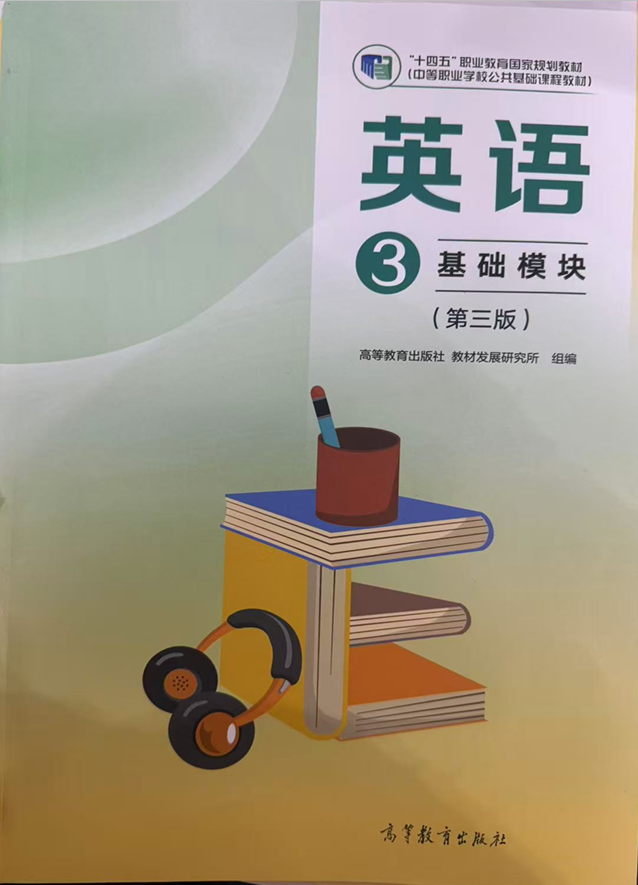
Unit 5——Unit 8阶段测试卷(B卷·能力提升)《英语 基础模块3》(高教版第三版)单元过关卷(原卷版+解析版)
2026-07-28
|
2份
|
30页
|
43人阅读
|
0人下载
摘要:
**基本信息**
本试卷为《英语 基础模块3》(高教版第三版)Unit5-Unit8阶段测试B卷(能力提升卷),紧扣教材核心考点,通过真实情境与文化素材整合知识,适配单元复习,助力学生构建知识网络与提升语言应用能力。
**题型特征**
|题型|题量/分值|知识覆盖|命题特色|
|----|-----------|----------|----------|
|情景交际|10题/20分|日常对话及功能意念|融入茶卡盐湖、袁隆平等文化与社会热点,考查语言理解与表达能力|
|选词填空|10题/15分|词汇运用与语篇理解|以“天空之镜”为主题,渗透环保理念(如respect nature),培养思维品质|
|阅读理解|20题/40分|信息获取与逻辑推理|含数字博物馆(科技前沿)、乡村医生(社会责任)等素材,提升学习能力|
|完形填空|10题/10分|语法与词汇运用|围绕榜样展览志愿者经历,强化时态、代词等语法,渗透文化意识|
|书面表达|1题/15分|应用文写作与文化表达|要求介绍广西传统文化(如铜鼓),考查跨文化交际能力,落实文化传承|
内容正文:
编写说明:本套试卷紧扣《英语 基础模块3》(高教版第三版)教材,以教材单元为基准精准覆盖核心考点。
每个单元设置AB卷,A卷为基础巩固卷,侧重基础考点训练,帮助学生扎实掌握知识要点;B卷为能力提升卷,注重知识整合与全面检测,引导学生构建知识网络。全书设计4份综合测试卷,模拟实战情境,聚焦解题能力突破,全面提升应试能力与知识应用水平。
《英语 基础模块3》(高教版第三版)《单元过关卷》
Unit 5——Unit 8阶段测试卷
B卷·能力提升
考试时间:120分钟 满分:100分
班级_____姓名_____学号_____成绩_____
第一部分 情景交际(共10小题,每小题2分,共20分。)
阅读下列简短对话,从A、B、C、D四个选项中选出最佳选项,将对话补全。
1. — Many visitors call Chaka Salt Lake the Mirror of the Sky.
— ________. The water reflects the blue sky on sunny days.
A. That's true
B. Please be quiet
C. It is a wrong address
D. No, thanks
【答案】A
【详解】后句解释湖面倒映天空,说明认同前句说法,A项正确。
2. — I am interested in the Terracotta Army. Could you tell me more about it?
— ________. It is known as a wonder of human construction.
A. I'm afraid of rain
B. No problem
C. It costs five yuan
D. Turn off the light
【答案】B
【详解】对方请求更多信息,No problem表示愿意介绍,符合历史景点交流场景。
3. — Our poster says we should prevent food waste.
— ________. It is a useful green action.
A. I missed the train
B. It is under the chair
C. I agree with it
D. Have a good trip
【答案】C
【详解】后句说明这是有用的环保行动,C项表示同意,符合语境。
4. — What kind of people do you look up to?
— ________.
A. People who devote themselves to helping others
B. It is made of paper
C. I went to Guilin
D. The bus leaves at nine
【答案】A
【详解】问题询问敬佩哪类人,A项回答“致力于帮助他人的人”,切题。
5. — The guide said the cave has two layers and small waterfalls inside.
— ________!
A. It is my notebook
B. I am late again
C. No smoking
D. How amazing
【答案】D
【详解】听到地下河洞穴内有瀑布,应表达惊叹,D项符合语境。
6. — Which historical site impressed you most during the holiday?
— ________.
A. By subway
B. The Shaanxi History Museum
C. At seven o'clock
D. Because it is sunny
【答案】B
【详解】问题询问最令人印象深刻的历史景点,B项为景点名称,符合语境。
7. — My flight was canceled due to the floods.
— ________. You can check the railway information first.
A. You are welcome
B. Good luck with your prize
C. Don't worry
D. I like the picture
【答案】C
【详解】对方航班因洪水取消,后句给出建议,先安慰Don't worry合适。
8. — Yuan Longping provided a solution to hunger with hybrid rice.
— ________. He is a respectable scientist.
A. It's on the left
B. I can't agree more
C. The food is cold
D. See you tomorrow
【答案】B
【详解】后句赞扬科学家值得尊敬,表明完全认同前句评价,B项正确。
9. — Could you explain why people plant trees after sandstorms?
— ________. Trees can help hold loose soil.
A. Close the door
B. Never mind
C. It is too sweet
D. Certainly
【答案】D
【详解】Could you explain...?是请求解释,Certainly表示愿意回答,后句给出原因。
10. — I want to make a short video about a role model.
— ________?
A. How much is the ticket
B. Where is the salt lake
C. Who will you introduce
D. Can it prevent floods
【答案】C
【详解】对方想制作楷模短视频,接下来应询问介绍谁,C项切题。
第二部分 选词填空(共10小题,每小题1.5分,共15分。)
阅读下列短文,从各题所给的A、B、C、D四个选项中选出最佳选项,填入相应的空格处。
The Mirror of the Sky
Chaka Salt Lake is a famous natural wonder in Qinghai. On clear days, the lake reflects the sky like a giant mirror, so people call it the Mirror of the Sky. The view is ____11____, and many travelers take photos from a safe distance.
The lake is not very deep in some areas. Visitors can walk across shallow water, but they should follow the ____12____ signs carefully. A good trip does not only bring pleasure. It also asks people to ____13____ nature. For example, visitors must not leave rubbish or step into protected areas.
A travel agency once made a short video about the lake. The video ____14____ its location, size and special scenery. It also advised travelers to check the weather ____15____ setting out. If strong wind comes, the lake surface may not be as clear as usual.
Still, the place can ____16____ people with its quiet beauty. Many tourists say that the lake is more than a destination. It is a lesson about how small human actions can ____17____ natural beauty. When we travel, we should look, listen and think ____18____. Only in this way can wonders remain ____19____ for future visitors. Every careful step helps ____20____ the planet.
11. A. careless B. impressive C. private D. empty
12. A. music B. kitchen C. price D. safety
13. A. forget B. break C. respect D. guess
14. A. hid B. described C. canceled D. polluted
15. A. before B. but C. or D. because
16. A. miss B. attract C. stop D. hurt
17. A. refuse B. lose C. delay D. protect
18. A. sadly B. angrily C. carelessly D. responsibly
19. A. weak B. late C. noisy D. alive
20. A. compare B. discover C. protect D. draw
【答案】11. B 12. D 13. C 14. B 15. A 16. B 17. D 18. D 19. D 20. C
【导语】本文介绍茶卡盐湖的自然景观和文明旅游要求,说明欣赏自然奇观时也要承担保护责任。
【详解】
11. B 湖面像镜子一样倒映天空,景色令人印象深刻,impressive符合语境。
12. D 在浅水区行走要遵守安全标识,safety signs搭配自然。
13. C 旅行不仅带来快乐,也要求人们尊重自然,respect符合句意。
14. B 视频介绍湖的位置、大小和景色,described“描述”符合语境。
15. A 出发前查看天气,before setting out符合时间逻辑。
16. B 即使有风,盐湖仍能以宁静之美吸引人,attract符合语义。
17. D 文中强调文明行为对自然美的影响,protect natural beauty符合主旨。
18. D 旅行时应负责任地观察、倾听和思考,responsibly修饰动词。
19. D 奇观保持有生命力和吸引力,alive符合语境。
20. C 每一个谨慎举动都有助于保护地球,protect the planet符合结尾升华。
第三部分 阅读理解(共两节)
第一节(共15小题,每小题2分,共30分。)
阅读下列短文,从各题所给的A、B、C、D四个选项中选出最佳选项。
Text 1
A Digital Guide at a History Museum
Guangxi History Museum started a new digital guide service this spring. Visitors can borrow a small guide machine at the entrance or scan a code with their phones. The service is designed for young visitors who want to learn about cultural relics in a clear and lively way. Instead of reading long boards silently, they can listen to short stories, look at old pictures and answer simple questions after each hall.
One popular hall introduces bronze drums. The digital guide explains when the drums were used, what their patterns may mean and why they are important in local culture. When visitors stand near a drum, the guide plays a deep drum sound and shows a moving picture of a festival scene. Many students say this helps them remember information better. However, the museum also reminds visitors to lower the volume and avoid blocking others.
The service is useful, but it cannot replace careful observation. A guide worker, Ms. Deng, says visitors should first look at the real object, then use the digital guide to get more information. She also suggests taking notes instead of only taking photos. “Technology can open a door,” she says, “but real understanding comes from patient learning.” The museum plans to add English explanations next year so that more foreign visitors can learn about Guangxi culture. Some students said they used to walk through museums quickly, but the new service made them slow down and ask questions. Their teachers believed this change was more valuable than simply remembering dates.
21. What can visitors do with the digital guide service?
A. Cook local food in the hall.
B. Listen to short stories about relics.
C. Borrow old bronze drums.
D. Paint pictures on the wall.
22. Why do students like the moving picture and drum sound?
A. They help students remember information better.
B. They make the museum close earlier.
C. They allow students to touch every relic.
D. They replace all guide workers.
23. What should visitors avoid doing according to the museum?
A. Taking any notes.
B. Looking at real objects.
C. Blocking others in the hall.
D. Learning about local culture.
24. What does Ms. Deng suggest visitors do first?
A. Scan every code quickly.
B. Only take photos.
C. Leave the museum early.
D. Look at the real object carefully.
25. What is the best title for the passage?
A. A New Way to Learn Museum Culture
B. Rules for Buying Guide Machines
C. The Fastest Phone in Guangxi
D. A Festival without Visitors
【答案】21. B 22. A 23. C 24. D 25. A
【导语】本文介绍历史博物馆数字导览服务的功能、使用规则和学习建议,体现科技辅助文化学习的价值。
【详解】
21. B 根据第一段“listen to short stories”可知,游客可听文物短故事。
22. A 根据第二段“helps them remember information better”可知,动态画面和鼓声帮助学生记忆信息。
23. C 根据第二段“avoid blocking others”可知,游客应避免挡住他人。
24. D 根据第三段“should first look at the real object”可知,邓女士建议先认真观察实物。
25. A 全文围绕数字导览如何帮助游客学习博物馆文化展开,A项最适合作标题。
Text 2
The Doctor Who Stayed in the Mountains
For more than thirty years, Dr. Qin has worked in a mountain village clinic. The clinic is small, with only three rooms and simple medical tools. However, villagers respect her deeply because she never leaves a patient waiting when help is needed. In rainy seasons, some roads become muddy and dangerous, but she still visits old people who cannot walk to the clinic. During the hottest months, she starts work before sunrise so that patients can receive treatment earlier. Her small medicine box is old, but villagers say it carries hope.
Dr. Qin did not plan to become famous. After graduating from a medical school, she returned to her hometown because she knew many villagers needed basic medical care. She records each patient's information carefully and explains medicine use in simple words. When she meets a difficult case, she contacts doctors in the county hospital instead of making a quick guess. She often says that a responsible doctor must keep learning.
Young people in the village look up to her. Last year, several vocational school students interviewed her for a role model project. They found that her greatest achievement was not a prize, but the trust she had built through everyday work.
One student wrote, “Great hearts are often shown in ordinary days.” Dr. Qin's story encouraged more students to study nursing, elderly care and community service. They learned that serving people with patience could also make a meaningful contribution to society. The students also noticed that she spoke gently to every patient, no matter how busy she was. This detail helped them understand that professional service begins with respect.
26. Why do villagers respect Dr. Qin deeply?
A. Because she owns a large hospital.
B. Because she only treats famous people.
C. Because she refuses to visit old people.
D. Because she never leaves a patient waiting when help is needed.
27. Why did Dr. Qin return to her hometown?
A. She wanted to sell medicine.
B. She disliked learning new things.
C. She knew villagers needed basic medical care.
D. She planned to close the clinic.
28. What does Dr. Qin do when she meets a difficult case?
A. She makes a quick guess.
B. She asks the patient to leave.
C. She stops recording information.
D. She contacts doctors in the county hospital.
29. What does the underlined word “contribution” mean?
A. 贡献
B. 距离
C. 价格
D. 噪声
30. What can students learn from Dr. Qin?
A. Small clinics are not useful.
B. Serving people with patience is meaningful.
C. Prizes are the only sign of success.
D. Young people should avoid community service.
【答案】26. D 27. C 28. D 29. A 30. B
【导语】本文讲述山村医生秦医生长期服务乡亲的故事,体现责任、耐心和普通岗位上的榜样力量。
【详解】
26. D 根据第一段“she never leaves a patient waiting when help is needed”可知,村民尊敬她是因为她及时帮助病人。
27. C 根据第二段“because she knew many villagers needed basic medical care”可知,她回乡是因为村民需要基础医疗。
28. D 根据第二段“she contacts doctors in the county hospital”可知,遇到疑难情况她联系县医院医生。
29. A 结合“make a meaningful contribution to society”可知,该词表示“贡献”。
30. B 根据最后一句“serving people with patience could also make...”可知,耐心服务他人是有意义的。
Text 3
When a Warning Arrives Early
At 6:30 on a summer morning, a flood warning arrived on many phones in a riverside town. The message said that heavy rain would continue and asked people not to walk near the river. Some shops near the low street were told to move important goods to higher shelves. The warning was short, but it gave clear actions, so people knew what to do before the water rose.
The town had learned from a flood two years earlier. At that time, many people waited too long because they thought the rain would stop soon. Later, the local community made a response plan. Volunteers were trained to guide traffic, check old houses and help elderly people move to safe places. Schools also taught students how to read warning colors and prepare emergency bags with water, food, medicine and flashlights. The plan was printed on the community board and practised twice a year. Because of this practice, children and adults could remember the steps even when the rain was heavy.
This time, the plan worked well. By noon, the river was higher, but most people had already reached safe areas. No one was badly hurt. After the rain, students helped clean the street and sorted rubbish into different bags. The experience showed that technology alone was not enough. Early warnings, public trust and daily practice worked together to reduce damage. Natural disasters may still happen, but prepared communities can face them with more confidence. Local workers later reviewed the whole process and improved several signs near the river. They hoped that each review would make the next response faster and clearer.
31. What did the warning ask people NOT to do?
A. Walk near the river.
B. Read phone messages.
C. Move goods higher.
D. Stay in safe areas.
32. Why did people wait too long two years earlier?
A. They had no shops.
B. They wanted to train volunteers.
C. They thought the rain would stop soon.
D. They disliked clear actions.
33. What did schools teach students to prepare?
A. A travel poster.
B. A museum ticket.
C. An emergency bag.
D. A festival meal.
34. Which of the following helped reduce damage this time?
A. Technology, public trust and daily practice.
B. Waiting longer near the river.
C. Ignoring warning colors.
D. Putting rubbish into the water.
35. What is the purpose of the passage?
A. To introduce a new phone game.
B. To show the value of early warning and preparation.
C. To compare shops and schools.
D. To ask people to live beside rivers.
【答案】31. A 32. C 33. C 34. A 35. B
【导语】本文介绍洪水预警、社区应急计划和灾后清理行动,说明提前准备能减少自然灾害带来的伤害。
【详解】
31. A 根据第一段“asked people not to walk near the river”可知,预警要求人们不要靠近河边行走。
32. C 根据第二段“because they thought the rain would stop soon”可知,两年前人们等待太久是因为误以为雨会很快停止。
33. C 根据第二段“prepare emergency bags”可知,学校教学生准备应急包。
34. A 根据第三段“Early warnings, public trust and daily practice worked together”可知,这三者共同减少损失。
35. B 全文通过一次成功应对洪水的经历说明早预警和准备的重要性,B项符合写作目的。
第二节(共5小题,每小题2分,共10分。)
阅读下列短文,从短文后的选项中选出最佳选项,并填入空白处。
Preparing an Emergency Bag
Natural disasters may happen suddenly, so preparing an emergency bag is a useful family action. The bag does not need to be expensive, but it should be easy to carry. ____36____.
First, put enough drinking water and simple food in it. The food should be easy to open and keep for several months. ____37____. People should check the dates regularly and change old things in time.
Second, medicine and basic tools are important. A small first-aid kit can help with cuts or light injuries. ____38____. A flashlight is also useful if the power goes off at night.
Third, do not forget personal information. Family phone numbers, a little cash and copies of important cards can be put in a waterproof bag. ____39____.
Preparing the bag is only the first step. Families should also discuss where to meet and how to ask for help. ____40____.
A. These things can help people contact others when phones do not work
B. For example, biscuits and bottled water are common choices
C. It should be placed near the door or another safe place
D. With preparation, people can stay calmer when danger comes
E. Bandages, a small knife and a whistle can be included
【答案】36. C 37. B 38. E 39. A 40. D
【导语】本文说明家庭应急包的准备方法,包括存放位置、食品、药品工具和个人信息,考查段落逻辑衔接。
【详解】
36. C 前句说应急包要便于携带,C项说明应放在门口或安全处,承接自然。
37. B 前句提到饮用水和简单食品,B项举例饼干和瓶装水,符合例证关系。
38. E 本段讨论药品和基本工具,E项列举绷带、小刀和哨子,语义一致。
39. A 前句提到电话号码、现金和卡片复印件,A项说明这些物品在手机失灵时可帮助联系他人。
40. D 末句总结准备的意义,D项说明准备能让人遇险更冷静,符合结尾。
第四部分 完形填空(共10小题,每小题1分,共10分。)
阅读下列短文,在空格处填入适当的词或用括号里的词的正确形式填空。
A Student Guide for a Role Model Exhibition
A role model exhibition ____41____ (hold) in the city library last Saturday. Many students came to learn about people who had made great ____42____ (contribution) to society. Li Wen, a vocational school student, worked as a volunteer guide. Before the activity, she spent two days ____43____ (read) the introduction boards carefully.
During the exhibition, Li Wen introduced a scientist who devoted ____44____ (he) to medical research. She also talked about a firefighter, ____45____ saved people in a dangerous fire. Some visitors asked difficult questions, but Li Wen answered them ____46____ (patient). When she was not sure, she checked the guidebook instead ____47____ guessing.
At the end of the day, the organizer thanked all the volunteers. Li Wen said that she ____48____ (learn) a lot from both the role models and the visitors. She hoped ____49____ (become) a useful worker in the future. The experience showed her ____50____ ordinary students could also serve others through careful preparation.
【答案】41. was held 42. contributions 43. reading 44. himself 45. who 46. patiently 47. of 48. had learned 49. to become 50. that
【导语】本文讲述学生志愿者在楷模展览中担任讲解员的经历,考查被动语态、名词复数、非谓语、反身代词、从句连接词、副词、介词和过去完成时。
【详解】
【41题详解】考查被动语态。exhibition与hold之间是被动关系,时间为last Saturday,填was held。
【42题详解】考查名词复数。make contributions to表示“为……作贡献”,用复数contributions。
【43题详解】考查非谓语动词。spend time doing sth.表示“花时间做某事”。
【44题详解】考查反身代词。devote oneself to表示“致力于”,主语为a scientist,填himself。
【45题详解】考查定语从句。先行词为a firefighter,指人,在从句中作主语,用who。
【46题详解】考查副词。修饰动词answered应用副词patiently。
【47题详解】考查介词。instead of doing表示“而不是做某事”。
【48题详解】考查时态。主句said为过去时,从句表示在说话前已经学到很多,用had learned。
【49题详解】考查非谓语动词。hope to do sth.为固定搭配。
【50题详解】考查宾语从句。showed her后接完整陈述句,用that引导宾语从句。
第五部分 书面表达(共15分。)
51. 假设你是李华,你的外国朋友David想了解广西的一项传统文化。请根据以下要点,给他写一封电子邮件,介绍铜鼓或另一项你熟悉的传统文化。具体内容和要求如下:
1. 词数70—80个;
2. 文中不可出现真实人名和校名;
3. 开头、结尾已给出,不计入总词数;
4. 相关内容及词汇仅供参考,可酌情选用。
Dear David,
I am glad to tell you about a traditional culture in Guangxi.
_____________________________________________________________________________________________________________________________________________________________________________________________________________________________________________________________________________________________________________________________________________________________________________________________________________________
Yours,
Li Hua
主要内容
参考信息
参考词汇及短语
文化名称
铜鼓、剪纸、刺绣、舞狮等
bronze drum, paper-cutting, embroidery, lion dance
主要特点
历史、外观、用途或活动场景
history, pattern, festival, symbol
个人看法
表达喜爱、传承和文化意义
be proud of, pass on, cultural symbol
【答案】例文:
Dear David,
I am glad to tell you about a traditional culture in Guangxi.
The bronze drum is a famous cultural symbol here. It has a long history and beautiful patterns, such as the sun, birds and dancers. During some festivals, people play bronze drums to celebrate good wishes and bring the community together. I like bronze drums because they show local wisdom and make history feel alive. Many museums now introduce them to young people in interesting ways. I think we should learn about this traditional art and pass it on.
Yours,
Li Hua
【解析】
【导语】本篇书面表达属于电子邮件,要求介绍一项广西传统文化,内容应包括文化名称、主要特点和个人看法。
【词汇积累】
传统的:traditional -> old and cultural
象征:symbol -> sign
庆祝:celebrate -> enjoy a festival
传承:pass on -> keep alive
【句式拓展】
原句:I like bronze drums because they show local wisdom. 拓展句:The reason why I like bronze drums is that they show local wisdom.
【点睛】
During some festivals, people play bronze drums to celebrate good wishes and bring the community together.(运用了动词不定式作目的状语)
I think we should learn about this traditional art and pass it on.(运用了宾语从句)
原创精品资源学科网独家享有版权,侵权必究!
学科网(北京)股份有限公司
$
编写说明:本套试卷紧扣《英语 基础模块3》(高教版第三版)教材,以教材单元为基准精准覆盖核心考点。
每个单元设置AB卷,A卷为基础巩固卷,侧重基础考点训练,帮助学生扎实掌握知识要点;B卷为能力提升卷,注重知识整合与全面检测,引导学生构建知识网络。全书设计4份综合测试卷,模拟实战情境,聚焦解题能力突破,全面提升应试能力与知识应用水平。
《英语 基础模块3》(高教版第三版)《单元过关卷》
Unit 5——Unit 8阶段测试卷
B卷·能力提升
考试时间:120分钟 满分:100分
班级_____姓名_____学号_____成绩_____
第一部分 情景交际(共10小题,每小题2分,共20分。)
阅读下列简短对话,从A、B、C、D四个选项中选出最佳选项,将对话补全。
1. — Many visitors call Chaka Salt Lake the Mirror of the Sky.
— ________. The water reflects the blue sky on sunny days.
A. That's true
B. Please be quiet
C. It is a wrong address
D. No, thanks
2. — I am interested in the Terracotta Army. Could you tell me more about it?
— ________. It is known as a wonder of human construction.
A. I'm afraid of rain
B. No problem
C. It costs five yuan
D. Turn off the light
3. — Our poster says we should prevent food waste.
— ________. It is a useful green action.
A. I missed the train
B. It is under the chair
C. I agree with it
D. Have a good trip
4. — What kind of people do you look up to?
— ________.
A. People who devote themselves to helping others
B. It is made of paper
C. I went to Guilin
D. The bus leaves at nine
5. — The guide said the cave has two layers and small waterfalls inside.
— ________!
A. It is my notebook
B. I am late again
C. No smoking
D. How amazing
6. — Which historical site impressed you most during the holiday?
— ________.
A. By subway
B. The Shaanxi History Museum
C. At seven o'clock
D. Because it is sunny
7. — My flight was canceled due to the floods.
— ________. You can check the railway information first.
A. You are welcome
B. Good luck with your prize
C. Don't worry
D. I like the picture
8. — Yuan Longping provided a solution to hunger with hybrid rice.
— ________. He is a respectable scientist.
A. It's on the left
B. I can't agree more
C. The food is cold
D. See you tomorrow
9. — Could you explain why people plant trees after sandstorms?
— ________. Trees can help hold loose soil.
A. Close the door
B. Never mind
C. It is too sweet
D. Certainly
10. — I want to make a short video about a role model.
— ________?
A. How much is the ticket
B. Where is the salt lake
C. Who will you introduce
D. Can it prevent floods
第二部分 选词填空(共10小题,每小题1.5分,共15分。)
阅读下列短文,从各题所给的A、B、C、D四个选项中选出最佳选项,填入相应的空格处。
The Mirror of the Sky
Chaka Salt Lake is a famous natural wonder in Qinghai. On clear days, the lake reflects the sky like a giant mirror, so people call it the Mirror of the Sky. The view is ____11____, and many travelers take photos from a safe distance.
The lake is not very deep in some areas. Visitors can walk across shallow water, but they should follow the ____12____ signs carefully. A good trip does not only bring pleasure. It also asks people to ____13____ nature. For example, visitors must not leave rubbish or step into protected areas.
A travel agency once made a short video about the lake. The video ____14____ its location, size and special scenery. It also advised travelers to check the weather ____15____ setting out. If strong wind comes, the lake surface may not be as clear as usual.
Still, the place can ____16____ people with its quiet beauty. Many tourists say that the lake is more than a destination. It is a lesson about how small human actions can ____17____ natural beauty. When we travel, we should look, listen and think ____18____. Only in this way can wonders remain ____19____ for future visitors. Every careful step helps ____20____ the planet.
11. A. careless B. impressive C. private D. empty
12. A. music B. kitchen C. price D. safety
13. A. forget B. break C. respect D. guess
14. A. hid B. described C. canceled D. polluted
15. A. before B. but C. or D. because
16. A. miss B. attract C. stop D. hurt
17. A. refuse B. lose C. delay D. protect
18. A. sadly B. angrily C. carelessly D. responsibly
19. A. weak B. late C. noisy D. alive
20. A. compare B. discover C. protect D. draw
第三部分 阅读理解(共两节)
第一节(共15小题,每小题2分,共30分。)
阅读下列短文,从各题所给的A、B、C、D四个选项中选出最佳选项。
Text 1
A Digital Guide at a History Museum
Guangxi History Museum started a new digital guide service this spring. Visitors can borrow a small guide machine at the entrance or scan a code with their phones. The service is designed for young visitors who want to learn about cultural relics in a clear and lively way. Instead of reading long boards silently, they can listen to short stories, look at old pictures and answer simple questions after each hall.
One popular hall introduces bronze drums. The digital guide explains when the drums were used, what their patterns may mean and why they are important in local culture. When visitors stand near a drum, the guide plays a deep drum sound and shows a moving picture of a festival scene. Many students say this helps them remember information better. However, the museum also reminds visitors to lower the volume and avoid blocking others.
The service is useful, but it cannot replace careful observation. A guide worker, Ms. Deng, says visitors should first look at the real object, then use the digital guide to get more information. She also suggests taking notes instead of only taking photos. “Technology can open a door,” she says, “but real understanding comes from patient learning.” The museum plans to add English explanations next year so that more foreign visitors can learn about Guangxi culture. Some students said they used to walk through museums quickly, but the new service made them slow down and ask questions. Their teachers believed this change was more valuable than simply remembering dates.
21. What can visitors do with the digital guide service?
A. Cook local food in the hall.
B. Listen to short stories about relics.
C. Borrow old bronze drums.
D. Paint pictures on the wall.
22. Why do students like the moving picture and drum sound?
A. They help students remember information better.
B. They make the museum close earlier.
C. They allow students to touch every relic.
D. They replace all guide workers.
23. What should visitors avoid doing according to the museum?
A. Taking any notes.
B. Looking at real objects.
C. Blocking others in the hall.
D. Learning about local culture.
24. What does Ms. Deng suggest visitors do first?
A. Scan every code quickly.
B. Only take photos.
C. Leave the museum early.
D. Look at the real object carefully.
25. What is the best title for the passage?
A. A New Way to Learn Museum Culture
B. Rules for Buying Guide Machines
C. The Fastest Phone in Guangxi
D. A Festival without Visitors
Text 2
The Doctor Who Stayed in the Mountains
For more than thirty years, Dr. Qin has worked in a mountain village clinic. The clinic is small, with only three rooms and simple medical tools. However, villagers respect her deeply because she never leaves a patient waiting when help is needed. In rainy seasons, some roads become muddy and dangerous, but she still visits old people who cannot walk to the clinic. During the hottest months, she starts work before sunrise so that patients can receive treatment earlier. Her small medicine box is old, but villagers say it carries hope.
Dr. Qin did not plan to become famous. After graduating from a medical school, she returned to her hometown because she knew many villagers needed basic medical care. She records each patient's information carefully and explains medicine use in simple words. When she meets a difficult case, she contacts doctors in the county hospital instead of making a quick guess. She often says that a responsible doctor must keep learning.
Young people in the village look up to her. Last year, several vocational school students interviewed her for a role model project. They found that her greatest achievement was not a prize, but the trust she had built through everyday work.
One student wrote, “Great hearts are often shown in ordinary days.” Dr. Qin's story encouraged more students to study nursing, elderly care and community service. They learned that serving people with patience could also make a meaningful contribution to society. The students also noticed that she spoke gently to every patient, no matter how busy she was. This detail helped them understand that professional service begins with respect.
26. Why do villagers respect Dr. Qin deeply?
A. Because she owns a large hospital.
B. Because she only treats famous people.
C. Because she refuses to visit old people.
D. Because she never leaves a patient waiting when help is needed.
27. Why did Dr. Qin return to her hometown?
A. She wanted to sell medicine.
B. She disliked learning new things.
C. She knew villagers needed basic medical care.
D. She planned to close the clinic.
28. What does Dr. Qin do when she meets a difficult case?
A. She makes a quick guess.
B. She asks the patient to leave.
C. She stops recording information.
D. She contacts doctors in the county hospital.
29. What does the underlined word “contribution” mean?
A. 贡献
B. 距离
C. 价格
D. 噪声
30. What can students learn from Dr. Qin?
A. Small clinics are not useful.
B. Serving people with patience is meaningful.
C. Prizes are the only sign of success.
D. Young people should avoid community service.
Text 3
When a Warning Arrives Early
At 6:30 on a summer morning, a flood warning arrived on many phones in a riverside town. The message said that heavy rain would continue and asked people not to walk near the river. Some shops near the low street were told to move important goods to higher shelves. The warning was short, but it gave clear actions, so people knew what to do before the water rose.
The town had learned from a flood two years earlier. At that time, many people waited too long because they thought the rain would stop soon. Later, the local community made a response plan. Volunteers were trained to guide traffic, check old houses and help elderly people move to safe places. Schools also taught students how to read warning colors and prepare emergency bags with water, food, medicine and flashlights. The plan was printed on the community board and practised twice a year. Because of this practice, children and adults could remember the steps even when the rain was heavy.
This time, the plan worked well. By noon, the river was higher, but most people had already reached safe areas. No one was badly hurt. After the rain, students helped clean the street and sorted rubbish into different bags. The experience showed that technology alone was not enough. Early warnings, public trust and daily practice worked together to reduce damage. Natural disasters may still happen, but prepared communities can face them with more confidence. Local workers later reviewed the whole process and improved several signs near the river. They hoped that each review would make the next response faster and clearer.
31. What did the warning ask people NOT to do?
A. Walk near the river.
B. Read phone messages.
C. Move goods higher.
D. Stay in safe areas.
32. Why did people wait too long two years earlier?
A. They had no shops.
B. They wanted to train volunteers.
C. They thought the rain would stop soon.
D. They disliked clear actions.
33. What did schools teach students to prepare?
A. A travel poster.
B. A museum ticket.
C. An emergency bag.
D. A festival meal.
34. Which of the following helped reduce damage this time?
A. Technology, public trust and daily practice.
B. Waiting longer near the river.
C. Ignoring warning colors.
D. Putting rubbish into the water.
35. What is the purpose of the passage?
A. To introduce a new phone game.
B. To show the value of early warning and preparation.
C. To compare shops and schools.
D. To ask people to live beside rivers.
第二节(共5小题,每小题2分,共10分。)
阅读下列短文,从短文后的选项中选出最佳选项,并填入空白处。
Preparing an Emergency Bag
Natural disasters may happen suddenly, so preparing an emergency bag is a useful family action. The bag does not need to be expensive, but it should be easy to carry. ____36____.
First, put enough drinking water and simple food in it. The food should be easy to open and keep for several months. ____37____. People should check the dates regularly and change old things in time.
Second, medicine and basic tools are important. A small first-aid kit can help with cuts or light injuries. ____38____. A flashlight is also useful if the power goes off at night.
Third, do not forget personal information. Family phone numbers, a little cash and copies of important cards can be put in a waterproof bag. ____39____.
Preparing the bag is only the first step. Families should also discuss where to meet and how to ask for help. ____40____.
A. These things can help people contact others when phones do not work
B. For example, biscuits and bottled water are common choices
C. It should be placed near the door or another safe place
D. With preparation, people can stay calmer when danger comes
E. Bandages, a small knife and a whistle can be included
第四部分 完形填空(共10小题,每小题1分,共10分。)
阅读下列短文,在空格处填入适当的词或用括号里的词的正确形式填空。
A Student Guide for a Role Model Exhibition
A role model exhibition ____41____ (hold) in the city library last Saturday. Many students came to learn about people who had made great ____42____ (contribution) to society. Li Wen, a vocational school student, worked as a volunteer guide. Before the activity, she spent two days ____43____ (read) the introduction boards carefully.
During the exhibition, Li Wen introduced a scientist who devoted ____44____ (he) to medical research. She also talked about a firefighter, ____45____ saved people in a dangerous fire. Some visitors asked difficult questions, but Li Wen answered them ____46____ (patient). When she was not sure, she checked the guidebook instead ____47____ guessing.
At the end of the day, the organizer thanked all the volunteers. Li Wen said that she ____48____ (learn) a lot from both the role models and the visitors. She hoped ____49____ (become) a useful worker in the future. The experience showed her ____50____ ordinary students could also serve others through careful preparation.
第五部分 书面表达(共15分。)
51. 假设你是李华,你的外国朋友David想了解广西的一项传统文化。请根据以下要点,给他写一封电子邮件,介绍铜鼓或另一项你熟悉的传统文化。具体内容和要求如下:
1. 词数70—80个;
2. 文中不可出现真实人名和校名;
3. 开头、结尾已给出,不计入总词数;
4. 相关内容及词汇仅供参考,可酌情选用。
Dear David,
I am glad to tell you about a traditional culture in Guangxi.
_____________________________________________________________________________________________________________________________________________________________________________________________________________________________________________________________________________________________________________________________________________________________________________________________________________________
Yours,
Li Hua
主要内容
参考信息
参考词汇及短语
文化名称
铜鼓、剪纸、刺绣、舞狮等
bronze drum, paper-cutting, embroidery, lion dance
主要特点
历史、外观、用途或活动场景
history, pattern, festival, symbol
个人看法
表达喜爱、传承和文化意义
be proud of, pass on, cultural symbol
原创精品资源学科网独家享有版权,侵权必究!
学科网(北京)股份有限公司
$
资源预览图

1

2

3
由于学科网是一个信息分享及获取的平台,不确保部分用户上传资料的 来源及知识产权归属。如您发现相关资料侵犯您的合法权益,请联系学科网,我们核实后将及时进行处理。