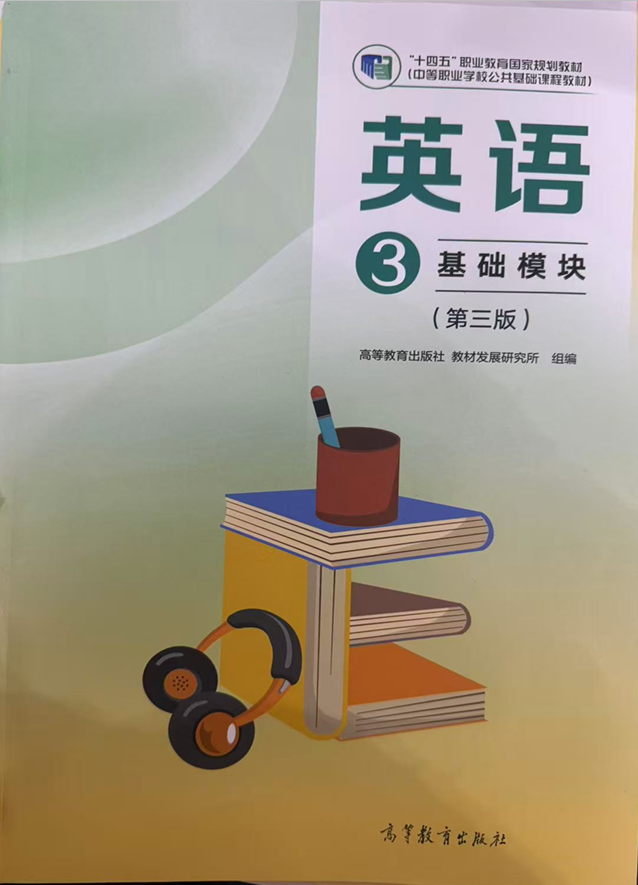
Unit 1 Festivals Around the World(B卷·能力提升)《英语 基础模块3》(高教版第三版)单元过关卷(原卷版+解析版)
2026-07-28
|
2份
|
21页
|
44人阅读
|
1人下载
摘要:
**基本信息**
紧扣《英语 基础模块3》Unit 1“Festivals Around the World”主题,以B卷能力提升定位覆盖核心考点,融合节日文化传承与跨文化交际情境,适配单元复习中语言能力与文化意识培养需求。
**题型特征**
|题型|题量/分值|知识覆盖|命题特色|
|----|-----------|----------|----------|
|情景交际|10小题/20分|日常交际用语|结合龙舟表演、泼水节等节日对话,强化语言应用与文化理解|
|选词填空|10小题/15分|词汇运用|以“Community Dragon Boat Open Day”短文为载体,考查动词、形容词等,提升语篇逻辑思维|
|阅读理解|20小题/40分|信息获取与推理|选用国际节日志愿者通知、舞狮文化等素材,培养跨文化沟通与批判性思维|
|完形填空|10小题/10分|语法与词汇|以广西民歌节为情境,考查动词时态、代词等,融合地方文化与语言知识|
|书面表达|1题/15分|应用文写作|要求介绍节日活动与文化意义,提升语言表达与文化意识,符合真实交际需求|
内容正文:
编写说明:本套试卷紧扣《英语 基础模块3》(高教版第三版)教材,以教材单元为基准精准覆盖核心考点。
每个单元设置AB卷,A卷为基础巩固卷,侧重基础考点训练,帮助学生扎实掌握知识要点;B卷为能力提升卷,注重知识整合与全面检测,引导学生构建知识网络。全书设计4份综合测试卷,模拟实战情境,聚焦解题能力突破,全面提升应试能力与知识应用水平。
《英语 基础模块3》(高教版第三版)《单元过关卷》
Unit 1 Festivals Around the World
B卷·能力提升
考试时间:120分钟 满分:100分
班级_____姓名_____学号_____成绩_____
第一部分 情景交际(共10小题,每小题2分,共20分。)
阅读下列简短对话,从A、B、C、D四个选项中选出最佳选项,将对话补全。
1. — The dragon boat show in Liuzhou was wonderful yesterday.
— ________. It showed good team spirit.
A. I lost my pen
B. Yes, it was
C. Turn off the light
D. No, thanks
【答案】B
【详解】句意:后句评价其体现团队精神,说明说话人认同“表演精彩”的观点,Yes, it was符合语境。
2. — Could you tell me how people celebrate Songkran?
— ________. They splash water to send good wishes.
A. It is too private
B. I am late
C. You must leave
D. Sure
【答案】D
【详解】句意:Could you tell me...?是请求信息,后句给出介绍,Sure表示愿意回答。
3. — I will give a report about the Spring Festival tomorrow.
— ________. You have prepared well.
A. Good luck
B. No smoking
C. It is a price
D. I forgot it
【答案】A
【详解】句意:对方明天要作报告,答语应表示祝愿和鼓励,Good luck正确。
4. — Would you mind helping me check this invitation email?
— ________. Let me read it first.
A. Never eat it
B. I don't like calendars
C. Not at all
D. It is a folk song
【答案】C
【详解】句意:Would you mind...?询问是否介意帮忙,Not at all表示不介意,后句说明愿意查看。
5. — I don't understand why lanterns are important.
— ________. They can show people's wishes for a bright future.
A. Don't decorate homes
B. Let me explain
C. I can't receive it
D. That is a snack
【答案】B
【详解】句意:上句表示不理解,后句进行解释,因此Let me explain符合求助帮助场景。
6. — What should visitors do before joining a festival in another culture?
— ________.
A. They should learn and respect its customs
B. They should laugh at local people
C. They should ask private questions
D. They should forget the time
【答案】A
【详解】句意:问题询问参加异文化节日前的得体做法,应了解并尊重风俗,A项正确。
7. — I made a mistake in the festival leaflet.
— ________. You can correct the date and print it again.
A. That's impossible forever
B. You are welcome
C. It is a fireplace
D. Don't worry
【答案】D
【详解】句意:对方出错,后句提供解决办法,应先安慰Don't worry。
8. — Which activity do you prefer, solving lantern riddles or watching lion dances?
— ________. It is exciting and full of teamwork.
A. I need a form
B. I am sorry
C. Watching lion dances
D. No, I don't
【答案】C
【详解】句意:问题要求在两项活动中选择,后句说明原因,Watching lion dances直接回答选择。
9. — Thank you for showing me how to make five-colored rice.
— ________. It is fun to share festival food.
A. I disagree
B. My pleasure
C. Close the door
D. It is over there
【答案】B
【详解】句意:对感谢的回应可用My pleasure,表示“不客气,很乐意帮忙”。
10. — This festival leaflet is clear and beautiful.
— ________. I worked hard on the pictures and words.
A. No, it is a rule
B. I cannot read
C. You should refuse it
D. Thank you
【答案】D
【详解】句意:对方表扬宣传单,答语应礼貌致谢,Thank you符合表扬回应场景。
第二部分 选词填空(共10小题,每小题1.5分,共15分。)
阅读下列短文,从各题所给的A、B、C、D四个选项中选出最佳选项,填入相应的空格处。
A Community Dragon Boat Open Day
Dragon boat racing is a lively event during the Dragon Boat Festival. Before a race, each team needs careful ____11____. Paddlers must have ____12____ arms, but strength alone is not enough. They should move ____13____ with the drumbeat and ____14____ the boat well. On the riverbank, people prepare zongzi and watch the ____15____ performance with excitement.
The activity shows team ____16____ because every member has a role. Visitors are asked to stand ____17____ behind the line. After the race, winners ____18____ flowers and warm cheers. In some ways, the event is ____19____ to other festivals around the world: people gather, share food and express wishes. For many families, the dragon boat is not just a sport. It is a cultural ____20____ of courage and unity.
11. A. holiday B. problem C. training D. ticket
12. A. strong B. empty C. private D. foreign
13. A. sadly B. alone C. nearly D. together
14. A. forget B. control C. receive D. decorate
15. A. modern B. silent C. traditional D. careless
16. A. spirit B. calendar C. fireplace D. price
17. A. brightly B. safely C. angrily D. badly
18. A. miss B. mark C. refuse D. receive
19. A. similar B. late C. weak D. boring
20. A. snack B. tool C. symbol D. address
【答案】11. C 12. A 13. D 14. B 15. C 16. A 17. B 18. D 19. A 20. C
【导语】本文是一篇说明文,介绍端午龙舟开放日中训练、协作、安全和文化象征等内容,考查词义辨析、固定搭配及上下文逻辑。
【详解】
11.考查名词词义辨析。根据Before a race可知,队伍需要careful training“认真训练”,training符合赛前准备语境。
12.考查形容词词义辨析。划龙舟需要有strong arms“有力的手臂”,其他形容词不符合运动语境。
13.考查副词词义辨析。move together with the drumbeat表示随着鼓点一起行动,体现团队协作。
14.考查动词词义辨析。control the boat well表示“控制好船”,与龙舟比赛动作相符。
15.考查形容词词义辨析。traditional performance指传统表演,和端午节文化活动对应。
16.考查名词词义辨析。team spirit意为“团队精神”,后句every member has a role提供依据。
17.考查副词词义辨析。stand safely behind the line表示安全地站在线后,符合观赛要求。
18.考查动词词义辨析。winners receive flowers and cheers表示获胜者收到鲜花和欢呼,receive符合语境。
19.考查形容词词义辨析。be similar to表示“与……相似”,后文解释不同节日都有人们相聚、分享食物和表达祝愿。
20.考查名词词义辨析。cultural symbol of courage and unity表示勇气和团结的文化象征,契合全文主旨。
第三部分 阅读理解(共两节)
第一节(共15小题,每小题2分,共30分。)
阅读下列短文,从各题所给的A、B、C、D四个选项中选出最佳选项。
Text 1
International Festival Volunteer Notice
Purpose: To help visitors learn about festivals around the world
Time: Sunday, April 12th, 2026, 9:00 a.m.--4:00 p.m.
Place: Hall 2, City Culture Center
Volunteer jobs: Guide visitors, explain festival pictures, help children try simple handicrafts, and keep the activity area clean.
Requirements: Speak basic English. Be polite and patient. Wear comfortable shoes.
Training: Friday, April 10th, 3:30 p.m.
Sign-up: Send your name and phone number to festivalhelp@163.com before April 6th.
21. What is the purpose of the activity?
A. To help visitors learn about festivals.
B. To sell shoes to students.
C. To choose a basketball team.
D. To repair computers.
22. Where will the activity be held?
A. In a library office.
B. At a train station.
C. In Hall 2, City Culture Center.
D. On a dragon boat.
23. Which job should volunteers do?
A. Cook dinner for all families.
B. Explain festival pictures.
C. Write private letters.
D. Sell festival tickets.
24. When is the volunteer training?
A. April 6th, 9:00 a.m.
B. April 12th, 4:00 p.m.
C. Sunday morning.
D. Friday, April 10th, 3:30 p.m.
25. What should students send when signing up?
A. Their name and phone number.
B. Their home address and ID number.
C. A festival meal.
D. A pair of shoes.
【答案】21. A 22. C 23. B 24. D 25. A
【导语】本文是一则国际节日志愿者通知,介绍活动目的、时间地点、志愿岗位、报名要求和培训安排,主要考查显性信息定位能力。
【详解】
21.细节理解题。根据“Purpose: To help visitors learn about festivals around the world”可知,活动目的是帮助游客了解世界节日。
22.细节理解题。根据“Place: Hall 2, City Culture Center”可知,活动地点在城市文化中心2号厅。
23.细节理解题。根据“Volunteer jobs...explain festival pictures”可知,志愿者需要解释节日图片。
24.细节理解题。根据“Training: Friday, April 10th, 3:30 p.m.”可知,培训时间为4月10日星期五下午3:30。
25.细节理解题。根据“Send your name and phone number...”可知,报名时发送姓名和电话号码。
Text 2
From Watching to Explaining Lion Dance
At a festival fair in Guilin, a group of students stopped in front of a lion dance stage. At first, they only watched the strong movements and the bright lion head. The drum was loud, and every jump made the crowd cheer.
After the show, an old dancer invited the students to look at the lion head closely. He explained that two dancers must work together, or the performance will not look lively. The dancer in the front controls the eyes and mouth, while the dancer behind keeps the body balanced. The students were surprised because they had thought lion dance was only about strength.
Then the old dancer asked them to introduce the art to visitors in simple English. The students prepared words like traditional, performance, teamwork and symbol. When some foreign visitors came, the students explained patiently. They did not speak perfect English, but they used clear sentences and friendly smiles. By the end of the day, they understood that a festival performance could become a bridge between cultures.
26. What did the students do first at the fair?
A. They sold lion heads.
B. They played drums.
C. They watched the lion dance.
D. They cleaned the stage.
27. Why must two lion dancers work together?
A. Because the music is quiet.
B. Because the performance needs balance and lively moves.
C. Because visitors dislike teamwork.
D. Because the lion head is a ticket.
28. What does the underlined word “bridge” mean?
A. 桥梁
B. 标志
C. 规则
D. 价格
29. How did the students explain lion dance to foreign visitors?
A. With difficult long speeches.
B. By refusing to answer questions.
C. By only playing the drum.
D. With clear sentences and friendly smiles.
30. What can we learn from the passage?
A. Lion dance has no cultural meaning.
B. Students should not introduce festivals.
C. Festival performances can help cultural communication.
D. Only old dancers can speak English.
【答案】26. C 27. B 28. A 29. D 30. C
【导语】本文是一篇记叙文,讲述学生从观看舞狮到用英语向游客介绍舞狮的经历,体现传统表演、团队协作与跨文化交流,考查细节理解、词义猜测和推理判断能力。
【详解】
26.细节理解题。根据第一段“they only watched the strong movements”可知,学生最初在观看舞狮。
27.细节理解题。根据第二段“work together...performance will not look lively”和“keeps the body balanced”可知,合作关系到动作生动与身体平衡。
28.词义猜测题。结尾提到节日表演连接不同文化,bridge在此意为“桥梁”。
29.细节理解题。根据第三段“they used clear sentences and friendly smiles”可知,他们用清楚的句子和友好的微笑介绍。
30.推理判断题。文章结尾说明节日表演可成为文化之间的桥梁,C项符合文意。
Text 3
How to Appreciate Festivals from Other Cultures
Festivals are windows into different ways of life. When people join a festival that is not from their own culture, curiosity is useful, but respect is more important. Respect begins before the activity. Visitors can read a short introduction, learn the basic greetings, and find out whether there are rules about clothes, food or photos. This preparation helps them avoid careless mistakes.
During the celebration, good visitors watch first and ask questions politely. Some festival activities may look surprising at the beginning. For example, splashing water, lighting lanterns or wearing special clothes may all carry wishes for luck, reunion or a new start. If visitors only judge these actions by their own habits, they may miss the deeper meaning.
It is also important not to turn every festival into a show for cameras. Taking photos is fine when it is allowed, but listening to stories and talking with local people can bring a better experience. In many places, older people are glad to explain why a song, food or performance matters to the community.
For vocational school students, learning to appreciate festivals is part of communication ability. In future service jobs, they may meet guests from different cultures. Students who can listen, ask politely and explain clearly will make visitors feel welcome. A respectful festival experience teaches more than facts; it teaches people how to meet the world with an open mind.
31. What is more important than curiosity when joining another culture's festival?
A. Speed.
B. Respect.
C. Money.
D. Silence.
32. What can visitors do before the activity?
A. Judge the festival at once.
B. Ask every private question.
C. Throw away the rules.
D. Read a short introduction.
33. What does the underlined word “judge” mean?
A. 装饰
B. 庆祝
C. 判断
D. 期待
34. Why should visitors not turn every festival into a show for cameras?
A. Because listening to stories can bring a better experience.
B. Because cameras are always broken.
C. Because all photos are private.
D. Because local people never explain customs.
35. What is the purpose of the passage?
A. To ask students to avoid all foreign festivals.
B. To explain how to appreciate festivals respectfully.
C. To list the prices of festival food.
D. To compare cameras and lanterns.
【答案】31. B 32. D 33. C 34. A 35. B
【导语】本文是一篇说明文,介绍如何以尊重的态度欣赏不同文化的节日,包括提前了解、礼貌提问、倾听故事和联系职业沟通能力,考查细节理解、词义猜测、推理判断和写作目的。
【详解】
31.细节理解题。根据第一段“curiosity is useful, but respect is more important”可知,尊重更重要。
32.细节理解题。根据第一段“Visitors can read a short introduction...”可知,游客可提前阅读简短介绍。
33.词义猜测题。根据“by their own habits”和“miss the deeper meaning”可推断,judge意为“判断”。
34.细节理解题。根据第三段“listening to stories and talking with local people can bring a better experience”可知,倾听故事能带来更好的体验。
35.写作目的题。全文围绕如何尊重地欣赏不同文化节日展开,B项概括写作目的。
第二节(共5小题,每小题2分,共10分。)
阅读下列短文,从短文后的选项中选出最佳选项,并填入空白处。
Respecting Different Festival Customs
People enjoy festivals in many different ways. Some customs may look familiar, while others may feel new to us. ____36____
Before joining a festival, it is helpful to learn its basic meaning. A short reading or a friendly question can give useful information. ____37____
During the activity, watch how local people behave. If they speak quietly in one place, visitors should do the same. ____38____
Food is also part of festival culture. Some food has a special meaning, such as unity, harvest or good luck. ____39____
After the festival, share what you have learned in a fair way. Do not laugh at customs that are different from yours. ____40____
A. Good visitors follow the rules instead of acting carelessly.
B. So respect should come before quick judgments.
C. This attitude makes cultural communication warmer.
D. This can help visitors understand the celebration better.
E. Tasting it politely can show thanks to the host.
【答案】36. B 37. D 38. A 39. E 40. C
【导语】本文是一篇说明文,围绕尊重不同节日习俗提出建议,考查上下文衔接、指代关系、主题句和总结句判断。
【详解】
36.空前提到习俗有熟悉也有陌生,B项“尊重应先于快速判断”承接对陌生习俗的态度。
37.空前说明提前了解节日意义,D项This指代这种做法,说明其作用。
38.空前强调观察当地人行为,A项“遵守规则而不随意行动”与该段主题一致。
39.空前谈到节日食物的文化含义,E项中的Tasting it politely承接food并体现礼貌。
40.空前要求公正分享、不嘲笑差异,C项This attitude总结这种态度带来的积极效果。
第四部分 完形填空(共10小题,每小题1分,共10分。)
阅读下列短文,在空格处填入适当的词或用括号里的词的正确形式填空。
A Community Festival Guide
Every spring, a community in Guangxi ____41____ (celebrate) a folk song festival. Many ____42____ (visitor) come to enjoy music and local food. Before the activity, guides learn ____43____ (understand) basic festival customs. They check the route ____44____ (careful) and prepare short introductions. The main square has a sign ____45____ explains where to watch performances. Last year, several foreign guests ____46____ (invite) to taste five-colored rice. They could not sing the local songs, ____47____ they clapped with the singers. Some young volunteers kept ____48____ (share) stories about the festival. A small leaflet also showed ____49____ (it) history. The festival encourages more people ____50____ (join) cultural activities with respect.
【答案】41. celebrates 42. visitors 43. to understand 44. carefully 45. that/which 46. were invited 47. but 48. sharing 49. its 50. to join
【导语】本文是一篇说明文,介绍广西社区民歌节导览服务,主要考查一般现在时、名词复数、非谓语动词、副词、定语从句连接词、被动语态、连词和物主代词。
【详解】
41.考查动词时态。Every spring表示经常性动作,主语a community为第三人称单数,故填celebrates。
42.考查名词复数。Many后接可数名词复数,visitor变为visitors。
43.考查动词不定式。learn to do sth.表示“学习做某事”,故填to understand。
44.考查副词。修饰动词check应用副词,careful变为carefully。
45.考查定语从句连接词。空处引导定语从句修饰a sign,并在从句中作主语,故填that/which。
46.考查被动语态。foreign guests与invite之间为被动关系,Last year提示一般过去时,主语为复数,故填were invited。
47.考查连词。前句说不会唱当地歌曲,后句说跟着歌手鼓掌,前后有转折关系,故填but。
48.考查非谓语动词。keep doing sth.表示“持续做某事”,故填sharing。
49.考查物主代词。修饰名词history应用形容词性物主代词,it变为its。
50.考查动词不定式。encourage sb. to do sth.表示“鼓励某人做某事”,故填to join。
第五部分 书面表达(共15分。)
51. 假设你是李华,你们班将举行“Festivals Around the World”英语分享活动。请根据以下要点,写一篇发言稿介绍一个你喜欢的节日。具体内容和要求如下:
1. 词数70—80个;
2. 文中不可出现真实人名和校名;
3. 开头、结尾已给出,不计入总词数;
4. 相关内容及词汇仅供参考,可酌情选用。
Good morning, everyone,
I would like to introduce a festival I like.
_____________________________________________________________________________________________________________________________________________________________________________________________________________________________________________________________________________________________________________________________________________________________________________________________________________________
That is all. Thank you for listening.
主要内容
参考信息
参考词汇及短语
节日信息
说明节日名称、时间或地点
the Spring Festival, the Lantern Festival, the Water-Splashing Festival
庆祝活动
介绍典型活动或食物
decorate homes, enjoy a reunion dinner, watch performances, eat tangyuan
喜欢原因
说明文化意义或个人感受
family reunion, good wishes, learn about culture, feel happy
【答案】例文:
Good morning, everyone,
I would like to introduce a festival I like.
My favourite festival is the Spring Festival. It falls on the first day of the first Chinese calendar month. Before the festival, people decorate their homes and prepare delicious food. On Chinese New Year's Eve, families get together and enjoy a big reunion dinner. Some people also watch lion dances and visit flower fairs. I like this festival because it brings family members together and helps people express good wishes. It also shows the beauty of Chinese culture.
That is all. Thank you for listening.
【解析】
【导语】本篇书面表达属于发言稿,要求介绍一个喜欢的节日,内容应包括节日基本信息、典型庆祝活动和喜欢原因。
【词汇积累】
庆祝:celebrate -> enjoy
典型的:typical -> common and special
表达:express -> show
团圆:reunion -> getting together
【句式拓展】
原句:On Chinese New Year's Eve, families get together and enjoy a big reunion dinner.
拓展句:On Chinese New Year's Eve, families get together and enjoy a big reunion dinner, which makes everyone feel warm.
【点睛】
It falls on the first day of the first Chinese calendar month.(运用了fall on表达节日日期)
I like this festival because it brings family members together and helps people express good wishes.(运用了because引导原因状语从句)
原创精品资源学科网独家享有版权,侵权必究!
学科网(北京)股份有限公司
$
编写说明:本套试卷紧扣《英语 基础模块3》(高教版第三版)教材,以教材单元为基准精准覆盖核心考点。
每个单元设置AB卷,A卷为基础巩固卷,侧重基础考点训练,帮助学生扎实掌握知识要点;B卷为能力提升卷,注重知识整合与全面检测,引导学生构建知识网络。全书设计4份综合测试卷,模拟实战情境,聚焦解题能力突破,全面提升应试能力与知识应用水平。
《英语 基础模块3》(高教版第三版)《单元过关卷》
Unit 1 Festivals Around the World
B卷·能力提升
考试时间:120分钟 满分:100分
班级_____姓名_____学号_____成绩_____
第一部分 情景交际(共10小题,每小题2分,共20分。)
阅读下列简短对话,从A、B、C、D四个选项中选出最佳选项,将对话补全。
1. — The dragon boat show in Liuzhou was wonderful yesterday.
— ________. It showed good team spirit.
A. I lost my pen
B. Yes, it was
C. Turn off the light
D. No, thanks
2. — Could you tell me how people celebrate Songkran?
— ________. They splash water to send good wishes.
A. It is too private
B. I am late
C. You must leave
D. Sure
3. — I will give a report about the Spring Festival tomorrow.
— ________. You have prepared well.
A. Good luck
B. No smoking
C. It is a price
D. I forgot it
4. — Would you mind helping me check this invitation email?
— ________. Let me read it first.
A. Never eat it
B. I don't like calendars
C. Not at all
D. It is a folk song
5. — I don't understand why lanterns are important.
— ________. They can show people's wishes for a bright future.
A. Don't decorate homes
B. Let me explain
C. I can't receive it
D. That is a snack
6. — What should visitors do before joining a festival in another culture?
— ________.
A. They should learn and respect its customs
B. They should laugh at local people
C. They should ask private questions
D. They should forget the time
7. — I made a mistake in the festival leaflet.
— ________. You can correct the date and print it again.
A. That's impossible forever
B. You are welcome
C. It is a fireplace
D. Don't worry
8. — Which activity do you prefer, solving lantern riddles or watching lion dances?
— ________. It is exciting and full of teamwork.
A. I need a form
B. I am sorry
C. Watching lion dances
D. No, I don't
9. — Thank you for showing me how to make five-colored rice.
— ________. It is fun to share festival food.
A. I disagree
B. My pleasure
C. Close the door
D. It is over there
10. — This festival leaflet is clear and beautiful.
— ________. I worked hard on the pictures and words.
A. No, it is a rule
B. I cannot read
C. You should refuse it
D. Thank you
第二部分 选词填空(共10小题,每小题1.5分,共15分。)
阅读下列短文,从各题所给的A、B、C、D四个选项中选出最佳选项,填入相应的空格处。
A Community Dragon Boat Open Day
Dragon boat racing is a lively event during the Dragon Boat Festival. Before a race, each team needs careful ____11____. Paddlers must have ____12____ arms, but strength alone is not enough. They should move ____13____ with the drumbeat and ____14____ the boat well. On the riverbank, people prepare zongzi and watch the ____15____ performance with excitement.
The activity shows team ____16____ because every member has a role. Visitors are asked to stand ____17____ behind the line. After the race, winners ____18____ flowers and warm cheers. In some ways, the event is ____19____ to other festivals around the world: people gather, share food and express wishes. For many families, the dragon boat is not just a sport. It is a cultural ____20____ of courage and unity.
11. A. holiday B. problem C. training D. ticket
12. A. strong B. empty C. private D. foreign
13. A. sadly B. alone C. nearly D. together
14. A. forget B. control C. receive D. decorate
15. A. modern B. silent C. traditional D. careless
16. A. spirit B. calendar C. fireplace D. price
17. A. brightly B. safely C. angrily D. badly
18. A. miss B. mark C. refuse D. receive
19. A. similar B. late C. weak D. boring
20. A. snack B. tool C. symbol D. address
第三部分 阅读理解(共两节)
第一节(共15小题,每小题2分,共30分。)
阅读下列短文,从各题所给的A、B、C、D四个选项中选出最佳选项。
Text 1
International Festival Volunteer Notice
Purpose: To help visitors learn about festivals around the world
Time: Sunday, April 12th, 2026, 9:00 a.m.--4:00 p.m.
Place: Hall 2, City Culture Center
Volunteer jobs: Guide visitors, explain festival pictures, help children try simple handicrafts, and keep the activity area clean.
Requirements: Speak basic English. Be polite and patient. Wear comfortable shoes.
Training: Friday, April 10th, 3:30 p.m.
Sign-up: Send your name and phone number to festivalhelp@163.com before April 6th.
21. What is the purpose of the activity?
A. To help visitors learn about festivals.
B. To sell shoes to students.
C. To choose a basketball team.
D. To repair computers.
22. Where will the activity be held?
A. In a library office.
B. At a train station.
C. In Hall 2, City Culture Center.
D. On a dragon boat.
23. Which job should volunteers do?
A. Cook dinner for all families.
B. Explain festival pictures.
C. Write private letters.
D. Sell festival tickets.
24. When is the volunteer training?
A. April 6th, 9:00 a.m.
B. April 12th, 4:00 p.m.
C. Sunday morning.
D. Friday, April 10th, 3:30 p.m.
25. What should students send when signing up?
A. Their name and phone number.
B. Their home address and ID number.
C. A festival meal.
D. A pair of shoes.
Text 2
From Watching to Explaining Lion Dance
At a festival fair in Guilin, a group of students stopped in front of a lion dance stage. At first, they only watched the strong movements and the bright lion head. The drum was loud, and every jump made the crowd cheer.
After the show, an old dancer invited the students to look at the lion head closely. He explained that two dancers must work together, or the performance will not look lively. The dancer in the front controls the eyes and mouth, while the dancer behind keeps the body balanced. The students were surprised because they had thought lion dance was only about strength.
Then the old dancer asked them to introduce the art to visitors in simple English. The students prepared words like traditional, performance, teamwork and symbol. When some foreign visitors came, the students explained patiently. They did not speak perfect English, but they used clear sentences and friendly smiles. By the end of the day, they understood that a festival performance could become a bridge between cultures.
26. What did the students do first at the fair?
A. They sold lion heads.
B. They played drums.
C. They watched the lion dance.
D. They cleaned the stage.
27. Why must two lion dancers work together?
A. Because the music is quiet.
B. Because the performance needs balance and lively moves.
C. Because visitors dislike teamwork.
D. Because the lion head is a ticket.
28. What does the underlined word “bridge” mean?
A. 桥梁
B. 标志
C. 规则
D. 价格
29. How did the students explain lion dance to foreign visitors?
A. With difficult long speeches.
B. By refusing to answer questions.
C. By only playing the drum.
D. With clear sentences and friendly smiles.
30. What can we learn from the passage?
A. Lion dance has no cultural meaning.
B. Students should not introduce festivals.
C. Festival performances can help cultural communication.
D. Only old dancers can speak English.
Text 3
How to Appreciate Festivals from Other Cultures
Festivals are windows into different ways of life. When people join a festival that is not from their own culture, curiosity is useful, but respect is more important. Respect begins before the activity. Visitors can read a short introduction, learn the basic greetings, and find out whether there are rules about clothes, food or photos. This preparation helps them avoid careless mistakes.
During the celebration, good visitors watch first and ask questions politely. Some festival activities may look surprising at the beginning. For example, splashing water, lighting lanterns or wearing special clothes may all carry wishes for luck, reunion or a new start. If visitors only judge these actions by their own habits, they may miss the deeper meaning.
It is also important not to turn every festival into a show for cameras. Taking photos is fine when it is allowed, but listening to stories and talking with local people can bring a better experience. In many places, older people are glad to explain why a song, food or performance matters to the community.
For vocational school students, learning to appreciate festivals is part of communication ability. In future service jobs, they may meet guests from different cultures. Students who can listen, ask politely and explain clearly will make visitors feel welcome. A respectful festival experience teaches more than facts; it teaches people how to meet the world with an open mind.
31. What is more important than curiosity when joining another culture's festival?
A. Speed.
B. Respect.
C. Money.
D. Silence.
32. What can visitors do before the activity?
A. Judge the festival at once.
B. Ask every private question.
C. Throw away the rules.
D. Read a short introduction.
33. What does the underlined word “judge” mean?
A. 装饰
B. 庆祝
C. 判断
D. 期待
34. Why should visitors not turn every festival into a show for cameras?
A. Because listening to stories can bring a better experience.
B. Because cameras are always broken.
C. Because all photos are private.
D. Because local people never explain customs.
35. What is the purpose of the passage?
A. To ask students to avoid all foreign festivals.
B. To explain how to appreciate festivals respectfully.
C. To list the prices of festival food.
D. To compare cameras and lanterns.
第二节(共5小题,每小题2分,共10分。)
阅读下列短文,从短文后的选项中选出最佳选项,并填入空白处。
Respecting Different Festival Customs
People enjoy festivals in many different ways. Some customs may look familiar, while others may feel new to us. ____36____
Before joining a festival, it is helpful to learn its basic meaning. A short reading or a friendly question can give useful information. ____37____
During the activity, watch how local people behave. If they speak quietly in one place, visitors should do the same. ____38____
Food is also part of festival culture. Some food has a special meaning, such as unity, harvest or good luck. ____39____
After the festival, share what you have learned in a fair way. Do not laugh at customs that are different from yours. ____40____
A. Good visitors follow the rules instead of acting carelessly.
B. So respect should come before quick judgments.
C. This attitude makes cultural communication warmer.
D. This can help visitors understand the celebration better.
E. Tasting it politely can show thanks to the host.
第四部分 完形填空(共10小题,每小题1分,共10分。)
阅读下列短文,在空格处填入适当的词或用括号里的词的正确形式填空。
A Community Festival Guide
Every spring, a community in Guangxi ____41____ (celebrate) a folk song festival. Many ____42____ (visitor) come to enjoy music and local food. Before the activity, guides learn ____43____ (understand) basic festival customs. They check the route ____44____ (careful) and prepare short introductions. The main square has a sign ____45____ explains where to watch performances. Last year, several foreign guests ____46____ (invite) to taste five-colored rice. They could not sing the local songs, ____47____ they clapped with the singers. Some young volunteers kept ____48____ (share) stories about the festival. A small leaflet also showed ____49____ (it) history. The festival encourages more people ____50____ (join) cultural activities with respect.
第五部分 书面表达(共15分。)
51. 假设你是李华,你们班将举行“Festivals Around the World”英语分享活动。请根据以下要点,写一篇发言稿介绍一个你喜欢的节日。具体内容和要求如下:
1. 词数70—80个;
2. 文中不可出现真实人名和校名;
3. 开头、结尾已给出,不计入总词数;
4. 相关内容及词汇仅供参考,可酌情选用。
Good morning, everyone,
I would like to introduce a festival I like.
_____________________________________________________________________________________________________________________________________________________________________________________________________________________________________________________________________________________________________________________________________________________________________________________________________________________
That is all. Thank you for listening.
主要内容
参考信息
参考词汇及短语
节日信息
说明节日名称、时间或地点
the Spring Festival, the Lantern Festival, the Water-Splashing Festival
庆祝活动
介绍典型活动或食物
decorate homes, enjoy a reunion dinner, watch performances, eat tangyuan
喜欢原因
说明文化意义或个人感受
family reunion, good wishes, learn about culture, feel happy
原创精品资源学科网独家享有版权,侵权必究!
学科网(北京)股份有限公司
$
资源预览图

1

2

3
由于学科网是一个信息分享及获取的平台,不确保部分用户上传资料的 来源及知识产权归属。如您发现相关资料侵犯您的合法权益,请联系学科网,我们核实后将及时进行处理。