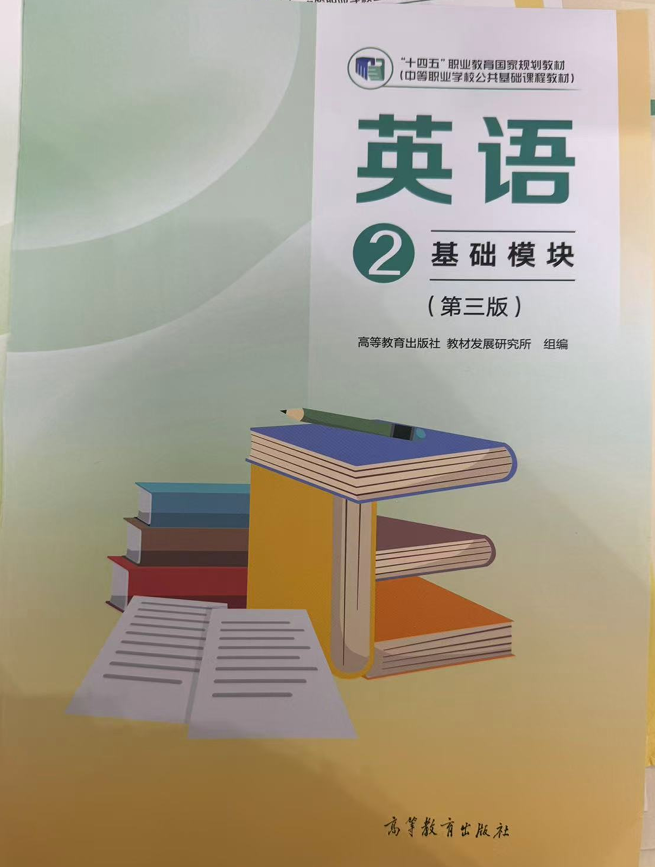
Unit 5 Ancient Civilization(A卷·基础巩固)《英语 基础模块2》(高教版第三版)单元过关卷(原卷版+解析版)
2026-07-27
|
2份
|
21页
|
47人阅读
|
0人下载
摘要:
**基本信息**
紧扣《英语 基础模块2》Unit 5古代文明主题,精准覆盖核心考点,通过基础巩固题型提升语言应用能力与文化意识。
**题型特征**
|题型|题量/分值|知识覆盖|命题特色|
|----|-----------|----------|----------|
|情景交际|10小题/20分|日常交际用语|结合展览、丝绸之路等情境,考查语言理解与表达|
|选词填空|10小题/15分|词汇运用|以青铜鼓文化路线为载体,强化词汇辨析与语境应用|
|阅读理解|20小题/40分|古代文明活动、丝绸之路等|素材贴近文化传承,培养跨文化理解与思维品质|
|完形填空|10小题/10分|语法与词汇|围绕丝绸之路主题,考查语法填空与上下文逻辑|
|书面表达|1题/15分|邮件写作|介绍丝绸之路,整合语言能力与文化意识,提升信息表达|
内容正文:
编写说明:本套试卷紧扣《英语 基础模块2》(高教版第三版)教材,以教材单元为基准精准覆盖核心考点。
每个单元设置AB卷,A卷为基础巩固卷,侧重基础考点训练,帮助学生扎实掌握知识要点;B卷为能力提升卷,注重知识整合与全面检测,引导学生构建知识网络。全书设计4份综合测试卷,模拟实战情境,聚焦解题能力突破,全面提升应试能力与知识应用水平。
《英语 基础模块2》(高教版第三版)《单元过关卷》
Unit 5 Ancient Civilization
A卷·基础巩固
考试时间:120分钟 满分:100分
班级_____姓名_____学号_____成绩_____
第一部分 情景交际(共10小题,每小题2分,共20分。)
阅读下列简短对话,从A、B、C、D四个选项中选出最佳选项,将对话补全。
1. — Which artist impresses you most in the exhibition?
— ________. His paintings always look fresh.
A. I need a ticket
B. Picasso does
C. It is on Friday
D. No, I cannot
【答案】B
【详解】上句询问哪位艺术家给人印象最深,答语应直接回答人物;Picasso does符合询问信息场景。
2. — Could you tell me when the Silk Road talk begins?
— ________. It begins at three this afternoon.
A. You are welcome
B. That is too hard
C. Sure
D. Good luck
【答案】C
【详解】Could you tell me...?表示请求信息,Sure表示愿意回答,后句给出具体时间。
3. — Thank you for helping me find the museum hall.
— ________.
A. You are welcome
B. It is expensive
C. I disagree
D. Turn off the light
【答案】A
【详解】对感谢的常用礼貌回应是You are welcome,其他选项与感谢场景不符。
4. — What do you think of the paper-cut work?
— ________. It shows a lively local custom.
A. It is lost
B. I am late
C. No problem
D. It is attractive
【答案】D
【详解】问题询问对剪纸作品的看法,后句说明它展示民俗且生动,attractive符合评价艺术作品的语境。
5. — Would you like to join our group presentation about the Mogao Caves?
— ________. I want to learn more about ancient art.
A. Never mind
B. I'd love to
C. Sorry to hear that
D. Be careful
【答案】B
【详解】Would you like to...?是邀请;后句表明愿意了解古代艺术,因此I'd love to合适。
6. — I wonder whether the museum is open on Monday.
— ________. Let's check the notice first.
A. I'm not sure
B. That sounds great
C. Congratulations
D. It is my treasure
【答案】A
【详解】后句建议先查看通知,说明说话人不确定开放时间,I'm not sure符合语境。
7. — Your report about the Maritime Silk Road is very clear.
— ________. I searched for the information carefully.
A. No smoking
B. I am sorry
C. Thank you
D. Turn left
【答案】C
【详解】对方表扬报告清晰,应表示感谢;后句补充认真查找资料。
8. — Please keep quiet while the reporter is interviewing the artist.
— ________.
A. I can sing now
B. Here you are
C. It is blue
D. OK, I will
【答案】D
【详解】上句提出要求,OK, I will表示接受指令并愿意遵守。
9. — The Silk Road linked China with many Western countries.
— ________. It was a path of cultural exchanges.
A. That's true
B. No way
C. I forgot my pen
D. Good night
【答案】A
【详解】后句进一步说明丝绸之路是文化交流之路,说明答话人认同上句。
10. — I feel nervous before speaking about ancient inventions.
— ________. You have prepared well.
A. It is impossible
B. Don't be late
C. Don't worry
D. I dislike history
【答案】C
【详解】对方表达紧张,后句给予鼓励,Don't worry符合安慰鼓励场景。
第二部分 选词填空(共10小题,每小题1.5分,共15分。)
阅读下列短文,从各题所给的A、B、C、D四个选项中选出最佳选项,填入相应的空格处。
The Bronze Drum on a Cultural Route
Bronze drums are important cultural treasures in Guangxi. In many museums, they help visitors understand how ancient people shared music, work and wishes. A bronze drum is not only a musical ____11____, but also a sign of local history.
Long ago, people used drums during festivals and important meetings. The sound was ____12____ and could travel far across villages. Today, guides often ____13____ visitors that the patterns on the drums show birds, boats and farming life. These pictures make the old stories ____14____ to young people.
During a cultural tour, students can follow a special ____15____ from a city museum to a folk art center. They may ____16____ for information, take notes and exchange ideas in English. Such activities ____17____ the past with modern study. They also help students become ____18____ about ancient civilization. When different cultures meet, people can learn from each other ____19____ respect. In this way, old treasures still ____20____ to our life today.
11. A. instrument B. station C. season D. address
12. A. weak B. private C. silent D. lively
13. A. borrow B. hide C. tell D. forget
14. A. expensive B. fresh C. western D. empty
15. A. route B. price C. wall D. card
16. A. wait B. arrive C. search D. sleep
17. A. break B. miss C. paint D. link
18. A. angry B. curious C. late D. careless
19. A. with B. but C. or D. so
20. A. throw B. close C. refuse D. contribute
【答案】11. A 12. D 13. C 14. B 15. A 16. C 17. D 18. B 19. A 20. D
【导语】本文是一篇说明文,介绍广西铜鼓这一文化珍品的历史意义、图案内容以及学生通过文化路线学习古代文明的方式。
【详解】11. A 考查名词词义辨析。根据not only a musical...可知,此处指铜鼓是一种乐器,instrument符合语境。
12. D 考查形容词词义辨析。根据could travel far可知,鼓声有生气、响亮,lively符合语义。
13. C 考查动词词义辨析。guides与visitors搭配,表示导游告诉参观者相关信息,tell正确。
14. B 考查形容词词义辨析。图案让古老故事对年轻人来说显得新鲜,fresh符合上下文。
15. A 考查名词词义辨析。从city museum到folk art center是一条参观路线,route正确。
16. C 考查动词短语。search for information表示查找信息,符合学生研学活动语境。
17. D 考查动词词义辨析。link...with...表示把过去与现代学习连接起来。
18. B 考查形容词词义辨析。学生了解文化后对古代文明产生好奇,curious符合语境。
19. A 考查介词。with respect表示带着尊重,说明文化交流的态度。
20. D 考查动词短语。contribute to表示有助于,说明古老珍品仍对现代生活有价值。
第三部分 阅读理解(共两节)
第一节(共15小题,每小题2分,共30分。)
阅读下列短文,从各题所给的A、B、C、D四个选项中选出最佳选项。
Text 1
Ancient Civilization Week
Ancient Civilization Week will be held at Guangxi City Vocational Training Center from May 12th to May 16th. The activity is open to Grade One and Grade Two students. Its purpose is to help students understand how ancient civilizations still influence modern study, work and communication. Students can visit small exhibitions, listen to short talks and complete practical tasks in groups. Each group will receive a learning card at the gate and collect stamps after finishing different tasks.
On Monday, the main hall will show pictures of ancient Egypt, Greece, China and Rome. The guide will explain how old writing systems, buildings and trade routes helped people exchange ideas. On Wednesday afternoon, the skills room will hold a paper-cut workshop. A local folk artist will teach students how to cut simple patterns of camels, boats and flowers. The works will be placed on a wall called Cultural Links. On Friday, a student reporter team will interview visitors in English and make a short audio program.
Students should follow three rules. First, arrive ten minutes early and bring a notebook. Second, do not touch glass cases or take food into the exhibition hall. Third, speak politely when asking for information. Students who finish all tasks can get a postcard of the Silk Road. To join the workshop, students must sign up before May 8th because only forty seats are available. For more information, please call 0771-286-5108 during school hours. The school hopes every student can learn history through active practice.
21. Where will Ancient Civilization Week be held?
A. At a city library.
B. In a shopping center.
C. At Guangxi City Vocational Training Center.
D. In an airport waiting room.
22. What can students do on Wednesday afternoon?
A. Join a paper-cut workshop.
B. Watch a sports game.
C. Clean the dining hall.
D. Buy silk products online.
23. Why must students sign up before May 8th?
A. Because the guide will leave Guangxi.
B. Because only forty seats are available.
C. Because the postcards are free.
D. Because the hall is closed on May 8th.
24. Which rule should students follow?
A. Take food into the hall.
B. Touch the glass cases.
C. Speak loudly near visitors.
D. Bring a notebook and arrive early.
25. What is the notice mainly about?
A. A week of learning activities about ancient civilizations.
B. A plan for repairing museum glass cases.
C. A report on modern city traffic.
D. A competition for selling postcards.
【答案】21. C 22. A 23. B 24. D 25. A
【导语】本文是一则活动通知,介绍古代文明主题周的举办地点、参与对象、活动安排、注意事项和报名方式。
【详解】21. 根据第一段第一句可知,活动地点是Guangxi City Vocational Training Center。
22. 根据第二段“On Wednesday afternoon...paper-cut workshop”可知,周三下午有剪纸工作坊。
23. 根据最后一段“because only forty seats are available”可知,名额有限。
24. 根据规则第一条“arrive ten minutes early and bring a notebook”可知答案。
25. 全文围绕古代文明主题周的时间、内容、规则和报名方式展开。
Text 2
A Volunteer beside the Silk Road Exhibits
During a weekend exhibition about the Silk Road, several vocational school students worked as young volunteers. Their task was not difficult, but it required patience and clear communication. They stood beside models of camels, ships and ancient coins, and answered visitors' questions in simple English. At first, some students felt nervous because many visitors were older than them. After a short training, they learned to smile, listen first and give information step by step.
One boy was responsible for the part about trade routes. When a visitor asked whether the Silk Road was only one road, he explained that it was a network of land and sea routes. He pointed at the map and said that people carried silk, glass, paper-making skills and other goods across different areas. Another student introduced the Maritime Silk Road. She said it linked Chinese ports with Korea, Japan, South Asia and even East Africa. Her explanation helped visitors see that ancient travel was also a form of cultural exchange.
The most popular corner showed a copy of a wall painting from the Mogao Caves. Students told visitors that the caves kept rich information about art, history and communication. They did not use difficult words. Instead, they used short sentences and examples, so children could understand. After the exhibition, the teacher praised the volunteers. They had improved their English and also learned that ancient treasures can connect people across time. The students agreed that service work made learning more meaningful. They decided to prepare clearer labels for the next school display.
26. What did the young volunteers need most for their task?
A. Difficult foreign words.
B. Expensive cameras.
C. A long holiday.
D. Patience and clear communication.
27. What did the boy explain about the Silk Road?
A. It was closed on weekends.
B. It was only a short city street.
C. It was a network of land and sea routes.
D. It was built for modern trains.
28. What does the underlined word “it” in Paragraph 2 refer to?
A. The model ship.
B. The Maritime Silk Road.
C. The weekend exhibition.
D. The vocational school.
29. How did students help children understand the Mogao Caves corner?
A. By asking them to leave early.
B. By using short sentences and examples.
C. By giving them difficult tests.
D. By hiding the wall painting copy.
30. What can we learn from the passage?
A. Service work can make learning more meaningful.
B. Ancient coins are useless today.
C. Visitors dislike student volunteers.
D. Only adults can explain history.
【答案】26. D 27. C 28. B 29. B 30. A
【导语】本文是一篇记叙文,讲述学生在丝绸之路展览中担任志愿者,通过讲解路线、海上交流和莫高窟艺术提升语言表达与文化理解。
【详解】26. 根据第一段“it required patience and clear communication”可知,志愿服务需要耐心和清晰交流。
27. 根据第二段“it was a network of land and sea routes”可知,丝绸之路不是单一路线。
28. 前句提到Maritime Silk Road,后句说明它连接多个地区,因此it指海上丝绸之路。
29. 根据第三段“They did not use difficult words...used short sentences and examples”可知答案。
30. 最后一句说明学生认为服务工作让学习更有意义,A项概括准确。
Text 3
Why Ancient Inventions Still Matter
Ancient inventions may look far away from modern life, but many of them still matter. Paper-making, printing, maps and shipbuilding skills changed how people learned, traveled and worked. When information could be written and printed more easily, knowledge traveled faster. When better maps and ships appeared, people could search for new routes and meet different cultures. These changes did not happen in one day. They came from long practice and exchanges among many groups of people.
The Silk Road was an important bridge for such exchanges. It linked the East and the West and carried more than goods. Travelers, artists and workers shared technology, stories and ideas. For example, silk products reached other countries, while new music, food and art styles came into China. The Maritime Silk Road also helped ports become lively places for business and communication. In this process, people learned that a civilization grows stronger when it learns from others.
For vocational school students, ancient inventions can also give modern lessons. A technician may learn from the careful spirit behind old tools. A tour guide may learn how to explain cultural treasures clearly. A designer may find fresh ideas in traditional patterns. The value of ancient civilization is not only in old objects behind glass. It is also in the way people solve problems, respect different cultures and contribute to a shared future. Understanding this can make students more confident when they introduce Chinese culture in English. It can also guide them to solve practical problems with patience and creativity.
31. What helped knowledge travel faster according to Paragraph 1?
A. Avoiding cultural meetings.
B. Closing all trade routes.
C. Keeping inventions secret.
D. Writing and printing information more easily.
32. What did the Silk Road carry besides goods?
A. Only modern machines.
B. Stories, technology and ideas.
C. School uniforms.
D. Private addresses.
33. What does the underlined word “ports” mean?
A. 票据
B. 山峰
C. 剧场
D. 港口
34. Which modern job is mentioned in the last paragraph?
A. A bus driver.
B. A tour guide.
C. A basketball player.
D. A fruit seller.
35. What is the best title for the passage?
A. A Short Notice for a Sports Meeting
B. How to Buy Modern Glass
C. Why Ancient Inventions Still Matter
D. Rules for Private Questions
【答案】31. D 32. B 33. D 34. B 35. C
【导语】本文是一篇说明文,介绍古代发明、丝绸之路交流及其对现代职业学习与文化表达的启示。
【详解】31. 根据第一段“When information could be written and printed more easily, knowledge traveled faster.”可知答案。
32. 根据第二段“shared technology, stories and ideas”可知,丝绸之路还承载技术、故事和思想。
33. Maritime Silk Road与business and communication搭配,ports指海上交通和贸易中的港口。
34. 最后一段提到“A tour guide may learn...”,故答案为tour guide。
35. 文章从古代发明对知识传播、文化交流和现代职业学习的意义展开,C项最贴合。
第二节(共5小题,每小题2分,共10分。)
阅读下列短文,从短文后的选项中选出最佳选项,并填入空白处。
Preparing a Silk Road Presentation
A group of students planned to make a short presentation about the Silk Road. They first wrote down what they already knew: silk, camels, old routes and exchanges between different cultures. ____36____. This helped them decide what to search for next instead of copying every fact they found.
The group divided the work into three parts. One student looked for information about the ancient land route. Another student read about the Maritime Silk Road and important Chinese ports. ____37____. When they met again, each student used simple English to share key points, and the others asked questions to make the information clearer.
Before designing slides, the group chose three pictures: a camel, a ship and a wall painting. ____38____. They also prepared a short opening sentence: The Silk Road was not only a trade route but also a bridge of friendship. Their teacher reminded them to explain difficult words with examples, so more classmates could understand.
On presentation day, the group spoke in turn. They did not speak too fast, and they pointed to the map when they talked about routes. ____39____. After the presentation, several classmates said they wanted to visit a museum about ancient art. The group felt proud because their work helped others become curious about history.
From this activity, the students learned more than facts. ____40____. They understood that good learning needs teamwork, clear structure and respect for different cultures. They also found that a small classroom project could open a wider window to history and communication.
A. A third student collected stories about Mogao Caves and wall paintings
B. They used each picture to explain one important idea
C. They also learned how to cooperate and present information clearly
D. They made a mind map with the word exchanges in the center
E. Their classmates listened carefully and took notes
【答案】36. D 37. A 38. B 39. E 40. C
【导语】本文是一篇记叙文,介绍学生小组准备丝绸之路英文展示的过程,体现资料筛选、分工合作、图片说明和课堂展示的语篇衔接。
【详解】36. D 空前说明学生写下已知内容,空后说明这帮助他们确定搜索方向,D项“制作思维导图”承上启下。
37. A 前文列举小组分工,A项继续补充第三位同学负责莫高窟资料,结构一致。
38. B 前句提到三张图片,B项说明每张图片的作用,衔接自然。
39. E 前句描述展示过程,后句说同学反馈,E项“同学认真听并记笔记”连接展示与反馈。
40. C 前句说学生学到的不只是事实,C项概括他们还学会合作与清晰表达。
第四部分 完形填空(共10小题,每小题1分,共10分。)
阅读下列短文,在空格处填入适当的词或用括号里的词的正确形式填空。
The Silk Road as a Bridge
The Silk Road was a famous route in ancient times. It ____41____ (link) China with many other places. Traders carried silk, tea and paper along the road. They also brought back new music ____42____ art styles.
People did not travel ____43____ (quick) in those days. A long journey could take months or even years. However, they kept ____44____ (move) because they wanted to exchange goods and ideas. Many towns became ____45____ (lively) than before when travelers arrived.
Today, the Silk Road is still remembered as ____46____ bridge of friendship. Students can learn that different civilizations should respect each other. History tells us ____47____ exchanges make the world richer. When we visit museums, old treasures ____48____ (show) quietly behind glass, but their stories are still fresh. Learning about them helps us ____49____ (understand) the past and think about ____50____ (we) future.
【答案】41. linked 42. and 43. quickly 44. moving 45. livelier 46. a 47. that 48. are shown 49. understand 50. our
【导语】本文是一篇说明文,介绍丝绸之路连接不同地区、促进商品与文化交流,并说明学习古代文明对理解过去和思考未来的意义。
【详解】【41题详解】考查动词时态。句意:它把中国与许多其他地方连接起来。叙述古代事实,用一般过去时,link变为linked。
【42题详解】考查连词。句意:他们也带回新的音乐和艺术风格。music与art styles为并列关系,用and连接。
【43题详解】考查副词。修饰动词travel应用副词,quick变为quickly。
【44题详解】考查非谓语动词。keep doing sth.表示持续做某事,move变为moving。
【45题详解】考查形容词比较级。than before提示使用比较级,lively变为livelier。
【46题详解】考查冠词。bridge为可数名词单数,且此处泛指“一座友谊之桥”,用a。
【47题详解】考查宾语从句连接词。tells us后接宾语从句,从句意义完整,用that引导。
【48题详解】考查被动语态。treasures与show之间为被动关系,主语复数且描述一般情况,用are shown。
【49题详解】考查动词。help sb. do sth.表示帮助某人做某事,故填understand。
【50题详解】考查形容词性物主代词。修饰名词future应用形容词性物主代词,we变为our。
第五部分 书面表达(共15分。)
51. 假设你是李华,你的外国朋友Ella想了解中国的丝绸之路。请根据以下要点,给她写一封电子邮件,简单介绍丝绸之路。具体内容和要求如下:
1. 词数70—80个;
2. 文中不可出现真实人名和校名;
3. 开头、结尾已给出,不计入总词数;
4. 相关内容及词汇仅供参考,可酌情选用。
主要内容
参考信息
参考词汇及短语
基本介绍
说明丝绸之路是一条古代交流路线
the Silk Road, ancient route, link, East and West
主要作用
介绍商品、技术和文化交流
exchange, silk, paper-making, art, technology
你的看法
表达它有助于友谊和文化理解
contribute to, friendship, understand different cultures
Dear Ella,
I am glad to share something about the Silk Road with you.
_____________________________________________________________________________________________________________________________________________________________________________________________________________________________________________________________________________________________________________________________________________________________________________________________________________________
I hope you can learn more about it one day.
Yours,
Li Hua
【答案】例文:
Dear Ella,
I am glad to share something about the Silk Road with you.
The Silk Road was an ancient route. It linked China with many places in the West. In the past, people carried silk, tea and other goods along the road. They also exchanged technology, art and ideas. For example, paper-making reached Europe through this route and helped people learn more easily. I think the Silk Road was more than a road. It was a bridge of friendship and cultural understanding. It still teaches us to respect different civilizations today.
I hope you can learn more about it one day.
Yours,
Li Hua
【导语】本篇书面表达属于应用文,要求给外国朋友写电子邮件介绍丝绸之路,内容应包括基本介绍、交流作用和个人看法。
【词汇积累】route路线 -> road道路;exchange交流 -> share分享;understand理解 -> know about了解;different不同的 -> various各种各样的
【句式拓展】原句:It linked China with many places in the West.
拓展句:It linked China with many places in the West, so people could exchange goods and ideas.
【点睛】It linked China with many places in the West.(运用了link...with...结构)
I think the Silk Road was more than a road.(运用了宾语从句)
原创精品资源学科网独家享有版权,侵权必究!
学科网(北京)股份有限公司
$
编写说明:本套试卷紧扣《英语 基础模块2》(高教版第三版)教材,以教材单元为基准精准覆盖核心考点。
每个单元设置AB卷,A卷为基础巩固卷,侧重基础考点训练,帮助学生扎实掌握知识要点;B卷为能力提升卷,注重知识整合与全面检测,引导学生构建知识网络。全书设计4份综合测试卷,模拟实战情境,聚焦解题能力突破,全面提升应试能力与知识应用水平。
《英语 基础模块2》(高教版第三版)《单元过关卷》
Unit 5 Ancient Civilization
A卷·基础巩固
考试时间:120分钟 满分:100分
班级_____姓名_____学号_____成绩_____
第一部分 情景交际(共10小题,每小题2分,共20分。)
阅读下列简短对话,从A、B、C、D四个选项中选出最佳选项,将对话补全。
1. — Which artist impresses you most in the exhibition?
— ________. His paintings always look fresh.
A. I need a ticket
B. Picasso does
C. It is on Friday
D. No, I cannot
2. — Could you tell me when the Silk Road talk begins?
— ________. It begins at three this afternoon.
A. You are welcome
B. That is too hard
C. Sure
D. Good luck
3. — Thank you for helping me find the museum hall.
— ________.
A. You are welcome
B. It is expensive
C. I disagree
D. Turn off the light
4. — What do you think of the paper-cut work?
— ________. It shows a lively local custom.
A. It is lost
B. I am late
C. No problem
D. It is attractive
5. — Would you like to join our group presentation about the Mogao Caves?
— ________. I want to learn more about ancient art.
A. Never mind
B. I'd love to
C. Sorry to hear that
D. Be careful
6. — I wonder whether the museum is open on Monday.
— ________. Let's check the notice first.
A. I'm not sure
B. That sounds great
C. Congratulations
D. It is my treasure
7. — Your report about the Maritime Silk Road is very clear.
— ________. I searched for the information carefully.
A. No smoking
B. I am sorry
C. Thank you
D. Turn left
8. — Please keep quiet while the reporter is interviewing the artist.
— ________.
A. I can sing now
B. Here you are
C. It is blue
D. OK, I will
9. — The Silk Road linked China with many Western countries.
— ________. It was a path of cultural exchanges.
A. That's true
B. No way
C. I forgot my pen
D. Good night
10. — I feel nervous before speaking about ancient inventions.
— ________. You have prepared well.
A. It is impossible
B. Don't be late
C. Don't worry
D. I dislike history
第二部分 选词填空(共10小题,每小题1.5分,共15分。)
阅读下列短文,从各题所给的A、B、C、D四个选项中选出最佳选项,填入相应的空格处。
The Bronze Drum on a Cultural Route
Bronze drums are important cultural treasures in Guangxi. In many museums, they help visitors understand how ancient people shared music, work and wishes. A bronze drum is not only a musical ____11____, but also a sign of local history.
Long ago, people used drums during festivals and important meetings. The sound was ____12____ and could travel far across villages. Today, guides often ____13____ visitors that the patterns on the drums show birds, boats and farming life. These pictures make the old stories ____14____ to young people.
During a cultural tour, students can follow a special ____15____ from a city museum to a folk art center. They may ____16____ for information, take notes and exchange ideas in English. Such activities ____17____ the past with modern study. They also help students become ____18____ about ancient civilization. When different cultures meet, people can learn from each other ____19____ respect. In this way, old treasures still ____20____ to our life today.
11. A. instrument B. station C. season D. address
12. A. weak B. private C. silent D. lively
13. A. borrow B. hide C. tell D. forget
14. A. expensive B. fresh C. western D. empty
15. A. route B. price C. wall D. card
16. A. wait B. arrive C. search D. sleep
17. A. break B. miss C. paint D. link
18. A. angry B. curious C. late D. careless
19. A. with B. but C. or D. so
20. A. throw B. close C. refuse D. contribute
第三部分 阅读理解(共两节)
第一节(共15小题,每小题2分,共30分。)
阅读下列短文,从各题所给的A、B、C、D四个选项中选出最佳选项。
Text 1
Ancient Civilization Week
Ancient Civilization Week will be held at Guangxi City Vocational Training Center from May 12th to May 16th. The activity is open to Grade One and Grade Two students. Its purpose is to help students understand how ancient civilizations still influence modern study, work and communication. Students can visit small exhibitions, listen to short talks and complete practical tasks in groups. Each group will receive a learning card at the gate and collect stamps after finishing different tasks.
On Monday, the main hall will show pictures of ancient Egypt, Greece, China and Rome. The guide will explain how old writing systems, buildings and trade routes helped people exchange ideas. On Wednesday afternoon, the skills room will hold a paper-cut workshop. A local folk artist will teach students how to cut simple patterns of camels, boats and flowers. The works will be placed on a wall called Cultural Links. On Friday, a student reporter team will interview visitors in English and make a short audio program.
Students should follow three rules. First, arrive ten minutes early and bring a notebook. Second, do not touch glass cases or take food into the exhibition hall. Third, speak politely when asking for information. Students who finish all tasks can get a postcard of the Silk Road. To join the workshop, students must sign up before May 8th because only forty seats are available. For more information, please call 0771-286-5108 during school hours. The school hopes every student can learn history through active practice.
21. Where will Ancient Civilization Week be held?
A. At a city library.
B. In a shopping center.
C. At Guangxi City Vocational Training Center.
D. In an airport waiting room.
22. What can students do on Wednesday afternoon?
A. Join a paper-cut workshop.
B. Watch a sports game.
C. Clean the dining hall.
D. Buy silk products online.
23. Why must students sign up before May 8th?
A. Because the guide will leave Guangxi.
B. Because only forty seats are available.
C. Because the postcards are free.
D. Because the hall is closed on May 8th.
24. Which rule should students follow?
A. Take food into the hall.
B. Touch the glass cases.
C. Speak loudly near visitors.
D. Bring a notebook and arrive early.
25. What is the notice mainly about?
A. A week of learning activities about ancient civilizations.
B. A plan for repairing museum glass cases.
C. A report on modern city traffic.
D. A competition for selling postcards.
Text 2
A Volunteer beside the Silk Road Exhibits
During a weekend exhibition about the Silk Road, several vocational school students worked as young volunteers. Their task was not difficult, but it required patience and clear communication. They stood beside models of camels, ships and ancient coins, and answered visitors' questions in simple English. At first, some students felt nervous because many visitors were older than them. After a short training, they learned to smile, listen first and give information step by step.
One boy was responsible for the part about trade routes. When a visitor asked whether the Silk Road was only one road, he explained that it was a network of land and sea routes. He pointed at the map and said that people carried silk, glass, paper-making skills and other goods across different areas. Another student introduced the Maritime Silk Road. She said it linked Chinese ports with Korea, Japan, South Asia and even East Africa. Her explanation helped visitors see that ancient travel was also a form of cultural exchange.
The most popular corner showed a copy of a wall painting from the Mogao Caves. Students told visitors that the caves kept rich information about art, history and communication. They did not use difficult words. Instead, they used short sentences and examples, so children could understand. After the exhibition, the teacher praised the volunteers. They had improved their English and also learned that ancient treasures can connect people across time. The students agreed that service work made learning more meaningful. They decided to prepare clearer labels for the next school display.
26. What did the young volunteers need most for their task?
A. Difficult foreign words.
B. Expensive cameras.
C. A long holiday.
D. Patience and clear communication.
27. What did the boy explain about the Silk Road?
A. It was closed on weekends.
B. It was only a short city street.
C. It was a network of land and sea routes.
D. It was built for modern trains.
28. What does the underlined word “it” in Paragraph 2 refer to?
A. The model ship.
B. The Maritime Silk Road.
C. The weekend exhibition.
D. The vocational school.
29. How did students help children understand the Mogao Caves corner?
A. By asking them to leave early.
B. By using short sentences and examples.
C. By giving them difficult tests.
D. By hiding the wall painting copy.
30. What can we learn from the passage?
A. Service work can make learning more meaningful.
B. Ancient coins are useless today.
C. Visitors dislike student volunteers.
D. Only adults can explain history.
Text 3
Why Ancient Inventions Still Matter
Ancient inventions may look far away from modern life, but many of them still matter. Paper-making, printing, maps and shipbuilding skills changed how people learned, traveled and worked. When information could be written and printed more easily, knowledge traveled faster. When better maps and ships appeared, people could search for new routes and meet different cultures. These changes did not happen in one day. They came from long practice and exchanges among many groups of people.
The Silk Road was an important bridge for such exchanges. It linked the East and the West and carried more than goods. Travelers, artists and workers shared technology, stories and ideas. For example, silk products reached other countries, while new music, food and art styles came into China. The Maritime Silk Road also helped ports become lively places for business and communication. In this process, people learned that a civilization grows stronger when it learns from others.
For vocational school students, ancient inventions can also give modern lessons. A technician may learn from the careful spirit behind old tools. A tour guide may learn how to explain cultural treasures clearly. A designer may find fresh ideas in traditional patterns. The value of ancient civilization is not only in old objects behind glass. It is also in the way people solve problems, respect different cultures and contribute to a shared future. Understanding this can make students more confident when they introduce Chinese culture in English. It can also guide them to solve practical problems with patience and creativity.
31. What helped knowledge travel faster according to Paragraph 1?
A. Avoiding cultural meetings.
B. Closing all trade routes.
C. Keeping inventions secret.
D. Writing and printing information more easily.
32. What did the Silk Road carry besides goods?
A. Only modern machines.
B. Stories, technology and ideas.
C. School uniforms.
D. Private addresses.
33. What does the underlined word “ports” mean?
A. 票据
B. 山峰
C. 剧场
D. 港口
34. Which modern job is mentioned in the last paragraph?
A. A bus driver.
B. A tour guide.
C. A basketball player.
D. A fruit seller.
35. What is the best title for the passage?
A. A Short Notice for a Sports Meeting
B. How to Buy Modern Glass
C. Why Ancient Inventions Still Matter
D. Rules for Private Questions
第二节(共5小题,每小题2分,共10分。)
阅读下列短文,从短文后的选项中选出最佳选项,并填入空白处。
Preparing a Silk Road Presentation
A group of students planned to make a short presentation about the Silk Road. They first wrote down what they already knew: silk, camels, old routes and exchanges between different cultures. ____36____. This helped them decide what to search for next instead of copying every fact they found.
The group divided the work into three parts. One student looked for information about the ancient land route. Another student read about the Maritime Silk Road and important Chinese ports. ____37____. When they met again, each student used simple English to share key points, and the others asked questions to make the information clearer.
Before designing slides, the group chose three pictures: a camel, a ship and a wall painting. ____38____. They also prepared a short opening sentence: The Silk Road was not only a trade route but also a bridge of friendship. Their teacher reminded them to explain difficult words with examples, so more classmates could understand.
On presentation day, the group spoke in turn. They did not speak too fast, and they pointed to the map when they talked about routes. ____39____. After the presentation, several classmates said they wanted to visit a museum about ancient art. The group felt proud because their work helped others become curious about history.
From this activity, the students learned more than facts. ____40____. They understood that good learning needs teamwork, clear structure and respect for different cultures. They also found that a small classroom project could open a wider window to history and communication.
A. A third student collected stories about Mogao Caves and wall paintings
B. They used each picture to explain one important idea
C. They also learned how to cooperate and present information clearly
D. They made a mind map with the word exchanges in the center
E. Their classmates listened carefully and took notes
第四部分 完形填空(共10小题,每小题1分,共10分。)
阅读下列短文,在空格处填入适当的词或用括号里的词的正确形式填空。
The Silk Road as a Bridge
The Silk Road was a famous route in ancient times. It ____41____ (link) China with many other places. Traders carried silk, tea and paper along the road. They also brought back new music ____42____ art styles.
People did not travel ____43____ (quick) in those days. A long journey could take months or even years. However, they kept ____44____ (move) because they wanted to exchange goods and ideas. Many towns became ____45____ (lively) than before when travelers arrived.
Today, the Silk Road is still remembered as ____46____ bridge of friendship. Students can learn that different civilizations should respect each other. History tells us ____47____ exchanges make the world richer. When we visit museums, old treasures ____48____ (show) quietly behind glass, but their stories are still fresh. Learning about them helps us ____49____ (understand) the past and think about ____50____ (we) future.
第五部分 书面表达(共15分。)
51. 假设你是李华,你的外国朋友Ella想了解中国的丝绸之路。请根据以下要点,给她写一封电子邮件,简单介绍丝绸之路。具体内容和要求如下:
1. 词数70—80个;
2. 文中不可出现真实人名和校名;
3. 开头、结尾已给出,不计入总词数;
4. 相关内容及词汇仅供参考,可酌情选用。
主要内容
参考信息
参考词汇及短语
基本介绍
说明丝绸之路是一条古代交流路线
the Silk Road, ancient route, link, East and West
主要作用
介绍商品、技术和文化交流
exchange, silk, paper-making, art, technology
你的看法
表达它有助于友谊和文化理解
contribute to, friendship, understand different cultures
Dear Ella,
I am glad to share something about the Silk Road with you.
_____________________________________________________________________________________________________________________________________________________________________________________________________________________________________________________________________________________________________________________________________________________________________________________________________________________
I hope you can learn more about it one day.
Yours,
Li Hua
原创精品资源学科网独家享有版权,侵权必究!
学科网(北京)股份有限公司
$
资源预览图

1

2

3
由于学科网是一个信息分享及获取的平台,不确保部分用户上传资料的 来源及知识产权归属。如您发现相关资料侵犯您的合法权益,请联系学科网,我们核实后将及时进行处理。