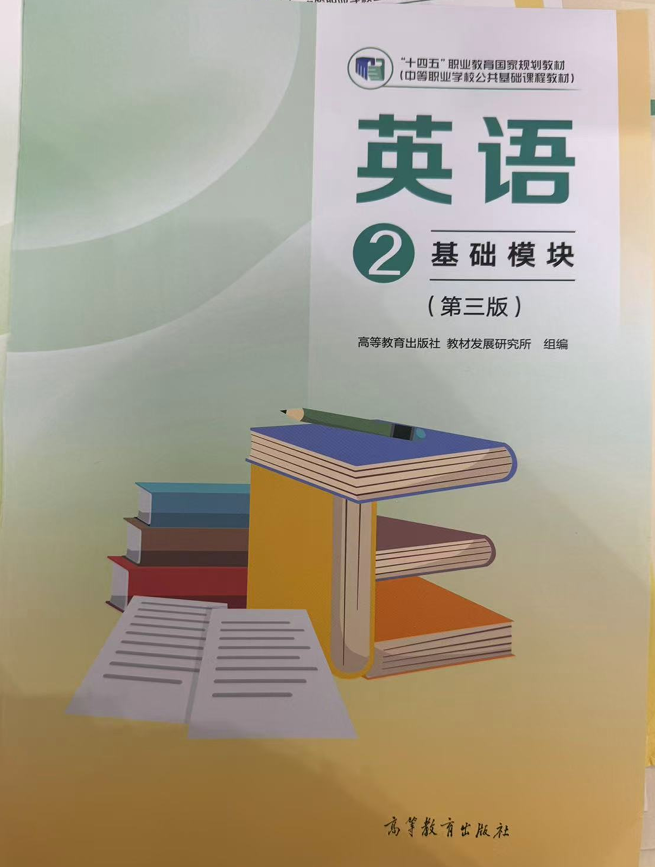
Unit 4 Volunteer Work(A卷·基础巩固)《英语 基础模块2》(高教版第三版)单元过关卷(原卷版+解析版)
2026-07-27
|
2份
|
21页
|
129人阅读
|
0人下载
摘要:
**基本信息**
紧扣《英语 基础模块2》Unit 4 Volunteer Work,以基础巩固为核心,通过真实志愿者情境训练语言理解与表达能力,适配单元复习需求。
**题型特征**
|题型|题量/分值|知识覆盖|命题特色|
|----|-----------|----------|----------|
|情景交际|10题/20分|日常交际用语|围绕志愿活动对话(如加入志愿队、询问职责),训练语言能力|
|选词填空|10题/15分|词汇运用与语法|社区花园志愿短文,考查public、plastic等实词及How引导的感叹句,强化语境应用(思维品质)|
|阅读理解|20题/40分|信息获取与推理|漓江清洁、社区阅览室等真实语篇,设题关注活动地点、任务等细节,提升文化意识|
|完形填空|10题/10分|语法(代词、非谓语等)|动物收容所志愿场景,通过they→them、clean→cleaning等语法填空巩固基础,培养责任意识|
|书面表达|1题/15分|邮件写作|申请社区志愿者,需说明目的、优势与期待,综合运用responsible等词汇,提升语言表达与思维品质|
内容正文:
编写说明:本套试卷紧扣《英语 基础模块2》(高教版第三版)教材,以教材单元为基准精准覆盖核心考点。
每个单元设置AB卷,A卷为基础巩固卷,侧重基础考点训练,帮助学生扎实掌握知识要点;B卷为能力提升卷,注重知识整合与全面检测,引导学生构建知识网络。全书设计4份综合测试卷,模拟实战情境,聚焦解题能力突破,全面提升应试能力与知识应用水平。
《英语 基础模块2》(高教版第三版)《单元过关卷》
Unit 4 Volunteer Work
A卷·基础巩固
考试时间:120分钟 满分:100分
班级_____姓名_____学号_____成绩_____
第一部分 情景交际(共10小题,每小题2分,共20分。)
阅读下列简短对话,从A、B、C、D四个选项中选出最佳选项,将对话补全。
1. — I want to join the weekend volunteer team for the community library.
— ________. You can help readers find books.
A. That is too noisy
B. Good idea
C. Never close it
D. I dislike reading
【答案】B
【详解】对方想参加图书馆志愿队,后句说明可帮助读者找书,Good idea表示赞同建议,符合语境。
2. — Could you tell me what volunteers do at the nursing home?
— ________. They read newspapers to the elderly and talk with them.
A. Sure
B. Goodbye
C. It is a palace
D. No parking
【答案】A
【详解】上句请求介绍志愿者工作,Sure表示愿意回答,后句具体说明服务内容。
3. — I am not good at communication. Can I still apply?
— ________. You may learn by practising with others.
A. You must stop learning
B. The room is empty
C. I want a ticket
D. Do not worry
【答案】D
【详解】对方担心沟通能力,后句给予练习建议,应先安慰Do not worry。
4. — What qualities should a museum volunteer have?
— ________.
A. At half past six
B. In the morning
C. He or she should be patient and responsible
D. By bus
【答案】C
【详解】问题询问志愿者应具备的品质,patient and responsible直接回答性格要求。
5. — How amazing the students are! They cleaned the beach in one morning.
— ________. They also recycled many plastic bottles.
A. Yes, they are
B. No, thank you
C. It is under the desk
D. I need a ruler
【答案】A
【详解】上句用感叹句表扬学生,后句补充积极行为,Yes, they are表示认同。
6. — May I know how to fill in the electronic application form?
— ________. Write your name, age and service time first.
A. It tastes good
B. No, I cannot see it
C. You are late
D. Of course
【答案】D
【详解】May I know...?是礼貌询问信息,Of course表示可以并引出填写方法。
7. — Thank you for guiding us around the exhibition hall.
— ________. I am glad to help.
A. I am hungry
B. You are welcome
C. That is dangerous
D. Turn off the light
【答案】B
【详解】对感谢的礼貌回应是You are welcome,后句I am glad to help也与帮助场景一致。
8. — I hope to gain more knowledge about sea protection.
— ________. The beach clean-up activity may help you.
A. Close the window
B. I lost my card
C. That sounds meaningful
D. No one is here
【答案】C
【详解】对方表达学习海洋保护知识的愿望,That sounds meaningful评价积极且承接后句。
9. — Would you like to take part in the tree-planting activity this Sunday?
— ________, but I need to ask my parents first.
A. I would love to
B. It is a pencil
C. Never mind
D. You are a doctor
【答案】A
【详解】Would you like to...?表示邀请,but后说明需先询问父母,因此答语应表示愿意参加。
10. — What a busy day for the volunteers!
— ________. They served visitors from morning to afternoon.
A. I am sorry to hear that
B. No, it is cheap
C. Exactly
D. Please sit down
【答案】C
【详解】上句感叹志愿者忙碌,后句说明服务时间长,Exactly表示完全同意。
第二部分 选词填空(共10小题,每小题1.5分,共15分。)
阅读下列短文,从各题所给的A、B、C、D四个选项中选出最佳选项,填入相应的空格处。
A Community Garden Volunteer Day
A community garden is a small green place where people can grow flowers and vegetables together. Last Saturday, a volunteer activity was held there to make the garden cleaner and more beautiful. Many students and local people joined it because they wanted to serve the ____11____.
Before the work started, the organizer gave everyone a clear ____12____ of jobs. Some volunteers picked up rubbish, and others collected ____13____ bottles for recycling. A few people watered young trees and checked the signs ____14____. The work was not difficult, but everyone needed to be ____15____ and careful.
At noon, the garden looked much better. An elderly visitor said, “____16____ helpful the young volunteers are!” The volunteers felt tired but happy. They did not only ____17____ a clean garden, but also gained useful knowledge about teamwork. The activity included cleaning, recycling and public service, so it was a(n) ____18____ lesson for everyone. Many students decided to ____19____ for the next activity and looked forward to more ____20____ in community service.
11. A. kitchen B. screen C. public D. ticket
12. A. list B. meal C. sound D. price
13. A. heavy B. private C. fresh D. plastic
14. A. sadly B. carefully C. alone D. never
15. A. angry B. noisy C. responsible D. empty
16. A. How B. What C. When D. Where
17. A. forgot B. broke C. missed D. created
18. A. boring B. amazing C. dangerous D. late
19. A. refuse B. hide C. lose D. apply
20. A. mistakes B. participation C. weather D. traffic
【答案】11. C 12. A 13. D 14. B 15. C 16. A 17. D 18. B 19. D 20. B
【导语】本文介绍一次社区花园志愿活动,包括任务分工、环保行动和参与者收获,体现志愿服务中的责任意识、团队合作和公共服务精神。
【详解】
11. C 根据serve the public这一常用表达可知,志愿者服务公众,public符合语境。
12. A 后文列出不同志愿者的工作,说明组织者给出工作清单,list符合语义。
13. D 根据for recycling可知,收集的是可回收塑料瓶,plastic bottles搭配自然。
14. B 志愿者检查标识应认真仔细,carefully修饰checked,符合动作方式。
15. C 志愿活动虽然不难,但需要负责和细心,responsible与careful并列。
16. A 感叹句中心词是形容词helpful,应使用How引导,结构为How + adj. + 主语 + be。
17. D 句意为他们不仅创造了一个干净的花园,也获得团队合作知识,created符合结果语义。
18. B 活动包含清洁、回收和公共服务,是令人赞叹且有意义的一课,amazing为正向评价。
19. D 根据for the next activity可知,此处表示报名参加下一次活动,apply for符合搭配。
20. B look forward to后接名词或动名词,participation in community service表示参与社区服务。
第三部分 阅读理解(共两节)
第一节(共15小题,每小题2分,共30分。)
阅读下列短文,从各题所给的A、B、C、D四个选项中选出最佳选项。
Text 1
Volunteer Notice for the Li River Clean-up
The Green City Volunteer Center will hold a Li River clean-up activity in Guilin on Saturday, April 18th. The activity is open to vocational school students aged 16 or above, community workers and local families. It will begin at 8:30 a.m. at the east gate of Seven Star Park and end at 4:00 p.m. near the riverside service station. The center hopes more young people can learn to protect water, respect public spaces and serve visitors in a polite way.
Volunteers will be divided into three groups after signing in. The first group will collect plastic bottles and food bags along the walking path. The second group will guide visitors to put rubbish into the right bins and explain simple garbage sorting rules. The third group will record the number of rubbish bags and take photos of the clean areas. Each group will have a team leader, and all volunteers must follow safety rules. They should wear comfortable shoes, bring a water bottle and avoid working too close to the river bank.
Before the activity, students need to fill in an electronic application form on the center website. The form includes name, age, telephone number and volunteer experience. Students chosen for the activity will be informed by text message before April 12th. At the end of the day, every volunteer will receive a certificate and a small handbook about river protection. The center also encourages students to write a short report about what they gain from the experience. Teachers believe this report can help students connect classroom English with real public action and make later service more careful.
21. Where will the clean-up activity be held?
A. Along the Li River in Guilin.
B. Inside a nursing home.
C. At a city museum.
D. In a school dining hall.
22. Who can join the activity according to the notice?
A. Only foreign tourists.
B. Only retired workers.
C. Vocational school students aged 16 or above.
D. Children under ten without adults.
23. What will the second group do?
A. Cook lunch for families.
B. Repair broken bicycles.
C. Sell tickets near the park.
D. Guide visitors to sort rubbish.
24. What should volunteers avoid doing?
A. Wearing comfortable shoes.
B. Working too close to the river bank.
C. Bringing a water bottle.
D. Following safety rules.
25. How will chosen students be informed?
A. By text message.
B. By a radio program.
C. By a newspaper report.
D. By a handwritten postcard.
【答案】21. A 22. C 23. D 24. B 25. A
【导语】本文是一则漓江环保志愿活动通知,说明活动时间地点、参与对象、分组任务、申请方式和安全要求。
【详解】
21. 细节理解题。根据第一段“The Green City Volunteer Center will hold a Li River clean-up activity in Guilin”可知,活动地点在桂林漓江沿线。
22. 细节理解题。根据第一段“The activity is open to vocational school students aged 16 or above...”可知,16岁及以上职校学生可以参加。
23. 细节理解题。根据第二段“The second group will guide visitors to put rubbish into the right bins...”可知,第二组负责引导游客垃圾分类。
24. 细节理解题。根据第二段“avoid working too close to the river bank”可知,志愿者应避免离河岸太近工作。
25. 细节理解题。根据第三段“will be informed by text message before April 12th”可知,入选学生会收到短信通知。
Text 2
A Quiet Room for Public Service
At the west corner of a community service center in Nanning, there is a small reading room. It is not large, but it is warm and clean. On weekends, the room is run by volunteers from different vocational schools. Some volunteers major in early childhood education, some learn computer skills, and others study tourism service. They come for the same purpose: to help children and elderly people enjoy reading in a friendly public place.
The volunteers do more than place books on shelves. In the morning, they open the windows, clean the tables and check whether the electronic reading screen works well. Then they guide young readers to choose suitable storybooks. For elderly visitors, they read notices aloud and explain how to borrow books with a card. When there is a reading activity, volunteers also organize seats, keep the room in order and remind children to speak softly. These small tasks require patience, communication skills and a strong sense of responsibility.
One weekend, a child could not find a picture book about animals. A volunteer looked through the list, found the book in the wrong area and gently told the child how to use the shelf labels. The child smiled and said thanks. The volunteer later wrote in her service diary, “What a small thing it was, but it made me understand service better.” The reading room is quiet, yet it teaches volunteers loud lessons: public service begins with careful actions, and knowledge becomes more useful when it is shared with others.
26. What is the reading room like?
A. Large but noisy.
B. Empty and cold.
C. Closed every weekend.
D. Small but warm and clean.
27. Which task is NOT mentioned in Paragraph 2?
A. Cleaning the tables.
B. Checking the electronic reading screen.
C. Cooking lunch for visitors.
D. Helping elderly visitors borrow books.
28. What qualities do the small tasks require?
A. Speed, money and luck.
B. Patience, communication skills and responsibility.
C. Silence, fear and private questions.
D. Strength, singing and drawing.
29. What does the underlined word “it” in Paragraph 3 refer to?
A. Finding and explaining the picture book.
B. Opening a new service center.
C. Buying an electronic screen.
D. Writing a long notice.
30. What can we learn from the passage?
A. Public service must be done in a large hall.
B. Children should not read animal books.
C. Sharing knowledge can make it more useful.
D. Volunteers only need computer skills.
【答案】26. D 27. C 28. B 29. A 30. C
【导语】本文讲述南宁社区阅读室的志愿服务,展现志愿者通过细致服务帮助不同读者,并在实践中理解公共服务价值。
【详解】
26. 细节理解题。根据第一段“It is not large, but it is warm and clean.”可知,阅读室虽小但温暖整洁。
27. 细节理解题。第二段提到清洁桌子、检查电子屏、帮助借书,没有提到为访客做午饭。
28. 细节理解题。根据第二段“These small tasks require patience, communication skills and a strong sense of responsibility.”可知答案。
29. 词句猜测题。前文讲志愿者帮孩子找到图画书并说明书架标签用法,it指这件小事。
30. 推理判断题。根据最后一句“knowledge becomes more useful when it is shared with others”可知,分享知识能让知识更有价值。
Text 3
Why Volunteer Applications Matter
Many students think a volunteer application form is only a piece of paper. In fact, it is the first step in matching the right person with the right service. A clear application helps an organizer understand what an applicant can do, when he or she is free and what kind of service he or she is interested in. It also teaches students to introduce themselves in an organized and responsible way.
A good application usually includes basic information, abilities, service experience and the service to offer. Basic information helps the organizer contact the applicant. Abilities show whether a person is skilled in communication, organization, repair work or foreign languages. Service experience is useful, but it is not always necessary. A student without experience may still be accepted if he or she is patient, willing to learn and able to follow rules. The service to offer should be specific. “I can guide visitors in English” is clearer than “I can help with anything.”
Writing an application also helps students think about their future jobs. A student who wants to major in tourism may apply to guide visitors at a museum. A student interested in animal care may serve at a shelter. During this process, students learn to connect interests, abilities and public needs. The organizer may later inform them about a written test or an interview. If students prepare honestly and carefully, the application will not be a burden. It will become a useful bridge between learning and real service. This process also trains them to respect facts, arrange information clearly and speak about their abilities honestly.
31. What is the first step in matching the right person with the right service?
A. Buying a new notebook.
B. Completing a clear volunteer application.
C. Changing a telephone number.
D. Hiding service experience.
32. Which of the following belongs to basic information?
A. A private diary.
B. A secret address of another person.
C. A list of jokes.
D. A telephone number for contact.
33. According to Paragraph 2, a student without experience may still be accepted if he or she ________.
A. is patient and willing to learn
B. refuses to follow rules
C. writes unclear answers
D. dislikes public service
34. Which sentence gives a specific service to offer?
A. I can help with anything.
B. I am not sure about my time.
C. I can guide visitors in English.
D. I have no interest in service.
35. What is the passage mainly about?
A. How to choose animal food.
B. Why volunteer applications are useful.
C. Where to buy electronic forms.
D. When to close a museum.
【答案】31. B 32. D 33. A 34. C 35. B
【导语】本文说明志愿者申请表的作用、主要内容和学习价值,强调清晰、真实、具体的申请能连接个人能力与公共服务需要。
【详解】
31. 细节理解题。根据第一段“it is the first step in matching the right person with the right service”可知,清晰的志愿者申请是第一步。
32. 细节理解题。根据第二段“Basic information helps the organizer contact the applicant.”可知,用于联系的电话号码属于基本信息。
33. 细节理解题。根据第二段“A student without experience may still be accepted if...”可知,有耐心、愿学习并守规则也可能被接受。
34. 细节理解题。第二段明确指出“I can guide visitors in English”比泛泛地说帮忙更具体。
35. 主旨大意题。全文围绕志愿者申请表为什么重要、包含什么、如何帮助学生展开,B项概括准确。
第二节(共5小题,每小题2分,共10分。)
阅读下列短文,从短文后的选项中选出最佳选项,并填入空白处。
Getting Ready for a Museum Volunteer Interview
The City Culture Museum is looking for weekend volunteers. I saw the notice on Monday and decided to apply because I enjoy Chinese history and like talking with visitors. ____36____ The form asked about my age, free time, communication skills and volunteer experience. I checked each answer twice before sending it because clear information is important for the organizer.
Two days later, I received a message about an interview. ____37____ I read the museum introduction, wrote down several questions visitors might ask and practised introducing one exhibit in simple English. My elder brother listened to me and reminded me to speak slowly. He also said that a volunteer should not guess when he or she does not know an answer.
On Saturday morning, I arrived at the museum fifteen minutes early. ____38____ The interviewer asked why I wanted to join, what I could do for visitors and how I would solve a problem. I answered honestly and gave one example from a community activity. When I forgot one word, I stayed calm and used another expression. ____39____
After the interview, I understood that preparation is not only reading facts. It also means thinking about responsibility, manners and teamwork. ____40____ Even if I am not chosen this time, I have gained useful experience for future service. I also learned to organize my answers, listen to advice and show respect when communicating with different people. Such habits will help me in school activities and future work. Before leaving, I thanked the interviewer and wrote a short note about my weak points.
A. So I began to prepare carefully.
B. The interviewer smiled and encouraged me to continue.
C. This interview became a lesson about real public service.
D. Several other students were waiting quietly outside the office.
E. First, I filled in the electronic application form online.
【答案】36. E 37. A 38. D 39. B 40. C
【导语】本文按时间顺序介绍一次博物馆志愿者面试准备经历,突出申请、准备、面试和反思之间的衔接。
【详解】
36. 空后提到The form asked about...,说明前句应引出填写电子申请表,E项衔接自然。
37. 空前收到面试信息,空后介绍阅读资料、准备问题和练习介绍,A项“因此我认真准备”承上启下。
38. 空前写到达博物馆,空后写面试官提问,D项描述办公室外等待场景,符合时间顺序。
39. 空前写忘词后保持冷静并换表达,B项面试官微笑鼓励,符合面试互动。
40. 空前总结准备的意义,空后谈获得经验,C项概括这次面试是公共服务的一课。
第四部分 完形填空(共10小题,每小题1分,共10分。)
阅读下列短文,在空格处填入适当的词或用括号里的词的正确形式填空。
A Day at the Animal Shelter
The animal shelter near the park needed weekend volunteers. Last Sunday, several students joined the activity. Before work began, the leader gave ____41____ (they) clear rules. She said, “____42____ careful you should be when you feed small animals!” Then everyone started ____43____ (clean) the cages and preparing food.
Some dogs were ____44____ (wash) by two volunteers, and other animals waited quietly. A notice on the wall asked visitors ____45____ (speak) softly. At noon, the volunteers helped sort out ____46____ (box) of animal food. They also wrote down information ____47____ a notebook so that the staff could check it later.
The work was simple, ____48____ it taught everyone responsibility. After the activity, the leader ____49____ (inform) the students about the next service day. Many students looked forward to ____50____ (come) again.
【答案】41. them 42. How 43. cleaning 44. washed 45. to speak 46. boxes 47. in 48. but 49. informed 50. coming
【导语】本文介绍学生在动物收容所参加周末志愿服务的经历,围绕清洁、喂养、记录信息和服务反思展开。
【详解】
41. 考查代词。动词gave后接人称代词宾格,they的宾格为them。
42. 考查感叹句。中心词是形容词careful,应用How引导感叹句。
43. 考查非谓语动词。start doing sth.表示开始做某事,clean变为cleaning。
44. 考查被动语态。dogs与wash之间是被动关系,空前有were,填过去分词washed。
45. 考查动词不定式。ask sb. to do sth.为固定结构,表示要求某人做某事。
46. 考查名词复数。boxes of animal food表示多箱动物食物,box变为boxes。
47. 考查介词。write down information in a notebook表示把信息写在笔记本里。
48. 考查连词。前句说工作简单,后句说它教会责任,前后有转折关系,用but。
49. 考查动词时态。全文叙述上周日的经历,用一般过去时,inform变为informed。
50. 考查非谓语动词。look forward to后接动名词,come变为coming。
第五部分 书面表达(共15分。)
51. 假设你是李华,你所在社区正在招募周末志愿者。请根据以下要点,写一封电子邮件申请参加志愿服务。具体内容和要求如下:
1.词数70—80个;
2.文中不可出现真实人名和校名;
3.开头、结尾已给出,不计入总词数;
4.相关内容及词汇仅供参考,可酌情选用。
主要内容
参考信息
参考词汇及短语
申请目的
说明想参加哪类志愿服务
apply to be a volunteer, community library, clean-up activity
个人优势
介绍自己的品质或能力
patient, responsible, be skilled in communication
服务内容与期待
说明可以做什么以及希望收获
guide visitors, sort books, gain knowledge, look forward to
Dear Sir/Madam,
I am writing to apply to be a weekend volunteer in our community.
_____________________________________________________________________________________________________________________________________________________________________________________________________________________________________________________________________________________________________________________________________________________________________________________________________________________
I am looking forward to your reply.
Yours,
Li Hua
【答案】例文:
Dear Sir/Madam,
I am writing to apply to be a weekend volunteer in our community.
I would like to work in the community library. I am patient and responsible, and I am skilled in communication. I can help sort books, guide young readers and keep the reading room clean. I also like reading stories about Chinese culture, so I can share simple ideas with children. I hope to gain more knowledge about public service and make the community warmer. What a meaningful chance it will be for me!
I am looking forward to your reply.
Yours,
Li Hua
【解析】
【导语】本篇书面表达属于电子邮件申请,要求围绕申请目的、个人优势、可提供服务和期待收获完成一封志愿服务申请邮件。
【词汇积累】
申请:apply -> ask to join
负责的:responsible -> careful
引导:guide -> lead
获得:gain -> get
【句式拓展】
原句:I can help sort books.
拓展句:I can help sort books so that readers can find them more easily.
【点睛】
I am patient and responsible, and I am skilled in communication. (运用了and连接并列信息)
What a meaningful chance it will be for me! (运用了what引导的感叹句)
原创精品资源学科网独家享有版权,侵权必究!
学科网(北京)股份有限公司
$
编写说明:本套试卷紧扣《英语 基础模块2》(高教版第三版)教材,以教材单元为基准精准覆盖核心考点。
每个单元设置AB卷,A卷为基础巩固卷,侧重基础考点训练,帮助学生扎实掌握知识要点;B卷为能力提升卷,注重知识整合与全面检测,引导学生构建知识网络。全书设计4份综合测试卷,模拟实战情境,聚焦解题能力突破,全面提升应试能力与知识应用水平。
《英语 基础模块2》(高教版第三版)《单元过关卷》
Unit 4 Volunteer Work
A卷·基础巩固
考试时间:120分钟 满分:100分
班级_____姓名_____学号_____成绩_____
第一部分 情景交际(共10小题,每小题2分,共20分。)
阅读下列简短对话,从A、B、C、D四个选项中选出最佳选项,将对话补全。
1. — I want to join the weekend volunteer team for the community library.
— ________. You can help readers find books.
A. That is too noisy
B. Good idea
C. Never close it
D. I dislike reading
2. — Could you tell me what volunteers do at the nursing home?
— ________. They read newspapers to the elderly and talk with them.
A. Sure
B. Goodbye
C. It is a palace
D. No parking
3. — I am not good at communication. Can I still apply?
— ________. You may learn by practising with others.
A. You must stop learning
B. The room is empty
C. I want a ticket
D. Do not worry
4. — What qualities should a museum volunteer have?
— ________.
A. At half past six
B. In the morning
C. He or she should be patient and responsible
D. By bus
5. — How amazing the students are! They cleaned the beach in one morning.
— ________. They also recycled many plastic bottles.
A. Yes, they are
B. No, thank you
C. It is under the desk
D. I need a ruler
6. — May I know how to fill in the electronic application form?
— ________. Write your name, age and service time first.
A. It tastes good
B. No, I cannot see it
C. You are late
D. Of course
7. — Thank you for guiding us around the exhibition hall.
— ________. I am glad to help.
A. I am hungry
B. You are welcome
C. That is dangerous
D. Turn off the light
8. — I hope to gain more knowledge about sea protection.
— ________. The beach clean-up activity may help you.
A. Close the window
B. I lost my card
C. That sounds meaningful
D. No one is here
9. — Would you like to take part in the tree-planting activity this Sunday?
— ________, but I need to ask my parents first.
A. I would love to
B. It is a pencil
C. Never mind
D. You are a doctor
10. — What a busy day for the volunteers!
— ________. They served visitors from morning to afternoon.
A. I am sorry to hear that
B. No, it is cheap
C. Exactly
D. Please sit down
第二部分 选词填空(共10小题,每小题1.5分,共15分。)
阅读下列短文,从各题所给的A、B、C、D四个选项中选出最佳选项,填入相应的空格处。
A Community Garden Volunteer Day
A community garden is a small green place where people can grow flowers and vegetables together. Last Saturday, a volunteer activity was held there to make the garden cleaner and more beautiful. Many students and local people joined it because they wanted to serve the ____11____.
Before the work started, the organizer gave everyone a clear ____12____ of jobs. Some volunteers picked up rubbish, and others collected ____13____ bottles for recycling. A few people watered young trees and checked the signs ____14____. The work was not difficult, but everyone needed to be ____15____ and careful.
At noon, the garden looked much better. An elderly visitor said, “____16____ helpful the young volunteers are!” The volunteers felt tired but happy. They did not only ____17____ a clean garden, but also gained useful knowledge about teamwork. The activity included cleaning, recycling and public service, so it was a(n) ____18____ lesson for everyone. Many students decided to ____19____ for the next activity and looked forward to more ____20____ in community service.
11. A. kitchen B. screen C. public D. ticket
12. A. list B. meal C. sound D. price
13. A. heavy B. private C. fresh D. plastic
14. A. sadly B. carefully C. alone D. never
15. A. angry B. noisy C. responsible D. empty
16. A. How B. What C. When D. Where
17. A. forgot B. broke C. missed D. created
18. A. boring B. amazing C. dangerous D. late
19. A. refuse B. hide C. lose D. apply
20. A. mistakes B. participation C. weather D. traffic
第三部分 阅读理解(共两节)
第一节(共15小题,每小题2分,共30分。)
阅读下列短文,从各题所给的A、B、C、D四个选项中选出最佳选项。
Text 1
Volunteer Notice for the Li River Clean-up
The Green City Volunteer Center will hold a Li River clean-up activity in Guilin on Saturday, April 18th. The activity is open to vocational school students aged 16 or above, community workers and local families. It will begin at 8:30 a.m. at the east gate of Seven Star Park and end at 4:00 p.m. near the riverside service station. The center hopes more young people can learn to protect water, respect public spaces and serve visitors in a polite way.
Volunteers will be divided into three groups after signing in. The first group will collect plastic bottles and food bags along the walking path. The second group will guide visitors to put rubbish into the right bins and explain simple garbage sorting rules. The third group will record the number of rubbish bags and take photos of the clean areas. Each group will have a team leader, and all volunteers must follow safety rules. They should wear comfortable shoes, bring a water bottle and avoid working too close to the river bank.
Before the activity, students need to fill in an electronic application form on the center website. The form includes name, age, telephone number and volunteer experience. Students chosen for the activity will be informed by text message before April 12th. At the end of the day, every volunteer will receive a certificate and a small handbook about river protection. The center also encourages students to write a short report about what they gain from the experience. Teachers believe this report can help students connect classroom English with real public action and make later service more careful.
21. Where will the clean-up activity be held?
A. Along the Li River in Guilin.
B. Inside a nursing home.
C. At a city museum.
D. In a school dining hall.
22. Who can join the activity according to the notice?
A. Only foreign tourists.
B. Only retired workers.
C. Vocational school students aged 16 or above.
D. Children under ten without adults.
23. What will the second group do?
A. Cook lunch for families.
B. Repair broken bicycles.
C. Sell tickets near the park.
D. Guide visitors to sort rubbish.
24. What should volunteers avoid doing?
A. Wearing comfortable shoes.
B. Working too close to the river bank.
C. Bringing a water bottle.
D. Following safety rules.
25. How will chosen students be informed?
A. By text message.
B. By a radio program.
C. By a newspaper report.
D. By a handwritten postcard.
Text 2
A Quiet Room for Public Service
At the west corner of a community service center in Nanning, there is a small reading room. It is not large, but it is warm and clean. On weekends, the room is run by volunteers from different vocational schools. Some volunteers major in early childhood education, some learn computer skills, and others study tourism service. They come for the same purpose: to help children and elderly people enjoy reading in a friendly public place.
The volunteers do more than place books on shelves. In the morning, they open the windows, clean the tables and check whether the electronic reading screen works well. Then they guide young readers to choose suitable storybooks. For elderly visitors, they read notices aloud and explain how to borrow books with a card. When there is a reading activity, volunteers also organize seats, keep the room in order and remind children to speak softly. These small tasks require patience, communication skills and a strong sense of responsibility.
One weekend, a child could not find a picture book about animals. A volunteer looked through the list, found the book in the wrong area and gently told the child how to use the shelf labels. The child smiled and said thanks. The volunteer later wrote in her service diary, “What a small thing it was, but it made me understand service better.” The reading room is quiet, yet it teaches volunteers loud lessons: public service begins with careful actions, and knowledge becomes more useful when it is shared with others.
26. What is the reading room like?
A. Large but noisy.
B. Empty and cold.
C. Closed every weekend.
D. Small but warm and clean.
27. Which task is NOT mentioned in Paragraph 2?
A. Cleaning the tables.
B. Checking the electronic reading screen.
C. Cooking lunch for visitors.
D. Helping elderly visitors borrow books.
28. What qualities do the small tasks require?
A. Speed, money and luck.
B. Patience, communication skills and responsibility.
C. Silence, fear and private questions.
D. Strength, singing and drawing.
29. What does the underlined word “it” in Paragraph 3 refer to?
A. Finding and explaining the picture book.
B. Opening a new service center.
C. Buying an electronic screen.
D. Writing a long notice.
30. What can we learn from the passage?
A. Public service must be done in a large hall.
B. Children should not read animal books.
C. Sharing knowledge can make it more useful.
D. Volunteers only need computer skills.
Text 3
Why Volunteer Applications Matter
Many students think a volunteer application form is only a piece of paper. In fact, it is the first step in matching the right person with the right service. A clear application helps an organizer understand what an applicant can do, when he or she is free and what kind of service he or she is interested in. It also teaches students to introduce themselves in an organized and responsible way.
A good application usually includes basic information, abilities, service experience and the service to offer. Basic information helps the organizer contact the applicant. Abilities show whether a person is skilled in communication, organization, repair work or foreign languages. Service experience is useful, but it is not always necessary. A student without experience may still be accepted if he or she is patient, willing to learn and able to follow rules. The service to offer should be specific. “I can guide visitors in English” is clearer than “I can help with anything.”
Writing an application also helps students think about their future jobs. A student who wants to major in tourism may apply to guide visitors at a museum. A student interested in animal care may serve at a shelter. During this process, students learn to connect interests, abilities and public needs. The organizer may later inform them about a written test or an interview. If students prepare honestly and carefully, the application will not be a burden. It will become a useful bridge between learning and real service. This process also trains them to respect facts, arrange information clearly and speak about their abilities honestly.
31. What is the first step in matching the right person with the right service?
A. Buying a new notebook.
B. Completing a clear volunteer application.
C. Changing a telephone number.
D. Hiding service experience.
32. Which of the following belongs to basic information?
A. A private diary.
B. A secret address of another person.
C. A list of jokes.
D. A telephone number for contact.
33. According to Paragraph 2, a student without experience may still be accepted if he or she ________.
A. is patient and willing to learn
B. refuses to follow rules
C. writes unclear answers
D. dislikes public service
34. Which sentence gives a specific service to offer?
A. I can help with anything.
B. I am not sure about my time.
C. I can guide visitors in English.
D. I have no interest in service.
35. What is the passage mainly about?
A. How to choose animal food.
B. Why volunteer applications are useful.
C. Where to buy electronic forms.
D. When to close a museum.
第二节(共5小题,每小题2分,共10分。)
阅读下列短文,从短文后的选项中选出最佳选项,并填入空白处。
Getting Ready for a Museum Volunteer Interview
The City Culture Museum is looking for weekend volunteers. I saw the notice on Monday and decided to apply because I enjoy Chinese history and like talking with visitors. ____36____ The form asked about my age, free time, communication skills and volunteer experience. I checked each answer twice before sending it because clear information is important for the organizer.
Two days later, I received a message about an interview. ____37____ I read the museum introduction, wrote down several questions visitors might ask and practised introducing one exhibit in simple English. My elder brother listened to me and reminded me to speak slowly. He also said that a volunteer should not guess when he or she does not know an answer.
On Saturday morning, I arrived at the museum fifteen minutes early. ____38____ The interviewer asked why I wanted to join, what I could do for visitors and how I would solve a problem. I answered honestly and gave one example from a community activity. When I forgot one word, I stayed calm and used another expression. ____39____
After the interview, I understood that preparation is not only reading facts. It also means thinking about responsibility, manners and teamwork. ____40____ Even if I am not chosen this time, I have gained useful experience for future service. I also learned to organize my answers, listen to advice and show respect when communicating with different people. Such habits will help me in school activities and future work. Before leaving, I thanked the interviewer and wrote a short note about my weak points.
A. So I began to prepare carefully.
B. The interviewer smiled and encouraged me to continue.
C. This interview became a lesson about real public service.
D. Several other students were waiting quietly outside the office.
E. First, I filled in the electronic application form online.
第四部分 完形填空(共10小题,每小题1分,共10分。)
阅读下列短文,在空格处填入适当的词或用括号里的词的正确形式填空。
A Day at the Animal Shelter
The animal shelter near the park needed weekend volunteers. Last Sunday, several students joined the activity. Before work began, the leader gave ____41____ (they) clear rules. She said, “____42____ careful you should be when you feed small animals!” Then everyone started ____43____ (clean) the cages and preparing food.
Some dogs were ____44____ (wash) by two volunteers, and other animals waited quietly. A notice on the wall asked visitors ____45____ (speak) softly. At noon, the volunteers helped sort out ____46____ (box) of animal food. They also wrote down information ____47____ a notebook so that the staff could check it later.
The work was simple, ____48____ it taught everyone responsibility. After the activity, the leader ____49____ (inform) the students about the next service day. Many students looked forward to ____50____ (come) again.
第五部分 书面表达(共15分。)
51. 假设你是李华,你所在社区正在招募周末志愿者。请根据以下要点,写一封电子邮件申请参加志愿服务。具体内容和要求如下:
1.词数70—80个;
2.文中不可出现真实人名和校名;
3.开头、结尾已给出,不计入总词数;
4.相关内容及词汇仅供参考,可酌情选用。
主要内容
参考信息
参考词汇及短语
申请目的
说明想参加哪类志愿服务
apply to be a volunteer, community library, clean-up activity
个人优势
介绍自己的品质或能力
patient, responsible, be skilled in communication
服务内容与期待
说明可以做什么以及希望收获
guide visitors, sort books, gain knowledge, look forward to
Dear Sir/Madam,
I am writing to apply to be a weekend volunteer in our community.
_____________________________________________________________________________________________________________________________________________________________________________________________________________________________________________________________________________________________________________________________________________________________________________________________________________________
I am looking forward to your reply.
Yours,
Li Hua
原创精品资源学科网独家享有版权,侵权必究!
学科网(北京)股份有限公司
$
资源预览图

1

2

3
由于学科网是一个信息分享及获取的平台,不确保部分用户上传资料的 来源及知识产权归属。如您发现相关资料侵犯您的合法权益,请联系学科网,我们核实后将及时进行处理。