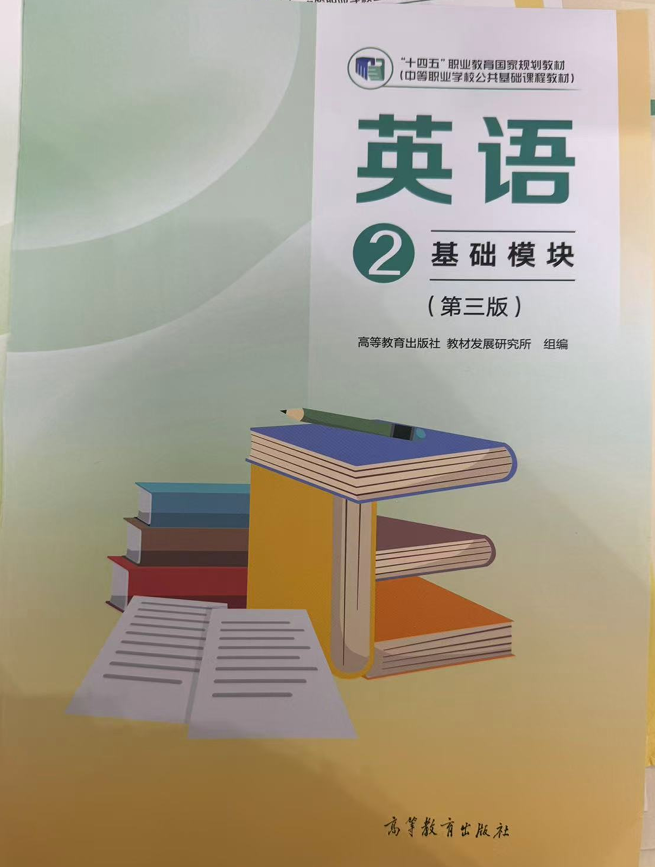
Unit 1 Travel(B卷·能力提升)《英语 基础模块2》(高教版第三版)单元过关卷(原卷版+解析版)
2026-07-27
|
2份
|
22页
|
42人阅读
|
0人下载
摘要:
**基本信息**
《英语 基础模块2》Unit 1 Travel B卷(能力提升),紧扣教材核心考点,通过真实旅行情境设计,覆盖语言能力、文化意识等核心素养,适配单元复习需求。
**题型特征**
|题型|题量/分值|知识覆盖|命题特色|
|----|-----------|----------|----------|
|情景交际|10题/20分|日常旅行对话|真实情境对话,考查语言理解与表达能力|
|选词填空|10题/15分|旅行词汇(journey, experience等)|语篇整合,融入徐霞客等文化传承素材|
|阅读理解(一)|15题/30分|旅行产品设计、马可·波罗记录等|多文本覆盖文化理解与思维分析,体现跨文化意识|
|阅读理解(二)|5题/10分|旅行日记价值|七选五题型,考查信息匹配与逻辑思维|
|完形填空|10题/10分|地方旅行路线描述|语法与词汇结合,强化语言运用能力|
|书面表达|1题/15分|设计桂林学习游路线|真实任务驱动,综合考查语言输出与跨文化沟通能力|
内容正文:
编写说明:本套试卷紧扣《英语 基础模块2》(高教版第三版)教材,以教材单元为基准精准覆盖核心考点。
每个单元设置AB卷,A卷为基础巩固卷,侧重基础考点训练,帮助学生扎实掌握知识要点;B卷为能力提升卷,注重知识整合与全面检测,引导学生构建知识网络。全书设计4份综合测试卷,模拟实战情境,聚焦解题能力突破,全面提升应试能力与知识应用水平。
《英语 基础模块2》(高教版第三版)《单元过关卷》
Unit 1 Travel
B卷·能力提升
考试时间:120分钟 满分:100分
班级_____姓名_____学号_____成绩_____
第一部分 情景交际(共10小题,每小题2分,共20分。)
阅读下列简短对话,从A、B、C、D四个选项中选出最佳选项,将对话补全。
1. — I am interested in Chinese culture and natural beauty. Which tour do you suggest?
— ________. It includes a museum, a river walk and local food.
A. I suggest the Guangxi culture route
B. I lost my student card
C. The train was late yesterday
D. Please write your name here
2. — Could you help me check the room booking memo?
— ________. Let me look at the dates first.
A. No smoking
B. It is a dynasty
C. Certainly
D. I dislike maps
3. — The package tour covers four major places in two days.
— ________. We should read the plan carefully.
A. You are welcome
B. It is under the chair
C. I have no ticket
D. That sounds a little busy
4. — What did you learn from Xu Xiake's story?
— ________.
A. A high floor is better
B. We should make efforts to realize our dreams
C. The room number is 305
D. Luggage is always cheap
5. — I am afraid we may miss the train.
— ________. The station is only ten minutes away.
A. Don't worry
B. I agree to quit
C. It is a family suite
D. Please taste the soup
6. — May I ask why you want to visit the Temple of Heaven?
— ________. I want to know more about Chinese history.
A. I need a bigger bag
B. It is raining hard
C. Because I am interested in its culture
D. You can book online
7. — The guide says we should avoid traveling during the busiest hour.
— ________. It can save us time.
A. No, never
B. Sorry, I lost it
C. It is not a ticket
D. I agree
8. — Would you like to help design the travel poster?
— ________, but I need to collect some pictures first.
A. It is too far
B. I'd love to
C. The room is quiet
D. I know the price
9. — What is the most important thing in a travel plan?
— ________.
A. Matching the route with travelers' needs
B. Forgetting the time
C. Carrying all sorts of heavy things
D. Choosing no destination
10. — We finally finished the English travel report.
— ________! Your team worked hard.
A. Never mind
B. It is my luggage
C. Congratulations
D. Turn left
第二部分 选词填空(共10小题,每小题1.5分,共15分。)
阅读下列短文,从各题所给的A、B、C、D四个选项中选出最佳选项,填入相应的空格处。
A Poster about Famous Travelers
A city library planned a travel exhibition called “Talks across Time”. The poster needed to introduce Xu Xiake and Marco Polo. Before writing, the student volunteers checked books and ____11____ important information. Xu Xiake was famous for his long ____12____ throughout China. He often walked with simple luggage and faced all sorts of difficulties. However, he did not ____13____ his dream. His diary later became a book of great ____14____ value.
Marco Polo set off at a young age and saw many places along the Silk Road. The volunteers wanted the poster to be clear and ____15____, so visitors could understand it quickly. They added maps, dates and a short question: “What can travel bring to us?” When the poster was ____16____ completed, many visitors stopped to read it. Some said travel helped people ____17____ different cultures. Others said careful records could turn a ____18____ trip into lasting knowledge. The exhibition showed that travel is not only about distance, ____19____ also about courage, discovery and learning. Such stories can encourage young people to make efforts ____20____ their dreams.
11. A. wasted B. missed C. recorded D. changed
12. A. ticket B. rule C. habit D. journey
13. A. cover B. quit C. book D. compare
14. A. cultural B. noisy C. daily D. private
15. A. heavy B. absent C. useful D. asleep
16. A. suddenly B. badly C. early D. finally
17. A. avoid B. experience C. hide D. forget
18. A. major B. wrong C. quiet D. late
19. A. so B. or C. but D. because
20. A. realize B. realizing C. realized D. to realize
第三部分 阅读理解(一)(共15小题,每小题2分,共30分。)
阅读下列短文,从各题所给的A、B、C、D四个选项中选出最佳选项。
Text 1
A Smart Travel Agency
Blue River Travel Agency is trying to make short trips easier for vocational school students. It has designed three products for weekend learning. The first product is a city culture walk. Students visit a museum, talk with a guide in English and record three discoveries. The second product is a nature route. Students take a bus to a wetland park, learn about plants and practise describing scenery. The third product is a service experience tour. Students visit a hotel and learn how workers book rooms, welcome guests and solve small problems politely.
Each product lasts one day and costs less than 100 yuan. Students do not need to carry heavy luggage. They only need comfortable shoes, water, a notebook and their student cards. The agency also gives every group a route card. It shows the meeting time, transport, safety rules and emergency phone number.
The manager says these products are not ordinary sightseeing trips. They are designed to connect English learning with real service situations. Students can learn useful words such as ticket, local, journey and experience. They can also understand why a clear plan matters. If a route covers too many places, students may feel tired and learn little. If a route matches their needs, even a short trip can become meaningful. Before each trip, teachers can choose a product according to the class goal. A service major may choose the hotel tour, while a tourism major may choose the culture walk. This flexible design keeps the trip useful instead of making it a simple weekend activity.
21. Who are the travel products mainly designed for?
A. Foreign managers.
B. Vocational school students.
C. Retired doctors.
D. Hotel owners only.
22. What can students do on the city culture walk?
A. Repair buses.
B. Cook for guests.
C. Sell luggage.
D. Visit a museum and record discoveries.
23. What should students bring for the one-day trip?
A. Comfortable shoes, water, a notebook and student cards.
B. Heavy luggage and many coats.
C. A room card and a family suite.
D. All their textbooks and a computer.
24. Why are the products different from ordinary sightseeing trips?
A. They avoid all English practice.
B. They cost more than 1,000 yuan.
C. They connect English learning with real service situations.
D. They ask students to travel for a month.
25. What may happen if a route covers too many places?
A. Students may feel tired and learn little.
B. The agency will close at once.
C. Every student will become a guide.
D. The ticket will be free.
Text 2
Marco Polo and the Power of Records
Marco Polo was a famous traveler from Italy. He set off for his first long journey at the age of seventeen. During his travels, he went through many places and saw different customs, markets, roads and cities. His journey lasted over twenty-four years. After returning home, stories about his travels were recorded in a book. The book helped many people in Europe learn about places far away.
Some readers today may ask why old travel records still matter. One reason is that they show how people tried to understand the world before modern transport and the Internet. Travelers had to observe carefully, ask questions and remember details. They could not simply search online. Another reason is that records connect cultures. A description of food, clothing or city life may help readers imagine how people lived in another place.
Of course, old records may not be perfect. A traveler might misunderstand something because of language or culture differences. So careful readers should compare different sources. However, this does not reduce the value of travel records. They remind us that travel is a way to see, ask and learn. For vocational school students, keeping a travel diary during a study trip can improve English writing and thinking. A record of a small local trip may also become a bridge to a wider world. When students compare Marco Polo's long journey with their own short trips, they may understand that the size of a journey is not the only important thing. The key is whether travelers can observe honestly, think carefully and share what they learn.
26. Where was Marco Polo from?
A. China.
B. Italy.
C. Russia.
D. France.
27. How long did Marco Polo's journey last?
A. Over 24 years.
B. Two days.
C. Five months.
D. One summer.
28. Why did travelers need to observe carefully in the past?
A. Because they had no modern transport or Internet.
B. Because tickets were always free.
C. Because they disliked asking questions.
D. Because all cities were the same.
29. What should careful readers do with old records?
A. Throw them away at once.
B. Read only the titles.
C. Compare different sources.
D. Stop learning languages.
30. What is the best title for the passage?
A. How to Pack Luggage
B. A Hotel Booking Rule
C. The Price of Tickets
D. Marco Polo and the Value of Travel Records
Text 3
A Route that Respects Local Life
A group of students planned a weekend trip to a village famous for bamboo weaving in northern Guangxi. At first, the plan looked simple: arrive in the morning, take photos, buy souvenirs and leave after lunch. However, a local guide told them that travel should not disturb daily life. The village was not a stage. It was a living community.
The students then changed the plan. They would arrive later, after the morning market ended. Instead of taking photos everywhere, they would first ask for permission. They would visit a small workshop and learn how bamboo strips became baskets. The guide also suggested that they talk with young local workers about how traditional skills could create new jobs. This made the trip more than sightseeing.
During the visit, students found that a respectful route needed careful details. They walked on marked paths, kept their voices low and avoided touching unfinished works. They bought some small products, but they did not bargain too hard because they understood the effort behind each basket. At the end, each student wrote one discovery in English. One note said, “Local culture is not far from daily work.” The trip helped students see that good travel means learning with respect, not simply collecting pictures. After returning, they discussed how tourism could support local families without changing their normal life too much. They also realized that polite questions, fair prices and quiet behavior were small actions with real meaning. Respect made the route warmer and more educational.
31. What was the village famous for?
A. Bamboo weaving.
B. Railway building.
C. Winter sports.
D. Large airports.
32. Why did the students change their first plan?
A. They wanted to cancel the trip.
B. They learned travel should not disturb local life.
C. They lost all tickets.
D. They disliked local products.
33. What would students do before taking photos?
A. Run away quickly.
B. Turn off the lights.
C. Ask for permission.
D. Give up the journey.
34. What does the underlined word “bargain” mean?
A. 记录
B. 照顾
C. 出发
D. 讨价还价
35. What is the main idea of the passage?
A. A respectful trip helps students learn about local culture.
B. Souvenirs are more important than people.
C. Students should avoid all villages.
D. Bamboo baskets are only used in hotels.
第四部分 阅读理解(二)(共5小题,每小题2分,共10分。)
阅读下面短文,从短文后的选项中选出可以填入空白处的最佳选项。
Why Keep a Travel Diary?
Many students take photos when they travel, but fewer students keep a travel diary. A diary may look old-fashioned, yet it can make a journey deeper. ____36____ It asks travelers to slow down and think.
A good travel diary does not need long sentences. Students can record dates, places, weather and people they meet. They can also write down new words, ticket prices and local customs. ____37____ These details may help them write a report after the trip.
Keeping a diary also improves observation. When students know they need to write, they look more carefully. They may notice how a guide speaks politely, how a worker checks safety rules, or how a small street shows local life. ____38____
A diary can also help students understand culture. Travel is not only moving from one place to another. It is a chance to ask why people live, work and speak in different ways. ____39____ Then students can compare what they see with what they already know.
Finally, a diary keeps memories fresh. Photos show what a place looks like, but words can show feelings and ideas. When students read their diaries months later, they may remember the courage to set off and the joy of discovery. They may also find that their English expressions have become clearer because they kept writing in real situations. A diary is like a quiet teacher. It shows progress, mistakes and new questions. ____40____
A. Small details often become useful learning materials.
B. In this way, every journey can leave a lasting lesson.
C. It is more than a list of places.
D. Questions are important in this process.
E. Such careful watching can turn a short visit into real learning.
第五部分 完形填空(共10小题,每小题1分,共10分。)
阅读下面短文,在空格处填入适当的词或用括号里的词的正确形式填空。
The Value of a Local Route
A local route was designed for young visitors last spring. It connected a museum, an old street and a small workshop. The route ____41____ (cover) only six kilometers, but it offered rich learning chances. Visitors were asked ____42____ (carry) light bags and wear comfortable shoes. At the museum, a guide introduced several ____43____ (dynasty) and important discoveries. On the old street, visitors talked with shop workers ____44____ learned about daily business. The workshop was ____45____ place where bamboo baskets were made by hand. Some visitors watched ____46____ (careful) and wrote down questions. They found that local skills could bring both culture ____47____ jobs. After the trip, the travel agency collected ____48____ (they) notes. It planned ____49____ (improve) the route before the next holiday. A meaningful trip is not always long. Sometimes, good planning makes a short journey ____50____ (become) a real lesson.
第六部分 书面表达(共15分。)
假设你所在的英语社团正在为外国交换生设计一条“桂林两日学习游”路线。请你写一封英文邮件,向交换生介绍该路线。
要点:1. 问候并说明目的;2. 介绍两天的主要活动;3. 提醒携带物品;4. 表达期待。
要求:70—80词;内容完整,语句通顺;不得出现真实姓名和学校名称。
_____________________________________________________________________________________________________________________________________________________________________________________________________________________________________________________
原创精品资源学科网独家享有版权,侵权必究!
学科网(北京)股份有限公司
$
编写说明:本套试卷紧扣《英语 基础模块2》(高教版第三版)教材,以教材单元为基准精准覆盖核心考点。
每个单元设置AB卷,A卷为基础巩固卷,侧重基础考点训练,帮助学生扎实掌握知识要点;B卷为能力提升卷,注重知识整合与全面检测,引导学生构建知识网络。全书设计4份综合测试卷,模拟实战情境,聚焦解题能力突破,全面提升应试能力与知识应用水平。
《英语 基础模块2》(高教版第三版)《单元过关卷》
Unit 1 Travel
B卷·能力提升
考试时间:120分钟 满分:100分
班级_____姓名_____学号_____成绩_____
第一部分 情景交际(共10小题,每小题2分,共20分。)
阅读下列简短对话,从A、B、C、D四个选项中选出最佳选项,将对话补全。
1. — I am interested in Chinese culture and natural beauty. Which tour do you suggest?
— ________. It includes a museum, a river walk and local food.
A. I suggest the Guangxi culture route
B. I lost my student card
C. The train was late yesterday
D. Please write your name here
【答案】A
【详解】上句说明旅行兴趣并询问建议,答语应推荐能匹配文化、自然和饮食需求的路线,A项符合语境。
2. — Could you help me check the room booking memo?
— ________. Let me look at the dates first.
A. No smoking
B. It is a dynasty
C. Certainly
D. I dislike maps
【答案】C
【详解】Could you help me...?表示请求帮助,Certainly表示愿意帮忙,后句也说明开始核对日期。
3. — The package tour covers four major places in two days.
— ________. We should read the plan carefully.
A. You are welcome
B. It is under the chair
C. I have no ticket
D. That sounds a little busy
【答案】D
【详解】上句说两天覆盖四个主要地点,答语指出行程可能较紧,并建议仔细读计划,语义连贯。
4. — What did you learn from Xu Xiake's story?
— ________.
A. A high floor is better
B. We should make efforts to realize our dreams
C. The room number is 305
D. Luggage is always cheap
【答案】B
【详解】问句询问从徐霞客故事中得到的启示,B项“努力实现梦想”切合人物精神。
5. — I am afraid we may miss the train.
— ________. The station is only ten minutes away.
A. Don't worry
B. I agree to quit
C. It is a family suite
D. Please taste the soup
【答案】A
【详解】对方担心误车,后句说明车站不远,应先安慰Don't worry。
6. — May I ask why you want to visit the Temple of Heaven?
— ________. I want to know more about Chinese history.
A. I need a bigger bag
B. It is raining hard
C. Because I am interested in its culture
D. You can book online
【答案】C
【详解】why询问原因,答语应用Because说明参观原因,且与后句了解中国历史呼应。
7. — The guide says we should avoid traveling during the busiest hour.
— ________. It can save us time.
A. No, never
B. Sorry, I lost it
C. It is not a ticket
D. I agree
【答案】D
【详解】后句说明避开高峰能节省时间,表明说话人赞同导游建议,I agree符合语境。
8. — Would you like to help design the travel poster?
— ________, but I need to collect some pictures first.
A. It is too far
B. I'd love to
C. The room is quiet
D. I know the price
【答案】B
【详解】Would you like to...?表示邀请,but后说明需要先收集图片,说明愿意参与。
9. — What is the most important thing in a travel plan?
— ________.
A. Matching the route with travelers' needs
B. Forgetting the time
C. Carrying all sorts of heavy things
D. Choosing no destination
【答案】A
【详解】问句询问旅行计划最重要的因素,A项强调路线与游客需求匹配,符合旅行计划语境。
10. — We finally finished the English travel report.
— ________! Your team worked hard.
A. Never mind
B. It is my luggage
C. Congratulations
D. Turn left
【答案】C
【详解】对方完成旅行报告,答语应表示祝贺;Congratulations符合祝贺场景。
第二部分 选词填空(共10小题,每小题1.5分,共15分。)
阅读下列短文,从各题所给的A、B、C、D四个选项中选出最佳选项,填入相应的空格处。
A Poster about Famous Travelers
A city library planned a travel exhibition called “Talks across Time”. The poster needed to introduce Xu Xiake and Marco Polo. Before writing, the student volunteers checked books and ____11____ important information. Xu Xiake was famous for his long ____12____ throughout China. He often walked with simple luggage and faced all sorts of difficulties. However, he did not ____13____ his dream. His diary later became a book of great ____14____ value.
Marco Polo set off at a young age and saw many places along the Silk Road. The volunteers wanted the poster to be clear and ____15____, so visitors could understand it quickly. They added maps, dates and a short question: “What can travel bring to us?” When the poster was ____16____ completed, many visitors stopped to read it. Some said travel helped people ____17____ different cultures. Others said careful records could turn a ____18____ trip into lasting knowledge. The exhibition showed that travel is not only about distance, ____19____ also about courage, discovery and learning. Such stories can encourage young people to make efforts ____20____ their dreams.
11. A. wasted B. missed C. recorded D. changed
12. A. ticket B. rule C. habit D. journey
13. A. cover B. quit C. book D. compare
14. A. cultural B. noisy C. daily D. private
15. A. heavy B. absent C. useful D. asleep
16. A. suddenly B. badly C. early D. finally
17. A. avoid B. experience C. hide D. forget
18. A. major B. wrong C. quiet D. late
19. A. so B. or C. but D. because
20. A. realize B. realizing C. realized D. to realize
【答案】11. C 12. D 13. B 14. A 15. C 16. D 17. B 18. A 19. C 20. D
【导语】本文介绍城市图书馆“跨越时空的对话”主题游记展海报的制作过程,突出徐霞客和马可·波罗的旅行经历及其对年轻人的启发。
【详解】11.考查动词词义辨析。句意:志愿者查阅书籍并记录重要信息。recorded意为“记录”,与information搭配自然。
12.考查名词词义辨析。句意:徐霞客因其遍及中国的长途旅行而闻名。journey意为“旅行”,符合人物经历。
13.考查动词词义辨析。句意:然而,他没有放弃梦想。quit意为“放弃”,与dream搭配,呼应困难背景。
14.考查形容词词义辨析。句意:他的日记后来成为一本具有很大文化价值的书。cultural value表示“文化价值”。
15.考查形容词词义辨析。句意:志愿者希望海报清晰且有用。useful与clear并列,说明海报便于游客理解。
16.考查副词词义辨析。句意:海报最终完成后,许多游客停下阅读。finally表示经过准备后的结果。
17.考查动词词义辨析。句意:旅行帮助人们体验不同文化。experience意为“经历;体验”,符合文化交流语境。
18.考查形容词词义辨析。句意:细致记录能把一次重要旅行变成持久知识。major意为“主要的;重要的”。
19.考查连词。句意:旅行不仅关于距离,也关于勇气、发现和学习。not only...but also...为固定结构,此处but符合句法。
20.考查非谓语动词。句意:这些故事能鼓励年轻人努力实现梦想。make efforts to do sth.意为“努力做某事”。
第三部分 阅读理解(一)(共15小题,每小题2分,共30分。)
阅读下列短文,从各题所给的A、B、C、D四个选项中选出最佳选项。
Text 1
A Smart Travel Agency
Blue River Travel Agency is trying to make short trips easier for vocational school students. It has designed three products for weekend learning. The first product is a city culture walk. Students visit a museum, talk with a guide in English and record three discoveries. The second product is a nature route. Students take a bus to a wetland park, learn about plants and practise describing scenery. The third product is a service experience tour. Students visit a hotel and learn how workers book rooms, welcome guests and solve small problems politely.
Each product lasts one day and costs less than 100 yuan. Students do not need to carry heavy luggage. They only need comfortable shoes, water, a notebook and their student cards. The agency also gives every group a route card. It shows the meeting time, transport, safety rules and emergency phone number.
The manager says these products are not ordinary sightseeing trips. They are designed to connect English learning with real service situations. Students can learn useful words such as ticket, local, journey and experience. They can also understand why a clear plan matters. If a route covers too many places, students may feel tired and learn little. If a route matches their needs, even a short trip can become meaningful. Before each trip, teachers can choose a product according to the class goal. A service major may choose the hotel tour, while a tourism major may choose the culture walk. This flexible design keeps the trip useful instead of making it a simple weekend activity.
21. Who are the travel products mainly designed for?
A. Foreign managers.
B. Vocational school students.
C. Retired doctors.
D. Hotel owners only.
22. What can students do on the city culture walk?
A. Repair buses.
B. Cook for guests.
C. Sell luggage.
D. Visit a museum and record discoveries.
23. What should students bring for the one-day trip?
A. Comfortable shoes, water, a notebook and student cards.
B. Heavy luggage and many coats.
C. A room card and a family suite.
D. All their textbooks and a computer.
24. Why are the products different from ordinary sightseeing trips?
A. They avoid all English practice.
B. They cost more than 1,000 yuan.
C. They connect English learning with real service situations.
D. They ask students to travel for a month.
25. What may happen if a route covers too many places?
A. Students may feel tired and learn little.
B. The agency will close at once.
C. Every student will become a guide.
D. The ticket will be free.
【答案】21. B 22. D 23. A 24. C 25. A
【导语】本文介绍蓝河旅行社面向中职学生设计的三类周末学习旅行产品,说明其路线、费用、携带物品和学习意义。
【详解】21.细节理解题。根据第一段“for vocational school students”可知,产品主要面向中职学生。
22.细节理解题。根据第一段“visit a museum...record three discoveries”可知,城市文化步行包含参观博物馆和记录发现。
23.细节理解题。根据第二段“They only need comfortable shoes, water, a notebook and their student cards.”可知答案。
24.细节理解题。根据第三段“connect English learning with real service situations”可知,这些产品将英语学习与真实服务情境结合。
25.细节理解题。根据第三段“If a route covers too many places, students may feel tired and learn little.”可知,路线覆盖地点太多会让学生疲惫且收获少。
Text 2
Marco Polo and the Power of Records
Marco Polo was a famous traveler from Italy. He set off for his first long journey at the age of seventeen. During his travels, he went through many places and saw different customs, markets, roads and cities. His journey lasted over twenty-four years. After returning home, stories about his travels were recorded in a book. The book helped many people in Europe learn about places far away.
Some readers today may ask why old travel records still matter. One reason is that they show how people tried to understand the world before modern transport and the Internet. Travelers had to observe carefully, ask questions and remember details. They could not simply search online. Another reason is that records connect cultures. A description of food, clothing or city life may help readers imagine how people lived in another place.
Of course, old records may not be perfect. A traveler might misunderstand something because of language or culture differences. So careful readers should compare different sources. However, this does not reduce the value of travel records. They remind us that travel is a way to see, ask and learn. For vocational school students, keeping a travel diary during a study trip can improve English writing and thinking. A record of a small local trip may also become a bridge to a wider world. When students compare Marco Polo's long journey with their own short trips, they may understand that the size of a journey is not the only important thing. The key is whether travelers can observe honestly, think carefully and share what they learn.
26. Where was Marco Polo from?
A. China.
B. Italy.
C. Russia.
D. France.
27. How long did Marco Polo's journey last?
A. Over 24 years.
B. Two days.
C. Five months.
D. One summer.
28. Why did travelers need to observe carefully in the past?
A. Because they had no modern transport or Internet.
B. Because tickets were always free.
C. Because they disliked asking questions.
D. Because all cities were the same.
29. What should careful readers do with old records?
A. Throw them away at once.
B. Read only the titles.
C. Compare different sources.
D. Stop learning languages.
30. What is the best title for the passage?
A. How to Pack Luggage
B. A Hotel Booking Rule
C. The Price of Tickets
D. Marco Polo and the Value of Travel Records
【答案】26. B 27. A 28. A 29. C 30. D
【导语】本文介绍马可·波罗的旅行经历和旅行记录的价值,同时提醒读者应以比较、审慎的方式阅读旧记录。
【详解】26.细节理解题。根据第一段“from Italy”可知,马可·波罗来自意大利。
27.细节理解题。根据第一段“lasted over twenty-four years”可知,他的旅行持续二十四年以上。
28.细节理解题。根据第二段“before modern transport and the Internet”以及“They could not simply search online.”可知,过去没有现代交通和互联网,旅行者需要仔细观察。
29.细节理解题。根据第三段“careful readers should compare different sources”可知,审慎读者应比较不同资料来源。
30.主旨大意题。全文围绕马可·波罗与旅行记录的价值展开,D项最适合作标题。
Text 3
A Route that Respects Local Life
A group of students planned a weekend trip to a village famous for bamboo weaving in northern Guangxi. At first, the plan looked simple: arrive in the morning, take photos, buy souvenirs and leave after lunch. However, a local guide told them that travel should not disturb daily life. The village was not a stage. It was a living community.
The students then changed the plan. They would arrive later, after the morning market ended. Instead of taking photos everywhere, they would first ask for permission. They would visit a small workshop and learn how bamboo strips became baskets. The guide also suggested that they talk with young local workers about how traditional skills could create new jobs. This made the trip more than sightseeing.
During the visit, students found that a respectful route needed careful details. They walked on marked paths, kept their voices low and avoided touching unfinished works. They bought some small products, but they did not bargain too hard because they understood the effort behind each basket. At the end, each student wrote one discovery in English. One note said, “Local culture is not far from daily work.” The trip helped students see that good travel means learning with respect, not simply collecting pictures. After returning, they discussed how tourism could support local families without changing their normal life too much. They also realized that polite questions, fair prices and quiet behavior were small actions with real meaning. Respect made the route warmer and more educational.
31. What was the village famous for?
A. Bamboo weaving.
B. Railway building.
C. Winter sports.
D. Large airports.
32. Why did the students change their first plan?
A. They wanted to cancel the trip.
B. They learned travel should not disturb local life.
C. They lost all tickets.
D. They disliked local products.
33. What would students do before taking photos?
A. Run away quickly.
B. Turn off the lights.
C. Ask for permission.
D. Give up the journey.
34. What does the underlined word “bargain” mean?
A. 记录
B. 照顾
C. 出发
D. 讨价还价
35. What is the main idea of the passage?
A. A respectful trip helps students learn about local culture.
B. Souvenirs are more important than people.
C. Students should avoid all villages.
D. Bamboo baskets are only used in hotels.
【答案】31. A 32. B 33. C 34. D 35. A
【导语】本文讲述学生调整广西竹编村旅行路线的过程,强调旅行应尊重当地生活、劳动与文化。
【详解】31.细节理解题。根据第一段“a village famous for bamboo weaving”可知,该村以竹编闻名。
32.细节理解题。根据第一段“travel should not disturb daily life”可知,学生因认识到旅行不应打扰当地生活而修改计划。
33.细节理解题。根据第二段“they would first ask for permission”可知,拍照前应先征得允许。
34.词义猜测题。前文提到购买小产品,后文说理解每个篮子背后的努力,因此不会过度“讨价还价”。
35.主旨大意题。全文围绕一条尊重当地生活的旅行路线展开,说明尊重式旅行能帮助学生了解当地文化。
第四部分 阅读理解(二)(共5小题,每小题2分,共10分。)
阅读下面短文,从短文后的选项中选出可以填入空白处的最佳选项。
Why Keep a Travel Diary?
Many students take photos when they travel, but fewer students keep a travel diary. A diary may look old-fashioned, yet it can make a journey deeper. ____36____ It asks travelers to slow down and think.
A good travel diary does not need long sentences. Students can record dates, places, weather and people they meet. They can also write down new words, ticket prices and local customs. ____37____ These details may help them write a report after the trip.
Keeping a diary also improves observation. When students know they need to write, they look more carefully. They may notice how a guide speaks politely, how a worker checks safety rules, or how a small street shows local life. ____38____
A diary can also help students understand culture. Travel is not only moving from one place to another. It is a chance to ask why people live, work and speak in different ways. ____39____ Then students can compare what they see with what they already know.
Finally, a diary keeps memories fresh. Photos show what a place looks like, but words can show feelings and ideas. When students read their diaries months later, they may remember the courage to set off and the joy of discovery. They may also find that their English expressions have become clearer because they kept writing in real situations. A diary is like a quiet teacher. It shows progress, mistakes and new questions. ____40____
A. Small details often become useful learning materials.
B. In this way, every journey can leave a lasting lesson.
C. It is more than a list of places.
D. Questions are important in this process.
E. Such careful watching can turn a short visit into real learning.
【答案】36. C 37. A 38. E 39. D 40. B
【导语】本文说明坚持写旅行日记的意义,包括深化旅行体验、积累细节、提升观察力、理解文化和保存记忆。
【详解】36.上文说旅行日记能让旅程更深入,C项“它不只是地点清单”承接并解释diary的深层作用。
37.前句列举日期、地点、新词、票价和习俗等细节,A项中的Small details与之呼应。
38.本段强调观察力,E项“careful watching”承接前文观察服务、规则和街道生活的例子。
39.前句提出旅行是询问不同生活、工作和说话方式原因的机会,D项说明问题在此过程中重要。
40.本段说明日记保存记忆,B项总结每次旅行都能留下持久的课程,符合结尾升华。
第五部分 完形填空(共10小题,每小题1分,共10分。)
阅读下面短文,在空格处填入适当的词或用括号里的词的正确形式填空。
The Value of a Local Route
A local route was designed for young visitors last spring. It connected a museum, an old street and a small workshop. The route ____41____ (cover) only six kilometers, but it offered rich learning chances. Visitors were asked ____42____ (carry) light bags and wear comfortable shoes. At the museum, a guide introduced several ____43____ (dynasty) and important discoveries. On the old street, visitors talked with shop workers ____44____ learned about daily business. The workshop was ____45____ place where bamboo baskets were made by hand. Some visitors watched ____46____ (careful) and wrote down questions. They found that local skills could bring both culture ____47____ jobs. After the trip, the travel agency collected ____48____ (they) notes. It planned ____49____ (improve) the route before the next holiday. A meaningful trip is not always long. Sometimes, good planning makes a short journey ____50____ (become) a real lesson.
【答案】41. covered 42. to carry 43. dynasties 44. and 45. a 46. carefully 47. and 48. their 49. to improve 50. become
【解析】
【导语】本文介绍一条连接博物馆、老街和手工作坊的本地旅行路线,说明合理规划能让短途旅行转化为真实学习。
【41题详解】考查动词时态。句意:这条路线只覆盖六公里。全文叙述去年春天设计的路线,用一般过去时,cover变为covered。
【42题详解】考查非谓语动词。句意:游客被要求携带轻便包并穿舒适鞋。be asked to do sth.意为“被要求做某事”。
【43题详解】考查名词复数。句意:导游介绍了几个朝代和重要发现。several后接可数名词复数,dynasty变为dynasties。
【44题详解】考查连词。句意:游客与店员交谈并了解日常生意。talked和learned为并列动作,用and连接。
【45题详解】考查冠词。句意:这个作坊是一个手工制作竹篮的地方。place为单数可数名词,首次泛指,应用不定冠词a。
【46题详解】考查副词。句意:一些游客认真观看并写下问题。修饰动词watched应用careful的副词carefully。
【47题详解】考查连词。句意:他们发现当地技能既能带来文化,也能带来工作。both...and...为固定结构。
【48题详解】考查形容词性物主代词。句意:旅行社收集他们的笔记。修饰名词notes需用they的形容词性物主代词their。
【49题详解】考查非谓语动词。句意:它计划下个假期前改进路线。plan to do sth.意为“计划做某事”。
【50题详解】考查非谓语动词。句意:有时,好的规划让短途旅行变成真正的课程。make sb./sth. do sth.中用省略to的不定式,因此填become。
第六部分 书面表达(共15分。)
假设你所在的英语社团正在为外国交换生设计一条“桂林两日学习游”路线。请你写一封英文邮件,向交换生介绍该路线。
要点:1. 问候并说明目的;2. 介绍两天的主要活动;3. 提醒携带物品;4. 表达期待。
要求:70—80词;内容完整,语句通顺;不得出现真实姓名和学校名称。
_____________________________________________________________________________________________________________________________________________________________________________________________________________________________________________________
【参考范文】
Dear friends,
Welcome to Guangxi! We are glad to introduce a two-day study trip in Guilin. On the first day, we will take a river walk and learn about local scenery. On the second day, we will visit a small travel agency and practise booking rooms in English. Please bring your student card, a notebook, water and light luggage. This journey can help us experience nature and improve communication skills. We are looking forward to seeing you.
Yours,
English Club
【词汇积累】two-day study trip两日学习游;river walk河边步行游;book rooms预订房间;communication skills交际能力。
【句式拓展】We are glad to...用于表达欢迎和目的;On the first day...On the second day...用于安排活动顺序;Please bring...用于提醒携带物品。
【点睛】范文采用电子邮件格式,要点齐全,使用一般将来时介绍安排,语言简洁自然,符合应用文写作要求。
原创精品资源学科网独家享有版权,侵权必究!
学科网(北京)股份有限公司
$
资源预览图

1

2

3
由于学科网是一个信息分享及获取的平台,不确保部分用户上传资料的 来源及知识产权归属。如您发现相关资料侵犯您的合法权益,请联系学科网,我们核实后将及时进行处理。