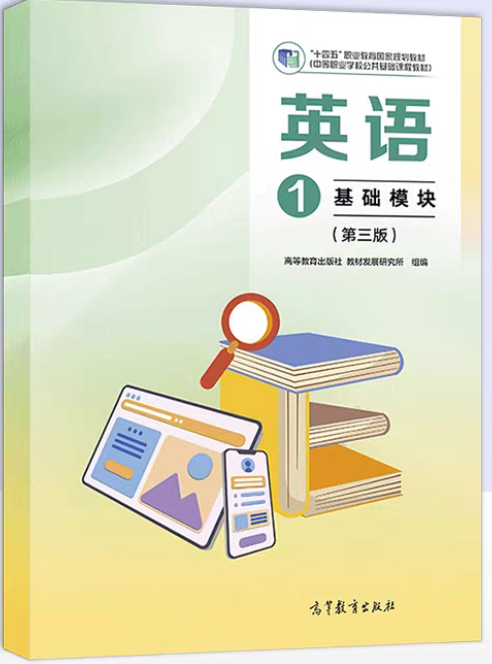
Unit 2 Transportation(B卷·能力提升)《英语 基础模块1》(高教版第三版)单元过关卷(原卷版+解析版)
2026-07-27
|
2份
|
22页
|
60人阅读
|
0人下载
内容正文:
编写说明:本套试卷紧扣《英语 基础模块1》(高教版第三版)教材,以教材单元为基准精准覆盖核心考点。
每个单元设置AB卷,A卷为基础巩固卷,侧重基础考点训练,帮助学生扎实掌握知识要点;B卷为能力提升卷,注重知识整合与全面检测,引导学生构建知识网络。全书设计4份综合测试卷,模拟实战情境,聚焦解题能力突破,全面提升应试能力与知识应用水平。
《英语 基础模块1》(高教版第三版)《单元过关卷》
Unit 2 Transportation
B卷·能力提升
考试时间:120分钟 满分:100分
班级_____姓名_____学号_____成绩_____
第一部分 情景交际(共10小题,每小题2分,共20分。)
阅读下列简短对话,从A、B、C、D四个选项中选出最佳选项,将对话补全。
1. — We need to choose a way to the airport. The roads are busy now.
— ________. The subway may be faster.
A. It is a family name
B. I think so
C. The hotel is beautiful
D. No smoking
2. — Could you show me how to change to the Airport Express?
— ________. Get off at Central Station first.
A. I am late
B. It costs nothing
C. You are welcome
D. Sure
3. — The map app says the bus takes forty minutes, but the taxi takes thirty.
— ________?
A. How much does each way cost
B. Where is your family
C. Do you like sports
D. Who is the visitor
4. — I am sorry. I told you the wrong direction just now.
— ________. I found the station on the map.
A. Turn left
B. That's too bad forever
C. Never mind
D. I don't need help
5. — Would you like to ride a shared bike to the park with us?
— ________, but I need to check the weather first.
A. No way
B. It is over there
C. You must leave
D. I'd love to
6. — The bus stop is across from the hotel, right?
— ________. You can see a blue sign there.
A. Yes, it is
B. I am a taxi driver
C. It is too far to read
D. Please write your name
7. — What should I do if my phone runs out of battery on the way?
— ________.
A. Buy a new hotel
B. Forget the address
C. Ask a person for directions politely
D. Stop learning English
8. — Which plan is greener, taking the subway or taking a taxi alone?
— ________.
A. The taxi station is outside Gate 1
B. Taking the subway is greener
C. It is a private question
D. The train leaves at noon
9. — Please remember to arrive at the airport two hours before the flight.
— ________. I will start early.
A. That is expensive
B. I lost my card
C. It is a gym
D. OK, I will
10. — The shuttle bus is free, but it leaves only every two hours.
— ________. We should compare it with the subway.
A. That may not be convenient
B. I like family stories
C. The room is on your left
D. It is my given name
第二部分 选词填空(共10小题,每小题1.5分,共15分。)
阅读下列短文,从各题所给的A、B、C、D四个选项中选出最佳选项,填入相应的空格处。
Choosing the Best Route
Our hotel training class had a task about transportation service. We needed to help a guest choose the best route from the airport to a city hotel. The guest arrived at 5:40 p.m., just during ____11____ hour. Some students suggested a taxi, because it could carry bags ____12____. However, the teacher asked us to compare time, cost and comfort.
We checked the airport board. The shuttle bus was cheap, but the next bus would leave forty minutes later. The subway was more ____13____. It ran every eight minutes and avoided traffic. The guest could take the Airport Express first, then ____14____ to Line 2. After getting off at Culture Square, he only needed to walk five minutes to the hotel ____15____.
When we presented our plan, we used polite English. We wrote the hotel ____16____ on a card. Our teacher said a good transportation plan should be clear and ____17____. It should save time and make the guest feel safe. This task helped us ____18____ service work needs careful thinking. Now I can explain routes ____19____ when ____20____.
11. A. free B. quiet C. rush D. simple
12. A. easily B. sadly C. late D. abroad
13. A. convenient B. private C. worried D. noisy
14. A. forget B. change C. miss D. repair
15. A. left B. early C. nearby D. outside
16. A. address B. ticket C. visitor D. gym
17. A. dark B. wrong C. empty D. practical
18. A. lose B. understand C. hide D. break
19. A. clearly B. angrily C. never D. alone
20. A. strange B. heavy C. possible D. private
第三部分 阅读理解(共两节)
第一节(共15小题,每小题2分,共30分。)
阅读下列短文,从各题所给的A、B、C、D四个选项中选出最佳选项。
Text 1
Airport Route Service Guide
Service desk: Gate 2, Guangxi Business Hotel
Working time: 6:30 a.m.--10:30 p.m.
For guests going to Wuxiang Airport:
Plan A Shuttle Bus: Leaves at 7:00, 9:00, 11:00, 14:00 and 17:00. The ride takes about 70 minutes. It is free for hotel guests. Please book one hour before leaving.
Plan B Subway: Walk 6 minutes to Minzu Square Station. Take Line 2 and change to the Airport Express at South Railway Station. The ride takes about 50 minutes and costs 8 yuan.
Plan C Taxi: The taxi station is outside Gate 2. The ride takes about 45--80 minutes. It costs about 90 yuan. Travel time may be longer during rush hour.
Need help? Show your room card at the service desk. Staff members can write the route in English or Chinese for you.
21. Where is the service desk?
A. At Wuxiang Airport.
B. At South Railway Station.
C. At Minzu Square Station.
D. At Gate 2 of Guangxi Business Hotel.
22. How often does the shuttle bus leave according to the guide?
A. Five times a day.
B. Every ten minutes.
C. Only at midnight.
D. Once a week.
23. How much does the subway plan cost?
A. 90 yuan.
B. 70 yuan.
C. 8 yuan.
D. It is free for everyone.
24. Which plan may take longer during rush hour?
A. Walking to the station.
B. Taxi.
C. Subway.
D. Writing the route.
25. What can staff members do for guests?
A. Buy flight tickets for them.
B. Carry all bags to the airport.
C. Drive private cars for them.
D. Write the route in English or Chinese.
Text 2
For the school open day, our class was asked to guide visitors from the front gate to different training rooms. I was in charge of the route to the nursing room. Although I had practised the sentences many times, I still felt nervous when the first group of visitors arrived.
A mother and her son came to me with a school map. The mother asked, “Could you tell us how to get to the nursing room?” I took a deep breath and smiled. “Go along this road, turn right at the first crossing, and you will see the training building on your left,” I said. The boy looked at the map and asked whether they should take the lift to the third floor. I checked the note carefully and told them the room was on the second floor.
Later, more visitors asked for directions. Some wanted to find the gym, while others looked for the library or the dining hall. I learned to listen first instead of answering too quickly. At noon, my teacher said I had improved a lot because my directions were clear and polite. I also found that a good guide needs not only English words but also patience, responsibility and knowledge of the place. By the end of the day, I was tired, but I felt proud. The experience made me more confident about using English in service work.
26. What was the writer in charge of?
A. Selling maps to visitors.
B. Cleaning the dining hall.
C. Guiding visitors to the nursing room.
D. Driving visitors to the airport.
27. How did the writer feel when the first group arrived?
A. Angry.
B. Nervous.
C. Bored.
D. Sleepy.
28. Where was the nursing room?
A. On the first floor.
B. Near the front gate.
C. In the gym.
D. On the second floor.
29. Why did the teacher say the writer improved?
A. Because the writer's directions were clear and polite.
B. Because the writer bought a new phone.
C. Because the writer left school early.
D. Because the writer refused to answer questions.
30. What can we learn from the passage?
A. A guide should answer before listening.
B. Visitors never need maps.
C. Service work needs English, patience and responsibility.
D. Training rooms are not useful.
Text 3
Green transportation is becoming an important part of city life. It does not mean that everyone must walk everywhere. It means people choose a way that fits the distance, time, cost and environment. For a short trip, walking or riding a shared bike can reduce pollution and help people stay healthy. For a longer trip across the city, buses and subways can carry many people at the same time, so they often use road space more efficiently than private cars.
In Guangxi, more schools and communities are encouraging students to make greener travel plans. Some vocational schools ask students to compare different routes before a class trip. Students need to check when buses leave, where to change subway lines, how much each plan costs, and whether the route is safe for the whole group. This process may look simple, but it trains students to read public information carefully and make responsible decisions.
Green transportation also needs good manners. People should stand in line, give seats to those in need, keep voices low and follow signs at stations. If a visitor asks for directions, a clear answer can help him or her use public transportation with confidence. When technology, planning and polite communication work together, city travel becomes easier and cleaner.
For young people, choosing green transportation is a daily action with a long-term meaning. It saves money, improves health and supports a cleaner city. More importantly, it teaches students to think about others when making personal choices. A better city does not only come from new roads or faster trains. It also comes from people who travel wisely and responsibly.
31. What does green transportation mean in the passage?
A. Walking everywhere without any plan.
B. Choosing a suitable and environmentally friendly way.
C. Taking private cars for every trip.
D. Making roads only for students.
32. Why are buses and subways efficient for longer city trips?
A. They can carry many people at the same time.
B. They always cost nothing.
C. They never stop at stations.
D. They are private and quiet.
33. What does the underlined word “efficiently” mean?
A. 缓慢地
B. 随意地
C. 高效地
D. 昂贵地
34. Which good manner is mentioned in the passage?
A. Speaking loudly on the subway.
B. Cutting in line at the bus stop.
C. Throwing tickets on the floor.
D. Giving seats to those in need.
35. What is the best title for the passage?
A. How to Use a Taxi Meter
B. Green Transportation and Responsible Choices
C. A Trip to a Private Car Factory
D. The Fastest Train in the World
第二节(共5小题,每小题2分,共10分。)
阅读下列短文,从短文后的选项中选出最佳选项,并填入空白处。
Planning a Group Trip
Our class will visit a folk art museum next Friday. The museum is not far from our school, but thirty students will travel together. ____36____. She asked each group to compare two transportation plans.
My group first checked the bus route. The bus stop is near the school gate, and the ride takes about twenty minutes. ____37____. However, the bus may be crowded in the morning. Then we checked the walking route on a map app. It takes about thirty-five minutes. The road is safe, and we can see old buildings along the way.
After discussion, we chose to walk to the museum and take the bus back. ____38____. We also made three rules. First, everyone should wear comfortable shoes. Second, we must stay with the group at crossings. Third, we should keep the street clean.
On Thursday, our group leader reported the plan in English. ____39____. The teacher said our plan was clear because it considered time, safety and green travel. I was glad that we did not choose a route only because it was fast.
____40____. It helps us learn how to compare choices and care about the city.
A. The ticket is only two yuan for each student
B. Our classmates agreed with the mixed plan
C. The teacher wanted us to make a careful plan
D. This planning task is useful for daily life
E. In this way, we can exercise first and save energy later
第四部分 完形填空(共10小题,每小题1分,共10分。)
阅读下列短文,在空格处填入适当的词或用括号里的词的正确形式填空。
Using Signs to Give Better Directions
On Volunteer Day, I worked at a subway station near a park. Many visitors came ____41____ (ask) for directions. Before the activity, our teacher told ____42____ (we) to use signs and simple English. She said signs were helpful because they ____43____ (show) exits and lines clearly.
At nine, a visitor wanted to find the bus stop. I first ____44____ (check) the wall map. Then I said, “Please take Exit A and turn right.” He thanked me ____45____ a smile. Later, a young mother asked whether the lift was near. I told her it was beside the ticket office, ____46____ she could take her baby there safely.
The work was busy, but I became ____47____ (confident) than before. I learned that directions need correct information. If the answer is not clear, we should ask a worker instead of ____48____ (guess). By the end of the day, twenty visitors ____49____ (help) by our group. This experience encouraged me ____50____ (learn) English.
第五部分 书面表达(共15分。)
51. 假设你是李华,你们小组要在英语课上汇报“Plan a Green Trip to the Museum”。请根据以下要点,写一篇发言稿,说明你们从学校去博物馆的交通方案。具体内容和要求如下:
1.词数70—80个;
2.文中不可出现真实人名和校名;
3.开头、结尾已给出,不计入总词数;
4.相关内容及词汇仅供参考,可酌情选用。
Good morning, everyone,
I would like to share our green transportation plan to the museum.
_____________________________________________________________________________________________________________________________________________________________________________________________________________________________________________________________________________________________________________________________________________________________________________________________________________________
That is our plan. Thank you.
主要内容
参考信息
参考词汇及短语
出行背景
说明目的地、距离和集合时间
museum, three kilometres away, school gate, meet at
交通方案
说明去程交通方式、路线步骤和备用方案
ride shared bikes, go along, crossing, take Bus 26 instead
选择理由与安全
说明绿色、健康、费用和安全规则
green, cheap, healthy, helmet, follow traffic rules
原创精品资源学科网独家享有版权,侵权必究!
学科网(北京)股份有限公司
$
编写说明:本套试卷紧扣《英语 基础模块1》(高教版第三版)教材,以教材单元为基准精准覆盖核心考点。
每个单元设置AB卷,A卷为基础巩固卷,侧重基础考点训练,帮助学生扎实掌握知识要点;B卷为能力提升卷,注重知识整合与全面检测,引导学生构建知识网络。全书设计4份综合测试卷,模拟实战情境,聚焦解题能力突破,全面提升应试能力与知识应用水平。
《英语 基础模块1》(高教版第三版)《单元过关卷》
Unit 2 Transportation
B卷·能力提升
考试时间:120分钟 满分:100分
班级_____姓名_____学号_____成绩_____
第一部分 情景交际(共10小题,每小题2分,共20分。)
阅读下列简短对话,从A、B、C、D四个选项中选出最佳选项,将对话补全。
1. — We need to choose a way to the airport. The roads are busy now.
— ________. The subway may be faster.
A. It is a family name
B. I think so
C. The hotel is beautiful
D. No smoking
【答案】B
【详解】句意:上句说明道路拥堵,后句提出地铁可能更快,I think so表示认同对方判断,衔接自然。
2. — Could you show me how to change to the Airport Express?
— ________. Get off at Central Station first.
A. I am late
B. It costs nothing
C. You are welcome
D. Sure
【答案】D
【详解】句意:Could you show me...?为请求帮助,答语Sure表示愿意提供帮助,后句继续给出换乘步骤。
3. — The map app says the bus takes forty minutes, but the taxi takes thirty.
— ________?
A. How much does each way cost
B. Where is your family
C. Do you like sports
D. Who is the visitor
【答案】A
【详解】句意:已比较公交和出租车用时,继续询问费用能帮助选择交通方案,A项符合计划讨论语境。
4. — I am sorry. I told you the wrong direction just now.
— ________. I found the station on the map.
A. Turn left
B. That's too bad forever
C. Never mind
D. I don't need help
【答案】C
【详解】句意:对方为指错路道歉,后句说明已通过地图找到车站,应礼貌回应Never mind。
5. — Would you like to ride a shared bike to the park with us?
— ________, but I need to check the weather first.
A. No way
B. It is over there
C. You must leave
D. I'd love to
【答案】D
【详解】句意:Would you like to...?是邀请,but后说明需要先看天气,表明愿意参加,I'd love to正确。
6. — The bus stop is across from the hotel, right?
— ________. You can see a blue sign there.
A. Yes, it is
B. I am a taxi driver
C. It is too far to read
D. Please write your name
【答案】A
【详解】句意:对方确认公交站是否在酒店对面,后句补充“能看到蓝色标志”,应作肯定回答。
7. — What should I do if my phone runs out of battery on the way?
— ________.
A. Buy a new hotel
B. Forget the address
C. Ask a person for directions politely
D. Stop learning English
【答案】C
【详解】句意:问题询问手机没电时怎么办,礼貌向他人问路是合理做法,符合出行情境。
8. — Which plan is greener, taking the subway or taking a taxi alone?
— ________.
A. The taxi station is outside Gate 1
B. Taking the subway is greener
C. It is a private question
D. The train leaves at noon
【答案】B
【详解】句意:问题比较两种方式哪种更环保,地铁属于公共交通,比单独打车更绿色。
9. — Please remember to arrive at the airport two hours before the flight.
— ________. I will start early.
A. That is expensive
B. I lost my card
C. It is a gym
D. OK, I will
【答案】D
【详解】句意:对方提醒提前到达机场,答语应表示接受提醒并会照做,OK, I will符合语境。
10. — The shuttle bus is free, but it leaves only every two hours.
— ________. We should compare it with the subway.
A. That may not be convenient
B. I like family stories
C. The room is on your left
D. It is my given name
【答案】A
【详解】句意:班车免费但发车间隔长,说明可能不够方便,因此需要与地铁比较。
第二部分 选词填空(共10小题,每小题1.5分,共15分。)
阅读下列短文,从各题所给的A、B、C、D四个选项中选出最佳选项,填入相应的空格处。
Choosing the Best Route
Our hotel training class had a task about transportation service. We needed to help a guest choose the best route from the airport to a city hotel. The guest arrived at 5:40 p.m., just during ____11____ hour. Some students suggested a taxi, because it could carry bags ____12____. However, the teacher asked us to compare time, cost and comfort.
We checked the airport board. The shuttle bus was cheap, but the next bus would leave forty minutes later. The subway was more ____13____. It ran every eight minutes and avoided traffic. The guest could take the Airport Express first, then ____14____ to Line 2. After getting off at Culture Square, he only needed to walk five minutes to the hotel ____15____.
When we presented our plan, we used polite English. We wrote the hotel ____16____ on a card. Our teacher said a good transportation plan should be clear and ____17____. It should save time and make the guest feel safe. This task helped us ____18____ service work needs careful thinking. Now I can explain routes ____19____ when ____20____.
11. A. free B. quiet C. rush D. simple
12. A. easily B. sadly C. late D. abroad
13. A. convenient B. private C. worried D. noisy
14. A. forget B. change C. miss D. repair
15. A. left B. early C. nearby D. outside
16. A. address B. ticket C. visitor D. gym
17. A. dark B. wrong C. empty D. practical
18. A. lose B. understand C. hide D. break
19. A. clearly B. angrily C. never D. alone
20. A. strange B. heavy C. possible D. private
【答案】11. C 12. A 13. A 14. B 15. C 16. A 17. D 18. B 19. A 20. C
【导语】本文是一篇记叙文,讲述酒店服务训练课上学生为旅客比较机场到酒店的交通路线,综合考虑时间、费用、舒适度与环保因素,体现职业服务中的路线规划能力。
【详解】11. C 句意:客人下午5:40到达,正值高峰期。rush hour意为“高峰期”,符合时间语境。
12. A 句意:出租车能方便地装行李。easily修饰carry bags,表示便利性。
13. A 句意:地铁更方便。后文说明每八分钟一班且不堵车,convenient符合语境。
14. B 句意:先乘机场快线,然后在南站换乘2号线。change to Line 2为“换乘2号线”。
15. C 句意:下车后只需步行五分钟到附近的酒店。nearby表示“在附近”,说明距离近。
16. A 句意:我们把酒店地址写在卡片上。address与客人问路和备用求助直接相关。
17. D 句意:好的交通方案应清楚且实用。practical表示“实用的”,符合服务评价。
18. B 句意:这项任务帮助我们理解服务工作需要细致思考。understand与后接宾语从句语义自然。
19. A 句意:现在我能更清楚地解释路线。clearly修饰explain routes,符合表达目标。
20. C 句意:在可能的时候选择更绿色的出行方式。when possible为常用表达,表示“在可能时”。
第三部分 阅读理解(共两节)
第一节(共15小题,每小题2分,共30分。)
阅读下列短文,从各题所给的A、B、C、D四个选项中选出最佳选项。
Text 1
Airport Route Service Guide
Service desk: Gate 2, Guangxi Business Hotel
Working time: 6:30 a.m.--10:30 p.m.
For guests going to Wuxiang Airport:
Plan A Shuttle Bus: Leaves at 7:00, 9:00, 11:00, 14:00 and 17:00. The ride takes about 70 minutes. It is free for hotel guests. Please book one hour before leaving.
Plan B Subway: Walk 6 minutes to Minzu Square Station. Take Line 2 and change to the Airport Express at South Railway Station. The ride takes about 50 minutes and costs 8 yuan.
Plan C Taxi: The taxi station is outside Gate 2. The ride takes about 45--80 minutes. It costs about 90 yuan. Travel time may be longer during rush hour.
Need help? Show your room card at the service desk. Staff members can write the route in English or Chinese for you.
21. Where is the service desk?
A. At Wuxiang Airport.
B. At South Railway Station.
C. At Minzu Square Station.
D. At Gate 2 of Guangxi Business Hotel.
22. How often does the shuttle bus leave according to the guide?
A. Five times a day.
B. Every ten minutes.
C. Only at midnight.
D. Once a week.
23. How much does the subway plan cost?
A. 90 yuan.
B. 70 yuan.
C. 8 yuan.
D. It is free for everyone.
24. Which plan may take longer during rush hour?
A. Walking to the station.
B. Taxi.
C. Subway.
D. Writing the route.
25. What can staff members do for guests?
A. Buy flight tickets for them.
B. Carry all bags to the airport.
C. Drive private cars for them.
D. Write the route in English or Chinese.
【答案】21. D 22. A 23. C 24. B 25. D
【导语】本文是一份酒店机场路线服务指南,列出服务台位置、工作时间以及班车、地铁和出租车三种去机场方式,侧重考查信息检索、数字识别和细节辨析能力。
【详解】21.细节理解题。根据“Service desk: Gate 2, Guangxi Business Hotel”可知,服务台在广西商务酒店2号门。
22.细节理解题。根据班车发车时间“7:00, 9:00, 11:00, 14:00 and 17:00”可知,每天五班。
23.细节理解题。根据地铁方案“The ride...costs 8 yuan”可知,地铁费用为8元。
24.细节理解题。根据出租车方案“Travel time may be longer during rush hour.”可知,高峰期出租车用时可能更长。
25.细节理解题。根据最后一句“Staff members can write the route in English or Chinese”可知,工作人员能用中英文写路线。
Text 2
For the school open day, our class was asked to guide visitors from the front gate to different training rooms. I was in charge of the route to the nursing room. Although I had practised the sentences many times, I still felt nervous when the first group of visitors arrived.
A mother and her son came to me with a school map. The mother asked, “Could you tell us how to get to the nursing room?” I took a deep breath and smiled. “Go along this road, turn right at the first crossing, and you will see the training building on your left,” I said. The boy looked at the map and asked whether they should take the lift to the third floor. I checked the note carefully and told them the room was on the second floor.
Later, more visitors asked for directions. Some wanted to find the gym, while others looked for the library or the dining hall. I learned to listen first instead of answering too quickly. At noon, my teacher said I had improved a lot because my directions were clear and polite. I also found that a good guide needs not only English words but also patience, responsibility and knowledge of the place. By the end of the day, I was tired, but I felt proud. The experience made me more confident about using English in service work.
26. What was the writer in charge of?
A. Selling maps to visitors.
B. Cleaning the dining hall.
C. Guiding visitors to the nursing room.
D. Driving visitors to the airport.
27. How did the writer feel when the first group arrived?
A. Angry.
B. Nervous.
C. Bored.
D. Sleepy.
28. Where was the nursing room?
A. On the first floor.
B. Near the front gate.
C. In the gym.
D. On the second floor.
29. Why did the teacher say the writer improved?
A. Because the writer's directions were clear and polite.
B. Because the writer bought a new phone.
C. Because the writer left school early.
D. Because the writer refused to answer questions.
30. What can we learn from the passage?
A. A guide should answer before listening.
B. Visitors never need maps.
C. Service work needs English, patience and responsibility.
D. Training rooms are not useful.
【答案】26. C 27. B 28. D 29. A 30. C
【导语】本文是一篇记叙文,讲述作者在校园开放日用英语为来访者指路,从紧张到自信,认识到服务工作需要语言能力、耐心、责任心和场所知识。
【详解】26.细节理解题。根据“I was in charge of the route to the nursing room.”可知,作者负责指引去护理实训室的路线。
27.细节理解题。根据“I still felt nervous when the first group of visitors arrived”可知,第一组来访者到达时作者很紧张。
28.细节理解题。根据“the room was on the second floor”可知,护理实训室在二楼。
29.细节理解题。根据“because my directions were clear and polite”可知,老师表扬作者是因为指路清楚且有礼貌。
30.推理判断题。根据最后一段“needs not only English words but also patience, responsibility...”可知,服务工作需要英语、耐心和责任心。
Text 3
Green transportation is becoming an important part of city life. It does not mean that everyone must walk everywhere. It means people choose a way that fits the distance, time, cost and environment. For a short trip, walking or riding a shared bike can reduce pollution and help people stay healthy. For a longer trip across the city, buses and subways can carry many people at the same time, so they often use road space more efficiently than private cars.
In Guangxi, more schools and communities are encouraging students to make greener travel plans. Some vocational schools ask students to compare different routes before a class trip. Students need to check when buses leave, where to change subway lines, how much each plan costs, and whether the route is safe for the whole group. This process may look simple, but it trains students to read public information carefully and make responsible decisions.
Green transportation also needs good manners. People should stand in line, give seats to those in need, keep voices low and follow signs at stations. If a visitor asks for directions, a clear answer can help him or her use public transportation with confidence. When technology, planning and polite communication work together, city travel becomes easier and cleaner.
For young people, choosing green transportation is a daily action with a long-term meaning. It saves money, improves health and supports a cleaner city. More importantly, it teaches students to think about others when making personal choices. A better city does not only come from new roads or faster trains. It also comes from people who travel wisely and responsibly.
31. What does green transportation mean in the passage?
A. Walking everywhere without any plan.
B. Choosing a suitable and environmentally friendly way.
C. Taking private cars for every trip.
D. Making roads only for students.
32. Why are buses and subways efficient for longer city trips?
A. They can carry many people at the same time.
B. They always cost nothing.
C. They never stop at stations.
D. They are private and quiet.
33. What does the underlined word “efficiently” mean?
A. 缓慢地
B. 随意地
C. 高效地
D. 昂贵地
34. Which good manner is mentioned in the passage?
A. Speaking loudly on the subway.
B. Cutting in line at the bus stop.
C. Throwing tickets on the floor.
D. Giving seats to those in need.
35. What is the best title for the passage?
A. How to Use a Taxi Meter
B. Green Transportation and Responsible Choices
C. A Trip to a Private Car Factory
D. The Fastest Train in the World
【答案】31. B 32. A 33. C 34. D 35. B
【导语】本文是一篇说明文,阐述绿色交通的含义、不同距离下的交通选择、学生制定路线计划的意义以及公共交通礼仪,考查细节理解、词义猜测、推理判断和主旨概括能力。
【详解】31.细节理解题。根据第一段“It means people choose a way that fits the distance, time, cost and environment.”可知,绿色交通指选择适合距离、时间、费用和环境的方式。
32.细节理解题。根据第一段“buses and subways can carry many people at the same time”可知,公交和地铁能同时运送许多人。
33.词句猜测题。上文说明公共交通能同时载很多人,因此比私家车更“高效地”利用道路空间。
34.细节理解题。根据第三段“give seats to those in need”可知,给有需要的人让座是文中提到的礼仪。
35.最佳标题题。全文围绕绿色交通与负责任的出行选择展开,B项概括最准确。
第二节(共5小题,每小题2分,共10分。)
阅读下列短文,从短文后的选项中选出最佳选项,并填入空白处。
Planning a Group Trip
Our class will visit a folk art museum next Friday. The museum is not far from our school, but thirty students will travel together. ____36____. She asked each group to compare two transportation plans.
My group first checked the bus route. The bus stop is near the school gate, and the ride takes about twenty minutes. ____37____. However, the bus may be crowded in the morning. Then we checked the walking route on a map app. It takes about thirty-five minutes. The road is safe, and we can see old buildings along the way.
After discussion, we chose to walk to the museum and take the bus back. ____38____. We also made three rules. First, everyone should wear comfortable shoes. Second, we must stay with the group at crossings. Third, we should keep the street clean.
On Thursday, our group leader reported the plan in English. ____39____. The teacher said our plan was clear because it considered time, safety and green travel. I was glad that we did not choose a route only because it was fast.
____40____. It helps us learn how to compare choices and care about the city.
A. The ticket is only two yuan for each student
B. Our classmates agreed with the mixed plan
C. The teacher wanted us to make a careful plan
D. This planning task is useful for daily life
E. In this way, we can exercise first and save energy later
【答案】36. C 37. A 38. E 39. B 40. D
【导语】本文是一篇记叙文,讲述班级参观民间艺术博物馆前比较公交和步行方案,最终选择去程步行、返程公交的混合交通计划,重点考查篇章衔接和逻辑判断能力。
【详解】36.空前说明班级集体出行,空后写老师要求各组比较两个方案,C项“老师想让我们制订一个细致计划”承上启下。
37.空前介绍公交路线和用时,A项补充公交票价信息,属于同一交通方案的信息块。
38.空前说选择步行去、公交回,E项解释这样能先锻炼、之后节省体力,说明选择理由。
39.空前写组长用英语汇报计划,空后写老师评价,B项说明同学们同意该混合方案,语义连贯。
40.空后说它帮助我们比较选择并关心城市,D项“这项规划任务对日常生活有用”可作为总结句。
第四部分 完形填空(共10小题,每小题1分,共10分。)
阅读下列短文,在空格处填入适当的词或用括号里的词的正确形式填空。
Using Signs to Give Better Directions
On Volunteer Day, I worked at a subway station near a park. Many visitors came ____41____ (ask) for directions. Before the activity, our teacher told ____42____ (we) to use signs and simple English. She said signs were helpful because they ____43____ (show) exits and lines clearly.
At nine, a visitor wanted to find the bus stop. I first ____44____ (check) the wall map. Then I said, “Please take Exit A and turn right.” He thanked me ____45____ a smile. Later, a young mother asked whether the lift was near. I told her it was beside the ticket office, ____46____ she could take her baby there safely.
The work was busy, but I became ____47____ (confident) than before. I learned that directions need correct information. If the answer is not clear, we should ask a worker instead of ____48____ (guess). By the end of the day, twenty visitors ____49____ (help) by our group. This experience encouraged me ____50____ (learn) English.
【答案】41. to ask 42. us 43. showed 44. checked 45. with 46. so 47. more confident 48. guessing 49. were helped 50. to learn
【导语】本文是一篇记叙文,讲述作者在城市志愿服务日于地铁站帮助游客问路,借助标志和地图提供准确、礼貌的信息,考查非谓语动词、代词、时态、介词、连词、比较级和被动语态等语法。
【详解】41.考查非谓语动词。句意:许多游客来问路。come to do sth.表示“来做某事”,填to ask。
42.考查代词。句意:老师告诉我们使用车站标志和简单英语。动词told后接宾格,we的宾格为us。
43.考查动词时态。句意:她说标志很有帮助,因为它们清楚地显示出口、线路和服务台。主句said为过去时,从句叙述当时说明内容,用showed。
44.考查动词时态。句意:我先查看了墙上的地图。文章叙述过去活动,谓语用过去式checked。
45.考查介词。句意:他微笑着感谢我。with a smile表示“带着微笑”。
46.考查连词。句意:我告诉她电梯在售票处旁边,所以她可以安全带孩子过去。前后为因果关系,填so。
47.考查形容词比较级。句意:我变得比以前更自信。than before提示比较级,confident为多音节词,用more confident。
48.考查非谓语动词。句意:我们应该问另一名工作人员,而不是猜测。instead of后接动名词,填guessing。
49.考查被动语态。句意:到一天结束时,二十多名游客被我们小组帮助。visitors与help之间为被动关系,叙述过去,主语复数,填were helped。
50.考查动词不定式。句意:这次经历鼓励我学习更多公共服务英语。encourage sb. to do sth.为固定结构,填to learn。
第五部分 书面表达(共15分。)
51. 假设你是李华,你们小组要在英语课上汇报“Plan a Green Trip to the Museum”。请根据以下要点,写一篇发言稿,说明你们从学校去博物馆的交通方案。具体内容和要求如下:
1.词数70—80个;
2.文中不可出现真实人名和校名;
3.开头、结尾已给出,不计入总词数;
4.相关内容及词汇仅供参考,可酌情选用。
Good morning, everyone,
I would like to share our green transportation plan to the museum.
_____________________________________________________________________________________________________________________________________________________________________________________________________________________________________________________________________________________________________________________________________________________________________________________________________________________
That is our plan. Thank you.
主要内容
参考信息
参考词汇及短语
出行背景
说明目的地、距离和集合时间
museum, three kilometres away, school gate, meet at
交通方案
说明去程交通方式、路线步骤和备用方案
ride shared bikes, go along, crossing, take Bus 26 instead
选择理由与安全
说明绿色、健康、费用和安全规则
green, cheap, healthy, helmet, follow traffic rules
【答案】例文:
Good morning, everyone,
I would like to share our green transportation plan to the museum.
The museum is about three kilometres away from our school. We plan to ride shared bikes there. First, we will meet at the school gate at 8:00 a.m. Then we will ride along Zhongshan Road and turn left at the second crossing. It will take about twenty minutes. We choose shared bikes because they are green, cheap and healthy. We will wear helmets, follow traffic rules and stay together. If it rains, we will take Bus 26 instead. I think this plan is safe and practical.
That is our plan. Thank you.
【解析】
【导语】本篇书面表达属于发言稿,要求介绍小组去博物馆的绿色交通方案,内容应包括距离、交通方式、路线步骤、选择理由和安全注意事项。
【词汇积累】计划:plan -> arrangement
便宜的:cheap -> low-cost
遵守:follow -> obey
实用的:practical -> useful
【句式拓展】原句:We choose shared bikes because they are green, cheap and healthy.
拓展句:We choose shared bikes because they are green, cheap and healthy, and they can help us enjoy the city on the way.
【点睛】First, we will meet at the school gate at 8:00 a.m. (运用了顺序词组织路线步骤)
If it rains, we will take Bus 26 instead. (运用了if引导条件状语从句)
原创精品资源学科网独家享有版权,侵权必究!
学科网(北京)股份有限公司
$
资源预览图

1

2

3
由于学科网是一个信息分享及获取的平台,不确保部分用户上传资料的 来源及知识产权归属。如您发现相关资料侵犯您的合法权益,请联系学科网,我们核实后将及时进行处理。