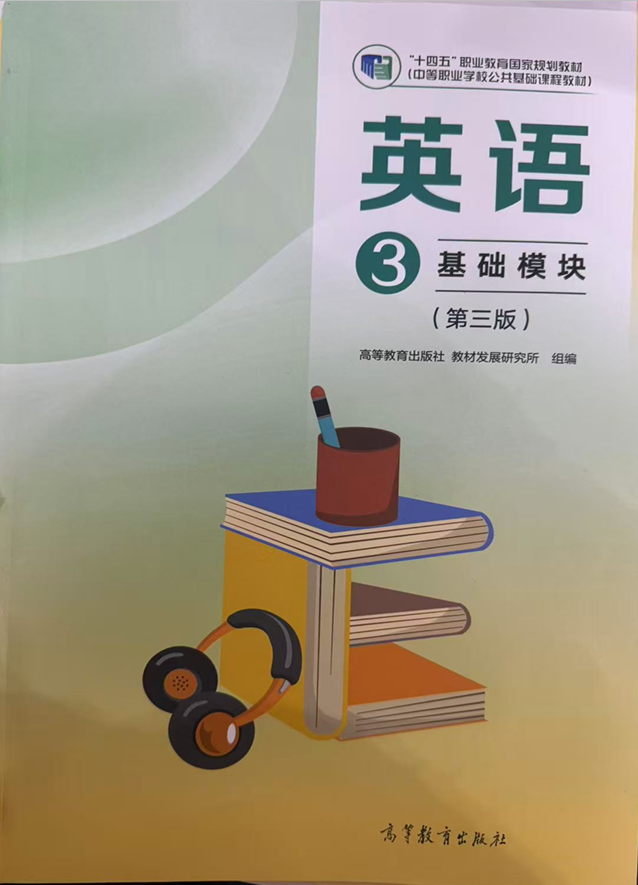
Unit 7 Natural Disasters(B卷·能力提升)《英语 基础模块3》(高教版第三版)单元过关卷(原卷版+解析版)
2026-07-24
|
2份
|
22页
|
50人阅读
|
0人下载
内容正文:
编写说明:本套试卷紧扣《英语 基础模块3》(高教版第三版)教材,以教材单元为基准精准覆盖核心考点。
每个单元设置AB卷,A卷为基础巩固卷,侧重基础考点训练,帮助学生扎实掌握知识要点;B卷为能力提升卷,注重知识整合与全面检测,引导学生构建知识网络。全书设计4份综合测试卷,模拟实战情境,聚焦解题能力突破,全面提升应试能力与知识应用水平。
《英语 基础模块3》(高教版第三版)《单元过关卷》
Unit 7 Natural Disasters
B卷·能力提升
考试时间:120分钟 满分:150分
班级_____姓名_____学号_____成绩_____
Ⅰ.补全对话(5小题,共10分)
阅读下列简短对话,从A、B、C、D中选出最佳答案,将对话补全。
1.— Some factories still pour dirty water into the river.
— ________. They should take responsibility for the environment.
A.What a pity! B.That's true.
C.Help yourself. D.No, thanks.
【答案】B
【详解】答语后一句强调工厂应承担环保责任,说明说话者认同前一句问题,B项符合语境。
2.— The sandstorm is getting worse. Shall we close the doors and windows?
— ________. And we should wear masks if we go out.
A.Yes, let's do it now. B.Enjoy yourself.
C.It depends on the menu. D.Not at all.
【答案】A
【详解】问句提出防沙尘暴建议,答语补充外出戴口罩,A项表示立即同意。
3.— I heard your flight was canceled because of the floods.
— ________. I have booked a train ticket instead.
A.Congratulations! B.You're welcome.
C.It doesn't matter. D.That's all right.
【答案】D
【详解】上文提到航班取消,答语说明已改订火车票,D项表示事情还可以接受。
4.— More people should understand the harm of second-hand smoke.
— ________. It is also part of environmental protection.
A.I don't think so. B.You must be joking.
C.I can't agree more. D.Take your time.
【答案】C
【详解】答语后一句进一步说明二手烟危害与环保相关,C项表示完全同意。
5.— Could you interview the firefighters about disaster prevention?
— ________. I have prepared five questions.
A.No way. B.With pleasure.
C.Never mind. D.That's terrible.
【答案】B
【详解】根据“I have prepared five questions.”可知,答话人愿意接受采访任务,B项符合请求回应。
Ⅱ. 词汇(10小题,共20分)
阅读下列句子,从A、B、C、D中选出句中画线的单词或词组的意义。
6.The drought lasted for two months and many plants died from lack of water.drought
A.干旱 B.洪水
C.热浪 D.雾霾
【答案】A
【详解】drought是名词,表示“干旱”。lack of water提示长期缺水。
7.The new rules can reduce the harm of second-hand smoke in public places.harm
A.力量 B.价值
C.伤害 D.标志
【答案】C
【详解】harm是名词,表示“伤害;危害”。second-hand smoke提示二手烟对健康有危害。
8.The volunteers tried to protect the old trees after the storm.protect
A.移动 B.取消
C.记录 D.保护
【答案】D
【详解】protect是动词,表示“保护”。old trees与after the storm构成灾后保护语境。
9.The local government is promoting the use of electric cars.promoting
A.推迟 B.促进
C.阻止 D.污染
【答案】B
【详解】promote是动词,promoting为现在分词形式,表示“促进;推广”。
10.Heavy industry and vehicles partly cause smog in big cities.vehicles
A.车辆 B.土壤
C.火山 D.海报
【答案】A
【详解】vehicle是名词,表示“车辆”。heavy industry and vehicles是导致雾霾的因素。
11.People should make a change to their way of life to save energy.make a change
A.保持沉默 B.发生争吵
C.进行采访 D.作出改变
【答案】D
【详解】make a change是动词短语,表示“作出改变”。后文to save energy说明改变生活方式的目的。
12.These harmful gases may lead to acid rain.acid rain
A.热浪 B.酸雨
C.台风 D.沙尘暴
【答案】B
【详解】acid rain是名词短语,表示“酸雨”。harmful gases提示其形成原因。
13.The city hopes to achieve sustainable development through green energy.sustainable
A.频繁的 B.松动的
C.可持续的 D.传统的
【答案】C
【详解】sustainable是形容词,表示“可持续的”。与development搭配表示可持续发展。
14.The fire struck the village quickly, but nobody was hurt.struck
A.取消 B.讨论
C.保护 D.侵袭
【答案】D
【详解】strike表示“侵袭;撞击”,struck为过去式。fire struck the village表示火灾侵袭村庄。
15.More discussions are needed before the new plan is carried out.discussions
A.讨论 B.灾害
C.力量 D.订单
【答案】A
【详解】discussion是名词,表示“讨论”。before the new plan is carried out说明实施前需要讨论。
Ⅲ. 完形填空(15小题,共30分)
阅读下面短文,并掌握其大意。然后从各题所给的四个选项中,选出一个最佳答案。
Working as a volunteer at a coastal museum throughout the summer holiday, Zhang Wei helped prepare a special exhibition on typhoons, floods and human activities. He had thought the work would be simple, but he soon discovered that explaining disaster knowledge to visitors was a real 16_______.
Most visitors held the belief that disasters were merely natural issues and had little to do with daily life, even though official reports showed some disasters occurred more 17_______ than before and caused severe 18_______.
One afternoon, a group of middle school students arrived at the museum. Zhang Wei guided them to a scaled model city. When he poured water onto the green vegetated area, the soil slowly 19_______ the water. When he poured the same amount of water onto a paved plastic road, the water rushed forward and 20_______ the tiny model houses. The students watched in surprise. Zhang Wei explained that cutting down trees and covering land with hard surfaces would 21_______ flood risks in a 22_______ region. He added that heavy industry and vehicle emissions might lead to smog and acid rain 23_______ people paid no attention to environmental protection.
A boy raised his hand and asked, “Can humans prevent all natural disasters?” Zhang Wei did not give a direct yes-or-no answer. He stated that human beings could not control every storm, 24_______ they could take steps to reduce certain risks. Inspired by his words, the students designed small cards with green lifestyle suggestions. Some cards encouraged people to use electric cars to 25_______ the environment; others called on families to save water and 26_______ food waste. Small efforts like these could make local communities 27_______ . Before leaving, the boy told Zhang Wei he 28_______ why daily choices made a difference. Zhang Wei felt the exhibition had 29_______ its educational purpose. Knowledge truly becomes valuable only when it leads to real 30_______ . He also came to understand that public education builds a bridge between science, safety and everyday decisions.
16.A.holiday B.secret C.mistake D.challenge
17.A.carelessly B.quietly C.luckily D.frequently
18.A.damage B.music C.price D.color
19.A.lost B.held C.sold D.borrowed
20.A.missed B.visited C.covered D.changed
21.A.follow B.increase C.forget D.record
22.A.global B.local C.personal D.empty
23.A.because B.unless C.while D.if
24.A.so B.or C.but D.for
25.A.protect B.invite C.delay D.admire
26.A.prevent B.repair C.describe D.collect
27.A.simple B.silent C.safe D.wrong
28.A.guessed B.doubted C.promised D.realized
29.A.hidden B.changed C.forgotten D.achieved
30.A.action B.weather C.answer D.window
【答案】16.D 17.D 18.A 19.B 20.C 21.B 22.B 23.D 24.C 25.A 26.A 27.C 28.D 29.D 30.A
【导语】本文讲述了暑期在沿海博物馆担任志愿者的张伟,通过城市模型演示向学生讲解人类活动与洪涝灾害的关联,引导学生认识日常选择与环保防灾的关系,最终领悟知识只有转化为行动才有真正价值的道理。
【详解】16. D. challenge:前文提到张伟原以为工作很简单,but 表转折说明实际工作并不轻松,向游客讲解灾害知识是一项挑战,challenge 符合语境,holiday 假期、secret 秘密、mistake 错误均不符合转折逻辑。
17. D. frequently:句意为报告显示部分灾害比以往发生得更频繁,frequently 频繁地修饰灾害发生的频率,carelessly 粗心地、quietly 安静地、luckily 幸运地均无法描述灾害发生的频次。
18. A. damage:自然灾害频发会造成严重的破坏,damage 损害、破坏符合灾害带来的后果,music 音乐、price 价格、color 颜色均与灾害影响无关。
19. B. held:根据模型实验的对比逻辑,绿化区的土壤能够留存、保持水分,hold 有容纳、留住之意,lost 丢失、sold 售卖、borrowed 借用均不符合土壤蓄水的特性。
20. C. covered:硬化路面上的水流快速蔓延,淹没了模型小屋,covered 覆盖、淹没符合水流扩散的结果,missed 错过、visited 拜访、changed 改变均不符合水流冲击的场景。
21. B. increase:砍伐树木、硬化地面会提升洪涝发生的风险,increase 增加、提升符合逻辑,follow 跟随、forget 忘记、record 记录均无法与风险搭配。
22. B. local:硬化地面、植被破坏带来的洪涝风险是区域性的,local 当地的、本地的符合地域范围,global 全球的、personal 个人的、empty 空的均不符合语境。
23. D. if:句意为如果人们不加重视,重工业和车辆排放会引发雾霾和酸雨,if 引导条件状语从句,符合逻辑,because 表原因、unless 表除非、while 表同时均不成立。
24. C. but:前半句说明人类无法控制每一场风暴,后半句说明可以降低部分风险,前后构成转折关系,but 但是符合逻辑,so 表结果、or 表选择、for 表原因均不匹配。
25. A. protect:使用电动汽车是环保行动,目的是保护环境,protect 保护符合绿色行动的主旨,invite 邀请、delay 推迟、admire 钦佩均不符合语境。
26. A. prevent:节约用水、减少食物浪费都是环保举措,prevent 防止、避免契合减少浪费的语义,repair 修理、describe 描述、collect 收集均不符合。
27. C. safe:这些环保举措能够降低灾害风险,让社区变得更安全,safe 安全的符合防灾主题,simple 简单的、silent 沉默的、wrong 错误的均不符合正向结果。
28. D. realized:经过讲解和实践,男孩意识到了日常选择的重要性,realized 意识到符合认知转变,guessed 猜测、doubted 怀疑、promised 承诺均不符合。
29. D. achieved:学生有所收获、观念发生转变,说明展览达成了教育目的,achieved 实现、达到与 purpose 构成常用搭配,hidden 隐藏、changed 改变、forgotten 忘记均不符合。
30. A. action:句意为知识只有转化为实际行动才真正有价值,action 行动呼应前文学生制作行动卡、践行环保的情节,weather 天气、answer 答案、window 窗户均不符合主旨。
Ⅳ. 阅读理解(15小题,共45分)
A)阅读下列短文,并做短文后的题目。然后从各题所给的四个选项中,选出能回答所提问题或完成所给句子的最佳答案。
A
The first earthquake drill at South River Vocational School did not go well. When the alarm rang, some students laughed, some pushed their way out, and a few ran back to get their bags. The whole process took six minutes. After watching the video record, Ms. Chen, the safety teacher, did not criticize the students loudly. She asked them a question: “If this were a real earthquake, which actions would put you in danger?”
The students soon found several problems. Running back for bags wasted time. Pushing at the stairs could cause falls. Standing near glass windows was also unsafe. Ms. Chen then taught them three steps: drop, cover and hold on. Students should get under desks first, protect their heads, and wait until the shaking stops. Then they should leave in lines, use stairs instead of lifts, and gather on the playground.
One week later, the school held a second drill. This time, students moved more calmly. Class leaders checked the classroom, and no one returned for personal things. The process took three minutes and twenty seconds. More importantly, students understood the reason behind each rule. A drill is not a show. It is a chance to turn knowledge into quick and correct action. After the second drill, the school also asked every class to make a checklist for lights, windows, doors and emergency routes so that preparation could continue in daily study.
31.What problem happened in the first drill?
A.Some students pushed and ran back for bags. B.The alarm did not ring at all.
C.Teachers left before students. D.The playground was closed.
32.How did Ms. Chen help students learn from the first drill?
A.She canceled all future drills. B.She asked them to find dangerous actions.
C.She gave every student a prize. D.She told them to use lifts.
33.What should students do first during an earthquake according to the passage?
A.Run to the lift. B.Open the windows.
C.Get under desks and protect their heads. D.Go back for schoolbags.
34.How long did the second drill take?
A.Six minutes. B.Five minutes.
C.Four minutes and ten seconds. D.Three minutes and twenty seconds.
35.What is the best title for the passage?
A.A Bag Lost in an Earthquake B.How to Build a New Playground
C.From a Poor Drill to Correct Action D.Why Students Like Watching Videos
【答案】31.A 32.B 33.C 34.D 35.C
【导语】这是一篇记叙文。文章讲述南河职业学校第一次地震演练效果不佳,安全教师陈老师引导学生复盘问题并学习正确动作,最终第二次演练明显改进。
【详解】31.细节理解题。根据第一段“When the alarm rang, some students laughed, some pushed their way out, and a few ran back to get their bags.”可知,第一次演练中有学生推挤着往外走,还有人跑回去拿包。故选A。
32.细节理解题。根据第一段“She asked them a question: ‘If this were a real earthquake, which actions would put you in danger?’”可知,陈老师没有大声批评学生,而是通过提问让他们找出危险行为。故选B。
33.细节理解题。根据第二段“Students should get under desks first, protect their heads, and wait until the shaking stops.”可知,地震发生时,学生首先应该躲到桌下并保护头部。故选C。
34.细节理解题。根据第三段“The process took three minutes and twenty seconds.”可知,第二次演练用了三分二十秒。故选D。
35.标题归纳题。文章先写第一次演练出现混乱和危险行为,再写陈老师引导学生复盘并学习“drop, cover and hold on”,最后第二次演练更冷静、更有效。C项“From a Poor Drill to Correct Action”能概括全文。故选C。
B
Heat waves are often called “silent disasters” because they do not break windows or wash away roads. However, they can be very dangerous, especially for outdoor workers, old people and children. When the temperature stays high for several days, the human body may lose water quickly. If people do not rest or drink enough water, they may feel dizzy, weak or even seriously ill.
Cities can make heat waves stronger. Dark roads and tall buildings hold heat during the day and release it slowly at night. This is why some city centers remain hot even after the sun goes down. Air conditioners help people indoors, but they also use much electricity. If the electricity comes mainly from coal, more gases may be produced, which can add to global warming.
There are practical ways to reduce the danger. Communities can open cooling rooms in libraries or service centers. Employers should move outdoor work to cooler hours and prepare enough drinking water. Families can check on elderly neighbors. In the long term, planting trees, building shaded bus stops and promoting green energy can help cities become cooler. A heat wave may be silent, but our response should be clear and active. Public messages should be simple enough for everyone to understand. Schools can teach students to notice warning signs, while companies can give workers longer breaks. When different groups share information, the whole city can respond faster and protect more people. City planners should also use light-colored materials on roofs and roads, because they hold less heat than dark surfaces and make neighborhoods more comfortable.
36.Why are heat waves called “silent disasters”?
A.They only happen at night. B.They bring no clear damage like broken windows.
C.They make no one feel uncomfortable. D.They are easy to stop.
37.Who may be especially in danger during heat waves?
A.Outdoor workers and old people. B.Only young drivers.
C.People staying near rivers. D.Museum visitors only.
38.What does the underlined word “release” mean in Paragraph 2?
A.To save for ever. B.To give out.
C.To take photos of. D.To make a plan.
39.Which is a long-term way to make cities cooler?
A.Opening windows during storms. B.Using more coal at night.
C.Planting trees and promoting green energy. D.Stopping all outdoor activities forever.
40.What can we learn from the passage?
A.Heat waves are harmless if roads are dry. B.Air conditioners solve all environmental problems.
C.City design and daily actions both matter in heat waves. D.Only doctors can help during heat waves.
【答案】36.B 37.A 38.B 39.C 40.C
【导语】这是一篇说明文。文章介绍热浪被称为“无声灾害”的原因、城市环境加剧热浪的机制,以及社区、雇主、家庭和城市规划方面的应对措施。
【详解】36.细节理解题。根据第一段“Heat waves are often called ‘silent disasters’ because they do not break windows or wash away roads.”可知,热浪被称为“无声灾害”,是因为它们不像其他灾害那样造成窗户破碎、道路被冲毁等明显破坏。故选B。
37.细节理解题。根据第一段“However, they can be very dangerous, especially for outdoor workers, old people and children.”可知,户外工作者、老人和儿童在热浪中尤其危险。故选A。
38.词义猜测题。根据第二段“Dark roads and tall buildings hold heat during the day and release it slowly at night.”可知,深色道路和高楼白天吸收热量,晚上慢慢把热量放出来,因此release意为“释放;放出”。故选B。
39.细节理解题。根据第三段“In the long term, planting trees, building shaded bus stops and promoting green energy can help cities become cooler.”可知,植树、建设遮阴公交站和推广绿色能源是让城市长期降温的做法。故选C。
40.推理判断题。文章第二段说明深色道路、高楼、空调用电等城市设计和生活方式会影响热浪,第三段提出社区降温点、调整户外工作时间、照看老人、植树和推广绿色能源等措施,由此可知,城市设计和日常行动在应对热浪中都很重要。故选C。
B)阅读下面短文,从短文后的选项中选出可以填入空格处的最佳选项。
An environmental interview is a useful way to learn about natural disasters. Before the interview, students should not simply write random questions. ____41____
A good first step is to decide the topic. For example, students may ask about floods in the city, typhoon warnings, or ways to reduce smog. A clear topic helps the speaker give useful information. ____42____
Next, prepare questions from easy to difficult. Start with basic facts, such as “What happened?” and “Who was influenced?” Then ask about reasons and solutions. ____43____ It also helps students understand causes and effects.
During the interview, listening is as important as asking. If the speaker mentions a new point, students can ask a follow-up question. ____44____ They should write down key words instead of every sentence.
After the interview, students need to check their notes and make a short report or poster. They should not change the speaker's meaning. ____45____ In this way, an interview becomes more than a conversation; it becomes a bridge from knowledge to action. Students may add photos, charts or key sentences to make their reports easier to read. They can also compare different answers and find common advice, such as following official warnings, reducing pollution and helping neighbors. A careful interview helps young people think, speak and act responsibly when facing environmental problems. They may later use the report in a poster show, a class presentation or a community meeting, so the advice reaches more people. This makes the activity practical and memorable, and it encourages students to keep learning from real voices around them.
A. This order makes the talk natural.
B. They need a plan to make the interview meaningful.
C. The final work should be clear, true and helpful.
D. It is also better to choose one main problem.
E. This shows respect and may bring deeper answers.
【答案】41.B 42.D 43.A 44.E 45.C
【导语】这是一篇说明文。文章介绍围绕自然灾害和环境保护开展采访的步骤,包括确定主题、由易到难设计问题、认真倾听追问以及整理真实清楚的成果。
【详解】41.根据空前“Before the interview, students should not simply write random questions.”可知,采访前不能随意写问题,说明需要有计划地设计采访。B项“They need a plan to make the interview meaningful.”承接前文,并引出下文具体步骤。故选B。
42.根据本段首句“A good first step is to decide the topic.”以及后文“A clear topic helps the speaker give useful information.”可知,本段强调采访前应确定清晰主题。D项“It is also better to choose one main problem.”进一步说明最好选择一个主要问题,符合段意。故选D。
43.根据空前“Next, prepare questions from easy to difficult. Start with basic facts... Then ask about reasons and solutions.”可知,前文说明问题应由易到难排列。A项“This order makes the talk natural.”中的“This order”指代这种顺序,衔接自然。故选A。
44.根据空前“If the speaker mentions a new point, students can ask a follow-up question.”可知,采访中听到新观点可以追问。E项“This shows respect and may bring deeper answers.”说明追问的作用:体现尊重并获得更深入的回答,符合语境。故选E。
45.根据空前“They should not change the speaker’s meaning.”可知,整理报告或海报时不能改变受访者原意。C项“The final work should be clear, true and helpful.”概括最终成果应清楚、真实、有帮助,符合语境。故选C。
Ⅴ. 语法填空(10小题,共20分)
A small town near the river used to suffer from floods every summer. Last year, the local community decided ____ 46 ____ (make) a change. First, trees ____ 47 ____ (plant) along the river, because roots can hold soil tightly. Then workers cleaned the drains ____ 48 ____ were blocked by leaves and rubbish.
Students also joined the project. They visited families and explained why people should not throw waste ____ 49 ____ the river. Some students designed posters ____ 50 ____ (show) safe places during heavy rain. Others interviewed old people and wrote down ____ 51 ____ they remembered about past floods. Their reports were much ____ 52 ____ (useful) than simple slogans.
This summer, heavy rain came again, ____ 53 ____ the town was better prepared. The water level rose slowly, and fewer streets were flooded. People realized that environmental protection is ____ 54 ____ (close) connected with daily life. What matters most ____ 55 ____ that everyone keeps taking action. The project also helped students understand that flood prevention is not a one-day job. It needs careful planning, regular checking and cooperation among families, schools and the community. When people keep rivers clean and respect nature, they build a safer future for themselves. The town plans to review the project every spring and invite more students to join the work. In this way, young people become active helpers in building a cleaner and safer community.
【答案】46.to make 47.were planted 48.that/which 49.into 50.to show 51.what 52.more useful 53.but 54.closely 55.is
【导语】这是一篇记叙文。文章讲述一个河边小镇通过植树、清理排水系统、学生宣传和社区合作来降低洪涝风险,说明环保与日常行动密切相关。
【详解】46.考查非谓语动词。句意:去年,当地社区决定作出改变。decide to do sth.为固定搭配,意为“决定做某事”,空处应用动词不定式。故填to make。
47.考查动词时态、语态和主谓一致。句意:首先,河边种了树,因为树根可以牢牢抓住土壤。主语trees与plant之间是被动关系;根据Last year可知,动作发生在过去,应用一般过去时的被动语态;trees为复数,be动词用were。故填were planted。
48.考查定语从句。句意:然后,工人们清理了被树叶和垃圾堵塞的排水沟。空处引导定语从句,先行词drains指物,关系词在从句中作主语,可用that或which。故填that/which。
49.考查介词。句意:他们拜访家庭,并解释人们为什么不应该把垃圾扔进河里。throw...into...为常用搭配,意为“把……扔进……”,空处应用介词into。故填into。
50.考查非谓语动词。句意:一些学生设计海报,展示暴雨期间的安全地点。分析句子结构可知,空处表示设计海报的目的,应用动词不定式作目的状语。故填to show。
51.考查宾语从句。句意:另一些学生采访老人,并写下他们记得的关于过去洪水的事情。空处引导宾语从句,并在从句中作remembered的宾语,表示“……的事情”,应用what。故填what。
52.考查形容词比较级。句意:他们的报告比简单的标语有用得多。根据空后的than可知,此处应用useful的比较级;useful为多音节形容词,比较级为more useful。故填more useful。
53.考查连词。句意:今年夏天,大雨又来了,但这个小镇准备得更充分。前半句说明大雨再次到来,后半句说明小镇已有更好准备,前后为转折关系,应用but。故填but。
54.考查副词。句意:人们意识到环境保护与日常生活密切相关。空处修饰形容词connected,应用副词;close变为closely,表示“密切地”。故填closely。
55.考查主谓一致。句意:最重要的是每个人都不断采取行动。What matters most为主语从句,作主语时谓语动词通常用单数;句子陈述一般事实,应用is。故填is。
Ⅵ. 完成句子(5小题,共15分)
根据所给汉语提示,完成英语句子。
56._______________ trees can help hold soil during heavy rain.
众所周知,树木能在大雨中帮助固定土壤。
【答案】It is known that
【详解】It is known that...表示“众所周知……”,that引导主语从句后置结构。
57.________________ we should leave now or wait for the warning.
问题是我们现在是否应该离开,还是等待预警。
【答案】The question is whether
【详解】空处引导表语从句,后有or,表示“是否”,用whether。
58.The roads were closed because they _____________ by flood water.
道路被关闭,因为它们被洪水损坏了。
【答案】were damaged
【详解】主语they指roads,与damage为被动关系,结合were closed用一般过去时被动语态。
59.Students made posters ______________ people to save energy.
学生制作海报来鼓励人们节约能源。
【答案】to encourage
【详解】动词不定式作目的状语,说明制作海报的目的。
60.________ the community decided to plant more trees.
这就是社区决定种更多树的原因。
【答案】This is why
【详解】This is why...表示“这就是……的原因”,why引导表语从句。
Ⅶ. 应用写作(1小题,共10分)
61.【写作内容】假如你是李华,你们小组刚完成一次关于自然灾害的采访。请给外教Mr. Green写一封英文邮件,简要汇报采访对象、主要发现和你的感受。
【写作要求】正文约40个英文单词,文中不可出现你自己的真实姓名、学校等信息。
【评分标准】信息完整,语言规范,语篇连贯。
______________________________________________________________________________________________
【参考范文】
Dear Mr. Green,
Our group interviewed a firefighter about flood prevention yesterday. We learned that people should follow warnings, stay away from deep water and prepare emergency bags. I realized that calm actions and environmental protection are both important. We will share our report tomorrow.
Yours,
Li Hua
【词汇积累】interview a firefighter采访消防员;follow warnings听从预警;stay away from远离;emergency bag应急包。
【句式拓展】We learned that...可用于汇报采访发现;I realized that...可用于表达个人收获。
【点睛】邮件应写明采访对象、主要发现和个人感受,注意称呼、正文和落款完整。
原创精品资源学科网独家享有版权,侵权必究!
学科网(北京)股份有限公司
$
编写说明:本套试卷紧扣《英语 基础模块3》(高教版第三版)教材,以教材单元为基准精准覆盖核心考点。
每个单元设置AB卷,A卷为基础巩固卷,侧重基础考点训练,帮助学生扎实掌握知识要点;B卷为能力提升卷,注重知识整合与全面检测,引导学生构建知识网络。全书设计4份综合测试卷,模拟实战情境,聚焦解题能力突破,全面提升应试能力与知识应用水平。
《英语 基础模块3》(高教版第三版)《单元过关卷》
Unit 7 Natural Disasters
B卷·能力提升
考试时间:120分钟 满分:150分
班级_____姓名_____学号_____成绩_____
Ⅰ.补全对话(5小题,共10分)
阅读下列简短对话,从A、B、C、D中选出最佳答案,将对话补全。
1.— Some factories still pour dirty water into the river.
— ________. They should take responsibility for the environment.
A.What a pity! B.That's true.
C.Help yourself. D.No, thanks.
2.— The sandstorm is getting worse. Shall we close the doors and windows?
— ________. And we should wear masks if we go out.
A.Yes, let's do it now. B.Enjoy yourself.
C.It depends on the menu. D.Not at all.
3.— I heard your flight was canceled because of the floods.
— ________. I have booked a train ticket instead.
A.Congratulations! B.You're welcome.
C.It doesn't matter. D.That's all right.
4.— More people should understand the harm of second-hand smoke.
— ________. It is also part of environmental protection.
A.I don't think so. B.You must be joking.
C.I can't agree more. D.Take your time.
5.— Could you interview the firefighters about disaster prevention?
— ________. I have prepared five questions.
A.No way. B.With pleasure.
C.Never mind. D.That's terrible.
Ⅱ. 词汇(10小题,共20分)
阅读下列句子,从A、B、C、D中选出句中画线的单词或词组的意义。
6.The drought lasted for two months and many plants died from lack of water.drought
A.干旱 B.洪水
C.热浪 D.雾霾
7.The new rules can reduce the harm of second-hand smoke in public places.harm
A.力量 B.价值
C.伤害 D.标志
8.The volunteers tried to protect the old trees after the storm.protect
A.移动 B.取消
C.记录 D.保护
9.The local government is promoting the use of electric cars.promoting
A.推迟 B.促进
C.阻止 D.污染
10.Heavy industry and vehicles partly cause smog in big cities.vehicles
A.车辆 B.土壤
C.火山 D.海报
11.People should make a change to their way of life to save energy.make a change
A.保持沉默 B.发生争吵
C.进行采访 D.作出改变
12.These harmful gases may lead to acid rain.acid rain
A.热浪 B.酸雨
C.台风 D.沙尘暴
13.The city hopes to achieve sustainable development through green energy.sustainable
A.频繁的 B.松动的
C.可持续的 D.传统的
14.The fire struck the village quickly, but nobody was hurt.struck
A.取消 B.讨论
C.保护 D.侵袭
15.More discussions are needed before the new plan is carried out.discussions
A.讨论 B.灾害
C.力量 D.订单
Ⅲ. 完形填空(15小题,共30分)
阅读下面短文,并掌握其大意。然后从各题所给的四个选项中,选出一个最佳答案。
Working as a volunteer at a coastal museum throughout the summer holiday, Zhang Wei helped prepare a special exhibition on typhoons, floods and human activities. He had thought the work would be simple, but he soon discovered that explaining disaster knowledge to visitors was a real 16_______.
Most visitors held the belief that disasters were merely natural issues and had little to do with daily life, even though official reports showed some disasters occurred more 17_______ than before and caused severe 18_______.
One afternoon, a group of middle school students arrived at the museum. Zhang Wei guided them to a scaled model city. When he poured water onto the green vegetated area, the soil slowly 19_______ the water. When he poured the same amount of water onto a paved plastic road, the water rushed forward and 20_______ the tiny model houses. The students watched in surprise. Zhang Wei explained that cutting down trees and covering land with hard surfaces would 21_______ flood risks in a 22_______ region. He added that heavy industry and vehicle emissions might lead to smog and acid rain 23_______ people paid no attention to environmental protection.
A boy raised his hand and asked, “Can humans prevent all natural disasters?” Zhang Wei did not give a direct yes-or-no answer. He stated that human beings could not control every storm, 24_______ they could take steps to reduce certain risks. Inspired by his words, the students designed small cards with green lifestyle suggestions. Some cards encouraged people to use electric cars to 25_______ the environment; others called on families to save water and 26_______ food waste. Small efforts like these could make local communities 27_______ . Before leaving, the boy told Zhang Wei he 28_______ why daily choices made a difference. Zhang Wei felt the exhibition had 29_______ its educational purpose. Knowledge truly becomes valuable only when it leads to real 30_______ . He also came to understand that public education builds a bridge between science, safety and everyday decisions.
16.A.holiday B.secret C.mistake D.challenge
17.A.carelessly B.quietly C.luckily D.frequently
18.A.damage B.music C.price D.color
19.A.lost B.held C.sold D.borrowed
20.A.missed B.visited C.covered D.changed
21.A.follow B.increase C.forget D.record
22.A.global B.local C.personal D.empty
23.A.because B.unless C.while D.if
24.A.so B.or C.but D.for
25.A.protect B.invite C.delay D.admire
26.A.prevent B.repair C.describe D.collect
27.A.simple B.silent C.safe D.wrong
28.A.guessed B.doubted C.promised D.realized
29.A.hidden B.changed C.forgotten D.achieved
30.A.action B.weather C.answer D.window
Ⅳ. 阅读理解(15小题,共45分)
A)阅读下列短文,并做短文后的题目。然后从各题所给的四个选项中,选出能回答所提问题或完成所给句子的最佳答案。
A
The first earthquake drill at South River Vocational School did not go well. When the alarm rang, some students laughed, some pushed their way out, and a few ran back to get their bags. The whole process took six minutes. After watching the video record, Ms. Chen, the safety teacher, did not criticize the students loudly. She asked them a question: “If this were a real earthquake, which actions would put you in danger?”
The students soon found several problems. Running back for bags wasted time. Pushing at the stairs could cause falls. Standing near glass windows was also unsafe. Ms. Chen then taught them three steps: drop, cover and hold on. Students should get under desks first, protect their heads, and wait until the shaking stops. Then they should leave in lines, use stairs instead of lifts, and gather on the playground.
One week later, the school held a second drill. This time, students moved more calmly. Class leaders checked the classroom, and no one returned for personal things. The process took three minutes and twenty seconds. More importantly, students understood the reason behind each rule. A drill is not a show. It is a chance to turn knowledge into quick and correct action. After the second drill, the school also asked every class to make a checklist for lights, windows, doors and emergency routes so that preparation could continue in daily study.
31.What problem happened in the first drill?
A.Some students pushed and ran back for bags. B.The alarm did not ring at all.
C.Teachers left before students. D.The playground was closed.
32.How did Ms. Chen help students learn from the first drill?
A.She canceled all future drills. B.She asked them to find dangerous actions.
C.She gave every student a prize. D.She told them to use lifts.
33.What should students do first during an earthquake according to the passage?
A.Run to the lift. B.Open the windows.
C.Get under desks and protect their heads. D.Go back for schoolbags.
34.How long did the second drill take?
A.Six minutes. B.Five minutes.
C.Four minutes and ten seconds. D.Three minutes and twenty seconds.
35.What is the best title for the passage?
A.A Bag Lost in an Earthquake B.How to Build a New Playground
C.From a Poor Drill to Correct Action D.Why Students Like Watching Videos
B
Heat waves are often called “silent disasters” because they do not break windows or wash away roads. However, they can be very dangerous, especially for outdoor workers, old people and children. When the temperature stays high for several days, the human body may lose water quickly. If people do not rest or drink enough water, they may feel dizzy, weak or even seriously ill.
Cities can make heat waves stronger. Dark roads and tall buildings hold heat during the day and release it slowly at night. This is why some city centers remain hot even after the sun goes down. Air conditioners help people indoors, but they also use much electricity. If the electricity comes mainly from coal, more gases may be produced, which can add to global warming.
There are practical ways to reduce the danger. Communities can open cooling rooms in libraries or service centers. Employers should move outdoor work to cooler hours and prepare enough drinking water. Families can check on elderly neighbors. In the long term, planting trees, building shaded bus stops and promoting green energy can help cities become cooler. A heat wave may be silent, but our response should be clear and active. Public messages should be simple enough for everyone to understand. Schools can teach students to notice warning signs, while companies can give workers longer breaks. When different groups share information, the whole city can respond faster and protect more people. City planners should also use light-colored materials on roofs and roads, because they hold less heat than dark surfaces and make neighborhoods more comfortable.
36.Why are heat waves called “silent disasters”?
A.They only happen at night. B.They bring no clear damage like broken windows.
C.They make no one feel uncomfortable. D.They are easy to stop.
37.Who may be especially in danger during heat waves?
A.Outdoor workers and old people. B.Only young drivers.
C.People staying near rivers. D.Museum visitors only.
38.What does the underlined word “release” mean in Paragraph 2?
A.To save for ever. B.To give out.
C.To take photos of. D.To make a plan.
39.Which is a long-term way to make cities cooler?
A.Opening windows during storms. B.Using more coal at night.
C.Planting trees and promoting green energy. D.Stopping all outdoor activities forever.
40.What can we learn from the passage?
A.Heat waves are harmless if roads are dry. B.Air conditioners solve all environmental problems.
C.City design and daily actions both matter in heat waves. D.Only doctors can help during heat waves.
B)阅读下面短文,从短文后的选项中选出可以填入空格处的最佳选项。
An environmental interview is a useful way to learn about natural disasters. Before the interview, students should not simply write random questions. ____41____
A good first step is to decide the topic. For example, students may ask about floods in the city, typhoon warnings, or ways to reduce smog. A clear topic helps the speaker give useful information. ____42____
Next, prepare questions from easy to difficult. Start with basic facts, such as “What happened?” and “Who was influenced?” Then ask about reasons and solutions. ____43____ It also helps students understand causes and effects.
During the interview, listening is as important as asking. If the speaker mentions a new point, students can ask a follow-up question. ____44____ They should write down key words instead of every sentence.
After the interview, students need to check their notes and make a short report or poster. They should not change the speaker's meaning. ____45____ In this way, an interview becomes more than a conversation; it becomes a bridge from knowledge to action. Students may add photos, charts or key sentences to make their reports easier to read. They can also compare different answers and find common advice, such as following official warnings, reducing pollution and helping neighbors. A careful interview helps young people think, speak and act responsibly when facing environmental problems. They may later use the report in a poster show, a class presentation or a community meeting, so the advice reaches more people. This makes the activity practical and memorable, and it encourages students to keep learning from real voices around them.
A. This order makes the talk natural.
B. They need a plan to make the interview meaningful.
C. The final work should be clear, true and helpful.
D. It is also better to choose one main problem.
E. This shows respect and may bring deeper answers.
Ⅴ. 语法填空(10小题,共20分)
A small town near the river used to suffer from floods every summer. Last year, the local community decided ____ 46 ____ (make) a change. First, trees ____ 47 ____ (plant) along the river, because roots can hold soil tightly. Then workers cleaned the drains ____ 48 ____ were blocked by leaves and rubbish.
Students also joined the project. They visited families and explained why people should not throw waste ____ 49 ____ the river. Some students designed posters ____ 50 ____ (show) safe places during heavy rain. Others interviewed old people and wrote down ____ 51 ____ they remembered about past floods. Their reports were much ____ 52 ____ (useful) than simple slogans.
This summer, heavy rain came again, ____ 53 ____ the town was better prepared. The water level rose slowly, and fewer streets were flooded. People realized that environmental protection is ____ 54 ____ (close) connected with daily life. What matters most ____ 55 ____ that everyone keeps taking action. The project also helped students understand that flood prevention is not a one-day job. It needs careful planning, regular checking and cooperation among families, schools and the community. When people keep rivers clean and respect nature, they build a safer future for themselves. The town plans to review the project every spring and invite more students to join the work. In this way, young people become active helpers in building a cleaner and safer community.
Ⅵ. 完成句子(5小题,共15分)
根据所给汉语提示,完成英语句子。
56._______________ trees can help hold soil during heavy rain.
众所周知,树木能在大雨中帮助固定土壤。
57.________________ we should leave now or wait for the warning.
问题是我们现在是否应该离开,还是等待预警。
58.The roads were closed because they _____________ by flood water.
道路被关闭,因为它们被洪水损坏了。
59.Students made posters ______________ people to save energy.
学生制作海报来鼓励人们节约能源。
60.________ the community decided to plant more trees.
这就是社区决定种更多树的原因。
Ⅶ. 应用写作(1小题,共10分)
61.【写作内容】假如你是李华,你们小组刚完成一次关于自然灾害的采访。请给外教Mr. Green写一封英文邮件,简要汇报采访对象、主要发现和你的感受。
【写作要求】正文约40个英文单词,文中不可出现你自己的真实姓名、学校等信息。
【评分标准】信息完整,语言规范,语篇连贯。
______________________________________________________________________________________________
原创精品资源学科网独家享有版权,侵权必究!
学科网(北京)股份有限公司
$
资源预览图

1

2

3
由于学科网是一个信息分享及获取的平台,不确保部分用户上传资料的 来源及知识产权归属。如您发现相关资料侵犯您的合法权益,请联系学科网,我们核实后将及时进行处理。