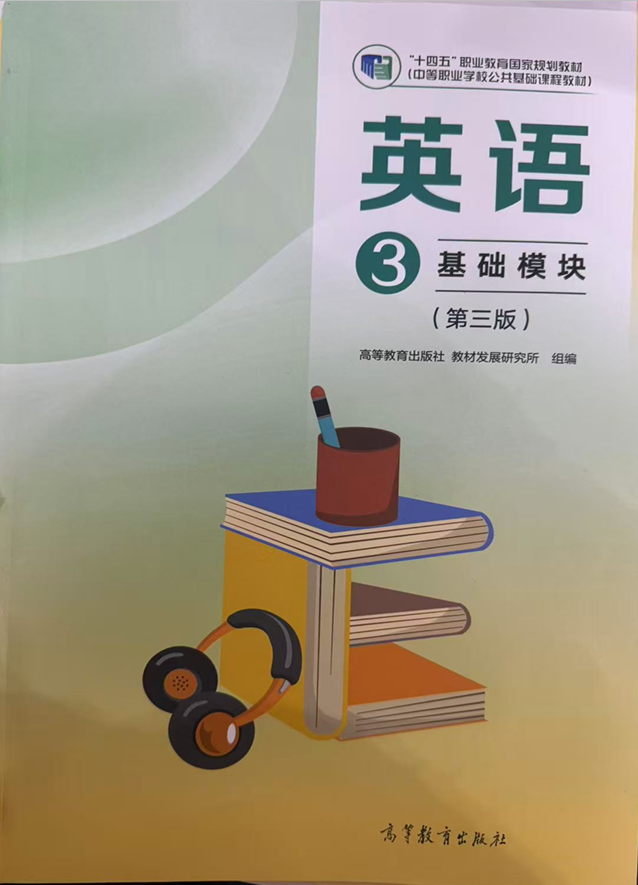
Unit 7 Natural Disasters(A卷·基础巩固)《英语 基础模块3》(高教版第三版)单元过关卷(原卷版+解析版)
2026-07-24
|
2份
|
22页
|
50人阅读
|
0人下载
摘要:
**基本信息**
紧扣《英语 基础模块3》Unit 7“Natural Disasters”核心考点,A卷聚焦基础巩固,通过真实防灾情境训练语言能力与安全意识,适配单元复习需求。
**题型特征**
|题型|题量/分值|知识覆盖|命题特色|
|----|-----------|----------|----------|
|补全对话|5/10|日常交际用语|创设台风应对等真实对话情境,考查语言理解与表达能力|
|词汇|10/20|自然灾害主题词(typhoon/flood等)|结合单元核心词汇,强化语境词义辨析|
|完形填空|15/30|防灾教育活动|以校园暴雨应急训练为线索,融合词汇运用与逻辑推理|
|阅读理解|15/45|台风志愿者行动、海绵城市|选取真实社区案例,培养信息获取与问题解决思维|
|语法填空|10/20|被动语态、不定式等|围绕环保活动,考查语法在语境中的应用|
|完成句子|5/15|句型结构(it is important to等)|结合防灾措施,强化语言输出准确性|
|应用写作|1/10|海报活动通知|联系校园实践,提升语言综合运用与学习能力|
内容正文:
编写说明:本套试卷紧扣《英语 基础模块3》(高教版第三版)教材,以教材单元为基准精准覆盖核心考点。
每个单元设置AB卷,A卷为基础巩固卷,侧重基础考点训练,帮助学生扎实掌握知识要点;B卷为能力提升卷,注重知识整合与全面检测,引导学生构建知识网络。全书设计4份综合测试卷,模拟实战情境,聚焦解题能力突破,全面提升应试能力与知识应用水平。
《英语 基础模块3》(高教版第三版)《单元过关卷》
Unit 7 Natural Disasters
A卷·基础巩固
考试时间:120分钟 满分:150分
班级_____姓名_____学号_____成绩_____
Ⅰ.补全对话(5小题,共10分)
阅读下列简短对话,从A、B、C、D中选出最佳答案,将对话补全。
1.— Our class will make a poster about saving energy this Friday. Would you like to join us?
— ________. I can help collect pictures.
A.Never mind. B.I'm sorry to hear that.
C.Sure, I'd love to. D.That's too bad.
2.— The typhoon is coming. We should close the windows before leaving.
— ________. Safety comes first.
A.I agree with you. B.It doesn't matter.
C.Have a good time. D.You're welcome.
3.— My train was delayed due to the heavy rain.
— ________. I hope you can get home soon.
A.Go ahead. B.It sounds great.
C.Don't mention it. D.That's terrible.
4.— What can we do to reduce natural disasters?
— ________. Everyone can start with small actions.
A.I have no idea about your name. B.We can protect the environment.
C.The food tastes delicious. D.The film starts at seven.
5.— People are using more electric cars now.
— ________. They create less pollution than gas-powered cars.
A.I'm afraid not. B.What a pity!
C.That's a good point. D.No problem.
Ⅱ. 词汇(10小题,共20分)
阅读下列句子,从A、B、C、D中选出句中画线的单词或词组的意义。
6.A strong typhoon may bring heavy rain to coastal cities.
A.台风 B.干旱
C.火山 D.车辆
7.The school had to cancel the outdoor game because of the storm.
A.保护 B.污染
C.促进 D.取消
8.Factories should not pollute the river with dirty water.
A.节约 B.污染
C.讨论 D.吹动
9.The guide asked visitors to stay away from the loose rocks.
A.全球的 B.可持续的
C.松动的 D.频繁的
10.We need to promote green energy use in our community.
A.促进 B.损坏
C.推迟 D.侵袭
11.Many roads were closed due to the flood last night.
A.代替 B.远离
C.为了 D.由于
12.The terrible earthquake caused great damage to the old buildings.
A.讨论 B.损坏
C.力量 D.土壤
13.People should prevent children from playing near deep water.
A.允许 B.采访
C.阻止 D.认识
14.The report shows that heat waves happen more frequently in summer.
A.安静地 B.突然地
C.清楚地 D.频繁地
15.More people now realize the importance of environmental protection.
A.认识到 B.覆盖
C.撞击 D.预订
Ⅲ. 完形填空(15小题,共30分)
阅读下面短文,并掌握其大意。然后从各题所给的四个选项中,选出一个最佳答案。
Green Star Vocational School had planned a week-long disaster-prevention education program. At first, most students regarded the activity as nothing more than printed posters and short lectures. On Monday morning, however, an unexpected heavy rainstorm made everyone realize why the training was 16______. The playground was flooded in minutes, the sky turned dark, and the school broadcast asked all classes to remain calm.
Mr. Lin, the school safety instructor, guided students to the main hall. He did not raise his voice. Instead, he spoke in a 17______ tone and assigned tasks to each group. Students sitting by the windows moved to the inner area first, and class monitors 18______ the classroom doors carefully. When a flood safety video played, Chen Mei noticed characters in the film attempting to wade through deep water. Mr. Lin paused the video and asked, “What is the 19______ choice in this situation?” The students replied that people should stay in a safe spot and call for help. The brief 20______ deepened their understanding of flood risks, 21______ the rain outside showed no sign of easing.
In the afternoon, each group worked on a safety poster. Mr. Lin explained that the posters should cover both personal safety tips and ways to 22______ the environment. One group listed clear 23______ for local families, such as preparing a small emergency kit and leaving flooded roads 24______. Another group collected 25______ of electric public transport and tree-planting campaigns. Chen Mei had previously thought such small actions could not 26______ anything or 27______ future risks. After the day’s training, she completely changed her mind. When the rain stopped, students returned to their classrooms. They no longer felt frightened, but 28______ to deal with emergencies. They were also 29______ of the knowledge they had gained. They came to understand that safety 30______ with small daily habits.
16.A.noisy B.expensive C.necessary D.private
17.A.weak B.calm C.angry D.strange
18.A.broke B.painted C.closed D.forgot
19.A.fastest B.safest C.largest D.latest
20.A.ticket B.meal C.habit D.discussion
21.A.because B.unless C.although D.before
22.A.delay B.pollute C.protect D.repair
23.A.force B.noise C.prize D.advice
24.A.politely B.suddenly C.heavily D.quickly
25.A.answers B.pictures C.mistakes D.stories
26.A.change B.borrow C.lose D.carry
27.A.prevent B.invite C.describe D.prefer
28.A.careless B.tired C.silent D.ready
29.A.sad B.proud C.sleepy D.rude
30.A.starts B.falls C.hides D.fails
Ⅳ. 阅读理解(15小题,共45分)
A)阅读下列短文,并做短文后的题目。然后从各题所给的四个选项中,选出能回答所提问题或完成所给句子的最佳答案。
A
At 6:30 on a summer morning, the community radio in Haifeng Town reported that a typhoon was moving toward the coast. Li Ming, a student volunteer, had planned to help at a small library, but the plan was changed at once. The neighborhood office needed young volunteers to remind old people to prepare for the storm.
Li Ming and his partner first visited Grandma Huang, who lived alone on the fourth floor. They helped her move flowerpots away from the balcony and checked whether her windows were closed. Grandma Huang wanted to go downstairs to buy vegetables, but Li Ming advised her to stay indoors because strong winds could arrive before noon. He also wrote down an emergency phone number and placed it beside her telephone.
Before leaving, the volunteers gave each family a short safety card. The card said people should charge their phones, prepare drinking water, keep away from glass windows and never walk through flooded roads. At noon, the typhoon brought heavy rain, but most families in the building were ready. Li Ming felt tired when he returned home, yet he was glad. He realized that disaster prevention is not only the job of rescue workers. Ordinary people can also protect others through careful preparation and warm help. The experience also taught Li Ming to listen carefully to warnings, share clear messages with neighbors, and check small risks before they become serious problems.
31.Why was Li Ming's plan changed that morning?
A.Because a typhoon was coming. B.Because the library was too far away.
C.Because he had to take an exam. D.Because Grandma Huang was ill.
32.What did Li Ming help Grandma Huang do?
A.Buy vegetables downstairs. B.Move flowerpots and check windows.
C.Repair the community radio. D.Clean the small library.
33.Why did Li Ming advise Grandma Huang to stay indoors?
A.The shop was closed. B.She had no money with her.
C.Strong winds could arrive soon. D.The lift stopped working.
34.Which action was NOT mentioned on the safety card?
A.Charging phones. B.Preparing drinking water.
C.Keeping away from glass windows. D.Driving through flooded roads quickly.
35.What does the passage mainly show?
A.Typhoons always happen at night. B.Libraries should close in summer.
C.Young people dislike volunteer work. D.Careful preparation can help protect people.
B
Many people think floods are only caused by heavy rain. Rain is certainly an important reason, but city life can make floods worse. In some cities, roads, squares and parking areas are covered with hard materials. When rain falls on these surfaces, water cannot enter the soil easily. It runs quickly into drains. If the drains are too small or blocked by rubbish, water soon covers the streets.
Green design offers a useful way to reduce this problem. A “sponge city” uses parks, gardens, ponds and special pavements to hold rainwater like a sponge. During a storm, these places collect water and slow it down. After the rain, the water can be cleaned and reused for plants or street cleaning. This does not mean a sponge city can stop every flood, but it can reduce the pressure on drains and give people more time to respond.
Schools can also take part. Some schools build small rain gardens near playgrounds. Students measure rainfall, clean leaves from drains and learn why protecting soil matters. Such activities turn environmental protection into something visible. When students see rainwater disappear slowly into a garden instead of rushing across the ground, they understand that small design changes can make a city safer and greener. The idea is easy for families to understand too: less rubbish, more plants and cleaner drains can turn heavy rain from a disaster into a problem that people can manage together. Community workers can also put simple maps near gates, showing safe routes and nearby shelters, so residents know what to do before the next heavy rain arrives.
36.What is the first paragraph mainly about?
A.Why heavy rain is useful for gardens. B.How city life can make floods worse.
C.Where people should park their cars. D.When drains are built in cities.
37.What does the underlined word “surfaces” refer to?
A.Roads, squares and parking areas. B.Parks, gardens and ponds.
C.Leaves and rubbish. D.Schools and playgrounds.
38.A sponge city can help by ________.
A.making all storms disappear B.moving people to higher mountains
C.holding and slowing rainwater D.closing every school on rainy days
39.What can schools do according to the passage?
A.Build rain gardens and clean drains. B.Stop students from learning outdoors.
C.Use more hard materials on playgrounds. D.Let rainwater rush across the ground.
40.What is the purpose of the passage?
A.To sell a new kind of pavement. B.To explain how green design reduces flood risk.
C.To report one school sports meeting. D.To compare different kinds of rain.
B)阅读下面短文,从短文后的选项中选出可以填入空格处的最佳选项。
Natural disasters can happen suddenly, but good preparation can make people safer. In many schools, students learn what to do before, during and after emergencies. ____41____
First, know the risks around you. A student living near the sea should learn about typhoons and floods, while a student in a dry area may need to know about heat waves or sandstorms. ____42____ When people understand local risks, they can prepare the right things.
Second, make a family plan. Decide where family members will meet if phones do not work. Put important numbers on paper, not only in a phone. ____43____ A small bag with water, food, a flashlight and medicine can be very helpful.
Third, stay calm when a warning comes. Some people run outside without thinking, and this may put them in danger. Listen to official messages and follow teachers, parents or community workers. ____44____
Finally, remember that protecting the environment is also part of preparation. Planting trees, saving energy and reducing waste may not stop every disaster, but they help make our home stronger. ____45____ Teachers can organize poster shows, parents can check supplies every month, and students can remind friends not to ignore warnings. These habits build a safety culture. When a real emergency comes, people who have practiced together will know where to go, whom to call and how to help others without panic. They will also understand that preparation is not only for adults. Young people can check weather reports, share safety cards and join community exercises. Even one clear reminder may save time during danger.
A. Preparation should match the place where you live.
B. These lessons are not difficult, but they are useful.
C. Acting together is safer than acting alone.
D. Everyone can take small steps before danger arrives.
E. Also prepare an emergency bag at home.
Ⅴ. 语法填空(10小题,共20分)
Last Saturday, our school held an activity about environmental protection. Students were asked to find out how natural disasters are connected with human activities. In the morning, we watched a short video about floods and sandstorms. It showed that some disasters become worse because forests ____ 46 ____ (cut) down and rivers are polluted. After that, our teacher asked us ____ 47 ____ (discuss) what we could do in daily life.
My group made a poster. We wrote that saving energy is ____ 48 ____ useful way to reduce pollution. We also advised students ____ 49 ____ (take) public transportation more often. Li Hua, ____ 50 ____ is good at drawing, added pictures of electric cars and trees. When our poster was finished, many classmates stopped ____ 51 ____ (read) it. They said the message was ____ 52 ____ (clear) than they expected. I realized ____ 53 ____ small actions can make a difference. If everyone pays attention ____ 54 ____ the environment, our home will become ____ 55 ____ (safe). The activity also made us believe that learning English can help us share green ideas with more people. It was a meaningful lesson for us.
Ⅵ. 完成句子(5小题,共15分)
根据所给汉语提示,完成英语句子。
56.It is important _______________ clean water after a flood.
洪水过后保护干净水源很重要。
57.The problem is ________ we can get more people to join the clean-up.
问题是我们怎样才能让更多人参加清洁活动。
58.The football match was delayed _____________ the heavy rain.
足球比赛由于大雨被推迟了。
59.We should prevent people _______________ trees carelessly.
我们应该阻止人们随意砍树。
60.________________________ small actions can reduce pollution.
事实是小行动可以减少污染。
Ⅶ. 应用写作(1小题,共10分)
61.【写作内容】假如你是学生会成员李华,学校将举行“Protect Our Earth”海报宣传活动。请写一则英文通知,说明活动时间、地点和参加要求。
【写作要求】正文约40个英文单词,文中不可出现你自己的真实姓名、学校等信息。
【评分标准】信息完整,语言规范,语篇连贯。
________________________________________________________________________________________________________________________________________________________________________________________________________________________________________________________________________________________________________________________________________
原创精品资源学科网独家享有版权,侵权必究!
学科网(北京)股份有限公司
$
编写说明:本套试卷紧扣《英语 基础模块3》(高教版第三版)教材,以教材单元为基准精准覆盖核心考点。
每个单元设置AB卷,A卷为基础巩固卷,侧重基础考点训练,帮助学生扎实掌握知识要点;B卷为能力提升卷,注重知识整合与全面检测,引导学生构建知识网络。全书设计4份综合测试卷,模拟实战情境,聚焦解题能力突破,全面提升应试能力与知识应用水平。
《英语 基础模块3》(高教版第三版)《单元过关卷》
Unit 7 Natural Disasters
A卷·基础巩固
考试时间:120分钟 满分:150分
班级_____姓名_____学号_____成绩_____
Ⅰ.补全对话(5小题,共10分)
阅读下列简短对话,从A、B、C、D中选出最佳答案,将对话补全。
1.— Our class will make a poster about saving energy this Friday. Would you like to join us?
— ________. I can help collect pictures.
A.Never mind. B.I'm sorry to hear that.
C.Sure, I'd love to. D.That's too bad.
【答案】C
【详解】根据“I can help collect pictures.”可知,答话人愿意参加活动,C项用于接受邀请,符合语境。
2.— The typhoon is coming. We should close the windows before leaving.
— ________. Safety comes first.
A.I agree with you. B.It doesn't matter.
C.Have a good time. D.You're welcome.
【答案】A
【详解】根据“Safety comes first.”可知,答话人赞同对方的安全建议,A项符合表达态度的功能。
3.— My train was delayed due to the heavy rain.
— ________. I hope you can get home soon.
A.Go ahead. B.It sounds great.
C.Don't mention it. D.That's terrible.
【答案】D
【详解】上文说明列车因大雨延误,下文表示希望对方尽快到家,D项用于回应坏消息。
4.— What can we do to reduce natural disasters?
— ________. Everyone can start with small actions.
A.I have no idea about your name. B.We can protect the environment.
C.The food tastes delicious. D.The film starts at seven.
【答案】B
【详解】问句询问减少自然灾害的做法,B项提出保护环境,语义直接对应。
5.— People are using more electric cars now.
— ________. They create less pollution than gas-powered cars.
A.I'm afraid not. B.What a pity!
C.That's a good point. D.No problem.
【答案】C
【详解】答语后一句说明电动汽车污染更少,表明说话者认可对方观点,C项符合语境。
Ⅱ. 词汇(10小题,共20分)
阅读下列句子,从A、B、C、D中选出句中画线的单词或词组的意义。
6.A strong typhoon may bring heavy rain to coastal cities.
A.台风 B.干旱
C.火山 D.车辆
【答案】A
【详解】typhoon是名词,表示“台风”。句中说它会给沿海城市带来暴雨,符合台风的影响。
7.The school had to cancel the outdoor game because of the storm.
A.保护 B.污染
C.促进 D.取消
【答案】D
【详解】cancel是动词,表示“取消”。因暴风雨而无法举行户外比赛,所以应理解为取消。
8.Factories should not pollute the river with dirty water.
A.节约 B.污染
C.讨论 D.吹动
【答案】B
【详解】pollute是动词,表示“污染”。dirty water提示该动作会破坏河流环境。
9.The guide asked visitors to stay away from the loose rocks.
A.全球的 B.可持续的
C.松动的 D.频繁的
【答案】C
【详解】loose是形容词,表示“松的;不牢固的”。rocks与stay away from提示存在坠落风险。
10.We need to promote green energy use in our community.
A.促进 B.损坏
C.推迟 D.侵袭
【答案】A
【详解】promote是动词,表示“促进;提升”。句中宾语green energy use说明是推动绿色能源使用。
11.Many roads were closed due to the flood last night.
A.代替 B.远离
C.为了 D.由于
【答案】D
【详解】due to是介词短语,表示“由于”。the flood说明道路关闭的原因。
12.The terrible earthquake caused great damage to the old buildings.
A.讨论 B.损坏
C.力量 D.土壤
【答案】B
【详解】damage是名词,表示“损坏;伤害”。earthquake与old buildings构成灾害造成建筑受损的语境。
13.People should prevent children from playing near deep water.
A.允许 B.采访
C.阻止 D.认识
【答案】C
【详解】prevent是动词,表示“防止;阻止”。prevent sb. from doing sth.表示“阻止某人做某事”。
14.The report shows that heat waves happen more frequently in summer.
A.安静地 B.突然地
C.清楚地 D.频繁地
【答案】D
【详解】frequently是副词,表示“频繁地”。more frequently说明热浪发生次数增加。
15.More people now realize the importance of environmental protection.
A.认识到 B.覆盖
C.撞击 D.预订
【答案】A
【详解】realize是动词,表示“认识到”。宾语the importance说明人们意识到环保的重要性。
Ⅲ. 完形填空(15小题,共30分)
阅读下面短文,并掌握其大意。然后从各题所给的四个选项中,选出一个最佳答案。
Green Star Vocational School had planned a week-long disaster-prevention education program. At first, most students regarded the activity as nothing more than printed posters and short lectures. On Monday morning, however, an unexpected heavy rainstorm made everyone realize why the training was 16______. The playground was flooded in minutes, the sky turned dark, and the school broadcast asked all classes to remain calm.
Mr. Lin, the school safety instructor, guided students to the main hall. He did not raise his voice. Instead, he spoke in a 17______ tone and assigned tasks to each group. Students sitting by the windows moved to the inner area first, and class monitors 18______ the classroom doors carefully. When a flood safety video played, Chen Mei noticed characters in the film attempting to wade through deep water. Mr. Lin paused the video and asked, “What is the 19______ choice in this situation?” The students replied that people should stay in a safe spot and call for help. The brief 20______ deepened their understanding of flood risks, 21______ the rain outside showed no sign of easing.
In the afternoon, each group worked on a safety poster. Mr. Lin explained that the posters should cover both personal safety tips and ways to 22______ the environment. One group listed clear 23______ for local families, such as preparing a small emergency kit and leaving flooded roads 24______. Another group collected 25______ of electric public transport and tree-planting campaigns. Chen Mei had previously thought such small actions could not 26______ anything or 27______ future risks. After the day’s training, she completely changed her mind. When the rain stopped, students returned to their classrooms. They no longer felt frightened, but 28______ to deal with emergencies. They were also 29______ of the knowledge they had gained. They came to understand that safety 30______ with small daily habits.
16.A.noisy B.expensive C.necessary D.private
17.A.weak B.calm C.angry D.strange
18.A.broke B.painted C.closed D.forgot
19.A.fastest B.safest C.largest D.latest
20.A.ticket B.meal C.habit D.discussion
21.A.because B.unless C.although D.before
22.A.delay B.pollute C.protect D.repair
23.A.force B.noise C.prize D.advice
24.A.politely B.suddenly C.heavily D.quickly
25.A.answers B.pictures C.mistakes D.stories
26.A.change B.borrow C.lose D.carry
27.A.prevent B.invite C.describe D.prefer
28.A.careless B.tired C.silent D.ready
29.A.sad B.proud C.sleepy D.rude
30.A.starts B.falls C.hides D.fails
【答案】16.C 17.B 18.C 19.B 20.D 21.C 22.C 23.D 24.D 25.B 26.A 27.A 28.D 29.B 30.A
【导语】本文围绕绿星职业学校的防灾周活动展开,讲述一场突发暴雨让学生真切意识到防灾训练的必要性,师生在应急疏散、视频研讨与海报设计的过程中,逐步理解安全防护与环境保护都始于日常点滴行动的道理。
【详解】16. C. necessary:突如其来的暴雨让学生们真切意识到防灾训练是有必要的,necessary 符合语境,noisy 喧闹的、expensive 昂贵的、private 私人的均与文意不符。
17. B. calm:前文提到林老师没有高声呼喊,说明他用平静镇定的语气指挥,calm 平静的、镇定的契合应急场景,weak 虚弱的、angry 生气的、strange 奇怪的均不符合。
18. C. closed:暴雨天气疏散时,班干部要小心关好教室门,closed 关闭符合安全处置动作,broke 打碎、painted 绘画、forgot 忘记均不符合场景逻辑。
19. B. safest:老师暂停视频询问洪水场景下最安全的选择是什么,后文学生回答待在安全区域求助也呼应了安全主题,safest 最安全的符合语境,fastest 最快的、largest 最大的、latest 最晚的均偏离核心。
20. D. discussion:老师提问、学生作答的过程构成了一场简短的讨论,discussion 讨论契合课堂互动情节,ticket 车票、meal 一餐、habit 习惯均与互动场景无关。
21. C. although:前半句说明讨论加深了学生对危险的认知,后半句指出屋外雨势未减,前后为让步关系,although 尽管符合逻辑,because 表原因、unless 表条件、before 表时间均不成立。
22. C. protect:海报内容包含人身安全贴士与环境保护方法,protect 保护契合环保主题,delay 推迟、pollute 污染、repair 修理均不符合海报的正向引导方向。
23. D. advice:准备应急包、远离积水道路都属于给家庭的安全建议,advice 建议符合语境,force 力量、noise 噪音、prize 奖品均与内容不符。
24. D. quickly:遇到积水路段应当迅速离开危险区域,quickly 迅速地符合安全处置原则,politely 礼貌地、suddenly 突然地、heavily 沉重地均不符合避险逻辑。
25. B. pictures:制作海报需要收集相关配图,电动公交、植树活动对应的是图片素材,pictures 图片契合海报制作场景,answers 答案、mistakes 错误、stories 故事均不符合素材类型。
26. A. change:陈梅此前认为这类小事无法改变什么,后文提到她转变观念也呼应了这一认知,change 改变符合语境,borrow 借用、lose 丢失、carry 搬运均不符合语义。
27. A. prevent:小行动无法预防未来风险是陈梅此前的想法,prevent 预防、阻止契合防灾主题,invite 邀请、describe 描述、prefer 更喜欢均与风险搭配不当。
28. D. ready:经过训练学生不再害怕,而是做好了应对紧急情况的准备,ready 准备好的符合认知转变,careless 粗心的、tired 疲惫的、silent 沉默的均不符合正向转变的语境。
29. B. proud:学生们学到了实用的安全知识,会为此感到自豪,proud 自豪的符合情绪,sad 悲伤的、sleepy 困倦的、rude 粗鲁的均为负面情绪,不符合语境。
30. A. starts:句意为安全始于日常的微小习惯,start with 为固定搭配,意为始于……,falls 落下、hides 隐藏、fails 失败均无法构成合理搭配。
Ⅳ. 阅读理解(15小题,共45分)
A)阅读下列短文,并做短文后的题目。然后从各题所给的四个选项中,选出能回答所提问题或完成所给句子的最佳答案。
A
At 6:30 on a summer morning, the community radio in Haifeng Town reported that a typhoon was moving toward the coast. Li Ming, a student volunteer, had planned to help at a small library, but the plan was changed at once. The neighborhood office needed young volunteers to remind old people to prepare for the storm.
Li Ming and his partner first visited Grandma Huang, who lived alone on the fourth floor. They helped her move flowerpots away from the balcony and checked whether her windows were closed. Grandma Huang wanted to go downstairs to buy vegetables, but Li Ming advised her to stay indoors because strong winds could arrive before noon. He also wrote down an emergency phone number and placed it beside her telephone.
Before leaving, the volunteers gave each family a short safety card. The card said people should charge their phones, prepare drinking water, keep away from glass windows and never walk through flooded roads. At noon, the typhoon brought heavy rain, but most families in the building were ready. Li Ming felt tired when he returned home, yet he was glad. He realized that disaster prevention is not only the job of rescue workers. Ordinary people can also protect others through careful preparation and warm help. The experience also taught Li Ming to listen carefully to warnings, share clear messages with neighbors, and check small risks before they become serious problems.
31.Why was Li Ming's plan changed that morning?
A.Because a typhoon was coming. B.Because the library was too far away.
C.Because he had to take an exam. D.Because Grandma Huang was ill.
32.What did Li Ming help Grandma Huang do?
A.Buy vegetables downstairs. B.Move flowerpots and check windows.
C.Repair the community radio. D.Clean the small library.
33.Why did Li Ming advise Grandma Huang to stay indoors?
A.The shop was closed. B.She had no money with her.
C.Strong winds could arrive soon. D.The lift stopped working.
34.Which action was NOT mentioned on the safety card?
A.Charging phones. B.Preparing drinking water.
C.Keeping away from glass windows. D.Driving through flooded roads quickly.
35.What does the passage mainly show?
A.Typhoons always happen at night. B.Libraries should close in summer.
C.Young people dislike volunteer work. D.Careful preparation can help protect people.
【答案】31.A 32.B 33.C 34.D 35.D
【导语】这是一篇记叙文。文章讲述台风来临前,学生志愿者李明帮助社区老人做防灾准备的经历,说明普通人也能通过细致准备和及时提醒保护他人。
【详解】31.细节理解题。根据第一段“At 6:30 on a summer morning, the community radio in Haifeng Town reported that a typhoon was moving toward the coast.”以及“Li Ming...had planned to help at a small library, but the plan was changed at once.”可知,李明原计划去小图书馆帮忙,但因为台风正向海岸移动,社区需要志愿者提醒老人做准备,所以他的计划被改变。故选A。
32.细节理解题。根据第二段“They helped her move flowerpots away from the balcony and checked whether her windows were closed.”可知,李明和搭档帮助黄奶奶把花盆从阳台移开,并检查窗户是否关好。故选B。
33.细节理解题。根据第二段“Li Ming advised her to stay indoors because strong winds could arrive before noon.”可知,李明建议黄奶奶待在室内,是因为强风可能在中午前到达。故选C。
34.细节理解题。根据第三段“The card said people should charge their phones, prepare drinking water, keep away from glass windows and never walk through flooded roads.”可知,安全卡提到给手机充电、准备饮用水、远离玻璃窗和不要步行通过积水道路,并未提到“开车快速通过积水道路”。故选D。
35.主旨大意题。根据最后一段“He realized that disaster prevention is not only the job of rescue workers. Ordinary people can also protect others through careful preparation and warm help.”可知,文章通过李明做志愿服务的经历,强调细致准备能够帮助保护他人。故选D。
B
Many people think floods are only caused by heavy rain. Rain is certainly an important reason, but city life can make floods worse. In some cities, roads, squares and parking areas are covered with hard materials. When rain falls on these surfaces, water cannot enter the soil easily. It runs quickly into drains. If the drains are too small or blocked by rubbish, water soon covers the streets.
Green design offers a useful way to reduce this problem. A “sponge city” uses parks, gardens, ponds and special pavements to hold rainwater like a sponge. During a storm, these places collect water and slow it down. After the rain, the water can be cleaned and reused for plants or street cleaning. This does not mean a sponge city can stop every flood, but it can reduce the pressure on drains and give people more time to respond.
Schools can also take part. Some schools build small rain gardens near playgrounds. Students measure rainfall, clean leaves from drains and learn why protecting soil matters. Such activities turn environmental protection into something visible. When students see rainwater disappear slowly into a garden instead of rushing across the ground, they understand that small design changes can make a city safer and greener. The idea is easy for families to understand too: less rubbish, more plants and cleaner drains can turn heavy rain from a disaster into a problem that people can manage together. Community workers can also put simple maps near gates, showing safe routes and nearby shelters, so residents know what to do before the next heavy rain arrives.
36.What is the first paragraph mainly about?
A.Why heavy rain is useful for gardens. B.How city life can make floods worse.
C.Where people should park their cars. D.When drains are built in cities.
37.What does the underlined word “surfaces” refer to?
A.Roads, squares and parking areas. B.Parks, gardens and ponds.
C.Leaves and rubbish. D.Schools and playgrounds.
38.A sponge city can help by ________.
A.making all storms disappear B.moving people to higher mountains
C.holding and slowing rainwater D.closing every school on rainy days
39.What can schools do according to the passage?
A.Build rain gardens and clean drains. B.Stop students from learning outdoors.
C.Use more hard materials on playgrounds. D.Let rainwater rush across the ground.
40.What is the purpose of the passage?
A.To sell a new kind of pavement. B.To explain how green design reduces flood risk.
C.To report one school sports meeting. D.To compare different kinds of rain.
【答案】36.B 37.A 38.C 39.A 40.B
【导语】这是一篇说明文。文章介绍城市内涝不仅与强降雨有关,也受城市硬质地面、排水系统等因素影响,并说明“海绵城市”等绿色设计可以降低洪涝风险。
【详解】36.主旨大意题。根据第一段“Rain is certainly an important reason, but city life can make floods worse.”以及后文关于硬质地面、排水口过小或堵塞的说明可知,第一段主要解释城市生活方式如何使洪水问题更严重。故选B。
37.词义猜测题。根据第一段“In some cities, roads, squares and parking areas are covered with hard materials. When rain falls on these surfaces...”可知,these surfaces指前一句提到的roads, squares and parking areas,即道路、广场和停车区域这些硬质表面。故选A。
38.细节理解题。根据第二段“A ‘sponge city’ uses parks, gardens, ponds and special pavements to hold rainwater like a sponge. During a storm, these places collect water and slow it down.”可知,海绵城市通过收集、储存并减缓雨水流动来发挥作用。故选C。
39.细节理解题。根据第三段“Some schools build small rain gardens near playgrounds. Students measure rainfall, clean leaves from drains...”可知,学校可以建设雨水花园、测量降雨并清理排水口树叶。故选A。
40.推理判断题。文章先说明城市内涝加重的原因,再介绍海绵城市、学校雨水花园、清理排水口等绿色设计和行动,目的在于解释绿色设计如何减少洪涝风险。故选B。
B)阅读下面短文,从短文后的选项中选出可以填入空格处的最佳选项。
Natural disasters can happen suddenly, but good preparation can make people safer. In many schools, students learn what to do before, during and after emergencies. ____41____
First, know the risks around you. A student living near the sea should learn about typhoons and floods, while a student in a dry area may need to know about heat waves or sandstorms. ____42____ When people understand local risks, they can prepare the right things.
Second, make a family plan. Decide where family members will meet if phones do not work. Put important numbers on paper, not only in a phone. ____43____ A small bag with water, food, a flashlight and medicine can be very helpful.
Third, stay calm when a warning comes. Some people run outside without thinking, and this may put them in danger. Listen to official messages and follow teachers, parents or community workers. ____44____
Finally, remember that protecting the environment is also part of preparation. Planting trees, saving energy and reducing waste may not stop every disaster, but they help make our home stronger. ____45____ Teachers can organize poster shows, parents can check supplies every month, and students can remind friends not to ignore warnings. These habits build a safety culture. When a real emergency comes, people who have practiced together will know where to go, whom to call and how to help others without panic. They will also understand that preparation is not only for adults. Young people can check weather reports, share safety cards and join community exercises. Even one clear reminder may save time during danger.
A. Preparation should match the place where you live.
B. These lessons are not difficult, but they are useful.
C. Acting together is safer than acting alone.
D. Everyone can take small steps before danger arrives.
E. Also prepare an emergency bag at home.
【答案】41.B 42.A 43.E 44.C 45.D
【导语】这是一篇说明文。文章介绍学生和家庭在自然灾害来临前可以采取的准备措施,包括了解本地风险、制定家庭计划、准备应急包、听从预警安排以及保护环境。
【详解】41.根据空前“In many schools, students learn what to do before, during and after emergencies.”可知,前文提到学校教授应急知识;B项“These lessons are not difficult, but they are useful.”中的“These lessons”指代前文这些应急课程,并说明其特点,衔接自然。故选B。
42.根据本段首句“First, know the risks around you.”以及空前“A student living near the sea should learn about typhoons and floods, while a student in a dry area may need to know about heat waves or sandstorms.”可知,不同居住地点面临的风险不同,准备也应因地制宜。A项“Preparation should match the place where you live.”概括本段主旨,符合语境。故选A。
43.根据本段首句“Second, make a family plan.”和空后“A small bag with water, food, a flashlight and medicine can be very helpful.”可知,下文列举应急包里的物品,空处应引出“准备家庭应急包”。E项“Also prepare an emergency bag at home.”承上启下,符合语境。故选E。
44.根据空前“Listen to official messages and follow teachers, parents or community workers.”可知,本段强调收到预警时应听从权威信息和相关人员安排,不要单独盲目行动。C项“Acting together is safer than acting alone.”总结共同配合更安全,符合语境。故选C。
45.根据空前“Planting trees, saving energy and reducing waste may not stop every disaster, but they help make our home stronger.”以及空后“Teachers can organize poster shows, parents can check supplies every month, and students can remind friends not to ignore warnings.”可知,前后都强调每个人都能提前做一些小事。D项“Everyone can take small steps before danger arrives.”承接自然并引出后文例子。故选D。
Ⅴ. 语法填空(10小题,共20分)
Last Saturday, our school held an activity about environmental protection. Students were asked to find out how natural disasters are connected with human activities. In the morning, we watched a short video about floods and sandstorms. It showed that some disasters become worse because forests ____ 46 ____ (cut) down and rivers are polluted. After that, our teacher asked us ____ 47 ____ (discuss) what we could do in daily life.
My group made a poster. We wrote that saving energy is ____ 48 ____ useful way to reduce pollution. We also advised students ____ 49 ____ (take) public transportation more often. Li Hua, ____ 50 ____ is good at drawing, added pictures of electric cars and trees. When our poster was finished, many classmates stopped ____ 51 ____ (read) it. They said the message was ____ 52 ____ (clear) than they expected. I realized ____ 53 ____ small actions can make a difference. If everyone pays attention ____ 54 ____ the environment, our home will become ____ 55 ____ (safe). The activity also made us believe that learning English can help us share green ideas with more people. It was a meaningful lesson for us.
【答案】46.are cut 47.to discuss 48.a 49.to take 50.who 51.to read 52.clearer 53.that 54.to 55.safer
【导语】这是一篇记叙文。文章介绍学校开展环保活动,学生通过观看视频、讨论和制作海报,认识到自然灾害与人类活动之间的联系以及日常环保行动的意义。
【详解】46.考查动词时态、语态和主谓一致。句意:视频显示,一些灾害变得更严重,是因为森林被砍伐、河流被污染。主语forests与cut down之间是被动关系,且此处陈述一般事实,应用一般现在时的被动语态;forests为复数,be动词用are。故填are cut。
47.考查非谓语动词。句意:之后,老师要求我们讨论日常生活中能做什么。ask sb. to do sth.为固定搭配,意为“要求某人做某事”,空处应用动词不定式。故填to discuss。
48.考查冠词。句意:我们写道,节约能源是减少污染的一种有用方式。way为可数名词单数,此处泛指“一种方式”;useful以辅音音素开头,应用不定冠词a。故填a。
49.考查非谓语动词。句意:我们还建议学生更经常乘坐公共交通工具。advise sb. to do sth.为固定搭配,意为“建议某人做某事”,空处应用动词不定式。故填to take。
50.考查定语从句。句意:擅长绘画的李华添加了电动汽车和树木的图片。空处引导非限制性定语从句,先行词Li Hua指人,关系词在从句中作主语,应用who。故填who。
51.考查非谓语动词。句意:海报完成后,许多同学停下来读它。stop to do sth.表示“停下来去做另一件事”,此处指同学们停下原来的事情去读海报,应用动词不定式。故填to read。
52.考查形容词比较级。句意:他们说这个信息比他们预期的更清楚。根据空后的than可知,此处应用形容词clear的比较级clearer。故填clearer。
53.考查宾语从句。句意:我意识到小行动能够产生影响。空处引导宾语从句,从句结构和句意完整,不缺成分,应用that引导。故填that。
54.考查介词。句意:如果每个人都关注环境,我们的家园将变得更安全。pay attention to为固定搭配,意为“注意;关注”,空处应用介词to。故填to。
55.考查形容词比较级。句意:如果每个人都关注环境,我们的家园将变得更安全。结合语境可知,此处表示与现在相比“更安全”,应用safe的比较级safer。故填safer。
Ⅵ. 完成句子(5小题,共15分)
根据所给汉语提示,完成英语句子。
56.It is important _______________ clean water after a flood.
洪水过后保护干净水源很重要。
【答案】to protect
【详解】It is + adj. + to do sth.为固定句型,protect表示“保护”。
57.The problem is ________ we can get more people to join the clean-up.
问题是我们怎样才能让更多人参加清洁活动。
【答案】how
【详解】空处引导表语从句,表示“怎样”,用how。
58.The football match was delayed _____________ the heavy rain.
足球比赛由于大雨被推迟了。
【答案】due to
【详解】due to表示“由于”,说明比赛推迟的原因。
59.We should prevent people _______________ trees carelessly.
我们应该阻止人们随意砍树。
【答案】from cutting
【详解】prevent sb. from doing sth.表示“阻止某人做某事”。
60.________________________ small actions can reduce pollution.
事实是小行动可以减少污染。
【答案】The fact is that
【详解】空处引导表语从句,句意完整,用that。
Ⅶ. 应用写作(1小题,共10分)
61.【写作内容】假如你是学生会成员李华,学校将举行“Protect Our Earth”海报宣传活动。请写一则英文通知,说明活动时间、地点和参加要求。
【写作要求】正文约40个英文单词,文中不可出现你自己的真实姓名、学校等信息。
【评分标准】信息完整,语言规范,语篇连贯。
________________________________________________________________________________________________________________________________________________________________________________________________________________________________________________________________________________________________________________________________________
【参考范文】
Notice
Our school will hold a poster activity named “Protect Our Earth” in the hall at 3:00 p.m. this Friday. Please make posters about saving energy, reducing waste or preventing disasters. Bring your colored pens and work in groups. Everyone is welcome!
Students' Union
【词汇积累】hold a poster activity举行海报活动;save energy节约能源;reduce waste减少浪费;work in groups小组合作。
【句式拓展】Our school will hold...可用于说明活动安排;Please make...用于提出参加要求。
【点睛】通知应包含时间、地点、主题和参加要求,语言简洁,信息完整。
原创精品资源学科网独家享有版权,侵权必究!
学科网(北京)股份有限公司
$
资源预览图

1

2

3
由于学科网是一个信息分享及获取的平台,不确保部分用户上传资料的 来源及知识产权归属。如您发现相关资料侵犯您的合法权益,请联系学科网,我们核实后将及时进行处理。