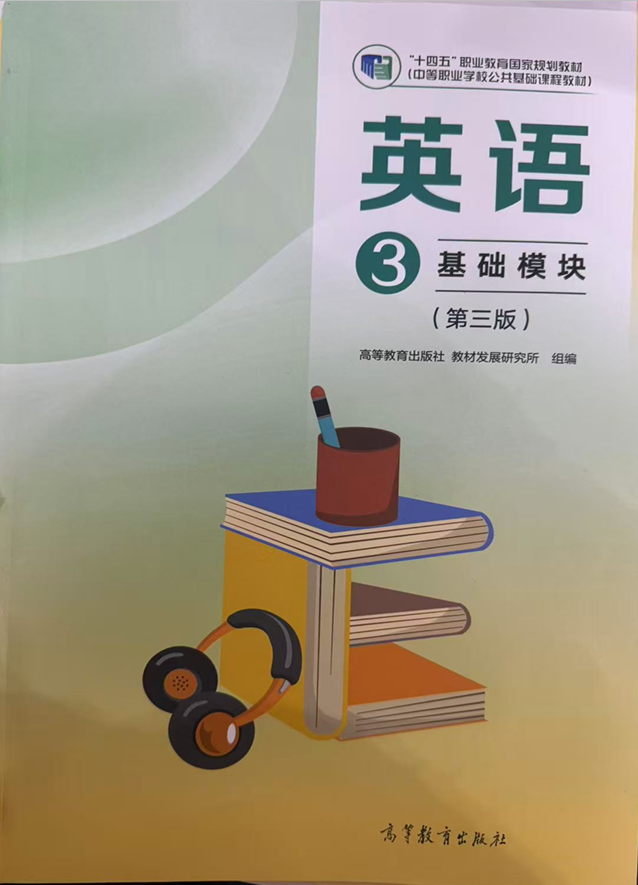
Unit 6 Living History of Culture(A卷·基础巩固)《英语 基础模块3》(高教版第三版)单元过关卷(原卷版+解析版)
2026-07-24
|
2份
|
22页
|
65人阅读
|
0人下载
摘要:
**基本信息**
紧扣《英语基础模块3》Unit 6“Living History of Culture”,A卷以文化传承情境(如兵马俑、博物馆参观)精准覆盖核心考点,适配单元复习,助力夯实基础并提升语言能力与文化意识。
**题型特征**
|题型|题量/分值|知识覆盖|命题特色|
|----|-----------|----------|----------|
|补全对话|5/10|日常交际用语|情境贴近文化交流,如历史景点讨论|
|词汇|10/20|核心词义(ancient, remind等)|结合文化主题词汇,强化基础积累|
|完形填空|15/30|语篇理解与词汇运用|以博物馆参观叙事,渗透文化传承思维|
|阅读理解|15/45|信息获取与推理|选取历史景点、民俗博物馆等语篇,提升思维品质|
|语法填空|10/20|语法应用(时态、语态等)|融入志愿者经历,体现学习能力培养|
|完成句子|5/15|句型转换与翻译|聚焦文化主题句型(如被动语态、宾语从句)|
|应用写作|1/10|通知写作|结合留学生参观艺术展,培养跨文化沟通能力|
内容正文:
编写说明:本套试卷紧扣《英语 基础模块3》(高教版第三版)教材,以教材单元为基准精准覆盖核心考点。
每个单元设置AB卷,A卷为基础巩固卷,侧重基础考点训练,帮助学生扎实掌握知识要点;B卷为能力提升卷,注重知识整合与全面检测,引导学生构建知识网络。全书设计4份综合测试卷,模拟实战情境,聚焦解题能力突破,全面提升应试能力与知识应用水平。
《英语 基础模块3》(高教版第三版)《单元过关卷》
Unit 6 Living History of Culture
A卷·基础巩固
考试时间:120分钟 满分:150分
班级_____姓名_____学号_____成绩_____
Ⅰ.补全对话(5小题,共10分)
阅读下列简短对话,从A、B、C、D中选出最佳答案,将对话补全。
1.— I visited the Xi'an City Wall during the holiday.
— ________. Could you show me some photos?
A.Never mind. B.I am sorry.
C.Sounds wonderful! D.No, thanks.
【答案】C
【详解】上文介绍假期参观西安城墙,下文请对方展示照片,说明答话人感兴趣并表示赞赏,C项符合语境。
2.— Why are you so interested in the Terracotta Army?
— ________. I want to learn more about Qin culture.
A.Because it is a great place to learn history. B.Because I missed the bus.
C.Because the meal is ready. D.Because I have finished my homework.
【答案】A
【详解】问句询问对兵马俑感兴趣的原因,后句说明想了解秦文化,A项说明它适合学习历史,语义连贯。
3.— Could you tell me more about paper-cutting?
— ________. It is a traditional Chinese art.
A.I don't think so. B.That's too bad.
C.You are late. D.No problem.
【答案】D
【详解】Could you tell me...?用于礼貌请求,对方随后开始介绍剪纸,D项表示愿意帮忙。
4.— Which place is the most attractive in Beijing?
— ________. It reminds visitors of China's ancient history.
A.I like noodles. B.It must be the Great Wall.
C.I go there by bus. D.The weather is fine.
【答案】B
【详解】问句询问最有吸引力的地方,后句说它让游客想起中国古代历史,B项直接回答地点。
5.— The museum closes at five. We should leave now.
— ________. Let's go to the exit.
A.Have a nice trip. B.You are welcome.
C.I agree with you. D.It doesn't matter.
【答案】C
【详解】上文提出应当离开,后文说去出口,说明答话人赞同建议,C项符合表达态度的功能。
Ⅱ. 词汇(10小题,共20分)
阅读下列句子,从A、B、C、D中选出句中画线的单词或词组的意义。
6.The Potala Palace is an ancient building with a long history.
A.现代的 B.吵闹的
C.普通的 D.古代的
【答案】D
【详解】ancient为形容词,修饰building,表示“古代的;历史悠久的”。句中强调布达拉宫有悠久历史,故选D。
7.The bright colors made the traditional dress look fantastic.
A.昂贵的 B.极好的
C.危险的 D.灰色的
【答案】B
【详解】fantastic为形容词,描述传统服饰在明亮色彩下的视觉效果,意为“极好的;非常棒的”。
8.The old photo reminded my grandpa of his first trip to Xi'an.
A.阻止 B.使想起
C.建造 D.选择
【答案】B
【详解】remind sb. of sth.为固定搭配,表示“使某人想起某事”。句中旧照片让爷爷想起第一次西安之旅。
9.Workers constructed the stone bridge more than one hundred years ago.
A.参观 B.比较
C.建造 D.保护
【答案】C
【详解】construct为动词,后接the stone bridge,表示“建造桥梁”。
10.The students visit the history club on a regular basis.
A.有规律的 B.短暂的
C.私人的 D.错误的
【答案】A
【详解】regular为形容词,regular basis表示“定期;有规律地”,说明学生固定参加历史社团活动。
11.The Great Wall stretches across mountains in northern China.
A.消失 B.购买
C.装饰 D.延伸
【答案】D
【详解】stretch为动词,表示“延伸;绵延”。句中说明长城横跨中国北方山脉。
12.The guide especially recommends the Shaanxi History Museum to young visitors.
A.立刻 B.尤其;特别
C.安静地 D.精确地
【答案】B
【详解】especially为副词,用来强调导游特别推荐陕西历史博物馆,意为“尤其;特别”。
13.The Terracotta Army is a wonder of human construction.
A.表情 B.广场
C.建筑;建造 D.假期
【答案】C
【详解】construction为名词,human construction指“人类建筑/建造的成果”。
14.The figures in the museum are life-sized, just like real soldiers.
A.明亮的 B.古老的
C.有规律的 D.真人大小的
【答案】D
【详解】life-sized为形容词,后文just like real soldiers提示其含义为“与真人一样大小的”。
15.The show was amazingly beautiful, and everyone took photos.
A.令人惊叹地 B.本来
C.精确地 D.最近
【答案】A
【详解】amazingly为副词,修饰beautiful,表示“令人惊叹地”,强调表演非常美。
Ⅲ. 完形填空(15小题,共30分)
阅读下面短文,并掌握其大意。然后从各题所给的四个选项中,选出一个最佳答案。
To collect materials for their class culture exhibition board, Chen Yu and his classmates took a one-day 16_____ to the local history museum. At first, he expected the visit to be a 17_____ tour with nothing but dusty old photos and plain text. 18_____, as soon as they stepped into the first exhibition hall, a guide showed them a delicate scale model of an ancient town and guided them to explore the 19_____ behind every tiny building. The model displayed how local people cooked, worked and celebrated traditional festivals, linking historical records to real daily life in the past.
The most 20_____ section was the traditional craft display area. A skilled craftsman was 21_____ a worn wooden box with fine carvings, and he explained that every line on the box carried a special 22_____. Chen Yu tried to copy a flower pattern 23_____, but his hand was not 24_____ enough to draw smooth lines. The craftsman smiled and said that excellent craftsmanship grows out of regular 25_____ and careful attention. His words 26_____ Chen Yu of his grandmother, who still makes paper 27_____ for the whole neighborhood every Spring Festival. She never complains about the heavy work, for she believes each cut and fold holds warm holiday wishes. Chen Yu then understood why handmade objects always touch people deeply.
Before leaving, each student 28_____ a short note on the museum’s message wall. Chen Yu wrote that old relics are not asleep inside glass cases. They are 29_____ to every visitor in a gentle, silent voice. The visit made him realize that preserving culture starts with 30_____, sincere curiosity and small continuous efforts in daily life. He also found the perfect theme for his class exhibition: culture lives in ordinary moments.
16. A. game B. trip C. meal D. film
17. A. angry B. busy C. proud D. quiet
18. A. Besides B. However C. Instead D. Finally
19. A. tickets B. phones C. stories D. bags
20. A. cold B. interesting C. empty D. late
21. A. repairing B. selling C. losing D. washing
22. A. sound B. price C. color D. meaning
23. A. clearly B. suddenly C. simply D. carefully
24. A. steady B. famous C. gray D. alone
25. A. place B. money C. practice D. noise
26. A. forgot B. reminded C. warned D. pushed
27. A. lanterns B. reports C. machines D. bridges
28. A. borrowed B. opened C. wrote D. burned
29. A. speaking B. running C. arguing D. hiding
30. A. fear B. speed C. luck D. respect
【答案】16.B 17.D 18.B 19.C 20.B 21.A 22.D 23.C 24.A 25.C 26.B 27.A 28.C 29.A 30.D
【导语】本文以学生陈宇为班级文化展板收集素材为叙事主线,讲述了他在历史博物馆的参观经历:从起初认为参观平淡无奇,到通过古镇模型、传统工艺体验获得启发,最终找到展板主题,理解传统文化藏于日常、传承始于尊重的道理。
【详解】16. B. trip:句意为陈宇和同学为收集班级文化展素材,参加了为期一天的博物馆之行,trip 表示出行、参观之旅,契合外出采集素材的场景,game 游戏、meal 一餐、film 电影均不符合语境。
17. D. quiet:根据后文 “只有尘封老照片和平淡文字” 可知,陈宇起初以为参观会是一场安静平淡的浏览,quiet 安静的符合初始预期,angry 生气的、busy 忙碌的、proud 骄傲的均不符合。
18. B. However:前文写陈宇预期参观平淡乏味,后文写展厅的模型展生动有深度,前后构成明显转折关系,However 然而符合逻辑,Besides 此外、Instead 相反、Finally 最终均不能体现转折。
19. C. stories:导游引导学生探索每座微型建筑背后的故事,后文古人的生活方式正是对故事的具体展开,stories 故事符合语境,tickets 车票、phones 手机、bags 背包均与文意无关。
20. B. interesting:后文详细介绍了工艺修复、动手体验、匠人讲解等丰富内容,可见传统工艺展区是最有趣的部分,interesting 有趣的符合评价,cold 寒冷的、empty 空的、late 迟的均不符合。
21. A. repairing:句意为一位手艺精湛的匠人正在修复一个带精美雕刻的旧木盒,repairing 修复契合传统工艺展区的保护场景,selling 售卖、losing 丢失、washing 清洗均不符合语境。
22. D. meaning:匠人解释木盒上的每一道刻纹都承载着特殊的含义,meaning 含义、意义契合文化内涵的主题,sound 声音、price 价格、color 颜色均不符合语境。
23. C. simply:句意为陈宇尝试简单临摹一个花卉纹样,simply 简单地对应后文 “手不稳画不流畅” 的初次尝试状态,clearly 清晰地、suddenly 突然、carefully 仔细地均不符合。
24. A. steady:绘制精细纹样需要手部保持稳定,steady 稳定的符合手工操作的要求,famous 著名的、gray 灰色的、alone 独自的均不能修饰手部状态。
25. C. practice:匠人表示精湛的手艺源于规律的练习与专注,regular practice 为常用搭配,意为反复练习,契合传统手艺需要打磨的特点,place 地点、money 金钱、noise 噪音均不符合。
26. B. reminded:匠人的话让陈宇想起了自己的祖母,remind sb. of sb./sth. 为固定搭配,意为使某人想起某人 / 某事,forgot 忘记、warned 警告、pushed 推动均无此搭配。
27. A. lanterns:根据 “每年春节”“邻里” 的背景可知,祖母制作的是纸灯笼,lanterns 灯笼契合春节传统习俗,reports 报告、machines 机器、bridges 桥梁均不符合节日场景。
28. C. wrote:根据后文 “留言墙”“陈宇写下感悟” 可知,每个学生都在留言墙上写了便签,wrote 书写符合互动情节,borrowed 借、opened 打开、burned 燃烧均不符合。
29. A. speaking:句意为老文物并非沉睡在展柜中,它们正以温柔沉默的方式向每位参观者诉说,speaking 说话用拟人手法体现文化的传递,running 奔跑、arguing 争论、hiding 隐藏均不符合。
30. D. respect:句意为保护文化始于尊重、真诚的好奇心与日常的点滴坚持,respect 尊重契合文化保护的核心态度,fear 恐惧、speed 速度、luck 运气均不符合文章主旨。
Ⅳ. 阅读理解(15小题,共45分)
A)阅读下列短文,并做短文后的题目。然后从各题所给的四个选项中,选出能回答所提问题或完成所给句子的最佳答案。
A
Chen Jie spent his winter holiday in Xi'an with his parents. On the first morning, they walked on the Xi'an City Wall. The wall was wide and quiet, and Chen Jie could see both old streets and modern buildings from the top. His father said that the city was like an open history book, because every corner had a story. He pointed to a narrow lane below the wall and told Chen Jie that families had lived and traded there for generations. The view made the city feel both ancient and close to daily life.
In the afternoon, they went to the Shaanxi History Museum. Chen Jie liked the Tang Dynasty exhibits best. A small painted horse attracted him for a long time. The guide explained that people in ancient times used art to show their love for life. Chen Jie took notes carefully because he wanted to introduce the museum to his classmates after the holiday.
The next day, the family visited the Terracotta Army. Chen Jie was surprised that no two figures looked exactly the same. Some seemed serious, while others looked calm. He learned that the figures were originally painted in bright colors, though most of them look gray today. When he left, he wrote in his travel diary, 'A historical site is not only a place to take photos. It helps us understand where we come from and why culture should be protected.'
31.Where did Chen Jie go on the first morning?
A.The Terracotta Army. B.The Great Pyramid.
C.The Xi'an City Wall. D.The Potala Palace.
32.What did Chen Jie like best in the museum?
A.The Tang Dynasty exhibits. B.The modern buildings.
C.The food shop. D.The city gate.
33.Why did Chen Jie take notes carefully?
A.To buy a painted horse. B.To win a photo competition.
C.To ask his parents questions. D.To introduce the museum to his classmates.
34.What surprised Chen Jie about the Terracotta Army?
A.All figures were very small. B.No two figures looked exactly the same.
C.The museum was closed early. D.The soldiers were made of wood.
35.What is the best title for the passage?
A.A Modern Shopping Trip B.A Difficult Family Choice
C.A Holiday into Living History D.A Plan for a Sports Club
【答案】31.C 32.A 33.D 34.B 35.C
【导语】这是一篇记叙文。文章讲述陈杰寒假与父母游览西安城墙、陕西历史博物馆和兵马俑的经历,说明历史遗址能帮助人们理解文化来源与保护意义。
【详解】31.细节理解题。根据第一段“On the first morning, they walked on the Xi'an City Wall.”可知,第一天上午,陈杰和父母去了西安城墙。故选C。
32.细节理解题。根据第二段“Chen Jie liked the Tang Dynasty exhibits best.”可知,陈杰在博物馆里最喜欢唐代展品。故选A。
33.细节理解题。根据第二段“Chen Jie took notes carefully because he wanted to introduce the museum to his classmates after the holiday.”可知,陈杰认真记笔记,是因为他想假期后向同学介绍这座博物馆。故选D。
34.细节理解题。根据第三段“Chen Jie was surprised that no two figures looked exactly the same.”可知,让陈杰感到惊讶的是兵马俑没有两个看起来完全一样。故选B。
35.标题归纳题。全文按照时间顺序讲述陈杰在西安参观历史文化地点的经历,并在结尾强调“A historical site...helps us understand where we come from and why culture should be protected.”,说明这是一次走进鲜活历史的假期旅行。C项“A Holiday into Living History”最能概括文章内容。故选C。
B
A small museum in Guangdong has become popular with students because it offers a different way to learn about local culture. The museum collects old tools, festival objects and photos from nearby villages. Instead of putting everything behind glass, it invites visitors to touch safe copies, listen to short stories and try simple craft activities.
Last Friday, a class from a vocational school visited the museum. In one room, students learned how a traditional lion head was made. The teacher first showed the bamboo frame, then explained how colored paper and cloth were added layer by layer. Many students were amazed because a bright lion head needed both artistic design and careful construction. In another room, students recorded short English introductions for foreign visitors. They had to choose clear words, speak politely and explain cultural meanings correctly.
The museum director said that cultural learning should not stay only in books. When students use their eyes, hands and voices, they remember more. He also believes that young people can help traditional culture reach the world. A short video, a bilingual sign or a friendly introduction may make a visitor interested in a local custom. For the students, the visit was also a useful lesson about future jobs in tourism, design and public service. Some students said they had never thought a museum could connect culture with real workplace skills. They began to understand why clear communication is important in public service. Before leaving, they designed small reminder cards for visitors and wrote simple English lines to explain the value of each exhibit.
36.Why is the small museum popular with students?
A.It gives free food to visitors. B.It sells expensive gifts.
C.It is the largest museum in China. D.It offers a different way to learn culture.
37.What did students learn about in one room?
A.How a traditional lion head was made. B.How to repair a computer.
C.How to cook western food. D.How to drive a bus safely.
38.The underlined idea 'layer by layer' in Paragraph 2 means ________.
A.one step after another B.without any color
C.in a noisy way D.for a short time
39.What did students do for foreign visitors?
A.They bought tickets. B.They recorded short English introductions.
C.They cleaned the street. D.They painted the whole building.
40.What can we learn from the director's words?
A.Students should avoid using videos. B.Culture can only be learned from books.
C.Museums should be closed to visitors. D.Young people can help spread traditional culture.
【答案】36.D 37.A 38.A 39.B 40.D
【导语】这是一篇说明文。文章介绍广东一座小博物馆通过互动体验、传统狮头制作展示和英文讲解活动,让学生在真实情境中学习本地文化并理解文化传播与职业技能的关系。
【详解】36.细节理解题。根据第一段“A small museum in Guangdong has become popular with students because it offers a different way to learn about local culture.”可知,这座小博物馆受学生欢迎,是因为它提供了一种学习本地文化的不同方式。故选D。
37.细节理解题。根据第二段“In one room, students learned how a traditional lion head was made.”可知,学生在一个房间里学习传统狮头是如何制作的。故选A。
38.词义猜测题。根据第二段“The teacher first showed the bamboo frame, then explained how colored paper and cloth were added layer by layer.”可知,老师先展示竹架,然后说明彩纸和布是如何一层一层添加上去的,因此layer by layer表示“逐层地;一步接一步地”。故选A。
39.细节理解题。根据第二段“In another room, students recorded short English introductions for foreign visitors.”可知,学生为外国游客录制了简短的英文介绍。故选B。
40.推理判断题。根据第三段“He also believes that young people can help traditional culture reach the world.”可知,馆长认为年轻人可以帮助传统文化走向世界,即帮助传播传统文化。故选D。
C
Many students like visiting famous historical sites, but some of them only take photos and leave quickly. A better visit needs preparation and respect. ____41____ With a clear purpose, you will notice more details during the trip. You may also ask better questions instead of walking through the rooms without thinking.
Before you go, read a short introduction about the place. You do not need to remember every date, but you should know why the site is important. ____42____ This does not make the visit difficult; it only gives your eyes a useful map. For example, when you know the Terracotta Army was created to guard an emperor's resting place, the rows of figures may become more meaningful to you.
During the visit, listen carefully to the guide and look at signs around you. Do not touch objects unless the museum allows it. ____43____ These small actions protect old buildings and exhibits from damage. They also show that you understand the value of culture.
After the visit, try to share what you have learned. You can write a travel diary, make a short video or introduce the site in English. ____44____ When you explain a cultural site to others, you think about it again and remember it better. Your sharing may also encourage a friend to visit the place more carefully next time.
Historical sites connect the past with the present. They are not just old stones or silent rooms. ____45____ If we visit them in the right way, we can feel the living history of culture.
A.They carry stories, skills and wisdom from earlier people.
B.Sharing is another important part of learning.
C.Keep your voice low and follow the visiting rules.
D.This background knowledge helps you understand what you see.
E.First, think about what you want to learn from the site.
【答案】41.E 42.D 43.C 44.B 45.A
【导语】这是一篇说明文。文章介绍如何更好地参观历史遗址,包括明确参观目的、提前了解背景、遵守参观规则、分享所学内容,并指出历史遗址承载着前人的故事、技能和智慧。
【详解】41.根据空后“With a clear purpose, you will notice more details during the trip.”可知,明确目的后,参观时会注意到更多细节;E项“First, think about what you want to learn from the site.”提出先思考想从遗址中学习什么,与后文clear purpose对应。故选E。
42.根据空前“You do not need to remember every date, but you should know why the site is important.”以及空后“This does not make the visit difficult; it only gives your eyes a useful map.”可知,提前了解地点重要性相当于给眼睛一张有用的地图,帮助理解所见内容。D项“This background knowledge helps you understand what you see.”承上启下,符合语境。故选D。
43.根据空前“Do not touch objects unless the museum allows it.”和空后“These small actions protect old buildings and exhibits from damage.”可知,本段讲参观时应遵守规则、保护展品。C项“Keep your voice low and follow the visiting rules.”与前后文均属于参观规则,衔接自然。故选C。
44.根据本段首句“After the visit, try to share what you have learned.”以及空后“When you explain a cultural site to others...”可知,本段强调参观后分享所学的重要性。B项“Sharing is another important part of learning.”可作为本段中心句,符合语境。故选B。
45.根据空前“They are not just old stones or silent rooms.”可知,历史遗址不只是石头或沉默的房间,空处应进一步说明它们承载的文化价值。A项“They carry stories, skills and wisdom from earlier people.”说明历史遗址承载前人的故事、技能和智慧,符合语境。故选A。
Ⅴ. 语法填空(10小题,共20分)
阅读下面短文,在空白处填入适当的单词或括号内单词的正确形式。
During the summer holiday, Li Ming worked as a volunteer guide in a city museum. Every morning, he arrived early ____ 46 ____ (check) the exhibition room. He cleaned the guide desk, tested the audio equipment and made sure the visiting signs were clear. The museum had many objects that ____ 47 ____ (show) local history. When visitors asked questions, Li Ming answered them ____ 48 ____ (careful). He also told children why old buildings should ____ 49 ____ (protect). Sometimes he used simple examples, such as a family photo or an old letter, to explain how memories need care. One day, a foreign visitor asked ____ 50 ____ the paper-cutting show would begin. Li Ming led her to the activity room ____ 51 ____ introduced the art in simple English. He felt ____ 52 ____ (pride) when the visitor said the explanation was clear. Through the work, he learned that culture is not far from ____ 53 ____ (we) daily life. It can be found in a tool, a song or ____ 54 ____ festival custom. Now he plans ____ 55 ____ (make) a bilingual poster for the museum. He hopes the poster will help more young visitors notice the stories behind ordinary objects.
【答案】46.to check 47.showed 48.carefully 49.be protected 50.when 51.and 52.proud 53.our 54.a 55.to make
【导语】这是一篇记叙文。文章介绍李明暑假在城市博物馆担任志愿讲解员的经历,他通过检查展厅、回答问题和用英语介绍剪纸活动,认识到文化与日常生活密切相关。
【详解】46.考查非谓语动词。句意:每天早上,他早早到达,以检查展厅。分析句子结构可知,空处表示arrived early的目的,应用动词不定式to check作目的状语。故填to check。
47.考查定语从句中的谓语动词。句意:博物馆里有许多展示当地历史的物品。that引导定语从句,先行词objects为复数;结合worked、arrived等语境可知,短文叙述过去经历,show应用一般过去时showed。故填showed。
48.考查副词。句意:当游客提问时,李明认真地回答他们。空处修饰动词answered,应用副词形式;careful的副词为carefully。故填carefully。
49.考查被动语态。句意:他还告诉孩子们为什么古建筑应该被保护。old buildings与protect之间是被动关系,且空前有情态动词should,应用should be done结构。故填be protected。
50.考查宾语从句。句意:一天,一位外国游客问剪纸表演什么时候开始。空处引导宾语从句;根据从句“the paper-cutting show would begin”可知,游客询问开始时间,应用when。故填when。
51.考查连词。句意:李明带她到活动室,并用简单的英语介绍了这门艺术。led和introduced是并列谓语,表示连续动作,应用and连接。故填and。
52.考查形容词。句意:当这位游客说讲解很清楚时,他感到自豪。felt为系动词,后接形容词作表语;pride的形容词形式为proud。故填proud。
53.考查代词。句意:通过这项工作,他了解到文化离我们的日常生活并不远。空处修饰daily life,应用形容词性物主代词;we对应our。故填our。
54.考查冠词。句意:它可以在一件工具、一首歌或一种节日习俗中被发现。custom为可数名词单数,此处泛指“一种节日习俗”;festival以辅音音素开头,应用不定冠词a。故填a。
55.考查非谓语动词。句意:现在他计划为博物馆制作一张双语海报。plan to do sth.为固定搭配,意为“计划做某事”,空处应用动词不定式。故填to make。
Ⅵ. 完成句子(5小题,共15分)
根据所给汉语提示,完成英语句子。
56.兵马俑使我想起了中国古代历史。
The Terracotta Army ________ ________ ________ China's ancient history.
【答案】reminds me of
【详解】remind sb. of sth.表示“使某人想起某事”;主语为第三人称单数,谓语用reminds。
57.你能告诉我博物馆在哪里吗?
Could you tell me ________ ________ ________ ________?
【答案】where the museum is
【详解】宾语从句应用陈述语序,即where + 主语 + 谓语。
58.这是我一直想去的地方。
This is the place ________ ________ ________ always wanted to visit.
【答案】that I have
【详解】先行词place指物,定语从句可用that引导;根据always wanted表达经历,用现在完成时have wanted。
59.这座桥建于一百年前。
The bridge ________ ________ one hundred years ago.
【答案】was constructed
【详解】bridge与construct之间为被动关系,时间状语为过去,故用一般过去时被动语态was constructed。
60.学习传统文化对我们来说很重要。
________ important for us ________ ________ traditional culture.
【答案】It's; to learn
【详解】It is + adj. + for sb. + to do sth.为固定句型,it作形式主语,真正主语为to learn。
Ⅶ. 应用写作(1小题,共10分)
61.【写作内容】假如你是学生会成员李华,你校将组织外国留学生参观广东民间艺术展。请你写一则英文通知,内容包括:1. 时间和地点;2. 活动内容;3. 参观要求。
【写作要求】正文约40个英文单词,文中不可出现真实姓名、学校等信息。
_____________________________________________________________________________________________________________________________________________________________________________________________________________________________________________
【参考范文】
Notice
We will visit a Guangdong folk art show in the school hall at 3:00 p.m. this Friday. We can enjoy paper-cutting, embroidery and lion dance models. Please arrive on time, keep quiet and take notes. You will learn a lot about local culture.
【词汇积累】1. visit参观;2. folk art民间艺术;3. arrive on time准时到达;4. take notes做笔记。
【句式拓展】Please arrive on time, keep quiet and take notes. 该句使用祈使句并列结构,适合通知类写作。
【点睛】通知应交代时间、地点、活动内容和要求,语言简洁明确,不出现真实个人信息。
原创精品资源学科网独家享有版权,侵权必究!
学科网(北京)股份有限公司
$
编写说明:本套试卷紧扣《英语 基础模块3》(高教版第三版)教材,以教材单元为基准精准覆盖核心考点。
每个单元设置AB卷,A卷为基础巩固卷,侧重基础考点训练,帮助学生扎实掌握知识要点;B卷为能力提升卷,注重知识整合与全面检测,引导学生构建知识网络。全书设计4份综合测试卷,模拟实战情境,聚焦解题能力突破,全面提升应试能力与知识应用水平。
《英语 基础模块3》(高教版第三版)《单元过关卷》
Unit 6 Living History of Culture
A卷·基础巩固
考试时间:120分钟 满分:150分
班级_____姓名_____学号_____成绩_____
Ⅰ.补全对话(5小题,共10分)
阅读下列简短对话,从A、B、C、D中选出最佳答案,将对话补全。
1.— I visited the Xi'an City Wall during the holiday.
— ________. Could you show me some photos?
A.Never mind. B.I am sorry.
C.Sounds wonderful! D.No, thanks.
2.— Why are you so interested in the Terracotta Army?
— ________. I want to learn more about Qin culture.
A.Because it is a great place to learn history. B.Because I missed the bus.
C.Because the meal is ready. D.Because I have finished my homework.
3.— Could you tell me more about paper-cutting?
— ________. It is a traditional Chinese art.
A.I don't think so. B.That's too bad.
C.You are late. D.No problem.
4.— Which place is the most attractive in Beijing?
— ________. It reminds visitors of China's ancient history.
A.I like noodles. B.It must be the Great Wall.
C.I go there by bus. D.The weather is fine.
5.— The museum closes at five. We should leave now.
— ________. Let's go to the exit.
A.Have a nice trip. B.You are welcome.
C.I agree with you. D.It doesn't matter.
Ⅱ. 词汇(10小题,共20分)
阅读下列句子,从A、B、C、D中选出句中画线的单词或词组的意义。
6.The Potala Palace is an ancient building with a long history.
A.现代的 B.吵闹的
C.普通的 D.古代的
7.The bright colors made the traditional dress look fantastic.
A.昂贵的 B.极好的
C.危险的 D.灰色的
8.The old photo reminded my grandpa of his first trip to Xi'an.
A.阻止 B.使想起
C.建造 D.选择
9.Workers constructed the stone bridge more than one hundred years ago.
A.参观 B.比较
C.建造 D.保护
10.The students visit the history club on a regular basis.
A.有规律的 B.短暂的
C.私人的 D.错误的
11.The Great Wall stretches across mountains in northern China.
A.消失 B.购买
C.装饰 D.延伸
12.The guide especially recommends the Shaanxi History Museum to young visitors.
A.立刻 B.尤其;特别
C.安静地 D.精确地
13.The Terracotta Army is a wonder of human construction.
A.表情 B.广场
C.建筑;建造 D.假期
14.The figures in the museum are life-sized, just like real soldiers.
A.明亮的 B.古老的
C.有规律的 D.真人大小的
15.The show was amazingly beautiful, and everyone took photos.
A.令人惊叹地 B.本来
C.精确地 D.最近
Ⅲ. 完形填空(15小题,共30分)
阅读下面短文,并掌握其大意。然后从各题所给的四个选项中,选出一个最佳答案。
To collect materials for their class culture exhibition board, Chen Yu and his classmates took a one-day 16_____ to the local history museum. At first, he expected the visit to be a 17_____ tour with nothing but dusty old photos and plain text. 18_____, as soon as they stepped into the first exhibition hall, a guide showed them a delicate scale model of an ancient town and guided them to explore the 19_____ behind every tiny building. The model displayed how local people cooked, worked and celebrated traditional festivals, linking historical records to real daily life in the past.
The most 20_____ section was the traditional craft display area. A skilled craftsman was 21_____ a worn wooden box with fine carvings, and he explained that every line on the box carried a special 22_____. Chen Yu tried to copy a flower pattern 23_____, but his hand was not 24_____ enough to draw smooth lines. The craftsman smiled and said that excellent craftsmanship grows out of regular 25_____ and careful attention. His words 26_____ Chen Yu of his grandmother, who still makes paper 27_____ for the whole neighborhood every Spring Festival. She never complains about the heavy work, for she believes each cut and fold holds warm holiday wishes. Chen Yu then understood why handmade objects always touch people deeply.
Before leaving, each student 28_____ a short note on the museum’s message wall. Chen Yu wrote that old relics are not asleep inside glass cases. They are 29_____ to every visitor in a gentle, silent voice. The visit made him realize that preserving culture starts with 30_____, sincere curiosity and small continuous efforts in daily life. He also found the perfect theme for his class exhibition: culture lives in ordinary moments.
16. A. game B. trip C. meal D. film
17. A. angry B. busy C. proud D. quiet
18. A. Besides B. However C. Instead D. Finally
19. A. tickets B. phones C. stories D. bags
20. A. cold B. interesting C. empty D. late
21. A. repairing B. selling C. losing D. washing
22. A. sound B. price C. color D. meaning
23. A. clearly B. suddenly C. simply D. carefully
24. A. steady B. famous C. gray D. alone
25. A. place B. money C. practice D. noise
26. A. forgot B. reminded C. warned D. pushed
27. A. lanterns B. reports C. machines D. bridges
28. A. borrowed B. opened C. wrote D. burned
29. A. speaking B. running C. arguing D. hiding
30. A. fear B. speed C. luck D. respect
Ⅳ. 阅读理解(15小题,共45分)
A)阅读下列短文,并做短文后的题目。然后从各题所给的四个选项中,选出能回答所提问题或完成所给句子的最佳答案。
A
Chen Jie spent his winter holiday in Xi'an with his parents. On the first morning, they walked on the Xi'an City Wall. The wall was wide and quiet, and Chen Jie could see both old streets and modern buildings from the top. His father said that the city was like an open history book, because every corner had a story. He pointed to a narrow lane below the wall and told Chen Jie that families had lived and traded there for generations. The view made the city feel both ancient and close to daily life.
In the afternoon, they went to the Shaanxi History Museum. Chen Jie liked the Tang Dynasty exhibits best. A small painted horse attracted him for a long time. The guide explained that people in ancient times used art to show their love for life. Chen Jie took notes carefully because he wanted to introduce the museum to his classmates after the holiday.
The next day, the family visited the Terracotta Army. Chen Jie was surprised that no two figures looked exactly the same. Some seemed serious, while others looked calm. He learned that the figures were originally painted in bright colors, though most of them look gray today. When he left, he wrote in his travel diary, 'A historical site is not only a place to take photos. It helps us understand where we come from and why culture should be protected.'
31.Where did Chen Jie go on the first morning?
A.The Terracotta Army. B.The Great Pyramid.
C.The Xi'an City Wall. D.The Potala Palace.
32.What did Chen Jie like best in the museum?
A.The Tang Dynasty exhibits. B.The modern buildings.
C.The food shop. D.The city gate.
33.Why did Chen Jie take notes carefully?
A.To buy a painted horse. B.To win a photo competition.
C.To ask his parents questions. D.To introduce the museum to his classmates.
34.What surprised Chen Jie about the Terracotta Army?
A.All figures were very small. B.No two figures looked exactly the same.
C.The museum was closed early. D.The soldiers were made of wood.
35.What is the best title for the passage?
A.A Modern Shopping Trip B.A Difficult Family Choice
C.A Holiday into Living History D.A Plan for a Sports Club
B
A small museum in Guangdong has become popular with students because it offers a different way to learn about local culture. The museum collects old tools, festival objects and photos from nearby villages. Instead of putting everything behind glass, it invites visitors to touch safe copies, listen to short stories and try simple craft activities.
Last Friday, a class from a vocational school visited the museum. In one room, students learned how a traditional lion head was made. The teacher first showed the bamboo frame, then explained how colored paper and cloth were added layer by layer. Many students were amazed because a bright lion head needed both artistic design and careful construction. In another room, students recorded short English introductions for foreign visitors. They had to choose clear words, speak politely and explain cultural meanings correctly.
The museum director said that cultural learning should not stay only in books. When students use their eyes, hands and voices, they remember more. He also believes that young people can help traditional culture reach the world. A short video, a bilingual sign or a friendly introduction may make a visitor interested in a local custom. For the students, the visit was also a useful lesson about future jobs in tourism, design and public service. Some students said they had never thought a museum could connect culture with real workplace skills. They began to understand why clear communication is important in public service. Before leaving, they designed small reminder cards for visitors and wrote simple English lines to explain the value of each exhibit.
36.Why is the small museum popular with students?
A.It gives free food to visitors. B.It sells expensive gifts.
C.It is the largest museum in China. D.It offers a different way to learn culture.
37.What did students learn about in one room?
A.How a traditional lion head was made. B.How to repair a computer.
C.How to cook western food. D.How to drive a bus safely.
38.The underlined idea 'layer by layer' in Paragraph 2 means ________.
A.one step after another B.without any color
C.in a noisy way D.for a short time
39.What did students do for foreign visitors?
A.They bought tickets. B.They recorded short English introductions.
C.They cleaned the street. D.They painted the whole building.
40.What can we learn from the director's words?
A.Students should avoid using videos. B.Culture can only be learned from books.
C.Museums should be closed to visitors. D.Young people can help spread traditional culture.
C
Many students like visiting famous historical sites, but some of them only take photos and leave quickly. A better visit needs preparation and respect. ____41____ With a clear purpose, you will notice more details during the trip. You may also ask better questions instead of walking through the rooms without thinking.
Before you go, read a short introduction about the place. You do not need to remember every date, but you should know why the site is important. ____42____ This does not make the visit difficult; it only gives your eyes a useful map. For example, when you know the Terracotta Army was created to guard an emperor's resting place, the rows of figures may become more meaningful to you.
During the visit, listen carefully to the guide and look at signs around you. Do not touch objects unless the museum allows it. ____43____ These small actions protect old buildings and exhibits from damage. They also show that you understand the value of culture.
After the visit, try to share what you have learned. You can write a travel diary, make a short video or introduce the site in English. ____44____ When you explain a cultural site to others, you think about it again and remember it better. Your sharing may also encourage a friend to visit the place more carefully next time.
Historical sites connect the past with the present. They are not just old stones or silent rooms. ____45____ If we visit them in the right way, we can feel the living history of culture.
A.They carry stories, skills and wisdom from earlier people.
B.Sharing is another important part of learning.
C.Keep your voice low and follow the visiting rules.
D.This background knowledge helps you understand what you see.
E.First, think about what you want to learn from the site.
Ⅴ. 语法填空(10小题,共20分)
阅读下面短文,在空白处填入适当的单词或括号内单词的正确形式。
During the summer holiday, Li Ming worked as a volunteer guide in a city museum. Every morning, he arrived early ____ 46 ____ (check) the exhibition room. He cleaned the guide desk, tested the audio equipment and made sure the visiting signs were clear. The museum had many objects that ____ 47 ____ (show) local history. When visitors asked questions, Li Ming answered them ____ 48 ____ (careful). He also told children why old buildings should ____ 49 ____ (protect). Sometimes he used simple examples, such as a family photo or an old letter, to explain how memories need care. One day, a foreign visitor asked ____ 50 ____ the paper-cutting show would begin. Li Ming led her to the activity room ____ 51 ____ introduced the art in simple English. He felt ____ 52 ____ (pride) when the visitor said the explanation was clear. Through the work, he learned that culture is not far from ____ 53 ____ (we) daily life. It can be found in a tool, a song or ____ 54 ____ festival custom. Now he plans ____ 55 ____ (make) a bilingual poster for the museum. He hopes the poster will help more young visitors notice the stories behind ordinary objects.
Ⅵ. 完成句子(5小题,共15分)
根据所给汉语提示,完成英语句子。
56.兵马俑使我想起了中国古代历史。
The Terracotta Army ________ ________ ________ China's ancient history.
57.你能告诉我博物馆在哪里吗?
Could you tell me ________ ________ ________ ________?
58.这是我一直想去的地方。
This is the place ________ ________ ________ always wanted to visit.
59.这座桥建于一百年前。
The bridge ________ ________ one hundred years ago.
60.学习传统文化对我们来说很重要。
________ important for us ________ ________ traditional culture.
Ⅶ. 应用写作(1小题,共10分)
61.【写作内容】假如你是学生会成员李华,你校将组织外国留学生参观广东民间艺术展。请你写一则英文通知,内容包括:1. 时间和地点;2. 活动内容;3. 参观要求。
【写作要求】正文约40个英文单词,文中不可出现真实姓名、学校等信息。
_____________________________________________________________________________________________________________________________________________________________________________________________________________________________________________
原创精品资源学科网独家享有版权,侵权必究!
学科网(北京)股份有限公司
$
资源预览图

1

2

3
由于学科网是一个信息分享及获取的平台,不确保部分用户上传资料的 来源及知识产权归属。如您发现相关资料侵犯您的合法权益,请联系学科网,我们核实后将及时进行处理。