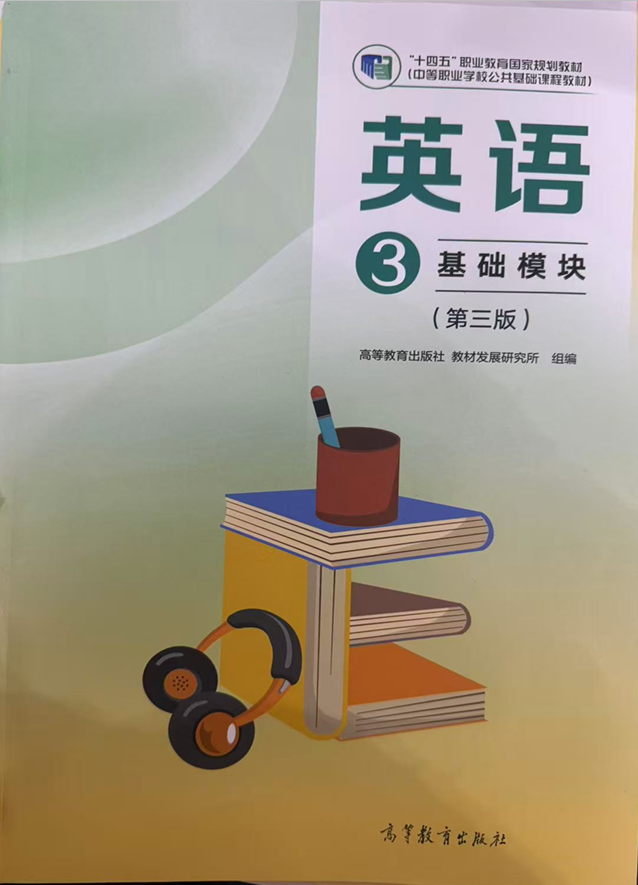
Unit 6 Living History of Culture(B卷·能力提升)《英语 基础模块3》(高教版第三版)单元过关卷(原卷版+解析版)
2026-07-23
|
2份
|
20页
|
50人阅读
|
0人下载
内容正文:
编写说明:本套试卷紧扣《英语 基础模块3》(高教版第三版)教材,以教材单元为基准精准覆盖核心考点。
每个单元设置AB卷,A卷为基础巩固卷,侧重基础考点训练,帮助学生扎实掌握知识要点;B卷为能力提升卷,注重知识整合与全面检测,引导学生构建知识网络。全书设计4份综合测试卷,模拟实战情境,聚焦解题能力突破,全面提升应试能力与知识应用水平。
《英语 基础模块3》(高教版第三版)《单元过关卷》
Unit 6 Living History of Culture
B卷·能力提升
考试时间:70分钟 满分:100分
班级_____姓名_____学号_____成绩_____
综合卷Ⅰ(75分)
一、词汇与语法(共25小题,每小题1分,满分25分)
(一)单词辨音
从下列各小题的A、B、C三个选项中选出一个画线部分发音与所给单词画线部分发音不同的选项。(共5小题,每小题1分,共5分)
1.report
A.form B.top C.north
2.expression
A.friend B.fresh C.these
3.especially
A.drive B.climb C.brick
4.exactly
A.help B.decide C.begin
5.fantastic
A.catch B.page C.match
(二)词义选择
从下列各小题的A、B、C三个选项中选出一个与句子中画线的英文单词或短语含义相符的中文选项。(共10小题,每小题1分,共10分)
6.The first destination of our study trip was the Terracotta Army.
A.出发时间 B.目的地 C.交通工具
7.The museum shows many life-sized figures of ancient soldiers.
A.半透明的 B.可移动的 C.与原物一样大小的
8.Her expression changed when she saw the brilliant painting.
A.证书 B.地址 C.表情
9.The light show was an amazing success and everyone cheered.
A.无聊的 B.令人惊叹的 C.危险的
10.The Great Pyramid is a wonder of human construction.
A.普通道路 B.短篇小说 C.奇迹
11.The strong walls were built for defense in the past.
A.防御 B.表演 C.购物
12.The old building has a balanced design, so every side looks stable.
A.突然的 B.嘈杂的 C.均衡的
13.The guide explained the layout of the Tulou before we entered it.
A.布局 B.节日 C.票价
14.Peking Opera originated in 1790 and later became popular.
A.结束 B.起源 C.搬运
15.Embroidery is a cultural treasure that brings beauty to life.
A.噪声 B.错误 C.珍宝
(三)语法运用
从下列各小题的A、B、C三个选项中选出一个最佳选项填入空白处完成句子。(共10小题,每小题1分,共10分)
16.The town ______ the ancient road begins attracts many visitors.
A.why B.where C.when
17.I still remember the morning ______ our class watched the dragon dance.
A.where B.why C.when
18.The reason ______ the wall was built so high was defense.
A.where B.why C.which
19.Could you explain ______ the craftsmen kept the design balanced?
A.where B.how C.when
20.The guide speaks ______ clearly that everyone can follow him.
A.too B.very C.so
21.The palace ______ more than 300 years ago.
A.was constructed B.constructs C.is constructing
22.Students are interested in ______ short videos about cultural products.
A.make B.making C.made
23.______ useful information the brochure gives!
A.How B.What a C.What
24.This is the most brilliant show ______ I have ever seen.
A.that B.where C.when
25.We should protect old buildings ______ they can tell future visitors about history.
A.although B.until C.because
二、情景交际(共15小题,每小题2分,共30分)
(一)简短对话
从下列各小题的A、B、C三个选项中选出一个最佳选项完成对话。(共10小题,每小题2分,共20分)
26.Speaker A: May I introduce this traditional handicraft to you?
Speaker B: ______
A.I am late. B.It is raining. C.Yes, please.
27.Speaker A: What makes the Terracotta Army so amazing?
Speaker B: ______
A.The figures are life-sized and each face is different. B.I went there by bus. C.No, it doesn't.
28.Speaker A: Could you help me compare the two historical sites?
Speaker B: ______
A.It is my camera. B.Sure. Let's look at their history first. C.At seven o'clock.
29.Speaker A: Why do many people visit Fujian Tulou?
Speaker B: ______
A.They are hungry. B.It is my name. C.Because they want to see its special layout.
30.Speaker A: The old building is listed as a cultural treasure.
Speaker B: ______
A.That's wonderful. We should protect it. B.No, I can't spell it. C.He is a driver.
31.Speaker A: Would you like to join our video project about Peking Opera?
Speaker B: ______
A.It is a square. B.Yes, I'd love to. C.I was born there.
32.Speaker A: Where can I find information about the Silk Road?
Speaker B: ______
A.It tastes sweet. B.You can check the history museum website. C.No, it isn't.
33.Speaker A: I have difficulty explaining the difference between the two wonders.
Speaker B: ______
A.Don't worry. You can compare their age, size and purpose. B.It opens at six. C.Yes, it is blue.
34.Speaker A: How was your visit to the embroidery exhibition?
Speaker B: ______
A.I don't know why. B.It was fantastic and full of beautiful designs. C.Please turn left.
35.Speaker A: Let's make a webpage to share food cultures around the world.
Speaker B: ______
A.It is under the desk. B.No, I am not a guide. C.Good idea. We can collect information in groups.
(二)补全对话
阅读下面对话,根据上下文从所给的七个选项中选出一个最佳选项补全对话,其中2项多余。(共5小题,每小题2分,共10分)
Guide: Welcome to the cultural exhibition. What would you like to know first?
Student: ____ 36 ____ I am preparing a report on traditional art.
Guide: Then embroidery may interest you. It dates back to early Chinese history.
Student: ____ 37 ____
Guide: It has four main styles, including Su Xiu and Shu Xiu.
Student: That's useful. What about Peking Opera?
Guide: ____ 38 ____ Performers use singing, speaking, dance-acting and combating.
Student: I see. How can I make my report clearer?
Guide: ____ 39 ____
Student: Good suggestion. Could I take some notes here?
Guide: ____ 40 ____
A. You can compare their history, styles and cultural meaning.
B. How many main styles does it have?
C. I don't like taking notes.
D. Of course, but please write quietly.
E. It is another cultural treasure of China.
F. The bus stop is near the gate.
G. Could you introduce one form of Chinese art?
三、阅读理解(共10小题,每小题2分,共20分)
阅读下列两篇短文,根据短文内容从每题所给的A、B、C三个选项中选出一个最佳选项。
A
During the winter holiday, Chen Jie joined a cultural study trip to Fujian Tulou, a group of traditional buildings that stand among green mountains and quiet villages. Before the trip, he had only seen photos of tulou in a brochure, but when he finally stood in front of a huge round building, he understood why many travelers described it as a living history book made of earth, wood and shared memories.
The guide explained that many tulou buildings were constructed hundreds of years ago for both defense and community life. Although the outer walls looked simple and heavy, the inner space was surprisingly warm: rooms stretched around an open courtyard, wooden stairs connected different floors, and families could talk, cook and celebrate festivals in the same protected place. Chen Jie noticed that the balanced layout was not just beautiful; it also made daily communication easier.
At the end of the visit, Chen Jie interviewed an old resident who had lived there for more than sixty years. The man said that tulou culture was not kept alive by walls alone, but by people who still respected their neighbors, repaired old wooden doors and told children stories about the past. Hearing this, Chen Jie realized that protecting historical buildings means protecting the way people remember, live and learn together.
41.What did Chen Jie think of Fujian Tulou when he first stood in front of it?
A.It was like a living history book.
B.It was only a modern hotel.
C.It was too small for families.
42.Why were many tulou buildings constructed according to the guide?
A.Only for selling tickets.
B.For defense and community life.
C.Only for storing paintings.
43.What did Chen Jie notice about the balanced layout?
A.It made daily communication easier.
B.It stopped all visitors from entering.
C.It changed every room into a shop.
44.Who did Chen Jie interview at the end of the visit?
A.A young bus driver.
B.An old resident.
C.A foreign painter.
45.What is the main idea of the last paragraph?
A.Protecting buildings also means protecting memories and ways of life.
B.Old wooden doors are hard to repair.
C.Children should not listen to stories about the past.
B
When Class 2 prepared a webpage about traditional Chinese culture, the students decided not to copy short introductions from the Internet. Instead, they divided the work into three groups, each of which studied one cultural form by reading museum materials, watching performances and interviewing people who had practical experience. Their teacher reminded them that a good webpage should explain not only what a cultural form looks like, but also why it still matters today.
The first group studied embroidery, which dates back to very early Chinese history and turns simple threads into pictures full of color and meaning. The second group focused on Peking Opera. They learned that performers must use singing, speaking, dance-acting and combating together, so even a short scene may require years of training. The third group chose the lion dance and the dragon dance, two folk dances that are often performed during festivals to drive bad luck away and bring good fortune.
After comparing their notes, the students found that the three forms were different in materials, skills and stages, yet they shared a similar purpose: they helped people express wishes, remember history and feel connected with their community. When the webpage was finally shown in class, many students said that culture became clearer because the page used examples, photos and simple explanations rather than empty praise.
46.What did Class 2 decide not to do when preparing the webpage?
A.Interview people.
B.Watch performances.
C.Copy short introductions from the Internet.
47.What should a good webpage explain according to the teacher?
A.What a cultural form looks like and why it matters today.
B.How to sell tickets to every museum.
C.Why students should avoid all group work.
48.Which cultural form requires singing, speaking, dance-acting and combating?
A.Embroidery.
B.Peking Opera.
C.The dragon boat race.
49.What similar purpose did the three cultural forms share?
A.They helped people express wishes, remember history and connect with community.
B.They made students stop reading museum materials.
C.They were used only to decorate modern hotels.
50.Why did many students think culture became clearer?
A.Because the webpage used difficult words only.
B.Because the teacher removed all photos.
C.Because the page used examples, photos and simple explanations.
综合卷Ⅱ(25分)
四、英汉互译(共5小题,每小题3分,满分15分)
51.Although the figures appear gray today, they were originally painted in bright colors.
_____________________________________________
52.The sight of the pyramid reminded the traveler of the power of human construction.
_____________________________________________
53.The village where I stayed has a regular layout and a long history.
_____________________________________________
54.我们需要精确地说明这座古桥是什么时候建造的。(exactly)
_____________________________________________
55.这座宫殿如此辉煌,以至于每年吸引许多游客。(so...that)
_____________________________________________
五、应用写作(满分10分)
56.假定你是李华,你校英语社团正在制作“Living History of Culture”主题网页。请你根据以下提示,写一篇短文介绍一个你熟悉的历史名胜或传统文化形式。
提示:
1.说明其名称、地点或历史背景;
2.介绍其主要特点或文化意义;
3.表达你对保护和传播传统文化的看法。
要求:
1.词数80—100词;
2.条理清晰,语句通顺;
3.不得出现真实校名和姓名。
_____________________________________________________________________________________________________________________________________________________________________________________________________________________________________________________________________________________________________________________________________________________________________________________________________________________
原创精品资源学科网独家享有版权,侵权必究!
学科网(北京)股份有限公司
$
编写说明:本套试卷紧扣《英语 基础模块3》(高教版第三版)教材,以教材单元为基准精准覆盖核心考点。
每个单元设置AB卷,A卷为基础巩固卷,侧重基础考点训练,帮助学生扎实掌握知识要点;B卷为能力提升卷,注重知识整合与全面检测,引导学生构建知识网络。全书设计4份综合测试卷,模拟实战情境,聚焦解题能力突破,全面提升应试能力与知识应用水平。
《英语 基础模块3》(高教版第三版)《单元过关卷》
Unit 6 Living History of Culture
B卷·能力提升
考试时间:70分钟 满分:100分
班级_____姓名_____学号_____成绩_____
综合卷Ⅰ(75分)
一、词汇与语法(共25小题,每小题1分,满分25分)
(一)单词辨音
从下列各小题的A、B、C三个选项中选出一个画线部分发音与所给单词画线部分发音不同的选项。(共5小题,每小题1分,共5分)
1.report
A.form B.top C.north
【答案】B
【详解】考查字母 o 的发音。report /rɪˈpɔːt/、form /fɔːm/、north /nɔːθ/ 中字母 o 发 /ɔː/;top /tɒp/ 中字母 o 发 /ɒ/,发音不同。故选 B。
2.expression
A.friend B.fresh C.these
【答案】C
【详解】考查字母 e 的发音。expression /ɪkˈspreʃn/、fresh /freʃ/、friend /frend/ 中划线 e 发 /e/;these /ðiːz/ 中字母 e 发 /iː/,发音不同。故选 C。
3.especially
A.drive B.climb C.brick
【答案】C
【详解】考查字母 i 的发音。especially、drive、climb 中 i 发 /aɪ/,brick 中 i 发 /ɪ/,发音不同。故选 C。
4.exactly
A.help B.decide C.begin
【答案】A
【详解】考查字母 e 的发音。exactly、decide、begin 中 e 发 /ɪ/,help 中 e 发 /e/,发音不同。故选 A。
5.fantastic
A.catch B.page C.match
【答案】B
【详解】考查字母 a 的发音。fantastic、catch、match 中 a 发 /æ/,page 中 a 发 /eɪ/,发音不同。故选 B。
(二)词义选择
从下列各小题的A、B、C三个选项中选出一个与句子中画线的英文单词或短语含义相符的中文选项。(共10小题,每小题1分,共10分)
6.The first destination of our study trip was the Terracotta Army.
A.出发时间 B.目的地 C.交通工具
【答案】B
【详解】考查名词词义。destination 与 study trip 搭配,表示旅行的“目的地”。故选 B。
7.The museum shows many life-sized figures of ancient soldiers.
A.半透明的 B.可移动的 C.与原物一样大小的
【答案】C
【详解】考查形容词词义。life-sized 修饰 figures,表示“与原物一样大小的”。故选 C。
8.Her expression changed when she saw the brilliant painting.
A.证书 B.地址 C.表情
【答案】C
【详解】考查名词词义。expression 与 changed 以及 saw the painting 呼应,表示脸上的“表情”。故选 C。
9.The light show was an amazing success and everyone cheered.
A.无聊的 B.令人惊叹的 C.危险的
【答案】B
【详解】考查形容词词义。everyone cheered 提示演出效果很好,amazing 表示“令人惊叹的”。故选 B。
10.The Great Pyramid is a wonder of human construction.
A.普通道路 B.短篇小说 C.奇迹
【答案】C
【详解】考查名词词义。wonder 与 human construction 搭配,表示人类建筑“奇迹”。故选 C。
11.The strong walls were built for defense in the past.
A.防御 B.表演 C.购物
【答案】A
【详解】考查名词词义。strong walls 和 in the past 构成线索,defense 表示“防御”。故选 A。
12.The old building has a balanced design, so every side looks stable.
A.突然的 B.嘈杂的 C.均衡的
【答案】C
【详解】考查形容词词义。every side looks stable 说明设计稳定协调,balanced 表示“均衡的”。故选 C。
13.The guide explained the layout of the Tulou before we entered it.
A.布局 B.节日 C.票价
【答案】A
【详解】考查名词词义。layout 与 building/Tulou 语境搭配,表示建筑内部“布局”。故选 A。
14.Peking Opera originated in 1790 and later became popular.
A.结束 B.起源 C.搬运
【答案】B
【详解】考查动词词义。in 1790 提示历史起点,originated 表示“起源”。故选 B。
15.Embroidery is a cultural treasure that brings beauty to life.
A.噪声 B.错误 C.珍宝
【答案】C
【详解】考查名词词义。cultural treasure 表示“文化珍宝”,后文 brings beauty to life 强化其价值。故选 C。
(三)语法运用
从下列各小题的A、B、C三个选项中选出一个最佳选项填入空白处完成句子。(共10小题,每小题1分,共10分)
16.The town ______ the ancient road begins attracts many visitors.
A.why B.where C.when
【答案】B
【详解】考查关系副词。先行词 town 表地点,空处在从句中作地点状语,应用 where。故选 B。
17.I still remember the morning ______ our class watched the dragon dance.
A.where B.why C.when
【答案】C
【详解】考查关系副词。先行词 morning 表时间,空处在从句中作时间状语,应用 when。故选 C。
18.The reason ______ the wall was built so high was defense.
A.where B.why C.which
【答案】B
【详解】考查关系副词。the reason 后解释原因,应用 why。故选 B。
19.Could you explain ______ the craftsmen kept the design balanced?
A.where B.how C.when
【答案】B
【详解】考查宾语从句连接词。句意询问工匠如何保持设计均衡,应用 how。故选 B。
20.The guide speaks ______ clearly that everyone can follow him.
A.too B.very C.so
【答案】C
【详解】考查结果状语从句。so...that... 表示“如此……以至于……”,符合句意。故选 C。
21.The palace ______ more than 300 years ago.
A.was constructed B.constructs C.is constructing
【答案】A
【详解】考查一般过去时被动语态。主语 palace 是动作承受者,more than 300 years ago 表示过去时间,应用 was constructed。故选 A。
22.Students are interested in ______ short videos about cultural products.
A.make B.making C.made
【答案】B
【详解】考查介词后动名词。be interested in 中 in 为介词,后接 making。故选 B。
23.______ useful information the brochure gives!
A.How B.What a C.What
【答案】C
【详解】考查感叹句。information 为不可数名词,结构为 What + 形容词 + 不可数名词 + 主语 + 谓语。故选 C。
24.This is the most brilliant show ______ I have ever seen.
A.that B.where C.when
【答案】A
【详解】考查定语从句。先行词 show 指物,且有最高级修饰,关系代词常用 that。故选 A。
25.We should protect old buildings ______ they can tell future visitors about history.
A.although B.until C.because
【答案】C
【详解】考查连词。前后为因果关系,保护旧建筑的原因是它们能向未来参观者讲述历史,应用 because。故选 C。
二、情景交际(共15小题,每小题2分,共30分)
(一)简短对话
从下列各小题的A、B、C三个选项中选出一个最佳选项完成对话。(共10小题,每小题2分,共20分)
26.Speaker A: May I introduce this traditional handicraft to you?
Speaker B: ______
A.I am late. B.It is raining. C.Yes, please.
【答案】C
【详解】考查请求许可回应。May I...? 表示请求,对方愿意听介绍时可回答 Yes, please.。故选 C。
27.Speaker A: What makes the Terracotta Army so amazing?
Speaker B: ______
A.The figures are life-sized and each face is different. B.I went there by bus. C.No, it doesn't.
【答案】A
【详解】考查询问特点。问句询问令人惊叹之处,A项说明真人大小和面部差异,切合语境。故选 A。
28.Speaker A: Could you help me compare the two historical sites?
Speaker B: ______
A.It is my camera. B.Sure. Let's look at their history first. C.At seven o'clock.
【答案】B
【详解】考查求助回应。对方请求比较两个历史景点,应先表示愿意帮助并给出方法。故选 B。
29.Speaker A: Why do many people visit Fujian Tulou?
Speaker B: ______
A.They are hungry. B.It is my name. C.Because they want to see its special layout.
【答案】C
【详解】考查询问原因。Why 提问原因,Because 引导的回答说明参观原因。故选 C。
30.Speaker A: The old building is listed as a cultural treasure.
Speaker B: ______
A.That's wonderful. We should protect it. B.No, I can't spell it. C.He is a driver.
【答案】A
【详解】考查评价回应。听到建筑被列为文化珍宝,表达赞同并提出保护意识符合语境。故选 A。
31.Speaker A: Would you like to join our video project about Peking Opera?
Speaker B: ______
A.It is a square. B.Yes, I'd love to. C.I was born there.
【答案】B
【详解】考查邀请回应。Would you like to...? 的肯定回答常用 Yes, I'd love to.。故选 B。
32.Speaker A: Where can I find information about the Silk Road?
Speaker B: ______
A.It tastes sweet. B.You can check the history museum website. C.No, it isn't.
【答案】B
【详解】考查询问信息来源。Where can I find information...? 询问获取信息的渠道,B项给出网站渠道。故选 B。
33.Speaker A: I have difficulty explaining the difference between the two wonders.
Speaker B: ______
A.Don't worry. You can compare their age, size and purpose. B.It opens at six. C.Yes, it is blue.
【答案】A
【详解】考查安慰建议。对方表达困难时,应给予安慰并提出可操作建议。故选 A。
34.Speaker A: How was your visit to the embroidery exhibition?
Speaker B: ______
A.I don't know why. B.It was fantastic and full of beautiful designs. C.Please turn left.
【答案】B
【详解】考查询问参观感受。How was...? 询问体验,B项描述展览很棒且设计精美。故选 B。
35.Speaker A: Let's make a webpage to share food cultures around the world.
Speaker B: ______
A.It is under the desk. B.No, I am not a guide. C.Good idea. We can collect information in groups.
【答案】C
【详解】考查建议回应。Let's... 表示建议,Good idea 并补充合作方式,符合语境。故选 C。
(二)补全对话
阅读下面对话,根据上下文从所给的七个选项中选出一个最佳选项补全对话,其中2项多余。(共5小题,每小题2分,共10分)
Guide: Welcome to the cultural exhibition. What would you like to know first?
Student: ____ 36 ____ I am preparing a report on traditional art.
Guide: Then embroidery may interest you. It dates back to early Chinese history.
Student: ____ 37 ____
Guide: It has four main styles, including Su Xiu and Shu Xiu.
Student: That's useful. What about Peking Opera?
Guide: ____ 38 ____ Performers use singing, speaking, dance-acting and combating.
Student: I see. How can I make my report clearer?
Guide: ____ 39 ____
Student: Good suggestion. Could I take some notes here?
Guide: ____ 40 ____
A. You can compare their history, styles and cultural meaning.
B. How many main styles does it have?
C. I don't like taking notes.
D. Of course, but please write quietly.
E. It is another cultural treasure of China.
F. The bus stop is near the gate.
G. Could you introduce one form of Chinese art?
【答案】
36. G 37. B 38. E 39. A 40. D
【解析】
36. G 上文询问想先了解什么,下文说正在准备传统艺术报告,因此请求介绍一种中国艺术最合适。
37. B 下文回答有四种主要风格,说明此处询问主要风格数量。
38. E 上文转到京剧话题,下文介绍表演技能,此处先概括其文化价值,衔接自然。
39. A 上文询问如何让报告更清楚,A项提供从历史、风格和意义三方面比较的写作思路。
40. D 上文请求记笔记,Of course 表示允许,but please write quietly 补充礼貌要求。
三、阅读理解(共10小题,每小题2分,共20分)
阅读下列两篇短文,根据短文内容从每题所给的A、B、C三个选项中选出一个最佳选项。
A
During the winter holiday, Chen Jie joined a cultural study trip to Fujian Tulou, a group of traditional buildings that stand among green mountains and quiet villages. Before the trip, he had only seen photos of tulou in a brochure, but when he finally stood in front of a huge round building, he understood why many travelers described it as a living history book made of earth, wood and shared memories.
The guide explained that many tulou buildings were constructed hundreds of years ago for both defense and community life. Although the outer walls looked simple and heavy, the inner space was surprisingly warm: rooms stretched around an open courtyard, wooden stairs connected different floors, and families could talk, cook and celebrate festivals in the same protected place. Chen Jie noticed that the balanced layout was not just beautiful; it also made daily communication easier.
At the end of the visit, Chen Jie interviewed an old resident who had lived there for more than sixty years. The man said that tulou culture was not kept alive by walls alone, but by people who still respected their neighbors, repaired old wooden doors and told children stories about the past. Hearing this, Chen Jie realized that protecting historical buildings means protecting the way people remember, live and learn together.
41.What did Chen Jie think of Fujian Tulou when he first stood in front of it?
A.It was like a living history book.
B.It was only a modern hotel.
C.It was too small for families.
42.Why were many tulou buildings constructed according to the guide?
A.Only for selling tickets.
B.For defense and community life.
C.Only for storing paintings.
43.What did Chen Jie notice about the balanced layout?
A.It made daily communication easier.
B.It stopped all visitors from entering.
C.It changed every room into a shop.
44.Who did Chen Jie interview at the end of the visit?
A.A young bus driver.
B.An old resident.
C.A foreign painter.
45.What is the main idea of the last paragraph?
A.Protecting buildings also means protecting memories and ways of life.
B.Old wooden doors are hard to repair.
C.Children should not listen to stories about the past.
【答案】41.A 42.B 43.A 44.B 45.A
【导语】本文是一篇记叙文,讲述陈杰参观福建土楼并通过导游讲解和居民访谈理解历史建筑的社区价值与文化传承意义。文章信息层次较多,包含建筑功能、空间布局和文化保护观点。
【详解】41.细节理解题。根据第一段“a living history book made of earth, wood and shared memories”可知,陈杰认为土楼像一本鲜活的历史书。故选 A。
【详解】42.细节理解题。根据第二段“constructed hundreds of years ago for both defense and community life”可知,许多土楼为防御和共同生活而建。故选 B。
【详解】43.细节理解题。根据第二段“the balanced layout...made daily communication easier”可知,均衡布局让日常交流更便利。故选 A。
【详解】44.细节理解题。根据第三段“interviewed an old resident”可知,陈杰采访了一位老居民。故选 B。
【详解】45.主旨大意题。最后一段通过居民的话说明,保护历史建筑也包含保护记忆、生活方式和共同学习的方式。故选 A。
B
When Class 2 prepared a webpage about traditional Chinese culture, the students decided not to copy short introductions from the Internet. Instead, they divided the work into three groups, each of which studied one cultural form by reading museum materials, watching performances and interviewing people who had practical experience. Their teacher reminded them that a good webpage should explain not only what a cultural form looks like, but also why it still matters today.
The first group studied embroidery, which dates back to very early Chinese history and turns simple threads into pictures full of color and meaning. The second group focused on Peking Opera. They learned that performers must use singing, speaking, dance-acting and combating together, so even a short scene may require years of training. The third group chose the lion dance and the dragon dance, two folk dances that are often performed during festivals to drive bad luck away and bring good fortune.
After comparing their notes, the students found that the three forms were different in materials, skills and stages, yet they shared a similar purpose: they helped people express wishes, remember history and feel connected with their community. When the webpage was finally shown in class, many students said that culture became clearer because the page used examples, photos and simple explanations rather than empty praise.
46.What did Class 2 decide not to do when preparing the webpage?
A.Interview people.
B.Watch performances.
C.Copy short introductions from the Internet.
47.What should a good webpage explain according to the teacher?
A.What a cultural form looks like and why it matters today.
B.How to sell tickets to every museum.
C.Why students should avoid all group work.
48.Which cultural form requires singing, speaking, dance-acting and combating?
A.Embroidery.
B.Peking Opera.
C.The dragon boat race.
49.What similar purpose did the three cultural forms share?
A.They helped people express wishes, remember history and connect with community.
B.They made students stop reading museum materials.
C.They were used only to decorate modern hotels.
50.Why did many students think culture became clearer?
A.Because the webpage used difficult words only.
B.Because the teacher removed all photos.
C.Because the page used examples, photos and simple explanations.
【答案】46.C 47.A 48.B 49.A 50.C
【导语】本文是一篇说明文,介绍学生制作传统文化主题网页的过程,重点说明刺绣、京剧、舞狮舞龙三种文化形式的特点及共同意义。文章包含多对象比较和观点归纳,阅读难度较高。
【详解】46.细节理解题。根据第一段“decided not to copy short introductions from the Internet”可知,学生决定不直接复制网络短介绍。故选 C。
【详解】47.细节理解题。根据第一段“explain not only what a cultural form looks like, but also why it still matters today”可知,网页要解释外观特点和当代意义。故选 A。
【详解】48.细节理解题。根据第二段“Peking Opera...use singing, speaking, dance-acting and combating together”可知,京剧需要唱、念、做、打等技能。故选 B。
【详解】49.细节理解题。根据第三段“helped people express wishes, remember history and feel connected with their community”可知,三种形式的共同作用是表达愿望、记住历史并连接社区。故选 A。
【详解】50.细节理解题。根据最后一句“used examples, photos and simple explanations rather than empty praise”可知,网页通过例子、图片和简明解释让文化更清楚。故选 C。
综合卷Ⅱ(25分)
四、英汉互译(共5小题,每小题3分,满分15分)
51.Although the figures appear gray today, they were originally painted in bright colors.
_____________________________________________
【答案】虽然这些塑像现在看起来是灰色的,但它们最初被涂成鲜艳的颜色。
【详解】although 引导让步状语从句;originally 表示“最初”;were painted 为一般过去时被动语态。
52.The sight of the pyramid reminded the traveler of the power of human construction.
_____________________________________________
【答案】金字塔的景象使这位旅行者想起人类建筑的力量。
【详解】the sight of 表示“……的景象”;remind sb. of sth. 表示“使某人想起某事”;human construction 表示“人类建筑”。
53.The village where I stayed has a regular layout and a long history.
_____________________________________________
【答案】我停留过的那个村庄布局规整,并且历史悠久。
【详解】where I stayed 为定语从句,修饰 The village;regular layout 表示“规整的布局”。
54.我们需要精确地说明这座古桥是什么时候建造的。(exactly)
_____________________________________________
【答案】We need to explain exactly when the ancient bridge was constructed.
【详解】exactly 修饰 when,引出具体时间;was constructed 表示“被建造”。
55.这座宫殿如此辉煌,以至于每年吸引许多游客。(so...that)
_____________________________________________
【答案】The palace is so brilliant that it attracts many visitors every year.
【详解】so...that... 表示“如此……以至于……”;attract many visitors 表示“吸引许多游客”。
五、应用写作(满分10分)
56.假定你是李华,你校英语社团正在制作“Living History of Culture”主题网页。请你根据以下提示,写一篇短文介绍一个你熟悉的历史名胜或传统文化形式。
提示:
1.说明其名称、地点或历史背景;
2.介绍其主要特点或文化意义;
3.表达你对保护和传播传统文化的看法。
要求:
1.词数80—100词;
2.条理清晰,语句通顺;
3.不得出现真实校名和姓名。
_____________________________________________________________________________________________________________________________________________________________________________________________________________________________________________________________________________________________________________________________________________________________________________________________________________________
【参考范文】
Fujian Tulou is one of the most impressive historical buildings I know. It is located in southeast China and many tulou buildings were constructed hundreds of years ago. From the outside, a round tulou looks simple, but when visitors step inside, they can see a balanced layout, strong walls and a lively courtyard where families once shared daily life. The building was originally designed for defense, yet it also shows the wisdom of living together. I think we should protect such cultural treasures carefully. By making webpages, videos and short introductions, young people can help more visitors understand the living history behind them.
【解析】结构完整:范文先点明介绍对象,再说明地点、历史和建筑特点,最后表达保护与传播观点。
【解析】语言提升:文章使用 was constructed、where 引导的定语从句、originally、cultural treasures 等表达,体现能力提升卷要求。
【解析】主题集中:全文围绕历史建筑与文化传承展开,没有偏离写作提示。
原创精品资源学科网独家享有版权,侵权必究!
学科网(北京)股份有限公司
$
资源预览图

1

2

3
由于学科网是一个信息分享及获取的平台,不确保部分用户上传资料的 来源及知识产权归属。如您发现相关资料侵犯您的合法权益,请联系学科网,我们核实后将及时进行处理。