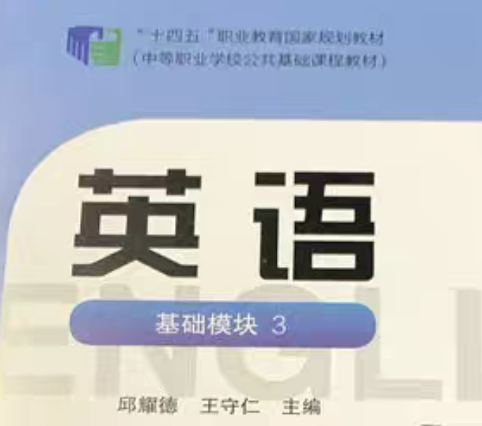
Unit 3 National Disaster Prevention(B卷·能力提升)《英语 基础模块3》(语文版2022版)单元过关卷(原卷版+解析版)
2026-07-22
|
2份
|
13页
|
35人阅读
|
0人下载
摘要:
**基本信息**
《英语 基础模块3》(语文版2022版)Unit 3“National Disaster Prevention”B卷能力提升卷,聚焦自然灾害防治主题,通过多样化题型覆盖核心考点,提升学生语言应用与防灾素养。
**题型特征**
|题型|题量/分值|知识覆盖|命题特色|
|----|-----------|----------|----------|
|阅读理解|5题/20分|防灾知识(预警接收、应急物资、自救方法)|情境贴近社会热点,考查信息提取与主旨归纳,培养语言能力与思维品质|
|补全对话|5题/20分|防灾讲座交际用语|真实对话情境,考查语言连贯性,提升语言表达与学习能力|
|完形填空|10题/40分|防灾教育、家庭准备、自救技能|语篇层次考查词汇运用与逻辑推理,强化思维品质与知识整合|
|句子改错|10题/20分|非谓语动词、固定搭配等语法|结合防灾主题设题,提升语言准确性,夯实语言能力基础|
内容正文:
编写说明:本套试卷紧扣《英语 基础模块3》(语文版2022版)教材,以教材单元为基准精准覆盖核心考点。
每个单元设置AB卷,A卷为基础巩固卷,侧重基础考点训练,帮助学生扎实掌握知识要点;B卷为能力提升卷,注重知识整合与全面检测,引导学生构建知识网络。全书设计4份综合测试卷,模拟实战情境,聚焦解题能力突破,全面提升应试能力与知识应用水平。
《英语 基础模块3》(语文版2022版)《单元过关卷》
Unit 3 National Disaster Prevention
B卷·能力提升
考试时间:40分钟 满分:100分
班级 姓名 学号 成绩
一、阅读理解:本题共5小题,每小题4分,共20分。在每小题给出的四个选项中,只有一项符合题目要求。
A
Natural disasters happen from time to time around the world, such as floods, typhoons, earthquakes and sandstorms. They often bring great damage to people’s lives and property. However, most disasters can be prevented or reduced if we master basic disaster prevention knowledge and self-rescue skills.
Firstly, learning disaster warnings is the first step to keep safe. Local governments usually release early warnings through TV, radio and mobile phones. When we receive typhoon or flood warnings, we should stop outdoor activities immediately and move to safe places. Staying outdoors during disasters is extremely dangerous.
Secondly, preparing emergency supplies is necessary for every family. Basic supplies include clean water, instant food, first-aid kits and flashlights. These things can help people survive when disasters cut off traffic and power. It is better to check and update these supplies every season to make sure they are usable.
Thirdly, mastering correct self-rescue methods is vital. For example, during an earthquake, we should hide under strong tables and stay away from windows. When a flood comes, we must move to high ground quickly and avoid walking through running water. Keeping calm is always the most important rule in any disaster.
In short, disaster prevention is everyone’s responsibility. With proper knowledge and preparation, we can greatly reduce the harm caused by natural disasters.
1. What is the main purpose of learning disaster prevention knowledge?
A. To stop natural disasters completely
B. To reduce disaster damage and keep safe
C. To help people know different disasters
D. To improve people’s living standards
2. What should people do first after receiving disaster warnings?
A. Prepare food and water
B. Check emergency supplies
C. Stop outdoor activities and find safe places
D. Learn self-rescue skills
3. Which of the following is NOT mentioned as basic emergency supply?
A. Clean water
B. First-aid kits
C. Mobile phones
D. Flashlights
4. What is the most important rule in natural disasters?
A. Keep calm
B. Run fast
C. Call for help
D. Hide in rooms
5. What does the passage mainly talk about?
A. Different kinds of natural disasters
B. Ways to prevent and deal with natural disasters
C. How to receive disaster warnings
D. The damage caused by natural disasters
【答案】1.B 2.C 3.C 4.A 5.B
【导语】本文是一篇说明文,紧扣自然灾害预防主题,介绍了灾害防护的三种核心方法:关注预警、准备应急物资、掌握自救技巧,贴合单元核心词汇与考点,难度适中。
1.【答案】B
【考点】细节理解题(主旨细节匹配)
【详细解析】根据文章第一段“most disasters can be prevented or reduced if we master basic disaster prevention knowledge and self-rescue skills”可知,学习防灾知识的目的是减少灾害伤害、保障安全。A选项“完全杜绝灾害”过于绝对;C、D选项并非核心目的。故选B。
2.【答案】C
【考点】细节理解题(原文定位)
【详细解析】根据第二段“When we receive typhoon or flood warnings, we should stop outdoor activities immediately and move to safe places”可知,收到灾害预警后应立即停止户外活动、前往安全区域。A、B、D均为后续准备工作,并非首要操作。故选C。
3.【答案】C
【考点】细节判断题(信息筛选)
【详细解析】文章第三段提及的应急物资包括干净的水、速食食物、急救包和手电筒,未提及手机。故选C。
4.【答案】A
【考点】细节理解题(原句定位)
【详细解析】根据第四段最后一句“Keeping calm is always the most important rule in any disaster”可知,灾难中最重要的原则是保持冷静。故选A。
5.【答案】B
【考点】主旨大意题(全文主旨概括)
【详细解析】全文围绕自然灾害的预防和应对方法展开,介绍了预警关注、物资准备、自救技巧三大防护方式。A选项“灾害种类”、C选项“接收预警”、D选项“灾害危害”均为局部内容,无法概括全文。故选B。
二、补全对话:本题共5小题,每小题4分, 共20分。
A: Hi, Tom. Our school will hold a disaster prevention lecture this afternoon. 6________
B: Sure, I’d love to. I think learning self-rescue skills is really important.
A: 7________ Many people don’t know what to do when disasters happen.
B: Exactly. Last summer, the sudden flood made many people trapped in their houses.
A: Right. 8________ It can help us keep away from danger.
B: What skills will we learn in the lecture?
A: 9________ Besides, we will learn how to prepare emergency supplies.
B: That’s useful! I used to know little about disaster prevention.
A: Me too. 10________ Practice makes perfect.
B: Sounds great! Let’s learn carefully this afternoon.
A. We will learn earthquake self-rescue methods.
B. Do you want to attend it with me?
C. It’s necessary to master disaster prevention skills.
D. Can you help me prepare for the lecture?
E. We can improve our skills by continuous learning.
F. Natural disasters never happen around us.
G. The lecture is boring and useless.
【答案】6.B 7.C 8.C 9.A 10.E
【导语】本篇对话围绕校园防灾讲座展开,贴合单元主题,考查情景交际逻辑衔接,复现单元核心短语,难度贴合教材同步考情。
6.【答案】B
【考点】情景交际(一般疑问句问答呼应)
【详细解析】根据下文答语“Sure, I’d love to.(我很乐意)”可知,空格处为邀请对方参加讲座的一般疑问句。B选项“你想和我一起参加吗?”完美匹配答语逻辑,其余选项无法引出该回答。故选B。
7.【答案】C
【考点】情景交际(上下文主旨衔接)
【详细解析】上文提到自救技能很重要,下文说明很多人遭遇灾害时不知所措,C选项“掌握防灾技能很有必要”承上启下,衔接上下文语义。故选C。
8.【答案】C
【考点】情景交际(语义逻辑承接)
【详细解析】上文提及洪水困住群众的案例,下文说明其能帮助我们远离危险,C选项“学习防灾知识十分有必要”衔接案例与意义,逻辑通顺。故选C。
9.【答案】A
【考点】情景交际(特殊疑问句答语匹配)
【详细解析】上文问句询问讲座会学习哪些技能,A选项“我们会学习地震自救方法”精准回应问题,贴合防灾主题。故选A。
10.【答案】E
【考点】情景交际(结尾总结呼应)
【详细解析】根据后文“Practice makes perfect.(熟能生巧)”可知,空格处强调持续学习的重要性,E选项“我们可以通过不断学习提升技能”贴合语境。故选E。
三、完形填空:本题共10小题,每小题4分, 共40分。
阅读下面短文,给出的四个选项中,只有一项符合题目要求。
Natural disasters are common in our daily life. They may cause great harm to our life and safety. But with correct knowledge and good preparation, we can 11 the loss caused by disasters.
Disaster prevention education is very 12 for students. Schools often hold different kinds of disaster drills to teach students self-rescue 13 . In earthquake drills, students learn to stay calm and 14 to safe places quickly. In flood prevention training, teachers tell students not to walk 15 running water or stay near rivers in rainy days.
Besides school education, families also play an important 16 in disaster prevention. Parents should teach their kids to pay 17 to disaster warnings and prepare necessary emergency supplies at home. These small preparations can 18 people’s chances of survival in disasters.
In fact, no one can avoid natural disasters, but we can choose to be 19 . Mastering basic prevention skills and keeping positive attitudes can help us 20 different disasters safely.
11. A. increase B. reduce C. keep D. create
12. A. useless B. difficult C. important D. strange
13. A. skills B. hobbies C. stories D. problems
14. A. move B. refuse C. forget D. argue
15. A. across B. through C. above D. below
16. A. rule B. game C. role D. plan
17. A. attention B. money C. time D. speed
18. A. waste B. raise C. drop D. miss
19. A. prepared B. excited C. tired D. worried
20. A. face B. avoid C. invite D. cause
【答案】11.B 12.C 13.A 14.A 15.B 16.C 17.A 18.B 19.A 20.A
【导语】本文围绕校园与家庭防灾教育展开,考查单元核心词汇、固定短语及语境辨析,贴合单元考点,兼顾基础与语境应用。
11.【答案】B
【考点】动词语境辨析
【详细解析】句意:但有了正确的知识和充分的准备,我们可以减少灾害造成的损失。reduce意为“减少”;increase增加,keep保持,create创造,均不符合语境。故选B。
12.【答案】C
【考点】形容词语境辨析
【详细解析】句意:防灾教育对学生来说非常重要。important重要的;useless无用的,difficult困难的,strange奇怪的,均与句意不符。故选C。
13.【答案】A
【考点】名词语境辨析(单元核心词汇)
【详细解析】句意:学校开展防灾演练,教学生自救技能。skills技能;hobbies爱好,stories故事,problems问题,贴合防灾主题。故选A。
14.【答案】A
【考点】动词语境辨析
【详细解析】句意:地震演练中,学生学会保持冷静,快速转移到安全区域。move移动、转移;refuse拒绝,forget忘记,argue争论,均符合防灾场景。故选A。
15.【答案】B
【考点】介词固定搭配辨析
【详细解析】walk through running water为固定搭配,意为“蹚流动的水”,是防灾安全常识考点。across侧重横穿表面,不符合语境。故选B。
16.【答案】C
【考点】单元固定短语
【详细解析】play an important role in为单元核心固定短语,意为“在……中发挥重要作用”,是必考搭配。故选C。
17.【答案】A
【考点】固定短语搭配
【详细解析】pay attention to为固定短语,意为“关注、注意”,句意:家长教导孩子关注灾害预警。故选A。
18.【答案】B
【考点】动词语境辨析
【详细解析】句意:这些小小的准备可以提高人们在灾害中的生存几率。raise提升、提高;waste浪费,drop下降,miss错过,均不符合句意。故选B。
19.【答案】A
【考点】形容词语境辨析
【详细解析】句意:我们无法避免自然灾害,但我们可以做好准备。prepared准备好的;excited兴奋的,tired疲惫的,worried担忧的,贴合全文防灾准备的主题。故选A。
20.【答案】A
【考点】动词语境辨析
【详细解析】句意:掌握基础防护技能、保持积极心态,能帮助我们安全面对各类灾害。face面对;avoid避免,invite邀请,cause导致,均不符合语境。故选A。
四、句子改错:共10小题; 每小题2分,共20分。
21. We should learn from experience protect ourselves in disasters. ________
【答案】protect → to protect
【考点】不定式作目的状语(非谓语动词基础用法)
【详细解析】本句已有谓语动词should learn,一个简单句不能同时存在两个谓语动词。此处用不定式 to protect 作目的状语,表“从经验中学习,是为了在灾害中保护自己”,动词原形不能作状语。句意:我们应该从经验中学习,在灾害中保护自己。
22. The school allows students take part in all kinds of disaster prevention drills. ________
【答案】take → to take
【考点】不定式作宾语补足语(allow sb to do sth 固定搭配)
【详细解析】allow 为单元重点动词,固定用法为 allow sb to do sth(允许某人做某事),不定式to不可省略,to take在句中作宾语students的补足语。句意:学校允许学生参加各类防灾演练。
23. Hold on finish the safety training, or you will miss important self-rescue knowledge. _______
【答案】finish → to finish
【考点】不定式作目的状语(hold on 固定短语搭配)
【详细解析】hold on 意为“坚持、挺住”,后接动作表目的时,需用不定式to do结构。本句用 to finish 表坚持的目的是完成安全培训,动词原形不能表目的。句意:坚持完成安全培训,否则你会错过重要的自救知识。
24. All rescuers are prepared save the trapped people in the flood. ________
【答案】save → to save
【考点】不定式作表语补足语(be prepared to do 固定结构)
【详细解析】单元核心固定搭配 be prepared to do sth(准备好做某事),后接动词不定式;be prepared 后不可直接加动词原形,属于高频语法易错点。句意:所有救援人员都准备好营救洪水中被困的群众。
25. Don’t go on waste time; let’s check our emergency supplies right now. ________
【答案】waste → wasting
【考点】动名词作宾语(go on doing 固定短语)
【详细解析】go on doing sth 表示“继续做同一件事”,go on 后接动名词作宾语,不接动词原形。本句语境为“不要再继续浪费时间”,故用wasting。句意:别再浪费时间了,我们现在就检查应急物资。
26. The little boy seems forget how to escape from an earthquake. ________
【答案】forget → to forget
【考点】不定式作表语(seem to do 固定结构)
【详细解析】seem 是系动词,固定用法为 seem to do sth(似乎/好像做某事),其后必须接带to的不定式,不能直接接动词原形。句意:这个小男孩似乎忘记了地震的逃生方法。27. Families need get ready for heavy rain and strong wind in summer. ________
【答案】need 后加 to
【考点】不定式作宾语(need to do + get ready for 固定搭配)
【详细解析】本句中need为实义动词,后接不定式 to do 作宾语;单元核心短语 get ready for(为……做准备),完整结构为need to get ready for。句意:家庭需要在夏季为暴雨和大风做好准备。
28. She seems knowing many useful ways to deal with sandstorms. ________
【答案】knowing → to know
【考点】不定式固定搭配(seem to do 无doing用法)
【详细解析】seem 后无seem doing的语法结构,为固定考点,只能接不定式 seem to do sth(似乎做某事)。句意:她似乎了解许多应对沙尘暴的实用方法。
29. We found the house destroy by the heavy flood last night. ________
【答案】destroy → destroyed
【考点】过去分词作宾语补足语(find sth done 固定结构)
【详细解析】固定结构 find sth done(发现某物被……)。宾语the house与动词destroy(摧毁)为被动关系,房屋被洪水摧毁,需用过去分词destroyed作宾补,表被动、完成。句意:我们发现昨晚的大水冲毁了这座房子。
30. The warning signs put on the wall remind us avoid natural disasters. ________
【答案】avoid 前加 to
【考点】不定式作宾语补足语(remind sb to do sth 固定搭配)
【详细解析】单元高频固定搭配 remind sb to do sth(提醒某人做某事),不定式to do作宾语补足语,to不可省略。句中put on the wall是过去分词作后置定语修饰signs。句意:墙上张贴的警示标志提醒我们规避自然灾害。
学科网(北京)股份有限公司 (
1
)原创精品资源学科网独家享有版权,侵权必究!
学科网(北京)股份有限公司
$
编写说明:本套试卷紧扣《英语 基础模块3》(语文版2022版)教材,以教材单元为基准精准覆盖核心考点。
每个单元设置AB卷,A卷为基础巩固卷,侧重基础考点训练,帮助学生扎实掌握知识要点;B卷为能力提升卷,注重知识整合与全面检测,引导学生构建知识网络。全书设计4份综合测试卷,模拟实战情境,聚焦解题能力突破,全面提升应试能力与知识应用水平。
《英语 基础模块3》(语文版2022版)《单元过关卷》
Unit 3 National Disaster Prevention
B卷·能力提升
考试时间:40分钟 满分:100分
班级 姓名 学号 成绩
一、阅读理解:本题共5小题,每小题4分,共20分。在每小题给出的四个选项中,只有一项符合题目要求。
A
Natural disasters happen from time to time around the world, such as floods, typhoons, earthquakes and sandstorms. They often bring great damage to people’s lives and property. However, most disasters can be prevented or reduced if we master basic disaster prevention knowledge and self-rescue skills.
Firstly, learning disaster warnings is the first step to keep safe. Local governments usually release early warnings through TV, radio and mobile phones. When we receive typhoon or flood warnings, we should stop outdoor activities immediately and move to safe places. Staying outdoors during disasters is extremely dangerous.
Secondly, preparing emergency supplies is necessary for every family. Basic supplies include clean water, instant food, first-aid kits and flashlights. These things can help people survive when disasters cut off traffic and power. It is better to check and update these supplies every season to make sure they are usable.
Thirdly, mastering correct self-rescue methods is vital. For example, during an earthquake, we should hide under strong tables and stay away from windows. When a flood comes, we must move to high ground quickly and avoid walking through running water. Keeping calm is always the most important rule in any disaster.
In short, disaster prevention is everyone’s responsibility. With proper knowledge and preparation, we can greatly reduce the harm caused by natural disasters.
1. What is the main purpose of learning disaster prevention knowledge?
A. To stop natural disasters completely
B. To reduce disaster damage and keep safe
C. To help people know different disasters
D. To improve people’s living standards
2. What should people do first after receiving disaster warnings?
A. Prepare food and water
B. Check emergency supplies
C. Stop outdoor activities and find safe places
D. Learn self-rescue skills
3. Which of the following is NOT mentioned as basic emergency supply?
A. Clean water
B. First-aid kits
C. Mobile phones
D. Flashlights
4. What is the most important rule in natural disasters?
A. Keep calm
B. Run fast
C. Call for help
D. Hide in rooms
5. What does the passage mainly talk about?
A. Different kinds of natural disasters
B. Ways to prevent and deal with natural disasters
C. How to receive disaster warnings
D. The damage caused by natural disasters
二、补全对话:本题共5小题,每小题4分, 共20分。
A: Hi, Tom. Our school will hold a disaster prevention lecture this afternoon. 6________
B: Sure, I’d love to. I think learning self-rescue skills is really important.
A: 7________ Many people don’t know what to do when disasters happen.
B: Exactly. Last summer, the sudden flood made many people trapped in their houses.
A: Right. 8________ It can help us keep away from danger.
B: What skills will we learn in the lecture?
A: 9________ Besides, we will learn how to prepare emergency supplies.
B: That’s useful! I used to know little about disaster prevention.
A: Me too. 10________ Practice makes perfect.
B: Sounds great! Let’s learn carefully this afternoon.
A. We will learn earthquake self-rescue methods.
B. Do you want to attend it with me?
C. It’s necessary to master disaster prevention skills.
D. Can you help me prepare for the lecture?
E. We can improve our skills by continuous learning.
F. Natural disasters never happen around us.
G. The lecture is boring and useless.
三、完形填空:本题共10小题,每小题4分, 共40分。
阅读下面短文,给出的四个选项中,只有一项符合题目要求。
Natural disasters are common in our daily life. They may cause great harm to our life and safety. But with correct knowledge and good preparation, we can 11 the loss caused by disasters.
Disaster prevention education is very 12 for students. Schools often hold different kinds of disaster drills to teach students self-rescue 13 . In earthquake drills, students learn to stay calm and 14 to safe places quickly. In flood prevention training, teachers tell students not to walk 15 running water or stay near rivers in rainy days.
Besides school education, families also play an important 16 in disaster prevention. Parents should teach their kids to pay 17 to disaster warnings and prepare necessary emergency supplies at home. These small preparations can 18 people’s chances of survival in disasters.
In fact, no one can avoid natural disasters, but we can choose to be 19 . Mastering basic prevention skills and keeping positive attitudes can help us 20 different disasters safely.
11. A. increase B. reduce C. keep D. create
12. A. useless B. difficult C. important D. strange
13. A. skills B. hobbies C. stories D. problems
14. A. move B. refuse C. forget D. argue
15. A. across B. through C. above D. below
16. A. rule B. game C. role D. plan
17. A. attention B. money C. time D. speed
18. A. waste B. raise C. drop D. miss
19. A. prepared B. excited C. tired D. worried
20. A. face B. avoid C. invite D. cause
四、句子改错:共10小题; 每小题2分,共20分。
21. We should learn from experience protect ourselves in disasters. ________
22. The school allows students take part in all kinds of disaster prevention drills. ________
23. Hold on finish the safety training, or you will miss important self-rescue knowledge. _______
24. All rescuers are prepared save the trapped people in the flood. ________
25. Don’t go on waste time; let’s check our emergency supplies right now. ________
26. The little boy seems forget how to escape from an earthquake. ________
27. Families need get ready for heavy rain and strong wind in summer. ________
28. She seems knowing many useful ways to deal with sandstorms. ________
29. We found the house destroy by the heavy flood last night. ________
30.The warning signs put on the wall remind us avoid natural disasters. ________
学科网(北京)股份有限公司 (
1
)原创精品资源学科网独家享有版权,侵权必究!
学科网(北京)股份有限公司
$
资源预览图

1

2
由于学科网是一个信息分享及获取的平台,不确保部分用户上传资料的 来源及知识产权归属。如您发现相关资料侵犯您的合法权益,请联系学科网,我们核实后将及时进行处理。