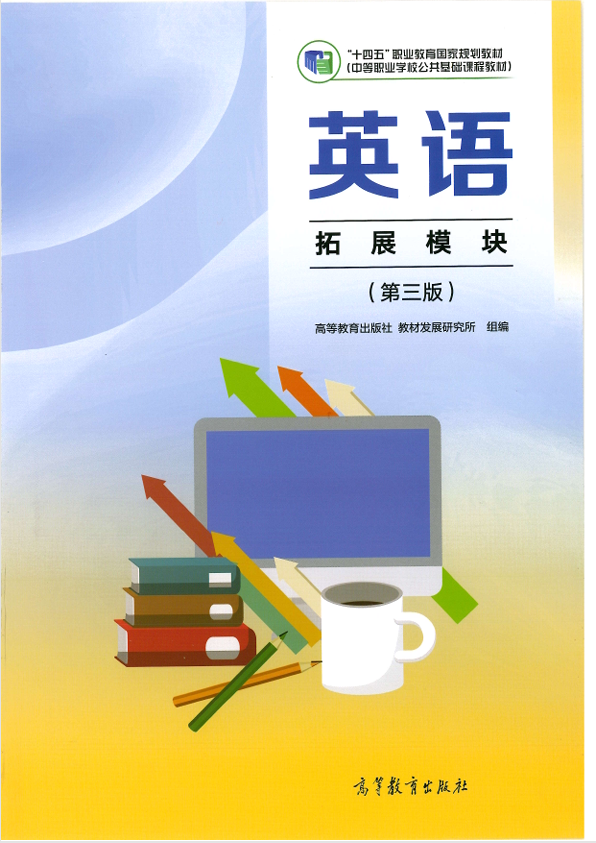
Unit 6 Carrying Forward Craftsmanship(B卷·能力提升)《英语 拓展模块》(高教版第三版)单元过关卷(原卷版+解析版)
2026-07-16
|
2份
|
25页
|
32人阅读
|
0人下载
摘要:
**基本信息**
《英语拓展模块》(高教版第三版)Unit 6“Carrying Forward Craftsmanship”B卷,聚焦工匠精神,融合AI、桥梁设计等科技情境,覆盖语法(定语从句)、词汇、阅读等核心知识,适配中职单元复习,提升语言能力与思维品质。
**题型特征**
|题型|题量/分值|知识覆盖|命题特色|
|----|-----------|----------|----------|
|完形填空|10/10|语篇理解、定语从句|以桥梁设计故事渗透细节重要性,体现思维品质|
|阅读理解|15/30|细节理解、推理判断|深海模型、AI检测系统等科技素材,具时代性|
|单句改错|10/10|定语从句连接词|针对性纠正“which/where/whose”误用,强化语法能力|
|补全对话|5/10|情景交际|围绕工匠精神访谈,提升语言表达与文化意识|
内容正文:
编写说明:本套试卷紧扣《英语 拓展模块》(高教版第三版)教材,以教材单元为基准精准覆盖核心考点。
每个单元设置AB卷,A卷为基础巩固卷,侧重基础考点训练,帮助学生扎实掌握知识要点;B卷为能力提升卷,注重知识整合与全面检测,引导学生构建知识网络。全书设计阶段测试卷,模拟实战情境,聚焦解题能力突破,全面提升应试能力与知识应用水平。
《英语 拓展模块》(高教版第三版)《单元过关卷》
Unit 6 Carrying Forward Craftsmanship
B卷·能力提升
考试时间:120分钟 满分:100分
班级_____姓名_____学号_____成绩_____
Ⅰ.语音辨析。(共5小题;每小题1分,满分5分)
读下列单词,从每题所给的 A、B、C 和 D 四个选项中,选出画线部分发音不同的一项。
1.A.soul B.astronomy C.rose D.phone
2.A.insist B.listen C.finish D.mind
3.A.explore B.leg C.never D.every
4.A.apprentice B.practice C.rate D.plan
5.A.institute B.put C.duty D.human
Ⅱ. 单项选择(共15小题;每小题1分,满分15分)
阅读下列句子,从每题所给的 A、B、C 和 D 四个选项中,选出最佳选项。
6. The workshop ______ he first learned welding now trains many young technicians.
A. what B. which
C. where D. who
7. This is the technician ______ patent helped the company save much energy.
A. whose B. whom
C. which D. where
8. The bridge, ______ design won a school prize, can stand strong winds.
A. that B. which
C. who D. whose
9. He explained the reason ______ the testing robot failed to pick up the smallest screws.
A. which B. why
C. who D. when
10. The AI engineer designed a program ______ can check tiny mistakes in drawings.
A. who B. where
C. whose D. which
11. The deep-sea model reached a place ______ no sunlight could be seen.
A. which B. that
C. when D. where
12. The role model ______ we interviewed taught us to respect every detail.
A. whom B. whose
C. where D. when
13. The team will never forget the day ______ their first patent was approved.
A. where B. when
C. which D. who
14. Attention to details is the habit ______ turns ordinary work into excellent work.
A. where B. whom
C. that D. whose
15. Mr. Liu chose the material ______ surface was smooth enough for the model bridge.
A. which B. who
C. where D. whose
16. The problems ______ the students met in testing made their design stronger.
A. that B. where
C. who D. when
17. The factory has built a lab ______ young workers can try new ideas safely.
A. which B. where
C. who D. whose
18. We admire people ______ do small jobs with great patience.
A. whom B. whose
C. who D. where
19. The report includes three suggestions, two of ______ are about teamwork.
A. whom B. that
C. whose D. which
20. The young designer still remembers the mentor from ______ he learned a useful rule.
A. whom B. who
C. which D. whose
Ⅲ. 完形填空(共10小题;每小题1分,满分10分)
阅读下面短文,从短文后各题所给的 A、B、C 和 D 四个选项中,选出可以填入空白处的最佳选项。
When Lin Yue joined a city bridge design lab, she believed that advanced software could solve almost every problem. She was good at using AI tools and could quickly produce several plans. ____21____, during her first real project, she learned that speed was not the same as quality. The project was a footbridge near a school, and the team needed a design ____22____ could be safe, beautiful and easy to repair. Lin Yue's first plan looked modern, but an experienced technician found that several small ____23____ had been ignored. The steps were a little too high for younger students, and the drainage holes were not placed well enough for heavy rain.
Lin Yue felt embarrassed at first, but the technician did not blame her. Instead, he showed her how to check a drawing line by line. He said, “Craftsmanship means doing ordinary things carefully until they become reliable.” After two weeks of testing, the team ____24____ the problems one by one. The AI engineer improved the program, the technicians tested different materials, and Lin Yue recorded every change. She realized that real innovation did not come from one clever person alone, but from a ____25____ in which everyone respected facts and listened to evidence.
One night, a new problem appeared. The bridge model shook slightly ____26____ a simulated strong wind passed over it. Some members thought they should give up the curved design. Lin Yue compared data from earlier tests and found a point that had ____27____ twice. With the help of the technicians, she adjusted the support structure. The next test was successful. Months later, the bridge opened to the public, and the team applied for a patent related to its wind-resistant structure. Lin Yue became more ____28____ than before. She understood that excellence was a road ____29____ required patience, teamwork and courage. From then on, she treated every line in a drawing as a promise. For her, craftsmanship was the heart of modern ____30____.
21.A. Besides B. However C. Therefore D. Instead
22.A. who B. where C. that D. when
23.A. details B. roles C. prizes D. interviews
24.A. caused B. copied C. refused D. solved
25.A. machine B. team C. chance D. report
26.A. when B. unless C. because of D. before
27.A. passed B. shone C. failed D. arrived
28.A. careless B. noisy C. famous D. patient
29.A. which B. who C. where D. when
30.A. habit B. memory C. innovation D. mistake
Ⅳ.补全对话(共5小题;每小题2分,满分10分)
根据对话内容,从对话后所给的七个选项中,选出能填入空白处的最佳选项。(选项中有两项是多余的)
Teacher: You look busy, Li Ming. What are you working on?
Li Ming: ____31____ He is a technician who helped design a deep-sea model.
Teacher: Good choice. ____32____
Li Ming: His attention to details. Before every test, he checked each part again and again.
Teacher: Did he explain why he was so strict?
Li Ming: Yes. ____33____ So he never allowed himself to be careless.
Teacher: ____34____ Craftsmanship is not only about skill, but also about responsibility.
Li Ming: I agree. I also want to mention the AI engineer who worked with him.
Teacher: Excellent. ____35____ That will make your report richer.
Li Ming: Thank you. I will revise it now.
A. What impressed you most about him?
B. I think patents are only for scientists.
C. That sounds like true craftsmanship.
D. I am preparing a report about a role model.
E. We can also add how teamwork helped him.
F. He said small mistakes may become big problems.
G. Why do you give up this difficult topic?
Ⅴ. 阅读理解(共15小题;每小题2分,满分30分)
阅读下列短文,根据要求完成各题。
A
A deep-sea model is not made by one person's imagination. It is built by many people who understand that the sea does not forgive carelessness. In a research center near the coast, a team of engineers and technicians spent years improving a model that could work in deep water. The outside world usually saw the exciting moment when the machine went down into the water. However, the team knew that success depended on thousands of quiet checks before that moment. Each screw, window and cable had to be tested many times.
Among the workers was Chen Rui, a senior technician who was known for his calmness. His job was to examine the connecting parts around the observation window. The window looked small compared with the whole machine, but it had to face huge water pressure. Chen used digital tools to measure each part, but he never depended on numbers alone. He touched the surface, compared the records and asked younger workers to explain their own checks. If one answer was unclear, he would ask them to test again. Some young workers once thought he was too strict. Later, after they saw how one tiny scratch could influence safety, they understood him.
The team also worked with AI engineers who built a system to predict possible risks. The system could find patterns in past testing data, but it still needed people who could judge the real situation. During one test, the system gave a warning about a part that seemed normal. Chen and the engineers discussed the data for hours and finally found a hidden problem. Because of that discovery, the team changed the design and later received a patent. Chen said the patent belonged to the whole team, not to any single person. In his eyes, craftsmanship meant respecting life, respecting facts and improving one detail after another.
36.The deep-sea model team spent years improving the machine.
37.Chen Rui checked only the engine of the model.
38.Some young workers understood Chen better after learning the danger of a tiny scratch.
39.The AI system could replace all human judgment during testing.
40.The team received a patent after improving the design.
B
The new bridge over the grassland river was not the longest bridge in the country, but it became famous among local people. Before it was built, students in nearby villages had to take a long way to school whenever the river rose after heavy rain. A young designer named Zhao Min joined the bridge project soon after she graduated. She wanted to create something useful, safe and beautiful. Her first plan was simple and low-cost, but the local technicians reminded her that winter wind and moving ice had to be considered. Their words made her slow down and look more carefully at the real environment.
Zhao Min did not feel offended. She visited the river many times with the technicians. They measured the speed of the water, recorded the direction of the wind and talked with villagers who had lived there for decades. One old herdsman told them where the ice usually pressed hardest against the bank. This information was not written in any report, but it helped the team improve the design. Zhao Min later said that real knowledge could come from people whose experience was closely connected with the land. She also learned that good design begins with listening, not showing off.
The most difficult part was choosing the shape of the bridge support. A straight support was cheaper, while a special curved support could reduce pressure from ice but required more careful construction. The team argued for several days. Finally, Zhao Min used computer simulation, field records and technicians' suggestions to prove that the curved support was safer in the long run. During construction, workers checked every connection point twice. When the bridge opened, villagers called it “the careful bridge”. Zhao Min kept this name in her notebook because it reminded her that excellence was not just a prize or a photo. It was the result of listening, testing, correcting and working together.
41. Why did local students need the bridge?
A. Because their old school was too small. B. Because heavy rain often made the road longer and harder.
C. Because they wanted to visit the city every day. D. Because the river had no fish.
42. What did the old herdsman provide for the team?
A. Money for the project. B. A complete computer model.
C. New machines for construction. D. Local experience about ice pressure.
43. How did Zhao Min treat the technicians' suggestions?
A. She accepted and studied them carefully. B. She refused them because she had graduated.
C. She copied them without checking. D. She ignored them until the bridge failed.
44. Why did the team finally choose the curved support?
A. It looked more fashionable in photos. B. It was the cheapest plan.
C. It was safer according to simulation and field records. D. It could be built without skilled workers.
45. What does the name “the careful bridge” mainly show?
A. The bridge was built very slowly. B. The bridge reflected attention to details and teamwork.
C. The bridge was designed by only one person. D. The bridge was used only in winter.
C
In a smart manufacturing company, AI engineer Wang Tao worked on a visual checking system. The system was designed to find tiny defects on metal parts used in medical machines. At first, the system could recognize obvious scratches, but it often missed defects that were partly hidden by light. Some people thought the problem was not serious because human inspectors could still check the parts. Wang Tao disagreed. He believed that technology should reduce risk, not simply look impressive in a presentation. A checking system that looked advanced but missed hidden defects was not good enough for real production.
To improve the system, Wang Tao spent weeks in the workshop instead of staying only in front of his computer. He stood beside experienced inspectors and watched how they moved a part under different lights. One inspector, Ms. Gao, told him that a defect was sometimes seen not by looking harder, but by changing the angle. This sentence gave Wang an idea. He collected new images from several angles and trained the system again. The work was tiring. The first new model produced too many false warnings, and the second one became slower than expected. Wang's team had to balance speed, accuracy and cost.
The final success came from cooperation. Software engineers improved the algorithm, technicians redesigned the light box, and inspectors marked thousands of images with great patience. The new system could find more hidden defects and explain which area needed human review. The company later applied for two patents related to image collection and defect analysis. Wang Tao said the patents were not the end of innovation. They were reminders of the questions the team had asked again and again: What might we have missed? Who can help us see better? How can we make the product safer for users? For Wang, craftsmanship in the age of AI meant combining intelligent tools with careful human judgment.
46. What was the main problem with the first checking system?
A. It could not start the machines. B. It was too expensive for the company.
C. It missed some defects hidden by light. D. It was designed for food products.
47. Why did Wang Tao spend weeks in the workshop?
A. To learn from inspectors and understand real checking conditions. B. To avoid writing computer programs.
C. To sell medical machines to customers. D. To replace all technicians immediately.
48. What does Ms. Gao's sentence suggest?
A. Inspectors should work faster. B. Metal parts should be painted.
C. Light is not useful in checking. D. Changing the angle can help find hidden defects.
49. Which group helped mark thousands of images?
A. Customers. B. Inspectors.
C. Drivers. D. Villagers.
50. What is the best title for the passage?
A. How to Win a Speech Competition B. A Bridge Built Across a River
C. Craftsmanship Behind an AI Checking System D. A Trip to a Deep-Sea Museum
Ⅵ. 句子单句改错(共10小题;每小题1分,满分10分)
下列每个句子中均有一处错误,请找出并改正。
51. The craftsman who tools are arranged neatly saves time every day.(单句改错)
52. This is the workshop which young technicians test their new ideas.(单句改错)
53. The bridge which design took two years is now open.(单句改错)
54. The day which our team solved the problem was unforgettable.(单句改错)
55. The engineer whom invented the checking system won a patent.(单句改错)
56. The details which he paid attention to them improved the model.(单句改错)
57. I still remember the reason which she refused the easy answer.(单句改错)
58. The role models from who we learned are patient and honest.(单句改错)
59. The depth where surprised every visitor was recorded carefully.(单句改错)
60. Innovation is a process that need courage and teamwork.(单句改错)
Ⅶ. 短语适当形式填空(共10小题;每小题2分,满分20分)
根据语境,从方框中选择恰当短语并用其适当形式填空。
carry forward
pay attention to
be known for
team up with
come up with
devote oneself to
take pride in
play a role in
overcome difficulties
learn from
61. The young technician always ______ every small change in the machine noise.
62. The AI engineer ______ a new method which reduced checking time by 30%.
63. The workers ______ the senior craftsman whose patience impressed everyone.
64. This city ______ its bridge designs that combine beauty with safety.
65. The students ______ their model bridge after it passed the final test.
66. Ms. Gao has ______ training young inspectors for more than ten years.
67. Good communication ______ helping the team finish the difficult project.
68. The designer ______ several local technicians before making the final plan.
69. We should ______ the spirit of craftsmanship in study and work.
70. The team finally ______ by testing, discussing and correcting again and again.
原创精品资源学科网独家享有版权,侵权必究!
学科网(北京)股份有限公司
$
编写说明:本套试卷紧扣《英语 拓展模块》(高教版第三版)教材,以教材单元为基准精准覆盖核心考点。
每个单元设置AB卷,A卷为基础巩固卷,侧重基础考点训练,帮助学生扎实掌握知识要点;B卷为能力提升卷,注重知识整合与全面检测,引导学生构建知识网络。全书设计阶段测试卷,模拟实战情境,聚焦解题能力突破,全面提升应试能力与知识应用水平。
《英语 拓展模块》(高教版第三版)《单元过关卷》
Unit 6 Carrying Forward Craftsmanship
B卷·能力提升
考试时间:120分钟 满分:100分
班级_____姓名_____学号_____成绩_____
Ⅰ.语音辨析。(共5小题;每小题1分,满分5分)
读下列单词,从每题所给的 A、B、C 和 D 四个选项中,选出画线部分发音不同的一项。
1.A.soul B.astronomy C.rose D.phone
2.A.insist B.listen C.finish D.mind
3.A.explore B.leg C.never D.every
4.A.apprentice B.practice C.rate D.plan
5.A.institute B.put C.duty D.human
【答案】1.B 2.D 3.A 4.C 5.B
【解析】1.A/C/D项o发/əʊ/,B项o发/ɒ/。
2.A/B/C项i发/ɪ/,D项i发/aɪ/。
3.B/C/D项e发/e/,A项e发/ɪ/。
4.A/B/D项a发/æ/,C项a发/eɪ/。
5.A/C/D项u发/juː/,B项u发/ʊ/。
Ⅱ. 单项选择(共15小题;每小题1分,满分15分)
阅读下列句子,从每题所给的 A、B、C 和 D 四个选项中,选出最佳选项。
6. The workshop ______ he first learned welding now trains many young technicians.
A. what B. which
C. where D. who
【答案】C
【解析】workshop表示地点,从句缺地点状语,用where。
7. This is the technician ______ patent helped the company save much energy.
A. whose B. whom
C. which D. where
【答案】A
【解析】patent与technician构成所属关系,用whose。
8. The bridge, ______ design won a school prize, can stand strong winds.
A. that B. which
C. who D. whose
【答案】D
【解析】design与bridge构成所属关系,用whose。
9. He explained the reason ______ the testing robot failed to pick up the smallest screws.
A. which B. why
C. who D. when
【答案】B
【解析】reason后说明原因,关系副词用why。
10. The AI engineer designed a program ______ can check tiny mistakes in drawings.
A. who B. where
C. whose D. which
【答案】D
【解析】program指物,关系词在从句中作主语,用which。
11. The deep-sea model reached a place ______ no sunlight could be seen.
A. which B. that
C. when D. where
【答案】D
【解析】place表示地点,从句缺地点状语,用where。
12. The role model ______ we interviewed taught us to respect every detail.
A. whom B. whose
C. where D. when
【答案】A
【解析】role model指人,在从句中作宾语,可用whom。
13. The team will never forget the day ______ their first patent was approved.
A. where B. when
C. which D. who
【答案】B
【解析】day表示时间,从句缺时间状语,用when。
14. Attention to details is the habit ______ turns ordinary work into excellent work.
A. where B. whom
C. that D. whose
【答案】C
【解析】habit指物,关系词在从句中作主语,用that。
15. Mr. Liu chose the material ______ surface was smooth enough for the model bridge.
A. which B. who
C. where D. whose
【答案】D
【解析】surface与material构成所属关系,用whose。
16. The problems ______ the students met in testing made their design stronger.
A. that B. where
C. who D. when
【答案】A
【解析】problems指物,关系词在从句中作宾语,用that。
17. The factory has built a lab ______ young workers can try new ideas safely.
A. which B. where
C. who D. whose
【答案】B
【解析】lab表示地点,从句缺地点状语,用where。
18. We admire people ______ do small jobs with great patience.
A. whom B. whose
C. who D. where
【答案】C
【解析】people指人,关系词在从句中作主语,用who。
19. The report includes three suggestions, two of ______ are about teamwork.
A. whom B. that
C. whose D. which
【答案】D
【解析】two of which表示“三条建议中的两条”。
20. The young designer still remembers the mentor from ______ he learned a useful rule.
A. whom B. who
C. which D. whose
【答案】A
【解析】介词from后指人,关系代词用whom。
Ⅲ. 完形填空(共10小题;每小题1分,满分10分)
阅读下面短文,从短文后各题所给的 A、B、C 和 D 四个选项中,选出可以填入空白处的最佳选项。
When Lin Yue joined a city bridge design lab, she believed that advanced software could solve almost every problem. She was good at using AI tools and could quickly produce several plans. ____21____, during her first real project, she learned that speed was not the same as quality. The project was a footbridge near a school, and the team needed a design ____22____ could be safe, beautiful and easy to repair. Lin Yue's first plan looked modern, but an experienced technician found that several small ____23____ had been ignored. The steps were a little too high for younger students, and the drainage holes were not placed well enough for heavy rain.
Lin Yue felt embarrassed at first, but the technician did not blame her. Instead, he showed her how to check a drawing line by line. He said, “Craftsmanship means doing ordinary things carefully until they become reliable.” After two weeks of testing, the team ____24____ the problems one by one. The AI engineer improved the program, the technicians tested different materials, and Lin Yue recorded every change. She realized that real innovation did not come from one clever person alone, but from a ____25____ in which everyone respected facts and listened to evidence.
One night, a new problem appeared. The bridge model shook slightly ____26____ a simulated strong wind passed over it. Some members thought they should give up the curved design. Lin Yue compared data from earlier tests and found a point that had ____27____ twice. With the help of the technicians, she adjusted the support structure. The next test was successful. Months later, the bridge opened to the public, and the team applied for a patent related to its wind-resistant structure. Lin Yue became more ____28____ than before. She understood that excellence was a road ____29____ required patience, teamwork and courage. From then on, she treated every line in a drawing as a promise. For her, craftsmanship was the heart of modern ____30____.
21.A. Besides B. However C. Therefore D. Instead
22.A. who B. where C. that D. when
23.A. details B. roles C. prizes D. interviews
24.A. caused B. copied C. refused D. solved
25.A. machine B. team C. chance D. report
26.A. when B. unless C. because of D. before
27.A. passed B. shone C. failed D. arrived
28.A. careless B. noisy C. famous D. patient
29.A. which B. who C. where D. when
30.A. habit B. memory C. innovation D. mistake
【答案】 21.B 22.C 23.A 24.D 25.B 26.A 27.C 28.D 29.A 30.C
【导语】本文是一篇记叙文,讲述学生或年轻技术人员在真实任务中通过练习、检查、合作和反思理解工匠精神的过程。
【详解】
21.前后形成转折:她原以为软件能解决问题,后来发现速度不等于质量。
22.design指物,关系词在从句中作主语,用that。
23.后文列举台阶高度和排水孔位置,说明是小细节。
24.solve the problems表示“解决问题”。
25.后文everyone respected facts表明创新来自团队。
26.when引导时间状语,表示强风经过时模型晃动。
27.该点在测试中失败两次,failed符合语境。
28.经历项目后她更有耐心,patient符合主题。
29.road指物,关系词在从句中作主语,用which。
30.结尾强调现代创新中的工匠精神,innovation符合语境。
Ⅳ.补全对话(共5小题;每小题2分,满分10分)
根据对话内容,从对话后所给的七个选项中,选出能填入空白处的最佳选项。(选项中有两项是多余的)
Teacher: You look busy, Li Ming. What are you working on?
Li Ming: ____31____ He is a technician who helped design a deep-sea model.
Teacher: Good choice. ____32____
Li Ming: His attention to details. Before every test, he checked each part again and again.
Teacher: Did he explain why he was so strict?
Li Ming: Yes. ____33____ So he never allowed himself to be careless.
Teacher: ____34____ Craftsmanship is not only about skill, but also about responsibility.
Li Ming: I agree. I also want to mention the AI engineer who worked with him.
Teacher: Excellent. ____35____ That will make your report richer.
Li Ming: Thank you. I will revise it now.
A. What impressed you most about him?
B. I think patents are only for scientists.
C. That sounds like true craftsmanship.
D. I am preparing a report about a role model.
E. We can also add how teamwork helped him.
F. He said small mistakes may become big problems.
G. Why do you give up this difficult topic?
【答案】31.D 32.A 33.F 34.C 35.E
【解析】
31.上文问正在做什么,D项说明正在准备榜样报告。
32.下文回答最打动人的是关注细节,A项询问印象最深之处。
33.后文说明他不允许自己粗心,F项说明原因。
34.教师评价这种做法,C项概括为真正的工匠精神。
35.前文提到AI工程师,E项补充团队合作能丰富报告。
Ⅴ. 阅读理解(共15小题;每小题2分,满分30分)
阅读下列短文,根据要求完成各题。
A
A deep-sea model is not made by one person's imagination. It is built by many people who understand that the sea does not forgive carelessness. In a research center near the coast, a team of engineers and technicians spent years improving a model that could work in deep water. The outside world usually saw the exciting moment when the machine went down into the water. However, the team knew that success depended on thousands of quiet checks before that moment. Each screw, window and cable had to be tested many times.
Among the workers was Chen Rui, a senior technician who was known for his calmness. His job was to examine the connecting parts around the observation window. The window looked small compared with the whole machine, but it had to face huge water pressure. Chen used digital tools to measure each part, but he never depended on numbers alone. He touched the surface, compared the records and asked younger workers to explain their own checks. If one answer was unclear, he would ask them to test again. Some young workers once thought he was too strict. Later, after they saw how one tiny scratch could influence safety, they understood him.
The team also worked with AI engineers who built a system to predict possible risks. The system could find patterns in past testing data, but it still needed people who could judge the real situation. During one test, the system gave a warning about a part that seemed normal. Chen and the engineers discussed the data for hours and finally found a hidden problem. Because of that discovery, the team changed the design and later received a patent. Chen said the patent belonged to the whole team, not to any single person. In his eyes, craftsmanship meant respecting life, respecting facts and improving one detail after another.
36.The deep-sea model team spent years improving the machine.
37.Chen Rui checked only the engine of the model.
38.Some young workers understood Chen better after learning the danger of a tiny scratch.
39.The AI system could replace all human judgment during testing.
40.The team received a patent after improving the design.
【答案】 36.T 37.F 38.T 39.F 40.T
【导语】本文是一篇说明文,介绍深海模型团队在检查、数据分析和设计改进中的合作过程。文章强调高风险技术工作离不开细节、事实判断和团队责任,AI工具也需要人的经验配合。
【详解】
36.第一段说明团队花费多年改进深水工作模型。
37.第二段说明他检查的是观察窗周围连接部件,不是发动机。
38.第二段说明他们看到细小划痕影响安全后理解了他。
39.第三段说明系统仍需要人的真实判断。
40.第三段说明团队改变设计后获得专利。
B
The new bridge over the grassland river was not the longest bridge in the country, but it became famous among local people. Before it was built, students in nearby villages had to take a long way to school whenever the river rose after heavy rain. A young designer named Zhao Min joined the bridge project soon after she graduated. She wanted to create something useful, safe and beautiful. Her first plan was simple and low-cost, but the local technicians reminded her that winter wind and moving ice had to be considered. Their words made her slow down and look more carefully at the real environment.
Zhao Min did not feel offended. She visited the river many times with the technicians. They measured the speed of the water, recorded the direction of the wind and talked with villagers who had lived there for decades. One old herdsman told them where the ice usually pressed hardest against the bank. This information was not written in any report, but it helped the team improve the design. Zhao Min later said that real knowledge could come from people whose experience was closely connected with the land. She also learned that good design begins with listening, not showing off.
The most difficult part was choosing the shape of the bridge support. A straight support was cheaper, while a special curved support could reduce pressure from ice but required more careful construction. The team argued for several days. Finally, Zhao Min used computer simulation, field records and technicians' suggestions to prove that the curved support was safer in the long run. During construction, workers checked every connection point twice. When the bridge opened, villagers called it “the careful bridge”. Zhao Min kept this name in her notebook because it reminded her that excellence was not just a prize or a photo. It was the result of listening, testing, correcting and working together.
41. Why did local students need the bridge?
A. Because their old school was too small. B. Because heavy rain often made the road longer and harder.
C. Because they wanted to visit the city every day. D. Because the river had no fish.
42. What did the old herdsman provide for the team?
A. Money for the project. B. A complete computer model.
C. New machines for construction. D. Local experience about ice pressure.
43. How did Zhao Min treat the technicians' suggestions?
A. She accepted and studied them carefully. B. She refused them because she had graduated.
C. She copied them without checking. D. She ignored them until the bridge failed.
44. Why did the team finally choose the curved support?
A. It looked more fashionable in photos. B. It was the cheapest plan.
C. It was safer according to simulation and field records. D. It could be built without skilled workers.
45. What does the name “the careful bridge” mainly show?
A. The bridge was built very slowly. B. The bridge reflected attention to details and teamwork.
C. The bridge was designed by only one person. D. The bridge was used only in winter.
【答案】 41.B 42.D 43.A 44.C 45.B
【导语】本文是一篇工程实践类记叙文,讲述年轻设计师Zhao Min在草原河桥项目中听取本地经验、整合数据和技术建议的过程。文章突出设计中的细节意识、实地调查和团队合作。
【详解】
41.第一段说明涨水后学生上学需要绕远路,桥能解决通行困难。
42.第二段说明老牧民告诉团队冰通常压迫河岸的位置,属于本地经验。
43.第二段说明她多次实地走访、测量并听取建议,态度认真。
44.第三段说明模拟、实地记录和技术员建议共同证明曲线支撑更安全。
45.结尾说明桥体现倾听、测试、修正和合作,体现细节与团队精神。
C
In a smart manufacturing company, AI engineer Wang Tao worked on a visual checking system. The system was designed to find tiny defects on metal parts used in medical machines. At first, the system could recognize obvious scratches, but it often missed defects that were partly hidden by light. Some people thought the problem was not serious because human inspectors could still check the parts. Wang Tao disagreed. He believed that technology should reduce risk, not simply look impressive in a presentation. A checking system that looked advanced but missed hidden defects was not good enough for real production.
To improve the system, Wang Tao spent weeks in the workshop instead of staying only in front of his computer. He stood beside experienced inspectors and watched how they moved a part under different lights. One inspector, Ms. Gao, told him that a defect was sometimes seen not by looking harder, but by changing the angle. This sentence gave Wang an idea. He collected new images from several angles and trained the system again. The work was tiring. The first new model produced too many false warnings, and the second one became slower than expected. Wang's team had to balance speed, accuracy and cost.
The final success came from cooperation. Software engineers improved the algorithm, technicians redesigned the light box, and inspectors marked thousands of images with great patience. The new system could find more hidden defects and explain which area needed human review. The company later applied for two patents related to image collection and defect analysis. Wang Tao said the patents were not the end of innovation. They were reminders of the questions the team had asked again and again: What might we have missed? Who can help us see better? How can we make the product safer for users? For Wang, craftsmanship in the age of AI meant combining intelligent tools with careful human judgment.
46. What was the main problem with the first checking system?
A. It could not start the machines. B. It was too expensive for the company.
C. It missed some defects hidden by light. D. It was designed for food products.
47. Why did Wang Tao spend weeks in the workshop?
A. To learn from inspectors and understand real checking conditions. B. To avoid writing computer programs.
C. To sell medical machines to customers. D. To replace all technicians immediately.
48. What does Ms. Gao's sentence suggest?
A. Inspectors should work faster. B. Metal parts should be painted.
C. Light is not useful in checking. D. Changing the angle can help find hidden defects.
49. Which group helped mark thousands of images?
A. Customers. B. Inspectors.
C. Drivers. D. Villagers.
50. What is the best title for the passage?
A. How to Win a Speech Competition B. A Bridge Built Across a River
C. Craftsmanship Behind an AI Checking System D. A Trip to a Deep-Sea Museum
【答案】 46.C 47.A 48.D 49.B 50.C
【导语】本文是一篇科技说明文,讲述AI工程师Wang Tao改进视觉检测系统的过程。文章通过车间观察、多角度采集、算法改进和人工复核,说明现代技术同样需要细节意识和人的判断。
【详解】
46.第一段说明最初系统经常漏检被光线部分隐藏的缺陷。
47.第二段说明他观察检查员如何在不同光线下移动零件,以理解真实检测条件。
48.第二段中Ms. Gao指出有时需要改变角度才能看到缺陷。
49.第三段说明inspectors patiently marked thousands of images。
50.全文围绕AI检测系统背后的细致改进与合作,最佳标题对应C项。
Ⅵ. 句子单句改错(共10小题;每小题1分,满分10分)
下列每个句子中均有一处错误,请找出并改正。
51. The craftsman who tools are arranged neatly saves time every day.(单句改错)
52. This is the workshop which young technicians test their new ideas.(单句改错)
53. The bridge which design took two years is now open.(单句改错)
54. The day which our team solved the problem was unforgettable.(单句改错)
55. The engineer whom invented the checking system won a patent.(单句改错)
56. The details which he paid attention to them improved the model.(单句改错)
57. I still remember the reason which she refused the easy answer.(单句改错)
58. The role models from who we learned are patient and honest.(单句改错)
59. The depth where surprised every visitor was recorded carefully.(单句改错)
60. Innovation is a process that need courage and teamwork.(单句改错)
【答案】 51.who→whose 52.which→where / in which 53.which→whose 54.which→when 55.whom→who/that 56.去掉them 57.which→why 58.who→whom 59.where→that/which 60.need→needs
【解析】
51.tools属于craftsman,应用whose。
52.workshop表示地点,应用where或in which。
53.design属于bridge,应用whose。
54.day表示时间,应用when。
55.engineer指人且在从句中作主语,应用who或that。
56.which已作pay attention to的宾语,them多余。
57.reason后说明原因,应用why。
58.介词from后关系代词指人,应用whom。
59.depth在从句中作主语,应用that或which。
60.主语process为单数,谓语应用needs。
Ⅶ. 短语适当形式填空(共10小题;每小题2分,满分20分)
根据语境,从方框中选择恰当短语并用其适当形式填空。
carry forward
pay attention to
be known for
team up with
come up with
devote oneself to
take pride in
play a role in
overcome difficulties
learn from
61. The young technician always ______ every small change in the machine noise.
62. The AI engineer ______ a new method which reduced checking time by 30%.
63. The workers ______ the senior craftsman whose patience impressed everyone.
64. This city ______ its bridge designs that combine beauty with safety.
65. The students ______ their model bridge after it passed the final test.
66. Ms. Gao has ______ training young inspectors for more than ten years.
67. Good communication ______ helping the team finish the difficult project.
68. The designer ______ several local technicians before making the final plan.
69. We should ______ the spirit of craftsmanship in study and work.
70. The team finally ______ by testing, discussing and correcting again and again.
【答案】 61.pays attention to 62.came up with 63.learned from 64.is known for 65.took pride in 66.devoted herself to 67.plays a role in 68.teamed up with 69.carry forward 70.overcame difficulties
【解析】
61.pay attention to意为“注意”,主语technician为第三人称单数,用pays。
62.come up with意为“提出”,句意为提出新方法,用一般过去时。
63.learn from意为“向……学习”,语境描述过去行为,用learned from。
64.be known for意为“因……而闻名”,主语city为单数,用is。
65.take pride in意为“以……为自豪”,passed提示一般过去时。
66.devote oneself to意为“致力于”,主语Ms. Gao用herself,has后接过去分词devoted。
67.play a role in意为“在……中发挥作用”,主语communication为单数,用plays。
68.team up with意为“与……合作”,语境为过去合作。
69.carry forward意为“弘扬”,should后接动词原形。
70.overcome difficulties意为“克服困难”,finally提示结果,用过去式overcame。
原创精品资源学科网独家享有版权,侵权必究!
学科网(北京)股份有限公司
$
资源预览图

1

2

3
由于学科网是一个信息分享及获取的平台,不确保部分用户上传资料的 来源及知识产权归属。如您发现相关资料侵犯您的合法权益,请联系学科网,我们核实后将及时进行处理。