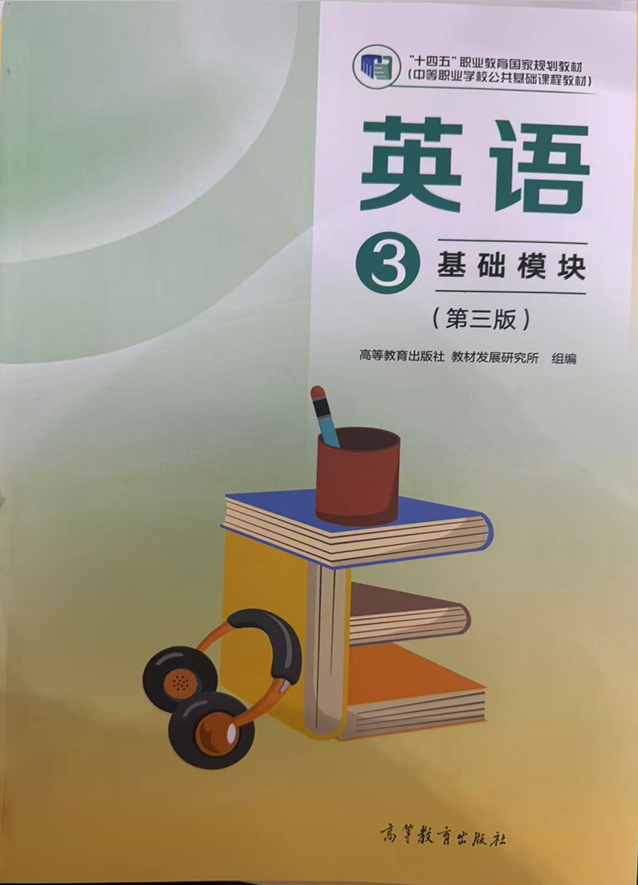
Unit7 Natural Disasters单元复习讲义-《英语 基础模块3》(高教版第三版)(原卷版+解析版)
2026-07-14
|
2份
|
14页
|
66人阅读
|
1人下载
精品
摘要:
该中职英语单元复习讲义围绕《英语 基础模块3》Unit 7核心内容,涵盖重点词汇、主语从句和表语从句及自然灾害、环境保护与可持续行动主题语篇,采用“学习版—辨析版—训练版—自检版”结构,搭建从词汇识记到语法运用再到主题语篇拓展的递进式学习支架。
讲义通过分类分级呈现知识体系,词汇部分用红色标注必掌握项并结合教材语境复现词义,语法部分设“学习版精讲+提升练习”强化从句运用,主题语篇训练整合完形、阅读与写作,培养语言能力和思维品质。自检清单助力学生自主核对学习效果,教师可据此精准巩固教学重点,提升复习效率。
内容正文:
《英语 基础模块3》(高教版第三版)单元复习讲义
Unit 7 Natural Disasters
班级__________ 姓名__________ 成绩__________
编写说明:本讲义围绕 Unit 7 的重点词汇、主语从句和表语从句和自然灾害、环境保护与可持续行动主题语篇进行复习提升,采用“学习版—辨析版—训练版—自检版”的结构,适合课堂巩固、阶段复习和课后练习使用。
一、词汇积累:先识记,再对折自测
重点标记规则:红色答案为必须掌握项;教材语境用于回到句子中复现词义,避免只背孤立中文。
(一)重点单词
序号
中文提示
英文答案
英文提示
中文答案
教材语境
1
频繁地
frequently
frequently
频繁地
Natural disasters happen more frequently in some areas.
2
保护
protection
protection
保护
Environmental protection needs everyone's effort.
3
可持续的
sustainable
sustainable
可持续的
Sustainable development protects the future.
4
阻止
prevent
prevent
阻止
We should prevent pollution from getting worse.
5
讨论
discussion
discussion
讨论
The class had a discussion about disasters.
6
保护
protect
protect
保护
People should protect forests and rivers.
7
污染
pollute
pollute
污染
Factories should not pollute the river.
8
意识到
realize
realize
意识到
More people realize that nature needs protection.
9
全球的
global
global
全球的
Global warming may cause serious problems.
10
取消
cancel
cancel
取消
The outdoor activity was canceled because of the storm.
11
做出改变
make a change
make a change
做出改变
Small actions can make a change.
12
沙尘暴
sandstorm
sandstorm
沙尘暴
Sandstorms are caused by strong winds.
(二)重点短语
序号
中文提示
英文答案
英文提示
中文答案
教材语境
1
自然灾害
natural disaster
natural disaster
自然灾害
A natural disaster may be connected with human actions.
2
环境保护
environmental protection
environmental protection
环境保护
Environmental protection is important for everyone.
3
可持续发展
sustainable development
sustainable development
可持续发展
Sustainable development is a global goal.
4
阻止……做
prevent ... from doing
prevent ... from doing
阻止……做
Trees prevent sand from moving quickly.
5
造成污染
cause pollution
cause pollution
造成污染
Bad habits can cause pollution.
6
加入我们
join us
join us
加入我们
The most important thing is how we can get more people to join us.
7
做出改变
make a change
make a change
做出改变
Everyone can make a change.
8
交通解决方案
transportation solution
transportation solution
交通解决方案
Discuss transportation solutions for environmental protection.
二、语法闯关:主语从句和表语从句的综合运用
学习版精讲
• 主语从句在句中作主语,可用 that, whether, what, how 等引导,常见结构为 It is + 形容词/名词 + that ...。
• 表语从句放在系动词之后,说明主语内容,常用 that, what, how, why 等引导。
• It is known that..., It is true that... 可用于说明灾害成因和环保事实。
• The most important thing is how/what/that... 可用于提出解决方案或行动重点。
• 表达环保观点时要注意从句使用陈述语序,不使用疑问语序。
提升练习
1. ________ these disasters are not all natural is true. A. That B. What C. Where D. If
【答案】A
【解析】that 引导主语从句,说明一个事实。
2. It is known ________ sandstorms are caused naturally by strong winds. A. what B. that C. where D. whether
【答案】B
【解析】It is known that... 是形式主语结构,that 从句是真正主语。
3. 翻译:最重要的事情是我们如何让更多人加入。
【答案】The most important thing is how we can get more people to join us.
【解析】how 引导表语从句,从句用陈述语序。
4. 改错:The question is how can we prevent pollution.
【答案】改为 The question is how we can prevent pollution.
【解析】表语从句要用陈述语序。
5. ________ we can make a change depends on our daily actions. A. Whether B. Where C. Who D. Which
【答案】A
【解析】whether 引导主语从句,表示是否能做出改变。
6. 将句子补充完整:It is important ________ everyone protects the environment.
【答案】that
【解析】It is important that... 中 it 为形式主语,that 从句是真正主语。
7. The fact is ________ global problems need global action. A. that B. if C. when D. who
【答案】A
【解析】that 引导表语从句,说明 fact 的内容。
8. 用英语表达:问题是我们应该采取什么交通解决方案。
【答案】The problem is what transportation solution we should take.
【解析】what 引导表语从句,从句语序为陈述语序。
三、易错易混辨析:先辨析,再迁移
1. protection / protect:protection 是名词;protect 是动词。
2. pollute / pollution:pollute 是动词;pollution 是名词。
3. It is true that:it 是形式主语,that 从句是真正主语。
4. The thing is how...:表语从句要用陈述语序。
5. prevent / protect:prevent 表示阻止;protect 表示保护。
四、主题提升:自然灾害、环境保护与可持续行动语篇拓展训练
(一)完形填空:The Storm Shelter Drill
When a storm warning arrived, Luo Xin helped organize a dormitory safety drill. The rain alarm sounded earlier than expected, and some students did not know which shelter room to use. Luo first read the emergency card on the wall. It showed the floor number, the safe route and the room where students should gather. She asked everyone to stop guessing and follow the 1) ________.
The most urgent problem was the glass door near the stairs. Strong wind could break it, so Luo guided students away from that area. She placed a volunteer at the corner to remind late students. Another volunteer checked the name list. Luo used a calm voice because panic can make a small risk more 2) ________. When one student wanted to run back for an umbrella, Luo explained that safety came first and personal items could wait.
Inside the shelter room, the teacher asked students to sit in groups and keep the passage clear. Luo wrote down the time when each group arrived. This record helped the teacher know whether anyone was missing. After the drill, the teacher updated the notice and praised Luo for clear action. Luo understood that disaster education is not only about frightening pictures. It should teach people what to read, where to go and how to help others.
Later, Luo made an English poster for a campus safety activity. The poster included disaster warnings, environmental actions and a call to action. It told students to read notices, save water, reduce waste and join school protection work. Making a poster was not enough; the message had to be practical. Luo used words such as 3) ________, protection and sustainable. She also wrote one sentence in large letters: "What matters most is how we act before danger comes." The drill made students more 4) ________. They knew the shelter room, the safe route and the reason for avoiding glass. Luo felt that the school had turned a storm warning into a lesson in 5) ________. The experience also reminded her that environmental protection can reduce future risk. Planting trees, saving energy and keeping drains clean may look small, but they help communities face heavy rain. At the end of the poster, Luo invited classmates to join a weekly clean-up. She believed that every 6) ________ could make a change. A disaster may be sudden, but preparation is built through daily 7) ________. The class kept the emergency card near the door and reviewed it every month. This habit made everyone feel 8) ________. Luo put the drill report into the safety 9) ________, hoping the next team could learn from it. The dark clouds passed, but the lesson remained 10) ________.
1. A. schedule B. emergency card C. lunch menu D. shopping list
2. A. serious B. colorful C. empty D. sweet
3. A. mirror B. sugar C. frequently D. candle
4. A. absent B. careless C. noisy D. prepared
5. A. responsibility B. price C. storm D. garden
6. A. pillow B. action C. ticket D. cloud
7. A. habits B. songs C. baskets D. spoons
8. A. late B. narrow C. safe D. cold
9. A. machine B. river C. road D. folder
10. A. useful B. plastic C. broken D. silent
【答案】1.B 2.A 3.C 4.D 5.A 6.B 7.A 8.C 9.D 10.A
【导语】本文以暴雨预警下的校园避险演练为情境,训练灾害警示、环保行动和海报号召语表达。
【解析】
1. 依据墙上的 emergency card 行动。
2. panic 会让风险更 serious。
3. frequently 为本单元重点词。
4. 演练后学生更 prepared。
5. lesson in responsibility 表示责任教育。
6. every action could make a change。
7. preparation 由 daily habits 建立。
8. 知道路线后 feel safe。
9. report 放入 folder。
10. lesson remained useful。
(二)阅读理解:Campus Safety Poster
Campus Safety Poster
Title: Read the Warning, Protect Our Campus. When heavy rain, strong wind or a sandstorm is coming, students should read the emergency notice first. The notice tells us where the shelter room is, which route is safe and what places should be avoided. During a storm drill, students should stay away from glass doors, keep the passage clear and follow teachers' instructions. Running randomly may cause more danger.
Environmental protection is also part of safety. Clean drains can reduce flood risk. Trees can prevent soil from moving quickly in strong wind. Saving water, reducing waste and using public transportation are small actions, but they support a more sustainable campus. The question is not whether one student can solve every global problem. The question is how we can get more people to join us.
Call to action: Check the emergency card this week. Join the Friday clean-up. Bring your own bottle and turn off lights when you leave. What we do every day can make a change before the next disaster comes. The poster should be placed near the dormitory gate and classroom board, where students can read it before activities. Clear reminders help everyone remember safe routes and daily environmental actions.
1. What should students read first when bad weather is coming?
A. A music list. B. A shopping poster.
C. A sports ticket. D. The emergency notice.
2. Which place should students avoid during a storm drill?
A. Glass doors. B. Reading desks.
C. Green gardens. D. Clean drains.
3. What can clean drains reduce?
A. Book prices. B. Phone calls.
C. Flood risk. D. Bus colors.
4. What is one call to action in the poster?
A. Hide the emergency card. B. Join the Friday clean-up.
C. Run randomly in the hall. D. Leave lights on all night.
5. What is the poster mainly about?
A. A restaurant order. B. A role model story.
C. A festival invitation. D. Campus safety and environmental action.
【答案】1.D 2.A 3.C 4.B 5.D
【导语】阅读材料采用校园安全与环保海报,考查灾害警示、避险路线、环保做法和号召语。
【解析】
1. 第一段说明先读 emergency notice。
2. storm drill 时远离 glass doors。
3. Clean drains can reduce flood risk。
4. Call to action 中包含 Join the Friday clean-up。
5. 全文围绕 campus safety and environmental action。
(三)书面表达
请为校园环保活动制作英文海报文案,说明灾害警示、环保做法和号召语。 要求:不少于80词,至少使用5个本单元重点词汇或短语,并尽量使用本单元语法点。
【参考范文】Making a poster for our campus protection activity can help more students take action. Read the warning first when heavy rain, strong wind or a sandstorm is coming. The most important thing is that we follow the emergency notice and stay away from dangerous places such as glass doors. Environmental protection is also important. We can save water, reduce waste, use public transportation and plant trees to make our campus more sustainable. What we do every day can prevent small problems from becoming bigger risks. Please join the Friday clean-up and invite your classmates. The question is how we can make a change together.
【导语】海报文案应直接包含灾害警示、环保做法和号召语,避免只写个人学习感受。
【解析】范文使用 Making 作主语,并运用 that、what、how 引导的名词性从句,符合本单元语法重点。
五、学习自检清单:完成后逐项核对
□ 我能默写本单元核心单词和短语,并能在句子中使用。
□ 我能说明主语从句和表语从句的基本结构和易错点。
□ 我能完成本单元主题完形、阅读和写作训练。
□ 我能用本单元句型完成真实生活或职业情境表达。
□ 我已整理错题,并标出需要二次复习的内容。
原创精品资源学科网独家享有版权,侵权必究!
学科网(北京)股份有限公司
$
《英语 基础模块3》(高教版第三版)单元复习讲义
Unit 7 Natural Disasters
班级__________ 姓名__________ 成绩__________
编写说明:本讲义围绕 Unit 7 的重点词汇、主语从句和表语从句和自然灾害、环境保护与可持续行动主题语篇进行复习提升,采用“学习版—辨析版—训练版—自检版”的结构,适合课堂巩固、阶段复习和课后练习使用。
一、词汇积累:先识记,再对折自测
重点标记规则:红色答案为必须掌握项;教材语境用于回到句子中复现词义,避免只背孤立中文。
(一)重点单词
序号
中文提示
英文答案
英文提示
中文答案
教材语境
1
频繁地
__________
frequently
__________
Natural disasters happen more frequently in some areas.
2
保护
__________
protection
__________
Environmental protection needs everyone's effort.
3
可持续的
__________
sustainable
__________
Sustainable development protects the future.
4
阻止
__________
prevent
__________
We should prevent pollution from getting worse.
5
讨论
__________
discussion
__________
The class had a discussion about disasters.
6
保护
__________
protect
__________
People should protect forests and rivers.
7
污染
__________
pollute
__________
Factories should not pollute the river.
8
意识到
__________
realize
__________
More people realize that nature needs protection.
9
全球的
__________
global
__________
Global warming may cause serious problems.
10
取消
__________
cancel
__________
The outdoor activity was canceled because of the storm.
11
做出改变
__________
make a change
__________
Small actions can make a change.
12
沙尘暴
__________
sandstorm
__________
Sandstorms are caused by strong winds.
(二)重点短语
序号
中文提示
英文答案
英文提示
中文答案
教材语境
1
自然灾害
__________
natural disaster
__________
A natural disaster may be connected with human actions.
2
环境保护
__________
environmental protection
__________
Environmental protection is important for everyone.
3
可持续发展
__________
sustainable development
__________
Sustainable development is a global goal.
4
阻止……做
__________
prevent ... from doing
__________
Trees prevent sand from moving quickly.
5
造成污染
__________
cause pollution
__________
Bad habits can cause pollution.
6
加入我们
__________
join us
__________
The most important thing is how we can get more people to join us.
7
做出改变
__________
make a change
__________
Everyone can make a change.
8
交通解决方案
__________
transportation solution
__________
Discuss transportation solutions for environmental protection.
二、语法闯关:主语从句和表语从句的综合运用
学习版精讲
• 主语从句在句中作主语,可用 that, whether, what, how 等引导,常见结构为 It is + 形容词/名词 + that ...。
• 表语从句放在系动词之后,说明主语内容,常用 that, what, how, why 等引导。
• It is known that..., It is true that... 可用于说明灾害成因和环保事实。
• The most important thing is how/what/that... 可用于提出解决方案或行动重点。
• 表达环保观点时要注意从句使用陈述语序,不使用疑问语序。
提升练习
1. ________ these disasters are not all natural is true. A. That B. What C. Where D. If
2. It is known ________ sandstorms are caused naturally by strong winds. A. what B. that C. where D. whether
3. 翻译:最重要的事情是我们如何让更多人加入。
4. 改错:The question is how can we prevent pollution.
5. ________ we can make a change depends on our daily actions. A. Whether B. Where C. Who D. Which
6. 将句子补充完整:It is important ________ everyone protects the environment.
7. The fact is ________ global problems need global action. A. that B. if C. when D. who
8. 用英语表达:问题是我们应该采取什么交通解决方案。
三、易错易混辨析:先辨析,再迁移
1. protection / protect:protection 是名词;protect 是动词。
2. pollute / pollution:pollute 是动词;pollution 是名词。
3. It is true that:it 是形式主语,that 从句是真正主语。
4. The thing is how...:表语从句要用陈述语序。
5. prevent / protect:prevent 表示阻止;protect 表示保护。
四、主题提升:自然灾害、环境保护与可持续行动语篇拓展训练
(一)完形填空:The Storm Shelter Drill
When a storm warning arrived, Luo Xin helped organize a dormitory safety drill. The rain alarm sounded earlier than expected, and some students did not know which shelter room to use. Luo first read the emergency card on the wall. It showed the floor number, the safe route and the room where students should gather. She asked everyone to stop guessing and follow the 1) ________.
The most urgent problem was the glass door near the stairs. Strong wind could break it, so Luo guided students away from that area. She placed a volunteer at the corner to remind late students. Another volunteer checked the name list. Luo used a calm voice because panic can make a small risk more 2) ________. When one student wanted to run back for an umbrella, Luo explained that safety came first and personal items could wait.
Inside the shelter room, the teacher asked students to sit in groups and keep the passage clear. Luo wrote down the time when each group arrived. This record helped the teacher know whether anyone was missing. After the drill, the teacher updated the notice and praised Luo for clear action. Luo understood that disaster education is not only about frightening pictures. It should teach people what to read, where to go and how to help others.
Later, Luo made an English poster for a campus safety activity. The poster included disaster warnings, environmental actions and a call to action. It told students to read notices, save water, reduce waste and join school protection work. Making a poster was not enough; the message had to be practical. Luo used words such as 3) ________, protection and sustainable. She also wrote one sentence in large letters: "What matters most is how we act before danger comes." The drill made students more 4) ________. They knew the shelter room, the safe route and the reason for avoiding glass. Luo felt that the school had turned a storm warning into a lesson in 5) ________. The experience also reminded her that environmental protection can reduce future risk. Planting trees, saving energy and keeping drains clean may look small, but they help communities face heavy rain. At the end of the poster, Luo invited classmates to join a weekly clean-up. She believed that every 6) ________ could make a change. A disaster may be sudden, but preparation is built through daily 7) ________. The class kept the emergency card near the door and reviewed it every month. This habit made everyone feel 8) ________. Luo put the drill report into the safety 9) ________, hoping the next team could learn from it. The dark clouds passed, but the lesson remained 10) ________.
1. A. schedule B. emergency card C. lunch menu D. shopping list
2. A. serious B. colorful C. empty D. sweet
3. A. mirror B. sugar C. frequently D. candle
4. A. absent B. careless C. noisy D. prepared
5. A. responsibility B. price C. storm D. garden
6. A. pillow B. action C. ticket D. cloud
7. A. habits B. songs C. baskets D. spoons
8. A. late B. narrow C. safe D. cold
9. A. machine B. river C. road D. folder
10. A. useful B. plastic C. broken D. silent
(二)阅读理解:Campus Safety Poster
Campus Safety Poster
Title: Read the Warning, Protect Our Campus. When heavy rain, strong wind or a sandstorm is coming, students should read the emergency notice first. The notice tells us where the shelter room is, which route is safe and what places should be avoided. During a storm drill, students should stay away from glass doors, keep the passage clear and follow teachers' instructions. Running randomly may cause more danger.
Environmental protection is also part of safety. Clean drains can reduce flood risk. Trees can prevent soil from moving quickly in strong wind. Saving water, reducing waste and using public transportation are small actions, but they support a more sustainable campus. The question is not whether one student can solve every global problem. The question is how we can get more people to join us.
Call to action: Check the emergency card this week. Join the Friday clean-up. Bring your own bottle and turn off lights when you leave. What we do every day can make a change before the next disaster comes. The poster should be placed near the dormitory gate and classroom board, where students can read it before activities. Clear reminders help everyone remember safe routes and daily environmental actions.
1. What should students read first when bad weather is coming?
A. A music list. B. A shopping poster.
C. A sports ticket. D. The emergency notice.
2. Which place should students avoid during a storm drill?
A. Glass doors. B. Reading desks.
C. Green gardens. D. Clean drains.
3. What can clean drains reduce?
A. Book prices. B. Phone calls.
C. Flood risk. D. Bus colors.
4. What is one call to action in the poster?
A. Hide the emergency card. B. Join the Friday clean-up.
C. Run randomly in the hall. D. Leave lights on all night.
5. What is the poster mainly about?
A. A restaurant order. B. A role model story.
C. A festival invitation. D. Campus safety and environmental action.
(三)书面表达
请为校园环保活动制作英文海报文案,说明灾害警示、环保做法和号召语。 要求:不少于80词,至少使用5个本单元重点词汇或短语,并尽量使用本单元语法点。
五、学习自检清单:完成后逐项核对
□ 我能默写本单元核心单词和短语,并能在句子中使用。
□ 我能说明主语从句和表语从句的基本结构和易错点。
□ 我能完成本单元主题完形、阅读和写作训练。
□ 我能用本单元句型完成真实生活或职业情境表达。
□ 我已整理错题,并标出需要二次复习的内容。
原创精品资源学科网独家享有版权,侵权必究!
学科网(北京)股份有限公司
$
资源预览图

1

2

3
由于学科网是一个信息分享及获取的平台,不确保部分用户上传资料的 来源及知识产权归属。如您发现相关资料侵犯您的合法权益,请联系学科网,我们核实后将及时进行处理。