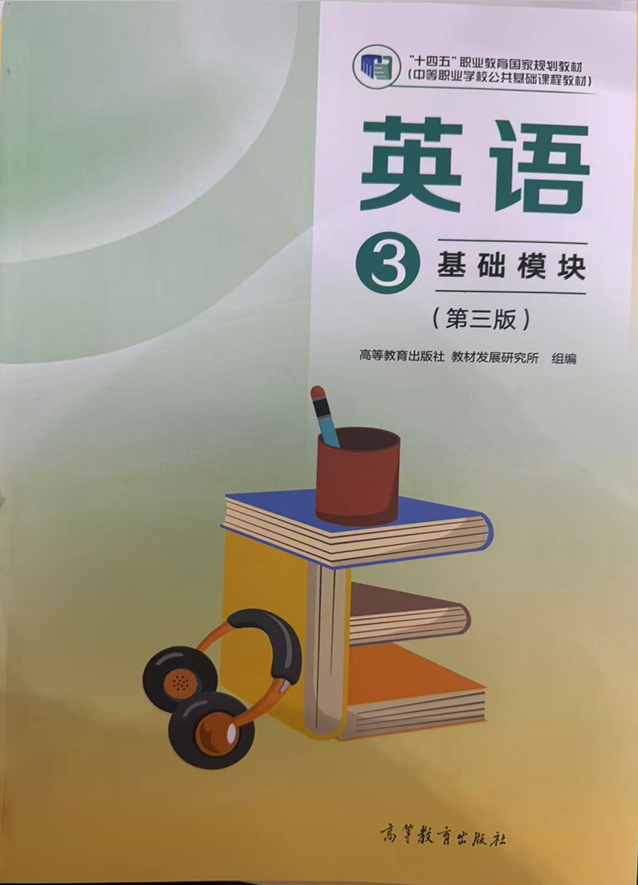
Unit6 Living History of Culture单元复习讲义-《英语 基础模块3》(高教版第三版)(原卷版+解析版)
2026-07-14
|
2份
|
14页
|
70人阅读
|
2人下载
精品
摘要:
该中职英语单元复习讲义全面梳理了《英语 基础模块3》Unit 6的重点词汇、定语从句II及历史文化遗产、中国传统文化与文化传播主题语篇,涵盖词汇积累、语法运用、主题语篇拓展三大知识范畴,搭建“学习版—辨析版—训练版—自检版”的递进式学习支架。
清单采用“重点标记+语境复现”呈现词汇体系,红色标注必须掌握项并结合教材句子复现词义,语法部分通过“学习版精讲”与提升练习巩固关系副词运用,语篇训练融合完形、阅读及写作,培养学生语言能力与文化意识。自检清单助力学生自主核对掌握情况,教师可据此精准设计教学,提升复习实效。
内容正文:
《英语 基础模块3》(高教版第三版)单元复习讲义
Unit 6 Living History of Culture
班级__________ 姓名__________ 成绩__________
编写说明:本讲义围绕 Unit 6 的重点词汇、定语从句 II和历史文化遗产、中国传统文化与文化传播主题语篇进行复习提升,采用“学习版—辨析版—训练版—自检版”的结构,适合课堂巩固、阶段复习和课后练习使用。
一、词汇积累:先识记,再对折自测
重点标记规则:红色答案为必须掌握项;教材语境用于回到句子中复现词义,避免只背孤立中文。
(一)重点单词
序号
中文提示
英文答案
英文提示
中文答案
教材语境
1
起初;原来
__________
originally
__________
The wall was originally built for protection.
2
尤其
__________
especially
__________
I especially like traditional Chinese buildings.
3
建造
__________
construction
__________
The construction of the palace took many years.
4
令人惊奇地
__________
amazingly
__________
Amazingly, the statues are still vivid today.
5
丝绸之路
__________
the Silk Road
__________
The Silk Road connected different cultures.
6
修建
__________
construct
__________
Ancient people constructed great buildings.
7
极好的
__________
fantastic
__________
The museum has fantastic cultural exhibits.
8
定期的
__________
regular
__________
Regular cultural activities attract visitors.
9
古代的
__________
ancient
__________
Ancient culture is still alive in many traditions.
10
确切地
__________
exactly
__________
Tell visitors exactly where the site is.
11
兵马俑
__________
Terracotta Warriors
__________
The Terracotta Warriors show ancient craftsmanship.
12
金字塔
__________
pyramid
__________
The pyramids are famous historical sites.
(二)重点短语
序号
中文提示
英文答案
英文提示
中文答案
教材语境
1
历史文化
__________
history of culture
__________
Living history of culture is around us.
2
传统文化
__________
traditional Chinese culture
__________
Make a video to introduce traditional Chinese culture.
3
历史名胜
__________
historical place of interest
__________
The city has many historical places of interest.
4
饮食文化
__________
food culture
__________
Groups collect information about food culture.
5
制作网页
__________
make a webpage
__________
Make a webpage about culture in different countries.
6
制作短视频
__________
make a short video
__________
Make a short video to introduce Chinese culture.
7
传承文化
__________
pass on culture
__________
Young people can pass on culture in creative ways.
8
了解原因
__________
know the reason why
__________
Visitors know the reason why the site is important.
二、语法闯关:定语从句 II的综合运用
学习版精讲
• 定语从句 II 重点学习 when, where, why 等关系副词,引导从句说明时间、地点和原因。
• when 在定语从句中作时间状语,修饰表示时间的先行词,如 the day when ...。
• where 在定语从句中作地点状语,修饰 place, village, city 等地点名词。
• why 在定语从句中作原因状语,常修饰 the reason;也可用 for which 替换。
• 介绍历史文化地点时,可用 the place where..., the time when..., the reason why... 连接文化信息。
提升练习
1. I will never forget the day ________ I first visited the Terracotta Warriors. A. when B. where C. why D. who
2. This is the museum ________ we learned about the Silk Road. A. why B. where C. when D. whose
3. 翻译:我知道他喜欢传统文化的原因。
4. 改错:The village which I was born is very old.
5. He will never forget the year ________ he made a culture video. A. where B. when C. why D. whom
6. 合并句子:This is the place. Ancient people constructed the building there.
7. The reason ________ the site is famous is clear. A. why B. where C. when D. who
8. 用英语表达:这是我们定期举办文化活动的地方。
三、易错易混辨析:先辨析,再迁移
1. when / where / why:三者分别表示时间、地点和原因,不要只用 which。
2. the reason why:reason 后常用 why 引导定语从句,也可用 for which。
3. construct / construction:construct 是动词;construction 是名词。
4. ancient / old:ancient 强调古代和历史价值;old 泛指旧。
5. especially / specially:especially 表示尤其;specially 表示专门地。
四、主题提升:历史文化遗产、中国传统文化与文化传播语篇拓展训练
(一)完形填空:The Old Recipe Card
Song Mei joined a cultural workshop about traditional food. The class wanted to introduce an old recipe from the local community. When visitors arrived, some young students could not understand a local word on the recipe card. Song did not erase the word immediately. She believed that living history should be explained, not simply replaced. She asked an elder to tell the story behind the word and wrote a short 1) ________ beside the card.
The elder said the word came from a cooking method used many years ago. It showed how people saved food and shared meals during hard times. Song kept the original wording and added a simple English explanation. This helped visitors understand both the meaning and the cultural background. She also reminded helpers to pronounce "Chinese" with a capital letter when writing the English title, because names of countries and cultures should be written 2) ________.
During the workshop, visitors cooked the dish in small groups. One helper explained the steps, another checked the ingredients, and Song answered questions about history. A foreign visitor said that the story made the food more interesting. Song realized that culture is not only something in a museum. It can live in a 3) ________, a family story or a festival activity.
After the workshop, Song prepared a short video script about traditional Chinese culture. It included the cultural item, historical background, special features and suggestions for sharing it with young people. The script did not only say that culture was important. It showed concrete details: where the recipe came from, why people used the old word and how students could pass on the tradition. Making the video helped Song understand the value of careful explanation. She learned that a good cultural introduction should be accurate, respectful and 4) ________. It should invite people to learn, not force them to agree. The old recipe card was small, but it opened a door to 5) ________. Song placed the card in a clear cover and kept it in the school display. Visitors later wrote comments saying that they liked the 6) ________ between food and history. Song felt 7) ________ because the local word was no longer confusing. It had become a bridge. The workshop ended with a simple meal, but the students carried away a deeper 8) ________ of culture. They also learned to check spelling, keep original details and explain meaning in 9) ________ English. For Song, that was the best way to pass on 10) ________.
1. A. note B. ticket C. river D. candle
2. A. loudly B. correctly C. cheaply D. sadly
3. A. mirror B. phone C. recipe D. storm
4. A. clear B. cold C. broken D. late
5. A. sugar B. price C. cloud D. history
6. A. silence B. connection C. window D. fever
7. A. respectful B. absent C. narrow D. noisy
8. A. machine B. battery C. understanding D. spoon
9. A. purple B. empty C. plastic D. simple
10. A. culture B. basket C. road D. season
(二)阅读理解:Traditional Culture Video Plan
Traditional Culture Video Plan
Topic: A local recipe as living history. The video should introduce the cultural item, the historical background, special features and suggestions for sharing it. It should not only say "Chinese culture is great" again and again. Viewers need concrete details that help them understand why the item matters.
Part 1: Show the old recipe card and explain where it was found. The card uses a local word for a cooking method. Keep the original word on the screen, but add a simple English note beside it. Part 2: Invite an elder to explain how families used the method in the past. This gives the video historical background and shows respect for local knowledge. Part 3: Film students cooking the dish and sharing it with visitors. This shows that culture can be learned through daily life.
Language tips: Write Traditional Chinese Culture with capital letters when it is used as a title. Use clear sentences and avoid empty praise. End with a suggestion: young people can pass on culture by recording stories, learning skills from elders and explaining traditions in simple English. The plan also reminds students to check spelling, keep original details and explain difficult words patiently. A short video becomes more meaningful when it connects objects, people, places and stories in a clear order.
1. What cultural item does the plan introduce?
A. A local recipe. B. A bus ticket.
C. A new phone. D. A sports shoe.
2. What should be added beside the local word?
A. A price tag. B. A weather chart.
C. A simple English note. D. A lunch order.
3. Who can explain the historical background?
A. A taxi driver. B. An elder.
C. A singer. D. A shop robot.
4. What should the video avoid?
A. Concrete details. B. Student cooking.
C. Respectful explanation. D. Empty praise.
5. How can young people pass on culture?
A. By recording stories and learning from elders. B. By hiding old stories.
C. By deleting original words. D. By using only difficult English.
(三)书面表达
请写一段介绍中国传统文化的短视频脚本,说明文化项目、历史背景、特色和传播建议。 要求:不少于80词,至少使用5个本单元重点词汇或短语,并尽量使用本单元语法点。
五、学习自检清单:完成后逐项核对
□ 我能默写本单元核心单词和短语,并能在句子中使用。
□ 我能说明定语从句 II的基本结构和易错点。
□ 我能完成本单元主题完形、阅读和写作训练。
□ 我能用本单元句型完成真实生活或职业情境表达。
□ 我已整理错题,并标出需要二次复习的内容。
原创精品资源学科网独家享有版权,侵权必究!
学科网(北京)股份有限公司
$
《英语 基础模块3》(高教版第三版)单元复习讲义
Unit 6 Living History of Culture
班级__________ 姓名__________ 成绩__________
编写说明:本讲义围绕 Unit 6 的重点词汇、定语从句 II和历史文化遗产、中国传统文化与文化传播主题语篇进行复习提升,采用“学习版—辨析版—训练版—自检版”的结构,适合课堂巩固、阶段复习和课后练习使用。
一、词汇积累:先识记,再对折自测
重点标记规则:红色答案为必须掌握项;教材语境用于回到句子中复现词义,避免只背孤立中文。
(一)重点单词
序号
中文提示
英文答案
英文提示
中文答案
教材语境
1
起初;原来
originally
originally
起初;原来
The wall was originally built for protection.
2
尤其
especially
especially
尤其
I especially like traditional Chinese buildings.
3
建造
construction
construction
建造
The construction of the palace took many years.
4
令人惊奇地
amazingly
amazingly
令人惊奇地
Amazingly, the statues are still vivid today.
5
丝绸之路
the Silk Road
the Silk Road
丝绸之路
The Silk Road connected different cultures.
6
修建
construct
construct
修建
Ancient people constructed great buildings.
7
极好的
fantastic
fantastic
极好的
The museum has fantastic cultural exhibits.
8
定期的
regular
regular
定期的
Regular cultural activities attract visitors.
9
古代的
ancient
ancient
古代的
Ancient culture is still alive in many traditions.
10
确切地
exactly
exactly
确切地
Tell visitors exactly where the site is.
11
兵马俑
Terracotta Warriors
Terracotta Warriors
兵马俑
The Terracotta Warriors show ancient craftsmanship.
12
金字塔
pyramid
pyramid
金字塔
The pyramids are famous historical sites.
(二)重点短语
序号
中文提示
英文答案
英文提示
中文答案
教材语境
1
历史文化
history of culture
history of culture
历史文化
Living history of culture is around us.
2
传统文化
traditional Chinese culture
traditional Chinese culture
中国传统文化
Make a video to introduce traditional Chinese culture.
3
历史名胜
historical place of interest
historical place of interest
历史名胜
The city has many historical places of interest.
4
饮食文化
food culture
food culture
饮食文化
Groups collect information about food culture.
5
制作网页
make a webpage
make a webpage
制作网页
Make a webpage about culture in different countries.
6
制作短视频
make a short video
make a short video
制作短视频
Make a short video to introduce Chinese culture.
7
传承文化
pass on culture
pass on culture
传承文化
Young people can pass on culture in creative ways.
8
了解原因
know the reason why
know the reason why
了解原因
Visitors know the reason why the site is important.
二、语法闯关:定语从句 II的综合运用
学习版精讲
• 定语从句 II 重点学习 when, where, why 等关系副词,引导从句说明时间、地点和原因。
• when 在定语从句中作时间状语,修饰表示时间的先行词,如 the day when ...。
• where 在定语从句中作地点状语,修饰 place, village, city 等地点名词。
• why 在定语从句中作原因状语,常修饰 the reason;也可用 for which 替换。
• 介绍历史文化地点时,可用 the place where..., the time when..., the reason why... 连接文化信息。
提升练习
1. I will never forget the day ________ I first visited the Terracotta Warriors. A. when B. where C. why D. who
【答案】A
【解析】先行词 the day 表示时间,关系副词用 when。
2. This is the museum ________ we learned about the Silk Road. A. why B. where C. when D. whose
【答案】B
【解析】先行词 museum 表示地点,从句缺地点状语,用 where。
3. 翻译:我知道他喜欢传统文化的原因。
【答案】I know the reason why he likes traditional Chinese culture.
【解析】the reason 后可用 why 引导定语从句。
4. 改错:The village which I was born is very old.
【答案】which 改为 where:The village where I was born is very old.
【解析】从句中缺地点状语,先行词 village 表地点,用 where。
5. He will never forget the year ________ he made a culture video. A. where B. when C. why D. whom
【答案】B
【解析】先行词 year 表时间,用 when。
6. 合并句子:This is the place. Ancient people constructed the building there.
【答案】This is the place where ancient people constructed the building.
【解析】where 替代 there,在定语从句中作地点状语。
7. The reason ________ the site is famous is clear. A. why B. where C. when D. who
【答案】A
【解析】the reason 后接 why 引导原因定语从句。
8. 用英语表达:这是我们定期举办文化活动的地方。
【答案】This is the place where we hold regular cultural activities.
【解析】where 引导定语从句,修饰 place。
三、易错易混辨析:先辨析,再迁移
1. when / where / why:三者分别表示时间、地点和原因,不要只用 which。
2. the reason why:reason 后常用 why 引导定语从句,也可用 for which。
3. construct / construction:construct 是动词;construction 是名词。
4. ancient / old:ancient 强调古代和历史价值;old 泛指旧。
5. especially / specially:especially 表示尤其;specially 表示专门地。
四、主题提升:历史文化遗产、中国传统文化与文化传播语篇拓展训练
(一)完形填空:The Old Recipe Card
Song Mei joined a cultural workshop about traditional food. The class wanted to introduce an old recipe from the local community. When visitors arrived, some young students could not understand a local word on the recipe card. Song did not erase the word immediately. She believed that living history should be explained, not simply replaced. She asked an elder to tell the story behind the word and wrote a short 1) ________ beside the card.
The elder said the word came from a cooking method used many years ago. It showed how people saved food and shared meals during hard times. Song kept the original wording and added a simple English explanation. This helped visitors understand both the meaning and the cultural background. She also reminded helpers to pronounce "Chinese" with a capital letter when writing the English title, because names of countries and cultures should be written 2) ________.
During the workshop, visitors cooked the dish in small groups. One helper explained the steps, another checked the ingredients, and Song answered questions about history. A foreign visitor said that the story made the food more interesting. Song realized that culture is not only something in a museum. It can live in a 3) ________, a family story or a festival activity.
After the workshop, Song prepared a short video script about traditional Chinese culture. It included the cultural item, historical background, special features and suggestions for sharing it with young people. The script did not only say that culture was important. It showed concrete details: where the recipe came from, why people used the old word and how students could pass on the tradition. Making the video helped Song understand the value of careful explanation. She learned that a good cultural introduction should be accurate, respectful and 4) ________. It should invite people to learn, not force them to agree. The old recipe card was small, but it opened a door to 5) ________. Song placed the card in a clear cover and kept it in the school display. Visitors later wrote comments saying that they liked the 6) ________ between food and history. Song felt 7) ________ because the local word was no longer confusing. It had become a bridge. The workshop ended with a simple meal, but the students carried away a deeper 8) ________ of culture. They also learned to check spelling, keep original details and explain meaning in 9) ________ English. For Song, that was the best way to pass on 10) ________.
1. A. note B. ticket C. river D. candle
2. A. loudly B. correctly C. cheaply D. sadly
3. A. mirror B. phone C. recipe D. storm
4. A. clear B. cold C. broken D. late
5. A. sugar B. price C. cloud D. history
6. A. silence B. connection C. window D. fever
7. A. respectful B. absent C. narrow D. noisy
8. A. machine B. battery C. understanding D. spoon
9. A. purple B. empty C. plastic D. simple
10. A. culture B. basket C. road D. season
【答案】1.A 2.B 3.C 4.A 5.D 6.B 7.A 8.C 9.D 10.A
【导语】本文以传统菜谱工作坊为情境,强调文化介绍中的历史背景、专有名词大小写和清晰表达。
【解析】
1. beside the card 写 short note。
2. 专有名词应 correctly 书写。
3. 文化可存在于 recipe。
4. cultural introduction 应 clear。
5. old recipe 打开 history 之门。
6. food and history 之间的 connection。
7. 尊重原词,felt respectful。
8. deeper understanding of culture。
9. simple English 便于解释。
10. pass on culture 表示传承文化。
(二)阅读理解:Traditional Culture Video Plan
Traditional Culture Video Plan
Topic: A local recipe as living history. The video should introduce the cultural item, the historical background, special features and suggestions for sharing it. It should not only say "Chinese culture is great" again and again. Viewers need concrete details that help them understand why the item matters.
Part 1: Show the old recipe card and explain where it was found. The card uses a local word for a cooking method. Keep the original word on the screen, but add a simple English note beside it. Part 2: Invite an elder to explain how families used the method in the past. This gives the video historical background and shows respect for local knowledge. Part 3: Film students cooking the dish and sharing it with visitors. This shows that culture can be learned through daily life.
Language tips: Write Traditional Chinese Culture with capital letters when it is used as a title. Use clear sentences and avoid empty praise. End with a suggestion: young people can pass on culture by recording stories, learning skills from elders and explaining traditions in simple English. The plan also reminds students to check spelling, keep original details and explain difficult words patiently. A short video becomes more meaningful when it connects objects, people, places and stories in a clear order.
1. What cultural item does the plan introduce?
A. A local recipe. B. A bus ticket.
C. A new phone. D. A sports shoe.
2. What should be added beside the local word?
A. A price tag. B. A weather chart.
C. A simple English note. D. A lunch order.
3. Who can explain the historical background?
A. A taxi driver. B. An elder.
C. A singer. D. A shop robot.
4. What should the video avoid?
A. Concrete details. B. Student cooking.
C. Respectful explanation. D. Empty praise.
5. How can young people pass on culture?
A. By recording stories and learning from elders. B. By hiding old stories.
C. By deleting original words. D. By using only difficult English.
【答案】1.A 2.C 3.B 4.D 5.A
【导语】阅读材料采用传统文化短视频计划,考查文化项目、历史背景、特色和传播建议。
【解析】
1. 主题是 a local recipe。
2. 原词旁应添加 simple English note。
3. elder 解释历史背景。
4. Language tips 中要求避免 empty praise。
5. 结尾说明 young people 可通过 recording stories 等传承文化。
(三)书面表达
请写一段介绍中国传统文化的短视频脚本,说明文化项目、历史背景、特色和传播建议。 要求:不少于80词,至少使用5个本单元重点词汇或短语,并尽量使用本单元语法点。
【参考范文】Making a short video is a good way to introduce Traditional Chinese Culture. Today I want to present a local recipe that has a long history. It was originally used by families in our town, especially during important festivals. The recipe is special because it keeps an old local word and shows the connection between food and daily life. In the video, we can invite an elder to explain the background and show students cooking the dish. This is the place where culture becomes alive. To pass on culture, young people should record stories, learn skills carefully and explain traditions in simple English.
【导语】短视频脚本应直接介绍文化项目、历史背景、特色和传播建议,注意 Chinese 首字母大写。
【解析】范文使用 Making 作主语,Traditional Chinese Culture 规范大写,并运用 where 引导定语从句。
五、学习自检清单:完成后逐项核对
□ 我能默写本单元核心单词和短语,并能在句子中使用。
□ 我能说明定语从句 II的基本结构和易错点。
□ 我能完成本单元主题完形、阅读和写作训练。
□ 我能用本单元句型完成真实生活或职业情境表达。
□ 我已整理错题,并标出需要二次复习的内容。
原创精品资源学科网独家享有版权,侵权必究!
学科网(北京)股份有限公司
$
资源预览图

1

2

3
由于学科网是一个信息分享及获取的平台,不确保部分用户上传资料的 来源及知识产权归属。如您发现相关资料侵犯您的合法权益,请联系学科网,我们核实后将及时进行处理。