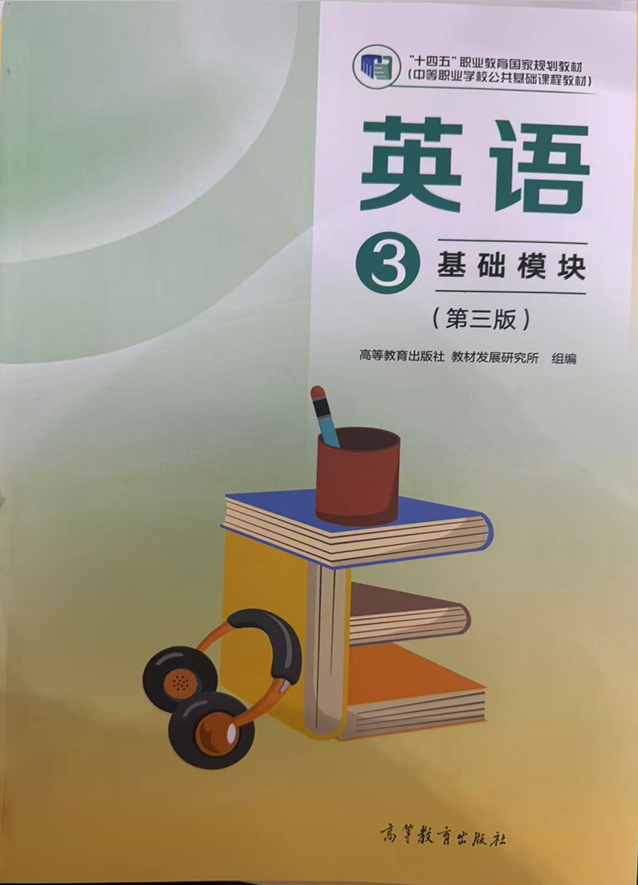
Unit1 Festivals Around the World单元复习讲义-《英语 基础模块3》(高教版第三版)(原卷版+解析版)
2026-07-14
|
2份
|
14页
|
240人阅读
|
2人下载
精品
摘要:
该中职英语单元复习讲义系统梳理了《英语 基础模块3》Unit 1“Festivals Around the World”的核心内容,涵盖重点词汇、非谓语动词作宾语语法点及世界与中国传统节日跨文化交流主题语篇,构建了“词汇识记—语法运用—语篇拓展—自主自检”的递进式学习支架。
清单采用“红标必掌握项+教材语境复现”标注词汇重点,通过“学习版精讲+提升练习”分解语法难点,如非谓语动词作宾语的to do/doing用法及介词后doing的易错提示,结合完形、阅读、写作训练提升语言能力与文化意识。自检清单助力学生自主核对掌握情况,教师可直接用于课堂巩固和阶段复习,高效支持差异化教学需求。
内容正文:
《英语 基础模块3》(高教版第三版)单元复习讲义
Unit 1 Festivals Around the World
班级__________ 姓名__________ 成绩__________
编写说明:本讲义围绕 Unit 1 的重点词汇、非谓语动词作宾语和世界节日、中国传统节日与跨文化交流主题语篇进行复习提升,采用“学习版—辨析版—训练版—自检版”的结构,适合课堂巩固、阶段复习和课后练习使用。
一、词汇积累:先识记,再对折自测
重点标记规则:红色答案为必须掌握项;教材语境用于回到句子中复现词义,避免只背孤立中文。
(一)重点单词
序号
中文提示
英文答案
英文提示
中文答案
教材语境
1
庆祝
celebrate
celebrate
庆祝
Families celebrate the festival together.
2
装饰
decorate
decorate
装饰
People decorate their homes with lanterns.
3
传统的
traditional
traditional
传统的
Traditional festivals show a country's culture.
4
欣赏;感激
appreciate
appreciate
欣赏;感激
Visitors appreciate the beauty of Chinese festivals.
5
象征
symbol
symbol
象征
The lantern is a symbol of hope and reunion.
6
表达
express
express
表达
People express good wishes during festivals.
7
收到
receive
receive
收到
Children receive gifts or red envelopes.
8
相似的
similar
similar
相似的
Some festival customs are similar around the world.
9
表演
performance
performance
表演
The yangge performance attracts many visitors.
10
典型的
typical
typical
典型的
Eating yuanxiao is a typical Lantern Festival activity.
11
灯笼
lantern
lantern
灯笼
Lanterns light up streets at night.
12
文化
culture
culture
文化
Festivals help people understand culture.
(二)重点短语
序号
中文提示
英文答案
英文提示
中文答案
教材语境
1
春节
the Spring Festival
the Spring Festival
春节
The Spring Festival is the most important traditional festival in China.
2
元宵节
the Lantern Festival
the Lantern Festival
元宵节
The Lantern Festival falls on the fifteenth day of the first lunar month.
3
回家
go back home
go back home
回家
Many people plan to go back home for the festival.
4
舞狮
watch lion dances
watch lion dances
观看舞狮
People in Guangzhou like watching lion dances.
5
扭秧歌
watch yangge performances
watch yangge performances
看秧歌表演
People enjoy watching yangge performances.
6
用……装饰
decorate ... with
decorate ... with
用……装饰
They decorate their homes with lights.
7
与……相似
be similar to
be similar to
与……相似
This custom is similar to one in another country.
8
向……表达祝愿
express wishes to
express wishes to
向……表达祝愿
People express wishes to family members.
二、语法闯关:非谓语动词作宾语的综合运用
学习版精讲
• 非谓语动词作宾语主要包括 to do 和 doing 两种形式,用来说明计划、喜欢、开始、避免等动作内容。
• plan, hope, decide, want 等动词后常接 to do,如 I plan to go back home.,表示打算做某事。
• enjoy, finish, mind, keep, practice 等动词后常接 doing;like, love, prefer, begin 等后面可根据语境接 doing 或 to do。
• 节日介绍中常用 plan to celebrate, enjoy watching, prefer celebrating 等表达说明活动安排和个人喜好。
• 易错点是把 to do 写成原形,或在介词 after / by / for 后误用动词原形;介词后动词要用 doing。
提升练习
1. Many people plan ________ back home for the Spring Festival. A. go B. going C. to go D. went
【答案】C
【解析】plan 后常接不定式 to do,表示计划做某事。
2. People in Guangzhou like ________ lion dances during the festival. A. watch B. watching C. watched D. to watching
【答案】B
【解析】like 后可接 doing,表示喜欢做某事;watching lion dances 符合教材情境。
3. 翻译:我们决定制作一份元宵节宣传单。
【答案】We decided to make a leaflet for the Lantern Festival.
【解析】decide 后接 to do;make a leaflet 表示制作宣传单。
4. 改错:They enjoy to decorate their homes with lights.
【答案】to decorate 改为 decorating:They enjoy decorating their homes with lights.
【解析】enjoy 后接动词-ing,不接 to do。
5. After ________ yuanxiao, families often watch lanterns together. A. eat B. eating C. to eat D. ate
【答案】B
【解析】介词 after 后接动词-ing。
6. 将句子补充完整:I hope ________ (invite) my foreign friend to the celebration.
【答案】to invite
【解析】hope 后接不定式 to do。
7. They began ________ the garden with lanterns. A. decorate B. decorated C. decorating D. to decorating
【答案】C
【解析】begin 后可接 doing 或 to do,本题 decorating 正确。
8. 用英语表达:她更喜欢看秧歌表演。
【答案】She prefers watching yangge performances.
【解析】prefer 后可接 doing;watching yangge performances 表示观看秧歌表演。
三、易错易混辨析:先辨析,再迁移
1. celebrate / celebration:celebrate 是动词;celebration 是名词,表示庆祝活动。
2. traditional / tradition:traditional 是形容词;tradition 是名词。
3. plan to do / enjoy doing:plan 后常接 to do,enjoy 后接 doing。
4. prefer doing / prefer to do:两者都可表达偏好,但要保持前后结构一致。
5. decorate ... with:表示用某物装饰,不能漏掉介词 with。
四、主题提升:世界节日、中国传统节日与跨文化交流语篇拓展训练
(一)完形填空:A Clear Lantern Notice
During a festival open day, Maya helped at a booth for the Lantern Festival. The lantern delivery was delayed, but many visitors had already lined up near the gate. Maya did not guess or blame the delivery worker. She first checked the printed 1) ________ and compared it with the message on the phone. Then she asked the host to explain the delay in a friendly way. To keep visitors interested, she moved the wish-card table to the front and invited children to write their hopes for the new year.
The team needed a quick but careful plan. Maya put a red mark beside the most 2) ________ message: the lantern activity would begin fifteen minutes later. She asked one helper to guide visitors to the card table and another helper to keep the 3) ________ clear. When a foreign guest asked whether the activity was canceled, Maya used simple English and a calm 4) ________ to answer, "No, it is only delayed. You can write a wish first." Her words made the visitor smile.
By sunset, the lanterns arrived and the booth became lively again. The teacher praised Maya because she had protected both the festival atmosphere and the visitors' time. Maya learned that a festival notice is not just a decoration. It should give true information, show respect and help people know what to do next. A small 5) ________ in the plan became a chance to show good service. The activity ended with bright lights, warm wishes and better 6) ________ among helpers. Later, Maya wrote the new process on a card: check the schedule, update the notice, speak politely and record the change. She placed the card in the 7) ________ so the next group could use it. The festival was successful not because nothing went wrong, but because the team solved the problem with 8) ________, patience and care. Maya felt 9) ________ when a guest thanked her. She knew that clear English could make a traditional 10) ________ easier to understand.
1. A. song B. schedule C. river D. candle
2. A. urgent B. empty C. sweet D. plastic
3. A. mirror B. sweater C. office D. queue
4. A. ticket B. basket C. voice D. price
5. A. mistake B. spoon C. cloud D. machine
6. A. silence B. communication C. weather D. furniture
7. A. garden B. kitchen C. folder D. pocket
8. A. noise B. flexibility C. speed D. money
9. A. nervous B. sleepy C. late D. proud
10. A. festival B. report C. product D. disaster
【答案】1.B 2.A 3.D 4.C 5.A 6.B 7.C 8.B 9.D 10.A
【导语】本文以元宵节展位通知调整为情境,训练学生关注节日活动中的信息核对、礼貌说明和现场协调。
【解析】
1. printed schedule 表示打印日程。
2. urgent message 表示紧急信息。
3. keep the queue clear 表示维持队列清楚有序。
4. calm voice 表示平静的声音。
5. 计划中的小错误用 mistake。
6. 帮手之间需要更好的 communication。
7. 把流程卡放进 folder。
8. flexibility 与 patience and care 并列。
9. 被感谢后感到 proud。
10. 语境指传统 festival。
(二)阅读理解:Lantern Festival Leaflet
Lantern Festival Leaflet
Welcome to the school Lantern Festival booth. The lantern show will begin at 18:30 beside the main playground. Visitors can first write a wish card, learn the meaning of yuanxiao and take photos near the red lantern wall. If the lantern show is delayed because of delivery or weather, please read the notice board near the entrance. The newest time will be written there in both Chinese and English.
Volunteers should check the printed schedule before answering questions. If the phone message and the printed schedule are different, ask the teacher in charge to confirm the correct time. Do not make a guess. One volunteer should keep the line clear, one should guide children to the wish-card table, and one should help foreign visitors understand the activity. Use short polite sentences such as "The show will start in fifteen minutes" or "Please write a wish first."
The festival is more than a bright evening. It is a chance to share traditional culture with people from different backgrounds. A good leaflet should include the time, typical activities, festival meaning and an invitation. It should not repeat the same idea in every sentence. Clear information helps visitors enjoy the celebration and feel welcome.
1. Where will the lantern show begin?
A. In the library. B. At the bus station.
C. Beside the main playground. D. In a computer room.
2. What should visitors read if the show is delayed?
A. The notice board. B. A shopping list.
C. A weather poem. D. The lunch menu.
3. Who should confirm different messages?
A. A new visitor. B. The youngest child.
C. A delivery driver. D. The teacher in charge.
4. What can visitors do before the lantern show?
A. Repair a chair. B. Write a wish card.
C. Close the school gate. D. Sell tickets online.
5. What should a good leaflet include?
A. Only a price list. B. A bus repair plan.
C. Time, activities, meaning and an invitation. D. A long grammar rule.
【答案】1.C 2.A 3.D 4.B 5.C
【导语】阅读材料采用元宵节宣传单,考查时间、地点、活动顺序和宣传单内容要点。
【解析】
1. 第一段说明地点在 main playground 旁。
2. 延迟时应读 entrance 附近的 notice board。
3. 信息不一致时由 teacher in charge 确认。
4. 游客可先 write a wish card。
5. 末段列出宣传单应包含 time, typical activities, festival meaning and an invitation。
(三)书面表达
请为外国朋友设计一份英文元宵节宣传单,介绍时间、典型活动、节日意义和邀请语。 要求:不少于80词,至少使用5个本单元重点词汇或短语,并尽量使用本单元语法点。
【参考范文】Join us for the Lantern Festival on Friday evening at our school playground. The celebration will begin at 6:30 p.m. Visitors can enjoy beautiful lanterns, guess lantern riddles, eat yuanxiao and write wish cards with students. The Lantern Festival is a traditional Chinese festival. It celebrates family reunion and brings warm hopes for the new year. Decorating the booth with red lanterns and inviting friends to join us are good ways to share our culture. If you are interested in Chinese festivals, please come and celebrate with us. We hope you will have a bright and unforgettable night.
【导语】写作时应直接完成宣传单内容,包含时间、活动、意义和邀请语,而不是写完成任务的感想。
【解析】范文围绕元宵节宣传单展开,包含时间、典型活动、节日意义和邀请语,并使用 decorating、inviting 等非谓语结构。
五、学习自检清单:完成后逐项核对
□ 我能默写本单元核心单词和短语,并能在句子中使用。
□ 我能说明非谓语动词作宾语的基本结构和易错点。
□ 我能完成本单元主题完形、阅读和写作训练。
□ 我能用本单元句型完成真实生活或职业情境表达。
□ 我已整理错题,并标出需要二次复习的内容。
原创精品资源学科网独家享有版权,侵权必究!
学科网(北京)股份有限公司
$
《英语 基础模块3》(高教版第三版)单元复习讲义
Unit 1 Festivals Around the World
班级__________ 姓名__________ 成绩__________
编写说明:本讲义围绕 Unit 1 的重点词汇、非谓语动词作宾语和世界节日、中国传统节日与跨文化交流主题语篇进行复习提升,采用“学习版—辨析版—训练版—自检版”的结构,适合课堂巩固、阶段复习和课后练习使用。
一、词汇积累:先识记,再对折自测
重点标记规则:红色答案为必须掌握项;教材语境用于回到句子中复现词义,避免只背孤立中文。
(一)重点单词
序号
中文提示
英文答案
英文提示
中文答案
教材语境
1
庆祝
__________
celebrate
__________
Families celebrate the festival together.
2
装饰
__________
decorate
__________
People decorate their homes with lanterns.
3
传统的
__________
traditional
__________
Traditional festivals show a country's culture.
4
欣赏;感激
__________
appreciate
__________
Visitors appreciate the beauty of Chinese festivals.
5
象征
__________
symbol
__________
The lantern is a symbol of hope and reunion.
6
表达
__________
express
__________
People express good wishes during festivals.
7
收到
__________
receive
__________
Children receive gifts or red envelopes.
8
相似的
__________
similar
__________
Some festival customs are similar around the world.
9
表演
__________
performance
__________
The yangge performance attracts many visitors.
10
典型的
__________
typical
__________
Eating yuanxiao is a typical Lantern Festival activity.
11
灯笼
__________
lantern
__________
Lanterns light up streets at night.
12
文化
__________
culture
__________
Festivals help people understand culture.
(二)重点短语
序号
中文提示
英文答案
英文提示
中文答案
教材语境
1
春节
__________
the Spring Festival
__________
The Spring Festival is the most important traditional festival in China.
2
元宵节
__________
the Lantern Festival
__________
The Lantern Festival falls on the fifteenth day of the first lunar month.
3
回家
__________
go back home
__________
Many people plan to go back home for the festival.
4
舞狮
__________
watch lion dances
__________
People in Guangzhou like watching lion dances.
5
扭秧歌
__________
watch yangge performances
__________
People enjoy watching yangge performances.
6
用……装饰
__________
decorate ... with
__________
They decorate their homes with lights.
7
与……相似
__________
be similar to
__________
This custom is similar to one in another country.
8
向……表达祝愿
__________
express wishes to
__________
People express wishes to family members.
二、语法闯关:非谓语动词作宾语的综合运用
学习版精讲
• 非谓语动词作宾语主要包括 to do 和 doing 两种形式,用来说明计划、喜欢、开始、避免等动作内容。
• plan, hope, decide, want 等动词后常接 to do,如 I plan to go back home.,表示打算做某事。
• enjoy, finish, mind, keep, practice 等动词后常接 doing;like, love, prefer, begin 等后面可根据语境接 doing 或 to do。
• 节日介绍中常用 plan to celebrate, enjoy watching, prefer celebrating 等表达说明活动安排和个人喜好。
• 易错点是把 to do 写成原形,或在介词 after / by / for 后误用动词原形;介词后动词要用 doing。
提升练习
1. Many people plan ________ back home for the Spring Festival. A. go B. going C. to go D. went
2. People in Guangzhou like ________ lion dances during the festival. A. watch B. watching C. watched D. to watching
3. 翻译:我们决定制作一份元宵节宣传单。
4. 改错:They enjoy to decorate their homes with lights.
5. After ________ yuanxiao, families often watch lanterns together. A. eat B. eating C. to eat D. ate
6. 将句子补充完整:I hope ________ (invite) my foreign friend to the celebration.
7. They began ________ the garden with lanterns. A. decorate B. decorated C. decorating D. to decorating
8. 用英语表达:她更喜欢看秧歌表演。
三、易错易混辨析:先辨析,再迁移
1. celebrate / celebration:celebrate 是动词;celebration 是名词,表示庆祝活动。
2. traditional / tradition:traditional 是形容词;tradition 是名词。
3. plan to do / enjoy doing:plan 后常接 to do,enjoy 后接 doing。
4. prefer doing / prefer to do:两者都可表达偏好,但要保持前后结构一致。
5. decorate ... with:表示用某物装饰,不能漏掉介词 with。
四、主题提升:世界节日、中国传统节日与跨文化交流语篇拓展训练
(一)完形填空:A Clear Lantern Notice
During a festival open day, Maya helped at a booth for the Lantern Festival. The lantern delivery was delayed, but many visitors had already lined up near the gate. Maya did not guess or blame the delivery worker. She first checked the printed 1) ________ and compared it with the message on the phone. Then she asked the host to explain the delay in a friendly way. To keep visitors interested, she moved the wish-card table to the front and invited children to write their hopes for the new year.
The team needed a quick but careful plan. Maya put a red mark beside the most 2) ________ message: the lantern activity would begin fifteen minutes later. She asked one helper to guide visitors to the card table and another helper to keep the 3) ________ clear. When a foreign guest asked whether the activity was canceled, Maya used simple English and a calm 4) ________ to answer, "No, it is only delayed. You can write a wish first." Her words made the visitor smile.
By sunset, the lanterns arrived and the booth became lively again. The teacher praised Maya because she had protected both the festival atmosphere and the visitors' time. Maya learned that a festival notice is not just a decoration. It should give true information, show respect and help people know what to do next. A small 5) ________ in the plan became a chance to show good service. The activity ended with bright lights, warm wishes and better 6) ________ among helpers. Later, Maya wrote the new process on a card: check the schedule, update the notice, speak politely and record the change. She placed the card in the 7) ________ so the next group could use it. The festival was successful not because nothing went wrong, but because the team solved the problem with 8) ________, patience and care. Maya felt 9) ________ when a guest thanked her. She knew that clear English could make a traditional 10) ________ easier to understand.
1. A. song B. schedule C. river D. candle
2. A. urgent B. empty C. sweet D. plastic
3. A. mirror B. sweater C. office D. queue
4. A. ticket B. basket C. voice D. price
5. A. mistake B. spoon C. cloud D. machine
6. A. silence B. communication C. weather D. furniture
7. A. garden B. kitchen C. folder D. pocket
8. A. noise B. flexibility C. speed D. money
9. A. nervous B. sleepy C. late D. proud
10. A. festival B. report C. product D. disaster
(二)阅读理解:Lantern Festival Leaflet
Lantern Festival Leaflet
Welcome to the school Lantern Festival booth. The lantern show will begin at 18:30 beside the main playground. Visitors can first write a wish card, learn the meaning of yuanxiao and take photos near the red lantern wall. If the lantern show is delayed because of delivery or weather, please read the notice board near the entrance. The newest time will be written there in both Chinese and English.
Volunteers should check the printed schedule before answering questions. If the phone message and the printed schedule are different, ask the teacher in charge to confirm the correct time. Do not make a guess. One volunteer should keep the line clear, one should guide children to the wish-card table, and one should help foreign visitors understand the activity. Use short polite sentences such as "The show will start in fifteen minutes" or "Please write a wish first."
The festival is more than a bright evening. It is a chance to share traditional culture with people from different backgrounds. A good leaflet should include the time, typical activities, festival meaning and an invitation. It should not repeat the same idea in every sentence. Clear information helps visitors enjoy the celebration and feel welcome.
1. Where will the lantern show begin?
A. In the library. B. At the bus station.
C. Beside the main playground. D. In a computer room.
2. What should visitors read if the show is delayed?
A. The notice board. B. A shopping list.
C. A weather poem. D. The lunch menu.
3. Who should confirm different messages?
A. A new visitor. B. The youngest child.
C. A delivery driver. D. The teacher in charge.
4. What can visitors do before the lantern show?
A. Repair a chair. B. Write a wish card.
C. Close the school gate. D. Sell tickets online.
5. What should a good leaflet include?
A. Only a price list. B. A bus repair plan.
C. Time, activities, meaning and an invitation. D. A long grammar rule.
(三)书面表达
请为外国朋友设计一份英文元宵节宣传单,介绍时间、典型活动、节日意义和邀请语。 要求:不少于80词,至少使用5个本单元重点词汇或短语,并尽量使用本单元语法点。
五、学习自检清单:完成后逐项核对
□ 我能默写本单元核心单词和短语,并能在句子中使用。
□ 我能说明非谓语动词作宾语的基本结构和易错点。
□ 我能完成本单元主题完形、阅读和写作训练。
□ 我能用本单元句型完成真实生活或职业情境表达。
□ 我已整理错题,并标出需要二次复习的内容。
原创精品资源学科网独家享有版权,侵权必究!
学科网(北京)股份有限公司
$
资源预览图

1

2

3
由于学科网是一个信息分享及获取的平台,不确保部分用户上传资料的 来源及知识产权归属。如您发现相关资料侵犯您的合法权益,请联系学科网,我们核实后将及时进行处理。