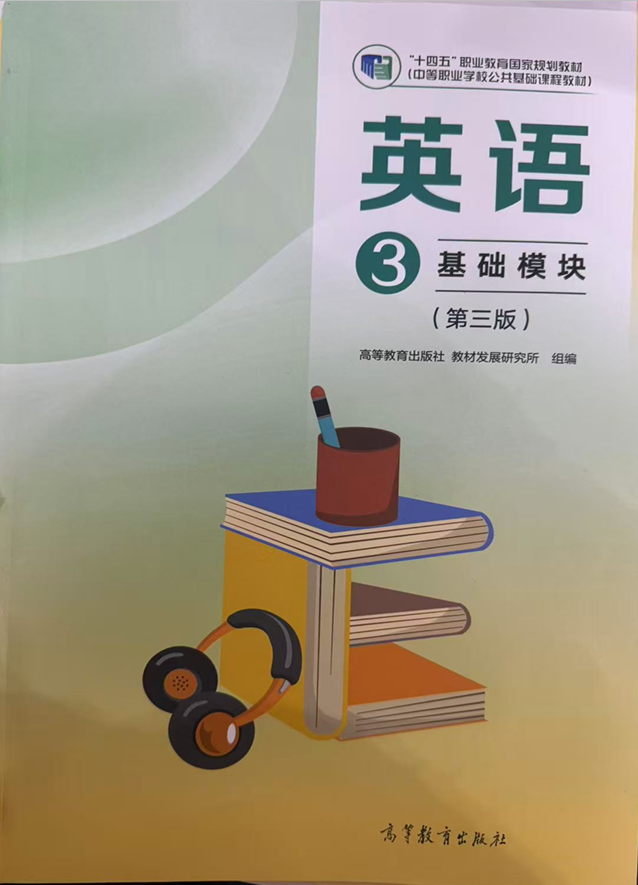
Unit 7 Natural Disasters(B卷·能力提升)《英语 基础模块3》(高教版第三版)单元过关卷(原卷版+解析版)
2026-07-08
|
2份
|
20页
|
31人阅读
|
0人下载
摘要:
**基本信息**
紧扣《英语 基础模块3》Unit 7,A/B卷分层设计,B卷通过真实灾害情境整合语法与应用,聚焦能力提升,适配单元复习。
**题型特征**
|题型|题量/分值|知识覆盖|命题特色|
|----|-----------|----------|----------|
|语音辨析|5/5|字母组合发音|基础语音辨识,巩固发音规则|
|单项选择|15/15|名词性从句、时态语态|结合灾害主题,如emergency相关从句考查|
|完形填空|10/10|冠词、连词、上下文理解|以“天气报告项目”为情境,培养语篇逻辑思维|
|补全对话|5/10|灾害预防海报制作|真实交际场景,提升语言应用与合作能力|
|阅读理解|15/30|极端天气应对、社区防灾|选取社区课程、村庄会议素材,强化信息获取与问题解决|
|句子改错|10/10|语法错误辨析|针对从句、时态等核心语法,提升语言准确性|
|短语填空|10/20|环保与灾害短语|如heat waves、loose soil,链接主题词汇与社会责任|
内容正文:
编写说明:本套试卷紧扣《英语 基础模块3》(高教版第三版)教材,以教材单元为基准精准覆盖核心考点。
每个单元设置AB卷,A卷为基础巩固卷,侧重基础考点训练,帮助学生扎实掌握知识要点;B卷为能力提升卷,注重知识整合与全面检测,引导学生构建知识网络。全书设计4份综合测试卷,模拟实战情境,聚焦解题能力突破,全面提升应试能力与知识应用水平。
《英语 基础模块3》(高教版第三版)《单元过关卷》
Unit 7 Natural Disasters
B卷·能力提升
考试时间:120分钟 满分:100分
班级 姓名 学号 成绩
Ⅰ.语音辨析。 (共5小题;每小题1分,满分5分)
读下列单词,从每题所给的 A、B、C 和 D 四个选项中,选出画线部分发音不同的一项。
1.A.through B.throw C.three D.those
2.A.cause B.because C.sauce D.laugh
3.A.delay B.today C.play D.says
4.A.loose B.school C.flood D.food
5.A.vehicle B.cancel C.city D.cinema
Ⅱ.单项选择(共15小题;每小题1分,满分15分)
阅读下列句子,从每题所给的 A、B、C 和 D 四个选项中,选出最佳选项。
6.______ matters most in an emergency is whether people can stay calm.
A.What B.That
C.Where D.Which
7.It remains uncertain ______ the airport will reopen before midnight.
A.that B.what
C.whether D.where
8.The fact is ______ some disasters become worse because of careless human activities.
A.how B.whether
C.what D.that
9.______ the warning message was sent so late made the villagers worried.
A.Why B.Who
C.Which D.Whose
10.The difficulty is ______ to move the old people to the safe place in time.
A.when B.whose
C.that D.how
11.By the time the rain stopped, the workers ______ the broken road.
A.repair B.repaired
C.will repair D.had repaired
12.The new bridge ______ next year to help villagers cross the river safely.
A.builds B.is built
C.will be built D.built
13.The poster, ______ was designed by Class 3, won first prize in the safety show.
A.who B.where
C.when D.which
14.The officer spoke slowly ______ every passenger could understand the warning.
A.so that B.even though
C.as soon as D.unless
15.Neither the drivers nor the guide ______ allowed to enter the flooded area now.
A.am B.is
C.are D.be
16.The number of electric buses in the city ______ quickly in recent years.
A.has increased B.have increased
C.increase D.increasing
17.The teacher advised us ______ emergency phone numbers in our notebooks.
A.write B.writing
C.to write D.written
18.The village became safer after more trees ______ on the hills.
A.plant B.planted
C.were planted D.are planting
19.The storm was ______ heavy that several small roads were closed.
A.so B.such
C.too D.very
20.The students have made an excellent poster about disaster prevention, ______?
A.didn’t they B.haven’t they
C.don’t they D.aren’t they
Ⅲ.完形填空(共10小题;每小题1分,满分10分)
阅读下面短文,从短文后各题所给的 A、B、C 和 D 四个选项中,选出可以填入空白处的最佳选项。
In early summer, our school started a project called “One Day as a Weather Reporter”. I joined the project because I wanted to understand why heat waves and sudden rain were mentioned so often in the news. Before the project, I thought a weather report was just ____21____ short message on a phone. After one day of practice, I realized it was much more serious.
Our group worked ____22____ the local weather station. The engineer gave ____23____ several charts and asked us to compare temperature, wind and rainfall. At first, the numbers looked boring, but we soon ____24____ a pattern: the temperature near wide roads was higher than that near parks. The engineer explained that vehicles, dark roads and fewer trees could make cities ____25____ during heat waves. Then we visited a small river behind the station. Its water level rose quickly after heavy rain, ____26____ the drains nearby were blocked by leaves and waste.
In the afternoon, we prepared a report for the younger students. We decided to tell them not only ____27____ the weather might change, but also what they could do. We suggested drinking enough water, avoiding outdoor work at noon and keeping drains clean. Our teacher praised the report, ____28____ included both facts and useful advice. When I stood in front of the class, I understood ____29____ careful information could save time and even lives. Since then, I have believed that responsible reporting is ____30____ than simply reading numbers aloud. The project also changed my daily habits. I now check official warnings before outdoor activities, carry water on hot days and remind my family to keep the balcony drain clean. These small choices make weather knowledge useful instead of distant.
21.A.a B.an C.the D./
22.A.to B.with C.for D.by
23.A.we B.our C.us D.ours
24.A.missed B.copied C.noticed D.forgot
25.A.cleaner B.cooler C.noisier D.hotter
26.A.because B.unless C.although D.until
27.A.why B.whose C.whom D.which
28.A.who B.where C.which D.when
29.A.where B.how C.when D.whose
30.A.more difficult B.more colorful C.more important D.more expensive
Ⅳ.补全对话(共5小题;每小题2分,满分10分)
根据对话内容,从对话后所给的七个选项中,选出能填入空白处的最佳选项。(选项中有两项是多余的)
A:Good morning, Ms. Wang. Our group is preparing a poster about flood prevention. ____31____
B:You can begin with the causes. Heavy rain is one cause, but blocked drains and less green land can make floods worse.
A:That is useful. ____32____
B:Yes. Use simple pictures and short sentences, or younger students may not understand it.
A:Should we add a part about emergency bags?
B:____33____ Flashlights, drinking water and important phone numbers are good examples.
A:What about the title?
B:____34____ It is clear and active.
A:Great. We also want to tell students not to throw rubbish into drains.
B:Good point. ____35____ Then the poster will connect safety with daily habits.
A.Should we make the language easy to read?
B.What should we put in the first part?
C.I suggest “Keep Drains Clear, Keep Homes Safe”.
D.Yes, that part will make the poster more practical.
E.You can put that advice near the end.
F.How much is the poster paper?
G.Did you travel by train yesterday?
Ⅴ.阅读理解(共15小题;每小题2分,满分30分)
阅读下面短文A,判断36~40小题是否正确。若正确,把选项T涂黑;若错误,把选项F涂黑。阅读短文B和C,从每小题所给的A、B、C和D四个选项中选出最佳选项。
A
A community center in Hohhot opened a weekend class named “Living Safely with Extreme Weather”. The class was designed for families with children from 12 to 18 years old. It did not teach difficult science. Instead, it used real cases, maps and short videos to help people understand what to do before, during and after natural disasters.
On Saturday morning, the teacher talked about heat waves. She explained that people should drink water regularly, wear light clothes and avoid outdoor work at noon. Older people and young children need special care because their bodies may not cool down quickly. In the afternoon, families learned about sandstorms. They practiced closing windows, wearing masks and checking whether doors were safe. The teacher also asked them not to believe every message online, because wrong information may cause panic.
On Sunday, the class focused on floods. Parents and children marked safe roads on a neighborhood map. They also made a family contact card with two phone numbers and one meeting place. At the end, each family received a checklist. The checklist reminded them to prepare drinking water, flashlights, medicine and copies of important papers. Most families said the class changed their idea of safety. They used to think disaster preparation was only the government’s work. Now they understand that every family has a role to play. One father said he would check the emergency bag every month instead of leaving it in a corner. A girl promised to teach her younger brother how to read warning colors on weather apps. The teacher encouraged all families to repeat the map activity at home, because a familiar road can save precious minutes when danger comes.
36.The weekend class was mainly for families with children aged 12 to 18.
37.The teacher advised people to do outdoor work at noon during heat waves.
38.Families practiced several actions to protect themselves during sandstorms.
39.The family contact card included two meeting places and one phone number.
40.Many families realized that disaster preparation also needs family action.
B
A Village Meeting After the Rain
After three days of heavy rain, a small village near the mountains held an evening meeting in the school hall. The river had not broken its bank, but the water was much higher than usual. Village leader Mr. Han invited teachers, shop owners, farmers and students to discuss how to prepare for the next storm. He did not want the meeting to become only a complaint session. He asked everyone to bring one problem and one possible solution.
The first speaker was Ms. Li, a science teacher. She showed photos of leaves and plastic bags blocking the drains near the market. She suggested a monthly clean-up, especially before the rainy season. A farmer named Bao said some soil on the hill had become loose after trees were cut years ago. He advised the village to plant local trees because their roots could hold soil better. Two shop owners worried about losing goods in a flood. Mr. Han suggested that they move important goods to higher shelves and keep digital copies of business papers.
Then a student group presented a simple warning plan. They divided the village into four areas and chose one safe meeting place for each area. They also designed a phone tree, so one message from the village office could reach most families within fifteen minutes. At first, some adults doubted whether students could help. But when they saw the clear map and careful plan, they changed their minds. The meeting ended with a promise: before the next heavy rain, every family would check drains, prepare an emergency bag and learn the nearest safe road.
41.Why did Mr. Han ask people to bring one problem and one solution?
A.To sell more goods in the school hall. B.To stop students from joining the meeting.
C.To decide who should leave the village. D.To make the meeting useful and practical.
42.Which problem did Ms. Li show in her photos?
A.The river had already broken its bank. B.The school hall was too small for villagers.
C.Farmers forgot to plant vegetables. D.Drains were blocked near the market.
43.Why did Bao advise planting local trees on the hill?
A.Their flowers could attract more tourists. B.Their roots could help hold loose soil.
C.Their leaves could block the drains faster. D.Their fruit could be sold before storms.
44.What can we infer about the student group?
A.They only copied adults’ suggestions. B.They refused to use any phone messages.
C.They prepared a clear and useful plan. D.They wanted to cancel the village meeting.
45.Which of the following statements is TRUE?
A.The village decided to wait without action. B.Shop owners were told to put goods lower.
C.Every family had moved before the meeting. D.The phone tree could spread messages quickly.
C
From Green Trains to Safer Cities
When people talk about reducing natural disaster risks, they often think of rescue teams and weather warnings. These are important, but daily transportation choices also matter. In recent years, China has promoted electric buses, high-speed trains and shared bikes in many cities. These choices can reduce the use of oil and cut harmful gases. Cleaner air may not stop every typhoon or flood, but it helps slow down environmental damage that can make extreme weather worse.
Some cities are connecting green transportation with disaster preparation. For example, electric buses can serve as mobile charging stations in an emergency if the power supply is partly cut. High-speed railway stations often have large information screens, clear exits and trained workers, so they can guide passengers during sudden storms. Shared bike companies can also send messages to remind users not to ride during heavy rain or strong wind. These actions show that transportation systems are not only about speed; they are also part of city safety.
There is also a cultural idea behind these changes. Chinese tradition values harmony between humans and nature. Modern green transportation gives this idea a practical form. However, the system works only when people use it wisely. If passengers ignore warnings, park bikes in front of drains or waste electricity, good tools may create new problems. A safer city needs technology, rules and responsible citizens. Choosing a bus instead of a private car, following station guidance and keeping public spaces clear are small actions, but together they help cities become cleaner and stronger.
46.What can green transportation help reduce according to Paragraph 1?
A.The need for all weather warnings. B.Harmful gases from using too much oil.
C.The number of trained station workers. D.Every typhoon that reaches the city.
47.What does Paragraph 2 mainly show?
A.Transportation can support city safety during emergencies. B.Electric buses are slower than high-speed trains.
C.Shared bikes should replace all railway stations. D.Storm warnings are useful only for drivers.
48.Which information about electric buses is mentioned?
A.They can never be used in rainy weather. B.They may help charge devices in emergencies.
C.They are only used in small mountain villages. D.They cause more pollution than private cars.
49.What does the underlined word “harmony” in Paragraph 3 mean?
A.竞争 B.距离
C.和谐 D.速度
50.Which is the best title for the text?
A.Why People Should Stop Reading Warnings B.How Green Travel Helps Build Safer Cities
C.The History of Private Cars in China D.The Fastest Train Stations in the World
Ⅵ.句子改错(共10小题;每小题1分,满分10分)
下列各句均有一处错误,请找出并改正。
51.Whether the warning is useful depend on how clearly it is written.(单句改错)
52.The fact is why the bridge was closed before the flood arrived.(单句改错)
53.It is necessary whether every student learns basic safety skills.(单句改错)
54.The workers have repaired the road since two hours.(单句改错)
55.The boy was too nervous to he answer the teacher’s question.(单句改错)
56.There are a weather report and two safety notices on the screen.(单句改错)
57.The poster was designed careful by the student group.(单句改错)
58.Because the rain was heavy, but the volunteers still worked outside.(单句改错)
59.The guide told us don’t cross the river after the storm.(单句改错)
60.This is the safest road which we can choose during a flood.(单句改错)
Ⅶ.短语适当形式填空(共10小题;每小题2分,满分20分)
用方框中所给短语的适当形式填空。每个短语限用一次。
take steps
work together
heavy industry
loose soil
global warming
be responsible for
second-hand smoke
heat waves
reduce natural disasters
acid rain
61.People should ________ to keep emergency exits clear in public places.
62.Several days of ________ made outdoor work dangerous for cleaners.
63.Factories from ________ must control waste gases more strictly.
64.When strong winds blow over ________, sandstorms may happen easily.
65.The whole community needs to ________ before the rainy season starts.
66.Scientists say ________ can make some extreme weather events more serious.
67.Everyone should ________ protecting rivers and saving energy.
68.Parents should keep children away from ________ because it harms health.
69.Cutting harmful gases is one way to ________ in the long run.
70.Some gases from factories may lead to ________, which can hurt trees and lakes.
原创精品资源学科网独家享有版权,侵权必究!
学科网(北京)股份有限公司
$
编写说明:本套试卷紧扣《英语 基础模块3》(高教版第三版)教材,以教材单元为基准精准覆盖核心考点。
每个单元设置AB卷,A卷为基础巩固卷,侧重基础考点训练,帮助学生扎实掌握知识要点;B卷为能力提升卷,注重知识整合与全面检测,引导学生构建知识网络。全书设计4份综合测试卷,模拟实战情境,聚焦解题能力突破,全面提升应试能力与知识应用水平。
《英语 基础模块3》(高教版第三版)《单元过关卷》
Unit 7 Natural Disasters
B卷·能力提升
考试时间:120分钟 满分:100分
班级 姓名 学号 成绩
Ⅰ.语音辨析。 (共5小题;每小题1分,满分5分)
读下列单词,从每题所给的 A、B、C 和 D 四个选项中,选出画线部分发音不同的一项。
1.A.through B.throw C.three D.those
2.A.cause B.because C.sauce D.laugh
3.A.delay B.today C.play D.says
4.A.loose B.school C.flood D.food
5.A.vehicle B.cancel C.city D.cinema
【答案】1.D 2.D 3.D 4.C 5.A
【解析】1.A. through /θruː/;B. throw /θrəʊ/;C. three /θriː/;D. those /ðəʊz/。D项划线部分发音为/ð/,其余为/θ/,故选D。
2.A. cause /kɔːz/;B. because /bɪˈkɒz/;C. sauce /sɔːs/;D. laugh /lɑːf/。D项划线部分发音为/ɑː/,其余含/ɔː/或/ɒ/音,故选D。
3.A. delay /dɪˈleɪ/;B. today /təˈdeɪ/;C. play /pleɪ/;D. says /sez/。D项划线部分发音为/e/,其余为/eɪ/,故选D。
4.A. loose /luːs/;B. school /skuːl/;C. flood /flʌd/;D. food /fuːd/。C项划线部分发音为/ʌ/,其余为/uː/,故选C。
5.A. vehicle /ˈviːəkl/;B. cancel /ˈkænsl/;C. city /ˈsɪti/;D. cinema /ˈsɪnəmə/。A项划线部分发音为/k/,其余为/s/,故选A。
Ⅱ.单项选择(共15小题;每小题1分,满分15分)
阅读下列句子,从每题所给的 A、B、C 和 D 四个选项中,选出最佳选项。
6.______ matters most in an emergency is whether people can stay calm.
A.What B.That
C.Where D.Which
【答案】A
【解析】空处引导主语从句,并在从句中作主语,表示“最重要的事情”,应用What。
7.It remains uncertain ______ the airport will reopen before midnight.
A.that B.what
C.whether D.where
【答案】C
【解析】句意表示“机场是否会在午夜前重新开放仍不确定”,whether引导真正主语从句。
8.The fact is ______ some disasters become worse because of careless human activities.
A.how B.whether
C.what D.that
【答案】D
【解析】空处引导表语从句,从句结构完整、意义明确,应用that只起连接作用。
9.______ the warning message was sent so late made the villagers worried.
A.Why B.Who
C.Which D.Whose
【答案】A
【解析】空处引导主语从句,表示“为什么预警信息发送得这么晚”,应用Why。
10.The difficulty is ______ to move the old people to the safe place in time.
A.when B.whose
C.that D.how
【答案】D
【解析】空处与to move构成“疑问词+不定式”结构,表示“如何及时转移老人”,应用how。
11.By the time the rain stopped, the workers ______ the broken road.
A.repair B.repaired
C.will repair D.had repaired
【答案】D
【解析】By the time引导的时间状语从句用一般过去时,主句表示过去之前已完成的动作,应用过去完成时。
12.The new bridge ______ next year to help villagers cross the river safely.
A.builds B.is built
C.will be built D.built
【答案】C
【解析】主语The new bridge与build为被动关系,next year提示将来时,应用will be built。
13.The poster, ______ was designed by Class 3, won first prize in the safety show.
A.who B.where
C.when D.which
【答案】D
【解析】先行词poster指物,关系词在非限制性定语从句中作主语,应用which。
14.The officer spoke slowly ______ every passenger could understand the warning.
A.so that B.even though
C.as soon as D.unless
【答案】A
【解析】句意为“工作人员说得很慢,以便每位乘客都能理解警告”,so that引导目的状语从句。
15.Neither the drivers nor the guide ______ allowed to enter the flooded area now.
A.am B.is
C.are D.be
【答案】B
【解析】neither...nor...连接主语时遵循就近原则,the guide为单数,且now表示现在状态,应用is。
16.The number of electric buses in the city ______ quickly in recent years.
A.has increased B.have increased
C.increase D.increasing
【答案】A
【解析】The number of...作主语时谓语用单数;in recent years常与现在完成时连用,应用has increased。
17.The teacher advised us ______ emergency phone numbers in our notebooks.
A.write B.writing
C.to write D.written
【答案】C
【解析】advise sb. to do sth.表示“建议某人做某事”,应用to write。
18.The village became safer after more trees ______ on the hills.
A.plant B.planted
C.were planted D.are planting
【答案】C
【解析】trees与plant之间是被动关系,主句became提示过去时,应用were planted。
19.The storm was ______ heavy that several small roads were closed.
A.so B.such
C.too D.very
【答案】A
【解析】so+形容词/副词+that表示“如此……以至于……”,heavy为形容词,应用so。
20.The students have made an excellent poster about disaster prevention, ______?
A.didn’t they B.haven’t they
C.don’t they D.aren’t they
【答案】B
【解析】陈述部分为现在完成时have made,反意疑问部分用haven’t they。
Ⅲ.完形填空(共10小题;每小题1分,满分10分)
阅读下面短文,从短文后各题所给的 A、B、C 和 D 四个选项中,选出可以填入空白处的最佳选项。
In early summer, our school started a project called “One Day as a Weather Reporter”. I joined the project because I wanted to understand why heat waves and sudden rain were mentioned so often in the news. Before the project, I thought a weather report was just ____21____ short message on a phone. After one day of practice, I realized it was much more serious.
Our group worked ____22____ the local weather station. The engineer gave ____23____ several charts and asked us to compare temperature, wind and rainfall. At first, the numbers looked boring, but we soon ____24____ a pattern: the temperature near wide roads was higher than that near parks. The engineer explained that vehicles, dark roads and fewer trees could make cities ____25____ during heat waves. Then we visited a small river behind the station. Its water level rose quickly after heavy rain, ____26____ the drains nearby were blocked by leaves and waste.
In the afternoon, we prepared a report for the younger students. We decided to tell them not only ____27____ the weather might change, but also what they could do. We suggested drinking enough water, avoiding outdoor work at noon and keeping drains clean. Our teacher praised the report, ____28____ included both facts and useful advice. When I stood in front of the class, I understood ____29____ careful information could save time and even lives. Since then, I have believed that responsible reporting is ____30____ than simply reading numbers aloud. The project also changed my daily habits. I now check official warnings before outdoor activities, carry water on hot days and remind my family to keep the balcony drain clean. These small choices make weather knowledge useful instead of distant.
21.A.a B.an C.the D./
22.A.to B.with C.for D.by
23.A.we B.our C.us D.ours
24.A.missed B.copied C.noticed D.forgot
25.A.cleaner B.cooler C.noisier D.hotter
26.A.because B.unless C.although D.until
27.A.why B.whose C.whom D.which
28.A.who B.where C.which D.when
29.A.where B.how C.when D.whose
30.A.more difficult B.more colorful C.more important D.more expensive
【答案】21.A 22.B 23.C 24.C 25.D 26.A 27.A 28.C 29.B 30.C
【导语】本文是一篇记叙文。文章讲述作者参加“一天小小天气播报员”项目,通过比较气象数据、观察城市热浪和排水问题,认识到准确天气信息和负责任表达的重要价值。
【详解】21.考查冠词。message为可数名词单数,short以辅音音素开头,泛指“一条短信”,应用a。
22.考查介词。work with表示“与……合作”,句意为小组与当地气象站合作,故选B。
23.考查代词。gave后接双宾语,空处作宾语,应使用宾格us,故选C。
24.考查动词词义辨析。根据后文“a pattern”可知,是注意到一个规律,noticed符合语境,故选C。
25.考查形容词比较级。根据“heat waves”和前文道路附近温度更高可知,车辆、深色道路和树少会让城市更热,hotter符合语境。
26.考查连词。后文“drains...were blocked”解释水位快速上涨的原因,应用because,故选A。
27.考查宾语从句连接词。根据“the weather might change”可知,此处表示解释天气为什么变化,应用why。
28.考查定语从句。先行词the report指物,关系词在非限制性定语从句中作主语,应用which。
29.考查宾语从句连接词。句意为“我明白了谨慎的信息怎样能够节省时间甚至拯救生命”,应用how。
30.考查形容词比较级。根据全文可知,负责任的播报比简单读数字更重要,more important符合语境。
Ⅳ.补全对话(共5小题;每小题2分,满分10分)
根据对话内容,从对话后所给的七个选项中,选出能填入空白处的最佳选项。(选项中有两项是多余的)
A:Good morning, Ms. Wang. Our group is preparing a poster about flood prevention. ____31____
B:You can begin with the causes. Heavy rain is one cause, but blocked drains and less green land can make floods worse.
A:That is useful. ____32____
B:Yes. Use simple pictures and short sentences, or younger students may not understand it.
A:Should we add a part about emergency bags?
B:____33____ Flashlights, drinking water and important phone numbers are good examples.
A:What about the title?
B:____34____ It is clear and active.
A:Great. We also want to tell students not to throw rubbish into drains.
B:Good point. ____35____ Then the poster will connect safety with daily habits.
A.Should we make the language easy to read?
B.What should we put in the first part?
C.I suggest “Keep Drains Clear, Keep Homes Safe”.
D.Yes, that part will make the poster more practical.
E.You can put that advice near the end.
F.How much is the poster paper?
G.Did you travel by train yesterday?
【答案】31.B 32.A 33.D 34.C 35.E
【导语】本文是一段关于制作防洪宣传海报的师生对话。两人讨论海报内容、语言难度、应急包示例、标题设计以及保持排水口通畅的日常建议。
【详解】31.根据答语“You can begin with the causes.”可知,学生询问第一部分应写什么,B项符合。
32.根据答语“Yes. Use simple pictures and short sentences...”可知,上句应询问语言是否要易读,A项符合。
33.根据上文“Should we add a part about emergency bags?”和下句举例可知,回答应肯定这个部分实用,D项符合。
34.根据上文“What about the title?”可知,此处应给出标题建议,C项符合。
35.根据上文“tell students not to throw rubbish into drains”可知,此处建议把该内容放在海报结尾,E项符合。
Ⅴ.阅读理解(共15小题;每小题2分,满分30分)
阅读下面短文A,判断36~40小题是否正确。若正确,把选项T涂黑;若错误,把选项F涂黑。阅读短文B和C,从每小题所给的A、B、C和D四个选项中选出最佳选项。
A
A community center in Hohhot opened a weekend class named “Living Safely with Extreme Weather”. The class was designed for families with children from 12 to 18 years old. It did not teach difficult science. Instead, it used real cases, maps and short videos to help people understand what to do before, during and after natural disasters.
On Saturday morning, the teacher talked about heat waves. She explained that people should drink water regularly, wear light clothes and avoid outdoor work at noon. Older people and young children need special care because their bodies may not cool down quickly. In the afternoon, families learned about sandstorms. They practiced closing windows, wearing masks and checking whether doors were safe. The teacher also asked them not to believe every message online, because wrong information may cause panic.
On Sunday, the class focused on floods. Parents and children marked safe roads on a neighborhood map. They also made a family contact card with two phone numbers and one meeting place. At the end, each family received a checklist. The checklist reminded them to prepare drinking water, flashlights, medicine and copies of important papers. Most families said the class changed their idea of safety. They used to think disaster preparation was only the government’s work. Now they understand that every family has a role to play. One father said he would check the emergency bag every month instead of leaving it in a corner. A girl promised to teach her younger brother how to read warning colors on weather apps. The teacher encouraged all families to repeat the map activity at home, because a familiar road can save precious minutes when danger comes.
36.The weekend class was mainly for families with children aged 12 to 18.
37.The teacher advised people to do outdoor work at noon during heat waves.
38.Families practiced several actions to protect themselves during sandstorms.
39.The family contact card included two meeting places and one phone number.
40.Many families realized that disaster preparation also needs family action.
【答案】36.T 37.F 38.T 39.F 40.T
【导语】本文是一篇说明文。文章介绍呼和浩特社区中心开设的极端天气安全课程,内容涵盖热浪、沙尘暴和洪水应对,强调家庭在灾害准备中的具体责任。
【详解】36.细节理解题。根据第一段“for families with children from 12 to 18 years old”可知,该课程主要面向有12至18岁孩子的家庭,表述正确。
37.细节理解题。根据第二段“avoid outdoor work at noon”可知,热浪中应避免中午户外劳动,题干说法相反,表述错误。
38.细节理解题。根据第二段“They practiced closing windows, wearing masks and checking whether doors were safe.”可知,家庭练习了多项沙尘暴防护行为,表述正确。
39.细节理解题。根据第三段“with two phone numbers and one meeting place”可知,联系卡包含两个电话号码和一个集合地点,题干说法错误。
40.细节理解题。根据最后两句可知,许多家庭认识到灾害准备不只是某一方的工作,每个家庭都有责任,表述正确。
B
A Village Meeting After the Rain
After three days of heavy rain, a small village near the mountains held an evening meeting in the school hall. The river had not broken its bank, but the water was much higher than usual. Village leader Mr. Han invited teachers, shop owners, farmers and students to discuss how to prepare for the next storm. He did not want the meeting to become only a complaint session. He asked everyone to bring one problem and one possible solution.
The first speaker was Ms. Li, a science teacher. She showed photos of leaves and plastic bags blocking the drains near the market. She suggested a monthly clean-up, especially before the rainy season. A farmer named Bao said some soil on the hill had become loose after trees were cut years ago. He advised the village to plant local trees because their roots could hold soil better. Two shop owners worried about losing goods in a flood. Mr. Han suggested that they move important goods to higher shelves and keep digital copies of business papers.
Then a student group presented a simple warning plan. They divided the village into four areas and chose one safe meeting place for each area. They also designed a phone tree, so one message from the village office could reach most families within fifteen minutes. At first, some adults doubted whether students could help. But when they saw the clear map and careful plan, they changed their minds. The meeting ended with a promise: before the next heavy rain, every family would check drains, prepare an emergency bag and learn the nearest safe road.
41.Why did Mr. Han ask people to bring one problem and one solution?
A.To sell more goods in the school hall. B.To stop students from joining the meeting.
C.To decide who should leave the village. D.To make the meeting useful and practical.
42.Which problem did Ms. Li show in her photos?
A.The river had already broken its bank. B.The school hall was too small for villagers.
C.Farmers forgot to plant vegetables. D.Drains were blocked near the market.
43.Why did Bao advise planting local trees on the hill?
A.Their flowers could attract more tourists. B.Their roots could help hold loose soil.
C.Their leaves could block the drains faster. D.Their fruit could be sold before storms.
44.What can we infer about the student group?
A.They only copied adults’ suggestions. B.They refused to use any phone messages.
C.They prepared a clear and useful plan. D.They wanted to cancel the village meeting.
45.Which of the following statements is TRUE?
A.The village decided to wait without action. B.Shop owners were told to put goods lower.
C.Every family had moved before the meeting. D.The phone tree could spread messages quickly.
【答案】41.D 42.D 43.B 44.C 45.D
【导语】本文是一篇记叙文。文章讲述暴雨后一个山村召开防灾会议,村民从排水、植树固土、商铺防护和预警传递等方面提出解决方案,学生小组也用清晰计划赢得认可。
【详解】41.推理判断题。根据第一段“He did not want the meeting to become only a complaint session.”可知,他希望会议不只是抱怨,而是提出可行办法,故选D。
42.细节理解题。根据第二段“photos of leaves and plastic bags blocking the drains near the market”可知,照片显示市场附近排水口被堵,故选D。
43.细节理解题。根据第二段“their roots could hold soil better”可知,种本地树是因为树根有助于固定松土,故选B。
44.推理判断题。根据第三段“clear map and careful plan”可知,学生小组准备了清晰且有用的计划,故选C。
45.细节理解题。根据第三段“one message...could reach most families within fifteen minutes”可知,电话树能快速传递信息,故选D。
C
From Green Trains to Safer Cities
When people talk about reducing natural disaster risks, they often think of rescue teams and weather warnings. These are important, but daily transportation choices also matter. In recent years, China has promoted electric buses, high-speed trains and shared bikes in many cities. These choices can reduce the use of oil and cut harmful gases. Cleaner air may not stop every typhoon or flood, but it helps slow down environmental damage that can make extreme weather worse.
Some cities are connecting green transportation with disaster preparation. For example, electric buses can serve as mobile charging stations in an emergency if the power supply is partly cut. High-speed railway stations often have large information screens, clear exits and trained workers, so they can guide passengers during sudden storms. Shared bike companies can also send messages to remind users not to ride during heavy rain or strong wind. These actions show that transportation systems are not only about speed; they are also part of city safety.
There is also a cultural idea behind these changes. Chinese tradition values harmony between humans and nature. Modern green transportation gives this idea a practical form. However, the system works only when people use it wisely. If passengers ignore warnings, park bikes in front of drains or waste electricity, good tools may create new problems. A safer city needs technology, rules and responsible citizens. Choosing a bus instead of a private car, following station guidance and keeping public spaces clear are small actions, but together they help cities become cleaner and stronger.
46.What can green transportation help reduce according to Paragraph 1?
A.The need for all weather warnings. B.Harmful gases from using too much oil.
C.The number of trained station workers. D.Every typhoon that reaches the city.
47.What does Paragraph 2 mainly show?
A.Transportation can support city safety during emergencies. B.Electric buses are slower than high-speed trains.
C.Shared bikes should replace all railway stations. D.Storm warnings are useful only for drivers.
48.Which information about electric buses is mentioned?
A.They can never be used in rainy weather. B.They may help charge devices in emergencies.
C.They are only used in small mountain villages. D.They cause more pollution than private cars.
49.What does the underlined word “harmony” in Paragraph 3 mean?
A.竞争 B.距离
C.和谐 D.速度
50.Which is the best title for the text?
A.Why People Should Stop Reading Warnings B.How Green Travel Helps Build Safer Cities
C.The History of Private Cars in China D.The Fastest Train Stations in the World
【答案】46.B 47.A 48.B 49.C 50.B
【导语】本文是一篇说明文。文章从绿色交通切入,说明电动公交、高铁站和共享单车等交通系统不仅能减少污染,也能在紧急情况下支持城市安全,并强调公民责任的重要性。
【详解】46.细节理解题。根据第一段“reduce the use of oil and cut harmful gases”可知,绿色交通可减少过度用油产生的有害气体,故选B。
47.段落主旨题。第二段举电动公交、高铁站和共享单车的例子,说明交通系统能在紧急情况下支持城市安全,故选A。
48.细节理解题。根据第二段“electric buses can serve as mobile charging stations in an emergency”可知,电动公交可在紧急情况下帮助充电,故选B。
49.词义猜测题。根据“between humans and nature”和上下文绿色交通理念可知,harmony表示人与自然之间的“和谐”,故选C。
50.最佳标题题。全文说明绿色出行如何减少污染并支持城市安全,B项“绿色出行如何帮助建设更安全的城市”最合适。
Ⅵ.句子改错(共10小题;每小题1分,满分10分)
下列各句均有一处错误,请找出并改正。
51.Whether the warning is useful depend on how clearly it is written.(单句改错)
【答案】depend→depends
【解析】Whether引导的主语从句作主语时,谓语动词通常用单数,depend应改为depends。
52.The fact is why the bridge was closed before the flood arrived.(单句改错)
【答案】why→that
【解析】从句说明事实内容且结构完整,应用that引导表语从句。
53.It is necessary whether every student learns basic safety skills.(单句改错)
【答案】whether→that
【解析】It is necessary that...表示“……是必要的”,that引导真正主语从句。
54.The workers have repaired the road since two hours.(单句改错)
【答案】since→for
【解析】two hours表示一段时间,应用for;since后接时间点。
55.The boy was too nervous to he answer the teacher’s question.(单句改错)
【答案】删去he
【解析】too...to do sth.结构中to后直接接动词原形,不能加主格代词he。
56.There are a weather report and two safety notices on the screen.(单句改错)
【答案】are→is
【解析】there be句型遵循就近原则,离be动词最近的a weather report为单数,应用is。
57.The poster was designed careful by the student group.(单句改错)
【答案】careful→carefully
【解析】修饰动词designed应用副词carefully。
58.Because the rain was heavy, but the volunteers still worked outside.(单句改错)
【答案】删去but
【解析】because引导原因状语从句时,英语中不与but连用。
59.The guide told us don’t cross the river after the storm.(单句改错)
【答案】don’t→not to
【解析】tell sb. not to do sth.表示“告诉某人不要做某事”。
60.This is the safest road which we can choose during a flood.(单句改错)
【答案】which→that
【解析】先行词被最高级safest修饰时,定语从句关系代词宜用that。
Ⅶ.短语适当形式填空(共10小题;每小题2分,满分20分)
用方框中所给短语的适当形式填空。每个短语限用一次。
take steps
work together
heavy industry
loose soil
global warming
be responsible for
second-hand smoke
heat waves
reduce natural disasters
acid rain
61.People should ________ to keep emergency exits clear in public places.
62.Several days of ________ made outdoor work dangerous for cleaners.
63.Factories from ________ must control waste gases more strictly.
64.When strong winds blow over ________, sandstorms may happen easily.
65.The whole community needs to ________ before the rainy season starts.
66.Scientists say ________ can make some extreme weather events more serious.
67.Everyone should ________ protecting rivers and saving energy.
68.Parents should keep children away from ________ because it harms health.
69.Cutting harmful gases is one way to ________ in the long run.
70.Some gases from factories may lead to ________, which can hurt trees and lakes.
【答案】61.take steps 62.heat waves 63.heavy industry 64.loose soil 65.work together 66.global warming 67.be responsible for 68.second-hand smoke 69.reduce natural disasters 70.acid rain
【解析】61.take steps:采取措施;should后接动词原形,表示采取措施保持紧急出口畅通。
62.heat waves:热浪;Several days of后接名词短语,表示连续多日热浪。
63.heavy industry:重工业;from后接名词短语,表示来自重工业的工厂。
64.loose soil:松散土壤;over后接名词短语,说明强风吹过的对象。
65.work together:共同努力;needs to后接动词原形,表示社区需要共同努力。
66.global warming:全球变暖;作从句主语,说明极端天气加重的可能原因。
67.be responsible for:对……负责;should后接动词原形,表示每个人都应负责保护河流和节能。
68.second-hand smoke:二手烟;from后接名词短语,表示让儿童远离二手烟。
69.reduce natural disasters:减少自然灾害;to后接动词原形,表示长期目标。
70.acid rain:酸雨;lead to后接名词短语,说明某些气体可能导致酸雨。
原创精品资源学科网独家享有版权,侵权必究!
学科网(北京)股份有限公司
$
资源预览图

1

2

3
由于学科网是一个信息分享及获取的平台,不确保部分用户上传资料的 来源及知识产权归属。如您发现相关资料侵犯您的合法权益,请联系学科网,我们核实后将及时进行处理。